
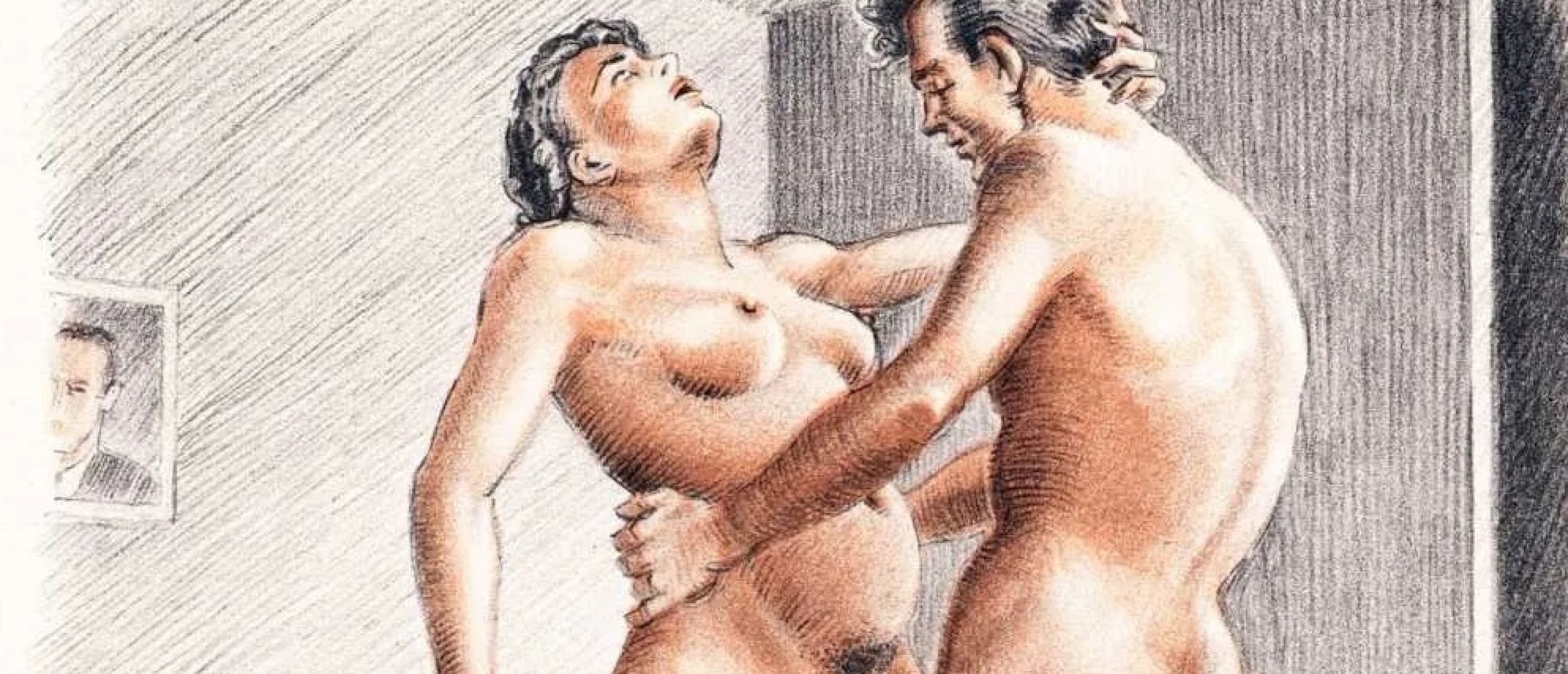

Clayton's College: Eroticism, Censorship, And Publishing Circulation In Postwar France
Erotic Literature and Censorship in Postwar France
Published around 1948, Clayton’s College belongs to a body of erotic novels that circulated in France after the Second World War and that, despite restrictions imposed by the authorities, reached readers through publishers, bookstores, and distribution networks specializing in literature deemed obscene. Attributed to the Belgian writer José-André Lacour (1919–2005), the work was published under the female pseudonym Connie O’Hara, associated with a fictional American authorial identity. Its publishing history is of particular interest because of the convictions handed down by the 17th Correctional Chamber of the Seine Court in 1950, 1953, and 1957, all upheld on appeal, according to bibliographic records of editions offered by specialist booksellers.
The succession of legal proceedings did not prevent the novel from continuing to circulate. On the contrary, during the 1950s, it appeared in illustrated editions produced in limited print runs and intended for collectors. This transition from a book subjected to censorship to an object of bibliophilic interest provides an opportunity to examine the relationships between erotic literature, representations of the body, judicial repression, and the publishing market.
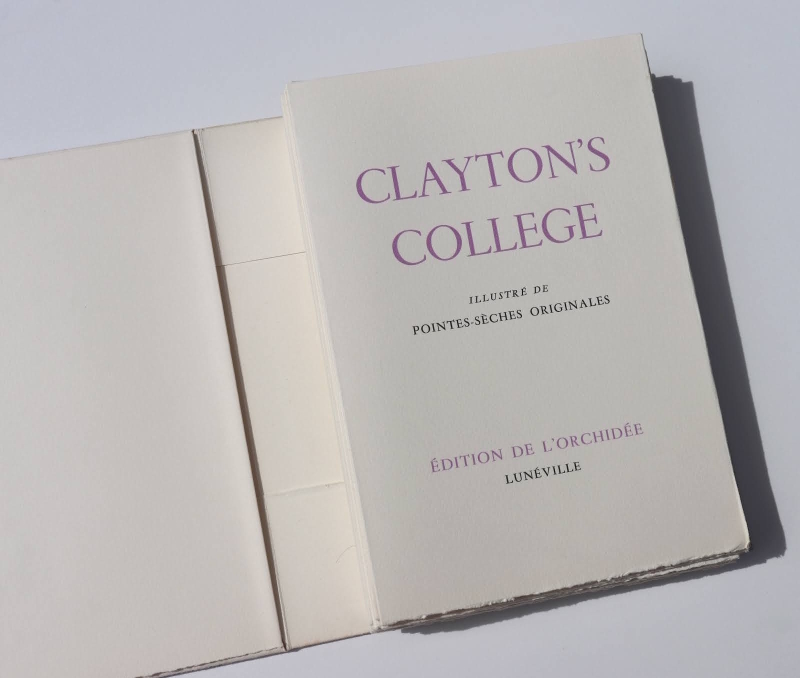
Fig.1 Clayton’s College, 1957
The publication of Clayton’s College took place during a period of reorganization in French cultural life. The end of the German occupation and the resumption of publishing activities expanded the circulation of books, magazines, and translations, while contact with American cultural production encouraged interest in detective fiction, narratives of violence, and novels exploring sexual behavior that challenged social conventions.
However, the presence of such works on the market did not mean that censorship mechanisms had been abandoned. French legislation retained provisions under which publications accused of offending public morality and accepted standards of decency could be prosecuted. The expansion of publishing opportunities therefore coexisted with the surveillance of certain forms of content, particularly those related to sexuality. In this context, whether a work was classified as literature or pornography depended not only on its formal characteristics but also on the criteria employed by judges, publishers, critics, and institutions responsible for regulating printed materials.
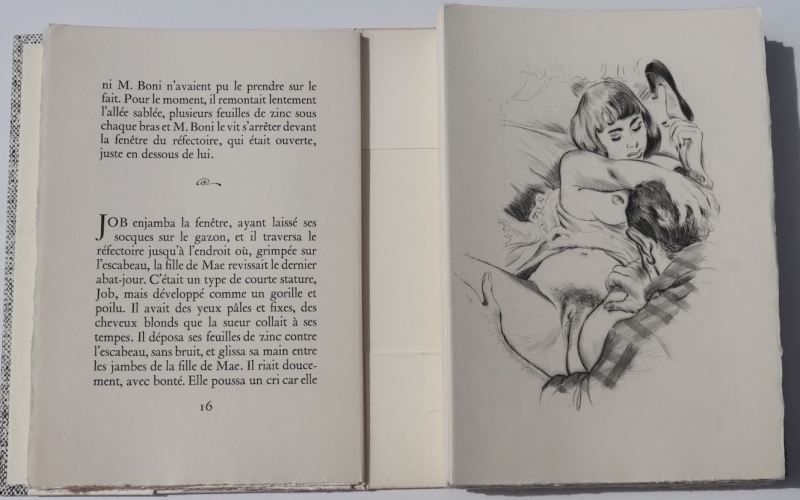
Fig.2 Clayton’s College, 1957 by Gaston de Sainte-Croix
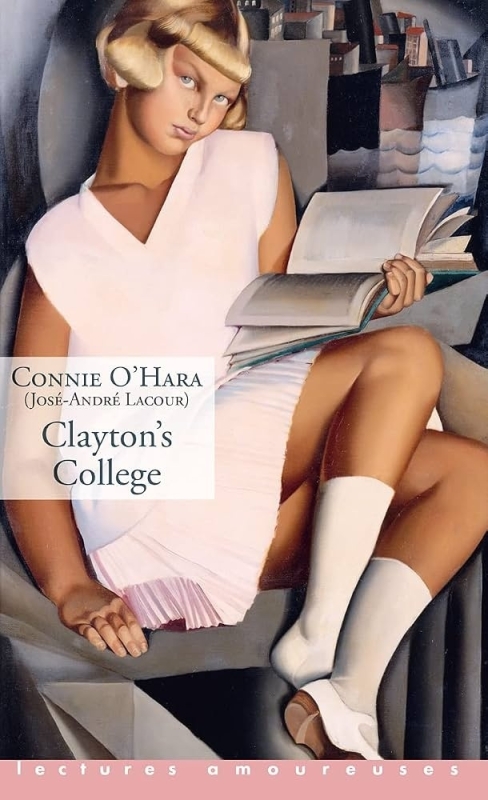
Fig.3
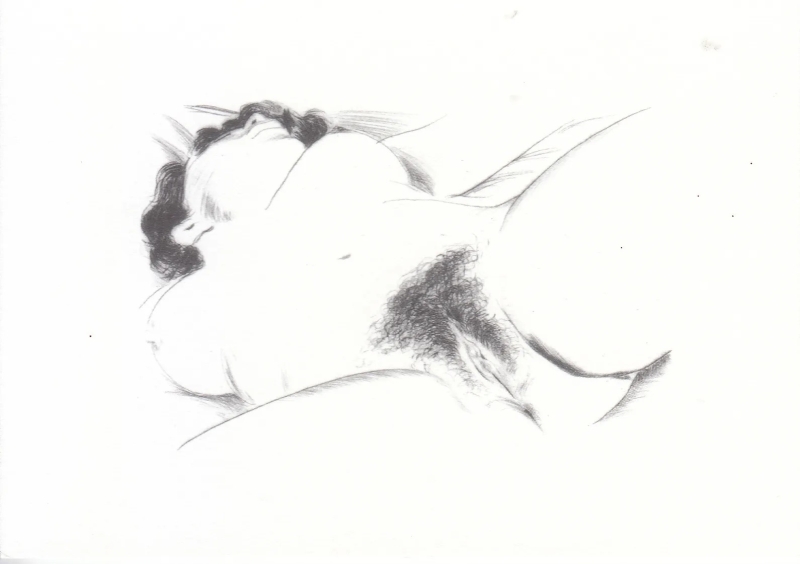
Fig.4 Clayton’s College, 1957 by Gaston de Sainte-Croix
Pseudonymity, Fictional Authorship, and Editorial Strategies
The use of the pseudonym Connie O’Hara must be understood within this publishing environment, since attributing the novel to an American woman writer allowed it to be situated within an imagined tradition of foreign literature associated with sexual freedom, violence, and transgression. This practice also created a distance between the author and the published content, although it cannot be established, without additional documentation, that this was its primary purpose.
José-André Lacour, who worked as a novelist, playwright, and screenwriter, adopted a literary identity distinct from his legal name. The female pseudonym added another dimension to the presentation of the work, suggesting that the narrative originated from an authorial perspective different from that of its creator. The issue, therefore, extends beyond the concealment of authorship to encompass the ways in which a writer’s identity can function as part of a book’s presentation and marketing strategy.
The attribution of a false foreign origin was not exclusive to Clayton’s College. Two years before its publication, Boris Vian had released J’irai cracher sur vos tombes (1946) under the pseudonym Vernon Sullivan. Presented as a translation of an American novel, the book combined violence, sexuality, and criticism of race relations in the United States. Its reception generated controversies that extended beyond the literary sphere and reached the courts.
Although the two works differ in structure and content, the comparison reveals a shared publishing practice: the creation of a fictional authorial identity associated with the United States to introduce narratives dealing with subjects vulnerable to censorship. The foreign name functioned as an element of fiction even before the reader began the text, shaping expectations about the world represented in the narrative.
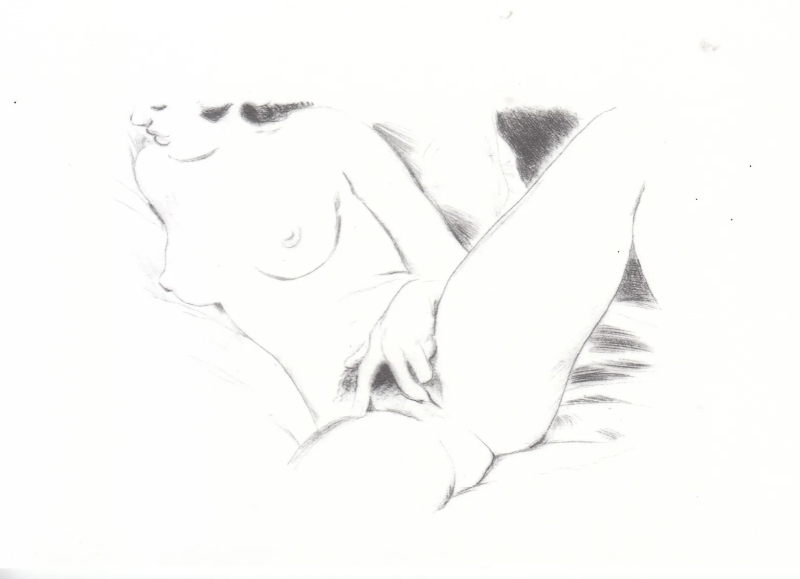
Fig.5 Clayton’s College, 1957 by Gaston de Sainte-Croix
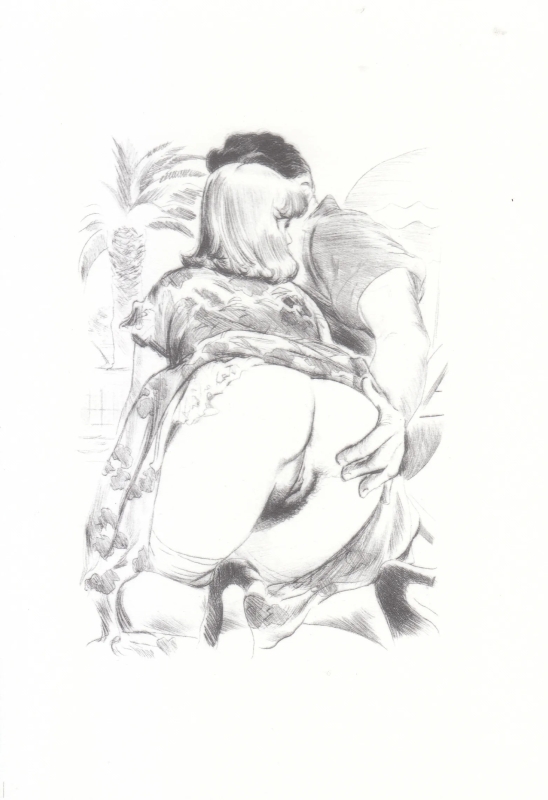
Fig.6 Clayton’s College, 1957 by Gaston de Sainte-Croix
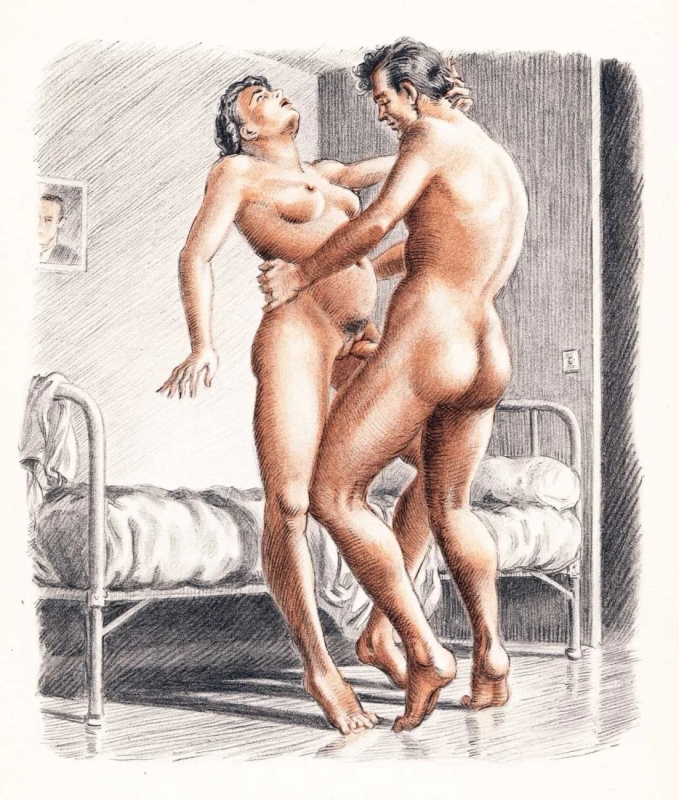
Fig.7 Clayton’s College, 1950 by Anonymous
Institutional Discipline and Sexual Transgression in the Novel
In Clayton’s College, the narrative revolves around two educational institutions, one for girls and the other for boys, located near each other. Clayton’s and Davila’s colleges provide the settings in which relationships between the characters develop. During the July holidays, the reduced number of students and staff alters the routine of the boarding schools and creates the conditions for the events described in the novel...
Become a Premium member now and read the complete version of the article including more about the sexual transgression in the novel, the judicial proceedings and the limits of censorship, the various illustrated editions: drypoint, lithography, and erotic engraving, the visual construction of eroticism in Clayton's College, pornography, art, and the materiality of the book, censorship, collecting, and the circulation of erotic images, and many more revealing illustrations.
Click HERE for the forbidden images of the Master of the College Nurse
What are your thoughts about Clayton's College? Leave your reaction in the comment box below...!!