
The desire to watch one's partner engage in sexual relations with another person, now associated with terms such as cuckold and cuckolding, occupies a space extending beyond pornography. Its presence in forums, digital platforms, and audiovisual productions reveals different ways of experiencing jealousy, exposure, and indirect participation in another person's pleasure. Although the term cuckold referred for centuries to a man whose wife was unfaithful, its contemporary usage also encompasses consensual practices in which infidelity ceases to be an involuntary transgression and becomes part of a shared fantasy. This shift does not eliminate the conflict between desire and suffering. On the contrary, it makes that conflict one of the elements sustaining the erotic experience.
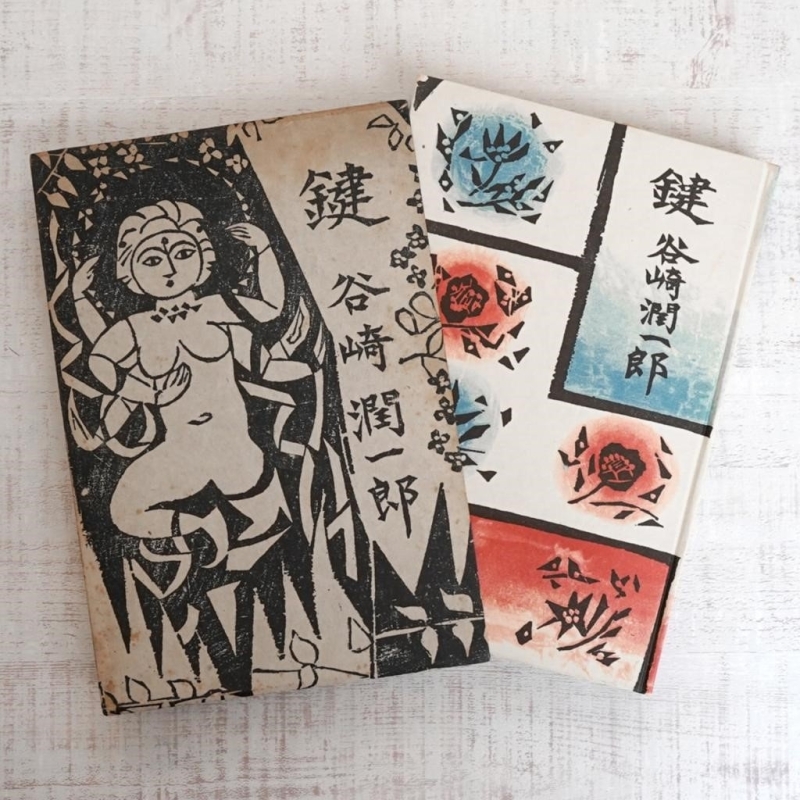
Fig.1 Book First Edition "Kagi / The Key" (1956) by Jun'ichirō Tanizaki
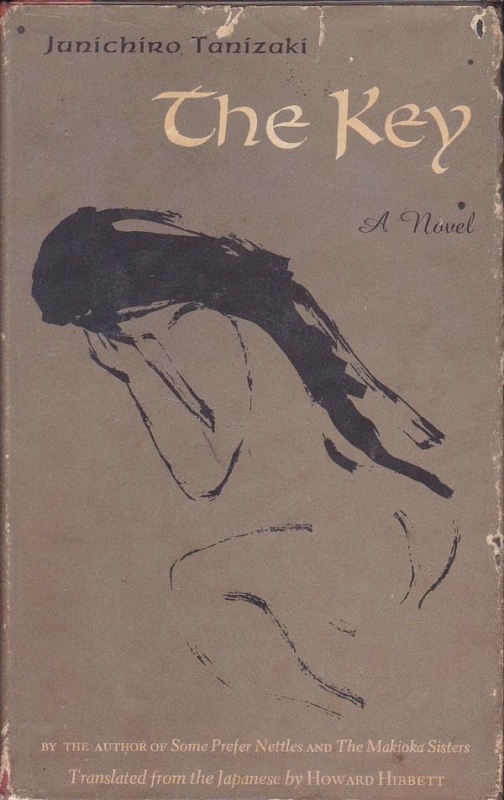
Fig.2 The Key, 1971 by Jun'ichirō Tanizaki
It is important, however, to distinguish adultery from the fantasy of cuckolding. In the former, an extramarital relationship may take place without the partner's knowledge or consent. In the latter, the participation of a third person forms part of an erotic dynamic in which observation, imagination, or knowledge of the sexual encounter becomes a source of arousal. Rather than representing only a threat to the relationship, jealousy may be incorporated into desire. The practice is therefore not defined solely by the presence of three people, but by the position each occupies in the organization of pleasure.
This relationship between desire, jealousy, and indirect participation did not emerge with digital culture. Literature had already explored its contradictions, albeit through different categories. In Kagi (鍵, The Key), published in 1956, Jun'ichirō Tanizaki (1886–1965) constructs a narrative in which the possibility of adultery becomes an instrument of arousal and conflict between husband and wife. Rather than merely depicting a sexual fantasy, the novel examines the difficulty of knowing another person's desire, even when intimacy seems to grant access to their thoughts.
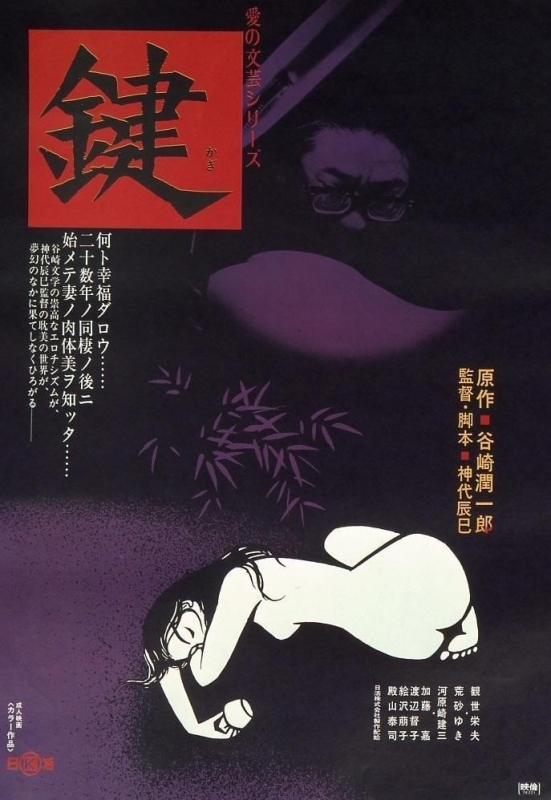
Fig.3 Film affiche for Kagi (1974)
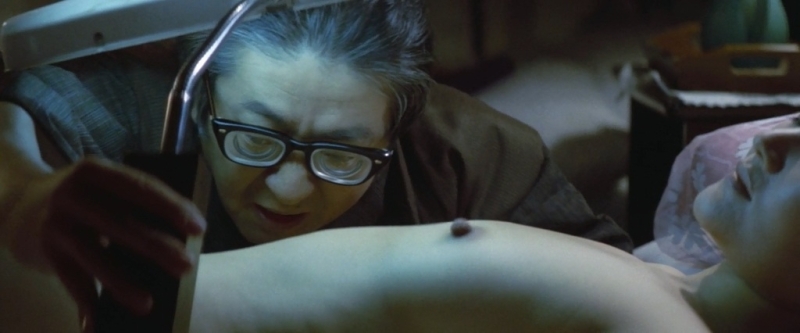
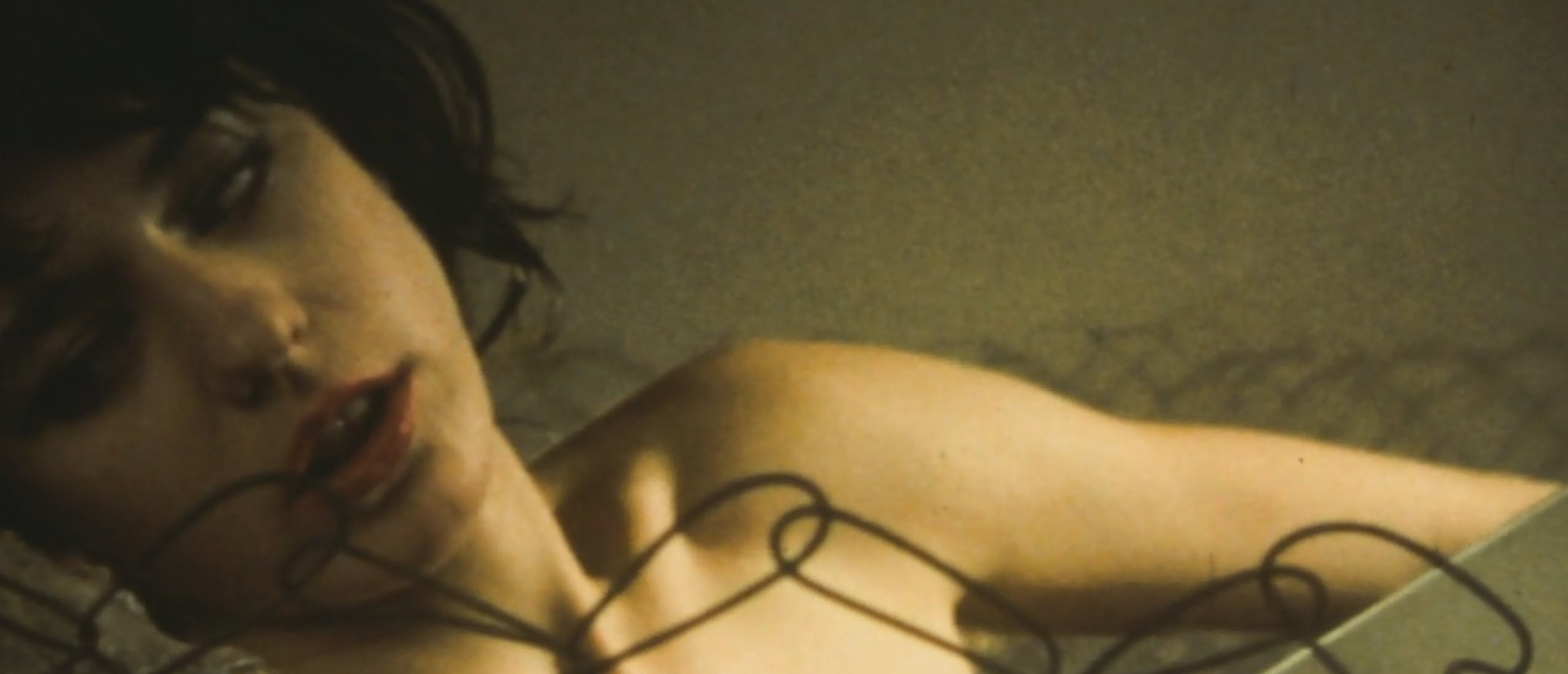
Fig.4 Film still from Kagi (1974) by Tatsumi Kumashiro
DESIRE AS A NARRATIVE PROBLEM
Kagi (The Key)
Serialized in the magazine Chūō Kōron beginning in January 1956, the novel belongs to the final phase of Tanizaki's literary career. In constructing the narrative, the writer drew on personal experiences involving aging, sexuality, and marital tensions, transforming them into fictional material. The work sparked debate in Japan by addressing the sexual desire of a middle-aged couple, declining male potency, and the possibilities of female satisfaction. The narrative is organized around the diaries of a 55-year-old university professor and his wife, Ikuko, who is ten years younger. After many years of marriage, the two face a mismatch between their desires and their possibilities for fulfillment. The husband seeks to recover a sexual vitality he feels is fading. Ikuko, for her part, expresses frustrations that find no place in marital dialogue. Although they share the same house, they seem separated by a distance that years of living together have failed to close.
The professor begins recording in his diary thoughts he cannot communicate to his wife. Ikuko also keeps a journal, setting down desires, resentments, and interpretations of her husband's behavior. Their accounts alternate, allowing the reader to follow two versions of the same events. Yet the existence of these records does not guarantee access to the truth. Both suspect that the other may be reading their diary, a circumstance that turns writing into part of the conflict.
The key in the title refers, first, to the object that provides access to the compartment where the professor keeps his diary. Its meaning, however, is not exhausted by this function: it represents the possibility of entering an intimacy that ought to remain protected, even as the very notion of secrecy is called into question. If someone writes knowing that the text may be read, what is presented as a confession may also be an attempt to provoke a reaction.
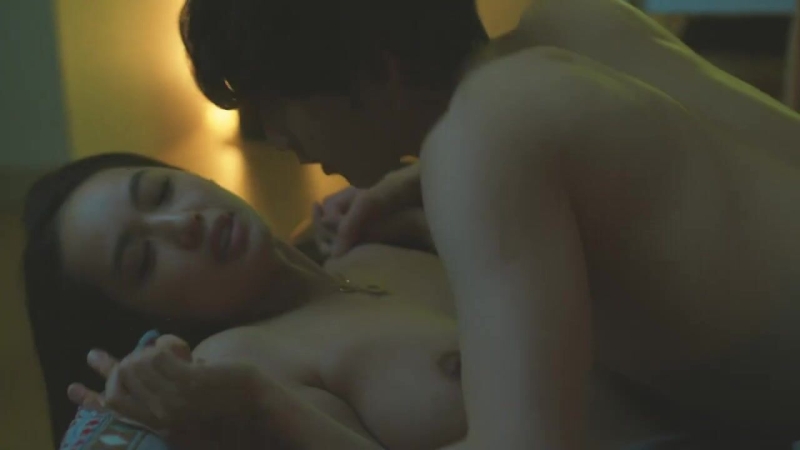
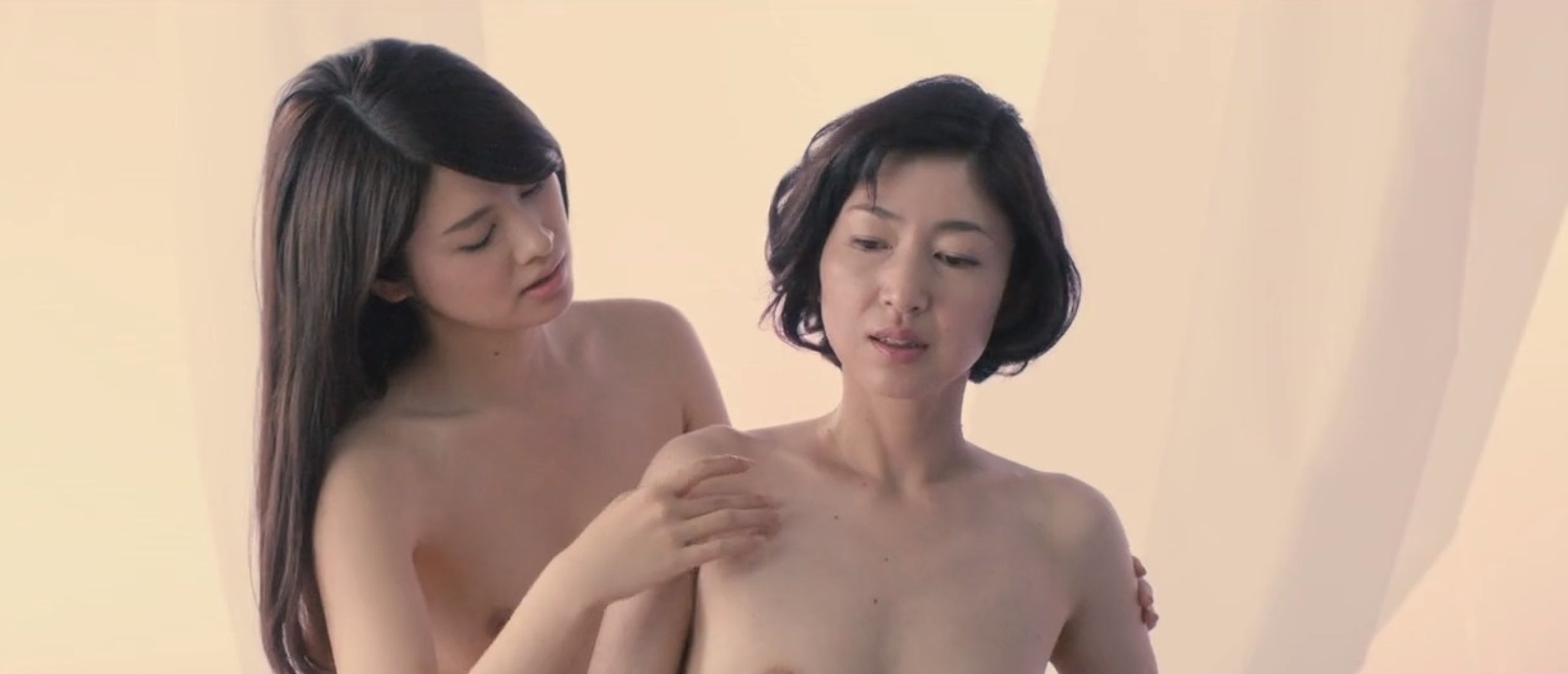
Fig.5 The Key - Professor's Pleasure - (Kagi), 2022 by Hiroki Inoue
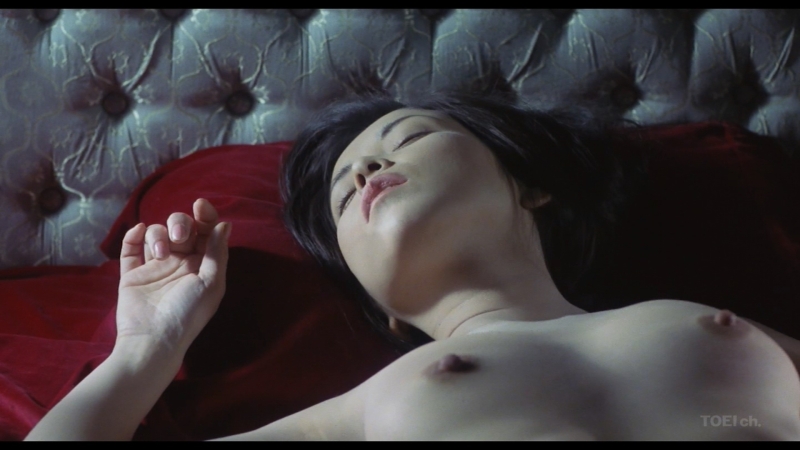
Fig.6 Kagi, 1997 by Toshiharu Ikeda
The presence of Kimura, a younger man regarded as a possible suitor for Toshiko, the couple's daughter, adds another dimension to the relationships among the characters. The professor begins to see Kimura's closeness to Ikuko as a possible means of awakening his own desire. The suspicion of an extramarital affair ceases to function solely as a threat to the marriage and begins to feed the husband's erotic imagination. Jealousy thus becomes an element of arousal while putting at risk the position of control he seeks to preserve.
Tanizaki avoids presenting this situation as a succession of sexual episodes. Much of the tension arises from what the characters imagine, insinuate, or conceal. Desire depends on incomplete information, contradictory interpretations, and situations in which none of those involved fully knows the intentions of the others. The reader participates in this game because there is no external perspective from which to verify events. In this respect, the novel approaches the contemporary fantasy of cuckolding, although its characters cannot be reduced to a sexual category formulated in a different historical context. The professor does not merely seek to witness or learn of a possible relationship between his wife and another man. He wants to turn the threat of losing his exclusivity into a means of recovering arousal. What is at stake is not only infidelity, but the attempt to control one's own desire through the desire of another.
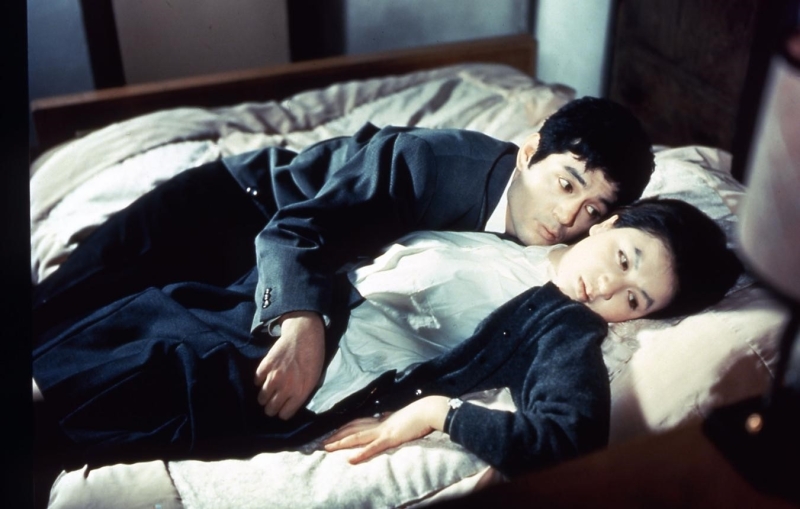
Fig.7 Kagi (Odd Obsession), 1959 by Kon Ichikawa
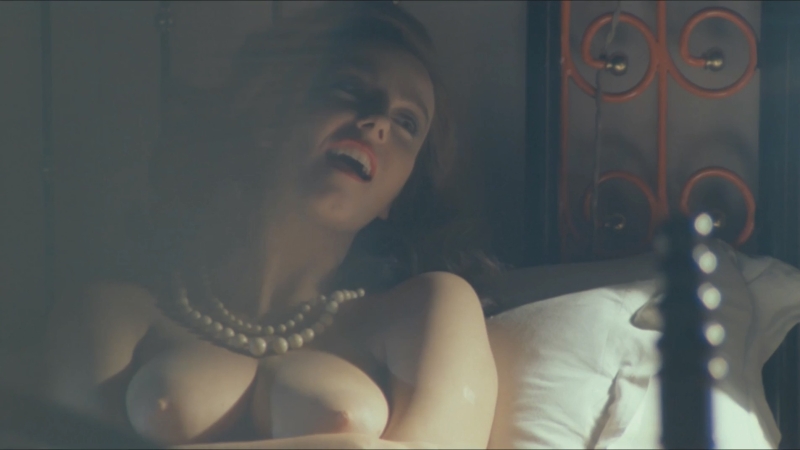
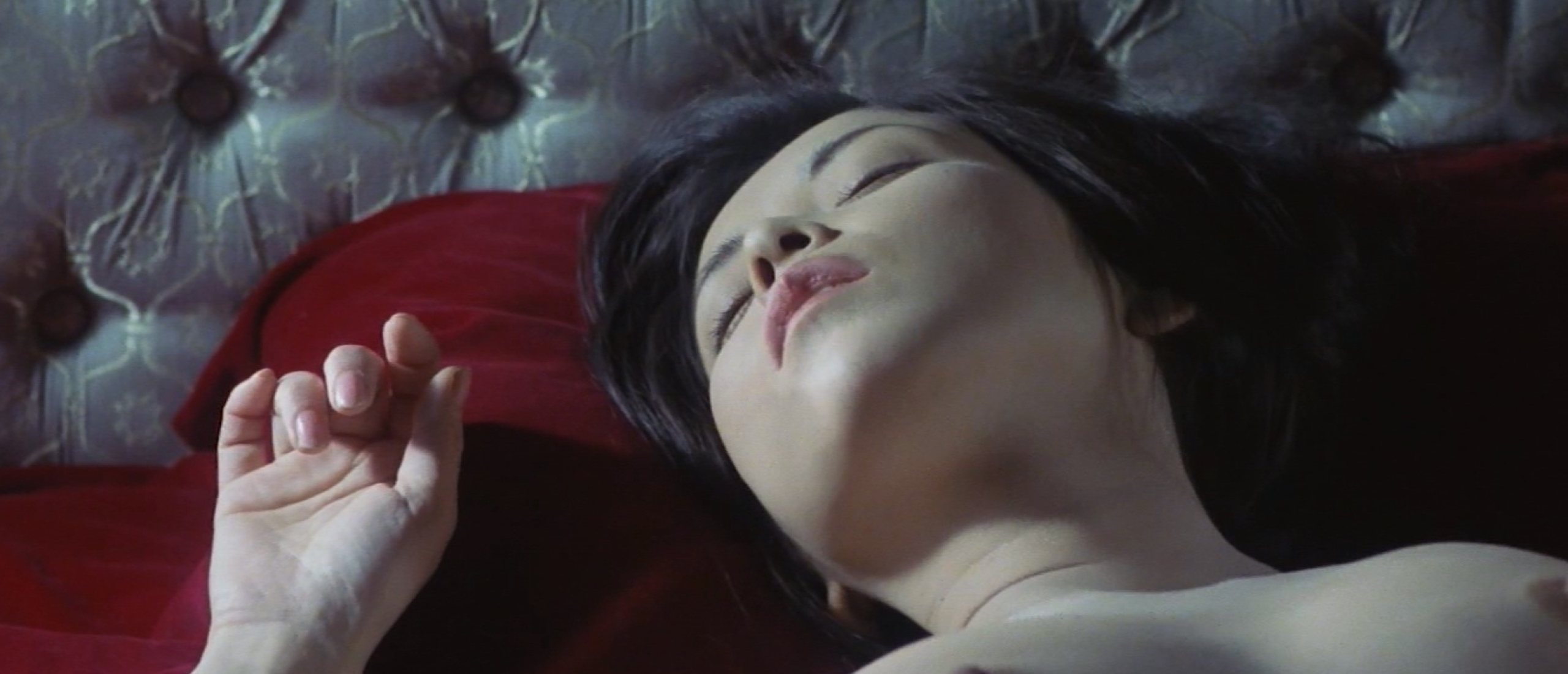
Fig.8 La Chiave - The Key (1983) by Tinto Brass
The above is just a fraction of a much longer Premium publication that reveals many more insights including:
- Between Confession and Performance
- Critical Reception: Eroticism and Literature
- From Diary to Image: the Film Adaptations
- Kon Ichikawa and the Irony of Desire: Kagi (Odd Obsession, 1959)
- Tatsumi Kumashiro and Roman Porno: Kagi (1974)
- Two Versions in 1983: Akitaka Kimata and Tinto Brass
- La Chiave (The Key, 1983)
- Toshiharu Ikeda and the Teturn to Marital Conflict: Kagi (1997)
- Other Reinterpretations: the United States and Japan
- Between Literature and Cinema: What Remains of Kagi
- 36 Additional Alluring Pics
Click HERE for the most arousing films of the Roman Porno genre
Let us know your thoughts about this article in the comment box below....!!