
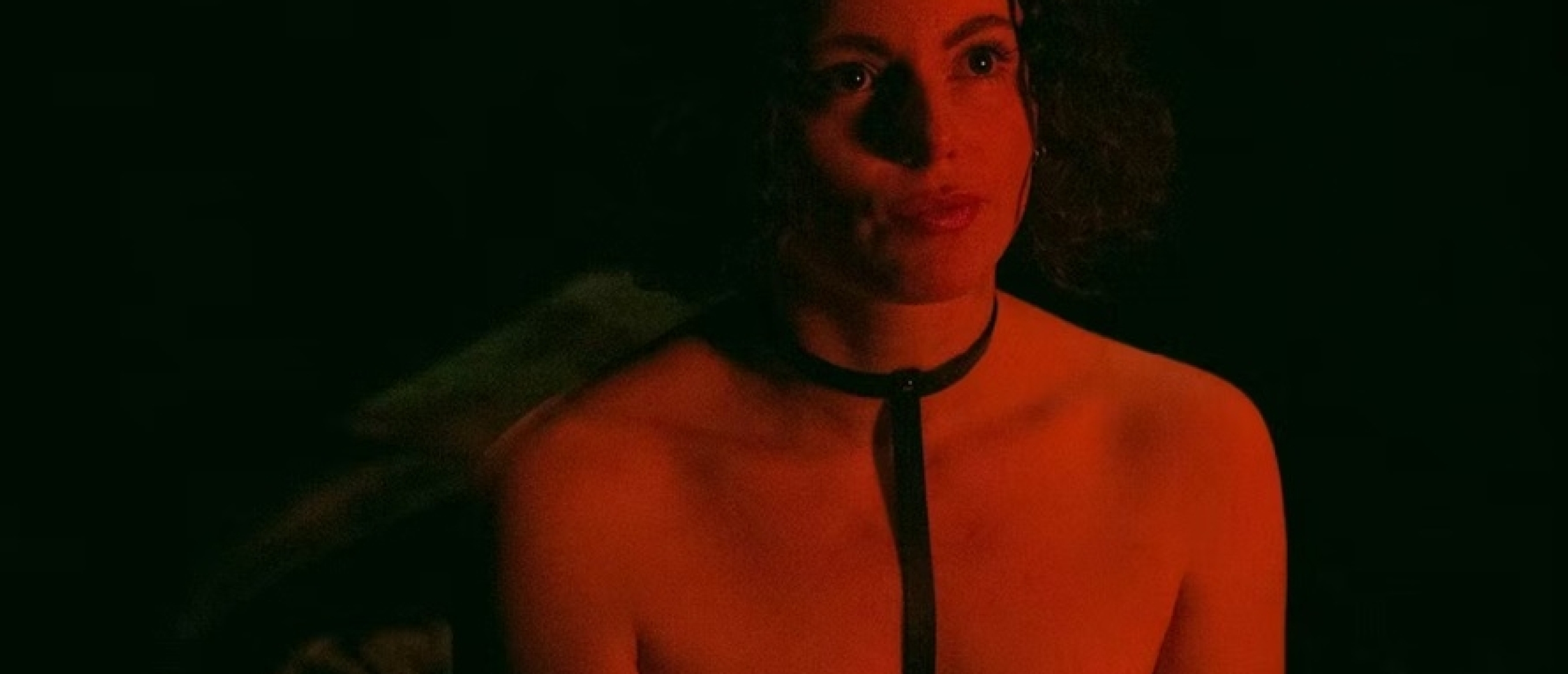

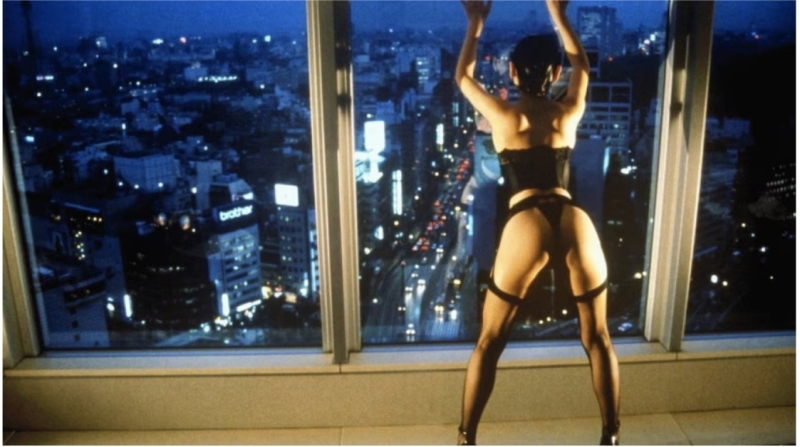
Tokyo Decadence, 1992 Written and directed by author Ryo Murakami (best known for penning the book behind Takashi Miike’s Audition) (Film still via AnotherMag)
Editor’s Note:
For as long as cinema has existed, it has flirted with sex — sometimes coyly, sometimes scandalously, often under threat of censorship.
Erotic cinema did not emerge as a genre overnight; it seeped into the mainstream through cracks in moral codes, court rulings, art-house loopholes, and the stubborn insistence that desire, like death, is part of the human condition.
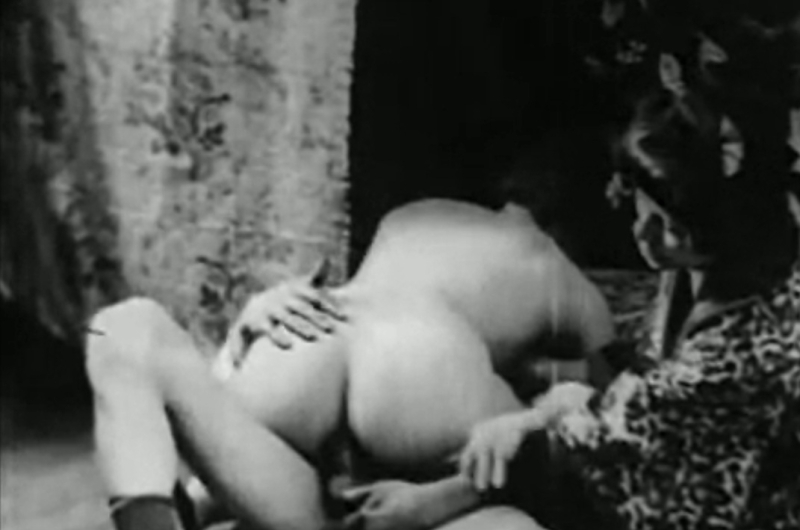
Fig 1 Miss Butterfly, a pornographic short film set in Japan, 1925 Source - Polissons et galipettes/ The Good Old Naughty Days, 2002, Silent French hardcore porn loops compiled and produced by Michel Reilhac and Mélange Production as a feature film
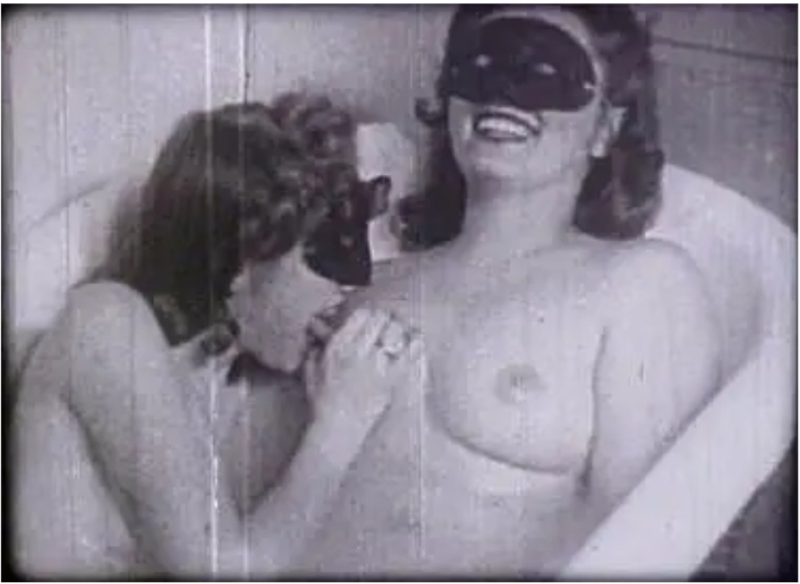
Fig 2 Masque girls (1940s) film still via Albert Steg
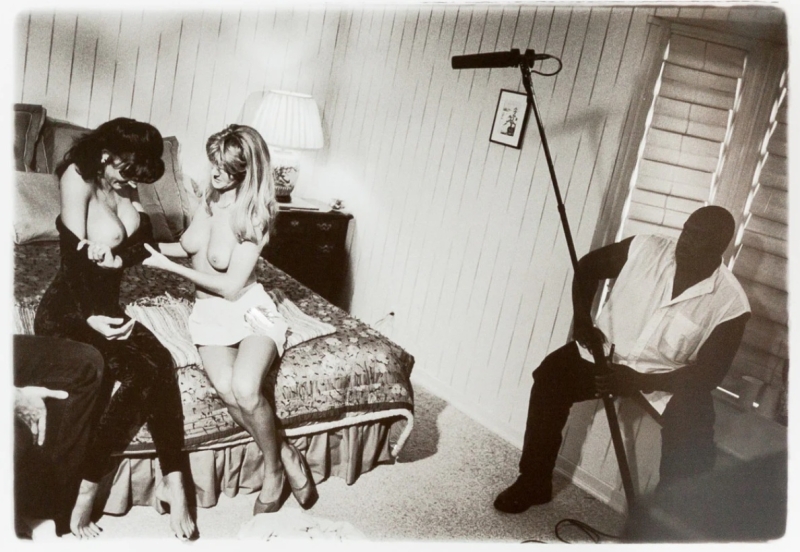
Fig 3 Ken Probst (por'ne-graf'ik) "The Abduction Set" from Ken Probst: Pornographic published by Twin Palms Pub, 1998 (photographic work by Ken Probst featuring A.M. Homes's accompanying text, documenting the adult film industry's behind-the-scenes reality, revealing the mundane and absurd aspects of creating desire. The book captures the contrast between staged eroticism and the everyday life of actors and crew, showing the 'banality of manufacturing desire')
What we now call erotic film was once illegal, banned, seized, blurred, or relegated to underground screenings. Yet these films did more than arouse: they rewired the visual language of intimacy, challenged the politics of the gaze, and forced culture to confront what it preferred to keep hidden.
Erotic cinema is not pornography in disguise. At its best, it is a philosophical act — sex used as narrative, confrontation, rebellion, confession.
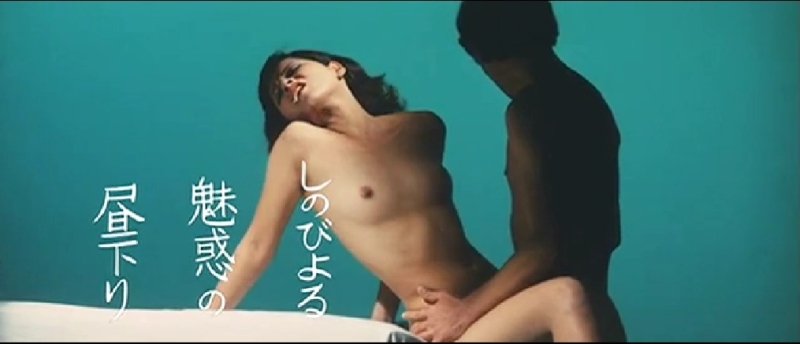
Fig 4 Apartment Wife Affair in the Afternoon, 1971 Directed by Shōgorō Nishimura Film still
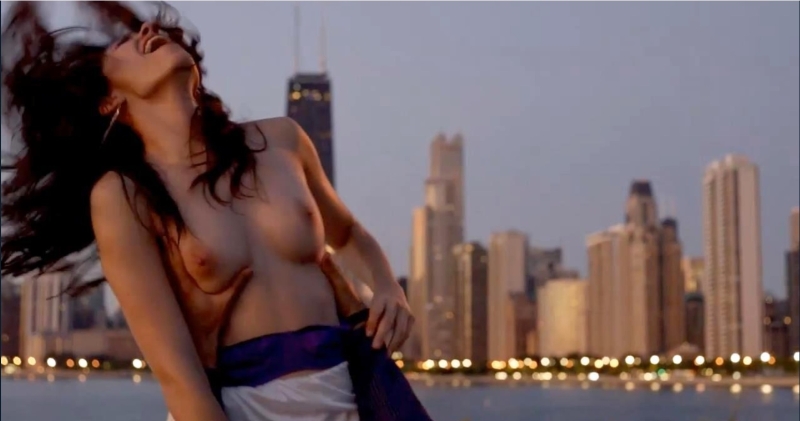
Fig 5 Shameless, American comedy drama television series developed by John Wells 2011-2021 Film still
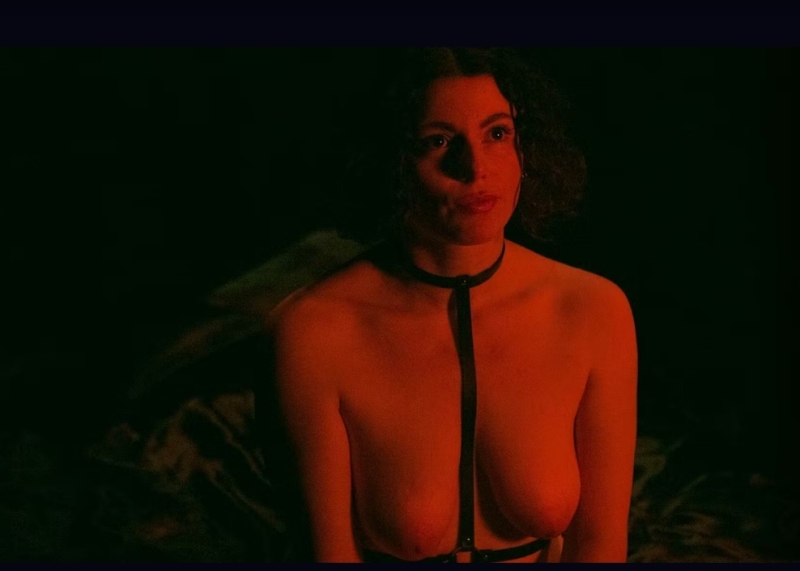
Fig 6 Romy Furie is a performer, nude photographer and proud feminist from Paris. Through her art she wants to express her most intimate fantasies, dismantle gender stereotypes and capture the female gaze on eroticism. She celebrates feminine domination, sexual liberation and freedom of expression through erotic art. Via Erika Lust / LustCinema
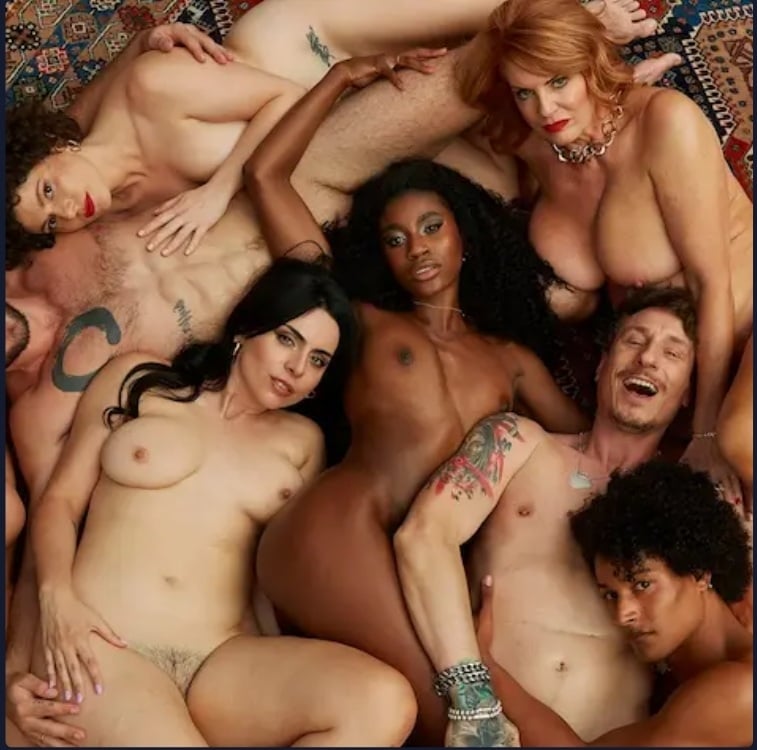
Fig 7 Independent Porn Movies In One Online Store. Cinematic, Sex-Positive Porn Movies via ERIKALUST
How Erotic Cinema Dragged Taboo Into the Light (Kicking and Moaning)
Cinema didn’t discover sex the way it discovered sound or color. Sex was always there, breathing behind the curtain, waiting for permission it was never going to get.
From the moment moving images learned how to seduce an audience, eroticism became cinema’s dirty little secret—officially denied, obsessively rehearsed, endlessly policed.
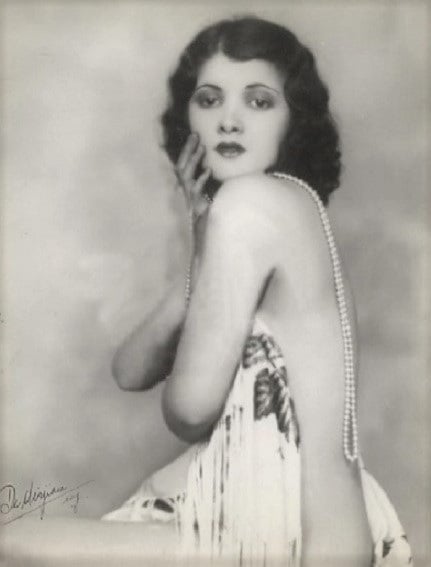
Fig 8 Beryl Wallace (born Beatrice Heischuber), 1920s American singer, dancer and actress
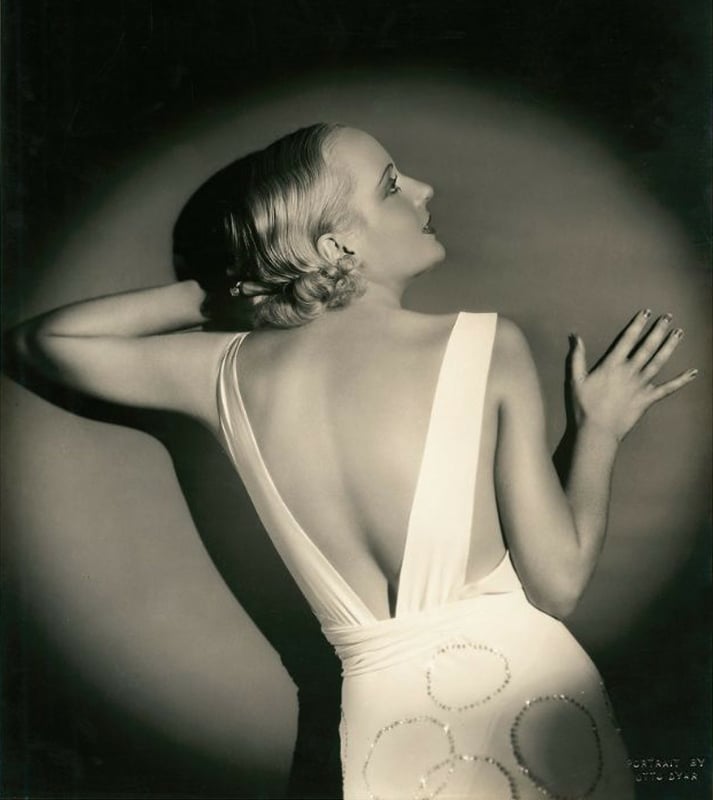
Fig 9 Actress Carole Lombard photographed by Otto Dyar in 1932
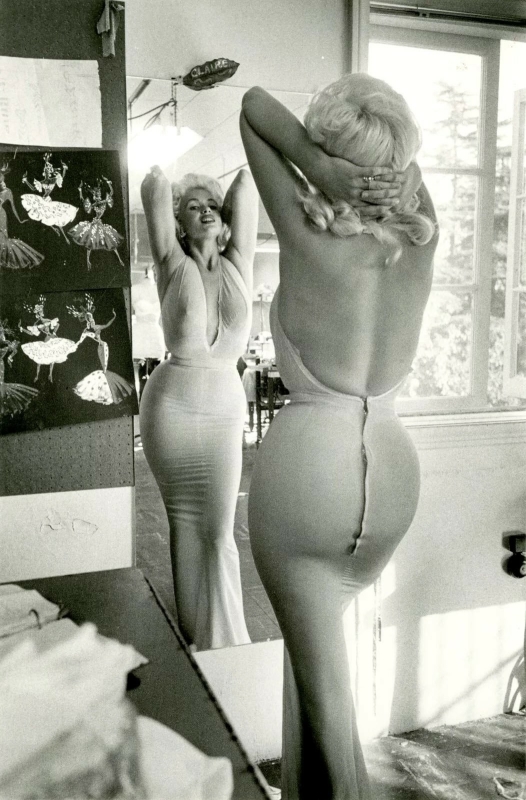
Fig 10 Jayne Mansfield photographed by Wayne Miller, 1958
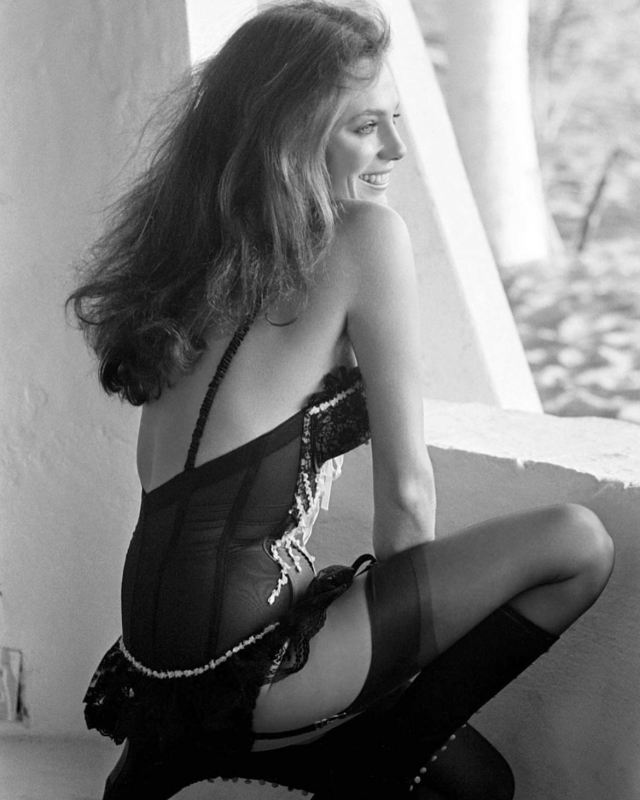
Fig 11 Jacqueline Bisset during the filming of the 1973 movie Le Magnifique, in Mexico
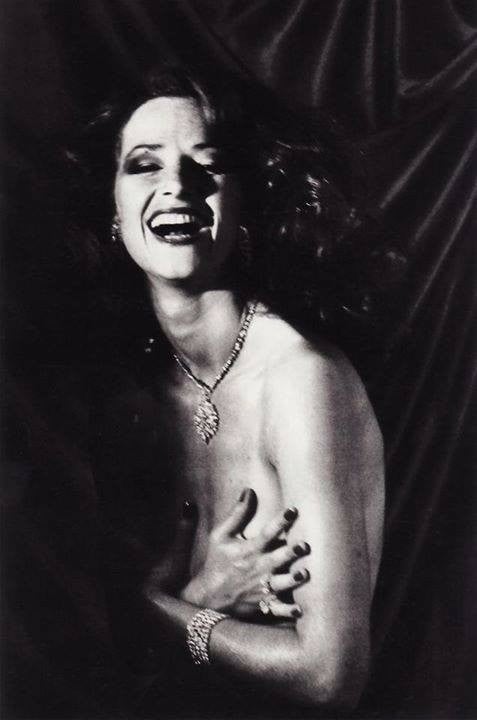
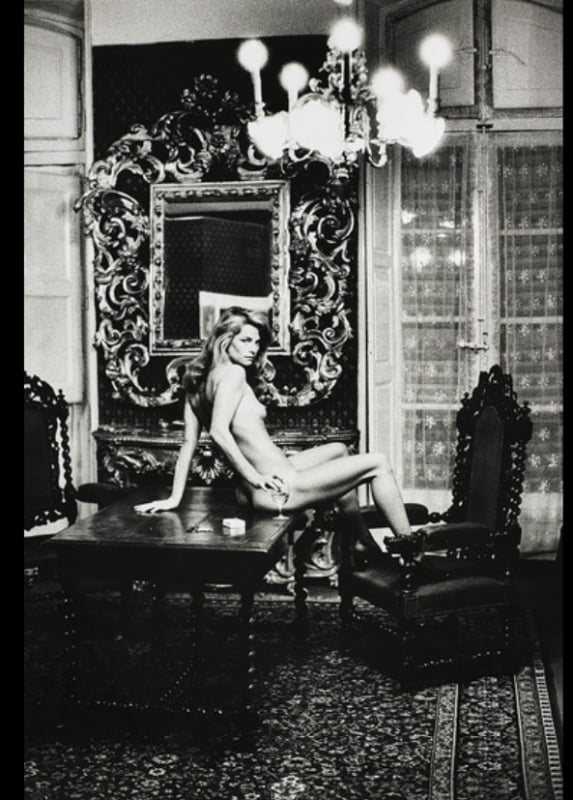
Fig 12 and 13 Charlotte Rampling by Helmut Newton 1977 and in Arles, 1973 Gelatin silver print via Artsy
Erotic cinema wasn’t born; it was smuggled. It crept in through shadows, ellipses, metaphors, courtroom loopholes, and European accents. It survived raids, bans, cuts, seizures, and moral panics, not because it wanted to shock, but because desire refuses to behave.
What we now file under “erotic film” was once criminal evidence, art-house contraband, or something you watched in a back room and never admitted to out loud.
And yet these films didn’t just get people off. They changed how we look. They taught cinema how to touch, how to linger, how to weaponize intimacy. Erotic cinema didn’t ask politely for a seat at the table—it crawled under it, spread its legs, and dared culture to look away.
This isn’t pornography pretending to be serious. At its best, erotic cinema is sex doing philosophy. Sex as narrative engine. Sex as rebellion. Sex as confession.
Sex as something that ruins people, frees them, disgusts them, and occasionally saves them.
From Suggestion to Scandal: When Sex Was a Crime
Early cinema was governed by absence. Desire existed only in glances, fades to black, cigarette lighting, and the coded symbolism of closed doors. The Hays Code (1934–1968) didn’t merely police nudity; it outlawed pleasure itself. Female desire, queer desire, extramarital sex — all were cinematic sins.
Eroticism survived by becoming smarter. Directors learned to suggest rather than show. But when censorship began to loosen in Europe in the 1960s, filmmakers did something radical: they stopped apologizing. Sex was no longer implied — it was acknowledged.
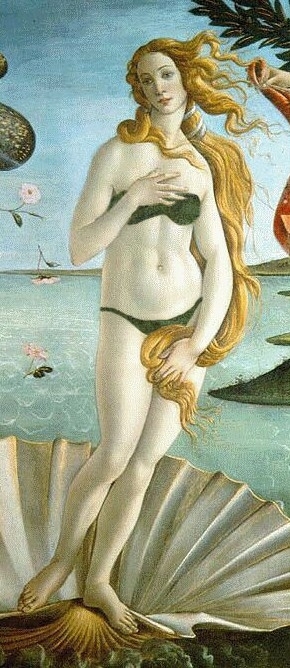
Fig 14 Durova, Support censorship: Botticelli's 'Birth of Venus' with a bikini, 2008
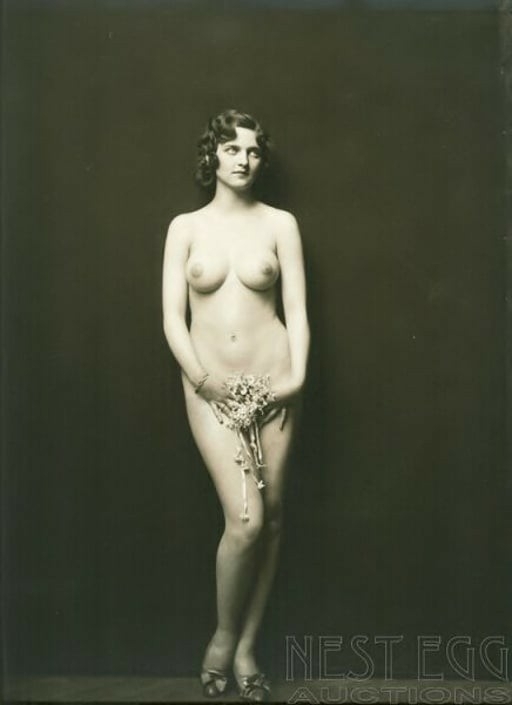
Fig 15 Dorothy Flood, ballet dancer, model and an actress. She performed in the 1931 Ziegfeld Follies (a series of theatrical productions on Broadway)
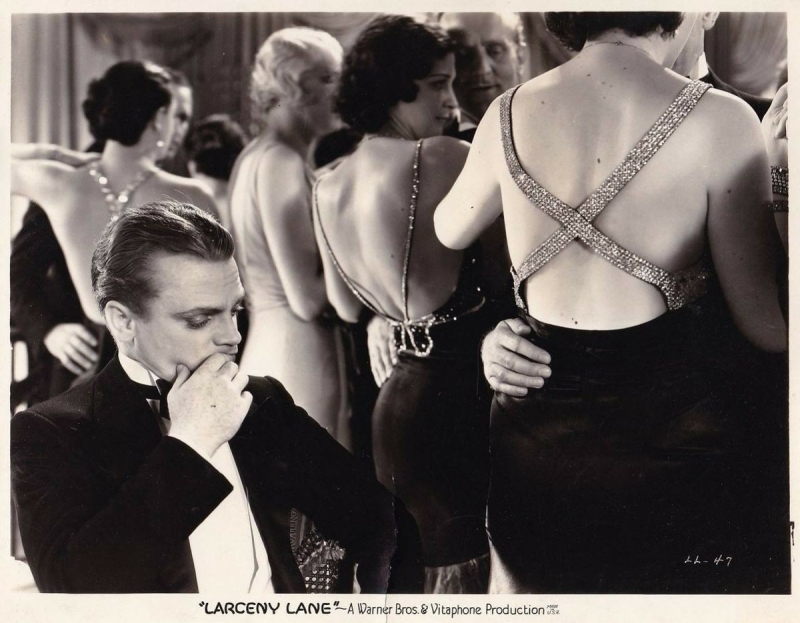
Fig 16 Pre Code Hollywood film Blonde Crazy (aka Larceny Lane) 1931, WB Studios, Direction: Roy Del Ruth
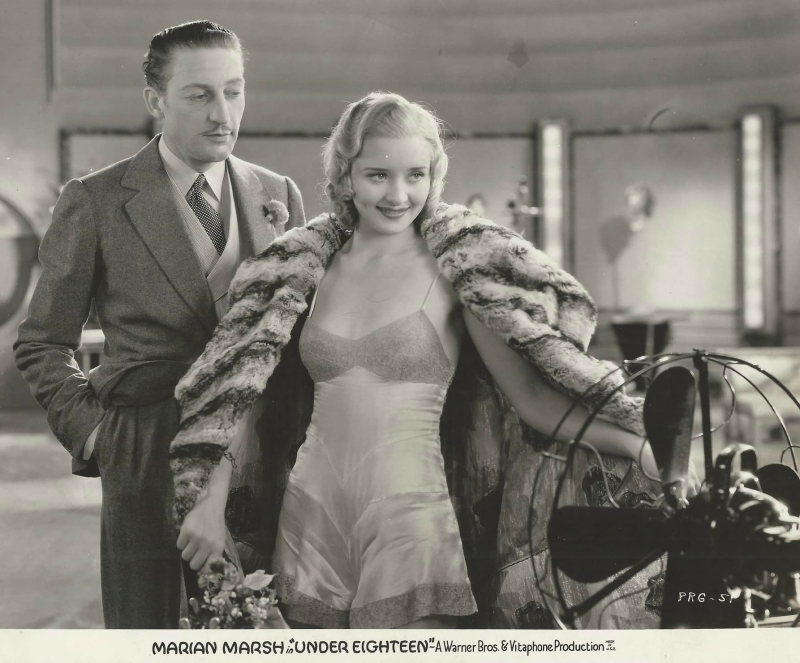
Fig 17 Warren William, nicknamed 'The King of Pre-Code' and Marian Marsh, a pre-Code sensation, in the 1931 film Under Eighteen
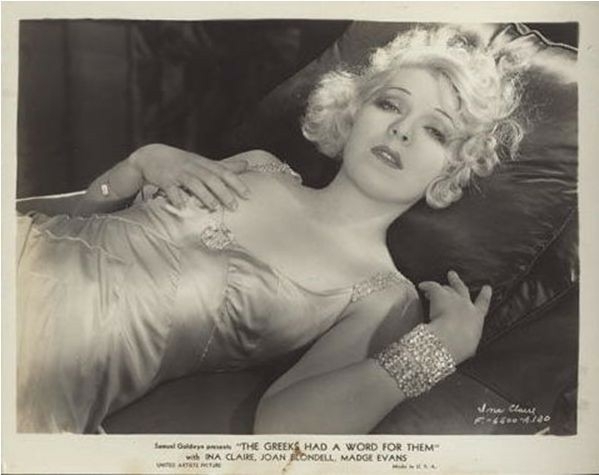
Fig 18 Publicity photos like this (Ina Claire in a publicity still for the 1932 film The Greeks Had a Word for Them), with a woman lying down, posing rapturously, provoked outrage among civic leaders.
Before sex could be shown, it had to be criminalized. The Hays Code didn’t just ban nudity—it criminalized pleasure itself. Women who wanted sex, queer bodies that desired without permission, adultery without punishment: all forbidden.
Hollywood learned to eroticize absence. A cigarette lit after the act. A door closing. A dissolve to black that did all the work.
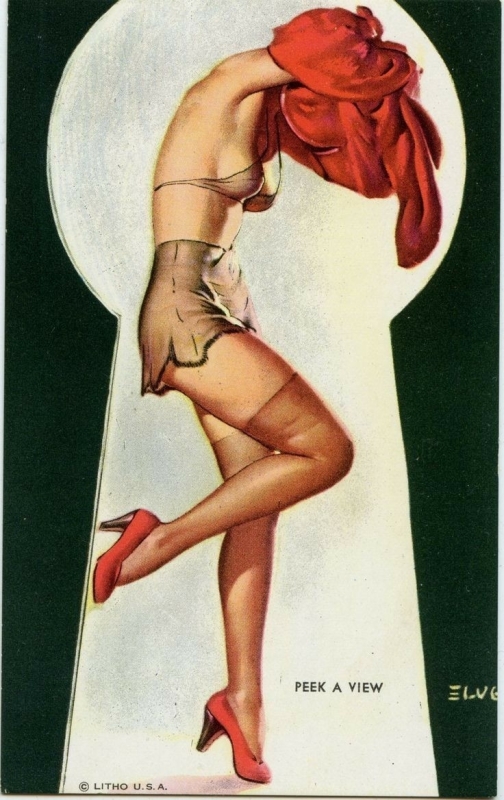
Fig 19 Gil Elvgren, All American Girls series color lithograph. Published by International Mutoscope Reel Company 1941. Sold through arcade vending machines. Credits The Met Art Museum NY
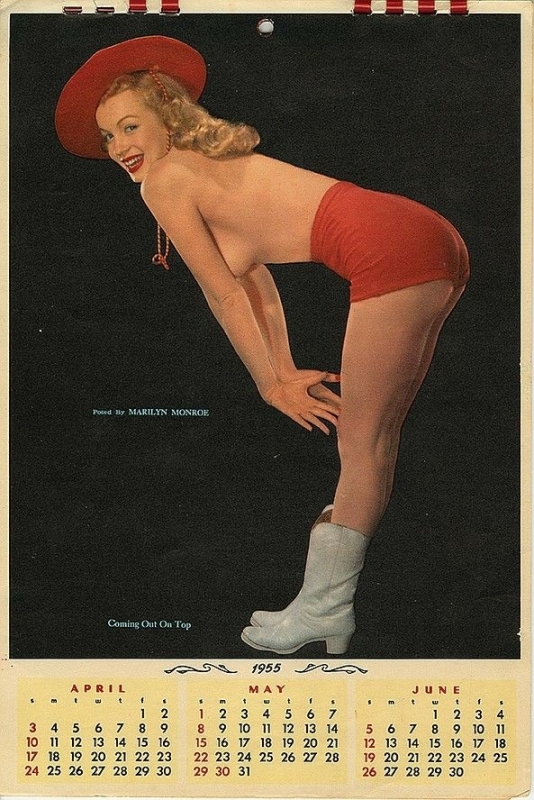
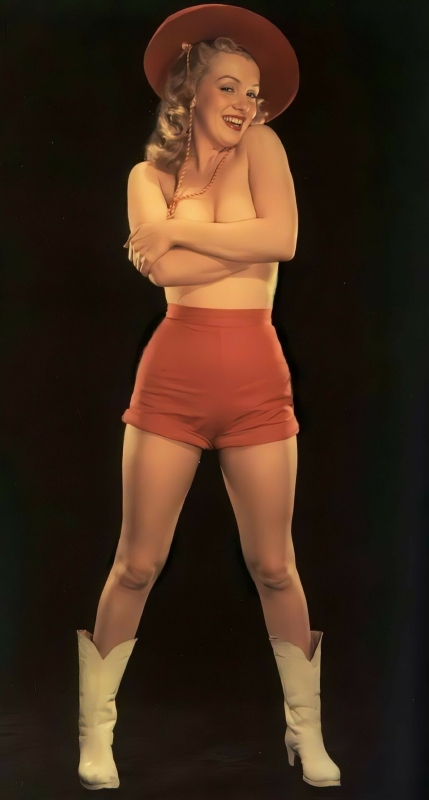
Fig 20 and 21 Marilyn Monroe, Coming Out On Top, pin-up calendar page, 1955. Photo by Laszlo Willinger, 1948
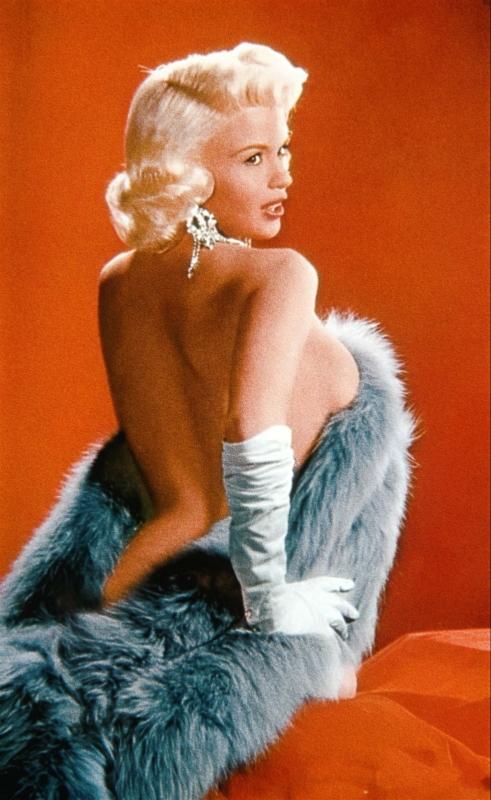
Fig 22 Jayne Mansfield wearing long white gloves with a length of blue fur wrapped around her waist in a studio portrait, circa 1955. Photo by Silver Screen Collection/Getty Images
And Studio Gods Created Woman
Then Europe got bored with apologizing.
When censorship loosened in the late 1950s and ’60s, filmmakers didn’t just show more skin—they changed the terms. Sex was no longer a punchline or a moral trap.
It became something characters owned. Which brings us, inevitably, to BB.
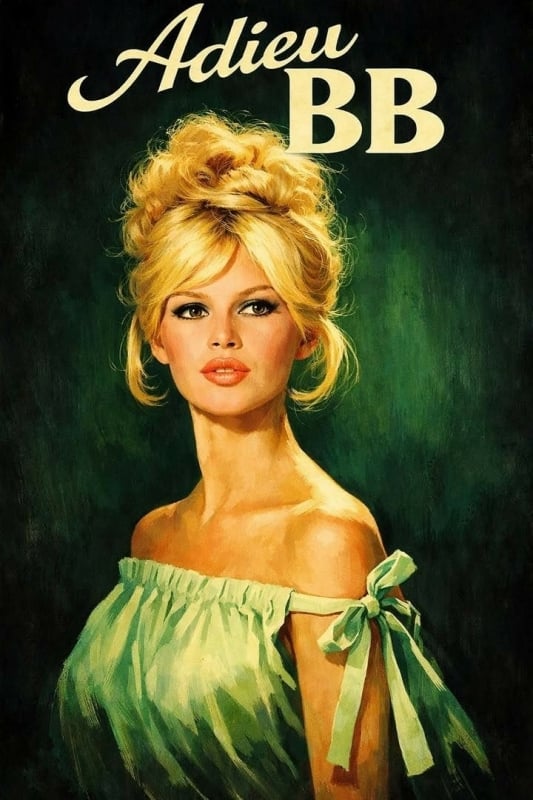
Fig 23 Adieu, Brigitte Bardot AI modified poster #tetedoc via Pinterest
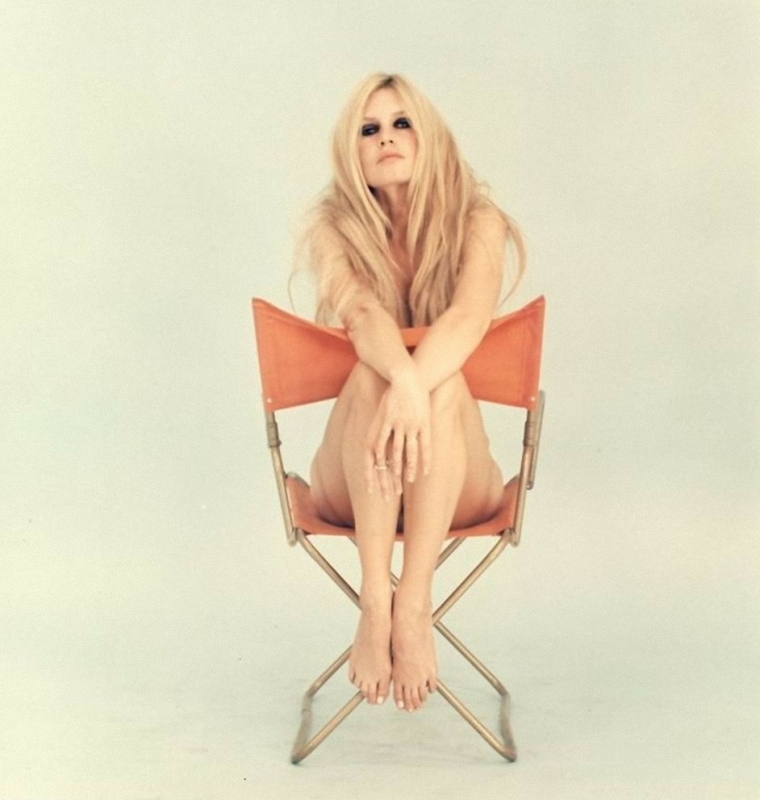
Fig 24 Sam Lévin, Brigitte Bardot, 1967
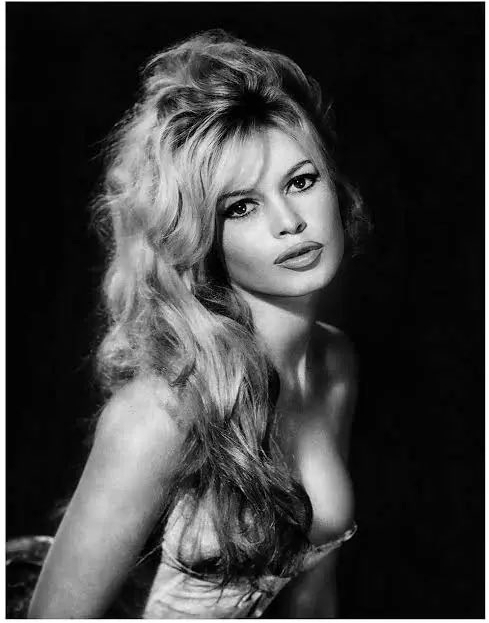
Fig.25 “Feminism isn’t my thing. I like men.” - Brigitte Bardot.
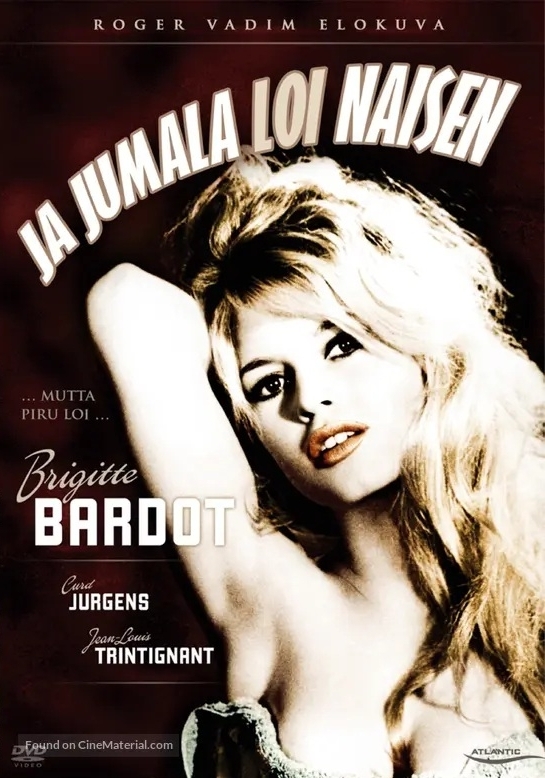
Fig 26 Et Dieu... créa la femme, 1956 (Finnish DVD cover) French romantic drama film directed by Roger Vadim, launched Brigitte Bardot to the stardom. Though not her first film, it is widely recognized as the vehicle that launched Bardot into the public spotlight and immediately created her "sex kitten" persona, making her an overnight sensation.
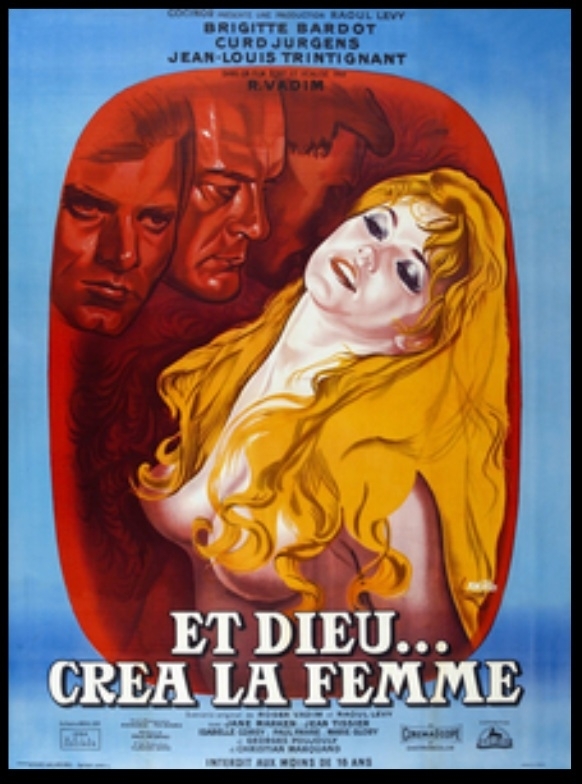
Fig 27 And God Created Woman ( Et Dieu... créa la femme), 1956 French romantic drama film directed by Roger Vadim and starring Brigitte Bardot, his then wife. It was Vadim's directorial debut. When the film was released in the United States by Kingsley-International Pictures in 1957, it pushed the boundaries of the representation of sexuality in American cinema, and most available prints of the film were heavily edited to conform with the Hays Code censorial standards... via Wikipedia
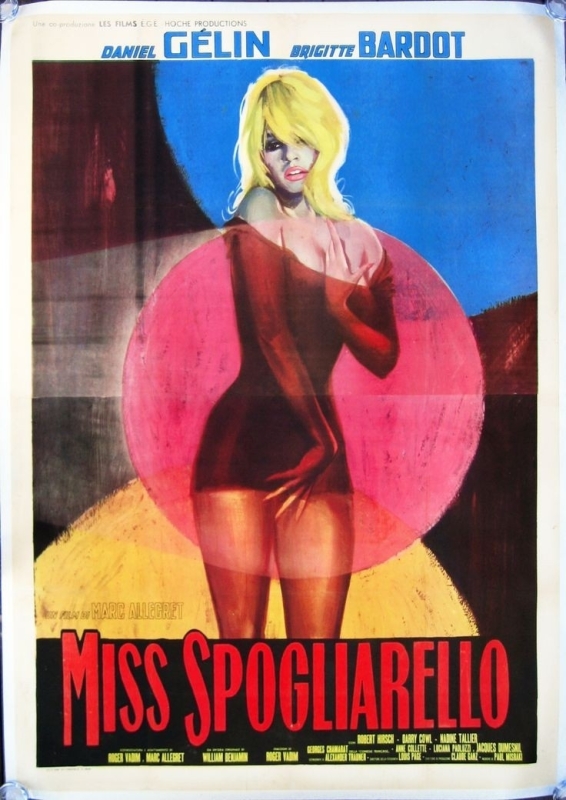
Fig 28 Miss Spogliarello / En effeuillant la marguerite ( Plucking the Daisy or Miss Striptease), 1956 French comedy film directed by Marc Allégret. Starring Brigitte Bardot and Daniel Gélin
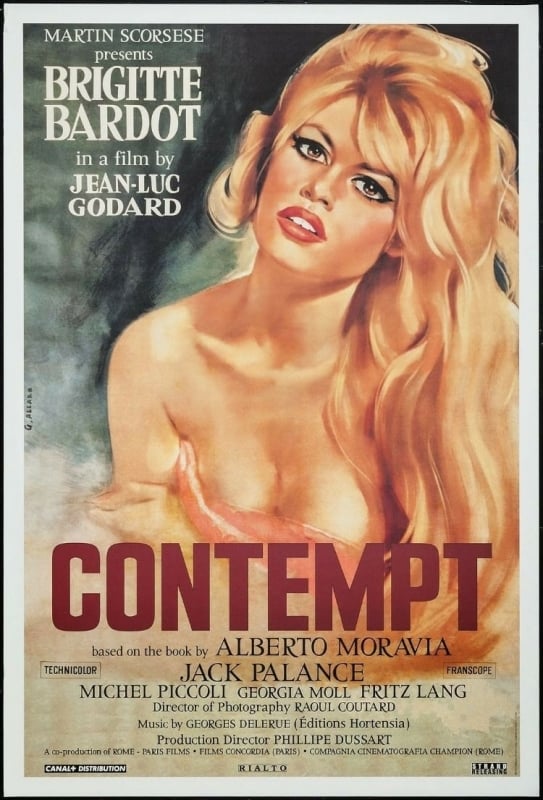
Fig 29 Contempt ( Le Mépris), 1963 French New Wave drama film written and directed by Jean-Luc Godard, based on Alberto Moravia’s 1954 novel Il disprezzo. The film stars Brigitte Bardot
Brigitte Bardot didn’t just star in And God Created Woman—she detonated it. Juliette wasn’t punished for wanting sex. She wasn’t ashamed. She didn’t wait to be chosen. She moved like a body that belonged to itself, and that alone was enough to short-circuit a deeply Catholic, deeply hypocritical culture.
Bardot became a fantasy for everyone and a problem for everyone else. Men wanted her. Women wanted what she represented: desire without apology in a world with no contraception, no abortion, and no mercy. The paradox, of course, is that Bardot didn’t stop evolving once the camera turned away. The myth froze her in perpetual sun-drenched liberation while the real woman hardened into something uglier: racist, reactionary, furious.
France never quite knew what to do with that contradiction. Sex symbol as far-right mouthpiece. Liberation icon as professional hater. Bardot forces an uncomfortable truth: sexual freedom does not automatically make you enlightened. Desire can be radical and still rot.
Erotic cinema has always lived inside that contradiction.
The 1970s: The Decade That Changed Everything. Erotic Cinema Becomes a Recognized Genre
Starting in the 1970s and especially into the 1980s, erotic films began to be both commercial and critically discussed: Emmanuelle (1974) A global hit that brought explicit sexual themes to a broad audience while still carrying an arthouse vibe. Its success demonstrated there was a large audience for films flirting with erotic content.
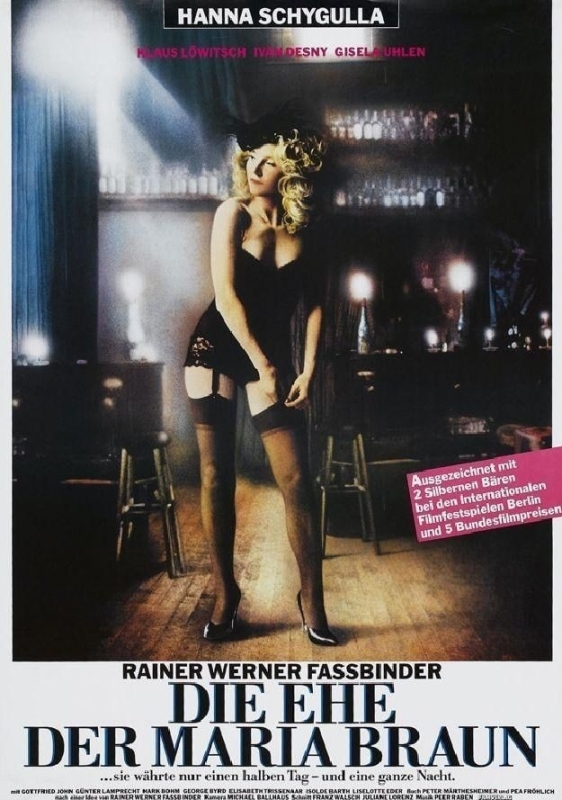
Fig 30 Movie Poster for Die Ehe der Maria Braun (The Marriage of Maria Braun), a pivotal 1979 Fassbinder film starring Hanna Schygulla. West German drama film directed by Rainer Werner Fassbinder. To survive in postwar Germany, Maria becomes a sex worker, a wealthy industrialist's mistress, and eventually a ruthless capitalist
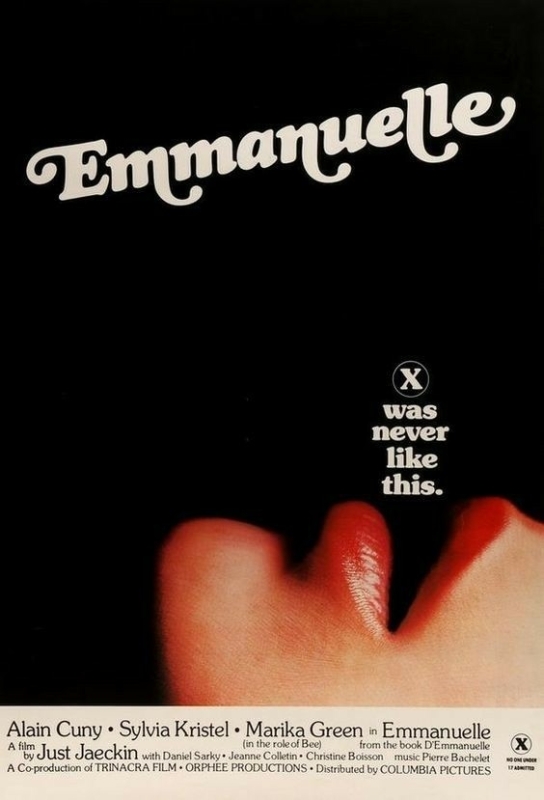
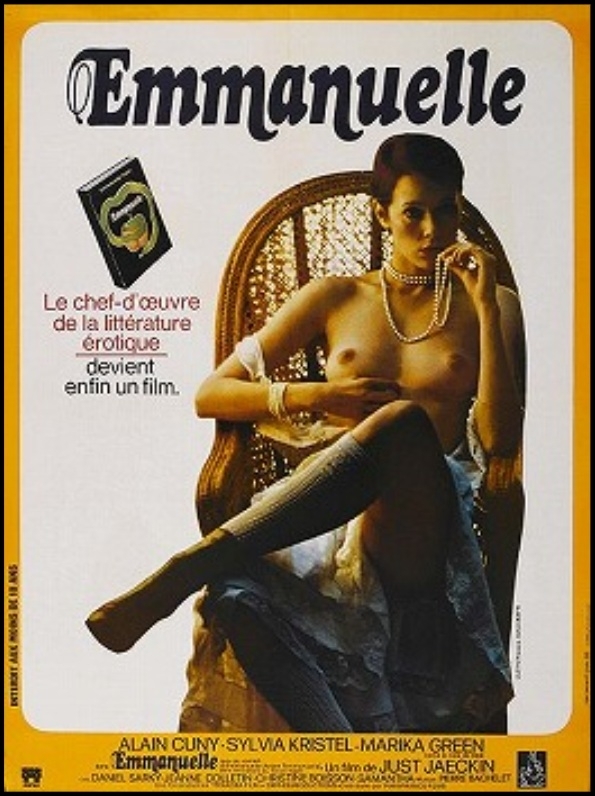
Fig 31 and 32 Emmanuelle (1974) Film Poster - Famous French erotic drama film directed by Just Jaeckin. It is the first installment in a series of French softcore pornography films based on the novel Emmanuelle by Emmanuelle Arsan. It stars Sylvia Kristel in the title role about a woman who takes a trip to Bangkok to enhance her sexual experience.
Soft-focus, sun-drenched, and unapologetically sensual, Emmanuelle turned erotic cinema into a global brand. It proved sex could be chic, exportable, and commercially irresistible—without abandoning its arthouse credentials.
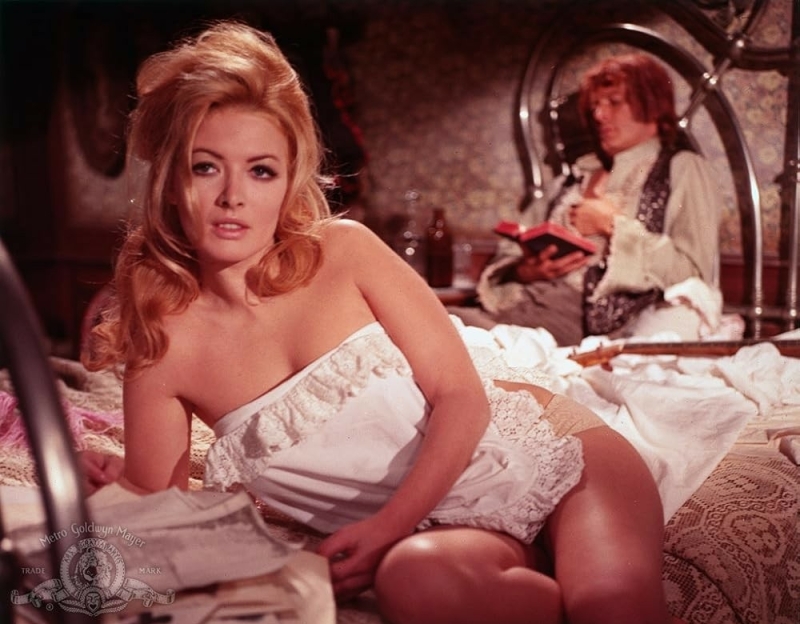
Fig 33 Linda Veras (born Sieglinda Veras), former Italian actress and glamour model, best known for her appearances in 1970s Spaghetti Westerns
The above is an excerpt of the first volume of our enthralling "Cinema unCensored" section that will be a 12-part cycle. You can check out more info about this unique project and the other voluptuous Volumes and limited-time offer by clicking HERE !