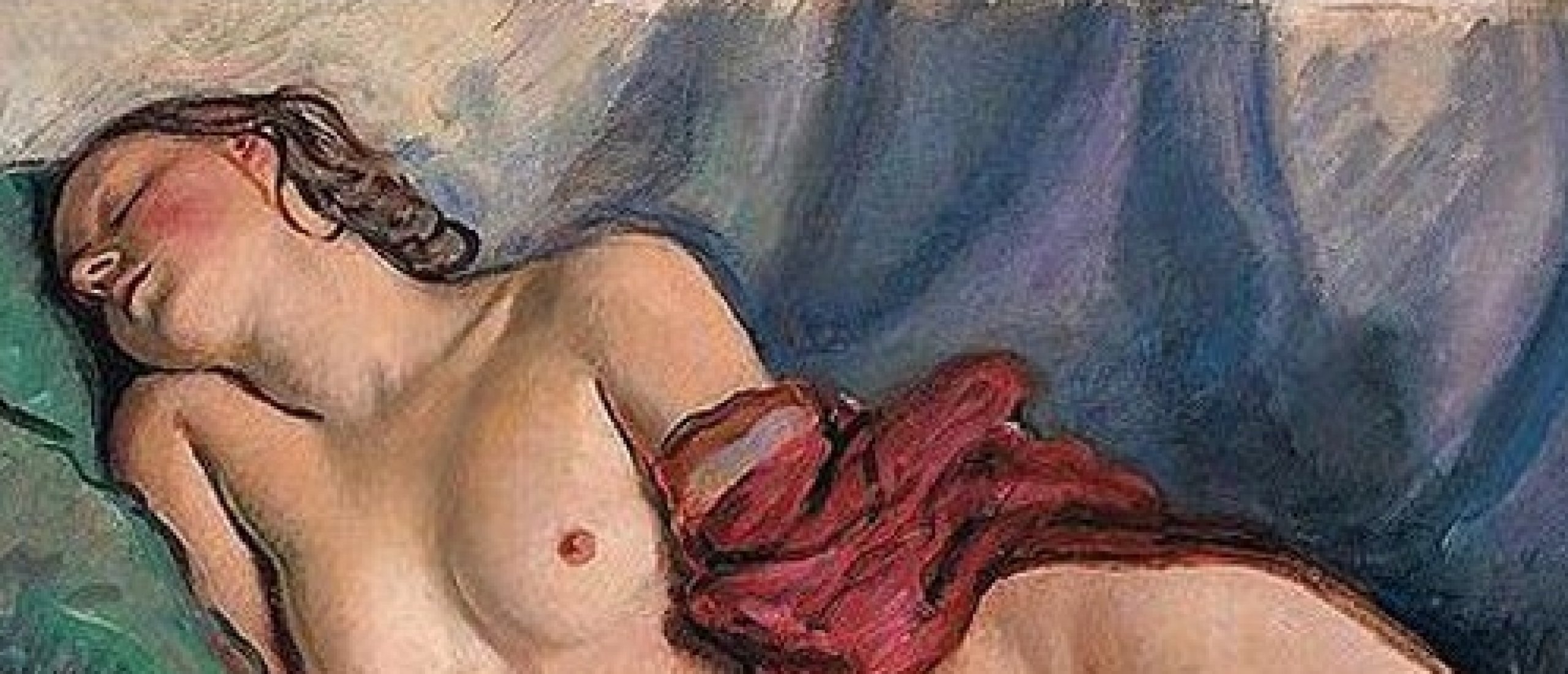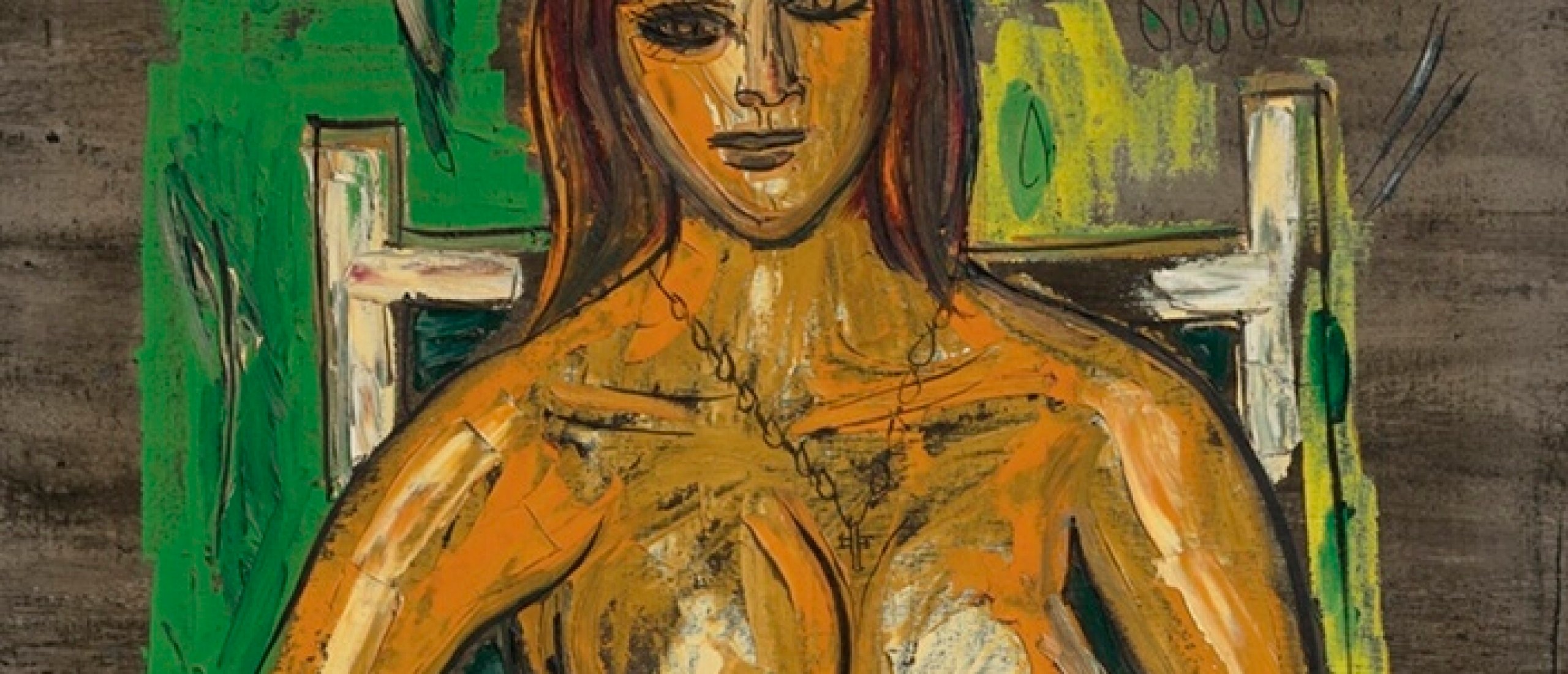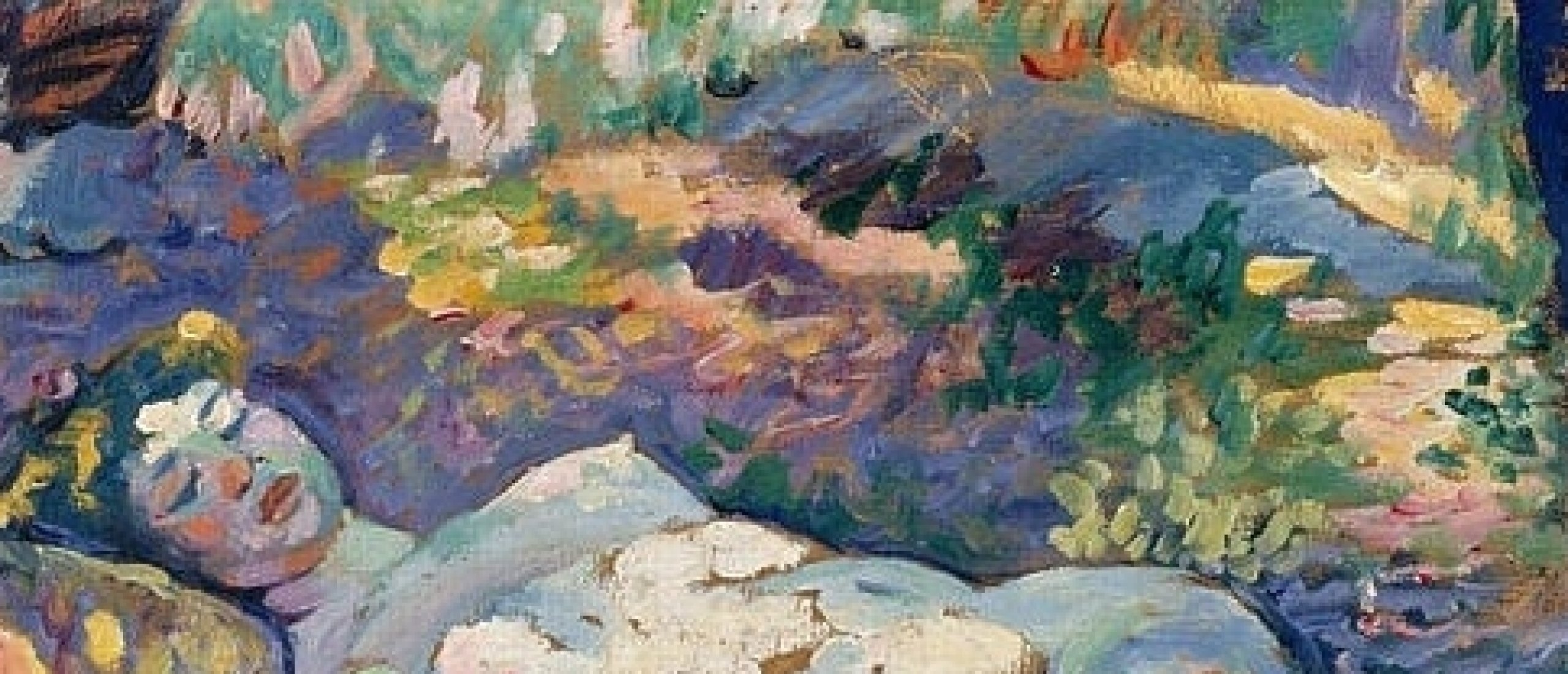
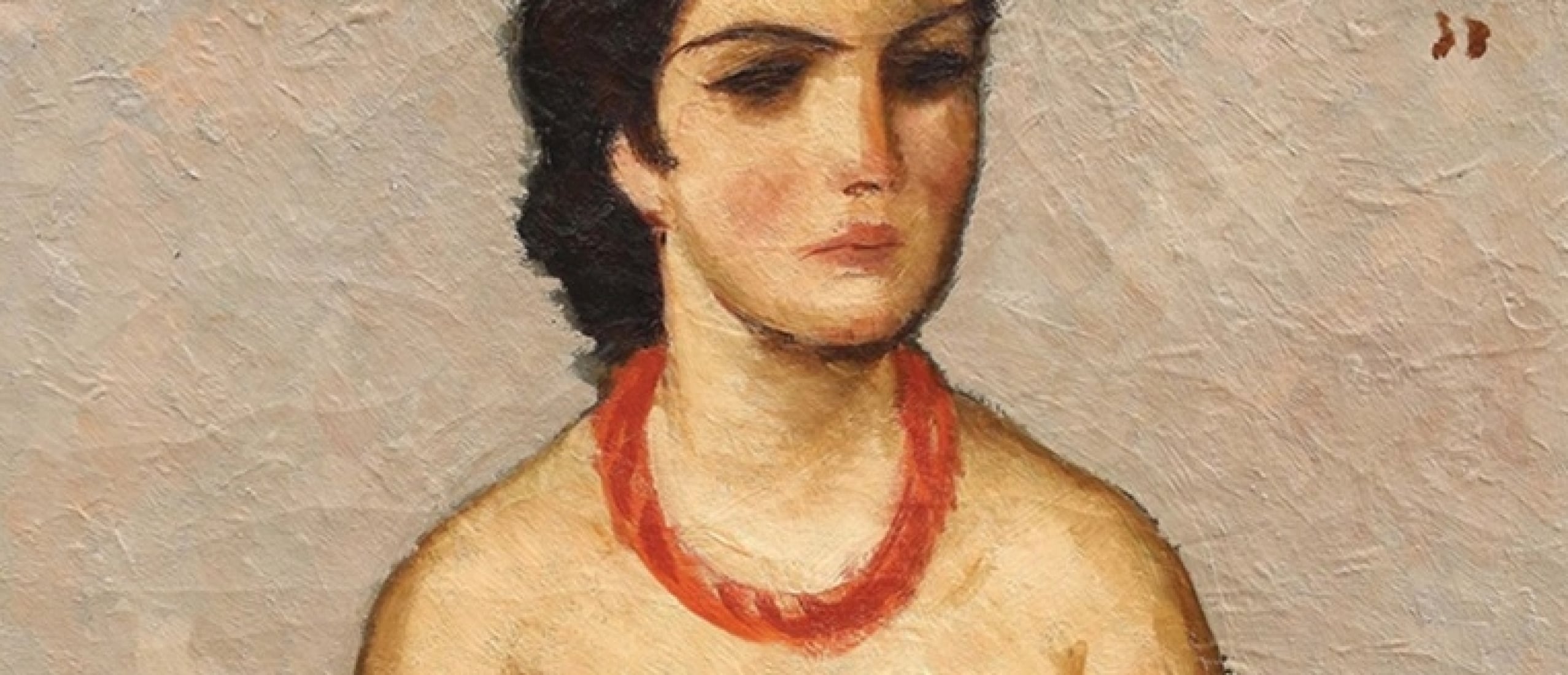

Nicolae Tonitza’s art occupies that delicate space where tenderness and sensuality converge, a space where eros is not an act of provocation but a quiet state of grace. Born in 1886 in Bârlad, today’s Romania, Tonitza is remembered chiefly as a painter of children, portraits, and domestic scenes and still, underneath the gentle gaze of his figures lies a profound current of eroticism, one that is psychological rather than performative and closer to the murmur of the body than its spectacle. His work belongs to that early twentieth-century sensibility where art was becoming an inner confession rather than a display of virtuosity; it is this interior eroticism that connects him to artists like Pierre Bonnard, Egon Schiele, and Félix Vallotton; painters who understood that sensuality often hides in silence.
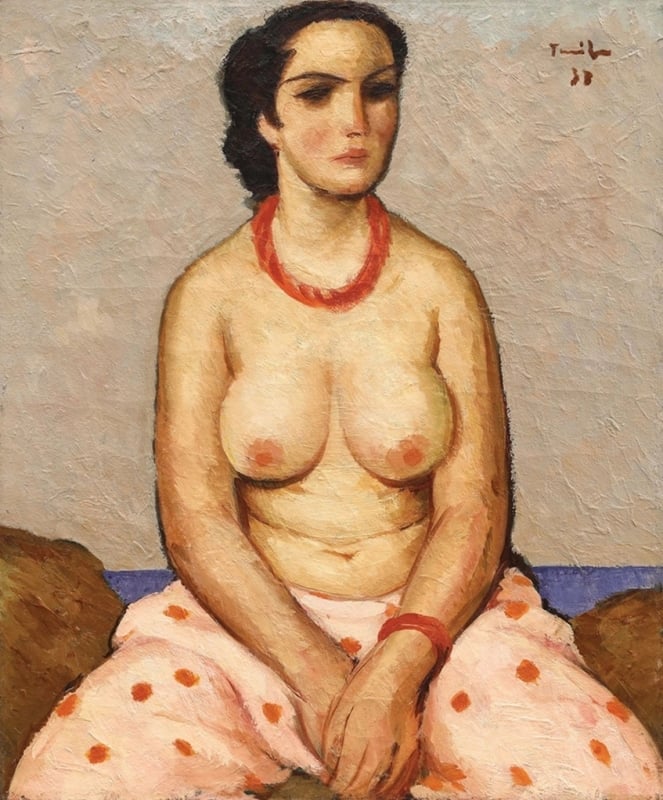
Fig.1 Nicolae Tonitza, Tatar Woman with Pink Sirwals (Abibé), 1933
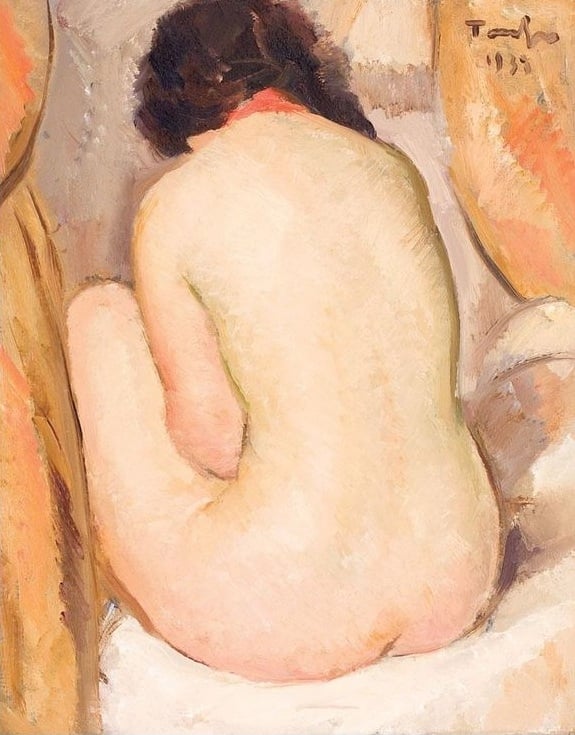
Fig.2 Nicolae Tonitza, Back Nude (Abibe), 1938
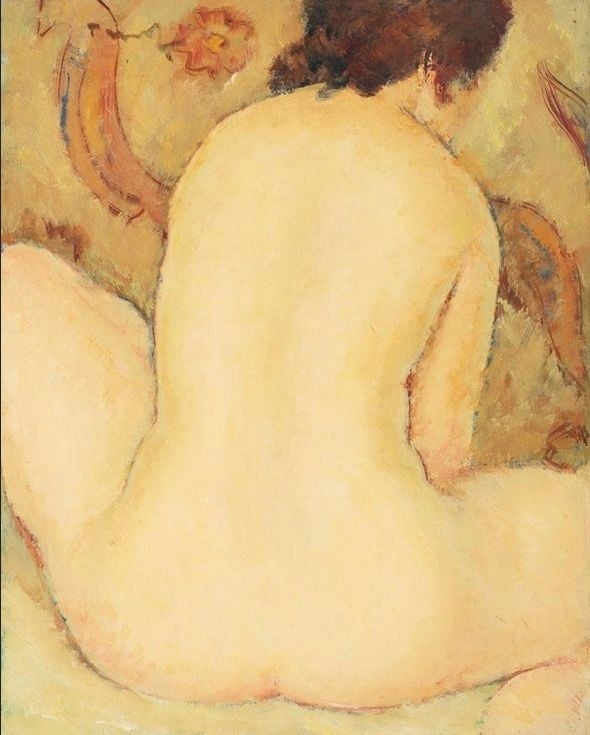
Fig.3 Nicolae Tonitza, Back Nude, 1934
Nudes As Soft Whispers
Tonitza’s erotic art does not unfold through explicit nudity or scandalous gesture, but through suggestion, through atmosphere. His women are neither courtesans nor muses in the classical sense; they are thinking, feeling presences. One of the distinctive features of his work is the gaze: his models often avert their eyes or look downward, their introspection more powerful than any direct appeal, a few good examples can be seen in Fig.4 and Fig.5.; just how melancholy they seem! Also, as you see from many visual examples, his women are mostly painted turning away from us, we see their backs rather than their fronts. It is the look of a woman aware of her own inner life, her own body, and the mystery she carries. This modesty, or perhaps it is self-containment, gives Tonitza’s eroticism its particular fragrance: melancholy, contemplative, suffused with nostalgia. His nudes are soft whispers.
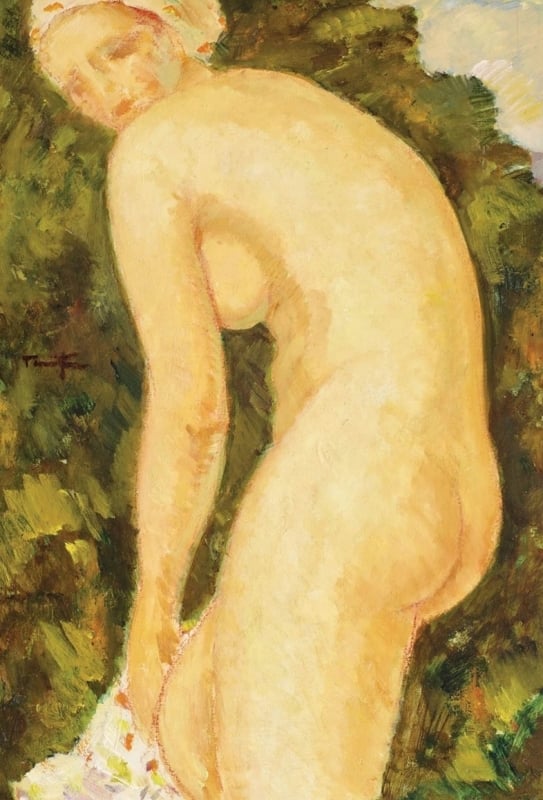
Fig.4 Nicolae Tonitza, Afize, 1938.
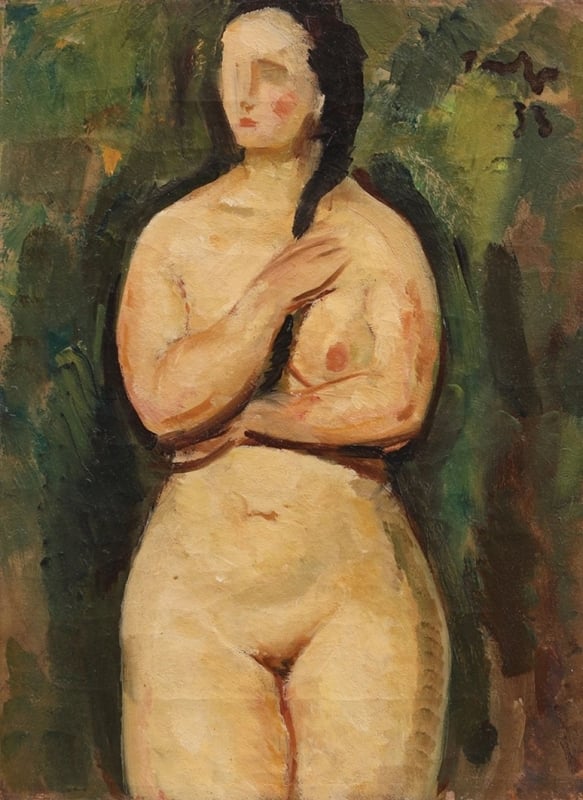
Fig.5 Nicolae Tonitza, Nude, 1933
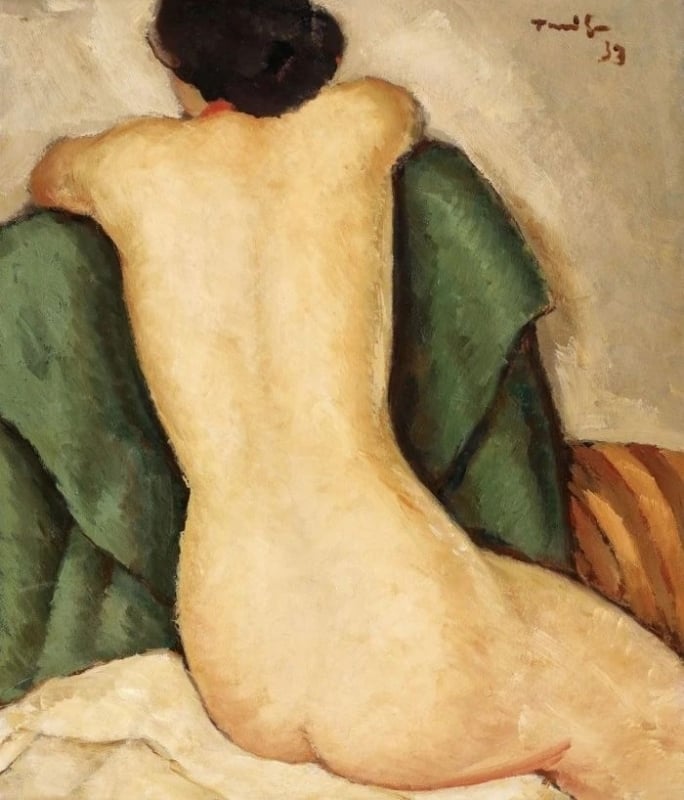
Fig.6 Nicolae Tonitza, Nud cu spatele, 1933
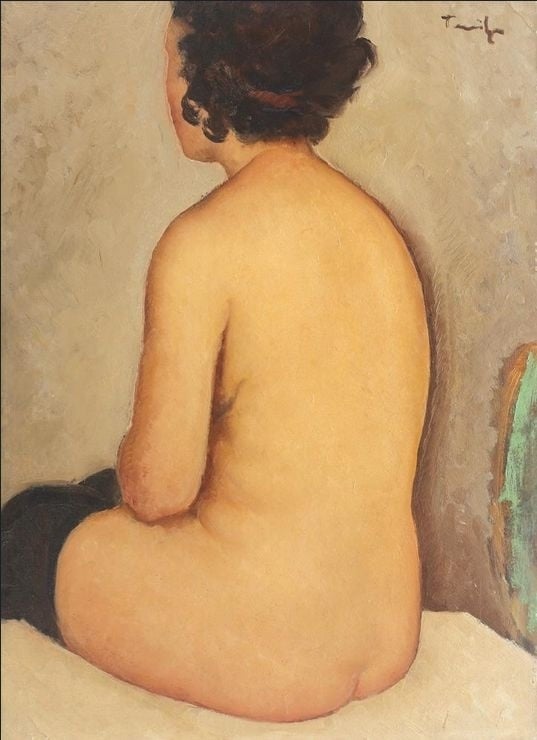
Fig.7 Nicolae Tonitza, Back Nude, 1929
Bruised Lavender Tones
If one looks closely at Tonitza’s palette, one notices the sensuality embedded in his use of colour. He paints skin with the same tenderness he would reserve for petals; muted rose, ivory, pale gold, or faintly bruised lavender tones, as if the flesh has absorbed the colours of dawn and twilight. There is no hard contour; everything seems softened, every shade suffused with longing.
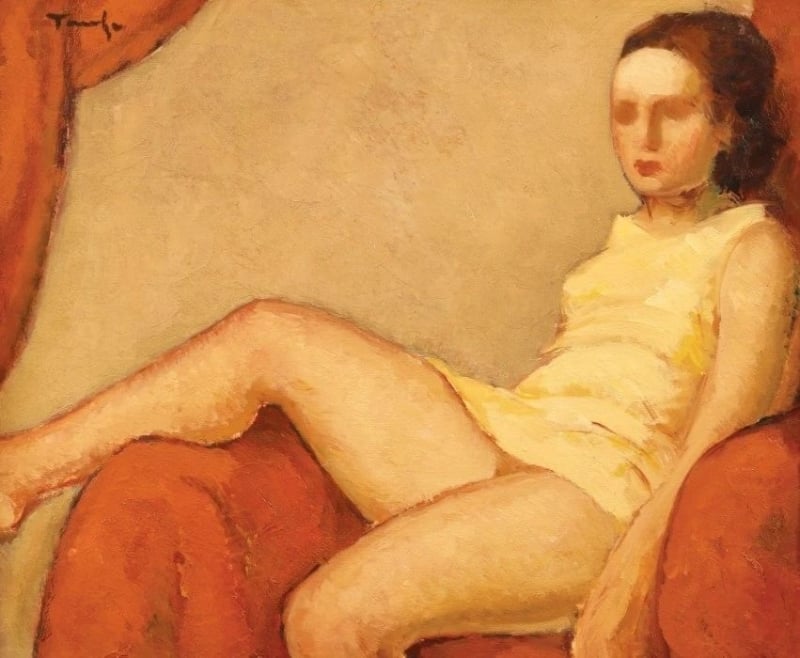
Fig.8 Nicolae Tonitza, Catrina, 1931-32
In the extended Premium edition of the article more on the Romanian melancholy in Tonitza's paintings, how he paints the erotic as a form of empathy, a profound analysis of his aesthetics, and MUCH more...!
Click HERE for an article on the master of female portrait, Viktor Lyapkalo
Let us know your thoughts about Nicolae Tonitza's nudes in the comment box below...!!