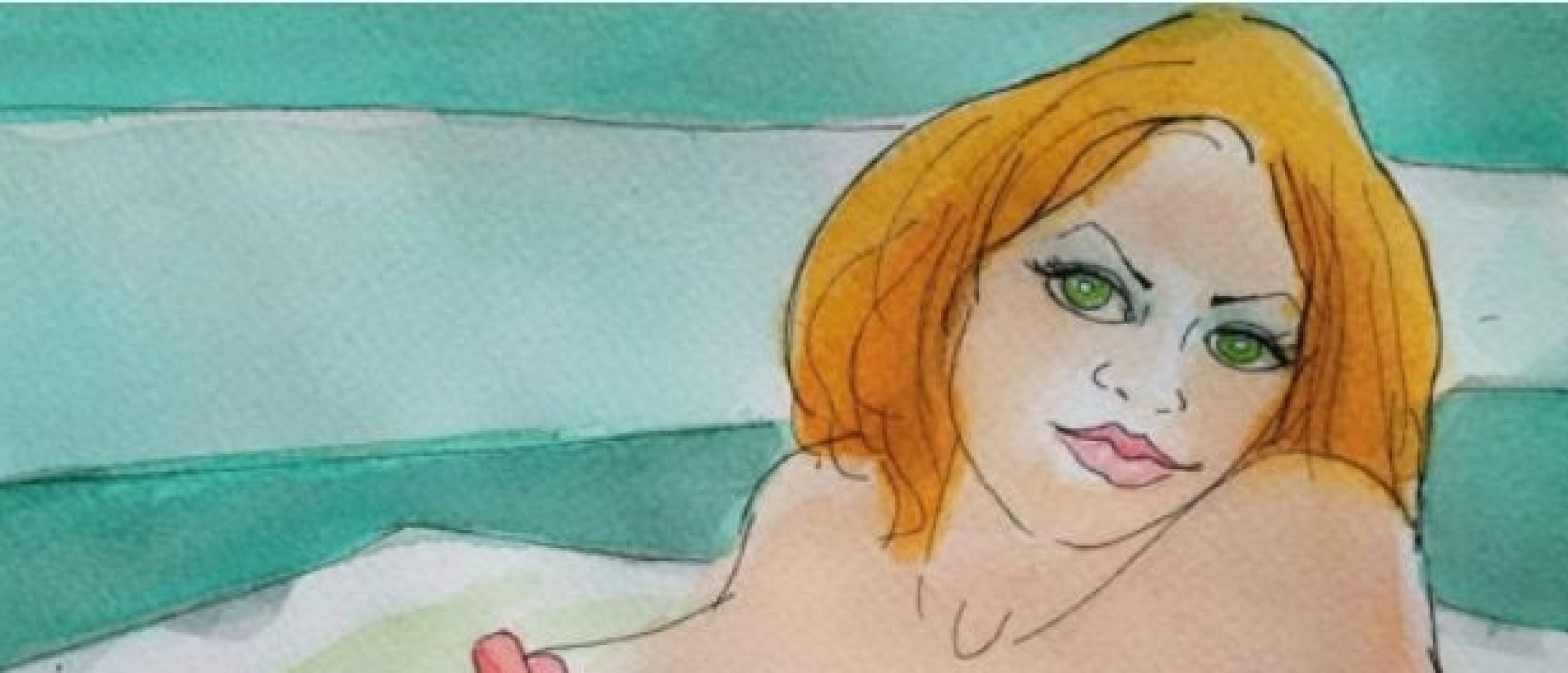

Eroticism Exploration of the Yoni: From the Kama Sutra to Stephen Fletcher and Georgia O’Keeffe
The intersection of erotic art and the spiritual symbolism of the yoni opens a rich field of inquiry that spans continents and centuries. The yoni, central to Tantric philosophy and the Kama Sutra, represents more than female genitalia; it is a cosmic symbol, a vessel of creation, a portal of power and a locus of sacred pleasure. In Tantric traditions, the yoni is revered as the counterpart to the lingam, the male phallus, together embodying the dualities of the universe: creation and destruction, male and female, energy and manifestation. This reverence is not merely anatomical but deeply philosophical, emphasising the sacredness of sexual energy as a creative, abundant and transformative force.
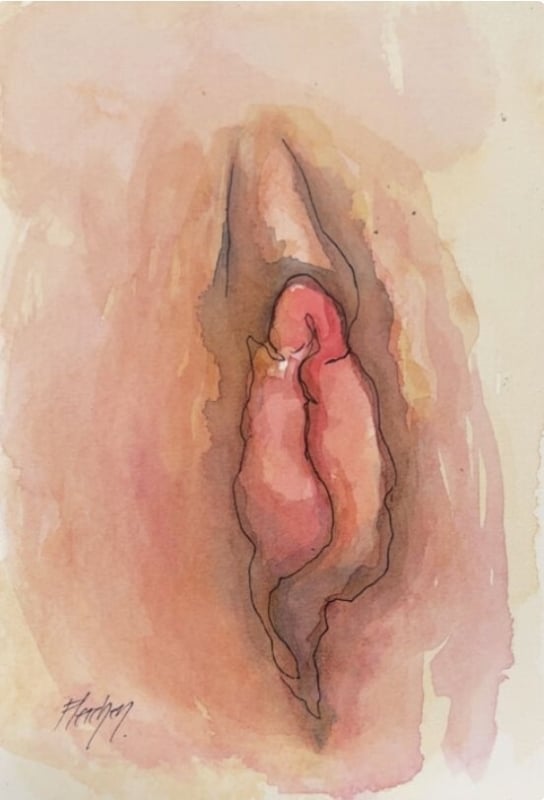
Fig.1 Stephen Fletcher, Nancy
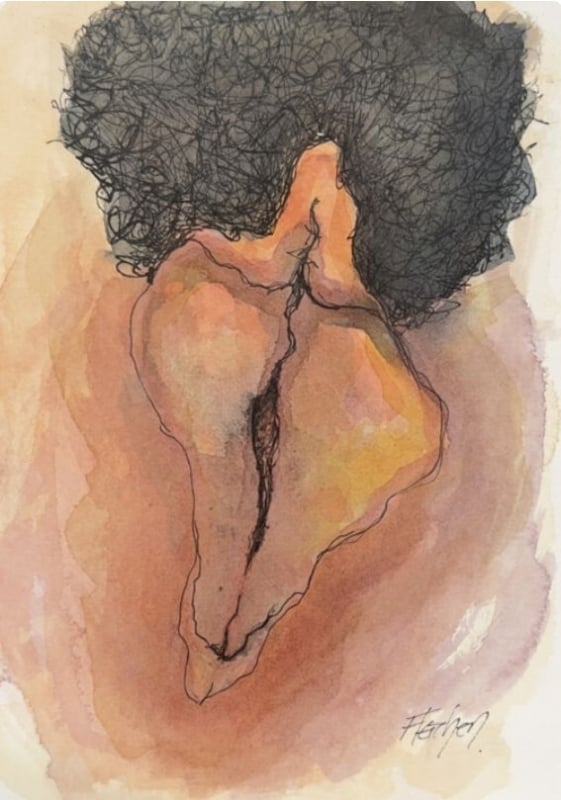
Fig.2 Stephen Fletcher, Sheila
Anatomical Honesty
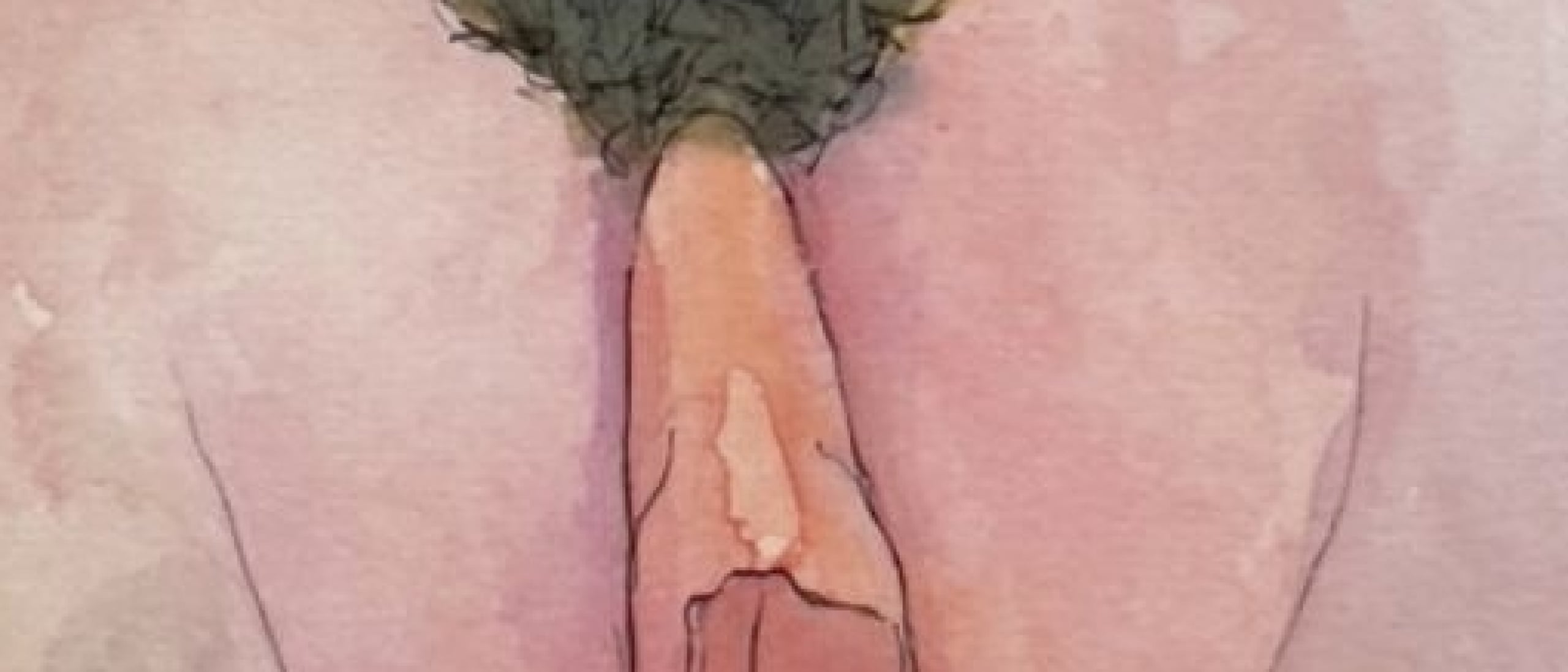
Contemporary Canadian artist Stephen Fletcher channels this ancient reverence into his work, exploring the female form with an unflinching intensity. Fletcher’s paintings of vaginas are bold, raw, and unapologetically direct and they confront the viewer with the intimate, often taboo, realities of female sexuality. It is also extraordinary to notice how unique each ‘yoni’ that Fletcher captured is. Unlike traditional representations of the female nude that either idealise or romanticise, Fletcher’s work insists upon a physical, almost anatomical honesty. These portraits of vulvas are at once sketchy and unique in their simplicity. His use of texture, colour and form evokes both the erotic and the visceral, bridging the gap between sensual pleasure and corporeal reality. In doing so, he mirrors the Tantric philosophy that the yoni is not merely an object of desire, but a site of reverence, energy, and vitality.
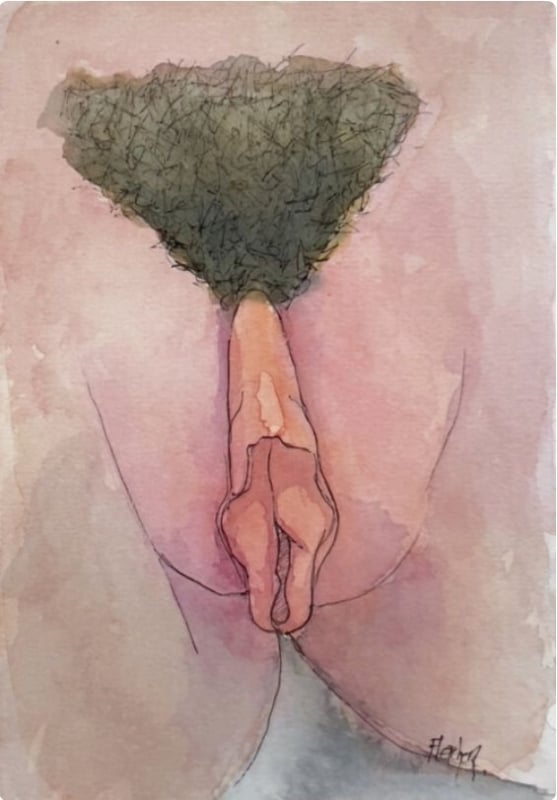
Fig.3 Stephen Fletcher, Pamela
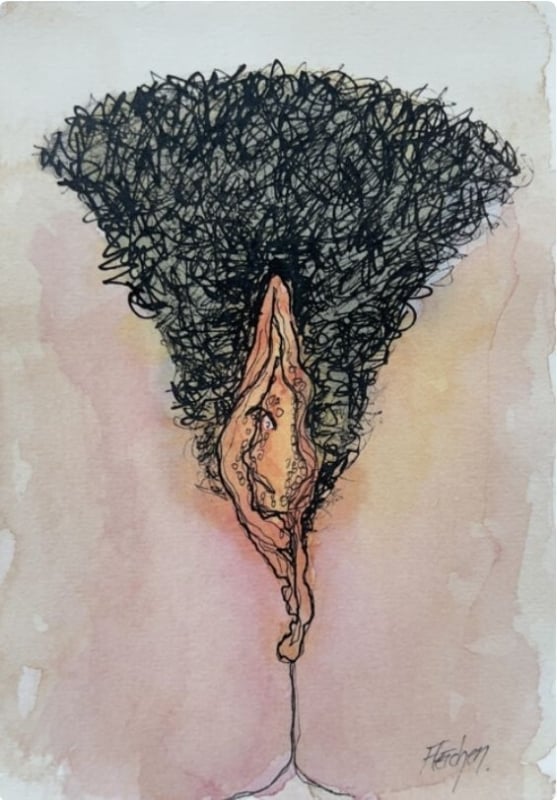
Fig.4 Stephen Fletcher, Donna
Velvety Pink Flesh
Fletcher’s exploration resonates with the legacy of Georgia O’Keeffe, whose floral paintings have long been interpreted as visual metaphors for the female genitalia. Petals, folds and organic contours in O’Keeffe’s flowers mimic the sensuous curves of the yoni, creating an aesthetic language that is simultaneously abstract, natural, and intimate. While O’Keeffe herself resisted the overtly sexual interpretations of her work, the visceral and evocative qualities of her compositions invite the viewer to consider the intersection of natural forms and the erotic symbolism. Through the lens of modern art criticism, these paintings offer a celebration of female vitality and an acknowledgment of the body’s inherent power. Let us just visually compare all the juicy, velvety folds in the flowers of O’Keeffe’s ‘Black Iris’ in Fig.8. and the velvety pink flesh of Fletcher’s portrayal of Sheila’s ‘lips’ in Fig.2. It is clear that one is a flower and that one is a part of a woman’s body, but artistically they are very similar.

Fig.5 Stephen Fletcher, Heather
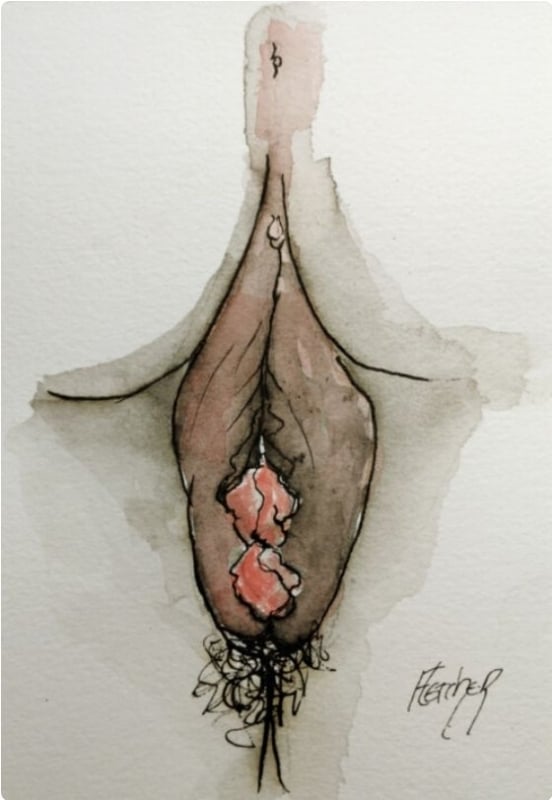
Fig.6 Stephen Fletcher, Marion Vi Dessin
Themes of Intimacy
In connecting Fletcher and O’Keeffe, one observes a continuum in the artistic engagement with female sexuality. Fletcher’s explicit portrayals and O’Keeffe’s subtle, symbolic renderings both explore the themes of intimacy, sensuality and the generative force of the female form. Both challenge the viewer to confront the yoni not as a fetishised object but as a locus of aesthetic, spiritual, and emotional resonance. This duality, between explicitness and abstraction, between corporeal reality and symbolic suggestion, mirrors the tantric approach, which integrates desire, devotion and transcendence.
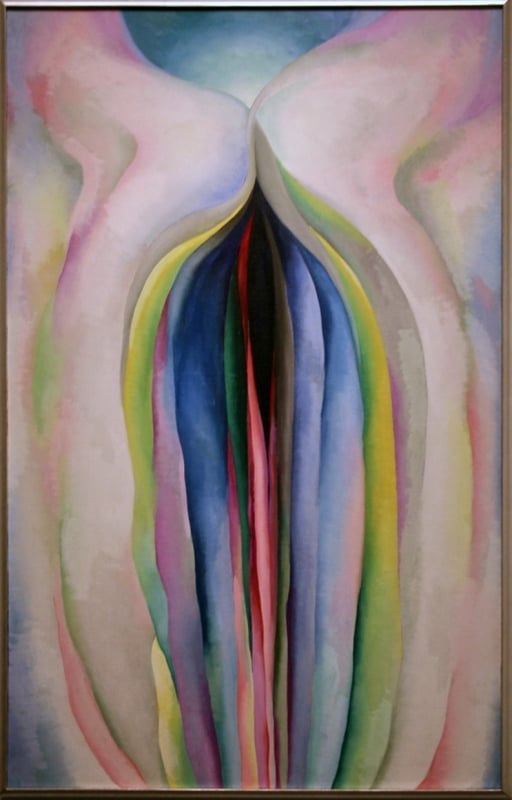
Fig.7 Georgia O’Keeffe, Grey Line with Black, Blue and Yellow, 1923
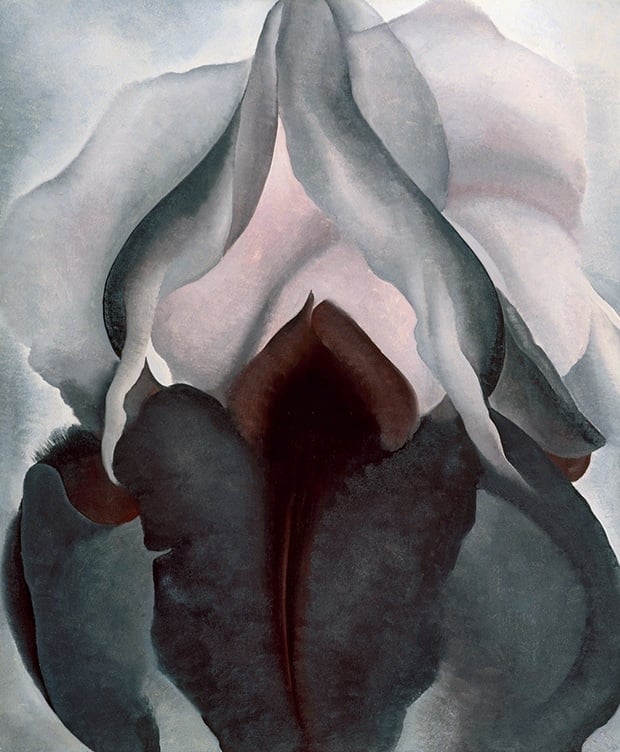
Fig.8 Georgia O'Keeffe, Black Iris, 1926.
In the extended Premium edition you can learn more about Fletcher’s watercolour vulvas, the snaky Medusa, the fluidity of sexual energy, the postmodern liberation of sexual imagery from historical taboos, the Lotus goddess, Fletcher’s explicitness and O’Keeffe’s metaphorical sensuality, references to Courbet’s ‘Origin of the World’ and MUCH more....!!
Click HERE for mesmerizing vagina close-up designs as portrayed in Japanese shunga art