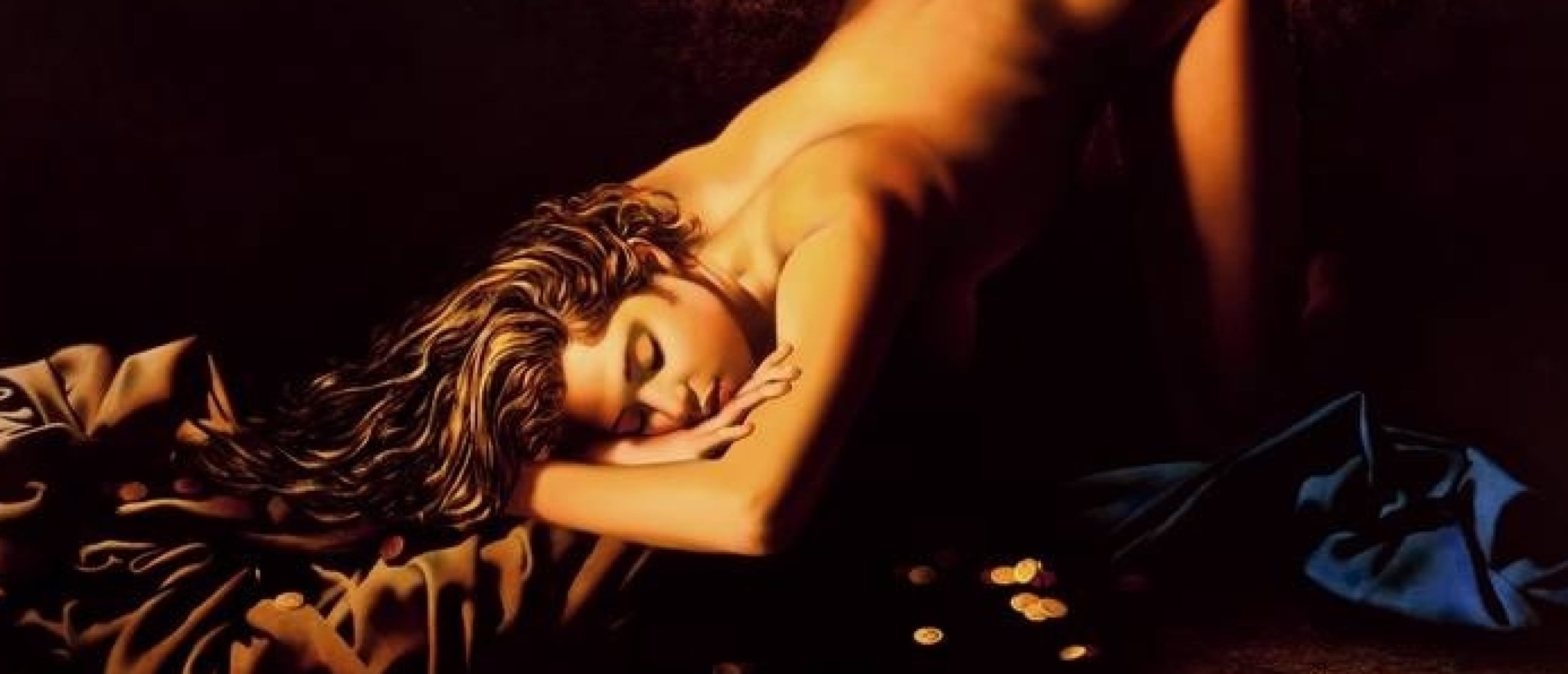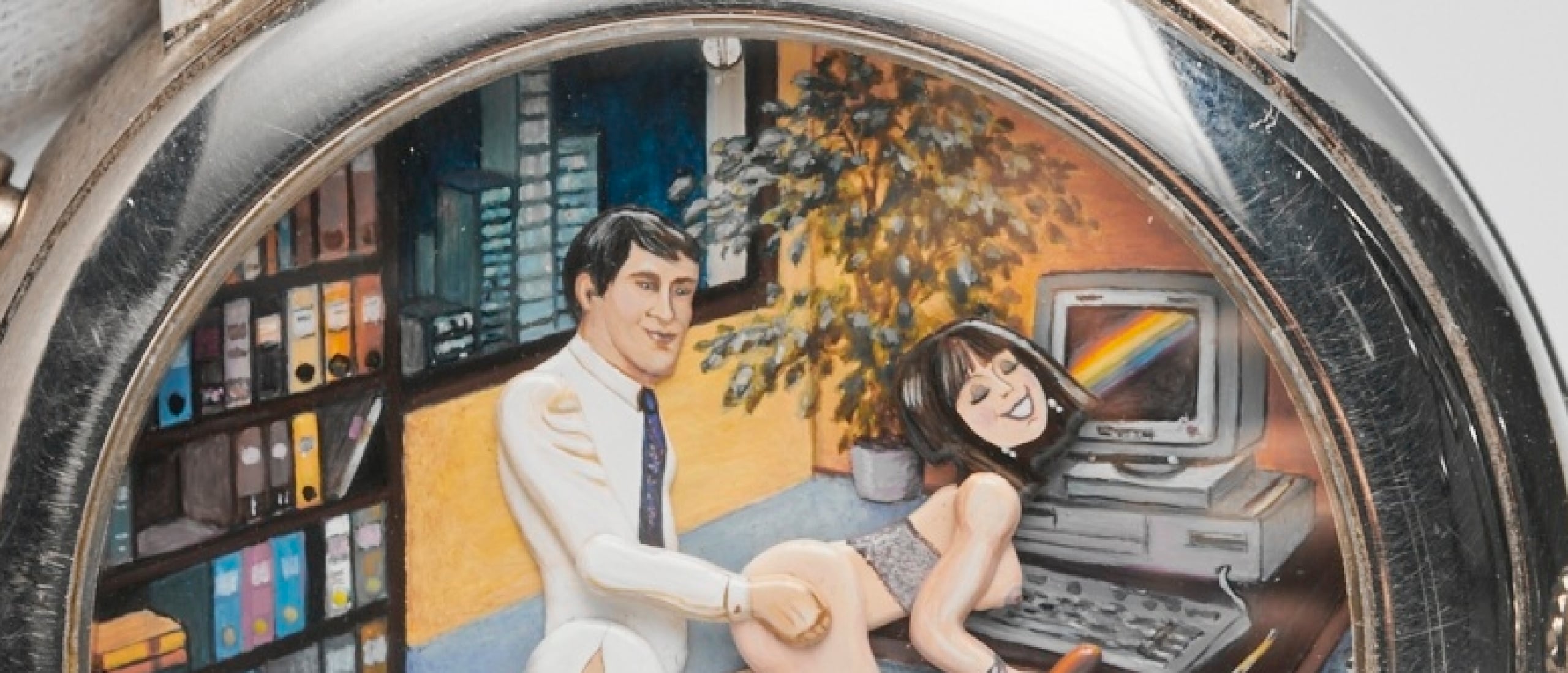
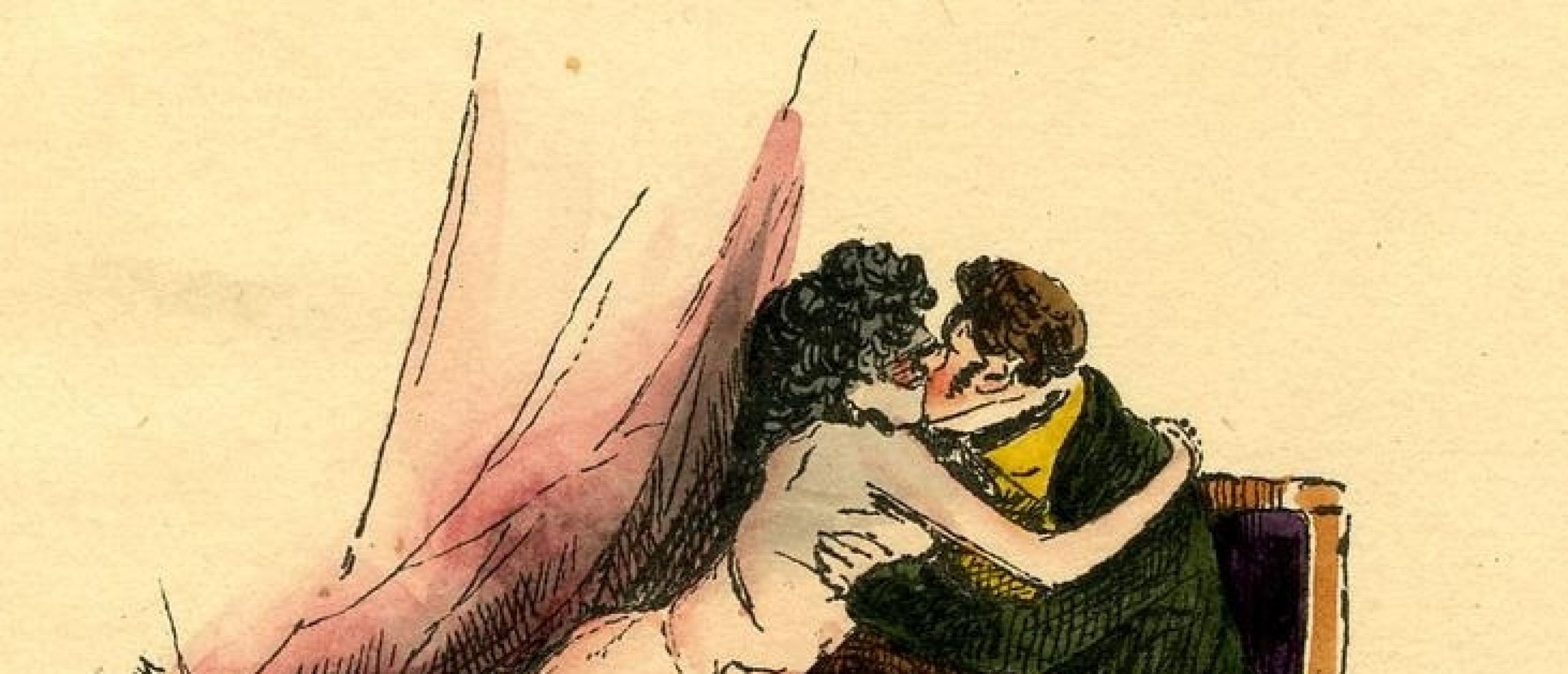

When discussing the nineteenth-century erotic art, attention often gravitates toward openly sensual painters such as Courbet, Ingres, or later Symbolist artists whose works confront the viewer with overt erotic presence. Yet another, quieter form of eroticism existed within the century’s visual culture, one rooted not in explicit display but in gesture, suggestion, and social observation. The French artist, illustrator, playwright and satirist Henry Monnier (1799-1877) occupies a fascinating position within this tradition. Known primarily for his caricatures and lithographs documenting Parisian society, Monnier infused many of his works with a subtle erotic undercurrent that reveals much about desire, gender relations, and bourgeois life in the July Monarchy and Second Empire.
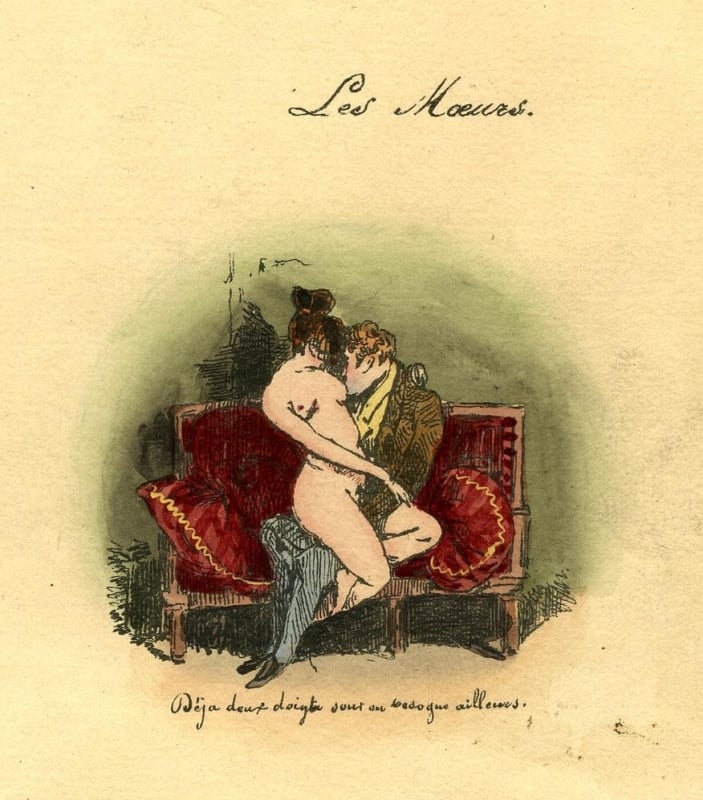
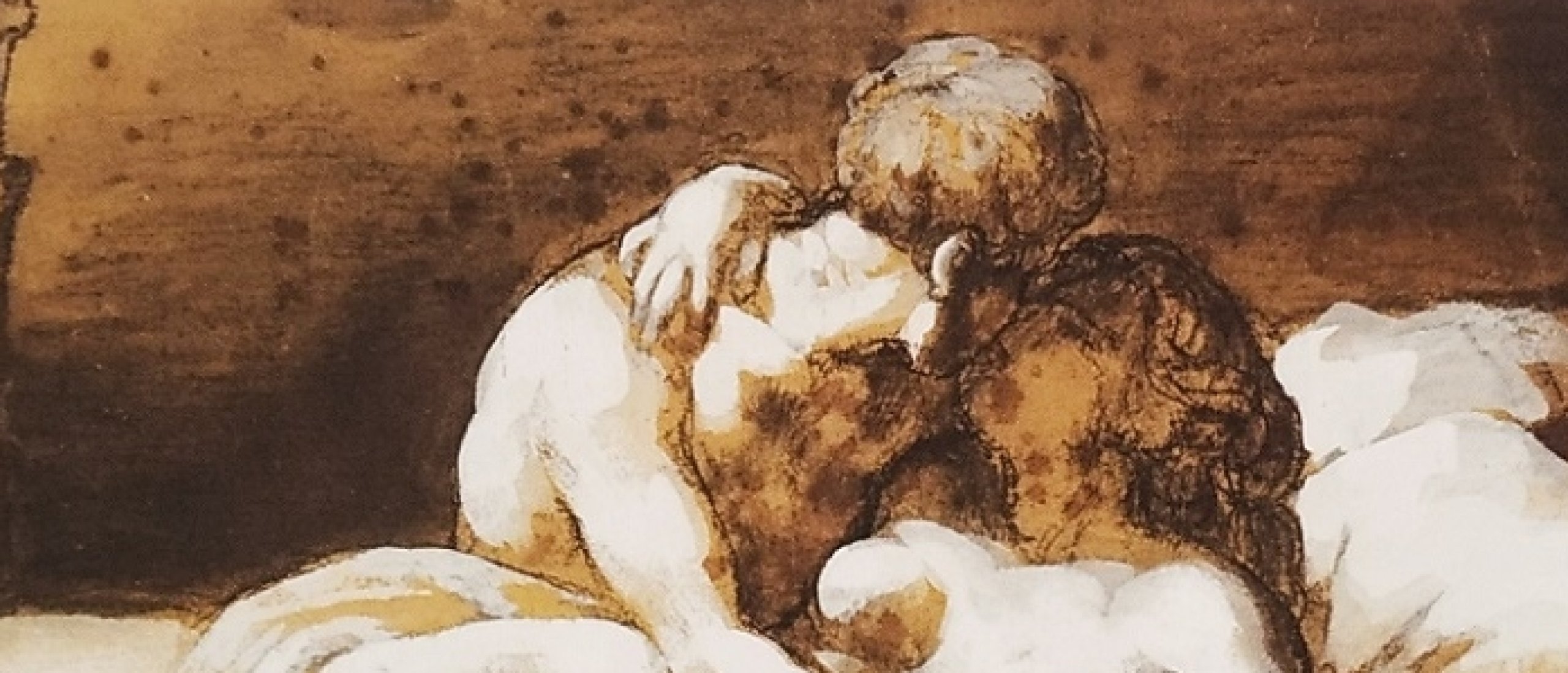
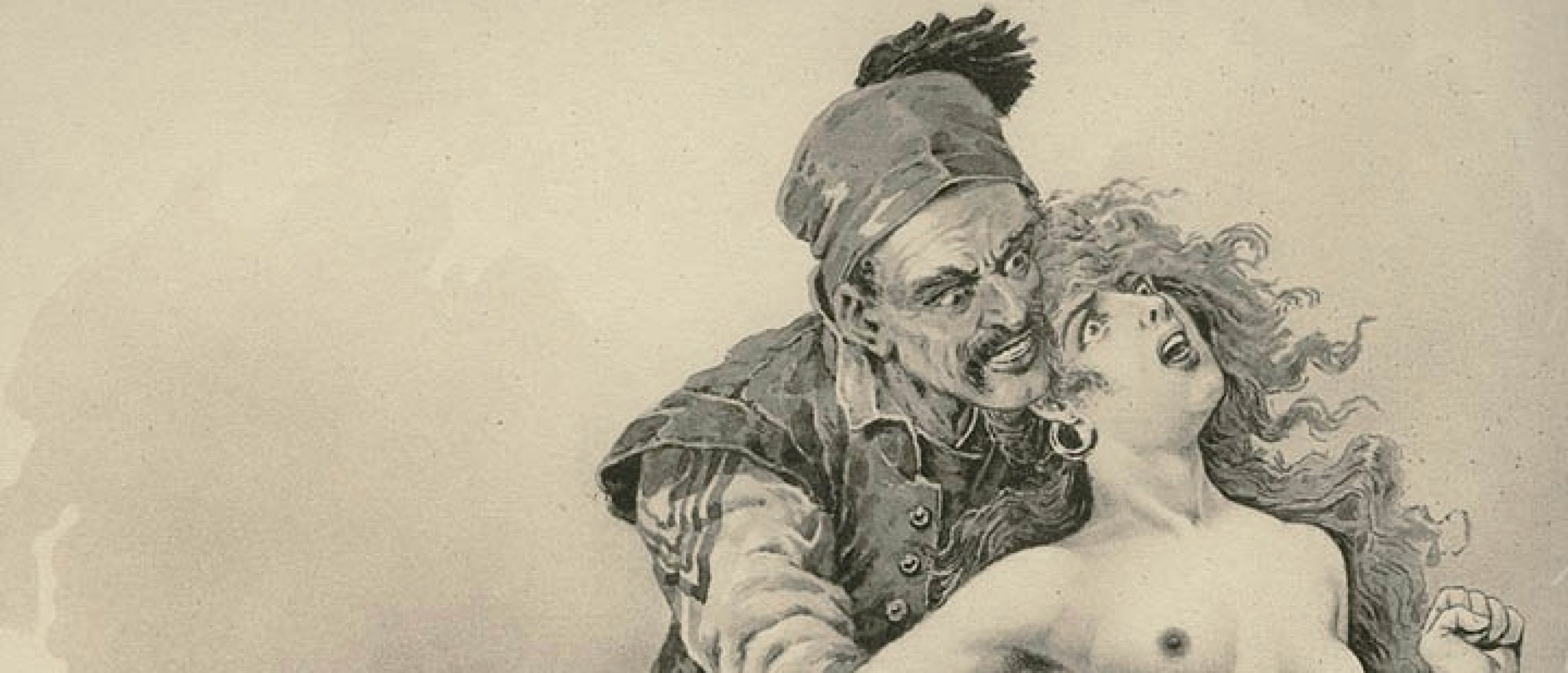
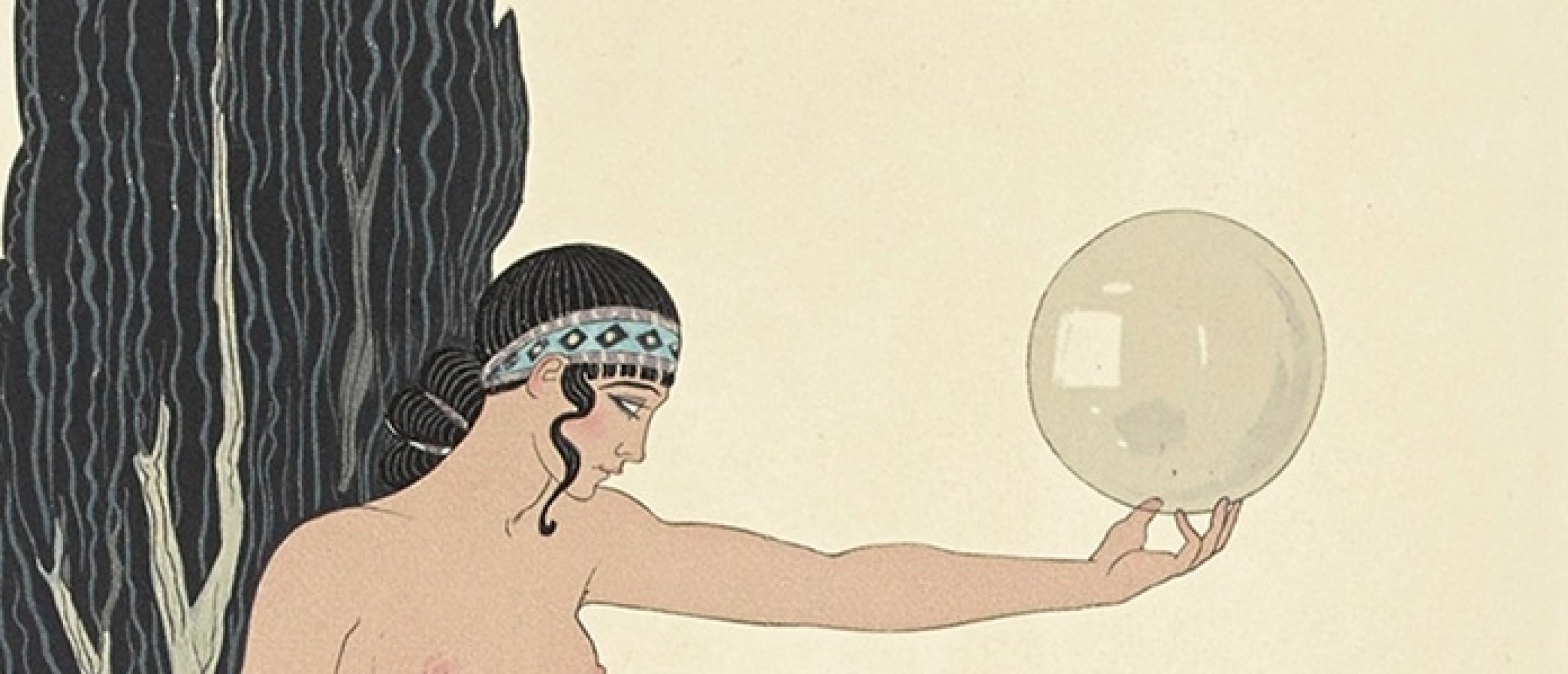
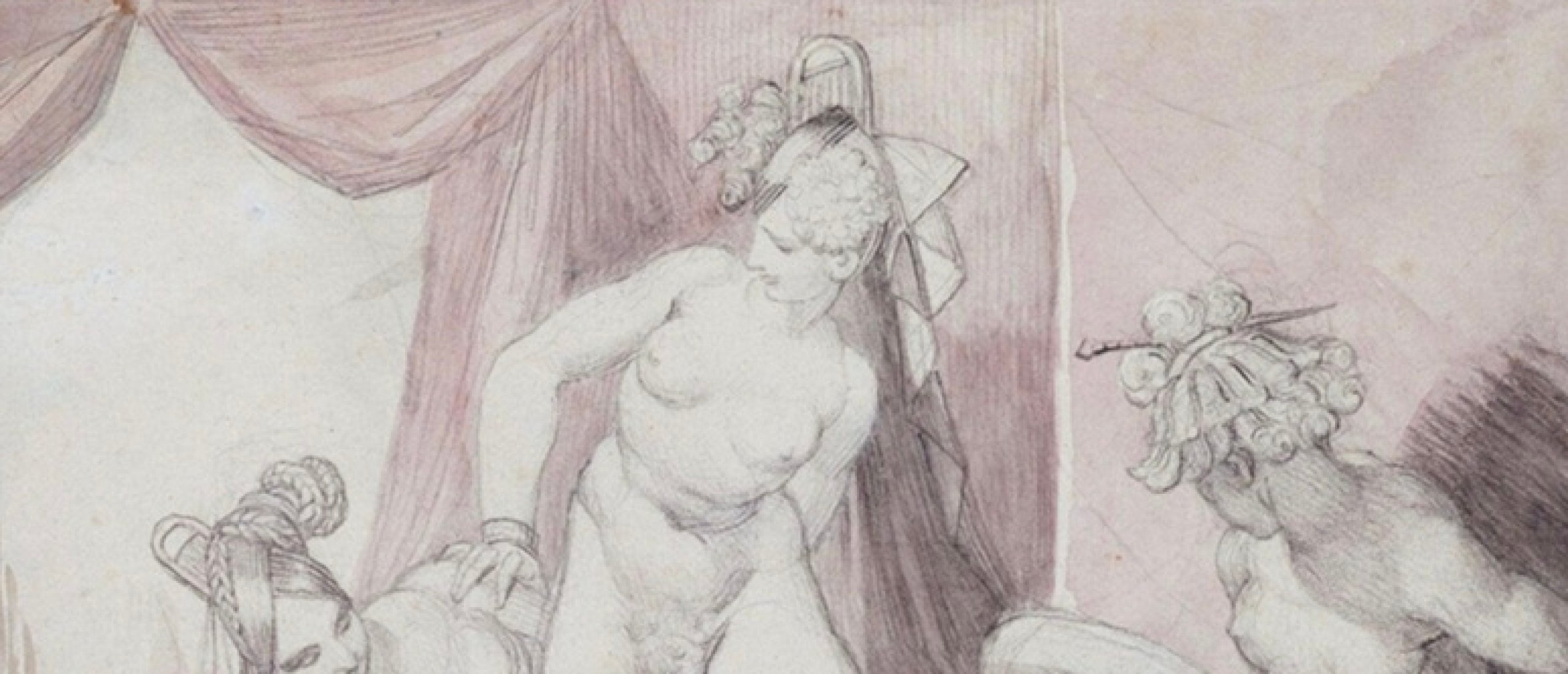
Fig.1 Henry Monnier, Les Moeurs (Morals) from the series Chansons de P.J. Béranger, c. 1827
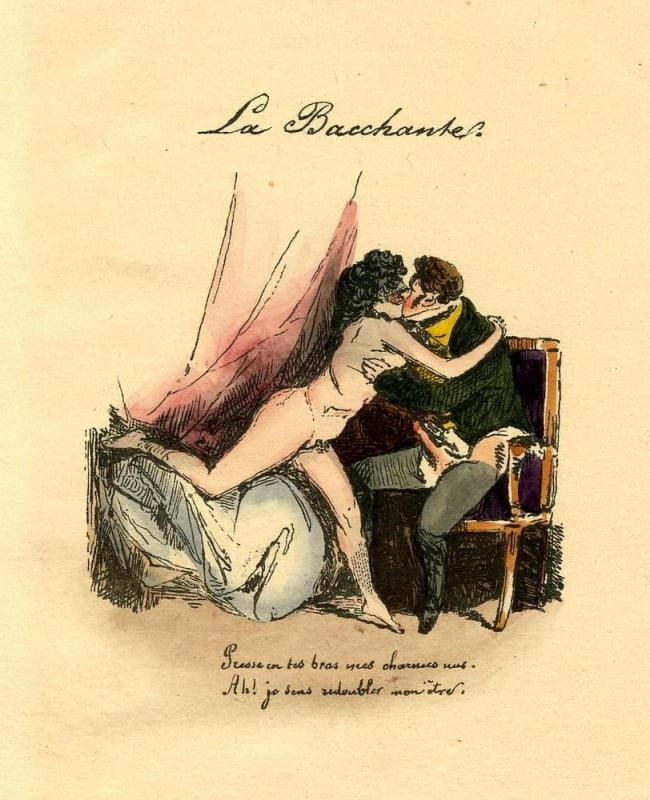
Fig.2 Henry Monnier, La Bacchantes (The Bacchantes) from the series Chansons de P.J. Béranger, c. 1827
Flirtations
Unlike artists who treated eroticism as a mythological or allegorical subject, Monnier approached it through the lens of everyday modern life. His scenes of salons, boudoirs, cafés, theatres and private interiors show men and women engaged in conversations, flirtations and social rituals where erotic tension is present but rarely declared. In this way, Monnier’s eroticism belongs less to the realm of explicit sensual art and more to what might be called the psychology of attraction, the coded gestures, glances, and social performances through which desire circulated in nineteenth-century urban culture.
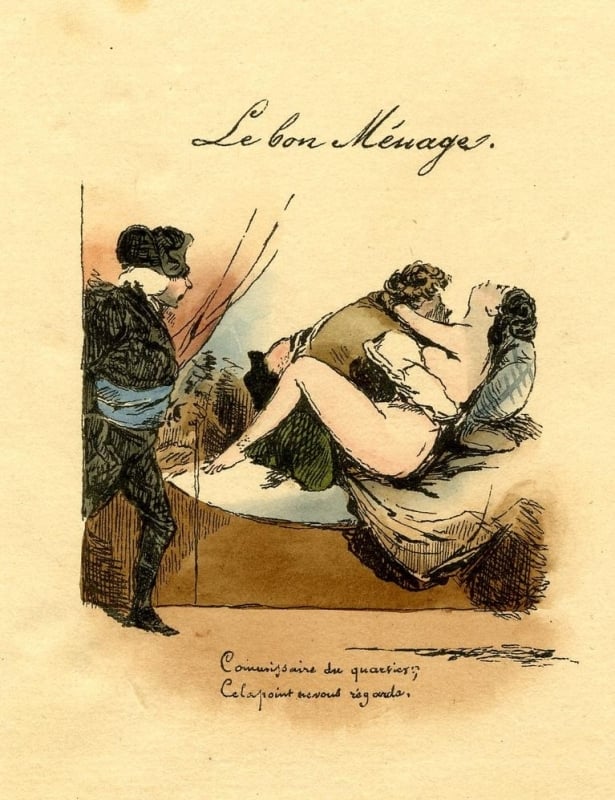
Fig.3 Henry Monnier, Le Bon Ménage (Good Housekeeping) from the series Chansons de P.J. Béranger, c. 1827
Erotic Atmosphere
The nineteenth century witnessed the rise of the modern bourgeois interior; the private apartment filled with upholstered furniture, mirrors, curtains, and decorative objects that created new environments for intimacy. Monnier’s lithographs frequently depict these spaces, and their visual language plays a crucial role in establishing erotic atmosphere. Soft furnishings, partially closed doors, dim lamplight, and reflective surfaces form visual metaphors for privacy, secrecy, and anticipation. The eroticism does not reside primarily in exposed bodies but in situations charged with possibility: a gentleman leaning too closely toward a seated woman, a whispered conversation, a letter being read in solitude, or a moment when social decorum appears about to slip.
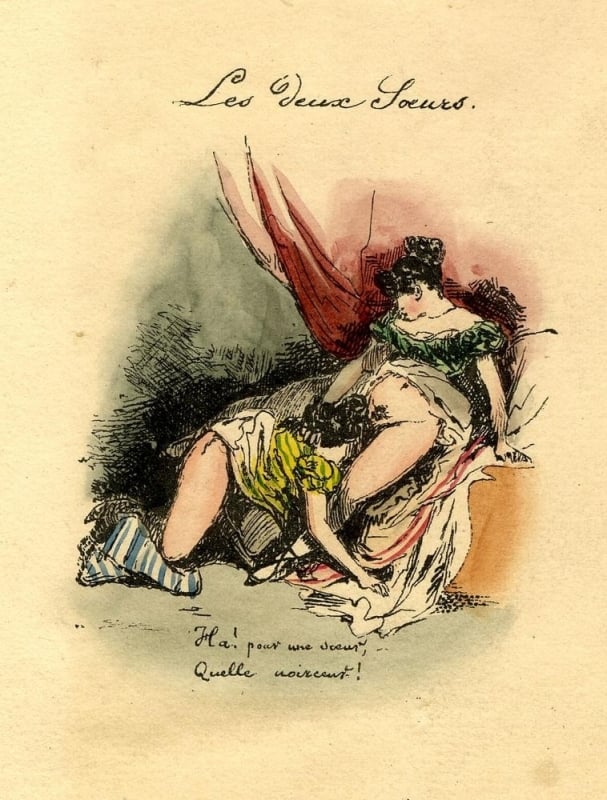
Fig.4 Henry Monnier, Les Deux Seours (The Two Sisters) from the series Chansons de P.J. Béranger, c. 1827
Miniature Dramas of Desire
In many works, Monnier captures the subtle choreography of flirtation. The tilt of a hat, the placement of a hand on a chair, or the direction of a glance becomes meaningful. This attention to small gestures reflects the codes governing respectable nineteenth-century society, where overt expressions of sexuality were often restrained but where social gatherings provided numerous opportunities for romantic intrigue. Monnier’s genius lies in transforming these ordinary moments into miniature dramas of desire, where the viewer is invited to interpret what is happening beneath the surface.
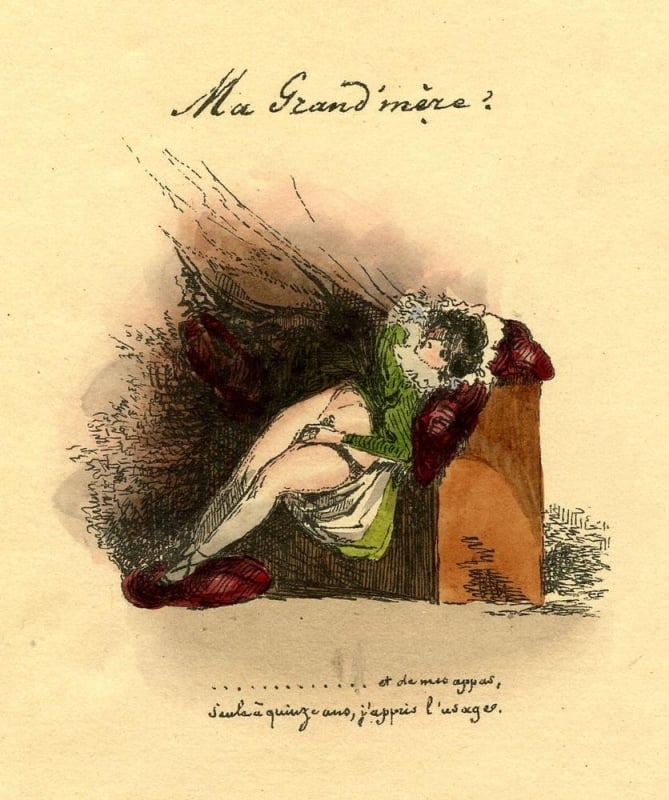
Fig.5 Henry Monnier, Ma Grande Mère? (My Grandmother?) from the series Chansons de P.J. Béranger, c. 1827
Continue reading in Premium and check out the complete article including more on the distinctive features of Monnier’s erotic imagery, the comic dimension in his work, how his images reflect women’s public roles and the gender dynamics of his era, how he conveys the psychological dimension of desire, and MUCH more...!!
Click HERE for the rare arousing illustrations from Jacques Touchet's Casanova Memoires
Let us know your thoughts about this article in the comment box below...!!!