
Pierre-Auguste Renoir is often remembered as the painter of joy: of sunlit gardens, convivial gatherings, rosy-cheeked girls and shimmering leisure. Yet beneath this popular image lies one of the most sustained and complex explorations of erotic sensibility in nineteenth-century art. Renoir’s eroticism is not provocative or transgressive in the manner of Courbet, nor psychological and tense like Degas’s. It is something softer, warmer, and more immersive; an eroticism of touch, colour, and corporeal abundance, where desire is inseparable from pleasure in being alive. Renoir was born on the 25th February 1841 and so, in honour of his birthday, I thought I would dive in into the sensual world of his art.
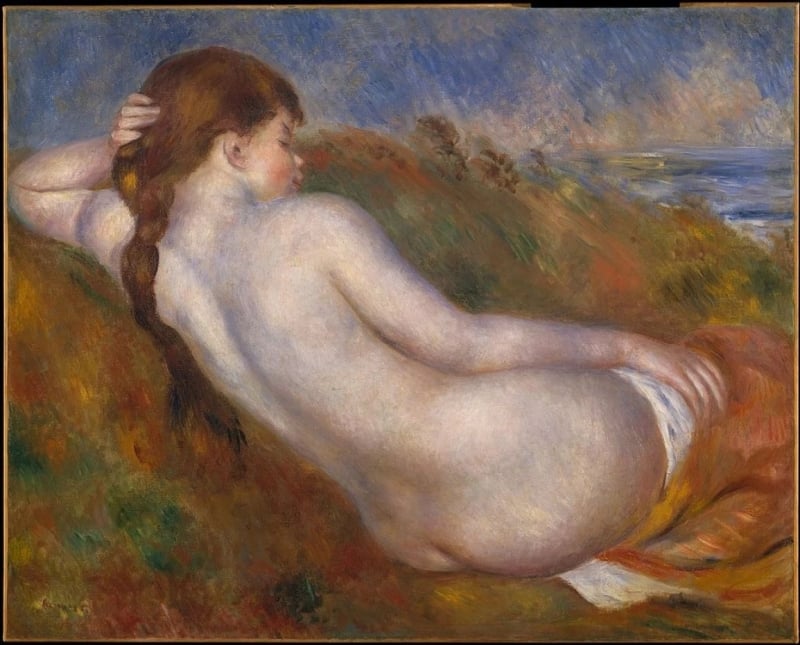
Fig.1 Pierre-Auguste Renoir, Reclining nude, 1883
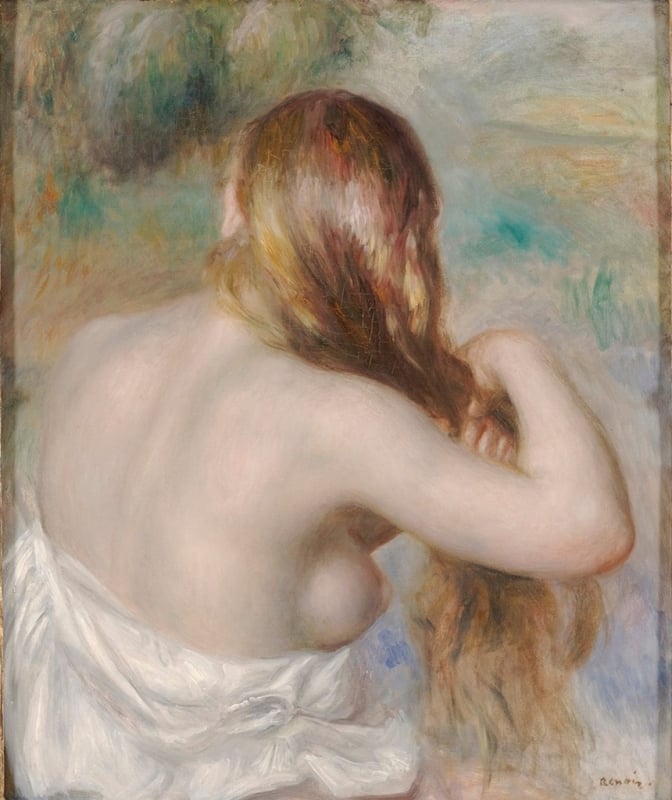
Fig.2 Pierre-Auguste Renoir, Blonde Braiding Her Hair, 1886
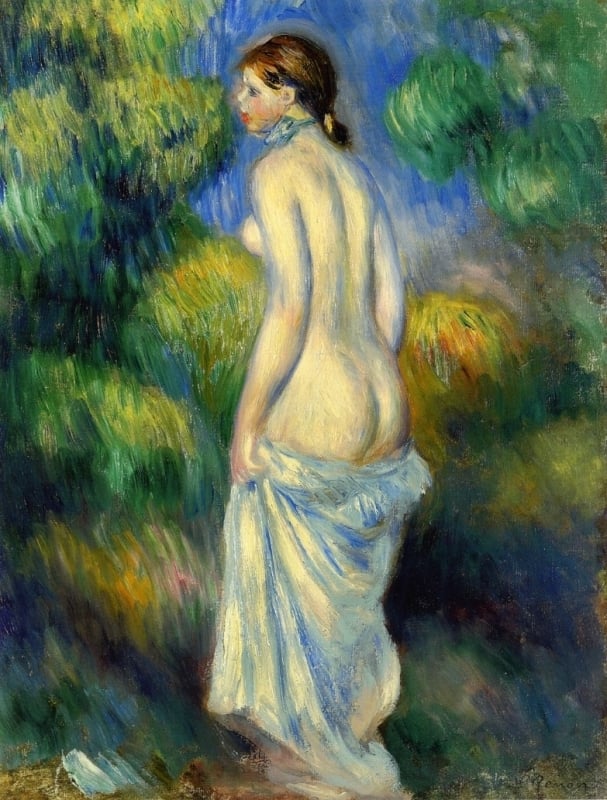
Fig.3 Auguste Renoir, Standing nude, 1889
Erotic Idleness
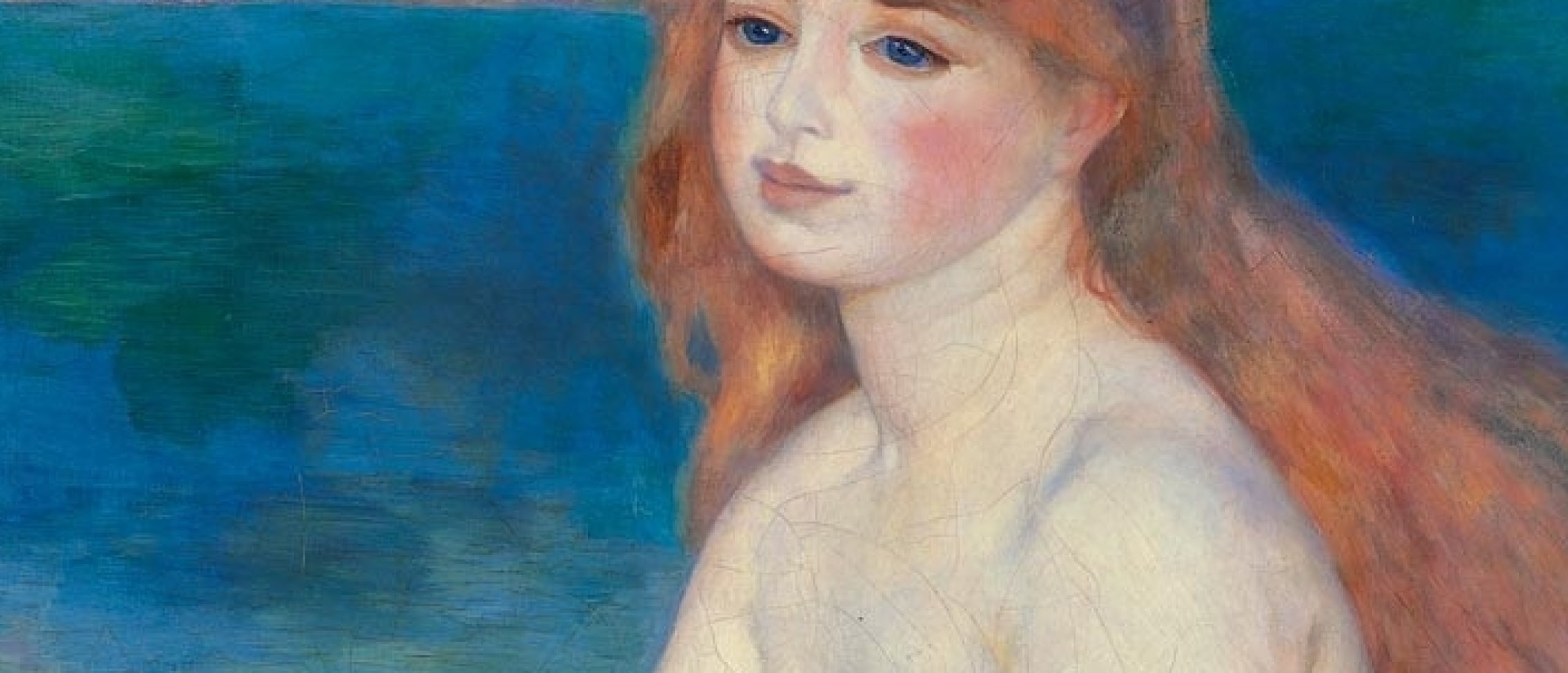
The eroticism in Renoir’s paintings is inseparable from leisure. His women are often shown resting as seen in Fig.1., bathing as seen in Fig.4. and Fig.6., braiding their hair as seen in Fig.2, or simply chatting with one another, reading or just existing without purpose. They always seem to have all the time in the world and also they seem in tune with nature and at ease with their bodies. You immerse yourself in Renoir’s paintings and time seems to stop. Suddenly the sun-drenched and rosemary-scented Mediterranean languor overtakes you. This idleness is itself erotic, particularly in a nineteenth-century culture increasingly structured by productivity, discipline and moral seriousness. Even in painting such as the ‘Standing Nude’, painted in 1889, and seen in Fig.3., even though this young woman is standing she is still idle somehow, still carefree, standing, yes, but not rushing anywhere. She is standing there in the green meadow just as she were a flower herself.
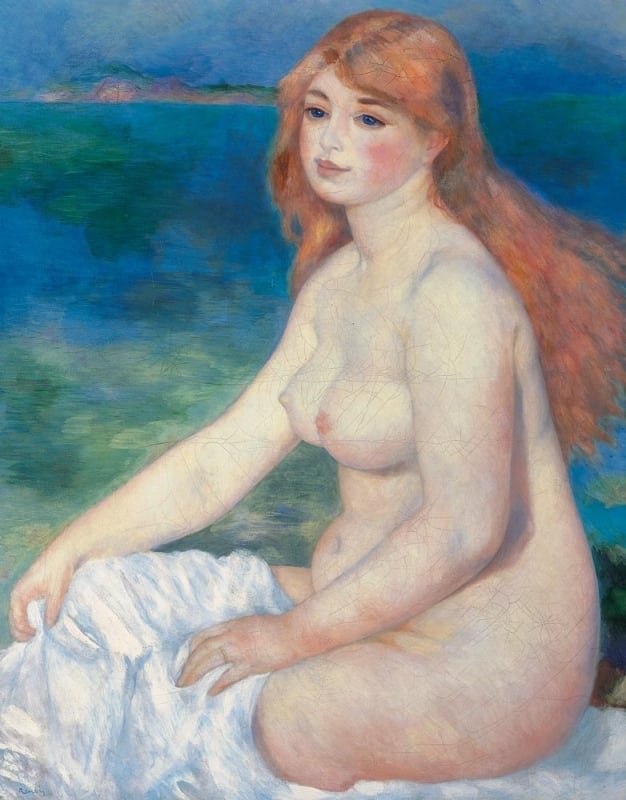
Fig.4 Renoir, Blonde Bather, 1882
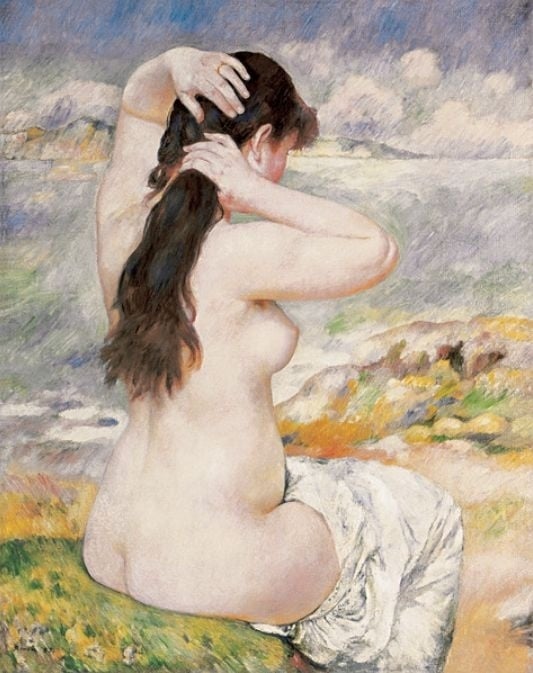
Fig.5 Renoir, Bather Arranging her Hair, 1885
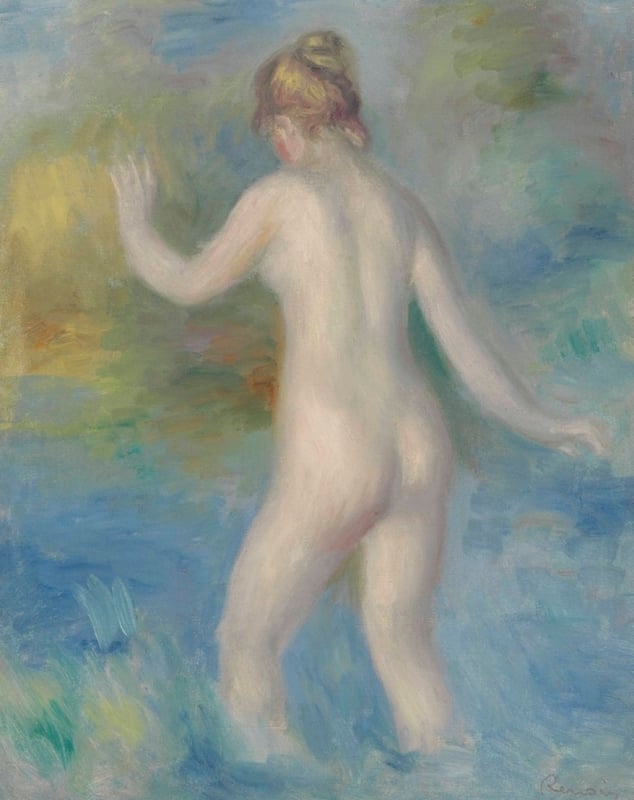
Fig.6 Auguste Renoir, La Baigneuse, ca. 1898-1900
Intensified Desire
In the paintings where women are seen arranging or braiding their hair, or simply resting, they seem to be absorbed in their private world, enjoying their private pleasure, unaware or indifferent to the viewer’s presence. The erotic charge arises precisely from this autonomy. Desire is intensified when the object of desire does not perform for the observer. Renoir’s frequent depiction of women at rest also softens the boundary between public and private. These scenes feel intimate without being confessional. The viewer is allowed close, but not fully inside. This partial access creates a lingering erotic tension; a sense of proximity without possession. This is notable even in the way these women are posing; Renoir often paints them from behind or seen from the side, not fully frontal, as if he is catching a glimpse of them, as if they are rare creatures who appear for a second and then disappear.
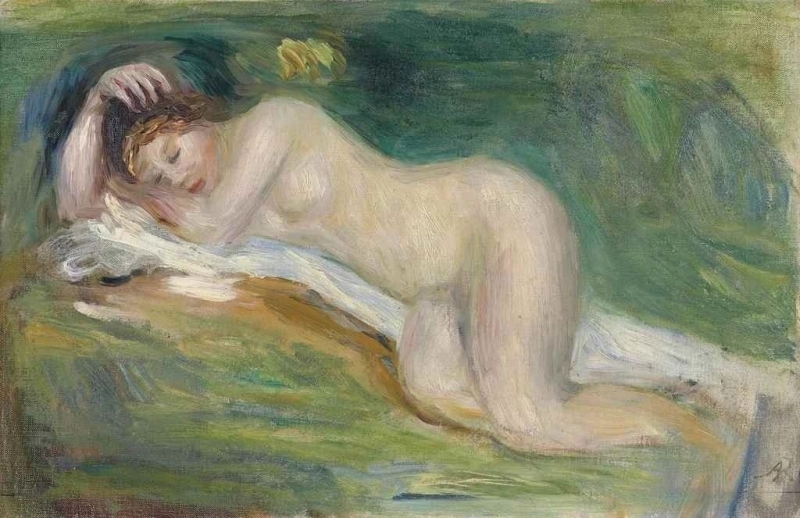
Fig.7 Renoir, Etude de nu, circa 1882
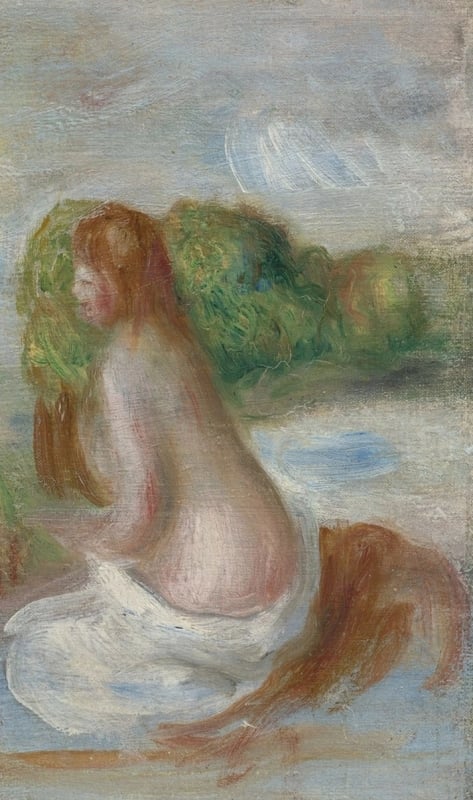
Fig.8 Renoir, PETITE BAIGNEUSE (Little bather), circa 1890
Become a Premium member now and check out the extended version of this article including more about the immense lightness and optimism in Renoir’s paintings, one of Renoir’s most distinctive erotic strategies, his bathing scenes, an extensive analysis of Renoir’s eroticism, reviews of indiviual paintings, and MUCH more..!!
Click HERE for an article about Renoir's creative mentors Jean-Honoré Fragonard or HERE for François Boucher.
Let us know your thoughts about the article in the comment box below...!!