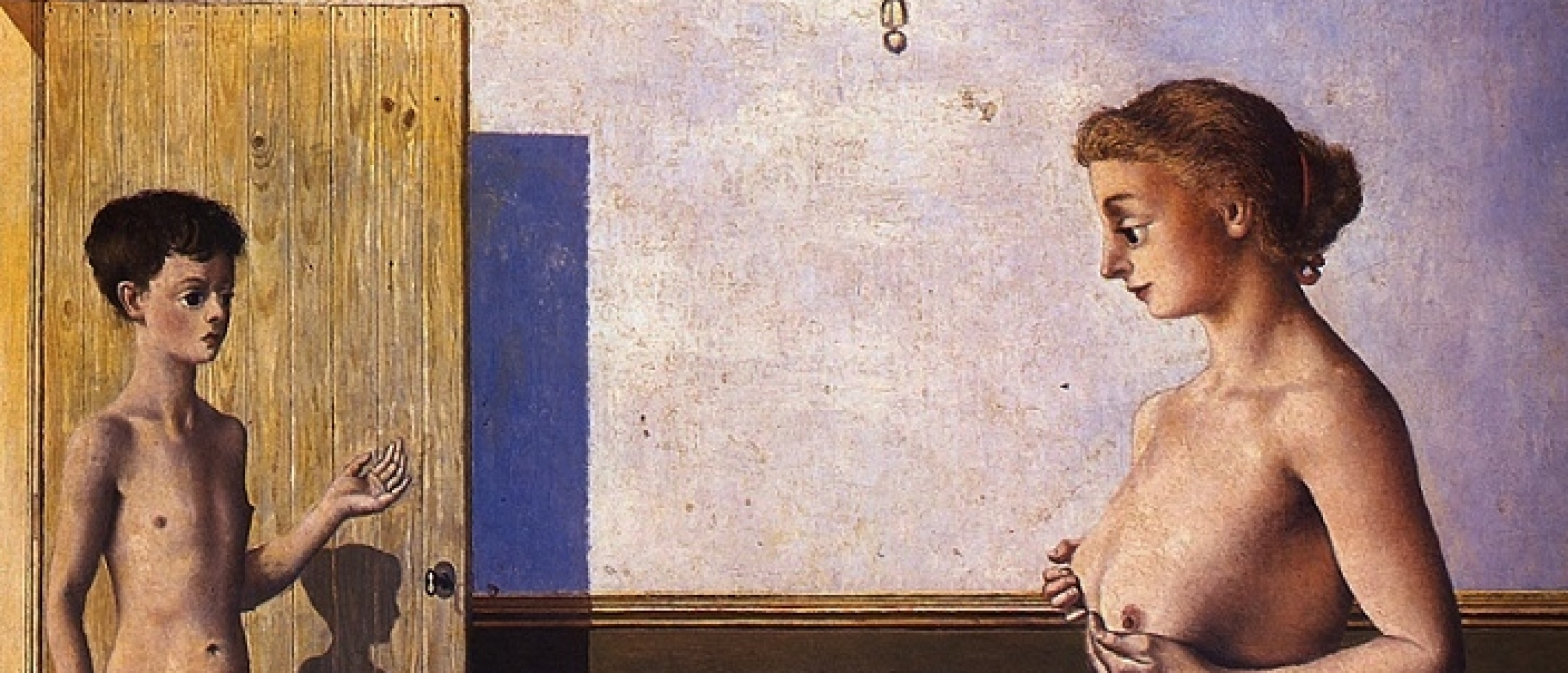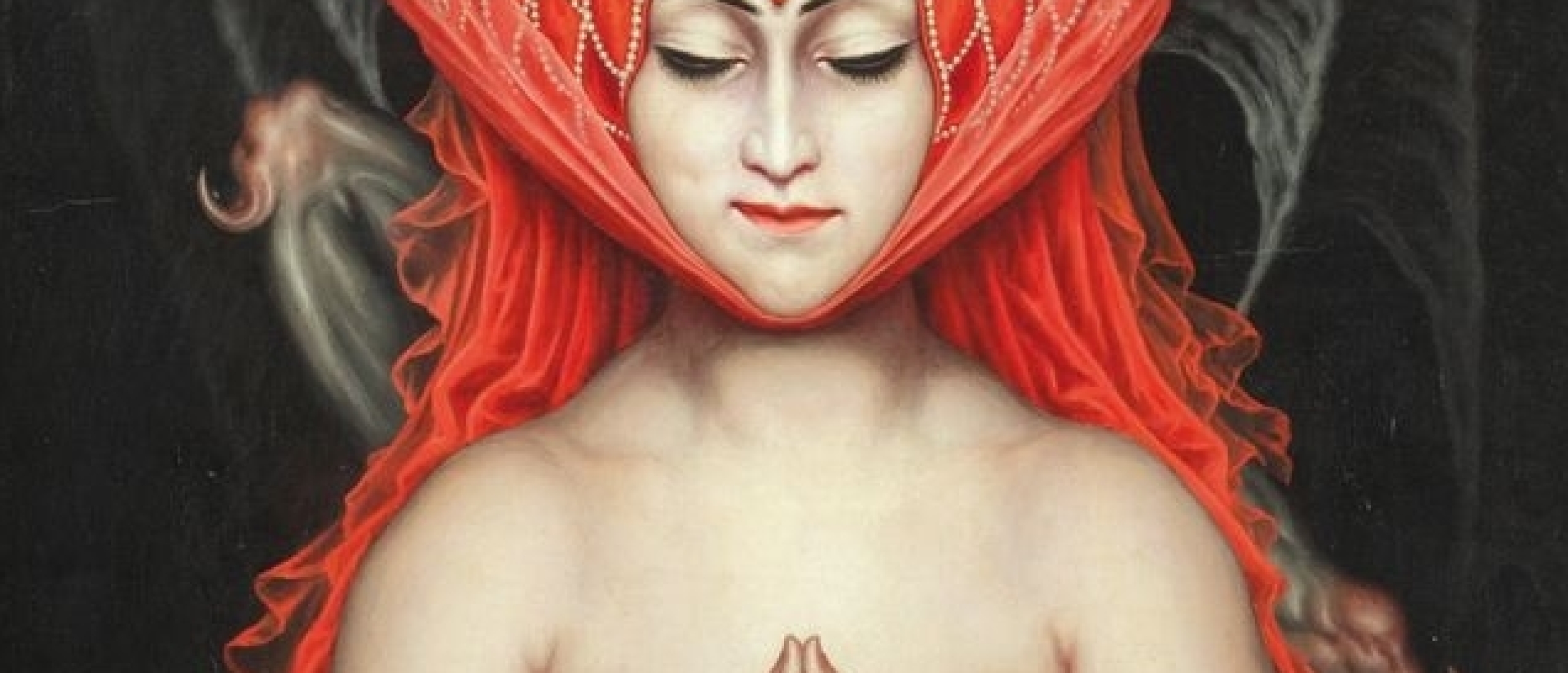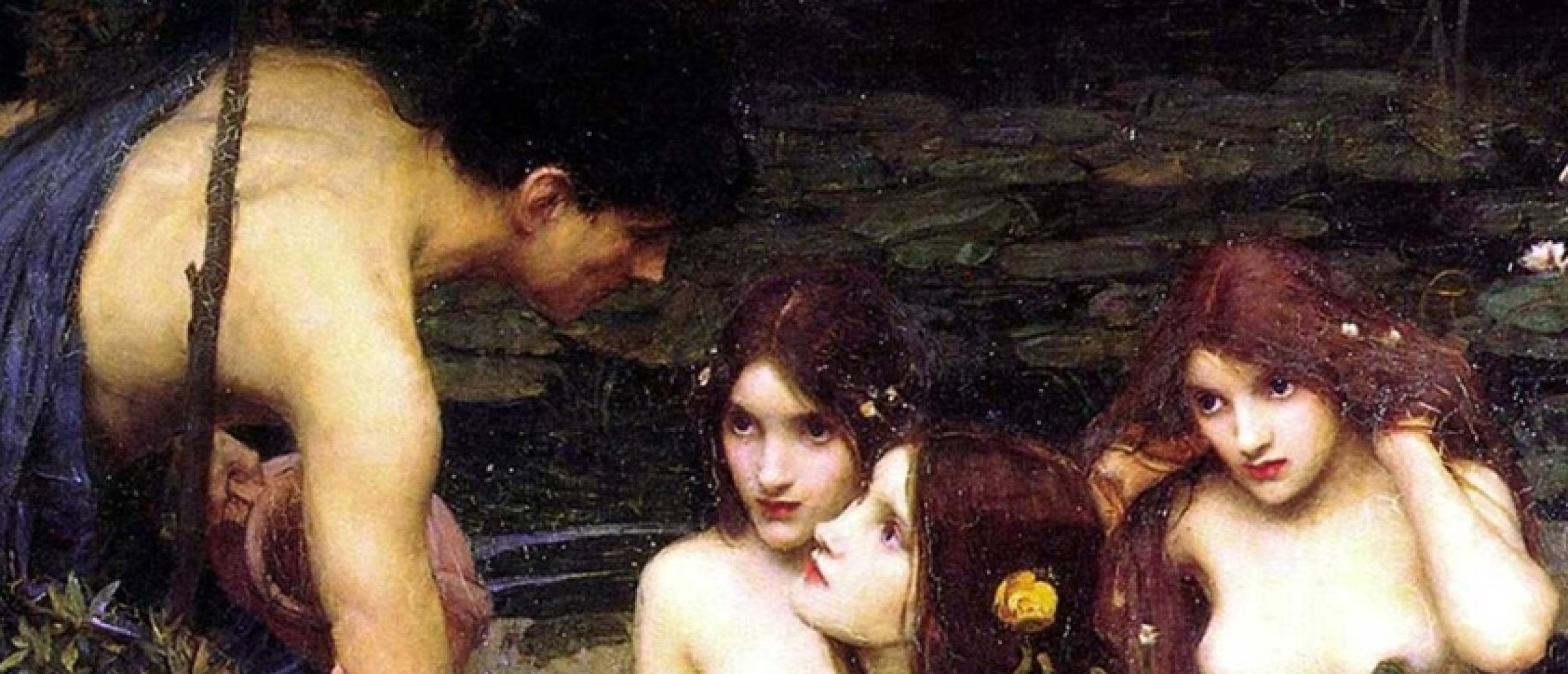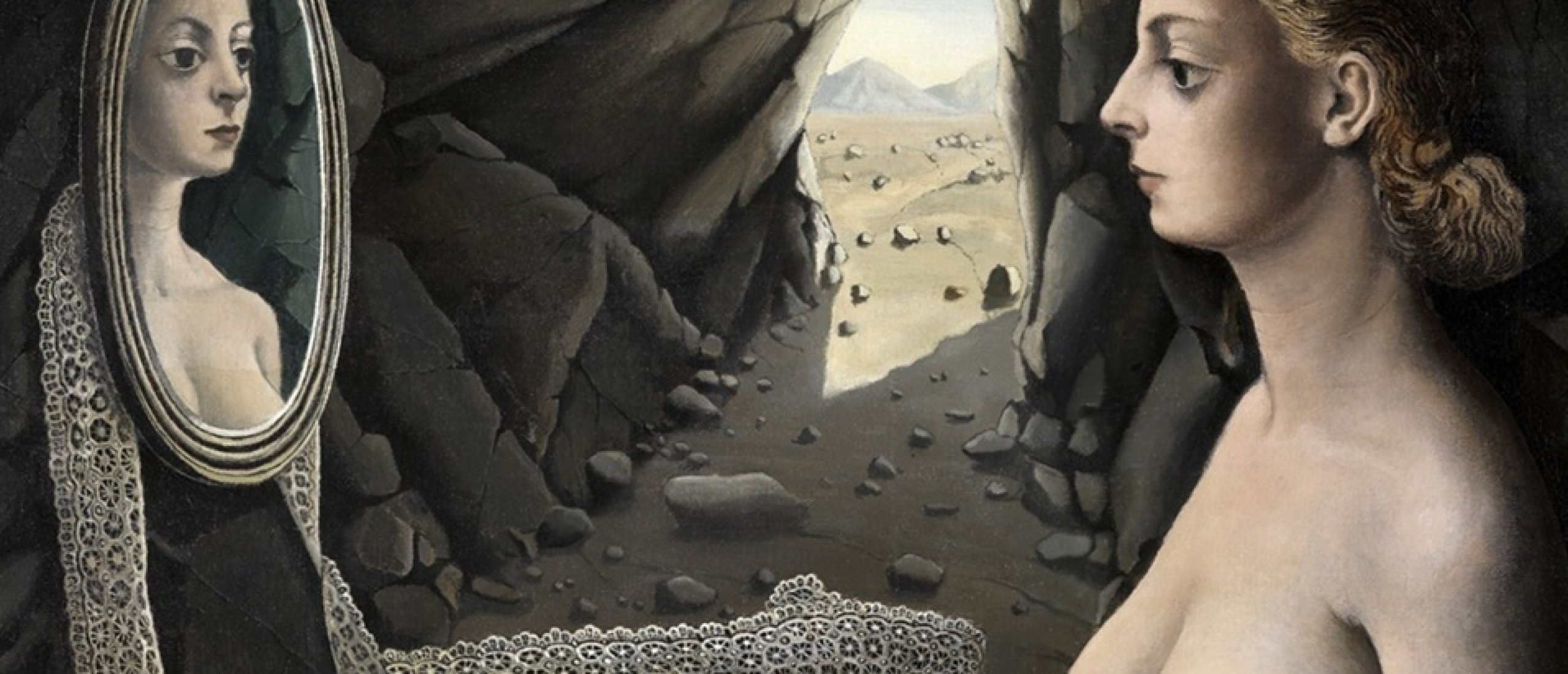
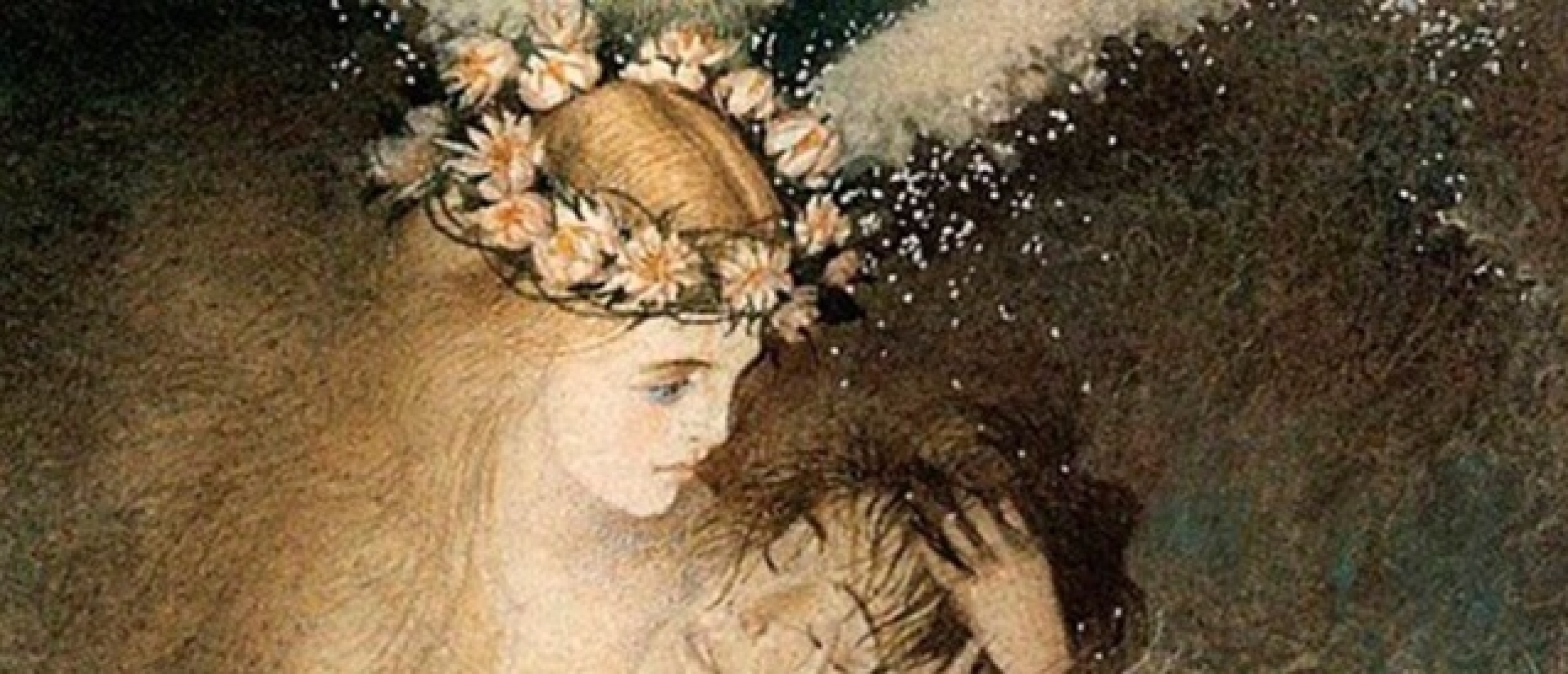

From the depths of the sea myths and the dreams of desire emerge creatures both feared and longed for; the beautiful mermaids and her darker twin; the siren. Half-woman and half-fish, mermaids and sirens are emblems of liminality; sensual yet dangerous, alluring yet untouchable. Across the centuries the erotic art has repeatedly been returning to the image of the mermaids and sirens, using the motif as a vessel for the exploration of the boundaries between nature and civilisation, temptation and taboo, femininity and monstrosity.
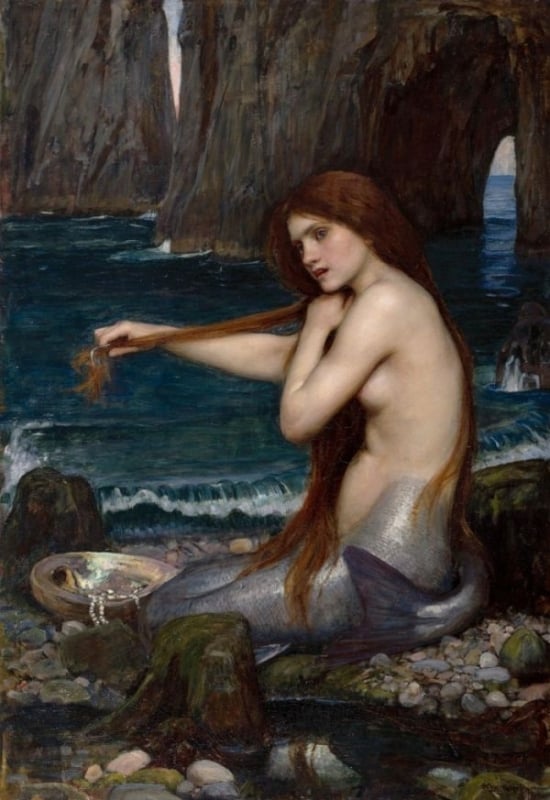
Fig.1 John William Waterhouse, A Mermaid, 1900
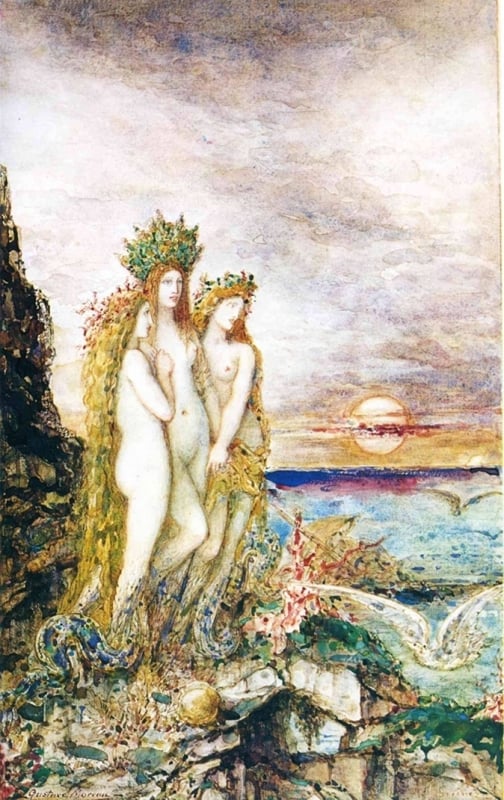
Fig.2 Gustave Moreau, The Sirens, 1872
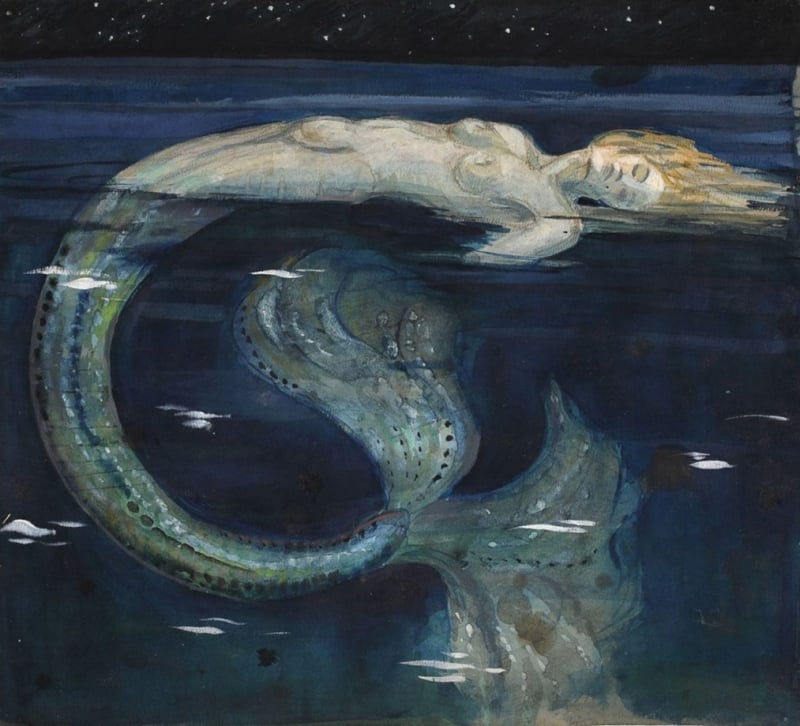
Fig.3 Pietro Persicalli, The Mermaid, 1915
Lure Men to Their Doom
What is the difference between sirens and mermaids? Artistically, essentially none, but historically and mythically there are differences, mostly in origin. In Greek mythology sirens were creatures who had a bird’s body and there were only nine of them originally. There is a tale that they had challenged the muses on a singing competition and sirens lost and as a punishment they got their bird bodies. Sirens lived away from civilisation, on some remote island, and were notorious for their exquisitely beautiful voices which they would use to lure men to their doom. They are mentioned in the myth about Argonauts in which Orpheus saves them from their enchanting song, we know them also from the story of Odysseus. In some versions of the myth, they were the muses of the underworld, and in some they were companions to Persephone. They only got their half-woman and half-fish form through the influence of Christianity and in the medieval times their image of creatures of danger and temptation was sealed. There is a reason why the term ‘siren’ is used also for irresistibly beautiful but dangerous women. Such a siren can be seen in the photograph from the magazine ‘Harpers and Queen’, edition of June 1974, seen in Fig.12. The photograph shows a seductive woman with a dramatic blue-greenish eyeshadow, seashells in her long, voluminous hair, and piercing blue eyes gazing into the distance. Even though there is no nudity in the photographs, the seduction is palpable.
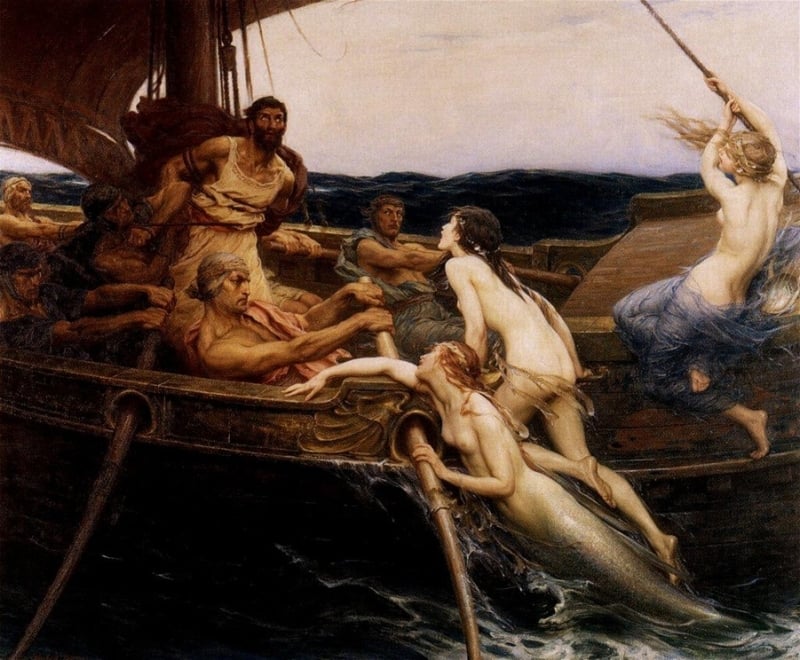
Fig.4 Herbert James Draper, Ulysses and the Sirens, 1909
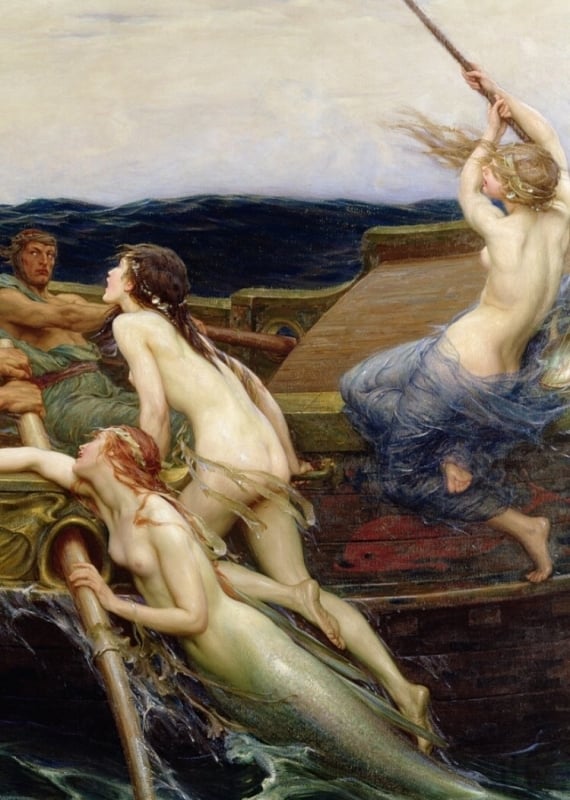
Fig.4a
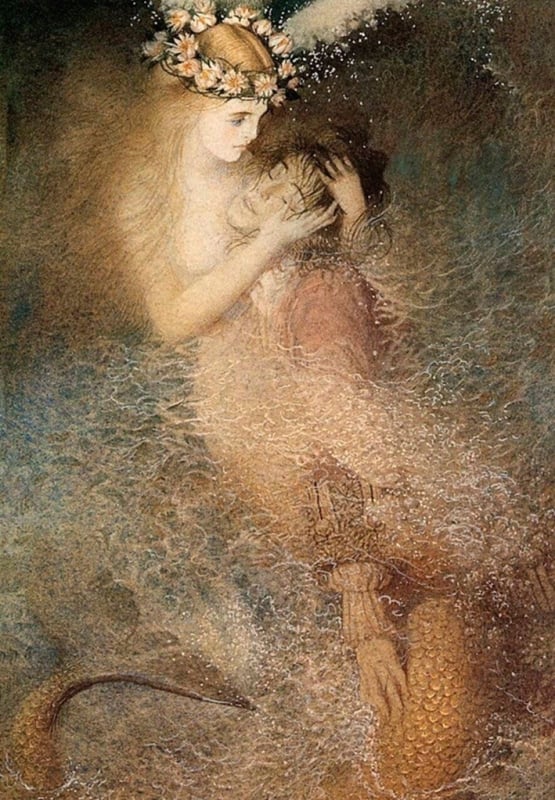
Fig.5 Gennady Spirin, La petite sirène. The little Mermaid, 1948
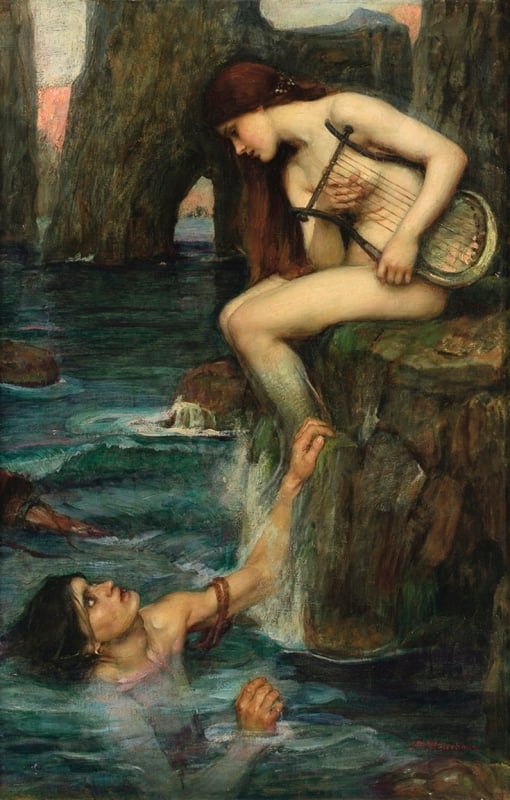
Fig.6 John William Waterhouse, The Siren, 1900
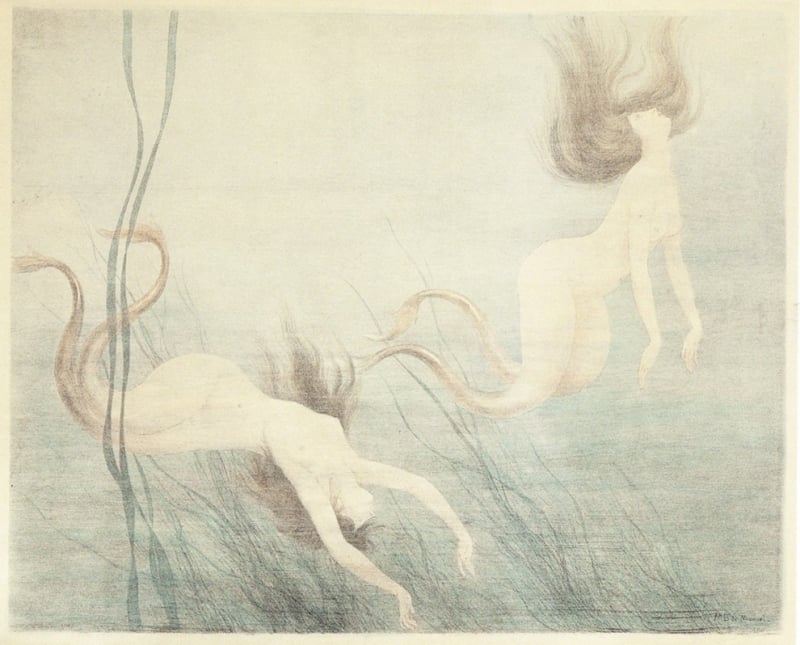
Fig.7 Maurice Boutet de Monvel. Sirens, circa 1900
Melancholic Sensuality
In contrast, mermaids were aquatic creatures half-female and half-fish which exist in many mythologies and legends in the world. The word ‘mermaid’ comes from the words ‘mere’ (sea) and ‘maid’, so we could also called them sea-maidens. They are often depicted in paintings holding a mirror or combing their hair; both mirror and comb are symbols of vanity. Interestingly, some languages don’t even differentiate between sirens and mermaids, and neither does art
Become a Premium member now and check out more about the portrayal of mermaids in erotic art, fascinating examples of "Mermaid" and "Sirens"works, many more artworks and MUCH more...!!
Click HERE for the author's 8 most favorite depictions of Faun, Satyr and Pan in erotic art
What's your favorite "Mermaid. Siren" artwork? Share your thoughts in the comment box below...!!