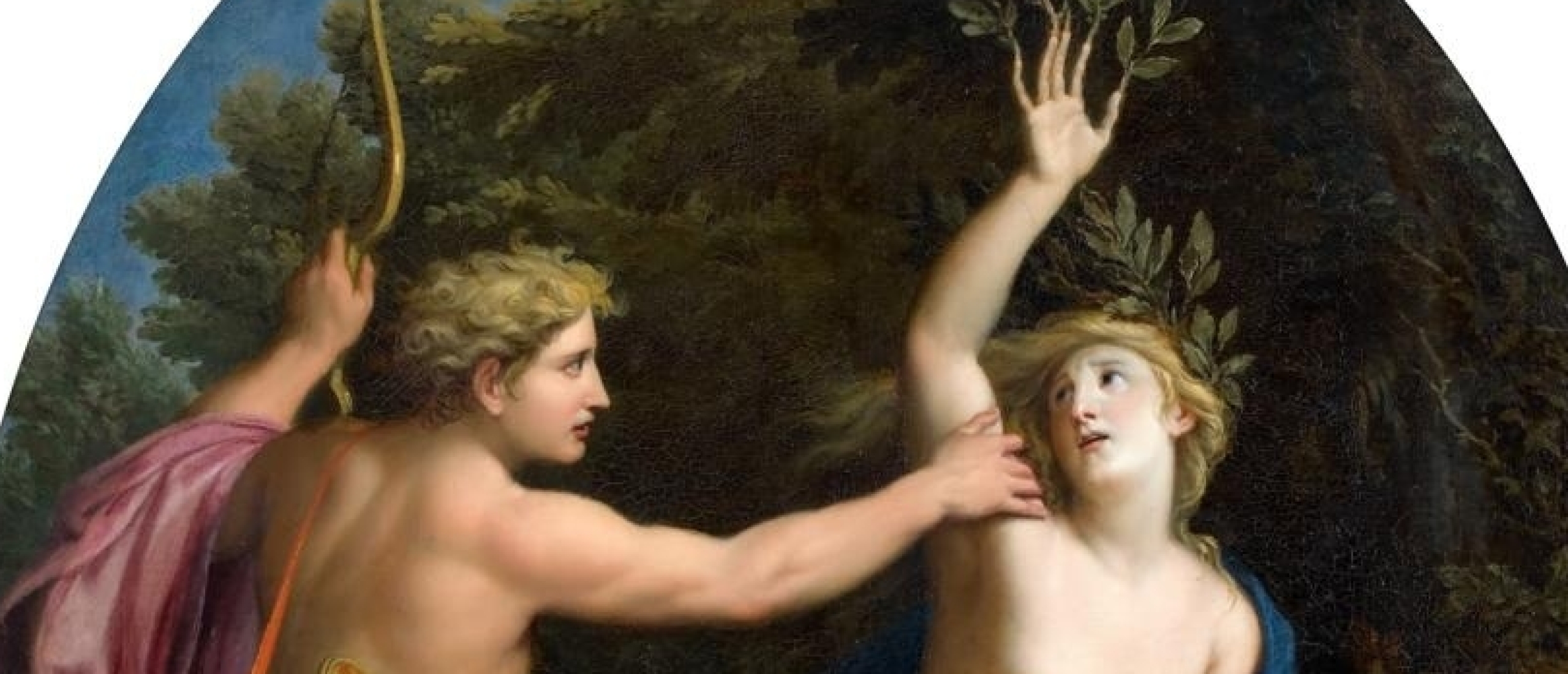

Across cultures, one of the most enduring ways of imagining feminine beauty has been through the language of nature. Flowers, trees, vines and blossoming branches have long served as metaphors for youth, sensuality, fertility, and, perhaps most importantly for us visually, beauty. In both Indian and Western art, the female body is often shown as intimately bound to the natural world, not merely standing beside it but emerging from it, entwined with it, even becoming it. Two striking examples of this are the Yakshi (sometimes also called Yakshini) figures of Indian art and the image of Daphne in the myth of Apollo and Daphne in the Western art.
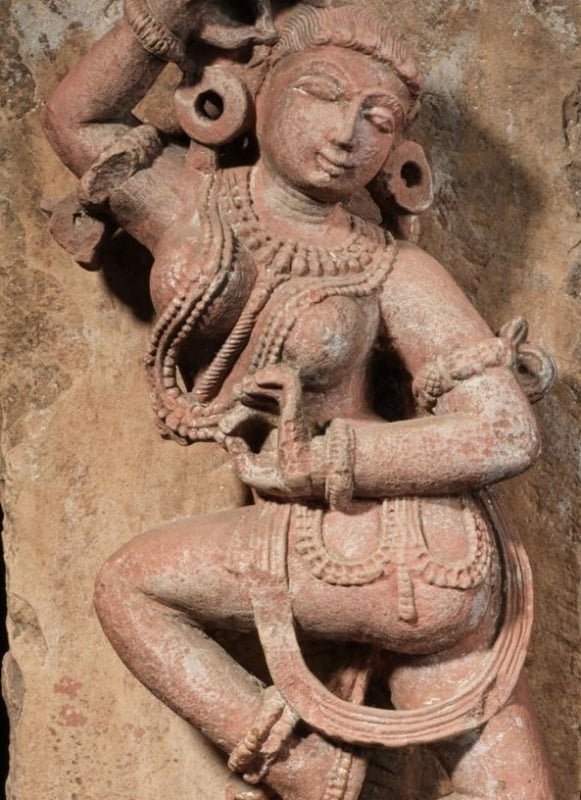
Fig.1 A mottled red sandstone figure of a dancing Yakshi, Rajasthan, circa 11th century
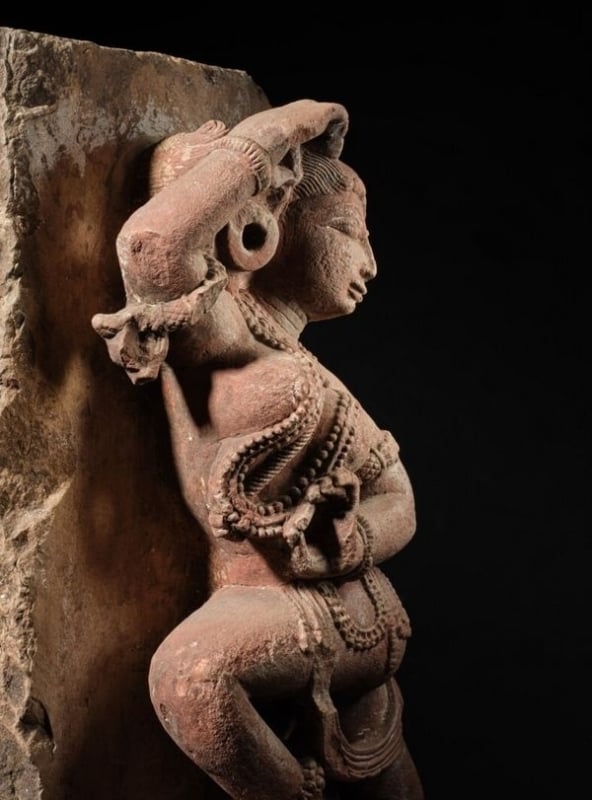
Fig.1a
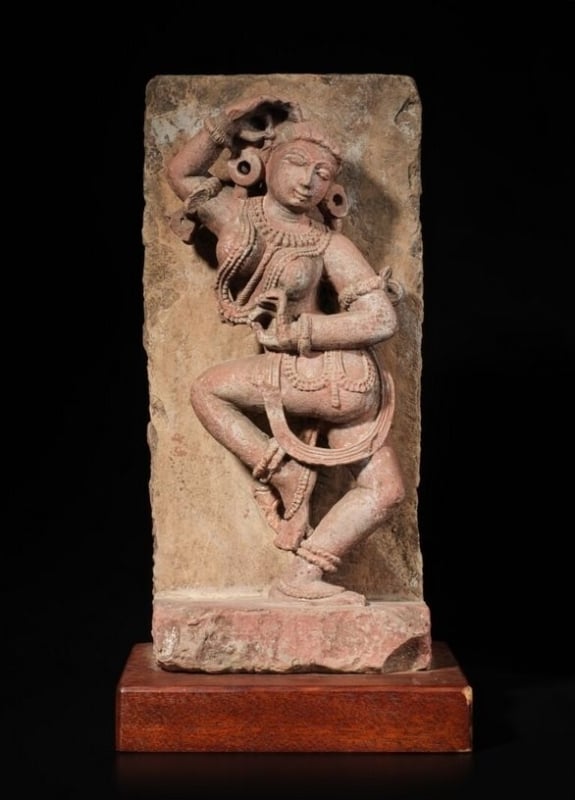
Fig.1b
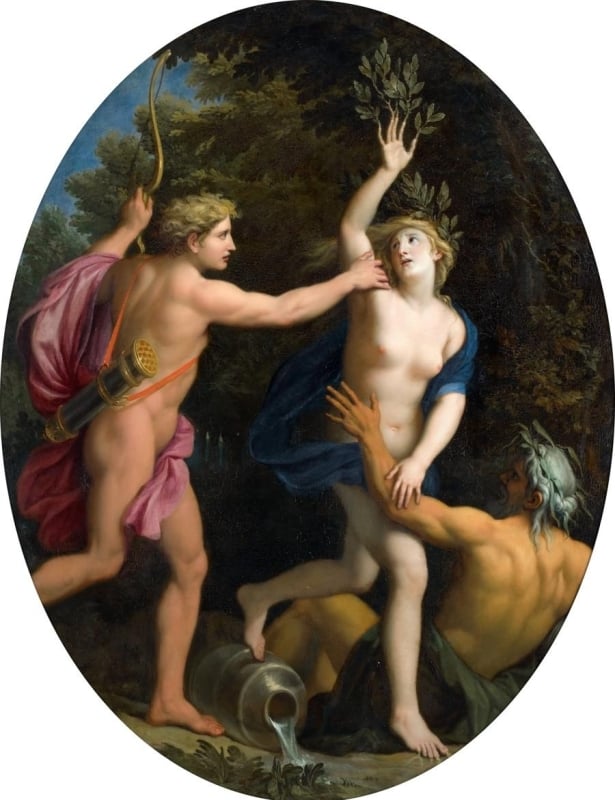
Fig.2 René Antoine Houasse, Apollo pursuing Daphne, 1677
The Age of Madness
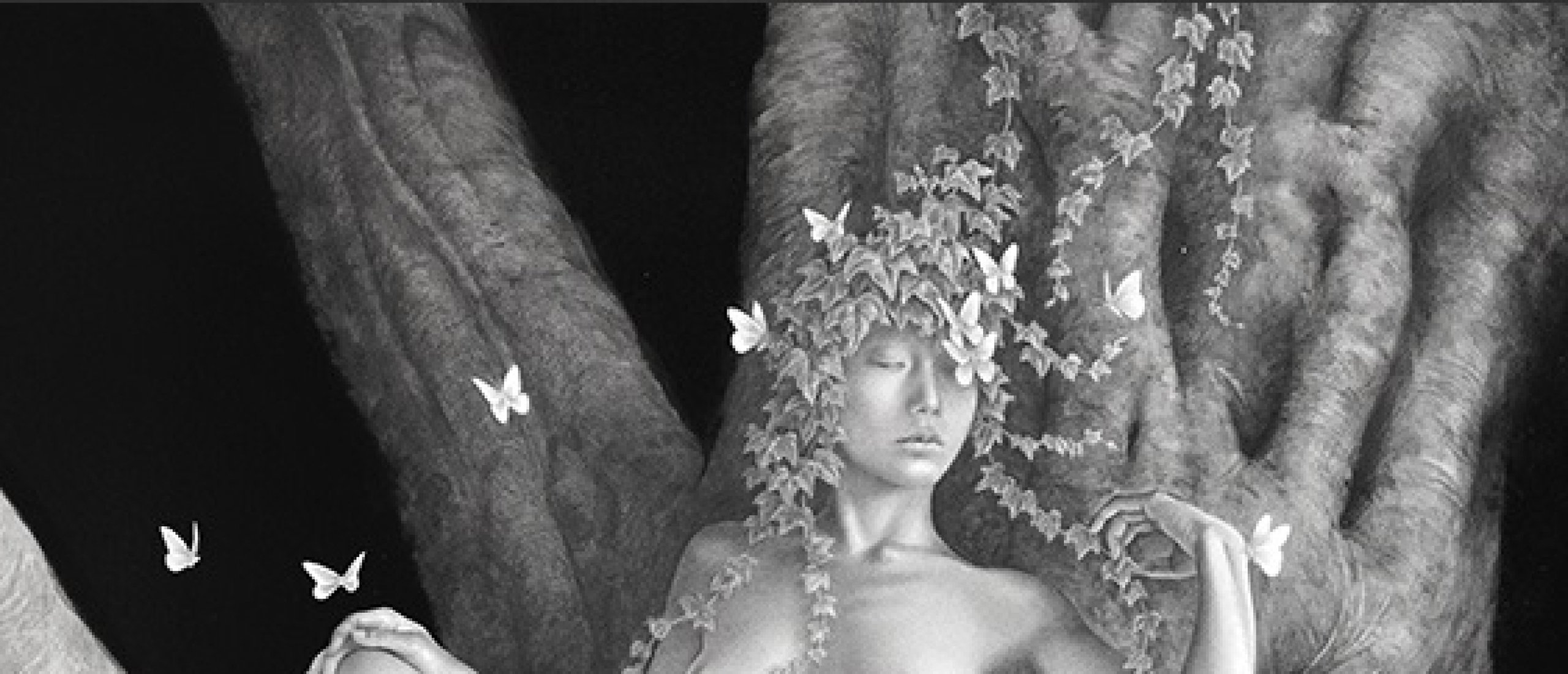
Yakshi is a female nature spirit that is found in the traditional legends of Kerala and other parts of India and she is a recurring motif in the Indian art, especially sculpture. Visually she is often presented as the young woman at the foot of a tree; ancient motif symbolising fertility. She can be seen sensuously standing with her foot on the trunk and her hands holding the branches of a stylised ashoka tree. This figure often serves as a gatekeeper of Hindu and Buddhist temples. In the folktales of Kerala yakshis are not benevolent. Also, murdered women can be reborn as vengeful yakshis. When it comes to women in art and mythology a combination of beauty and danger always leads to eroticism. The sculptures of Yakshi are always very sensual, but never exaggerated in form. Yakshi have a dark side, especially in the Kerala folklore and in Tantric practices. They are often seen being between two worlds who can be mischievous and dangerous spirits, In Kerala folklore, they are depicted as beautiful yet malevolent vampires who haunt, seduce and deceive men and then consume their life force. An amazing depiction of a dark, seductive Yaksihi can be seen in the Indian Malayalam-language folk horror film 'Bramayugam' (2024), translated as 'The Age of Madness', directed by Rahul Sadasivan. In the film, Yakshi only appears for five minutes if so, in the very beginning of the film, when she seduces and kills a man, but her presence is haunting and sets the mood for the rest of the film. As seen in Fig.3. and Fig.4. she is beautiful, dusky, seductive and, as we know from the film, ruthless. If I remember correctly, she doesn’t even say a word in those scenes, only her anklets and other jewellery are jingling, but her silence makes it all the more eerie and powerful. Yakshi in the film is like one of those sculptures coming to life.

Fig.3 Yakshi in the film Bramayugam (2024)

Fig.4 Yakshi in the film Bramayugam (2024)
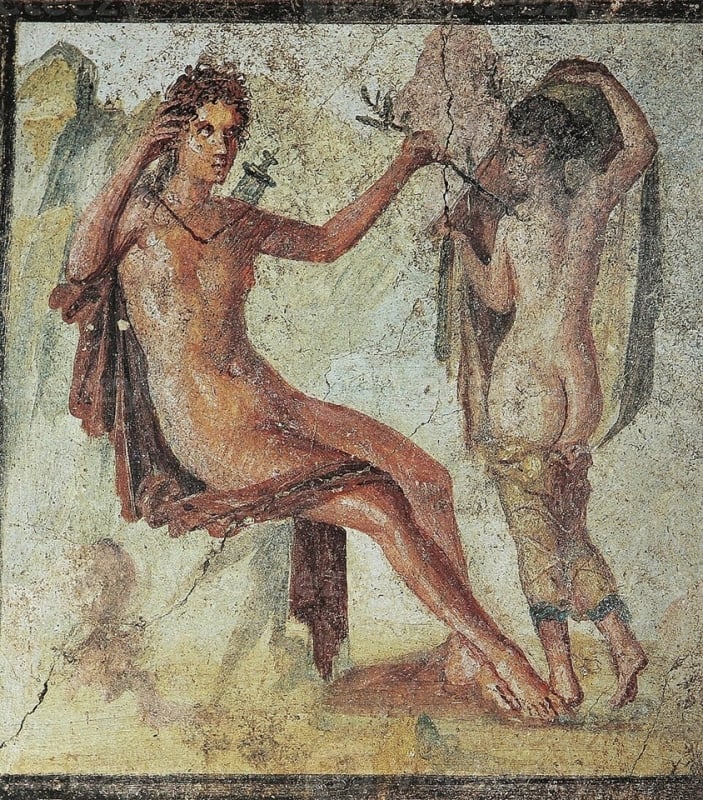
Fig.5 Roman, Apollo and Daphne, c. 62–79 A.D., fresco from South wall of Casa dell’Efebo
Beautiful Nymph
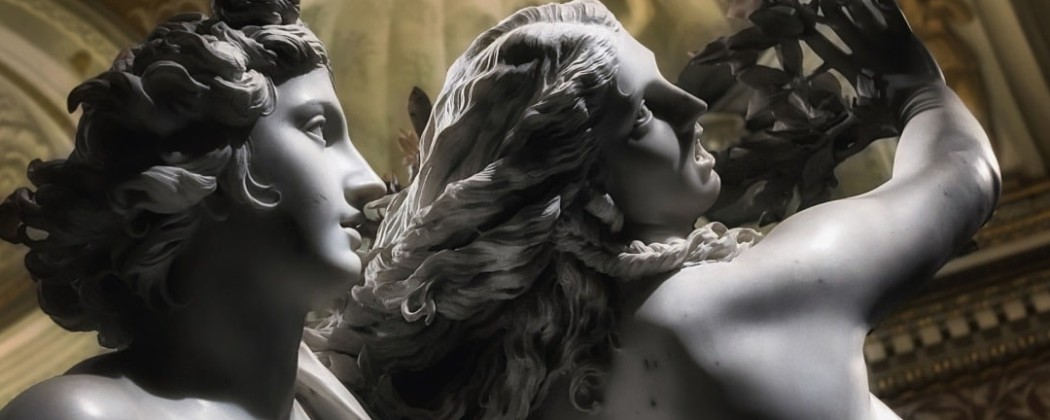
Daphne, the figure in the Greek mythology, on the other hand, is not powerful but powerless; she is the daughter of the river God and the beautiful nymph who was chased by Apollo and, to escape his advances, she turned into a laurel tree. Even though she has no life-giving power nor connotations of fertility she is visually presented as connected to the natural world because she is turning into a laurel tree. It is always her arms which are seen turning into branches, in both painting and sculpture from the ancient frescos to the Rococo masters such as Liotard and Tiepolo, all the way to the late Pre-Raphaelite John William Waterhouse who always loved painting female figures from mythology.
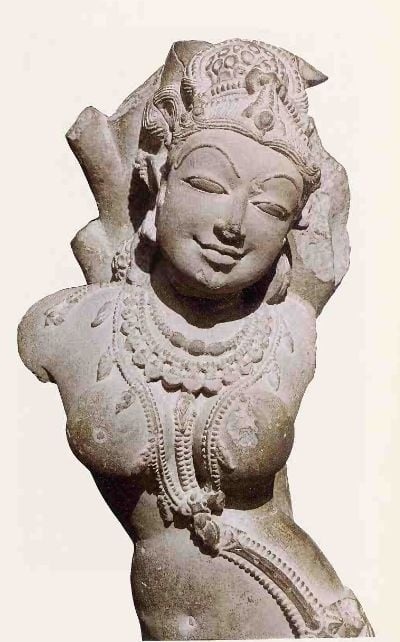
Fig.6 A Yakshi, Sandstone, 11th century, from Gyaraspur, Madhya Pradesh
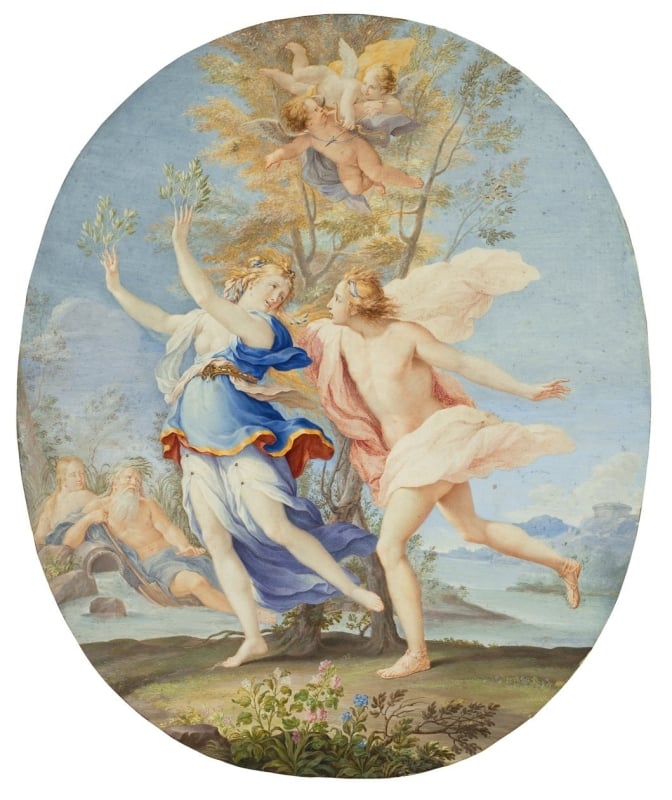
Fig.7 Teresa del Po, Apollo & Daphne, c. 1698
In the extended Premium edition of the article we'll continue our journey into the sensuality found in the depiction of both mythical figures.
Click HERE for an article about the untamed sexuality of the self-decapitated Goddess Chinnamasta
Let us know your thoughts about this article in the comment box below...!!