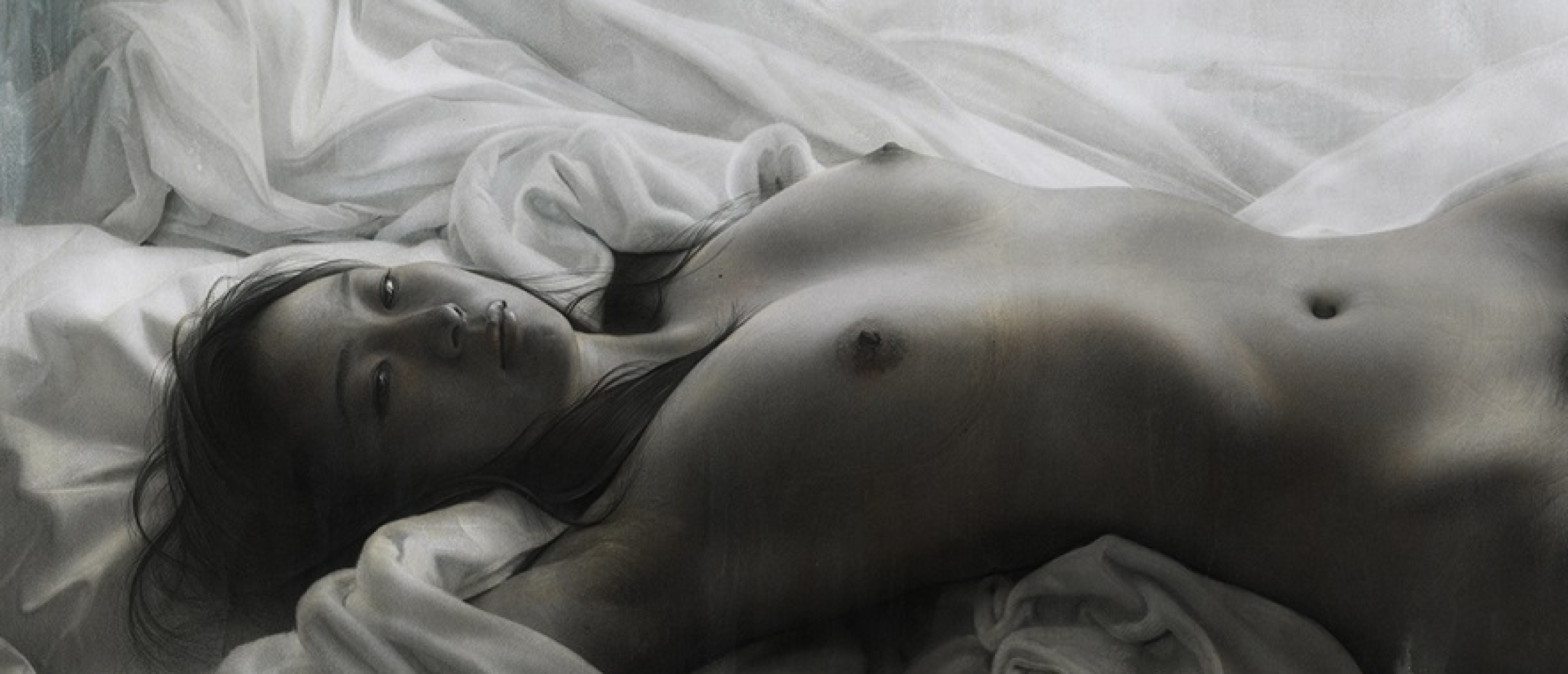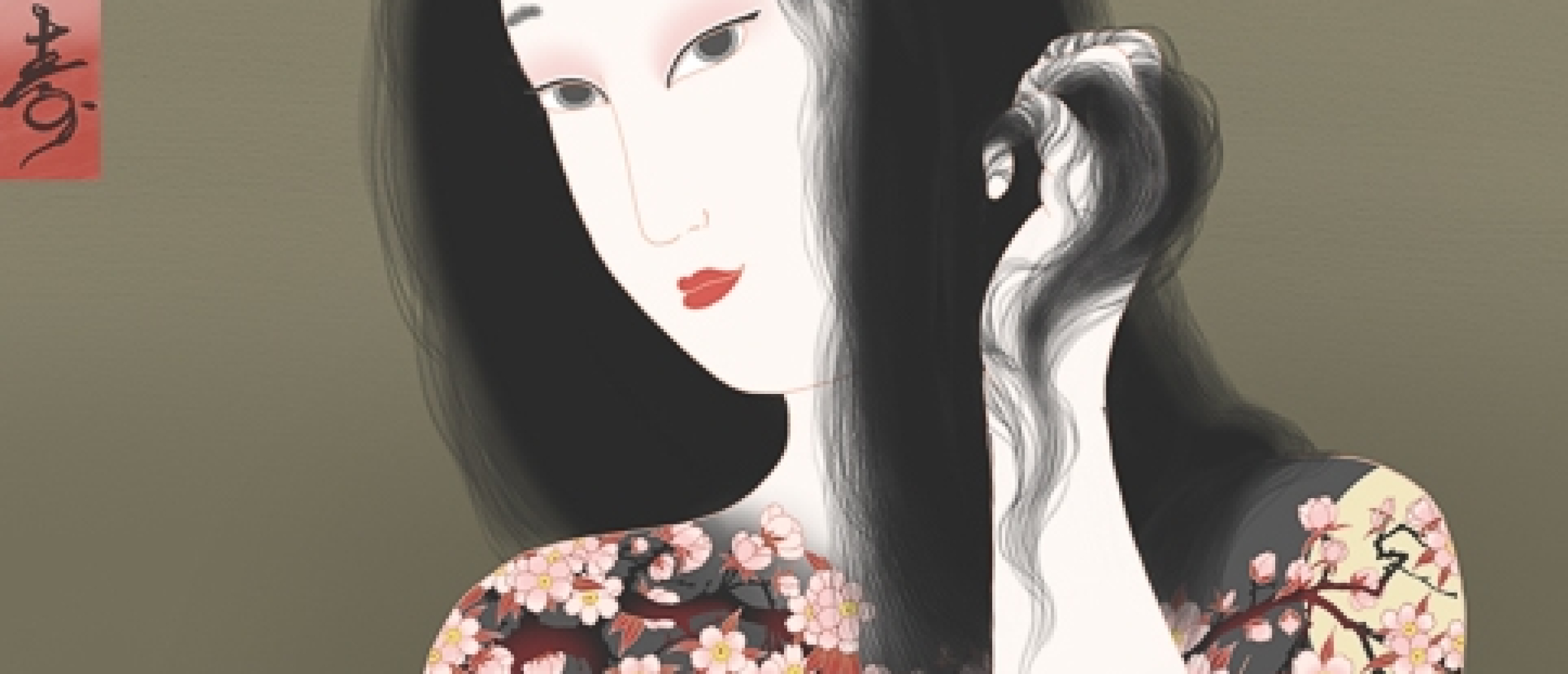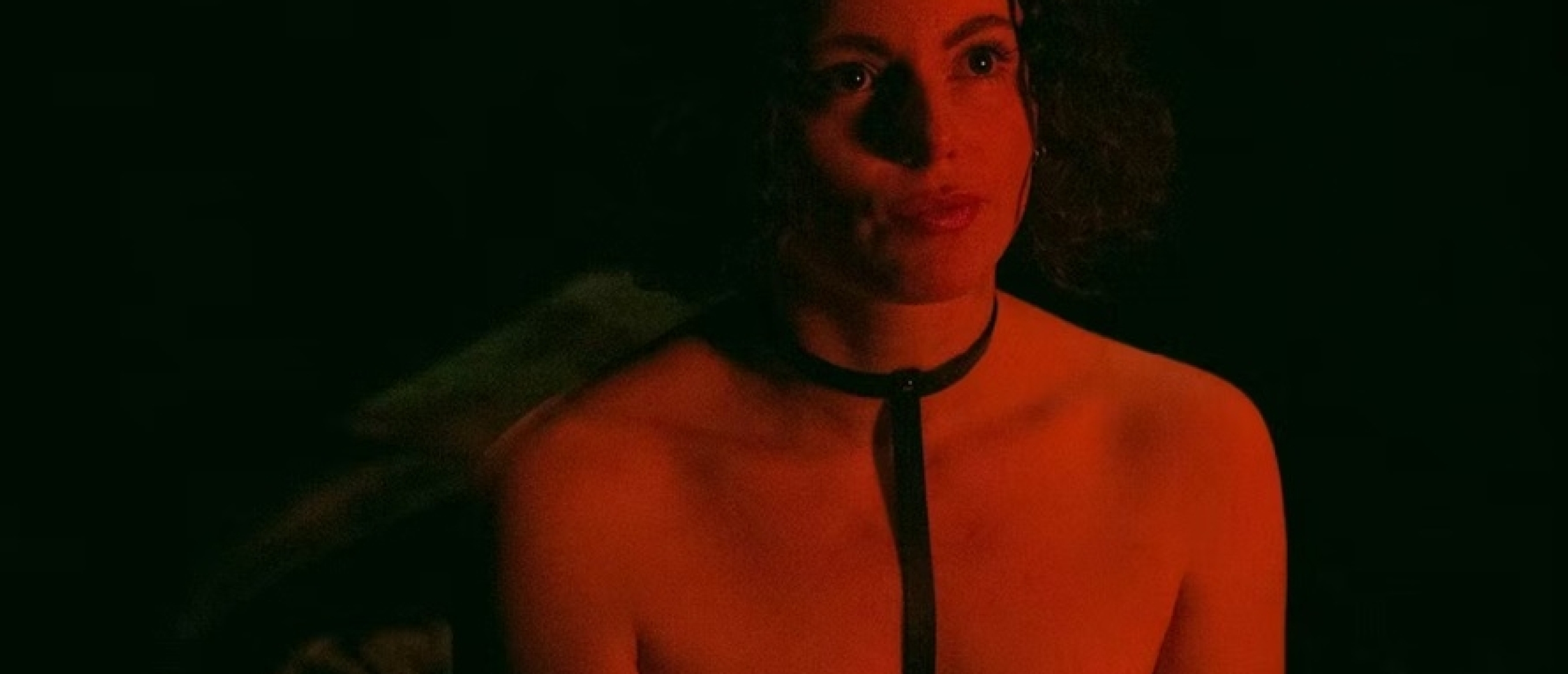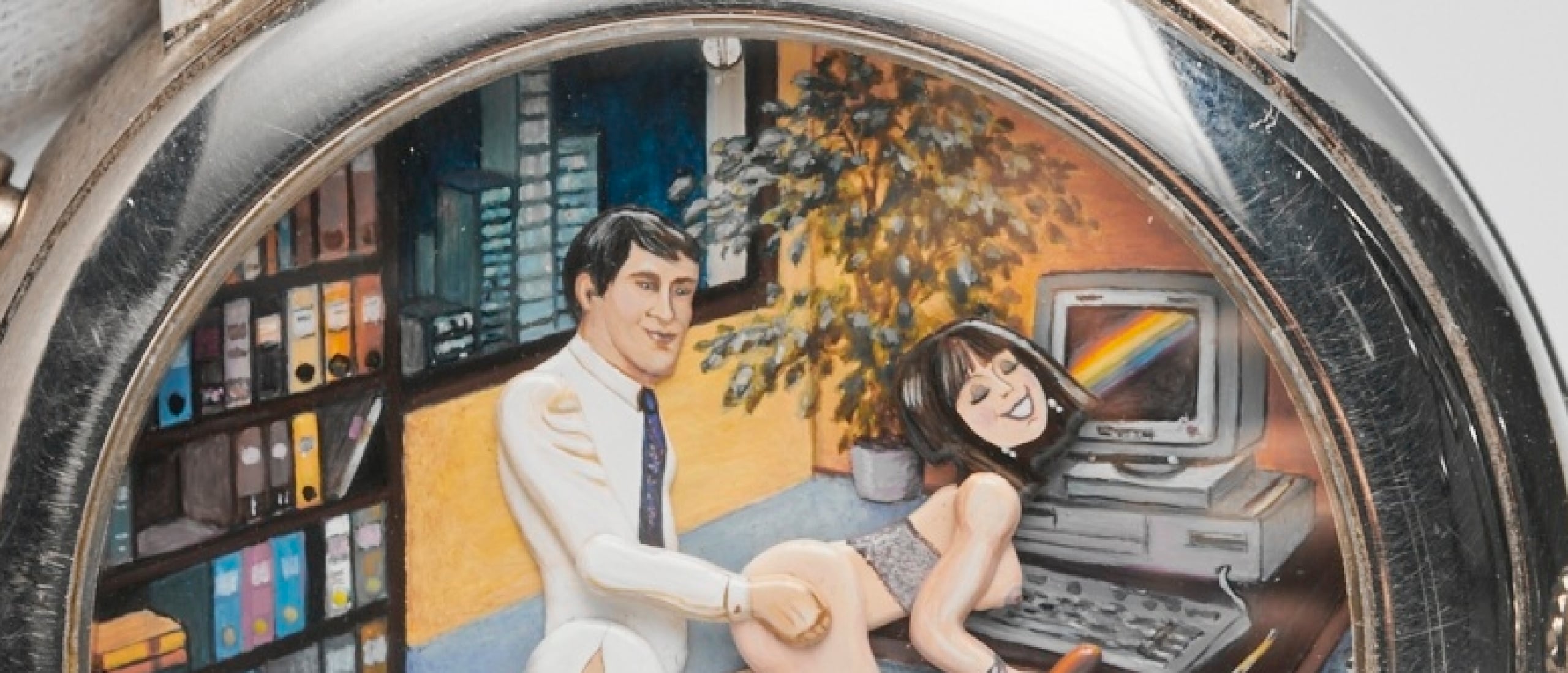


The erotic paintings of the contemporary Canadian realist painter Andrew Valko (born in 1957 in Prague, Czechoslovakia) are a perfect blend between intimacy and alienation. In many of the paintings I have chosen for this article the computer screen is not merely a prop but a source of illumination, attention, desire and psychological gravity. Valko’s artworks appear to explore how eroticism is transformed when it is mediated by digital technology and this is something that immediately struck me about his work because it is unique and it is very relevant for our times. Rather than depicting straightforward sexuality, these paintings present bodies suspended in the peculiar emotional atmosphere of online life, where visibility, desire, loneliness, performance and self-awareness become entangled.
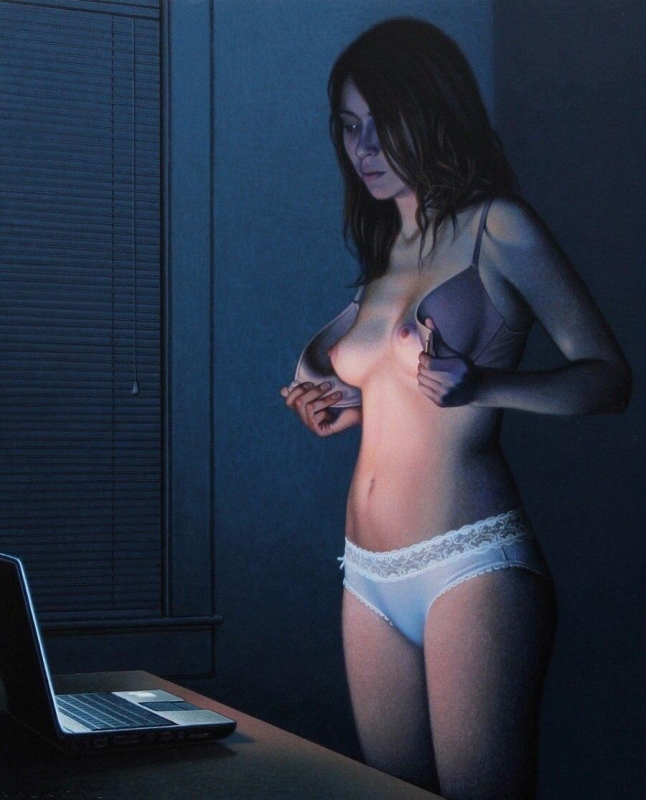
Fig.1 Andrew Valko, Long Distance Love Affair, 2015

Fig.2 Andrew Valko, Social Network, 2010

Fig.3 Andrew Valko, Online, 2009
Cool Blue Glow
Paintings seen from Fig.1. to Fig.6. are the best examples of Valko’s intriguing mix of sensuality and nudity with the detachment and coldness of the online world of flirting and seduction. There is a sense of tiredness and wistfulness in the faces of some of these women as well, a sense of melancholy and depth that haunts. The most immediately noticeable feature across these paintings is the blue light. The soft, romantic glow of the candles from the paintings of Fragonard and Boucher, the warm sunlight of Renoir and Bonnard; those are now replaced by the blueish light of the screen. The female figures are illuminated by computer screens. This cool blue glow has become one of the defining visual signatures of contemporary existence. In art historical terms, artificial illumination has often carried symbolic significance. In these works, the screen functions almost like a modern replacement for older sources of transcendence or revelation. The figures are literally lit by technology. Their bodies emerge from darkness through contact with the digital world.
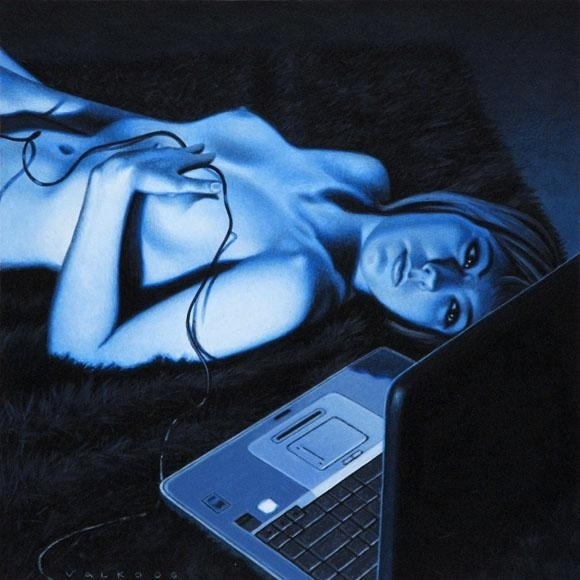
Fig.4 Andrew Valko, Hot Mail, 2006
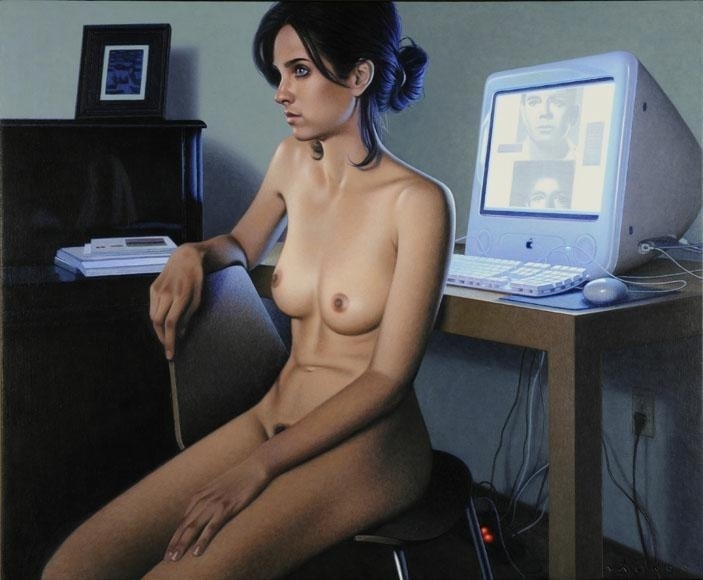
Fig.5 Andrew Valko, Match to Profile, 2008
Symbolic Tether
The painting seen in Fig.4., showing a woman lying beside a laptop, captures this dynamic particularly well. The composition recalls classical depictions of reclining nudes, yet the atmosphere is entirely contemporary. Traditional reclining figures in Western painting often invite the viewer into a scene of sensuality. Here, however, the laptop occupies an unexpectedly central position. The woman's gaze appears detached, almost introspective. The computer's presence disrupts any simple reading of the image as erotic. Instead, there is a sense of emotional distance. The cable draped across her body resembles both a technological connection and a symbolic tether. She appears connected, yet isolated. The painting suggests that digital networks may simultaneously offer intimacy and produce separation.
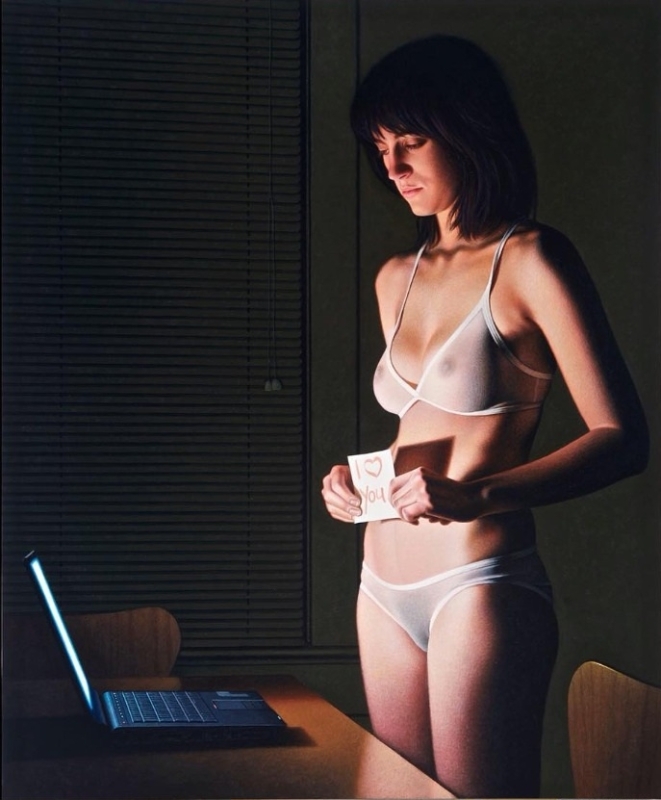
Fig.6 Andrew Valko, Skype Love, 2011
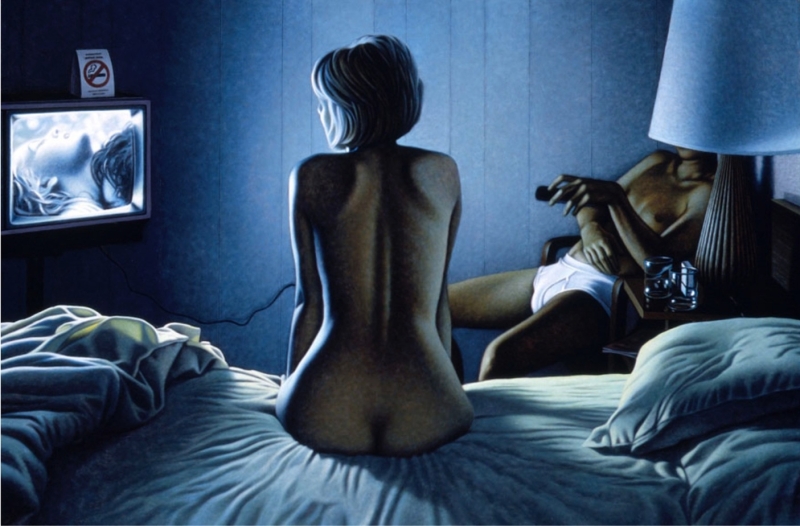
Fig.7 Andrew Valko, The Movie Channel, 1995
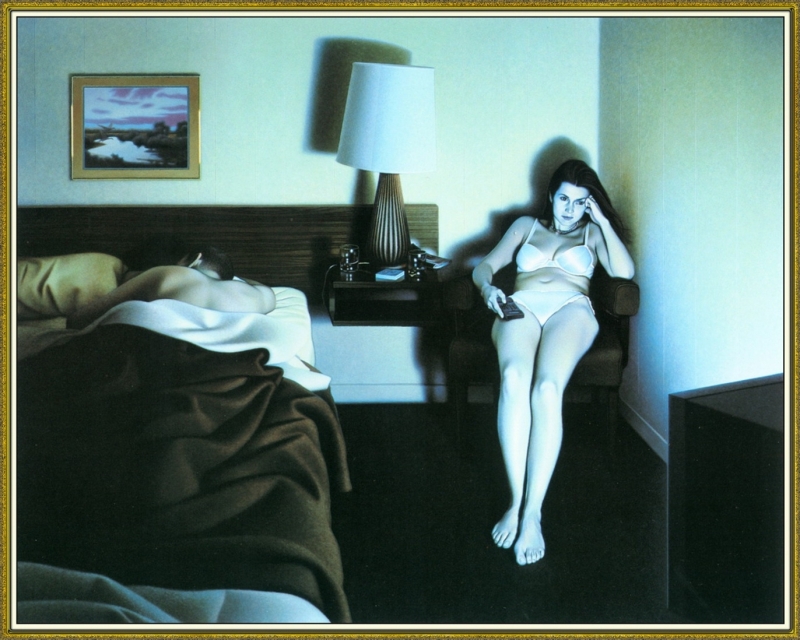
Fig.8 Andrew Valko, Sleepless Nights, 1997
OnlyFans Client
The painting seen in Fig.1., my personal favourite from Valko’s oeuvre, is perhaps the most explicit in its treatment of online eroticism. A woman is seen standing before a laptop while partially undressing. The scene immediately evokes the phenomenon of self-presentation before a digital audience. What is striking, however, is the apparent absence of that audience within the image itself. We see the woman, the screen, and the room, but not the people who may be looking. Who is looking at her? Her online lover or an OnlyFans client? I am imagining it is the former because he mood is tender and intimate, but we don’t really know… This absence creates an unsettling tension. The viewer occupies an ambiguous position. Are we observers of a private moment, or are we being placed in the role of the unseen online spectator?
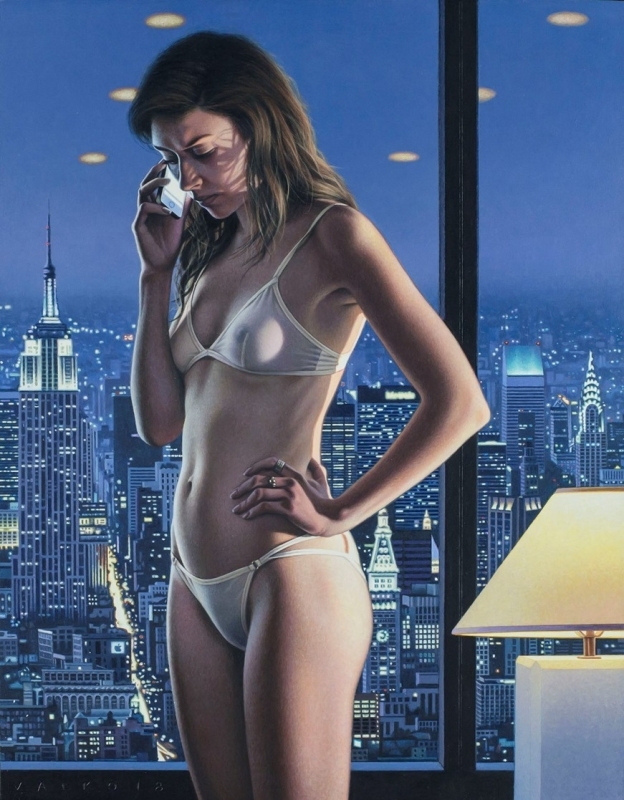
Fig.9 Andrew Valko, I've been waiting for you, 2018
In the extended edition of this article in Premium, you can discover how Valko examines the collapse of distinctions between public and private space, a closer look at the mood in his paintings, detailed reviews of some of his works, what makes his paintings so compelling, revealing the powerful metaphor the artist uses, the emotional landscape of Valko's paintings, and MANY more revelations.
Andrew Valko has the following website
Click HERE for the hidden perversions of the British Painter Paul Roberts
What are your thoughts about Valko's paintings? Leave your reaction in the comment box below...!!