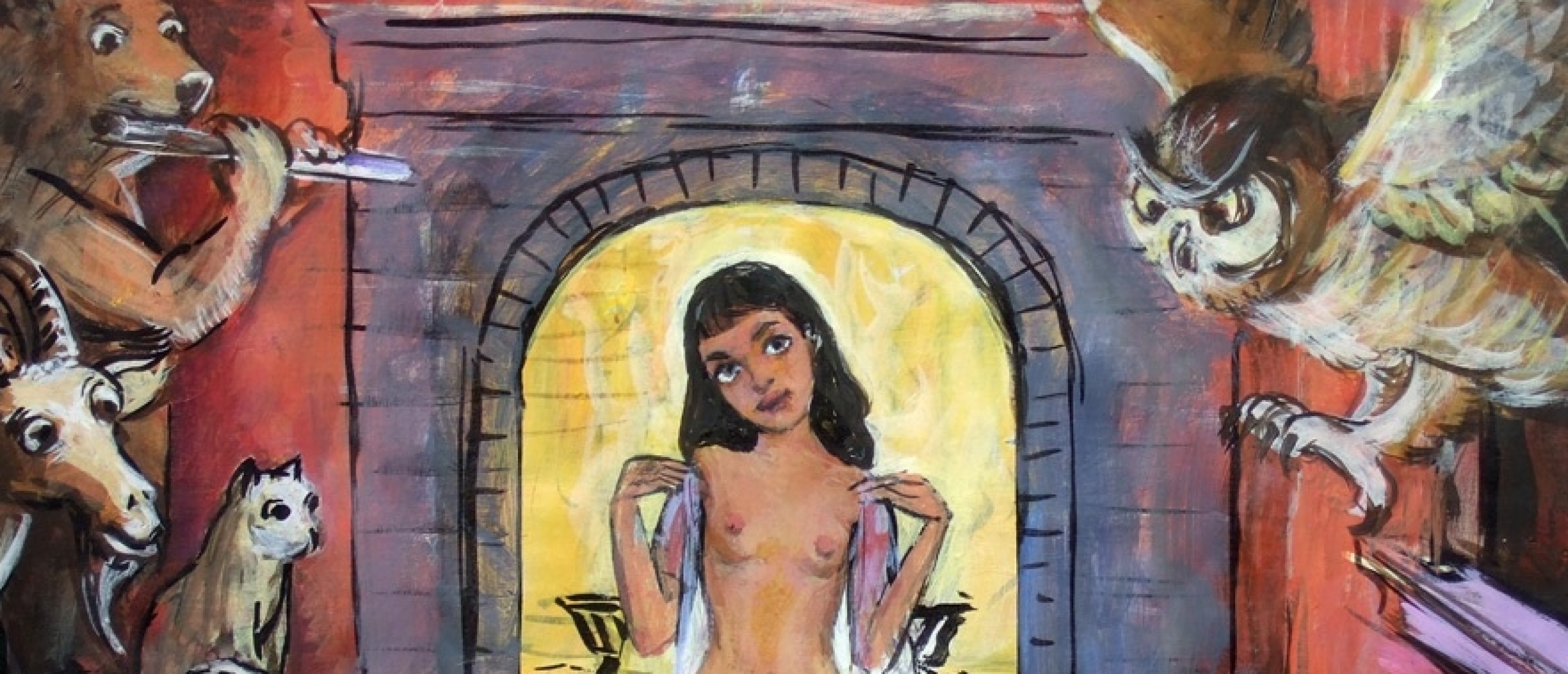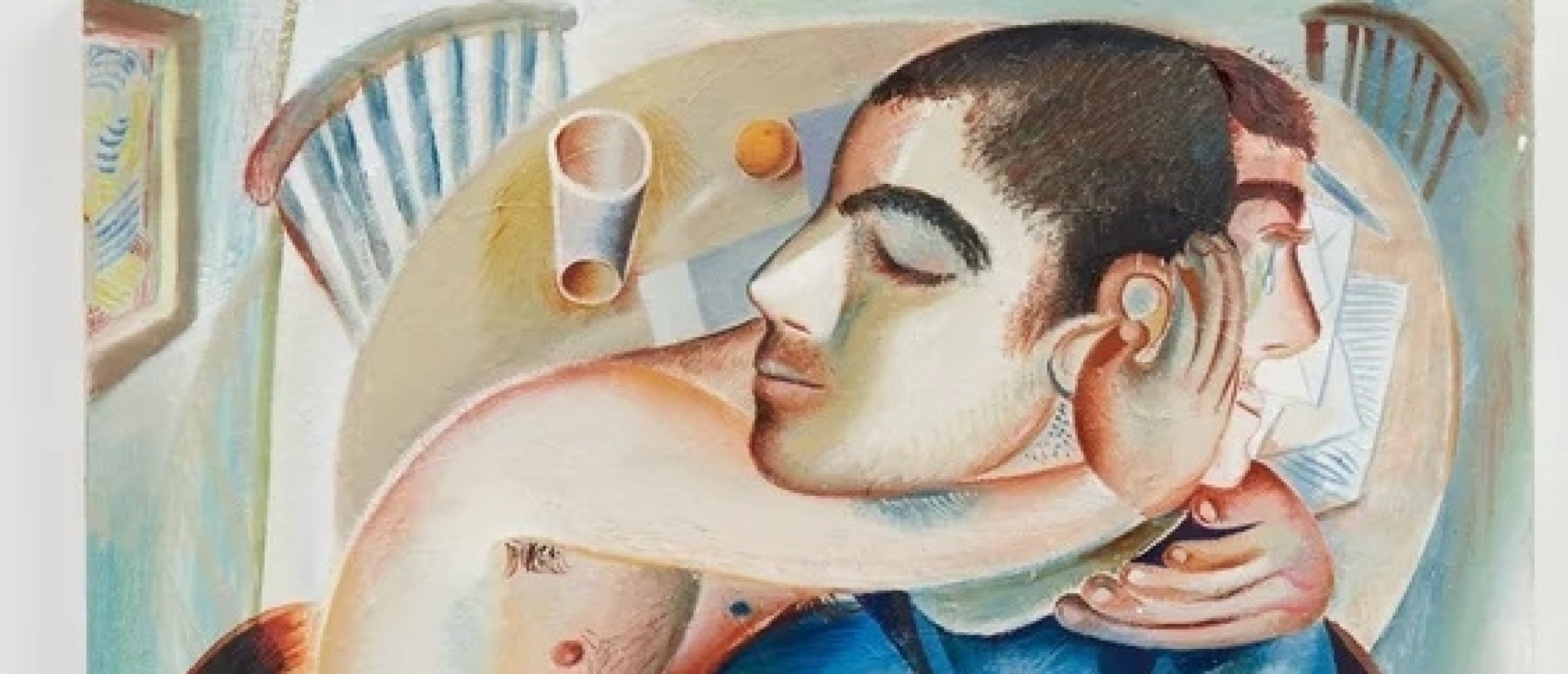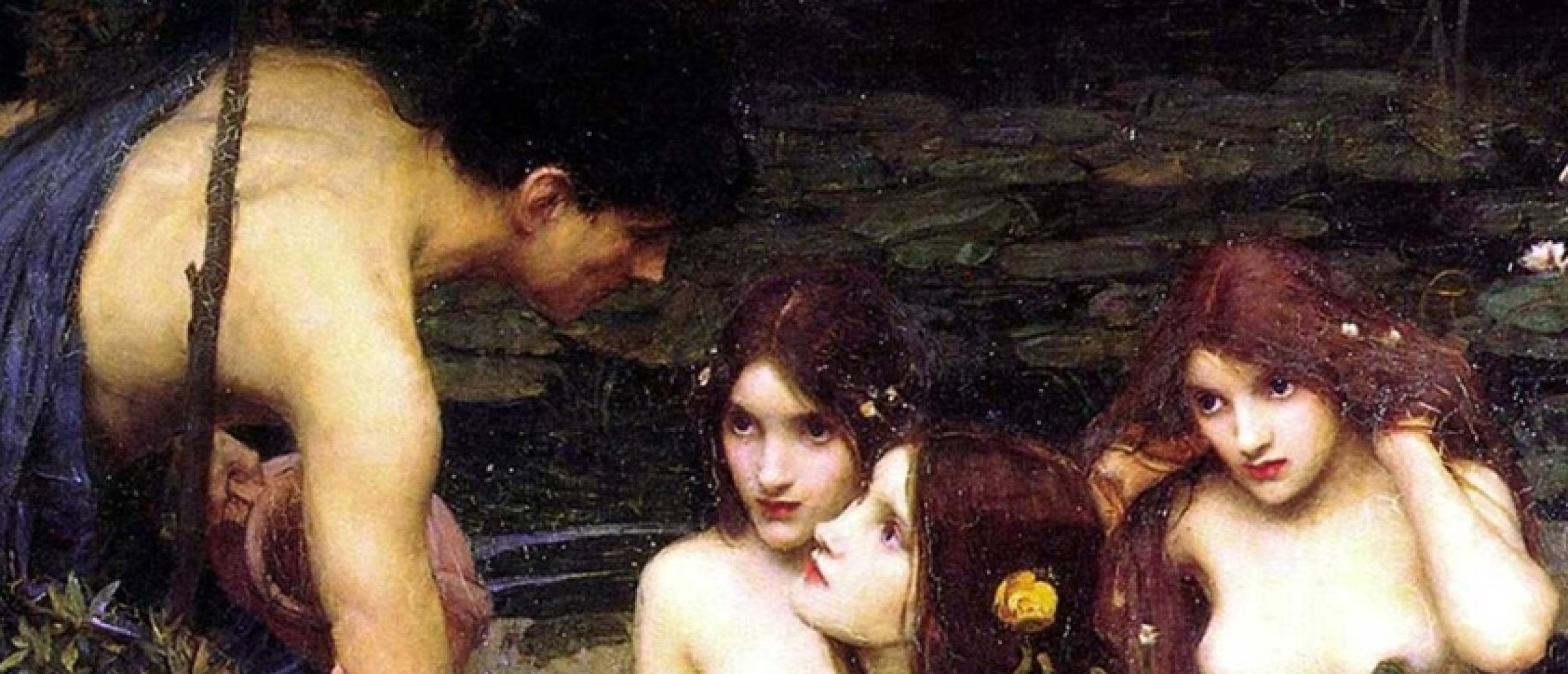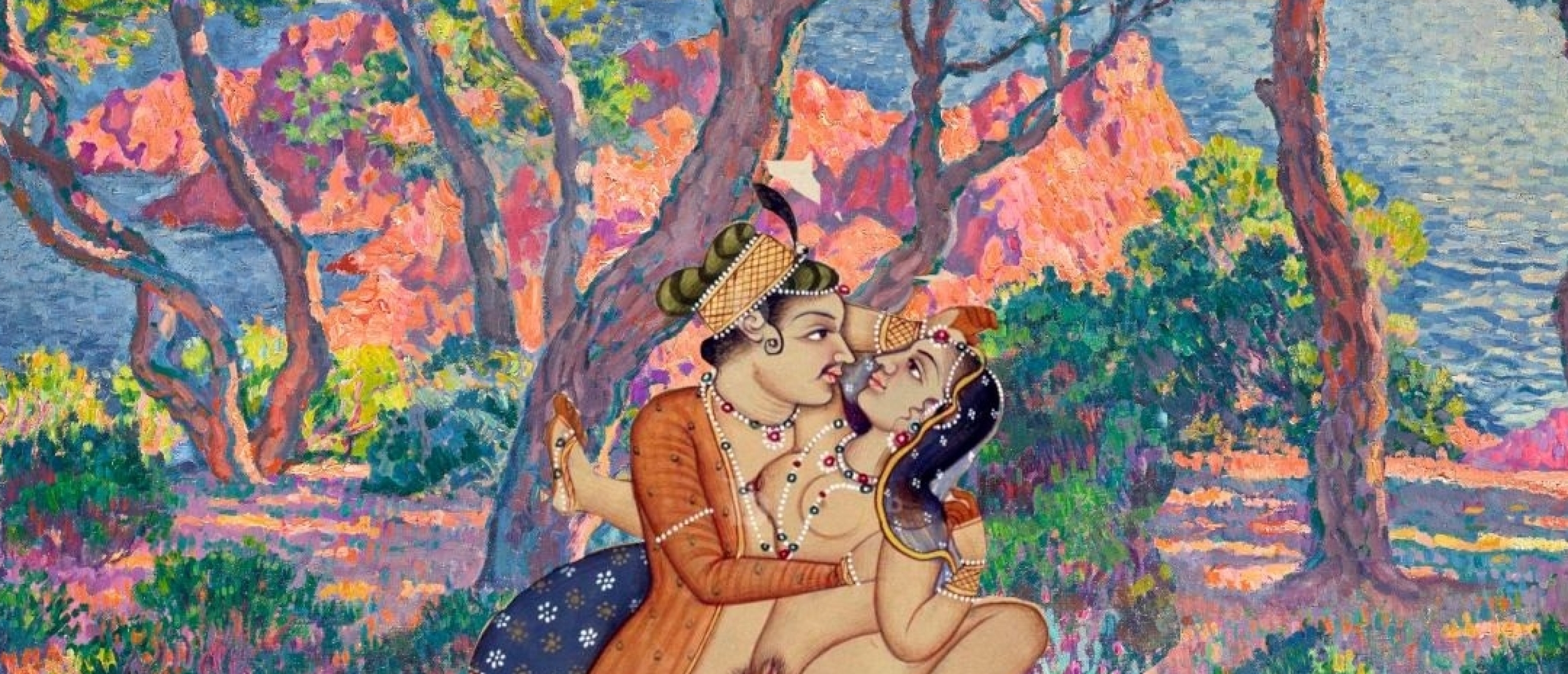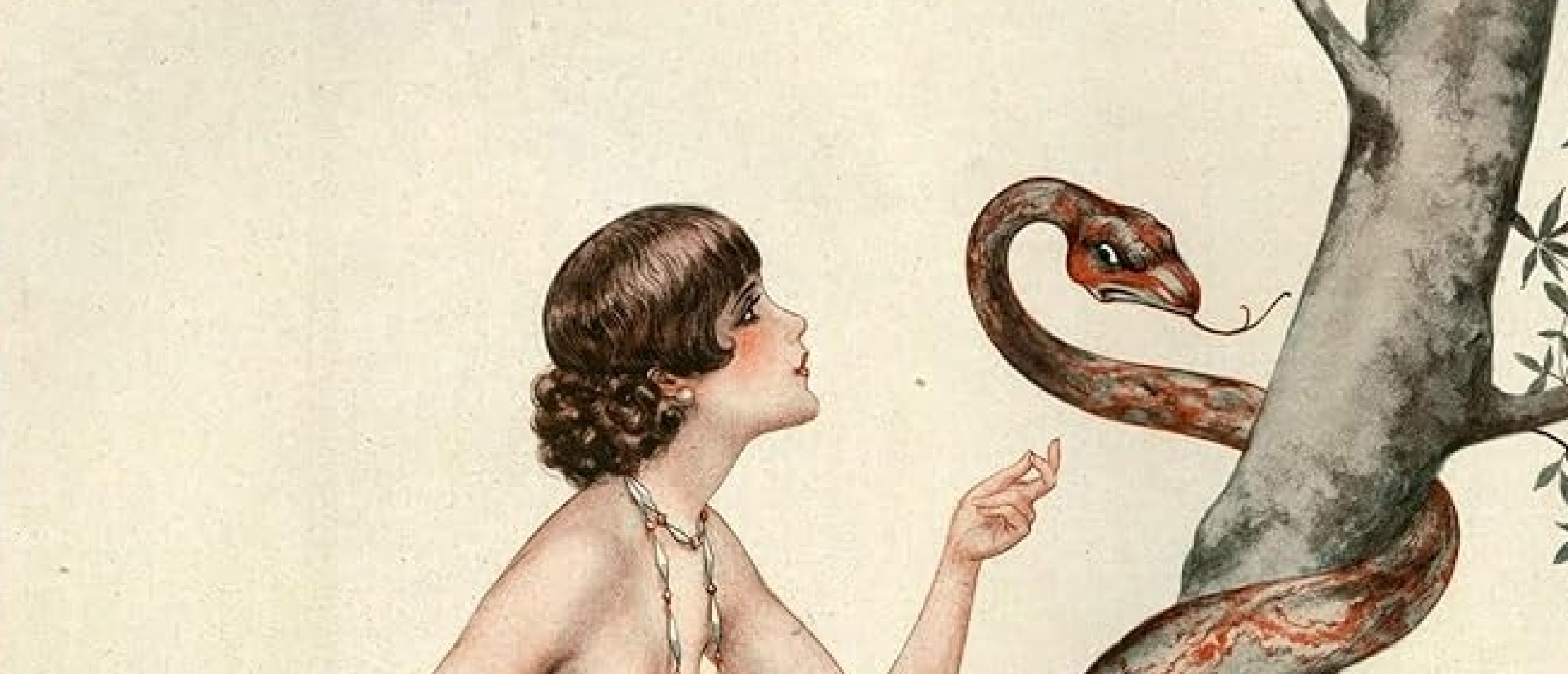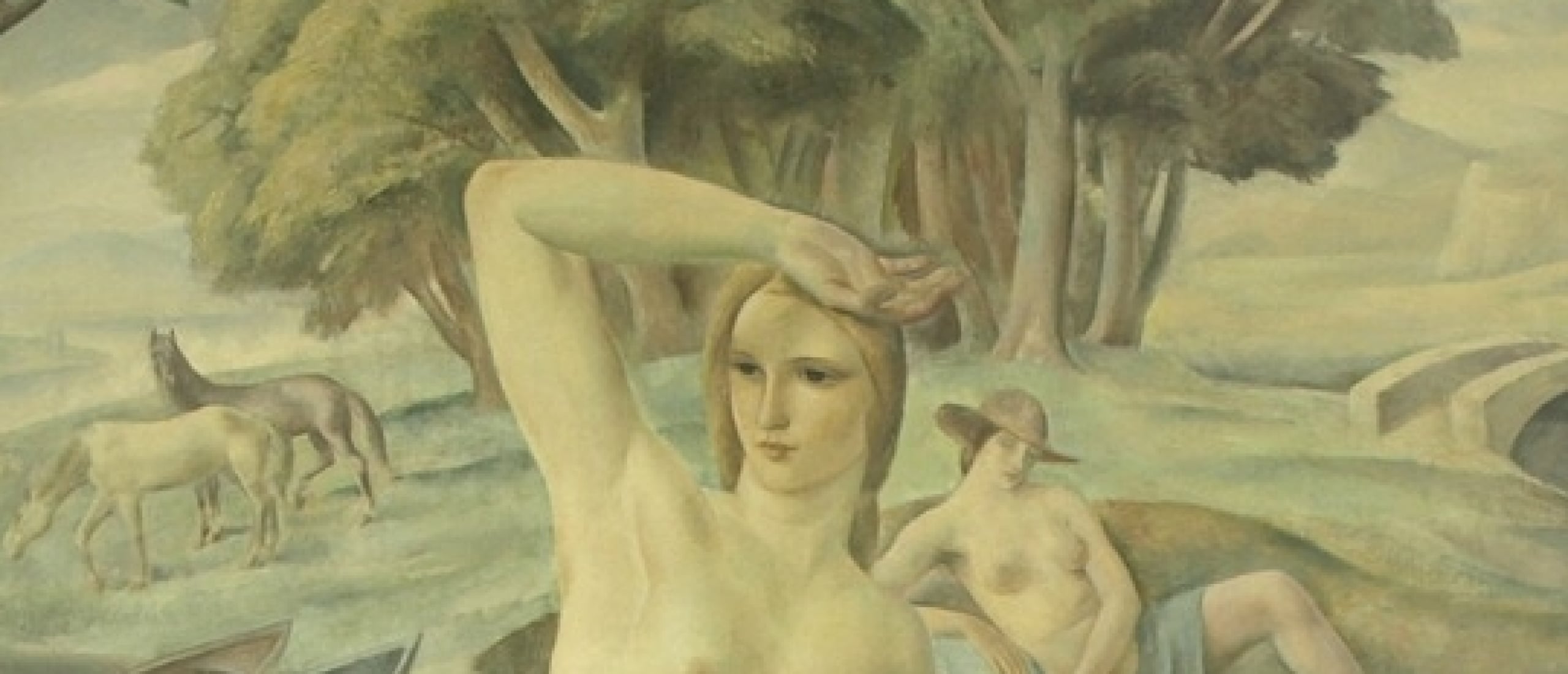
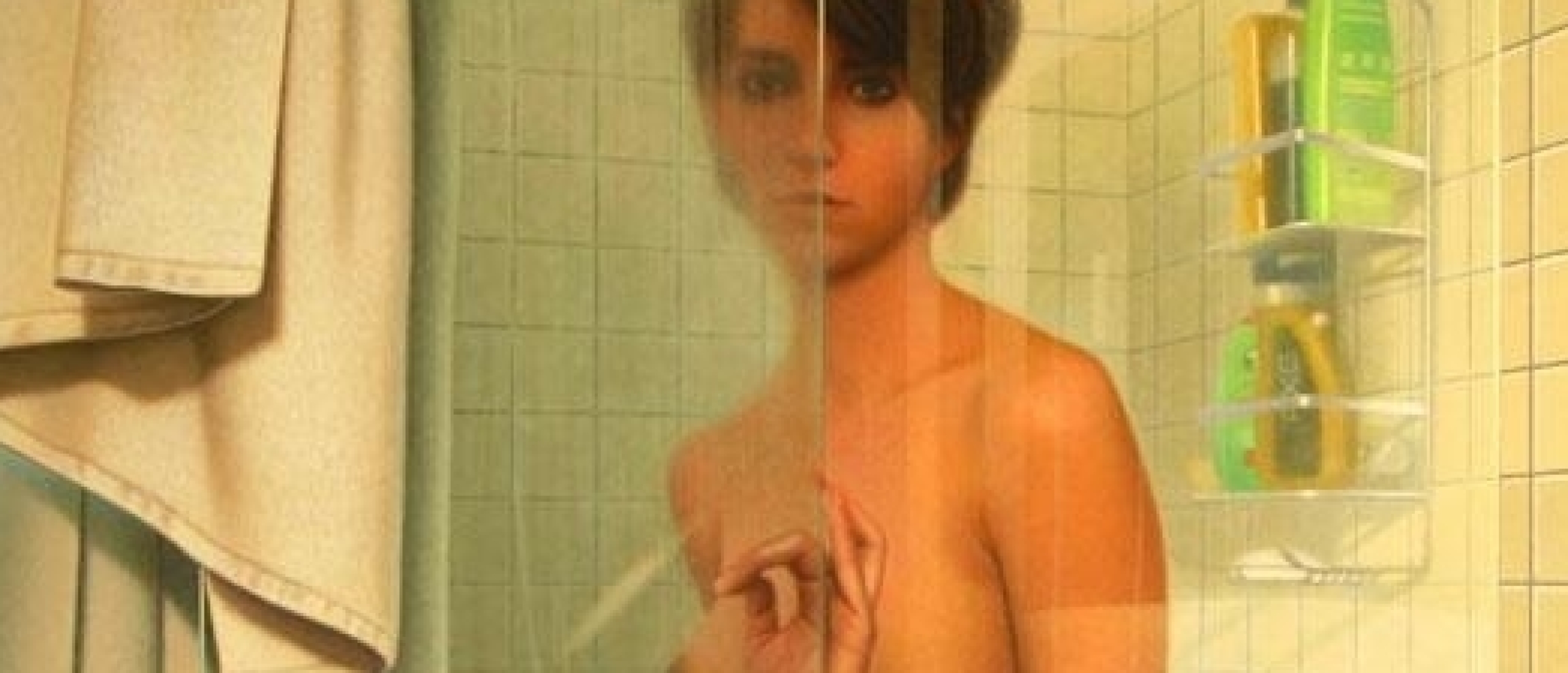

Scenes of women bathing, whether in bathtubs, showers, pools, or natural springs, have occupied a privileged place in the history of erotic art. From classical antiquity to modern photography and cinema, the motif of the bathing woman recurs with remarkable persistence. It is a subject that sits at the intersection of privacy and display, ritual and sensuality, vulnerability and control. Water, the most elemental of substances, becomes both something that veils and reveals at the same time, while the bathing space functions as a liminal zone where social rules soften and the body is allowed to exist for itself. In erotic art, bathing scenes do not merely depict nudity; they stage intimacy, cultivate desire, and negotiate the gaze. In the context of this article the paintings I have in mind are women bathing or showering in the sense of beauty ritual, cleanliness, not in the sense of nymphs swimming in a pond.

Fig.1 Steve Hanks (1949 - 2015), The Shower, n.d.
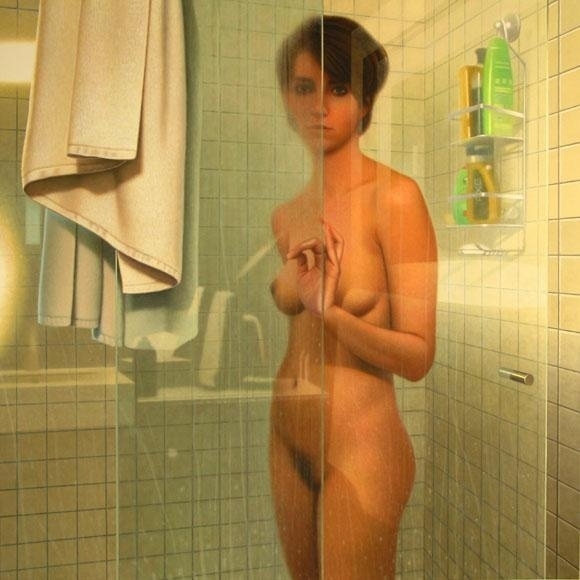
Fig.2 Andrew Valko, Girl in a shower, 2008
Naughtiness
Showering or bathing is, by nature, an intimate act. It is associated with cleansing, renewal and self-attention; these are all activities that usually occur away from public view. In art, this privacy is often breached and this is a moment where a lot of naughtiness can take place. The viewer becomes a silent witness to a moment that is not meant to be shared. This tension between seclusion and exposure is central to the erotic charge of bathing scenes. Unlike overtly sexual imagery, these works derive their sensuality from suggestion and atmosphere rather than explicit action. The woman bathing is not necessarily performing sexuality; she is simply existing within her body.
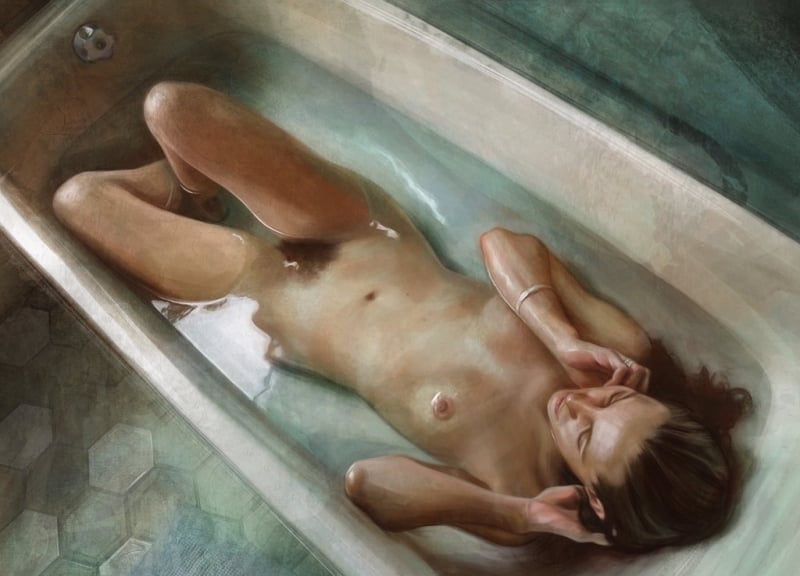
Fig.3 Bastien Millan, Le Bain d'Olga
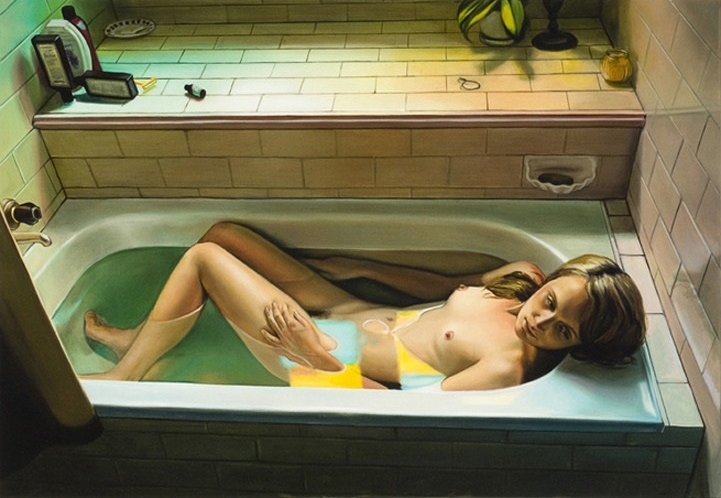
Fig.4 Anwen Keeling, In between dreams
Threshold Space
The bathroom, the tub or the shower operates as a threshold space. It is neither fully public nor entirely private, especially once translated into art. This ambiguity allows artists to explore desire without overt transgression. The subject is caught in a moment of suspension; between dressed and undressed, dry and wet, composed and unguarded. In this suspension lies erotic possibility.
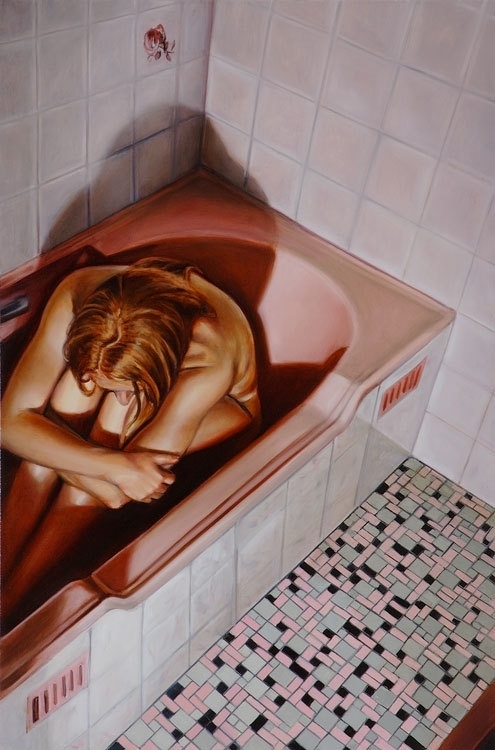
Fig.5 Anwen Keeling, Waiting Room 6, 2004
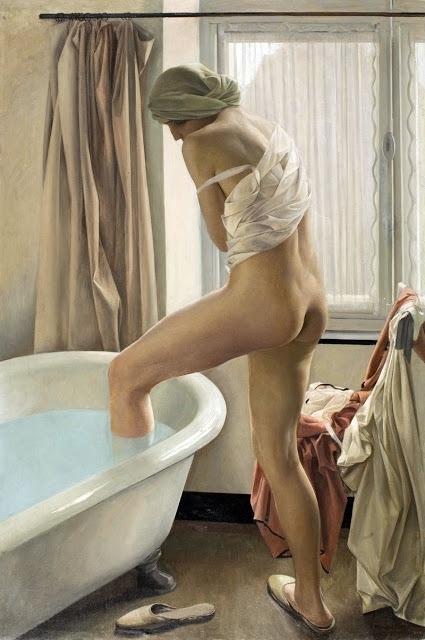
Fig.6 Louis Buisseret, The Bath, 1923
Fatal Transgression
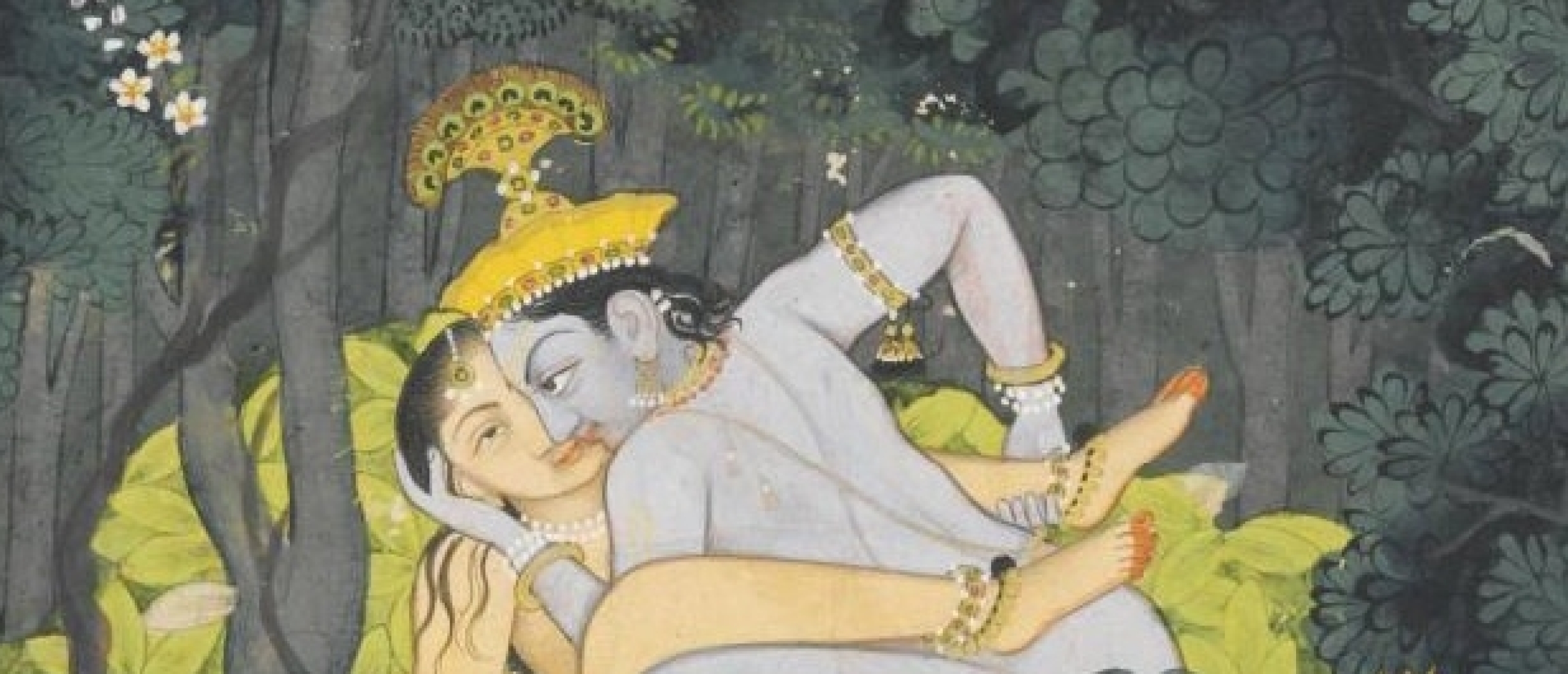
The erotic resonance of bathing scenes has deep roots in classical art. Mythological figures such as Venus, Diana, and various nymphs were frequently depicted bathing, often at the precise moment of being observed. In these narratives, the act of looking is integral to the story. Actaeon’s accidental glimpse of Diana bathing, for example, becomes a fatal transgression. The myth acknowledges the power of the forbidden gaze and frames female nudity as both alluring and dangerous. In Indian miniature art we have many examples of Krishna spying on Radha while she is bathing or doing her toilette; this is a common motif in the Kangra paintings. A nice example is seen in Fig.7.
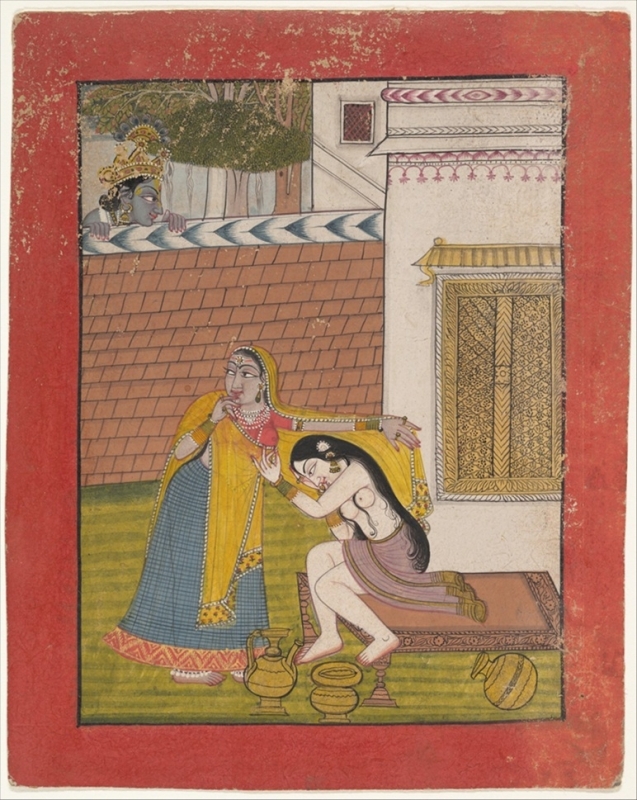
Fig.7 Krishna Spying on Bathing Radha.
Continue reading in Premium and check out the extended version including more on the aesthetics of the female body in bathing scenes, witness private moments never meant for you, how ordinary rituals reveal unexpected sensual depth, dreamlike scenes blur vulnerability and quiet longing, discover why restraint makes these images irresistible, and MUCH more...!!
Click HERE for the author's earlier article on this theme entitled Bathing Beauties: Between Innocence, Desire and Myth in European and Indian Art or HERE for the secrets of Japanese women bathing as depicted in shunga.
Let us know your thougths about this "Bathing theme" in the comment box below..!!!