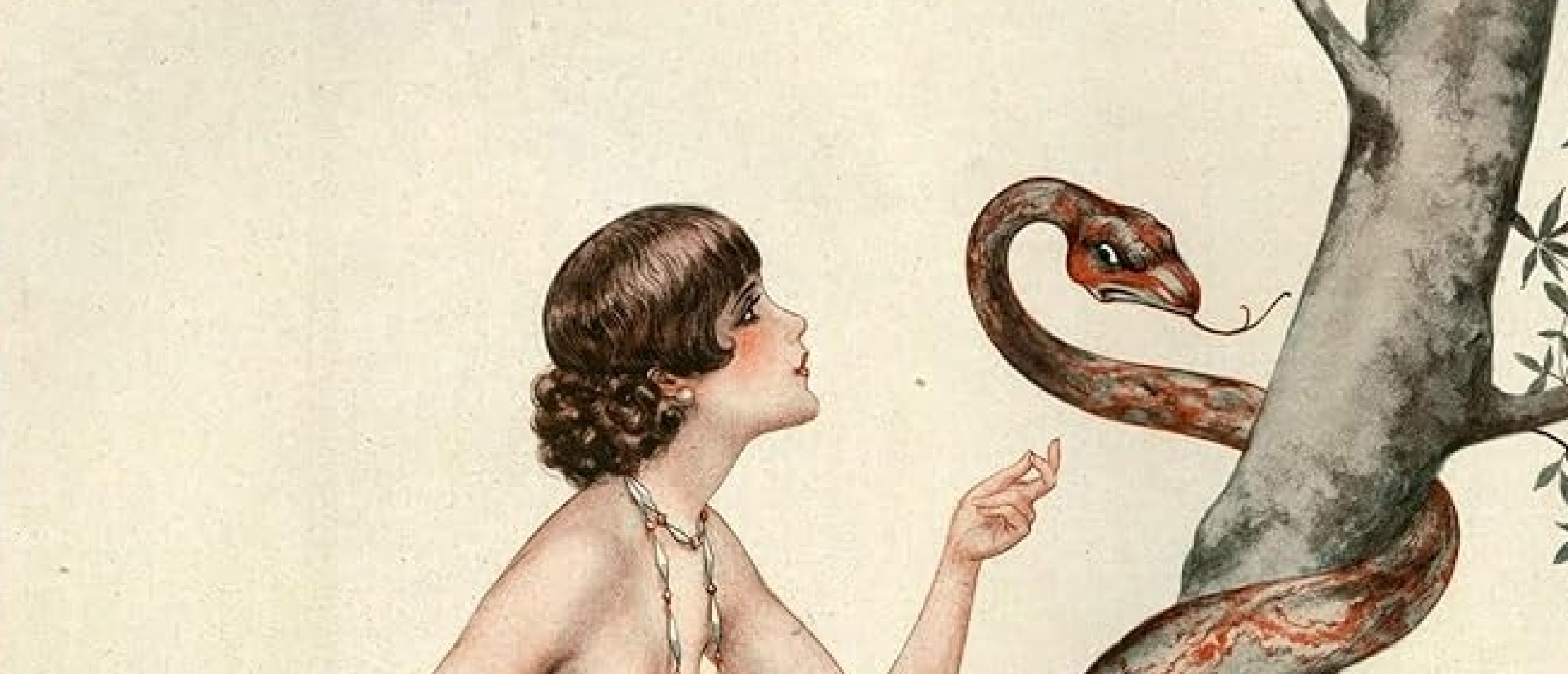
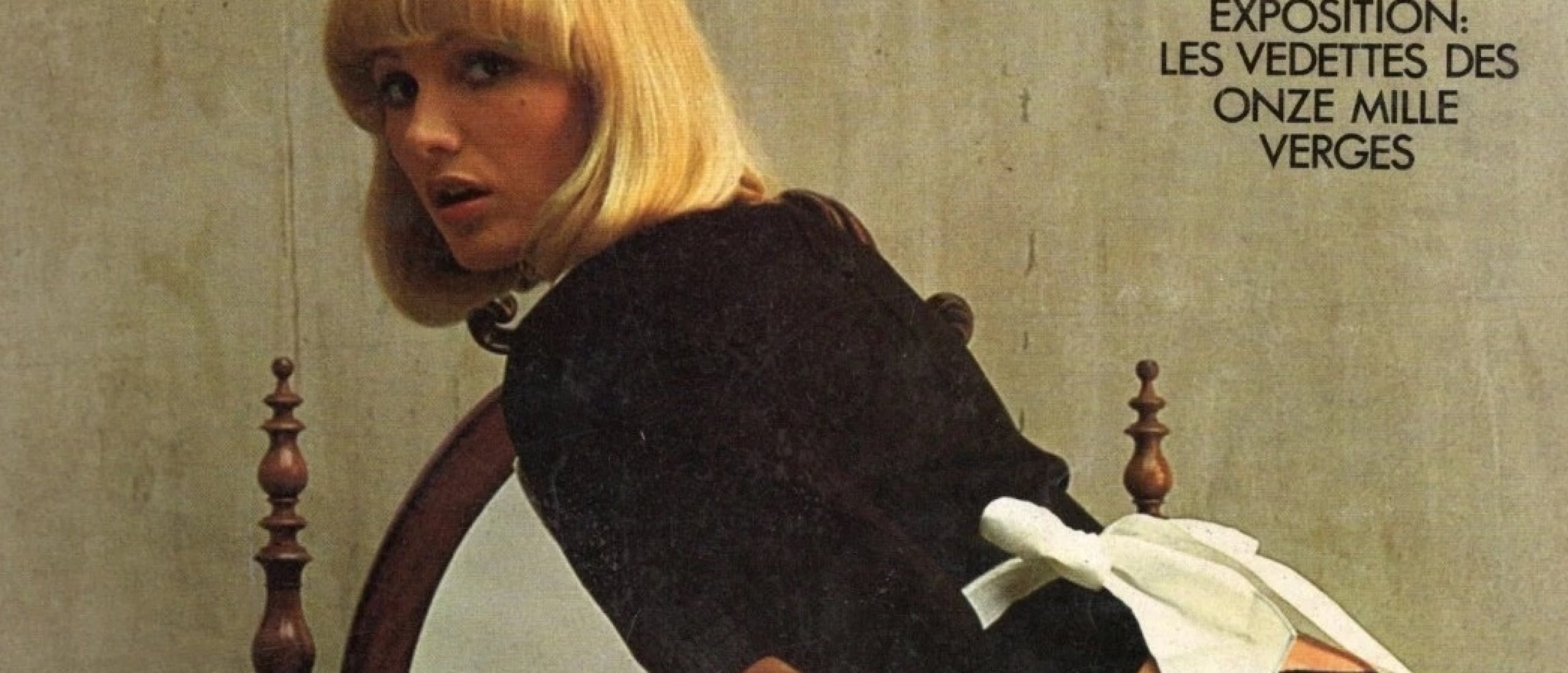

The erotic press did not begin with Hugh Hefner, nor with the libertine pamphlets of revolutionary France, nor even with the copper-plate illustrations that circulated among the wealthy courts of Renaissance Italy. It began the moment human beings discovered that the printed word and image could carry desire across distance, anonymously, to a reader who need never meet the mind that produced it.
But what does that desire mean – for the audience and culture?
The Golden Age Response
La Vie Parisienne
Founded in 1863 as a society weekly, La Vie Parisienne underwent a transformation in the 1890s and into the Belle Époque that made it one of the most visually sophisticated publications in Europe. Its covers depicted women who were confident, knowing, fashionably undressed, and entirely comfortable with the viewer's attention. They were not victims of the male gaze – they were its orchestrators.
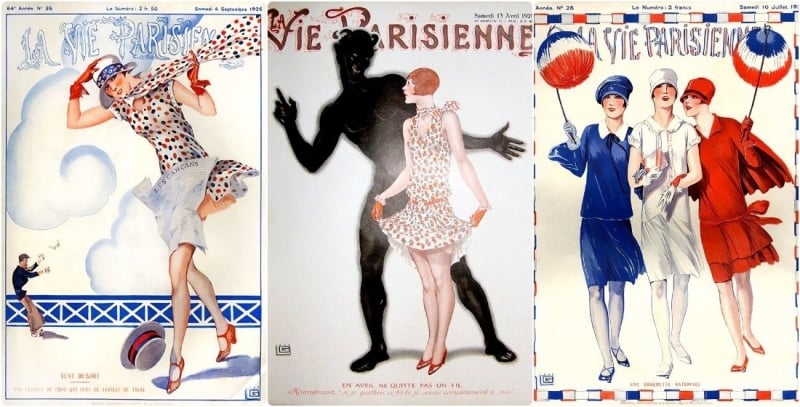
Fig. 1. Cover of La Vie Parisienne, 1920s. Credit: Vintage Everyday
The magazine's editor understood that the erotic and the elegant are not opposites. The woman on the cover was a personality. The eroticism was real, and so was the intelligence. La Vie Parisienne survived until 1970, but its golden age – those covers that made Parisian newsstands a destination in themselves – belongs to the years between the wars.
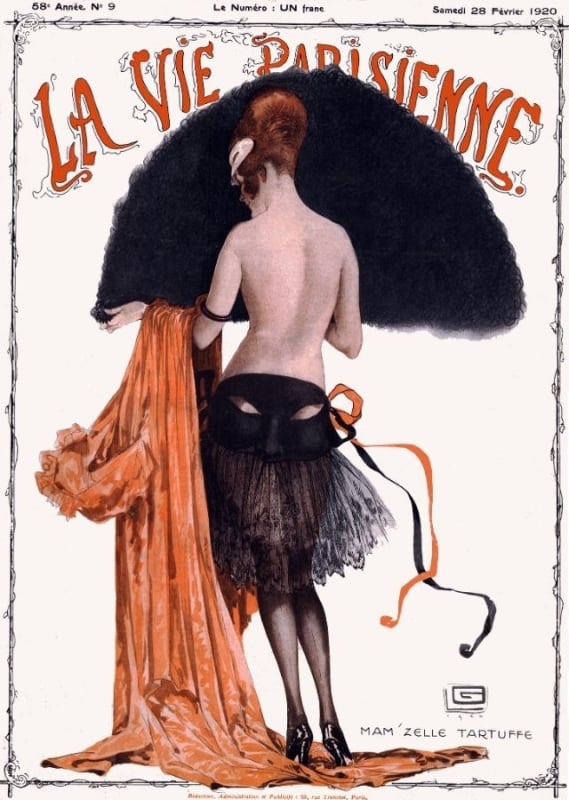
Fig. 2. Cover of La Vie Parisienne, 1920s. Credit: Vintage Everyday
Playboy
When Hugh Hefner published the first issue of Playboy in December 1953, printing it in his Chicago kitchen with borrowed $600, he was not simply creating an adult entertainment product. He was proposing a new kind of American man – urban, educated, at ease with pleasure, unencumbered by the suburban anxieties that the postwar era had made compulsory. The centrefold became famous; the first was Marilyn Monroe, an image he purchased from a calendar company, placed inside a magazine that also contained short fiction, jazz criticism, and advice on wine. That combination was deliberate. Hefner understood that the naked body needed context to become culture rather than mere titillation.
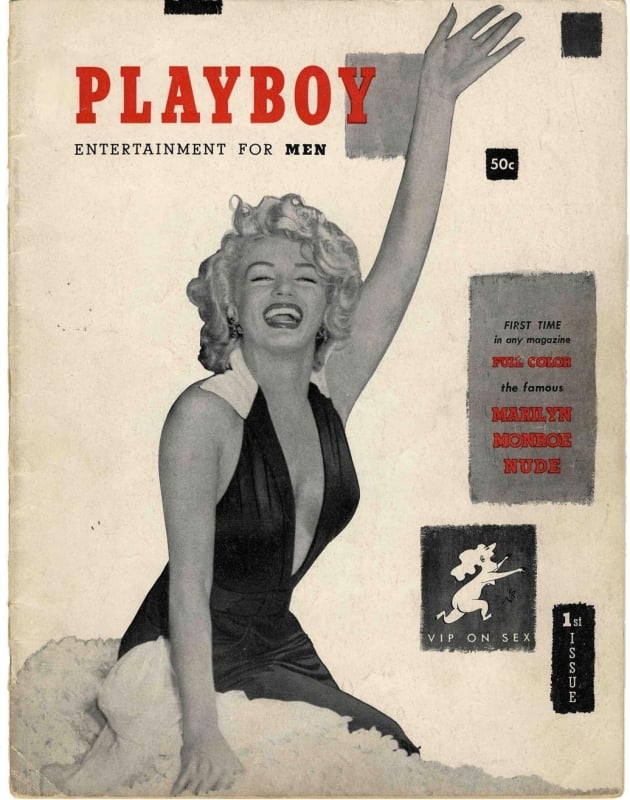
Fig. 3. Cover of Playboy, Vol. 1 No. 1
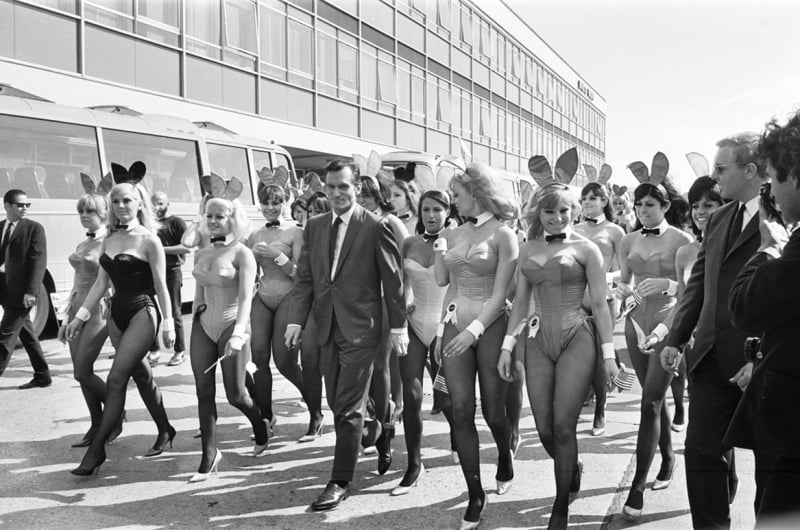
Fig. 4. Mr Playboy. Credit: Rolling Stones
Lui
If Playboy was American optimism, Lui was European intelligence. Launched in France in 1963 by Daniel Filipacchi, Jacques Lanzmann and Frank Tenot, Lui presented itself as the companion volume to a certain kind of French masculine sophistication.
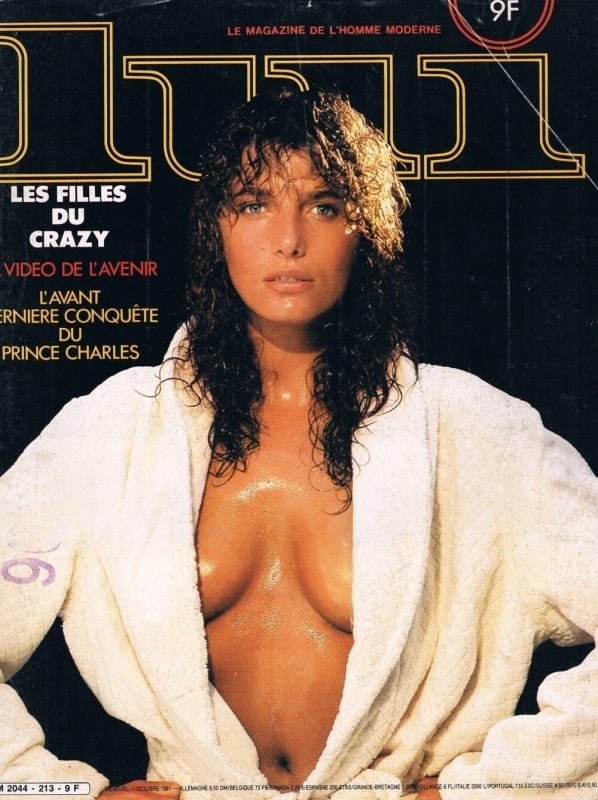
Fig. 5. Vintage cover of Lui. Credit: Ebay
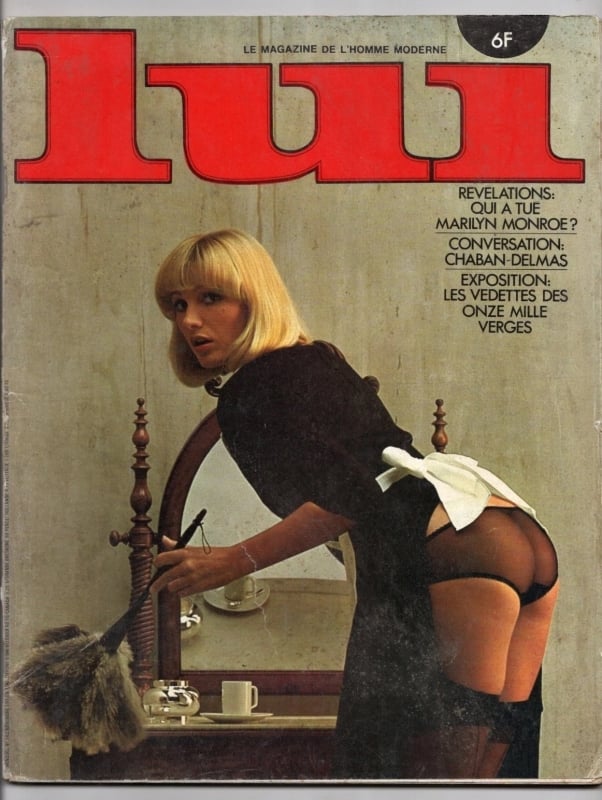
Fig. 6. Vintage cover of Lui. Credit: Ebay
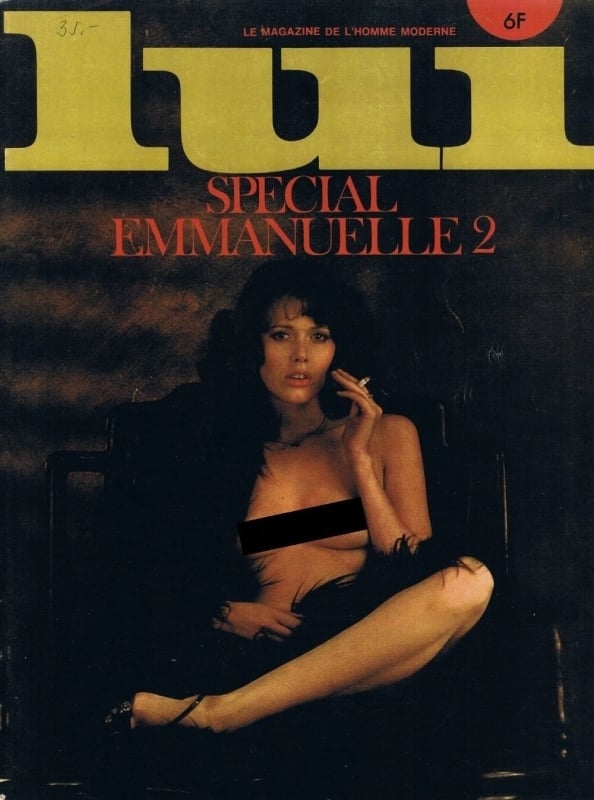
Fig. 7. Vintage cover of Lui. Credit: Ebay
Hustler
Larry Flynt founded Hustler in 1974 as a deliberate provocation. Hustler was aggressively anti-aspirational: raw, crude, and proudly working-class. Flynt understood that the erotic magazine was a class document as much as a cultural one. He was shot and paralysed in 1978 by a sniper, and continued to publish from a wheelchair, pursuing legal battles that reached the Supreme Court and, on several occasions, won. The legal history of Hustler's publication is an essential chapter in the story of American free expression.
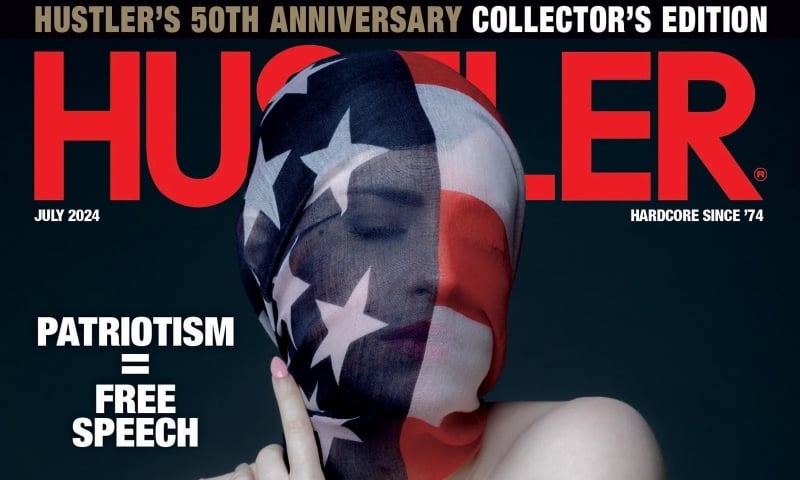
Fig. 8. Hustler’s 50th Anniversary Cover. Credit: Hustler Website
Become a Premium member now and check out the extended version of the article including insights on many more sex magazines like Forum, Butt, Treats!, Girls Like Us, and Candy.
Click HERE for the article "Playboy, Penthouse, And Hustler: History, Differences, And Transformations In the Erotic Market"