
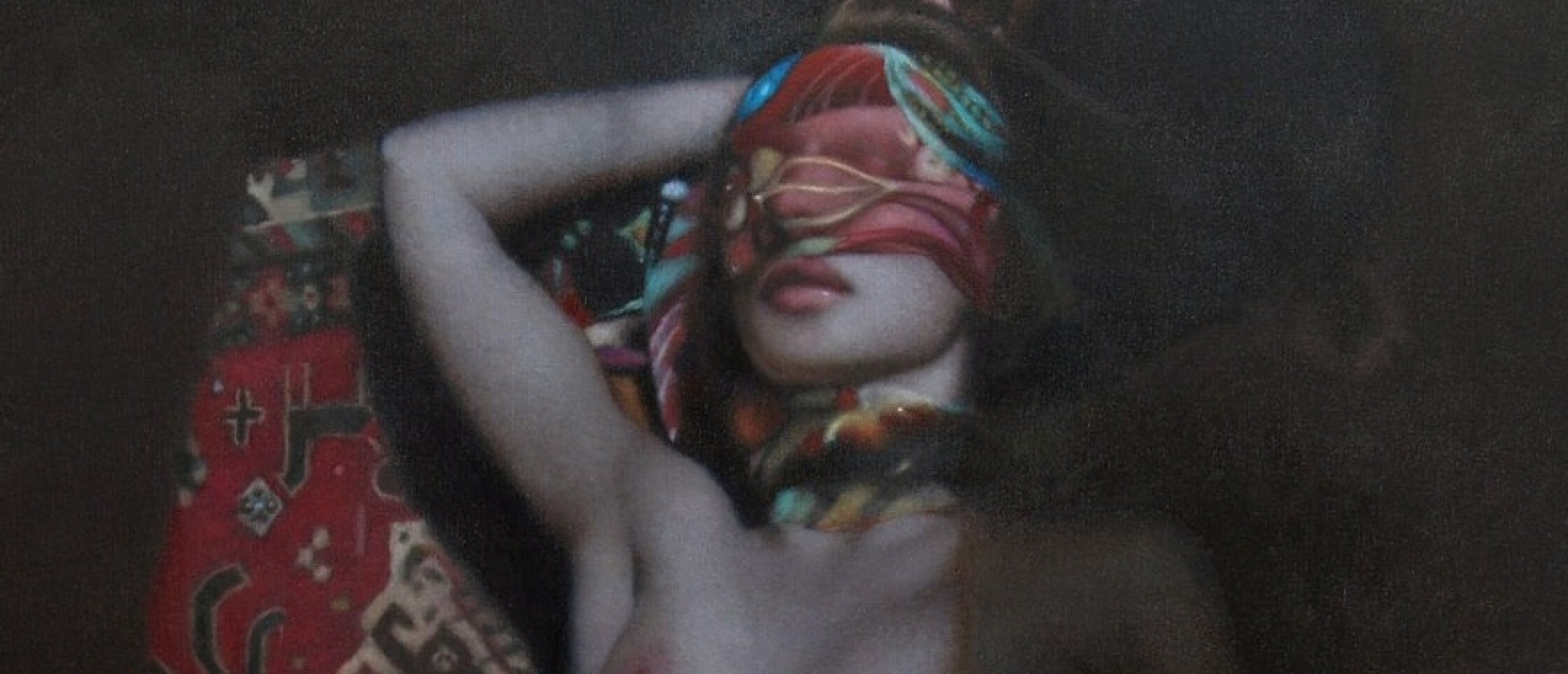

In the long tradition of European figurative painting, the theme of nocturnal eroticism has occupied a unique and emotionally complex position. Night allows desire to appear differently than in daylight: quieter, more introspective, often suspended between dream and waking life. The contemporary Polish painter Ewa Pello (b. 1964) has developed a distinctive visual language built around this nocturnal atmosphere, creating works in which sensuality is not merely represented but felt as a psychological state, intimate, contemplative and often touched by solitude. Pello’s paintings explore the subtle emotional spaces where longing, memory, vulnerability, and physical presence intersect. Her figures exist in dimly illuminated interiors, near windows opening into night skies, or in shadowed rooms where soft artificial light touches only portions of the body. Through this restrained visual approach, she transforms erotic imagery into something closer to poetry of stillness, where the viewer encounters not an act but a mood.
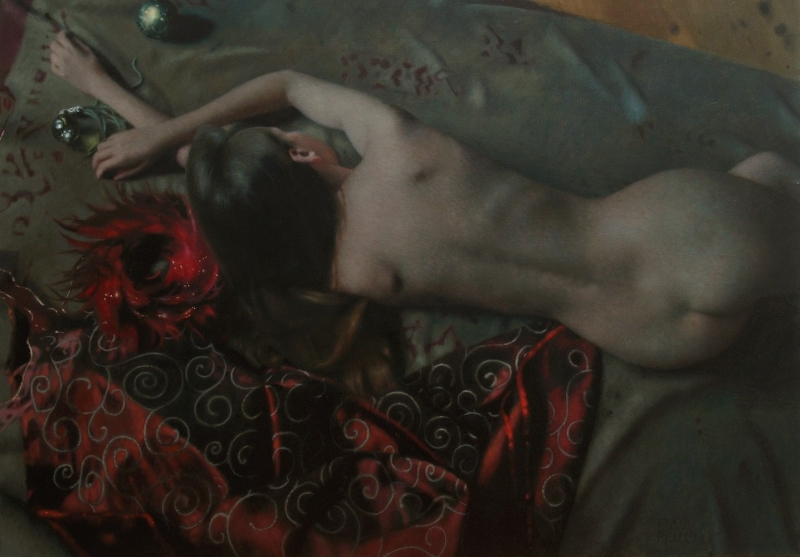
Fig.1 Ewa Pello, Red Wreath, 2007
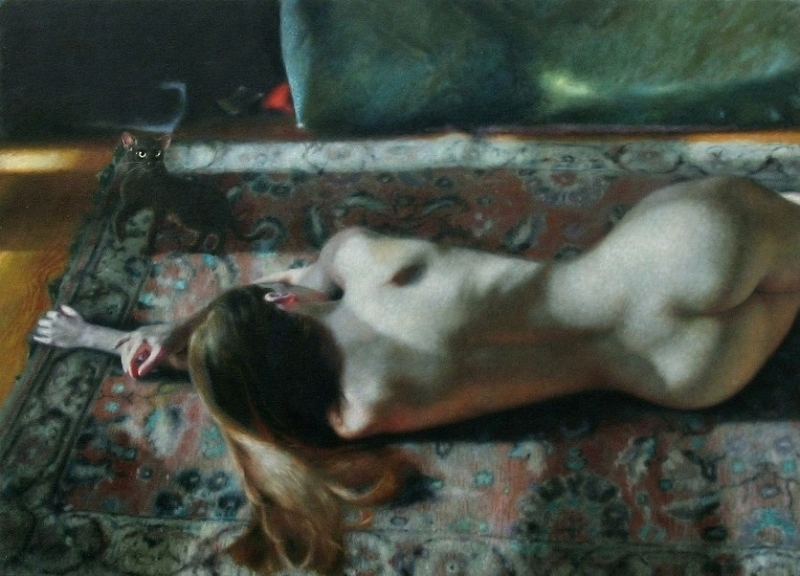
Fig.2 Ewa Pello, Green Ray, 2005.
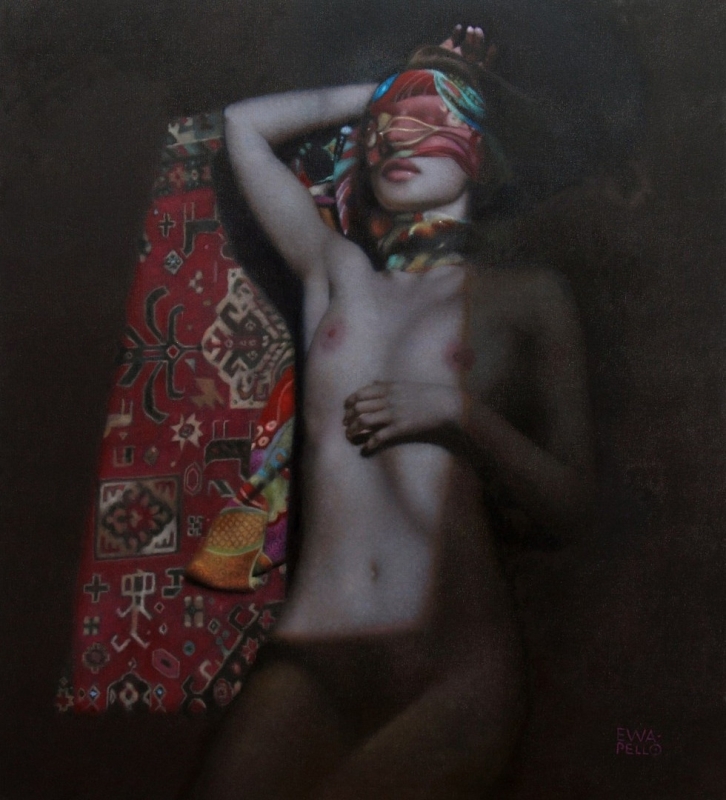
Fig.3 Ewa Pello, Monica's Mouth, 2013
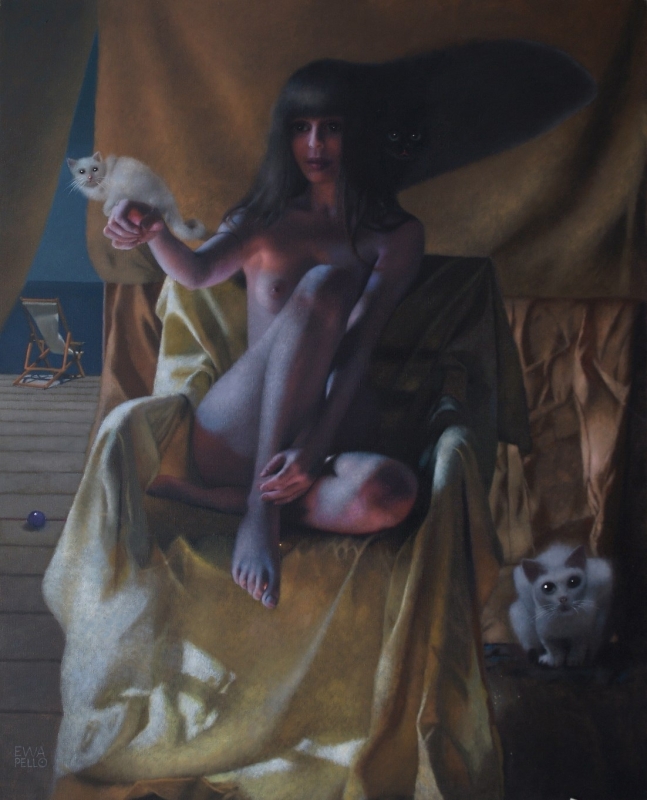
Fig.4 Ewa Pello, Always Somewhere In Summer, 2009
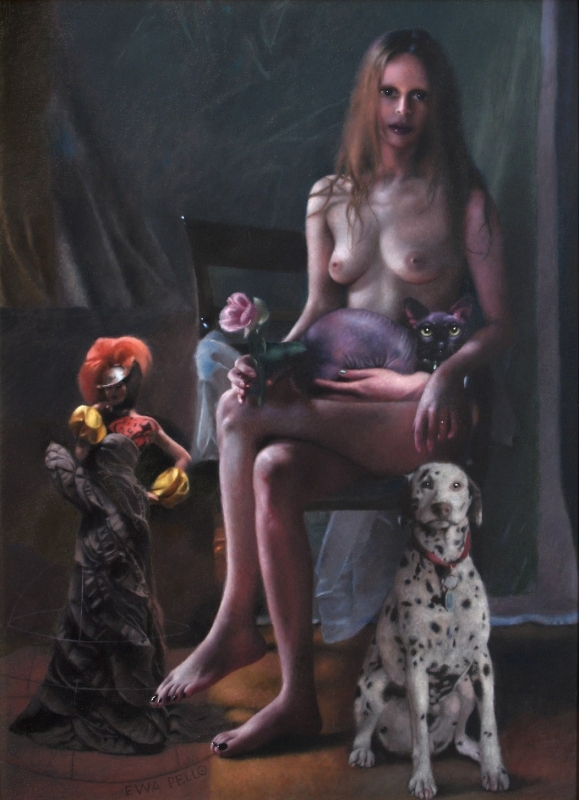
Fig.5 Ewa Pello, Abundance, 2010
Darkness
Night in Pello’s work is never simply a backdrop. It functions as a psychological condition, a suspension of everyday rhythm where social roles loosen and inner life becomes more visible. Darkness simplifies the visual field, reducing the number of distractions and allowing the viewer’s attention to settle on gesture, posture, and the emotional presence of the figure. Her interiors often appear almost silent: sparse furnishings, muted colour palettes, and subtle transitions between shadow and light create an atmosphere that feels removed from ordinary time. This nocturnal setting also suggests privacy. The night has historically been associated with secrecy, confession, dreaming, and vulnerability, states that are closely linked to erotic experience. By placing her figures in these environments, Pello emphasises that eroticism is not only physical but also psychological exposure, a moment when individuals are seen not as social roles but as intimate selves.
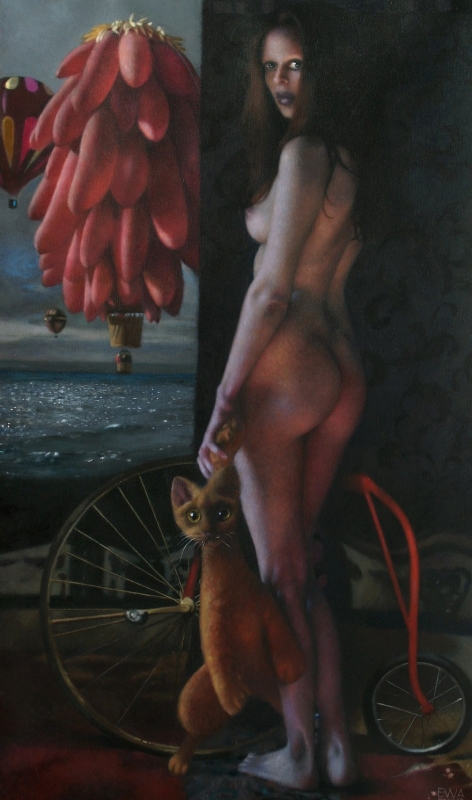
Fig.6 Ewa Pello, Circus Flown, 2012
Selective Illumination
One of the most striking elements of Pello’s paintings is her use of light. Rather than evenly illuminating the scene, she allows light to fall unevenly across the body, highlighting shoulders, necks, hands, or the curve of the back while leaving other areas in shadow. A beautiful examples of her use of light can be seen in Fig.1. and Fig.2., my favourite paintings by Pello, where the women are lying face down on the soft carpet and the light is falling on their naked bodies in a seductive way. This selective illumination transforms the body into a landscape of perception, guiding the viewer’s gaze slowly across the composition. The result is a form of eroticism that emerges from visual discovery, where desire is created through attention rather than explicit display.
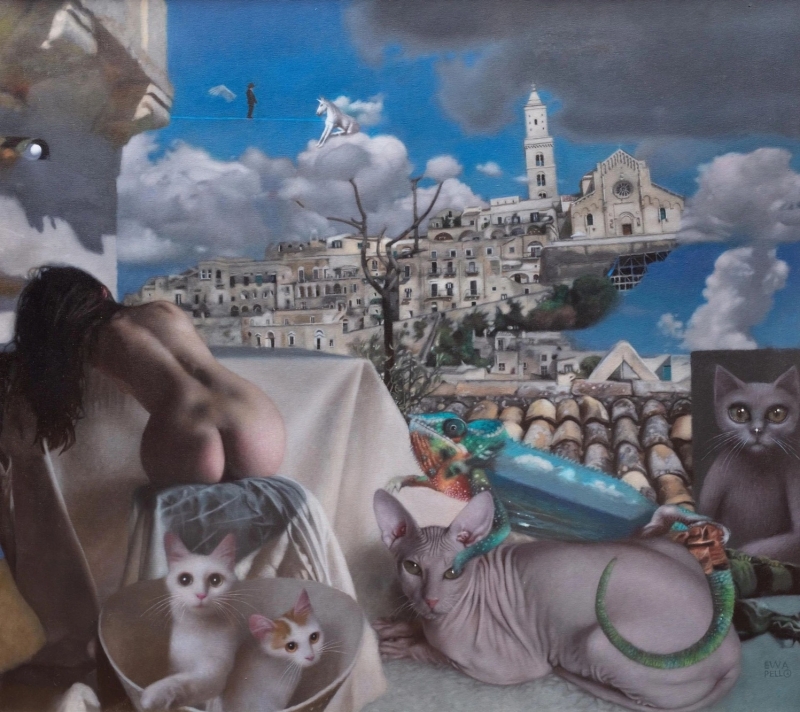
Fig.7 Ewa Pello, James ratuje świat, 2022
Become a Premium member now and check out the extended version of the article including many more details on the aesthetics of Pello's paintings.
Click HERE for an article about the erotic symbolism in the work of Federico Beltrán Masses
Let us know your thoughts about Ewa Pello's paintings in the comment box below...!!