
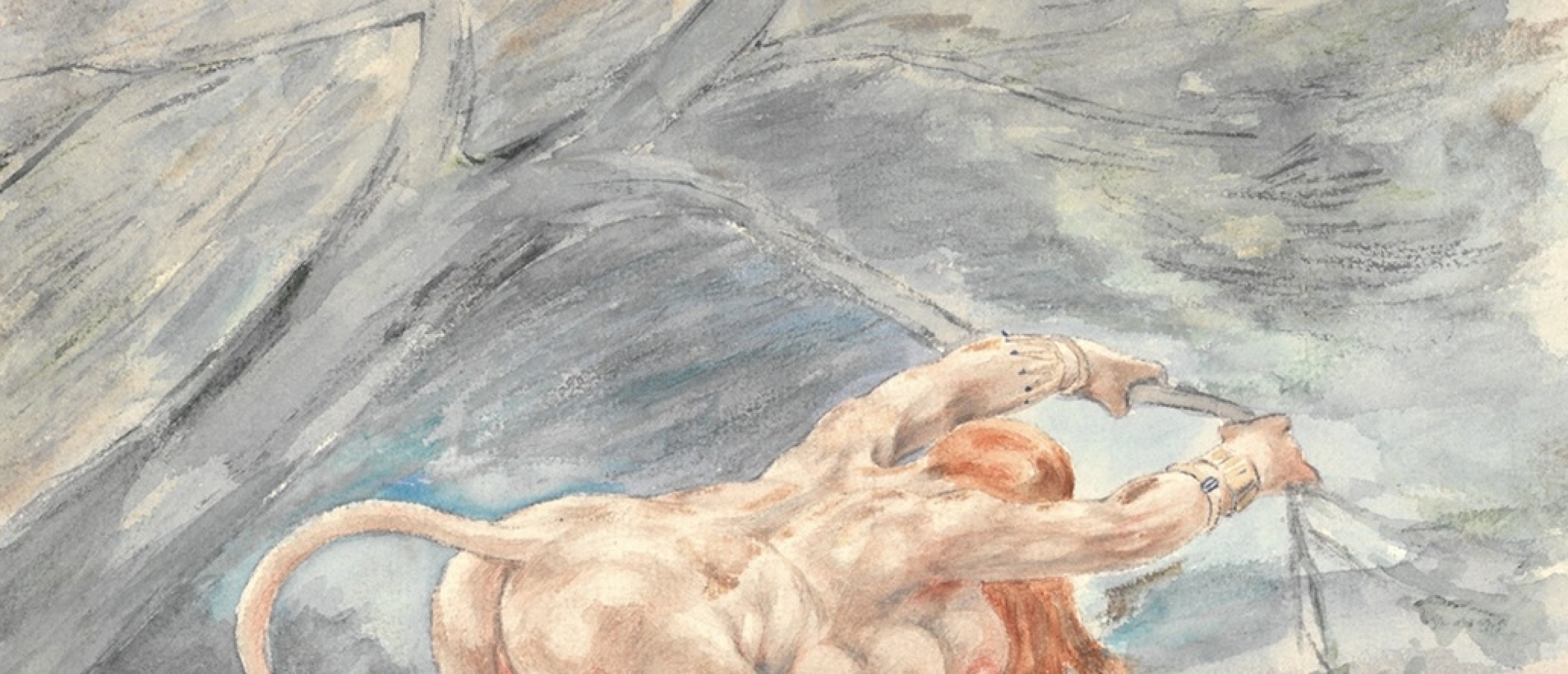

If you are looking for erotic and especially occult and satanic orientated images from 19th century from Europe you are inevitably going to come across a large number of works by Belgian artist Félicien Rops.
Belgian artist and illustrator Félicien Victor Joseph Rops (7 July 1833 – 23 August 1898) is principally associated with the Symbolist movement of turn of the (20th) century Europe. The Symbolist movement was mostly a literary movement initiated by Belgian and French writers and poets. It grew to include a large range of outsider visual artists, some of whom also fell into other movements such as impressionism, post impressionism, the Nabis, and various other art historical categories. Symbolism as a visual art movement sought to represent absolute truths symbolically through metaphorical images, mainly as a reaction against other movements or styles such as naturalism or realism.
Rops was a painter, illustrator, and a skilled print maker. He was not very well known to the general public during his life but was highly sought after as an illustrator by many publishers, authors, and poets of his time, for his ability to render erotic and occult subjects, especially in Paris where he eventually. lived practiced and made his fortune working for various publishers.
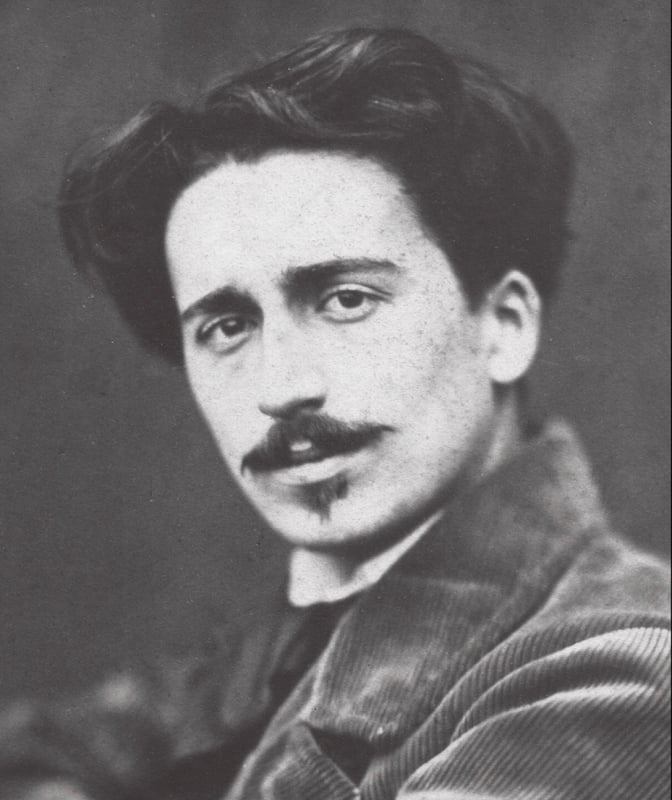
fig 1. Félicien Rops, circa 1860
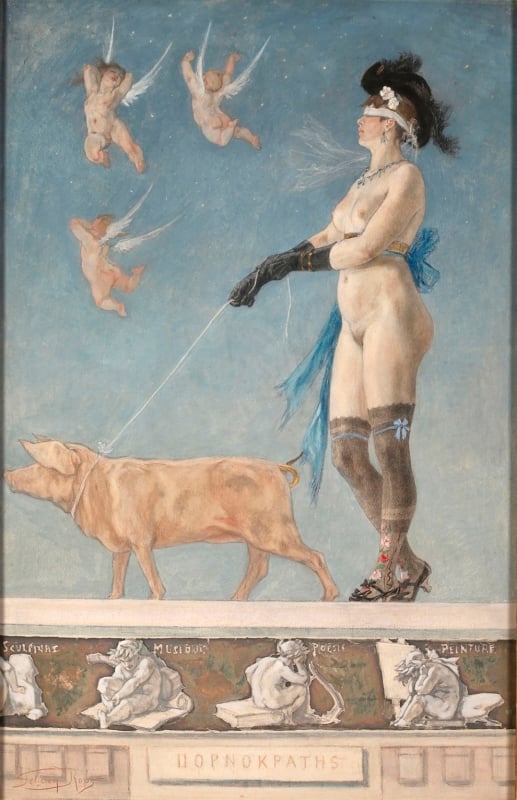
fig 2. Félicien Rops, Pornokrates, 1878
One of Rops’ best known works is “Pornokrates” of 1878 (fig.2) Belgian novelist Edmond Picard, who owned the picture, saw it as an image of “the feminine being who dominates our age and is so amazingly different from her ancestors.” Both men seemed to fear the women of their time while desiring them, especially more sexualised women like prostitutes, who might simultaneously serve men and dominate them.
The Symbolist Rops Timeline
1857
The Symbolist Movement began primarily as a literary movement in France and Belgium. It partly originated with the 1857 publication of Charles Baudelaire’s Les Fleurs du mal ( Flowers of Evil). It was Rops who created the frontispiece for Baudelaire's Les Épaves (The Wreckage) and a selection of poems from Les Fleurs du mal that had been censored in France, and had to be published in Belgium.
1860
By the 1860s, after having met and befriended Baudelaire through the latter’s publisher in Belgium, Rops began dividing his time between Namur, Belgium, and Paris each year; with ever increasing time in Paris at the center of the art and literary world, and decreasing time at Namur with his wife and family.
1870
By 1870 Rops was living in Paris most of the year and became immersed at the heart of literary Paris.He thrived among the Parisian artists and poets and his critical reputation grew. There was a great demand than ever for his illustrations in the last quarter of the 19th century by the publishers and authors of the literary vanguard.
1877
Rops was highly prolific and popular among Paris artistic circles and achieved financial success, boasting in 1877 that "he was the best-paid illustrator in France”. He traveled extensively throughout Europe, from its capital cities and to its more regional art centers. Rops frequently exhibited at the various salons in Paris where attendees were both fascinated and shocked by his art and his personal lifestyle.
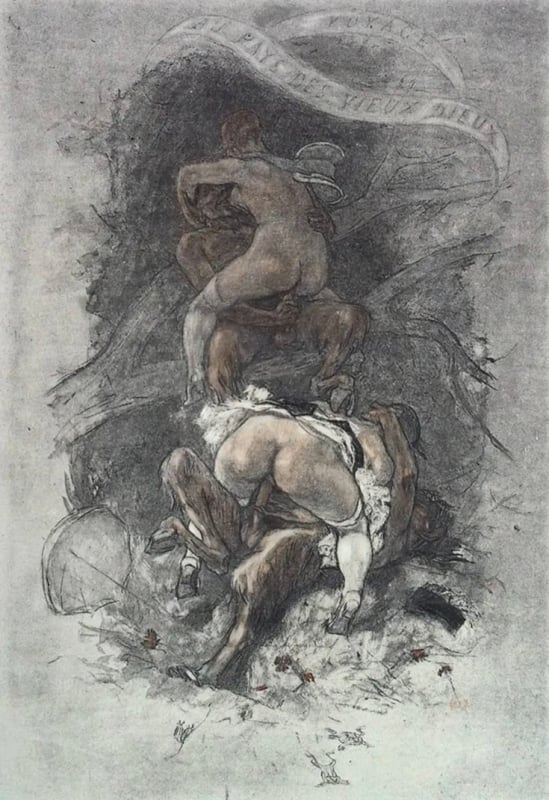
fig 3. Rops, Voyage au pays des vieux dieux, 1880
1883
Finally in 1883 Rops was invited to join Les Vingt, (The Twenty) a group of Belgian artists formed the same year and which held annual exhibitions and concerts at the Palais des Beaux-Arts and the Museum of Modern Art of Brussels.
Founders of the Les Vingt included familiar artists such as James Ensor, Odilon Redon, and Paul Signac, to name but a few. Their intention was to protect true originality and provide a place where people were free, not only in fact but above all in thought. For 10 years Les Vingt championed the work of progressive artists and composers of the time including many of the Impressionists.
Early Crucifixions and Pig Metaphors.
The woman portrayed in Pornokrates (taking the pig out on a leash, but also perhaps being led by that pig) is a kind of heartless dominatrix who teases and punishes men whilst giving free rein to her own powerful urges. The swine in this painting could also refer to the sorcerer Circe of Greek myth. Circe used magic potions to drug men and change them into pigs. Understanding the female figure as having this additional power over male victims, to malignly enchant them, adds significantly to the potency of this image.
Another source of explanation resides in Rops’ fascination with the animalistic in general and the religious story of Saint Anthony. A pig, is also seen in Rops’ The Temptation of St Anthony from 1878 (fig. 4 ). The St Anthony story is yet another parable for our animal natures- always alert with lust and greed. Saint Anthony is depicted with a pig because medieval Antonine monks raised pigs, using their fat to treat skin diseases (ergotism, or Saint Anthony’s Fire.) The pig symbolizes, in this painting, the demon/temptations Anthony overcame as well as his status as patron of swineherds.
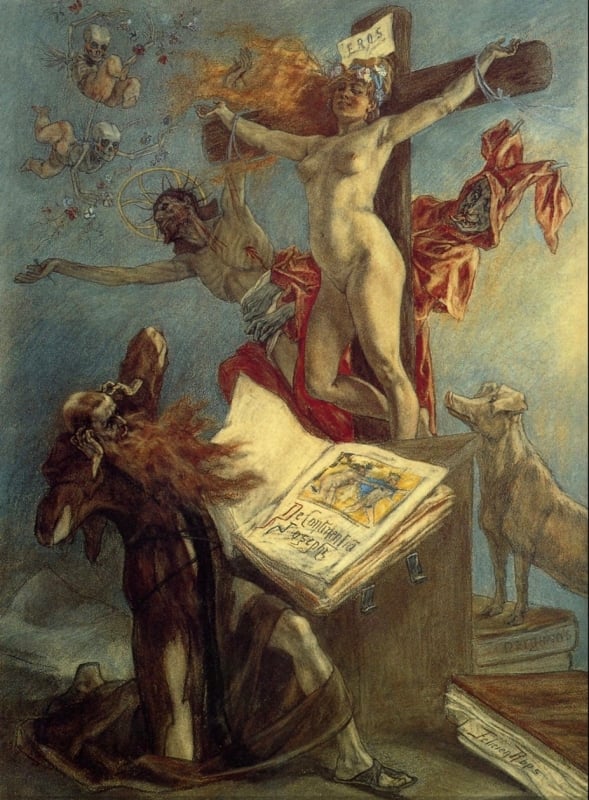
fig 4. Rops, The temptation of St Anthony, 1878
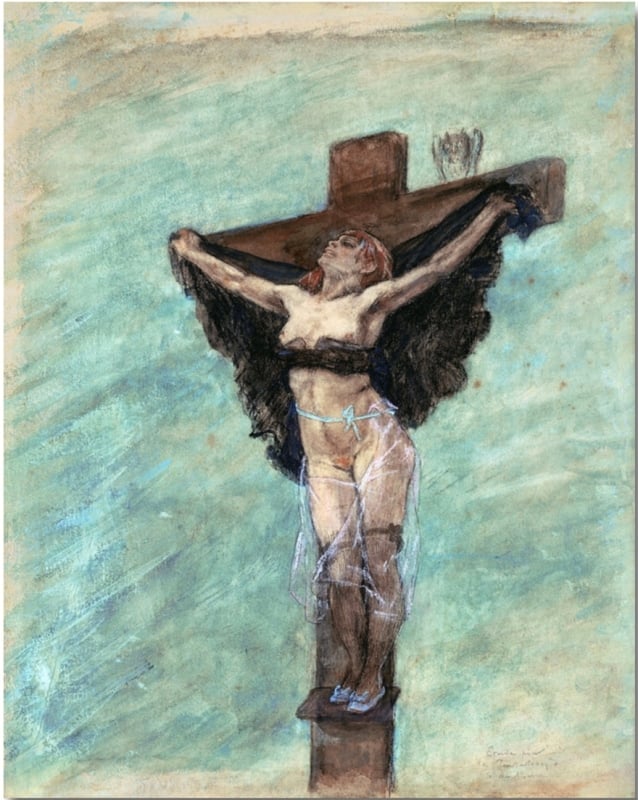
fig.5, Rops, Study for the Temptation of St. Anthony, 1878
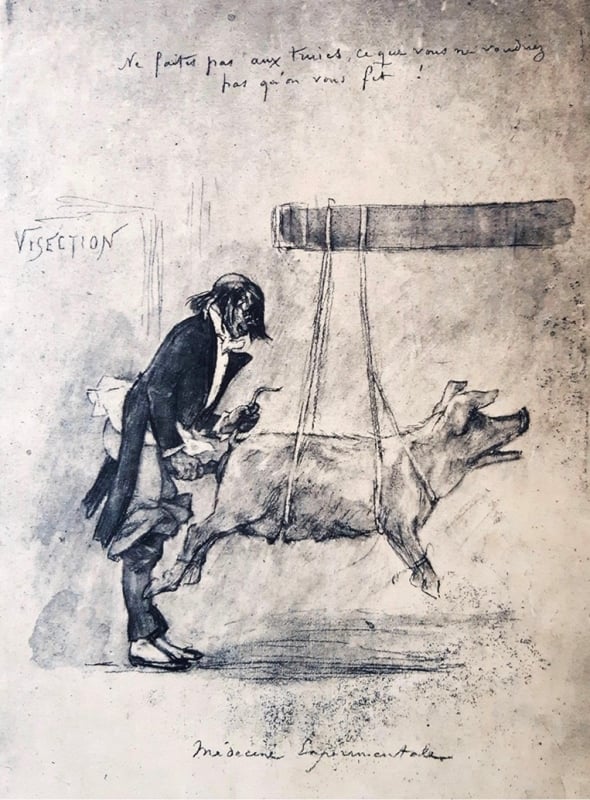
fig 6, Ne faites pas aux truies ce que vous ne voulez pas qu’on vous fait. Don’t do the Sow what you would not want done to you.
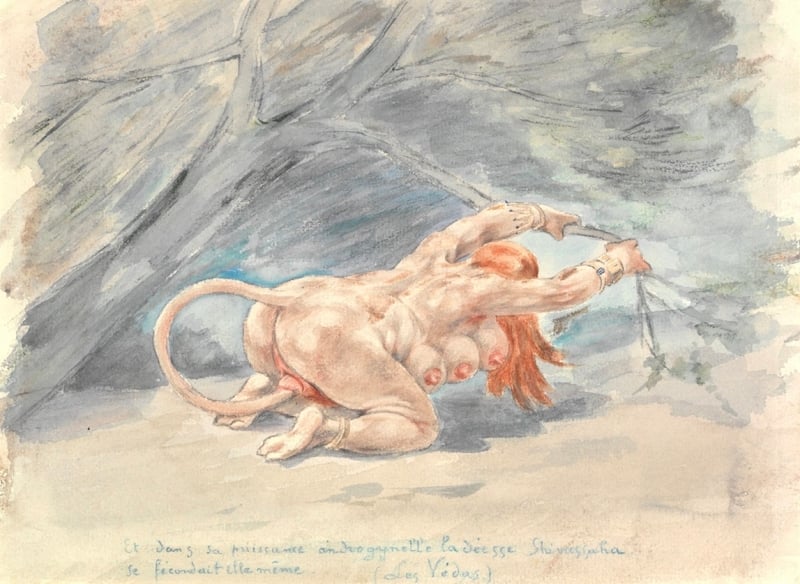
fig 7 Rops, no date, And in her androgynous power the goddess Shivassaha fertilized herself (from the Vedas)
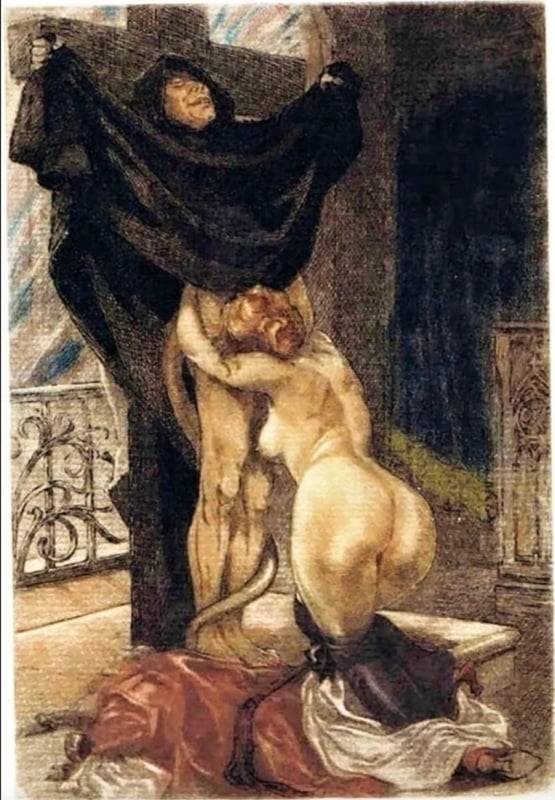
fig 8 Rops, The Lover of Christ, 1888
Become a Premium member now and learn more about Rops as an atheist and misogynist, Rops and the theatre, his The Diaboliques and The Sataniques, an extensive treatment of the many critics who have examined his work, and MUCH more...!!
Click HERE for an earlier publication titled "Satan Servants and the Spirit of Salem in the Pictures of Félicien Rops"
What do you think about Rops' blasphemous eroticism? Leave your reaction in the comment box below...!!