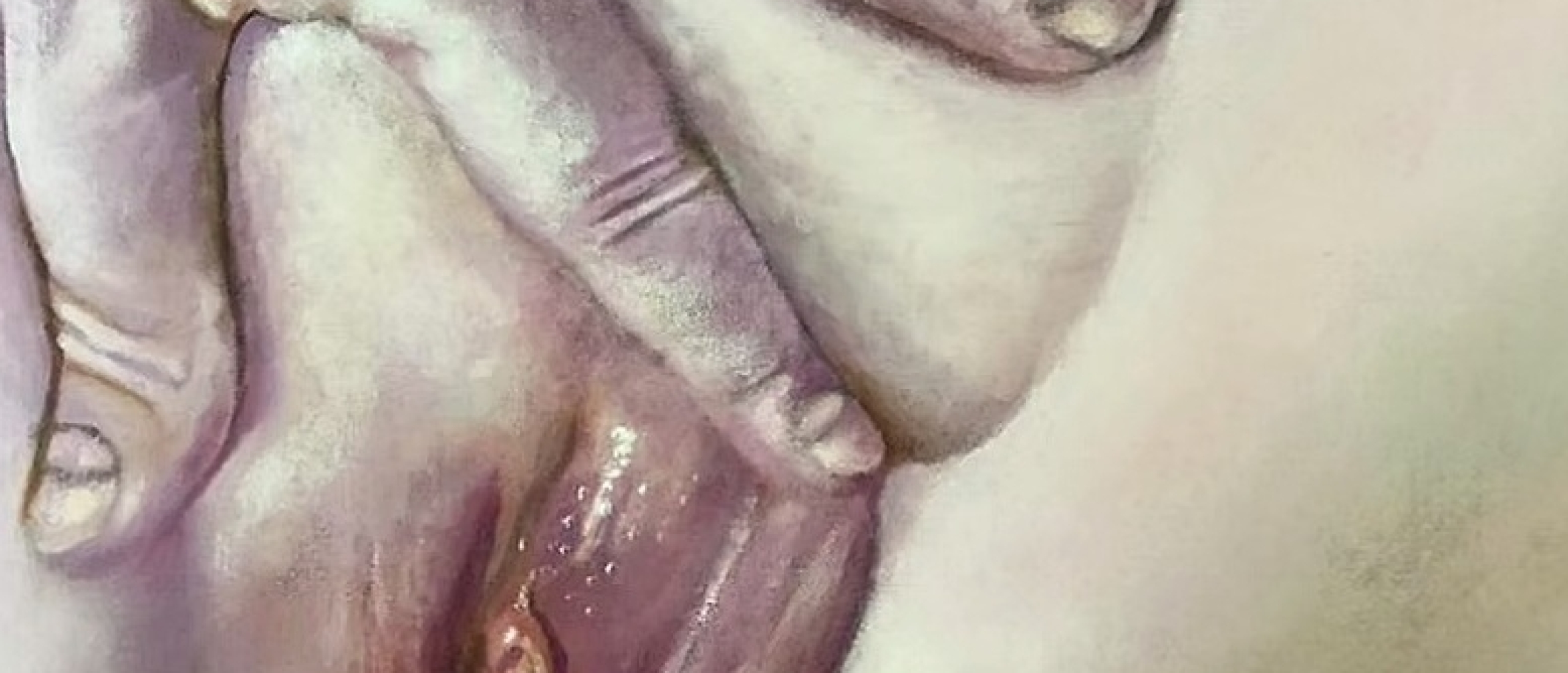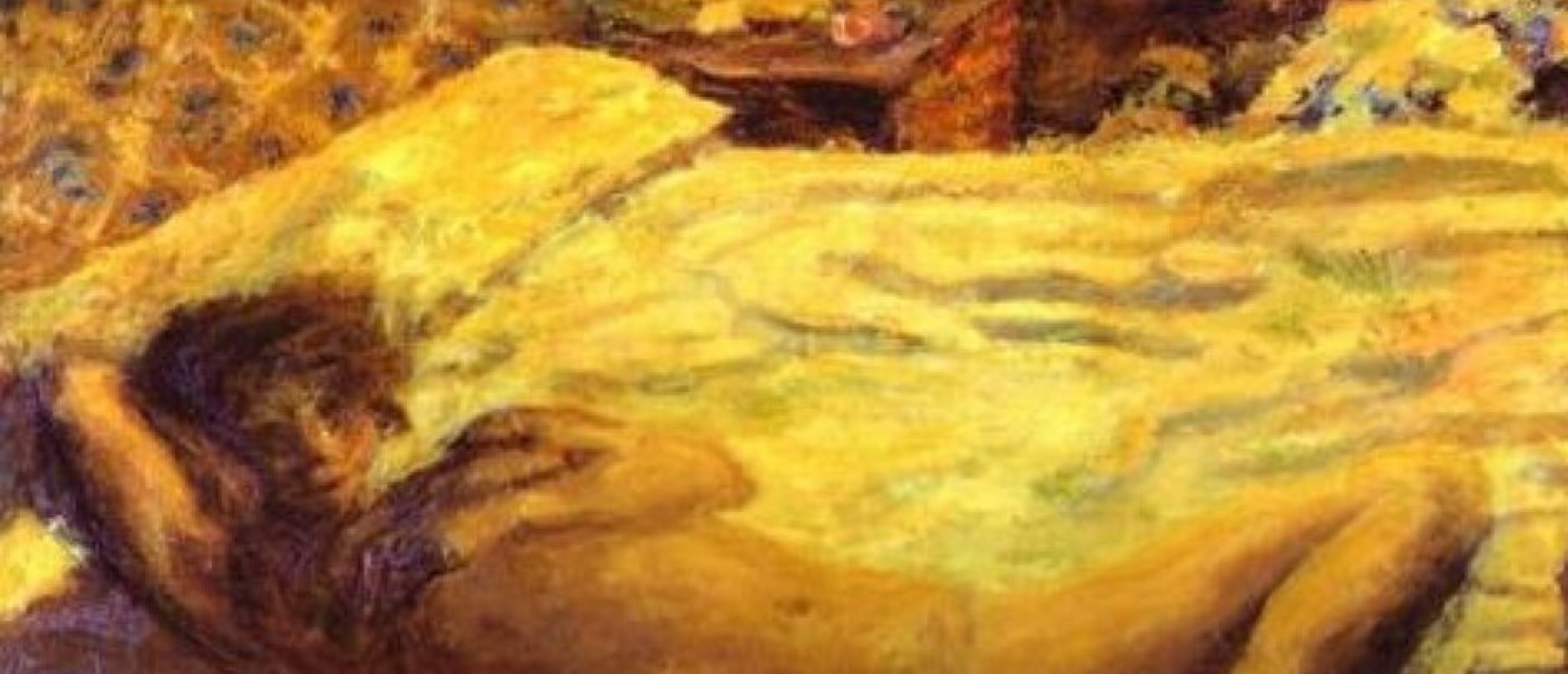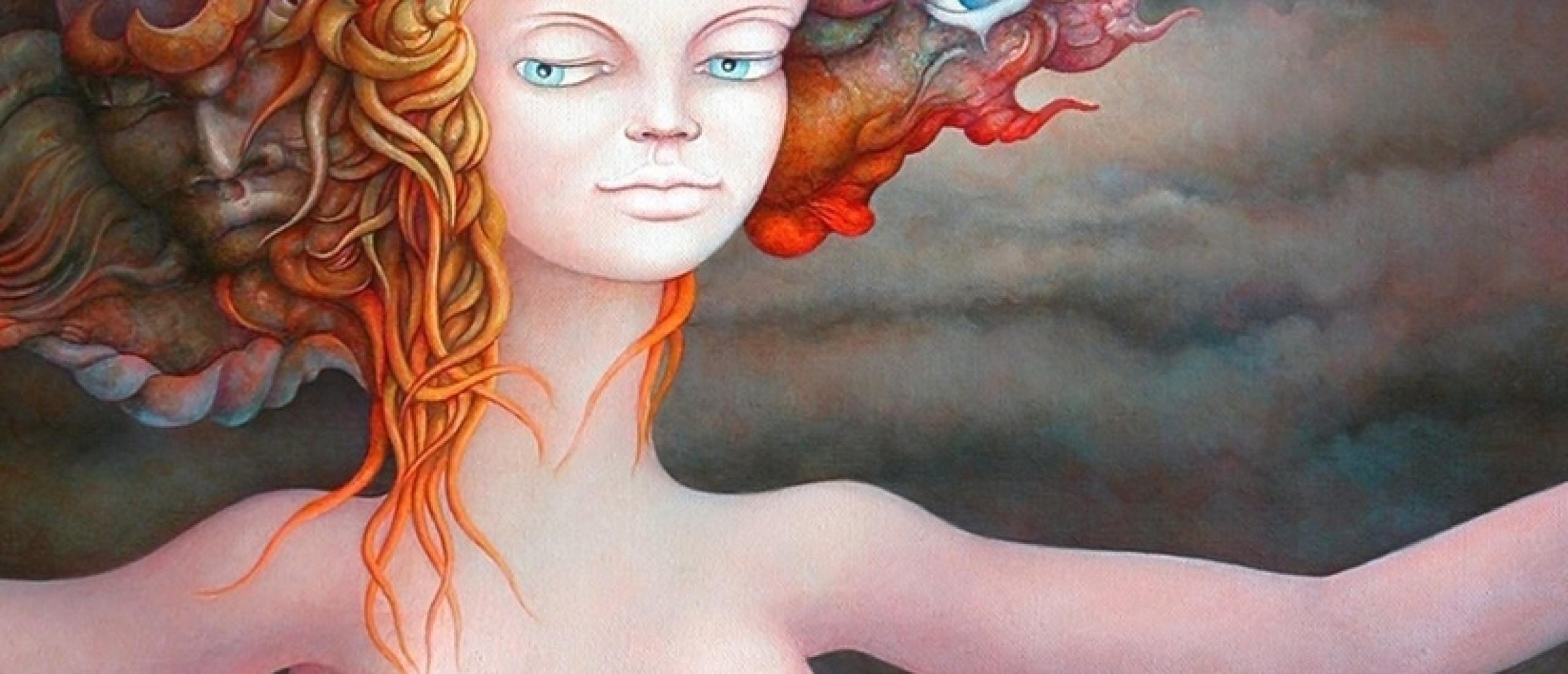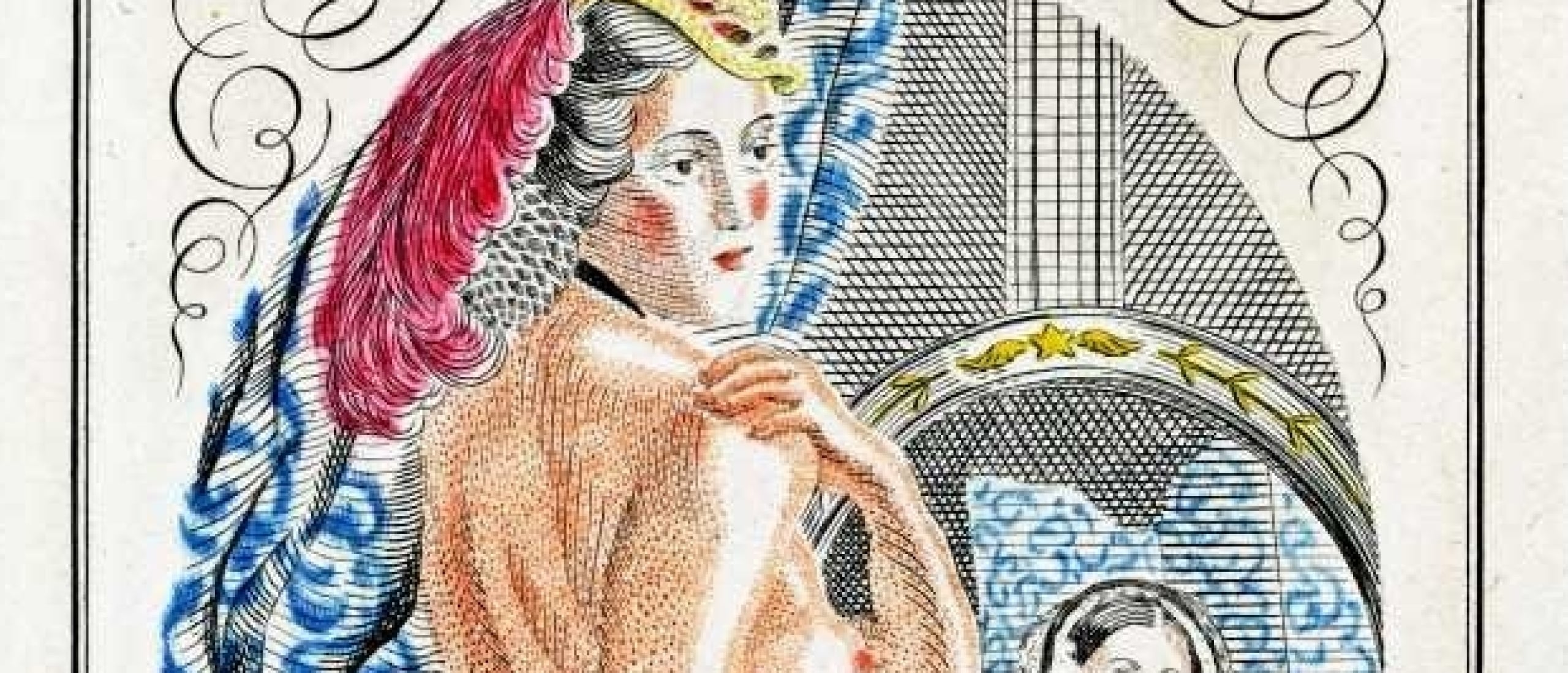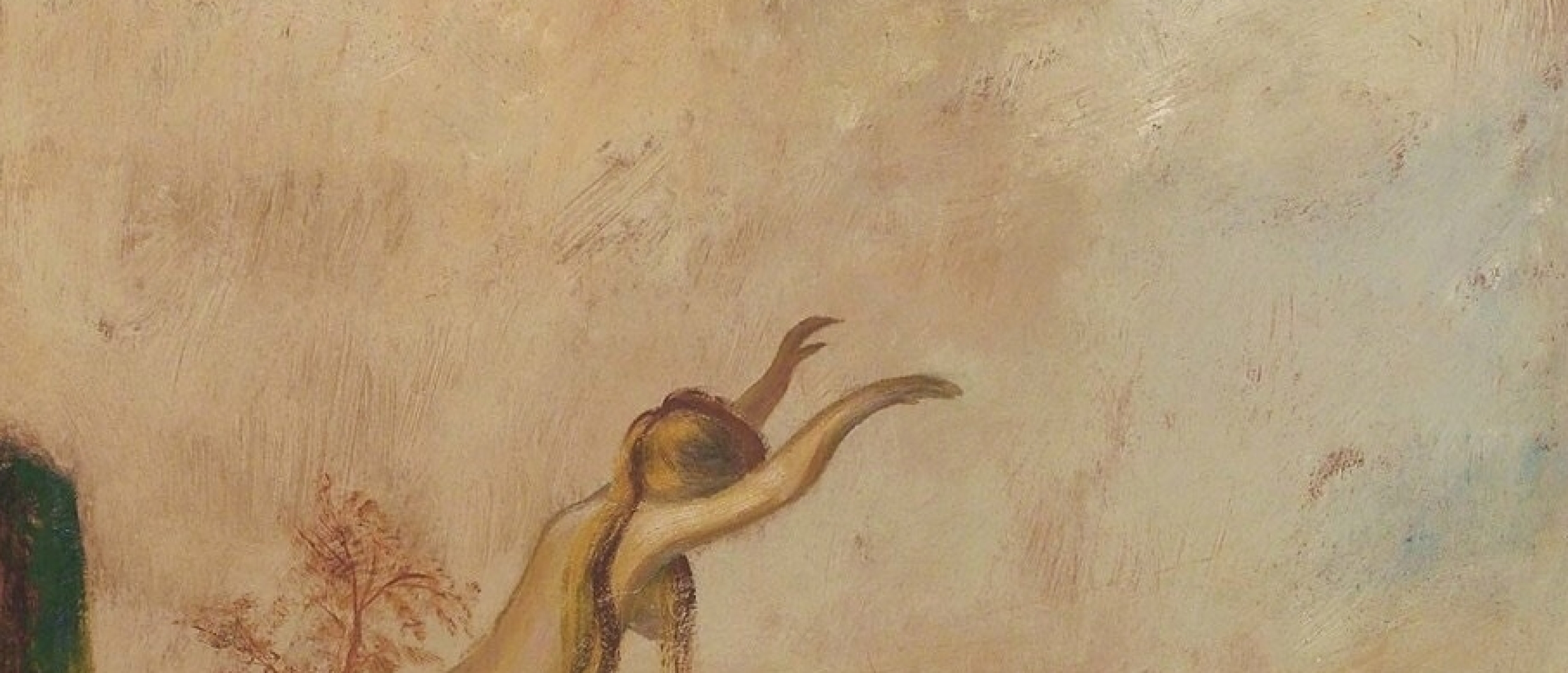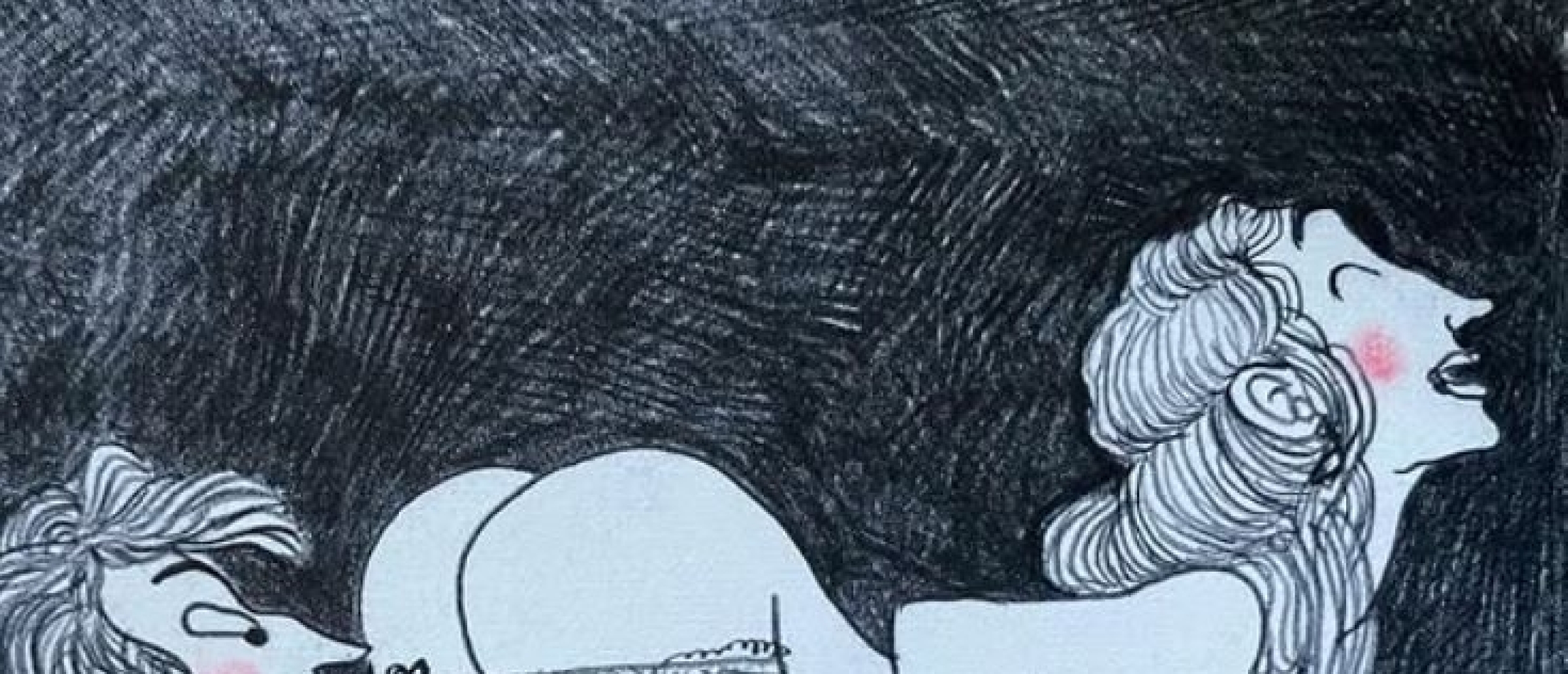
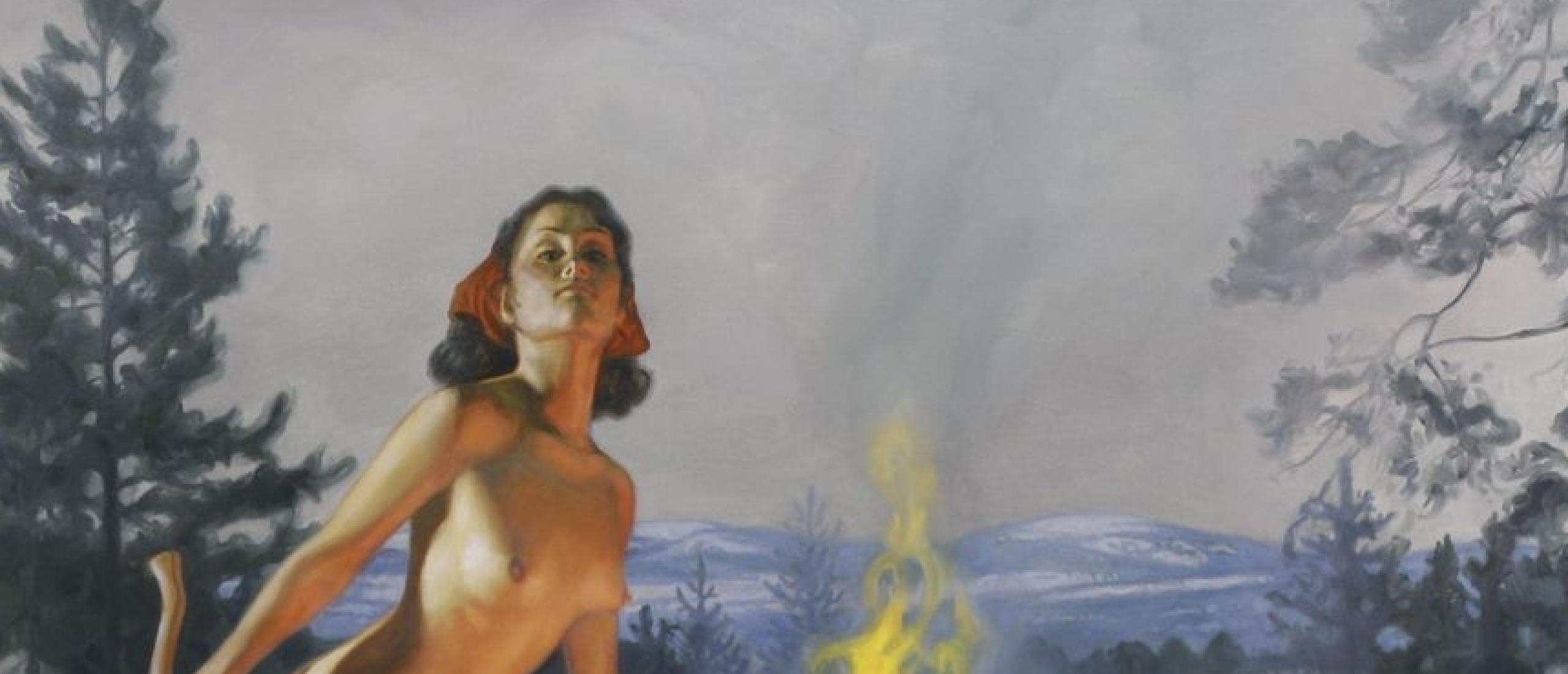

Contemporary artist Markku Laakso (born in Enontekiö in Finnish Lapland in 1970) has long been associated with northern landscapes, Sámi identity and there is also something to be said about his recurring fascination with Elvis Presley, although this fascination never verges into the erotic so it is not relevant for this article. Laakso’s practice also incorporates photography and media art. In Markku’s erotic paintings the eroticism is rarely confined to sexuality alone because he always places the naked female body in situations and spaces which involve outdoors and day to day life; farm, sauna, picnic, bonfire, camping, thus exploring the relationship between exposure and freedom. In that sense, calling Laakso simply an ‘erotic painter’ is somewhat limiting. His nudes certainly possess erotic charge, but that charge is continually interrupted, and complicated, by the enormous environments in which the bodies appear. Something that is immediately distinctive in the way Laakso shapes his female nudes is the influence of classical art. Laakso says that his depiction of nakedness originated from his love of classical art. The women in these paintings always have perfectly proportioned bodies, sculpted like goddesses.
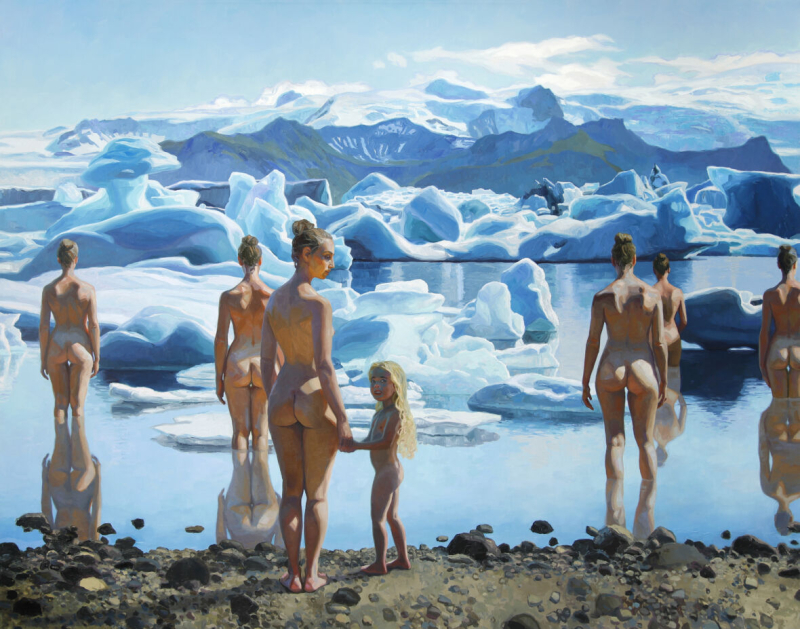
Fig.1 Markku Laakso, On a Quiet Shore, 2022
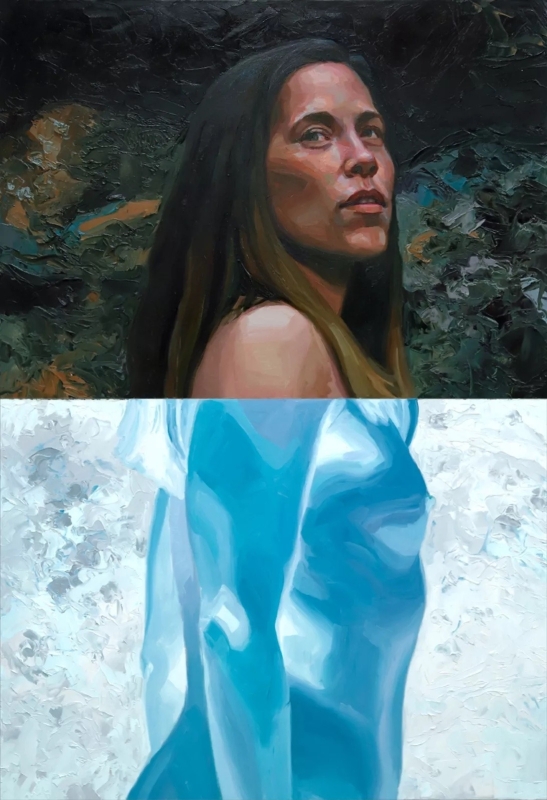
Fig.2 Markku Laakso
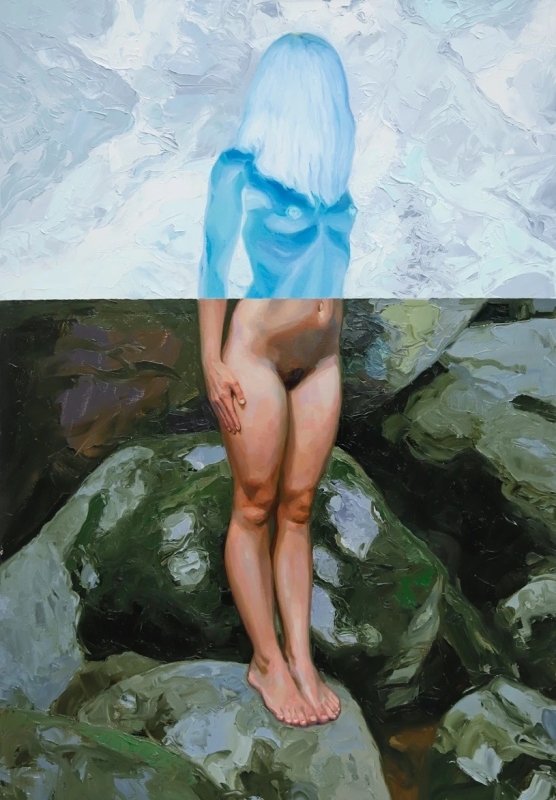
Fig.3 Markku Laakso
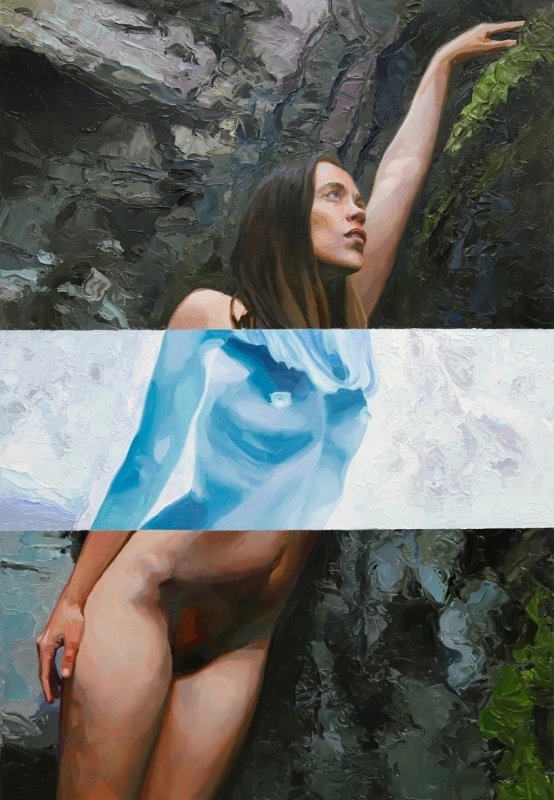
Fig.4 Markku Laakso
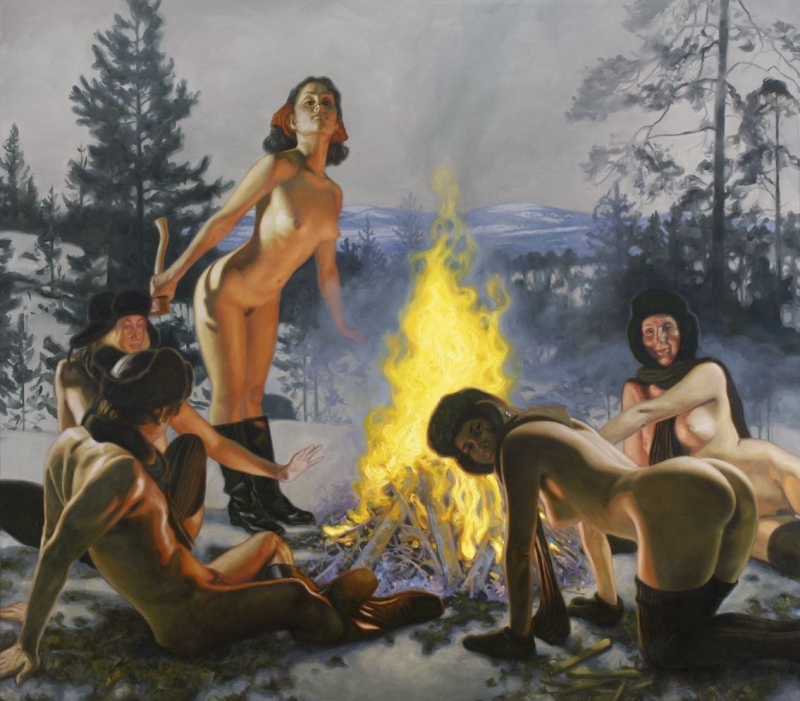
Fig.5 Markku Laakso, At the Campfire
On the Quiet Shore
The painting seen in Fig.1., titled ‘On the Quiet Shore’, gives us an icy glimpse into Laakso’s erotic art. The scene depicts several naked figures standing beside an icy landscape, while mountains and enormous expanses of glacier dominate the background. The first impression is paradoxical: the figures are physically exposed, yet the landscape is so immense that their nakedness seems almost secondary. That distinction is crucial to understanding Laakso's eroticism. The conventional erotic nude usually encourages the viewer to concentrate on the body. Laakso does the opposite. He makes the body part of an environment. The naked figures are not isolated against a neutral background; they stand in water, among ice, under mountains and beneath a huge sky. The result is a kind of environmental eroticism, in which sensuality arises from the relationship between flesh and landscape.
Here, the skin itself becomes just another surface in nature. The ochres, warm browns, soft rosy pinks of the bodies are in a dramatic contrast with the blues, whites and turquoise tones of the ice. The effect is almost elemental: flesh against snow, warmth against cold, mortality against geological permanence. The bodies appear temporary in comparison with the mountains. The eroticism therefore contains an existential dimension. Nakedness means vulnerability. Clothing ordinarily protects us from the environment and simultaneously tells other people something about our social identity. Remove clothing and the individual becomes more elemental, but also more exposed. This same contrast between skin tones and blueness of ice.
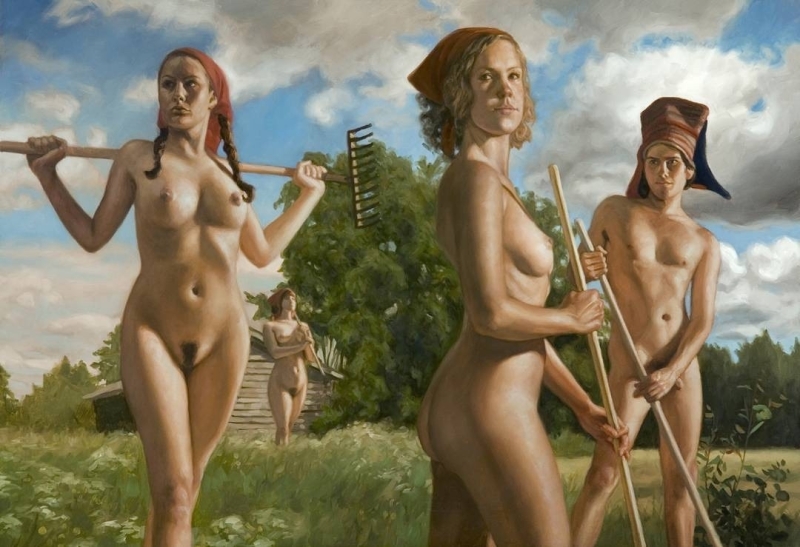
Fig.6 Markku Laakso, A Fair Day, 2007
Continue reading in Premium and check out the complete piece including many additional reviews of Markku's paintings.
Laakso is active on Instagram
Click HERE for a publication about the Canadian artist Kent Monkman, with whom Markku shares stylistic parallels in his contemporary art practice and themes.
What do you think about Markku's art? Leave your reaction in the comment box below...!!