
WHO IS RIN SHIN?
Rin Shin (りんしん), also internationally credited as Rin Sin or Rin-Sin, is an artist whose career allows us to track the transition of Japanese adult animation from the 1990s to the commercial ecchi and fanservice of the 2000s. Although we do not know Rin Shin’s true identity, as there is no reliable data about him on the internet, certain information leads us to believe that he may be more than a conventional hentai illustrator. Our research reveals that his name is linked to activities as an animator, character designer, and animation director, with a career developed within the anime industry itself. In this sense, his career is situated between the adult anime produced directly for video (OVA) in the 1990s and later forms of eroticizing the female body incorporated into productions intended for broader audiences, such as Ikkitousen and Queen's Blade.
The Japanese spelling used professionally is りんしん. In foreign editions and credits, variants such as Rin Shin, Rin Sin, and Rin-Sin appear. Some Japanese sources specializing in sakuga identify the name as Suzuki Shinya (鈴木真矢), but personal data about the artist is poorly documented publicly. What can be established with greater certainty is a professional career dating back to the second half of the 1980s and his subsequent prolonged connection with Studio ARMS. This link is important for understanding his work. ARMS built part of its initial identity through adult animation and later shifted this experience toward commercial productions marked by eroticism, partial nudity, and fanservice. Rin Shin's trajectory follows this movement almost exactly.
Among the early works associated with his name are La Blue Girl, Dōkyūsei 2, Injū Seisen, Midnight Panther, and, above all, Words Worth. Available credits indicate roles that go beyond the simple execution of drawings: in Midnight Panther (1998), for example, he appears as character designer and animation director; in Words Worth (1999–2000), he accumulated character design, animation direction, and key animation.
In La Blue Girl, an adaptation of Toshio Maeda's manga, it is possible to follow his rise within the production. Records of the first OVAs attribute animation direction and key animation roles to Rin Shin, while later works in the franchise also credit him for character design. Interestingly, these same credits document the name variation: Rin Shin, Rin Sin, and Rin-Sin designate the same person.
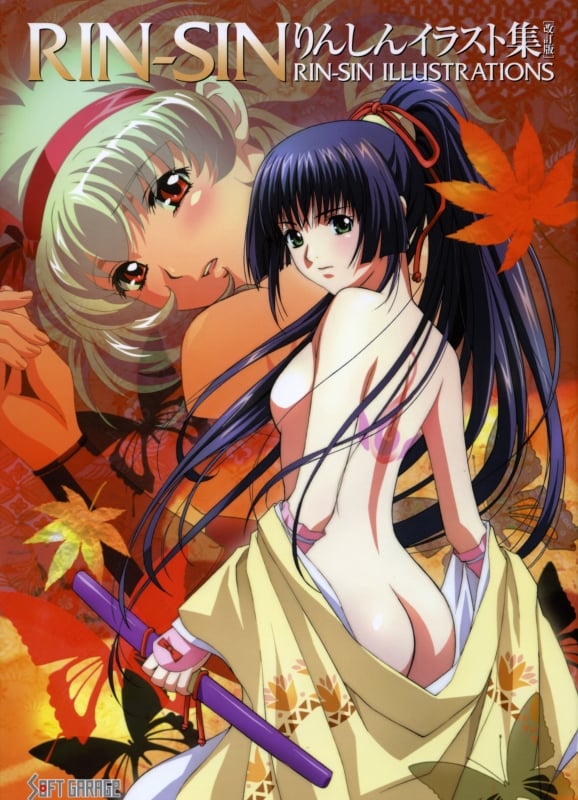
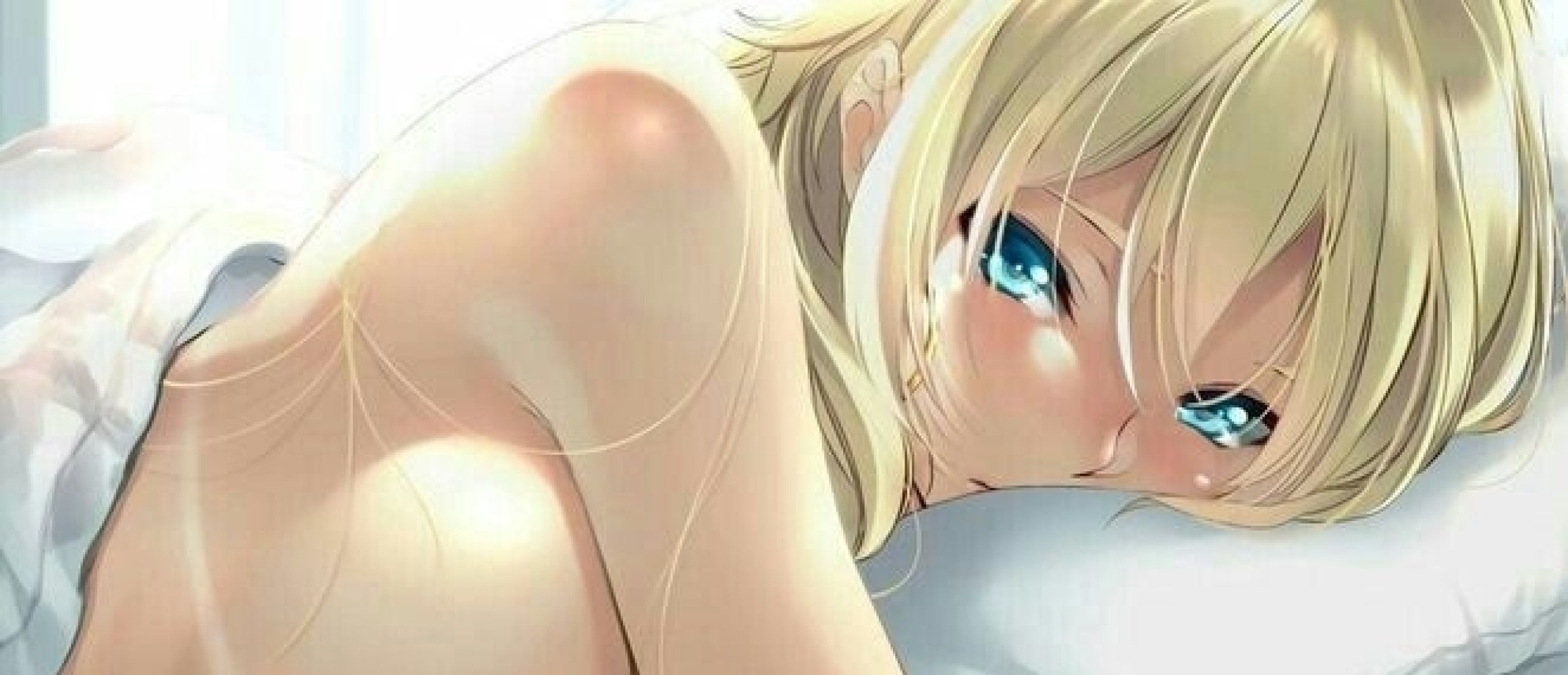
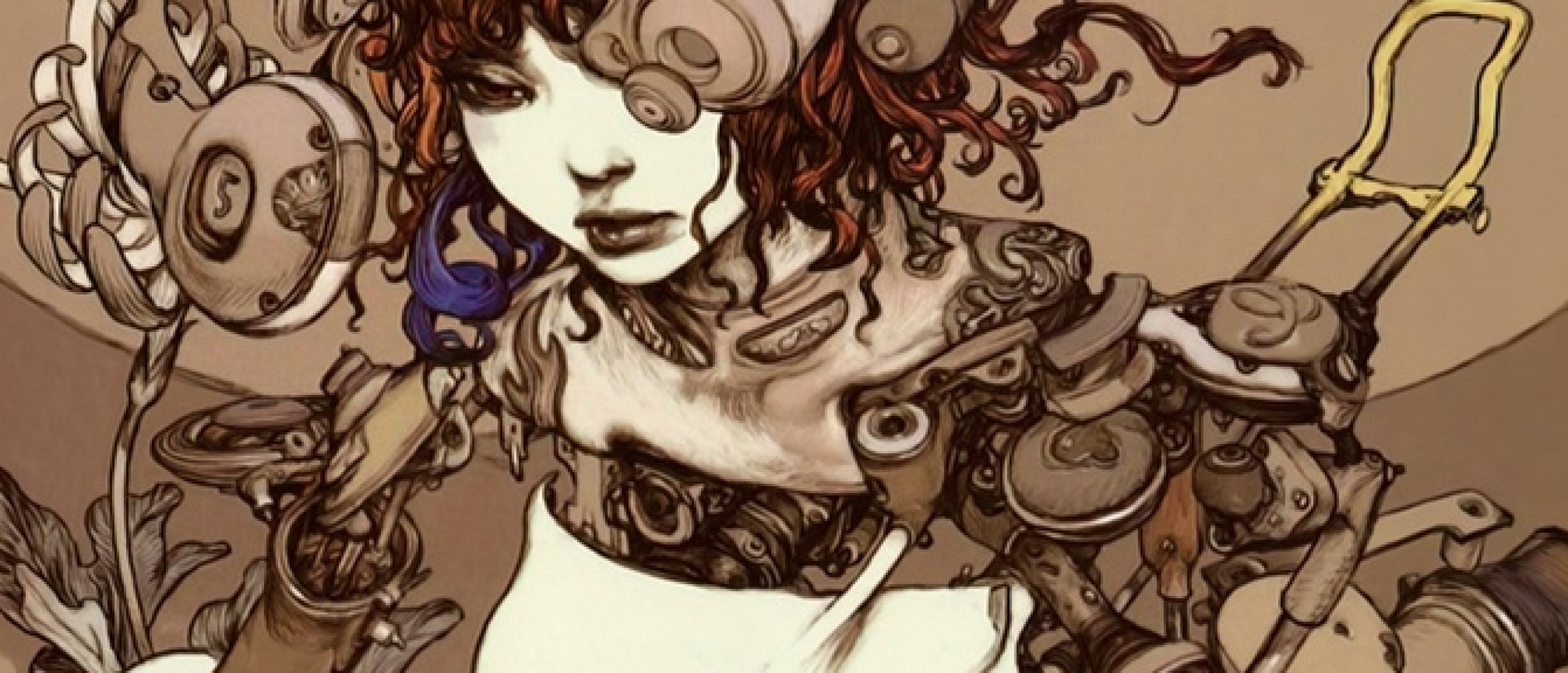
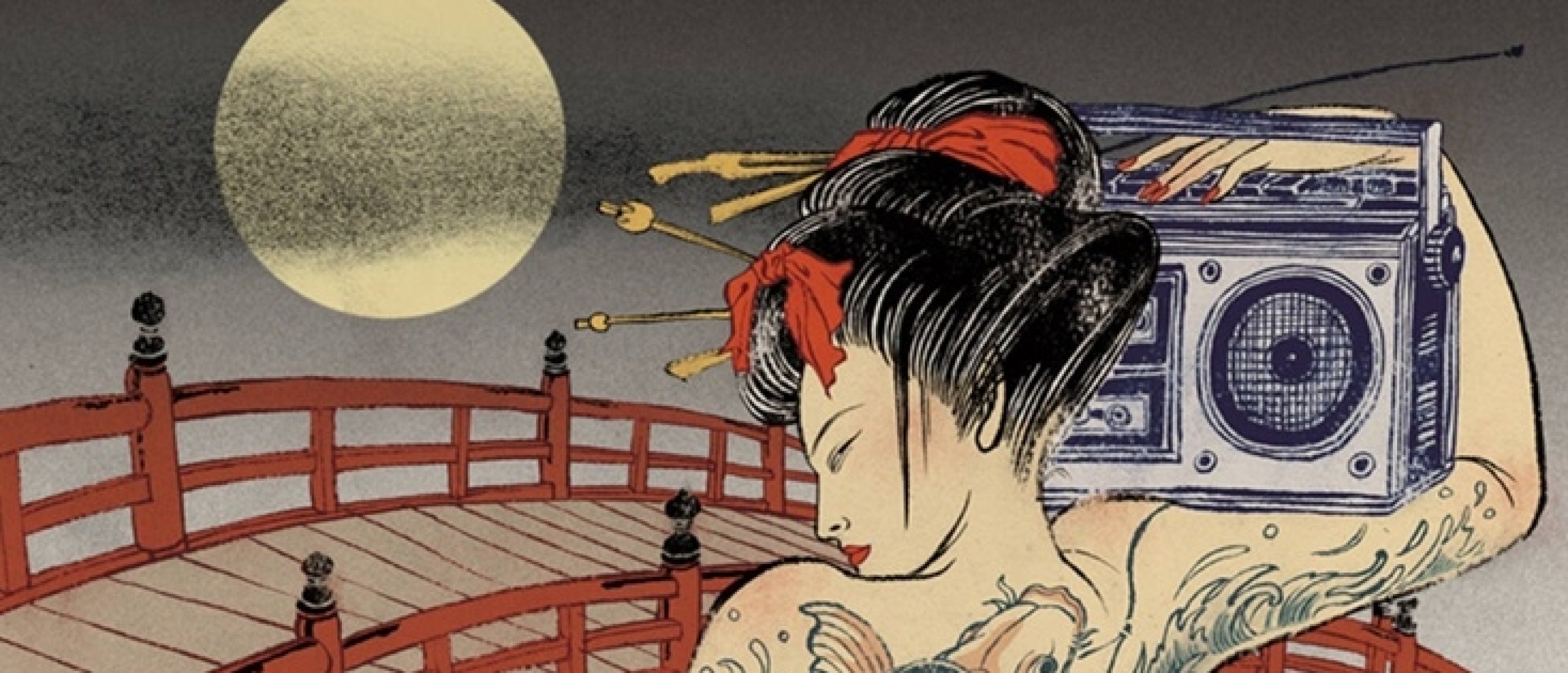
Fig.1 Cover "Rin Sin Illustrations"
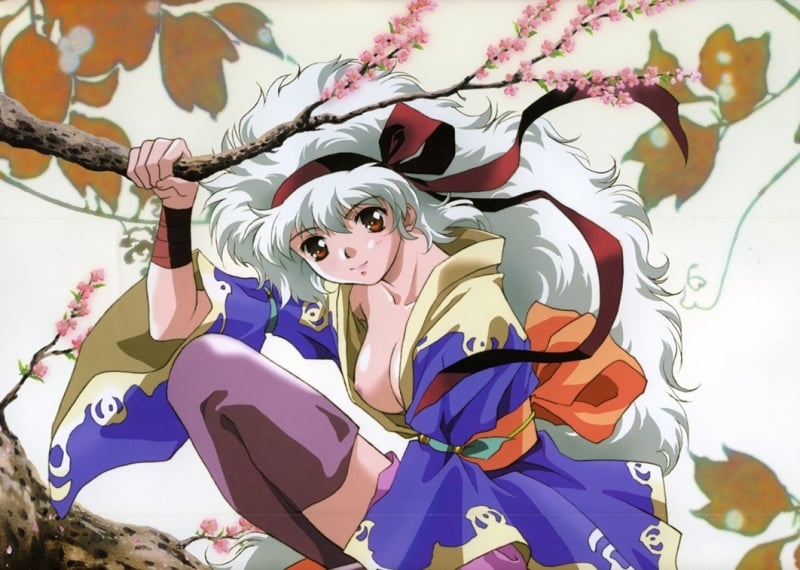
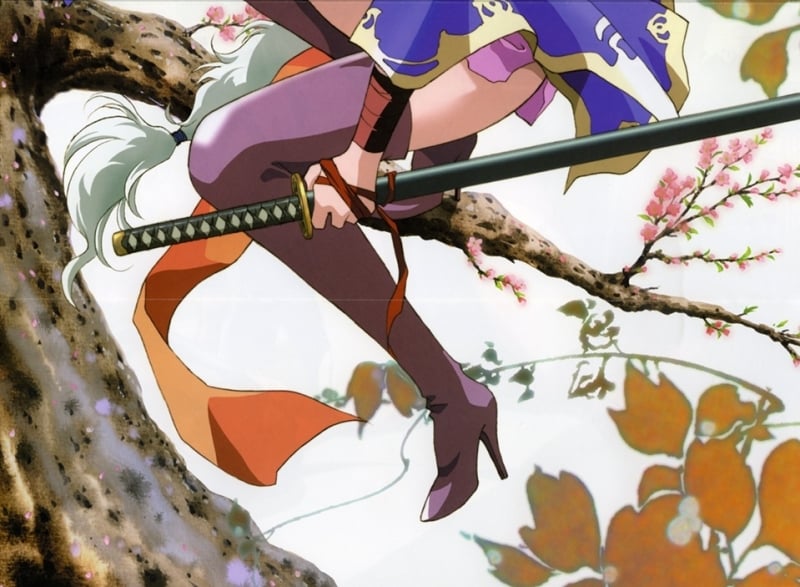
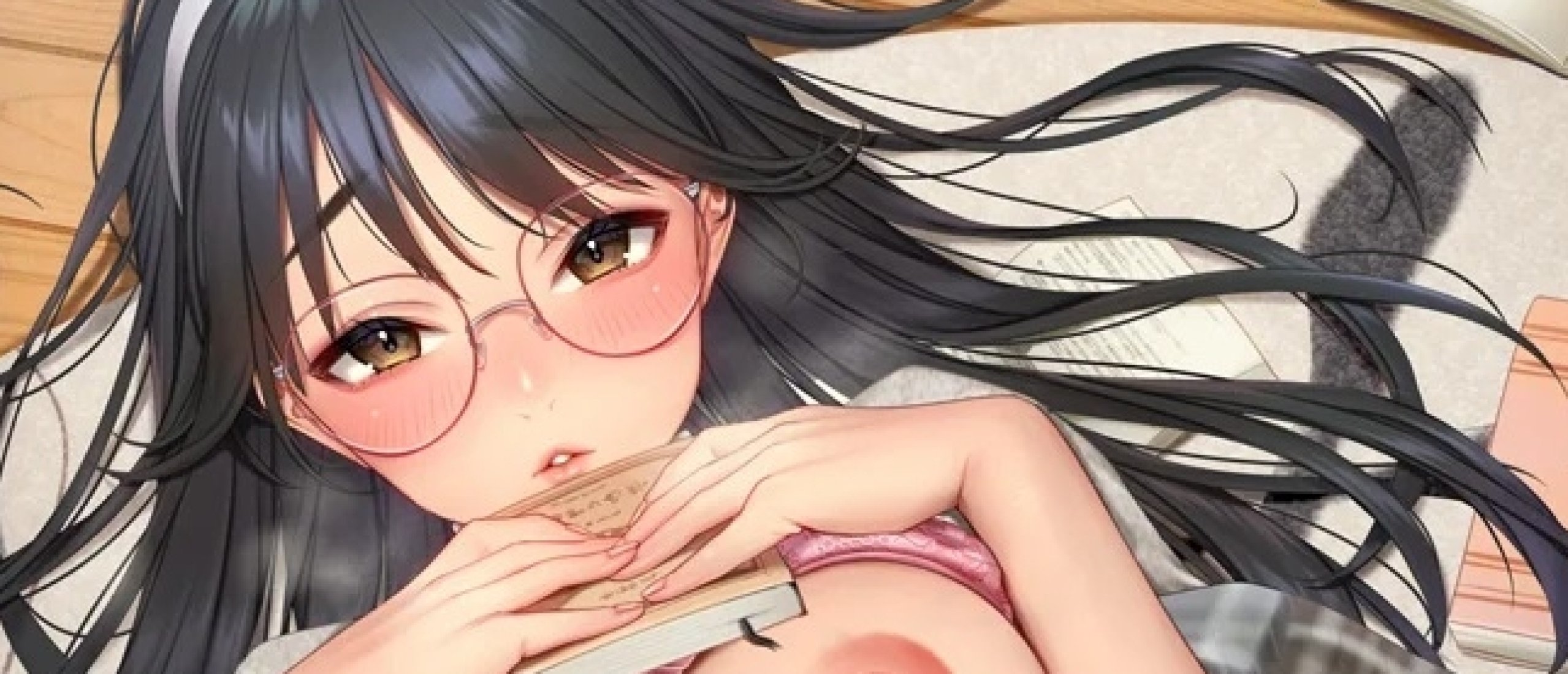
Fig.2
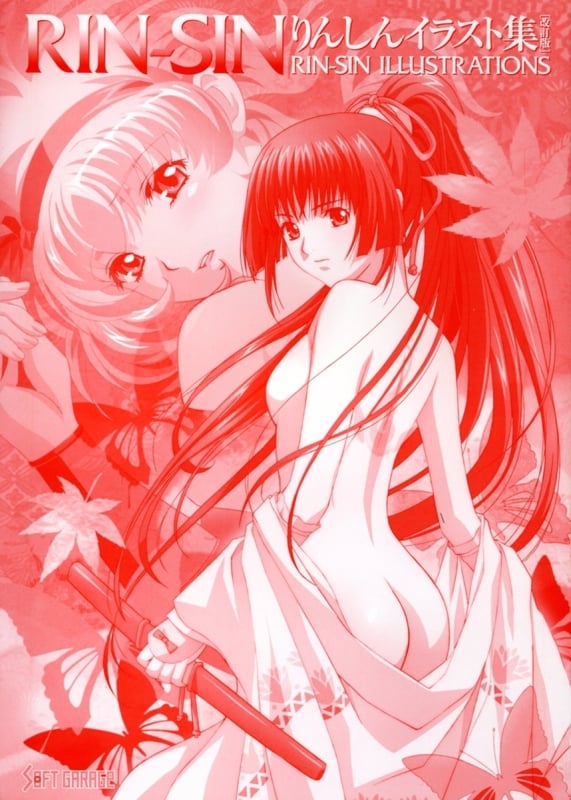
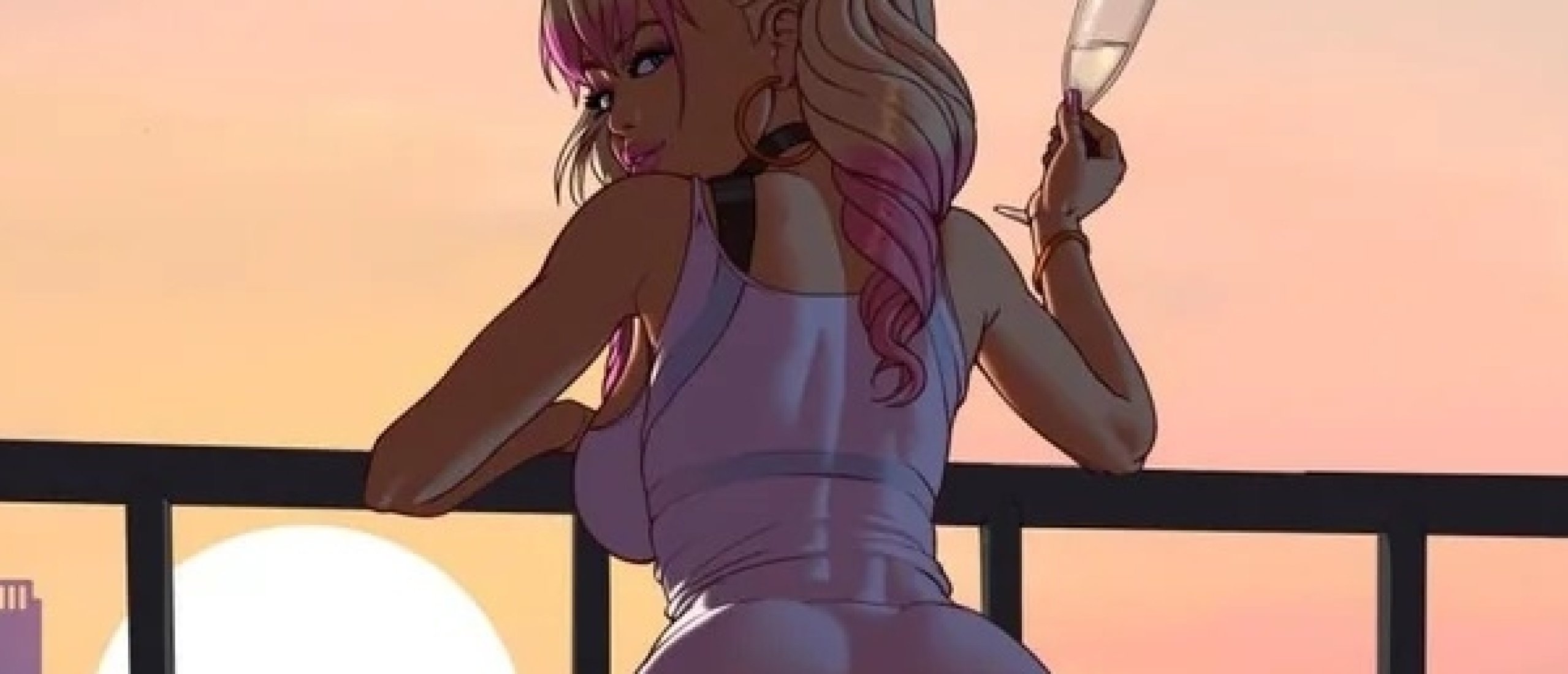
Fig.3
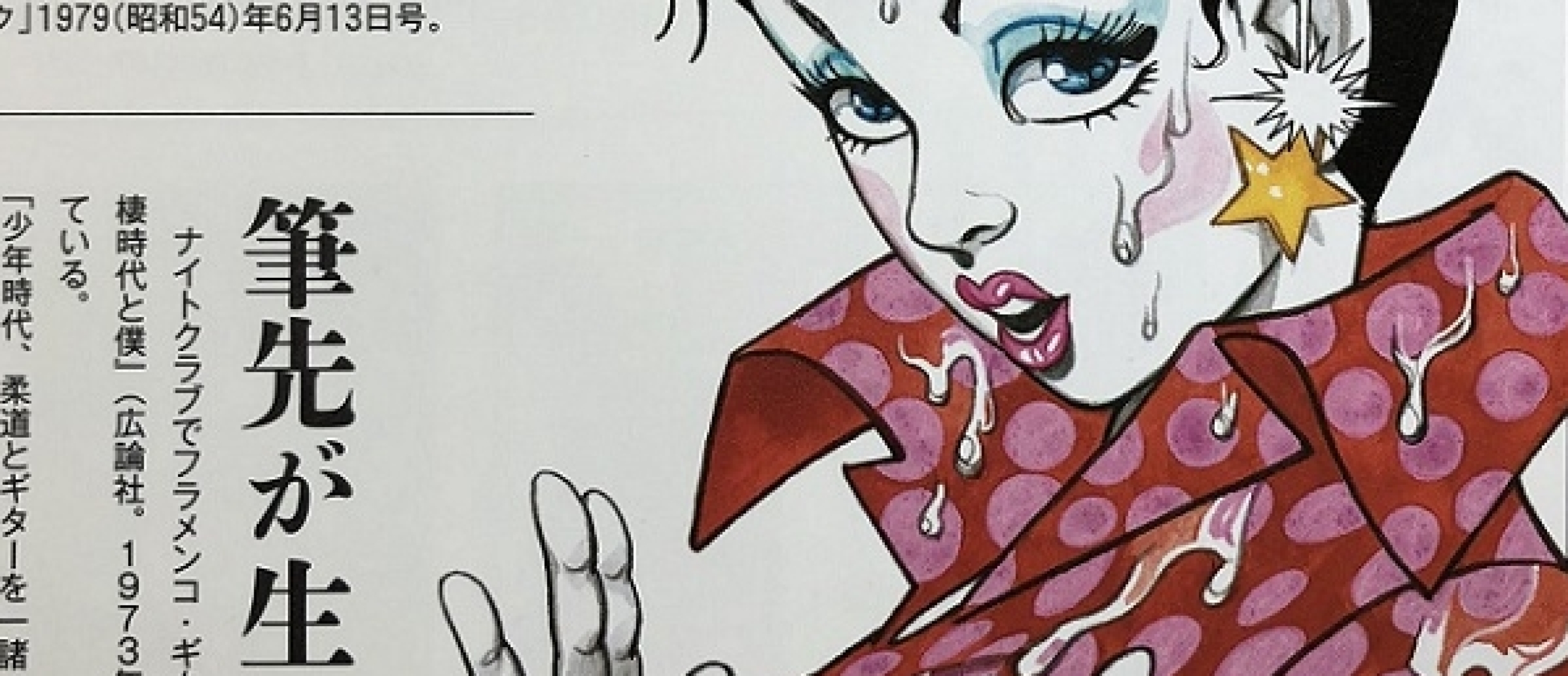
Fig.4
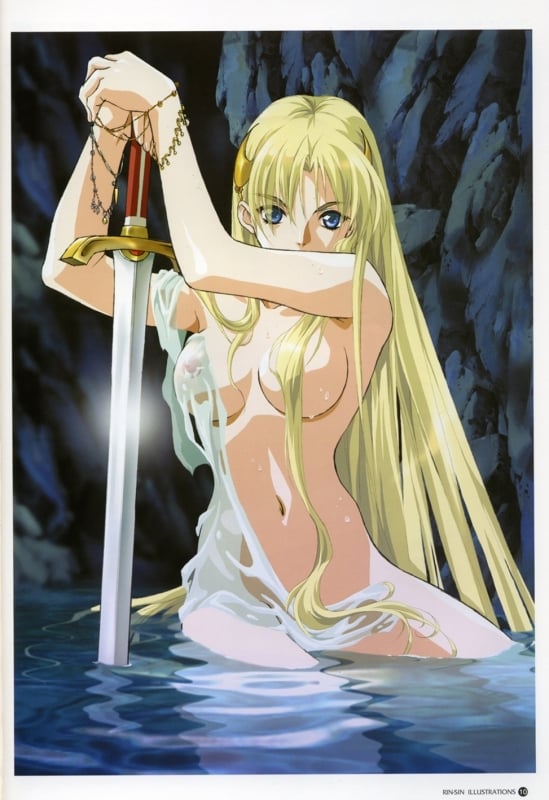
Fig.5
WORDS WORTH AND THE CONSOLIDATION OF A STYLE
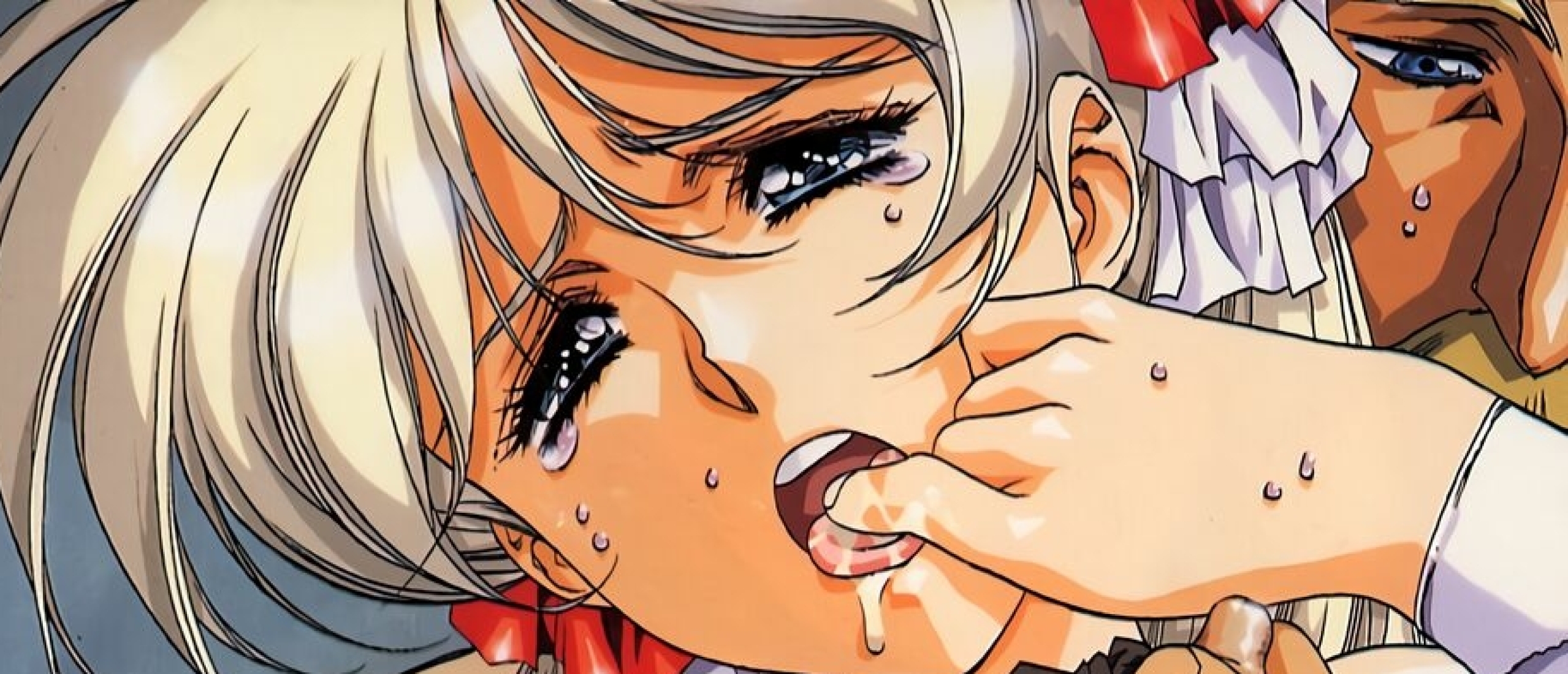
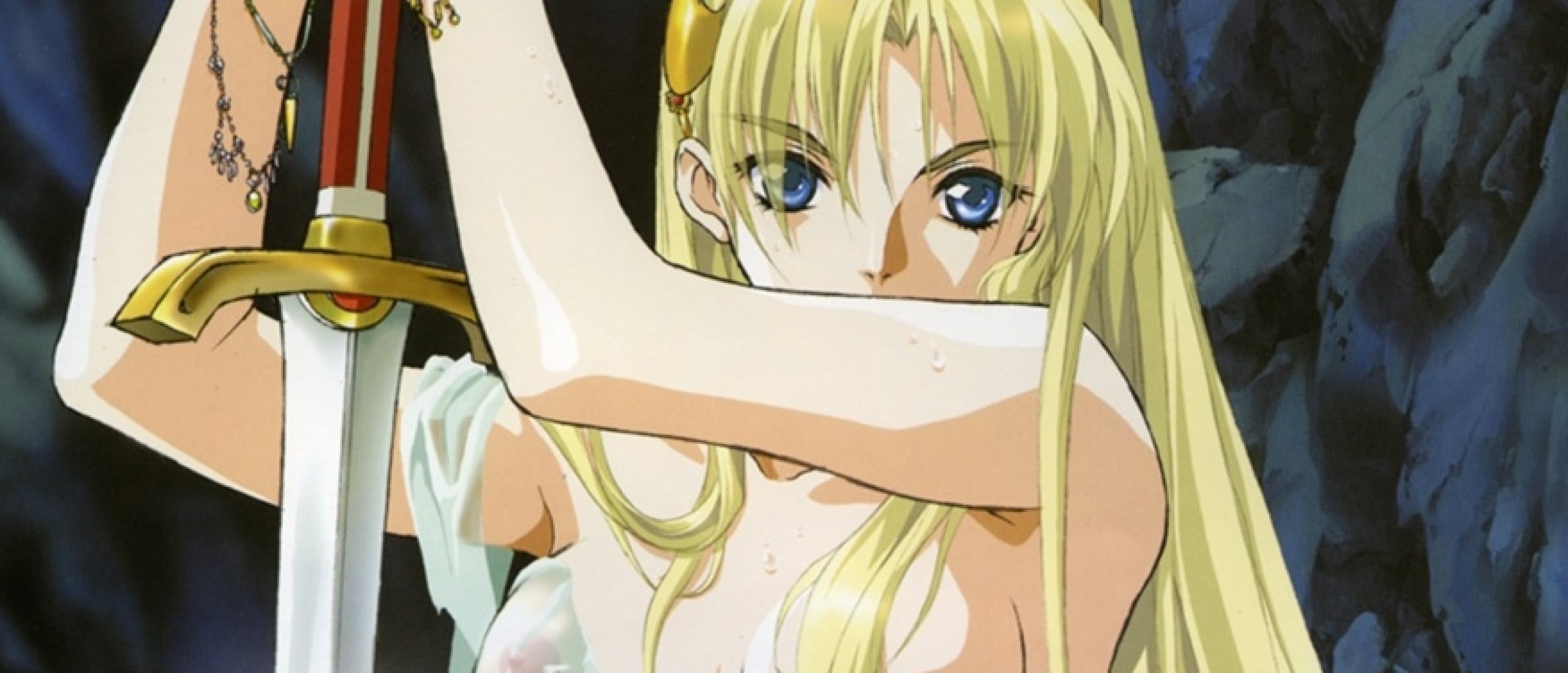
Perhaps Words Worth is the most appropriate work for understanding Rin Shin as a visual author within adult animation. In the five episodes produced between 1999 and 2000, he appears simultaneously as character designer and animation director. What begins to consolidate during this period is a specific model for constructing the female body. Rin Shin's characters do not rely solely on nudity to be sexualized, as eroticization is incorporated into the drawing itself: the proportion between waist, hips, and bust; the length of the legs; the configuration of the eyes; the hair design; and the way clothing follows or interrupts body contours. This differentiates his work from a portion of hentai where sexual content serves as the primary element of generic identification. In Rin Shin's work, the body is recognizable as erotic even when no sexual activity is represented, so that desire is produced initially by the design. There is an important Art History issue here: eroticism ceases to be merely the subject of the image and begins to constitute its morphology.
The female body is organized according to a system of curves and counter-positions, as the narrow waist establishes a break between the thorax and hips; elongated legs extend the figure's verticality; hair functions as graphic masses that frame the face, shoulders, and breasts; large eyes and relatively small faces contrast with markedly sexualized bodies. This disproportion should not be understood merely as an inability or lack of interest in naturalistic anatomy, as it is an anatomy constructed for a specific visual function. In this way, as with other character designers, Rin Shin establishes a corporal vocabulary in which certain deformations are systematic.
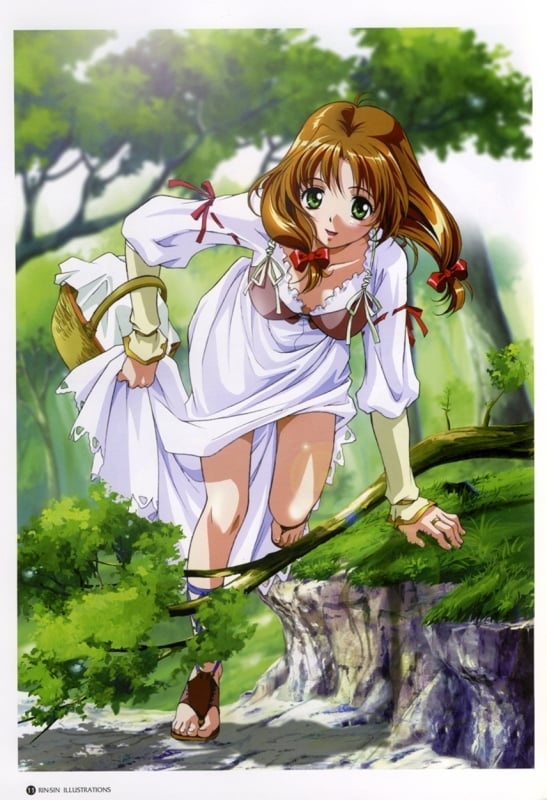
Fig.6
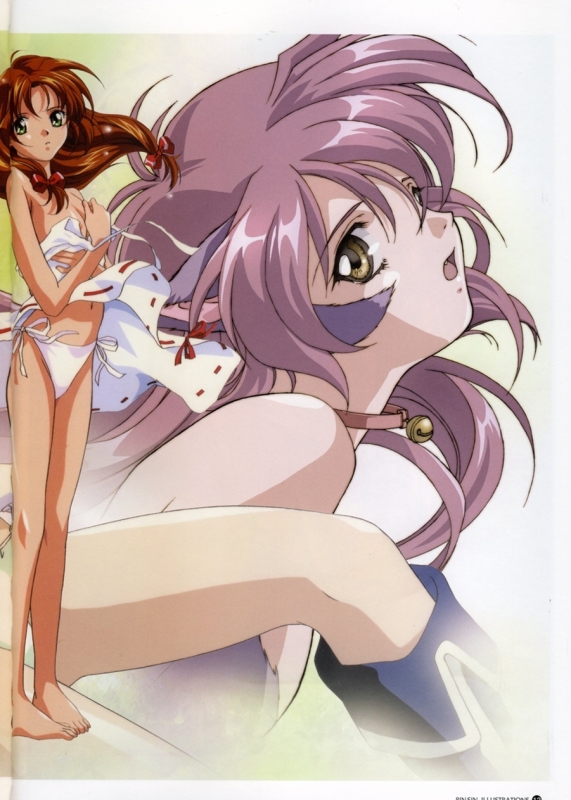
Fig.7
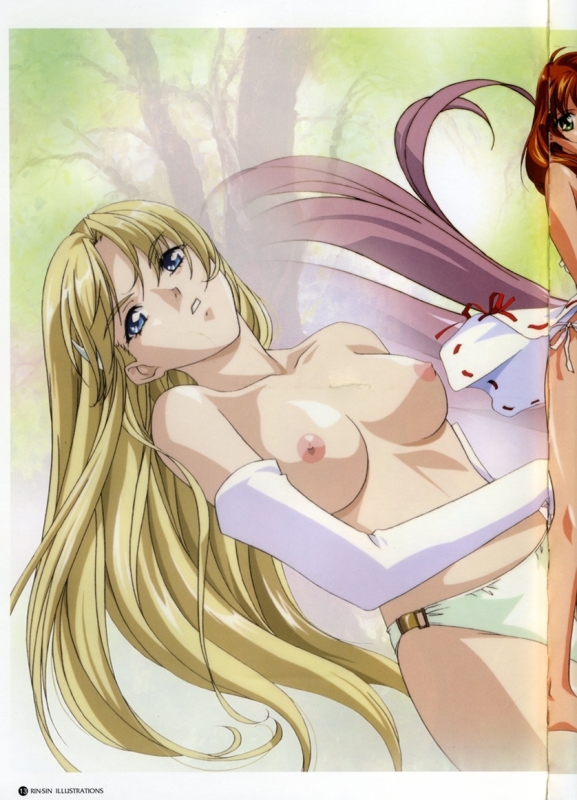
Fig.8
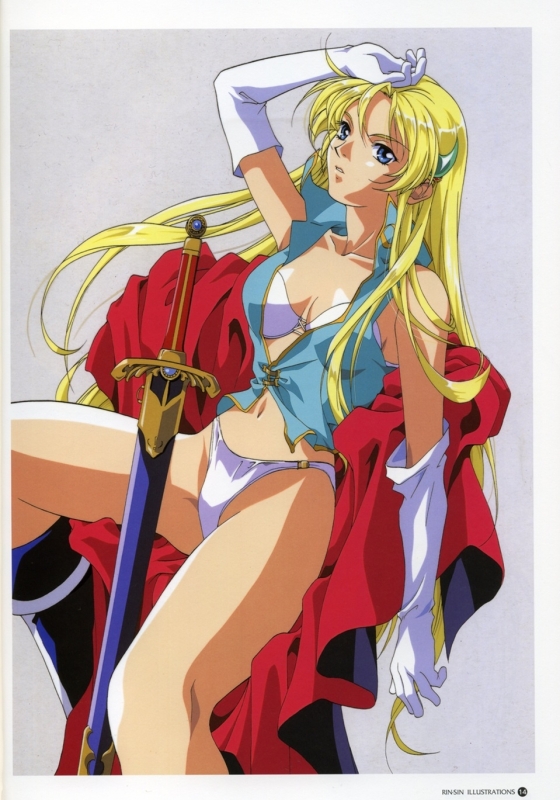
Fig.9
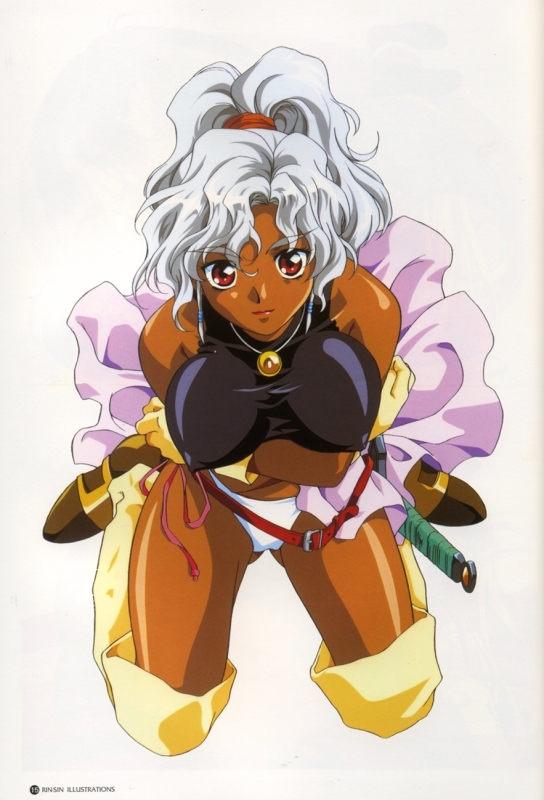
Fig.10
Continue reading in Premium and discover the much longer edition including more about Rin Shin's transition from hentai to ecchi, a profound look at the illustrator's body aesthetics in the anime Queen's Blade and his other work.
Click HERE for an extensive study on OVAs (Original Video Animations) including some of the finest erotic examples of this anime format.
You can share your thoughts about Rin Shin's art in the comment box below...!!