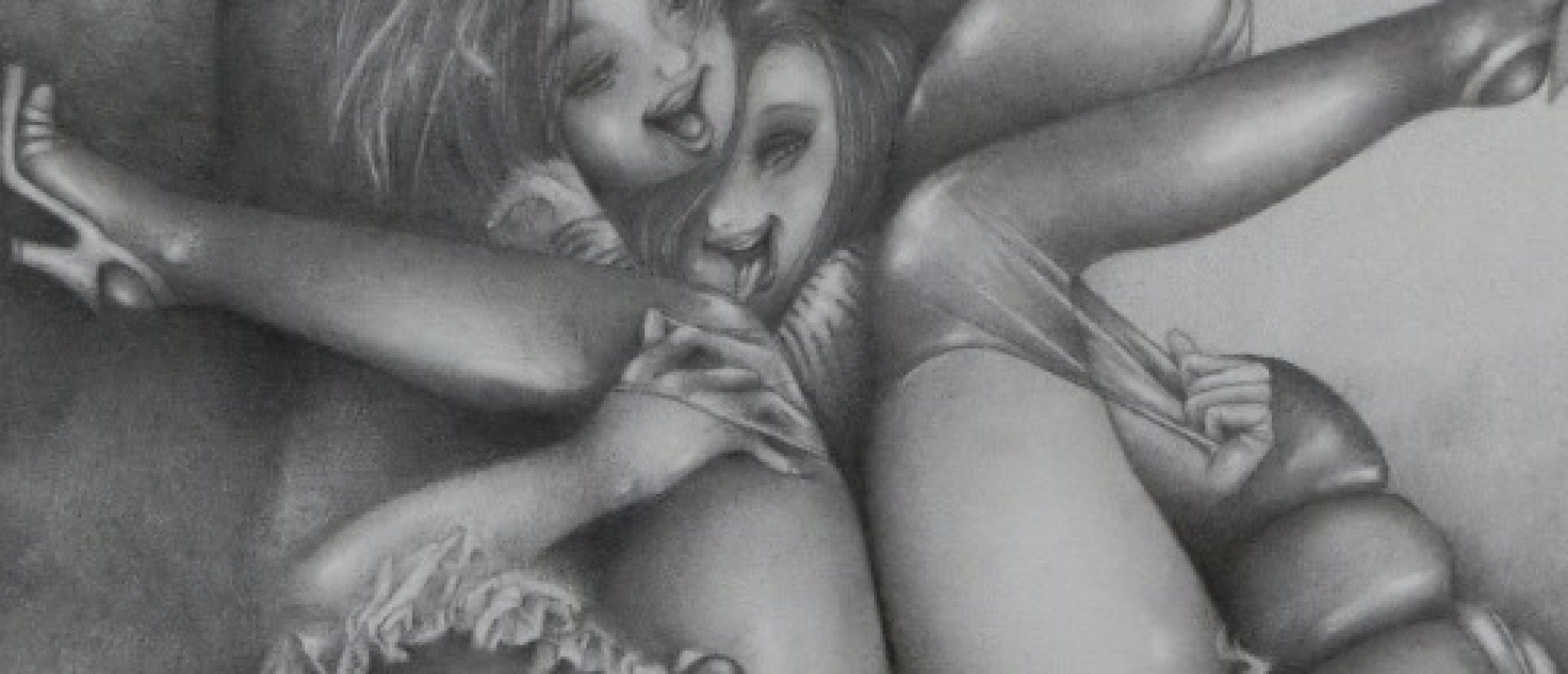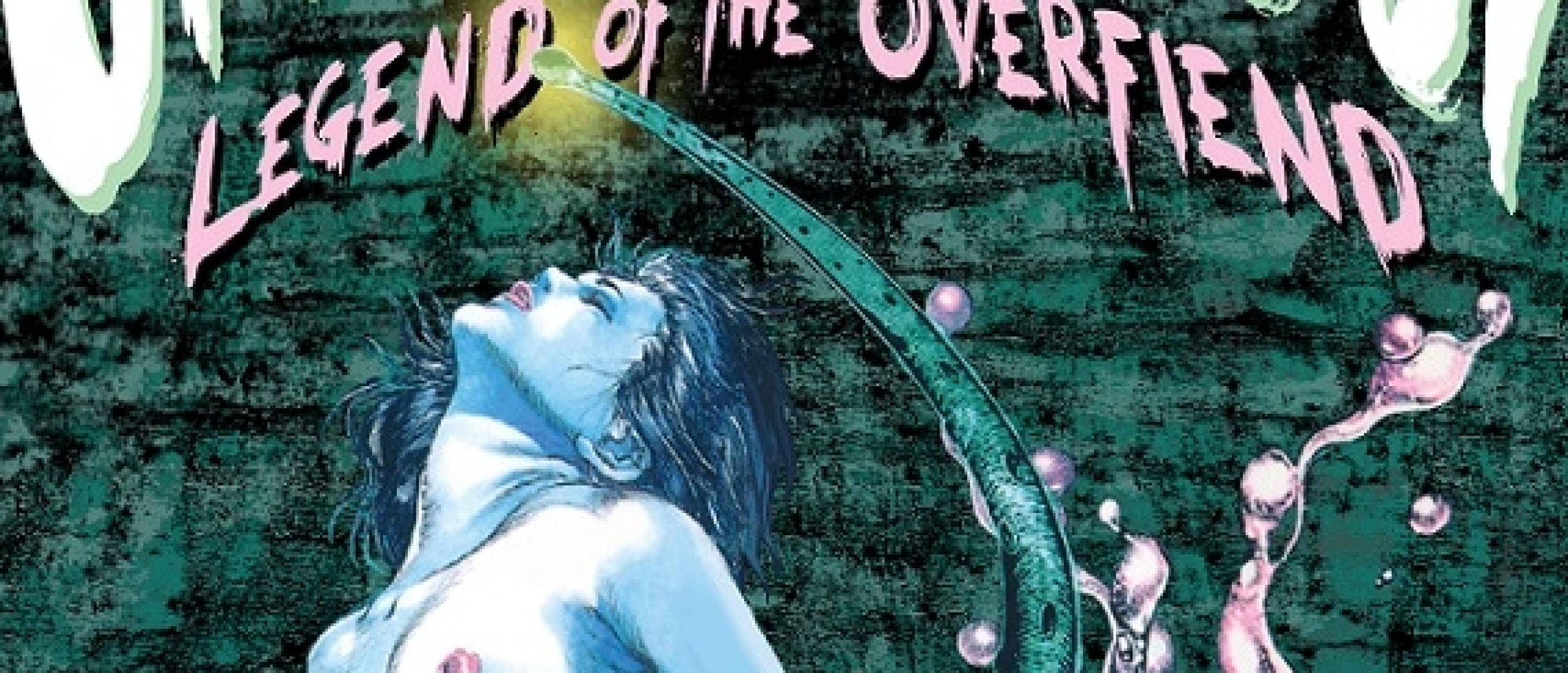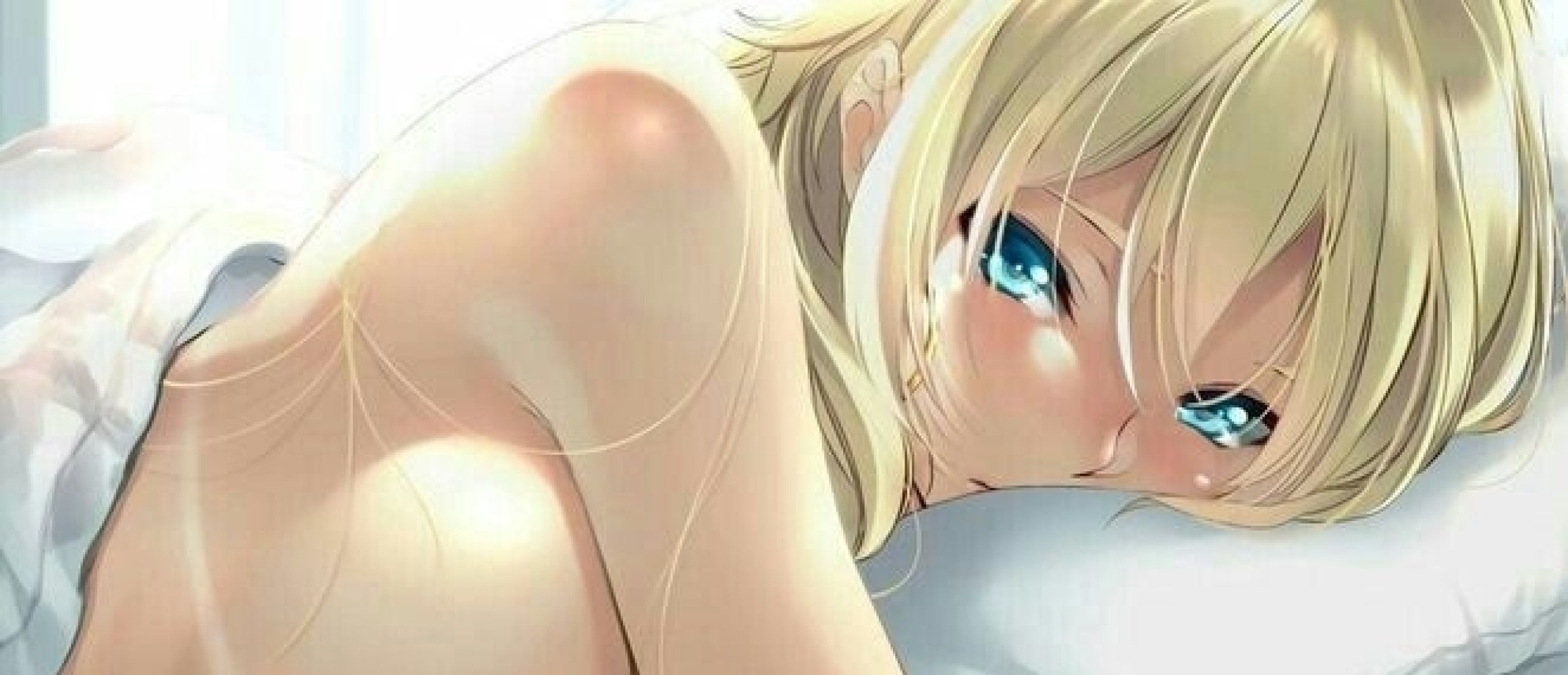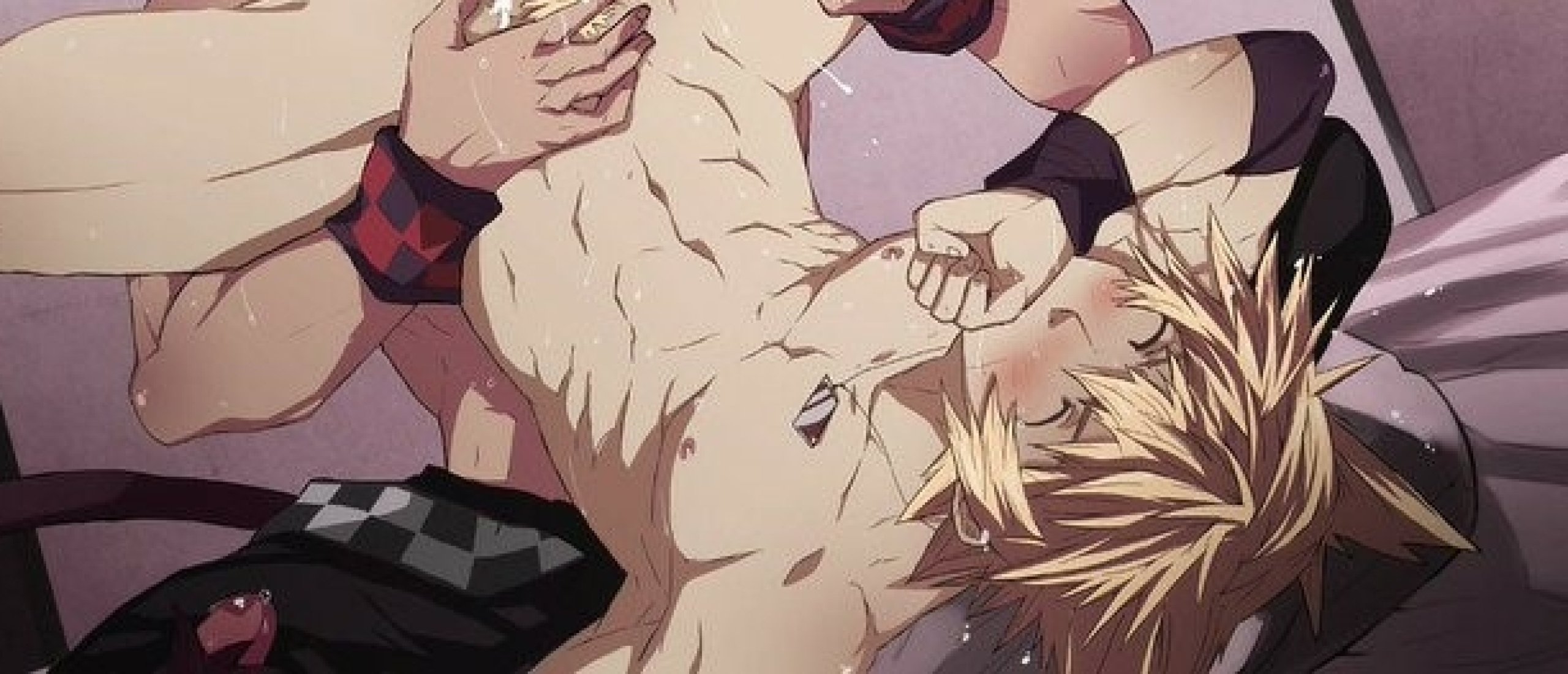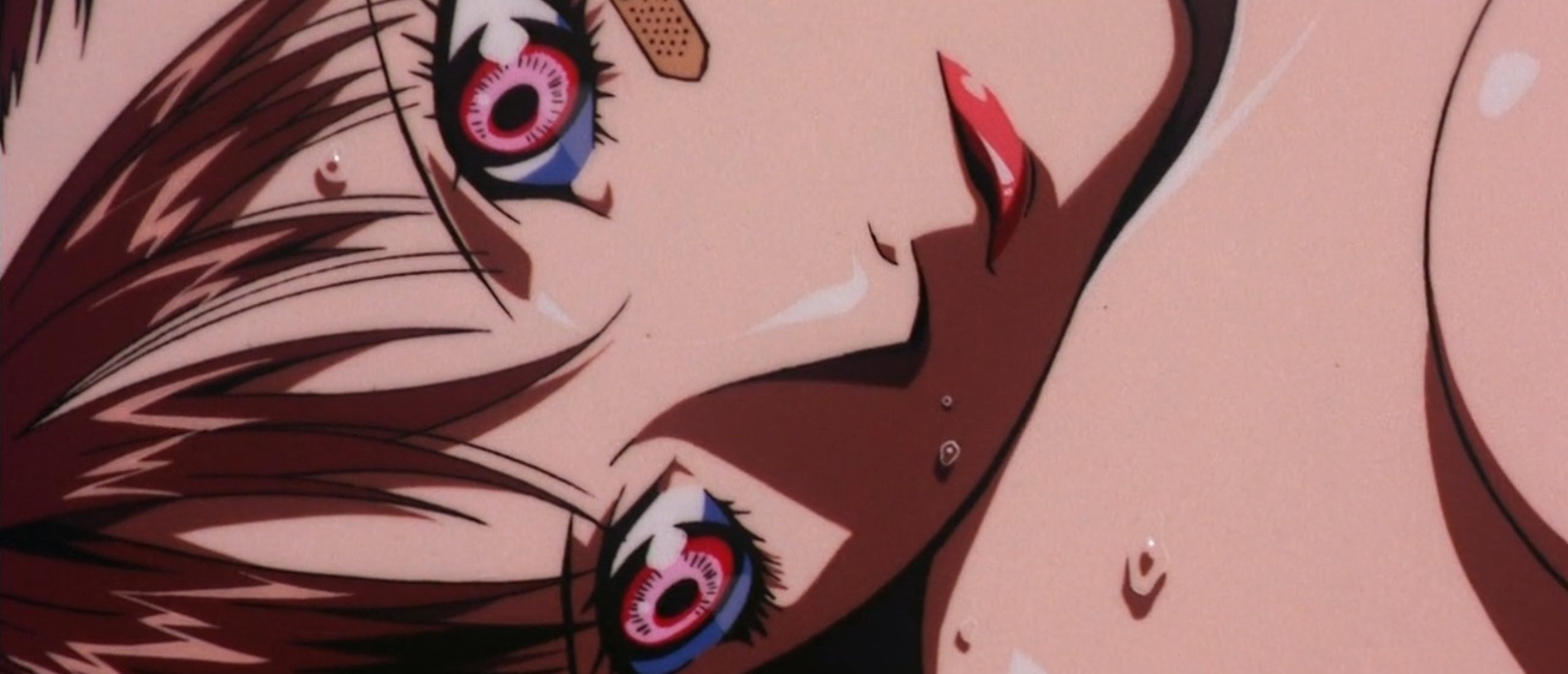
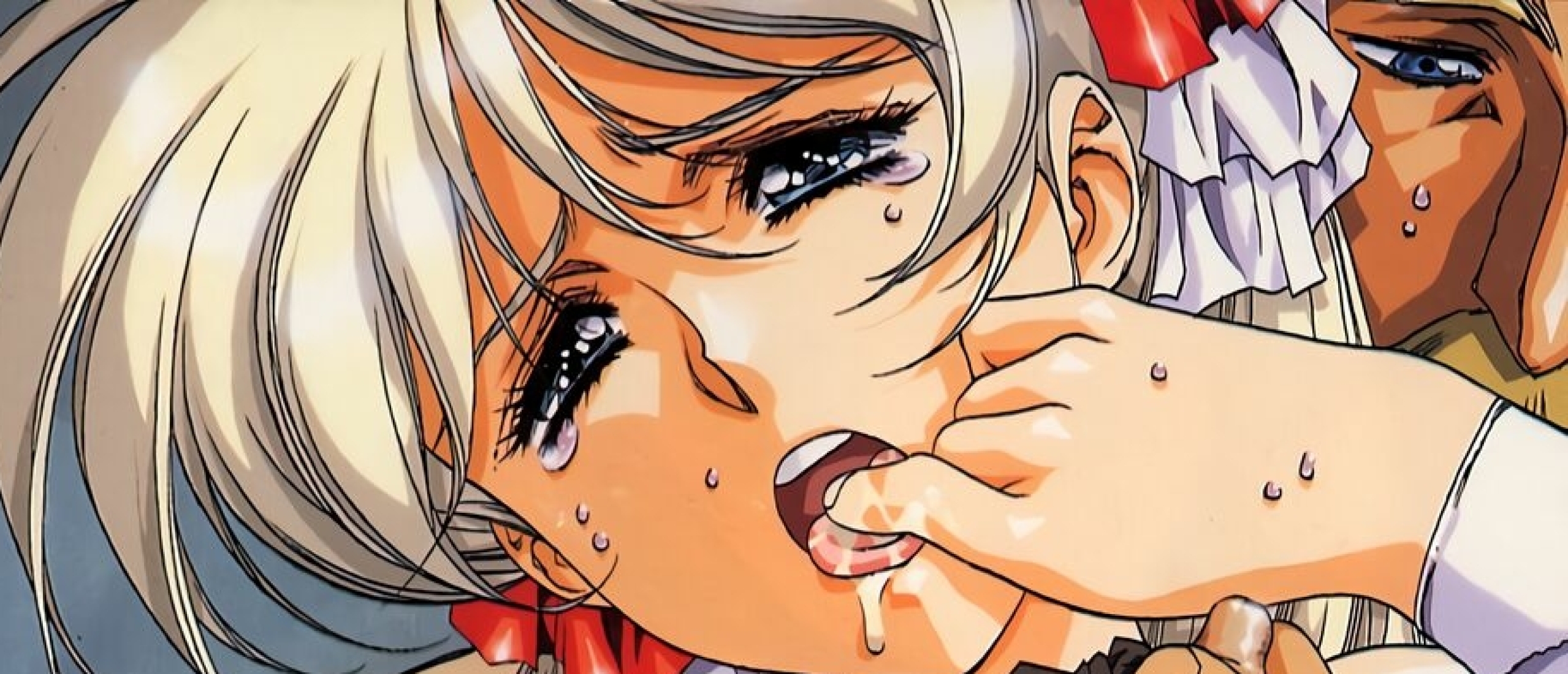

Satoshi Urushihara: The Female Body Between Animation, Bishōjo, And Erotic Visual Culture
Between Animation, Manga, and Erotic Visual Culture
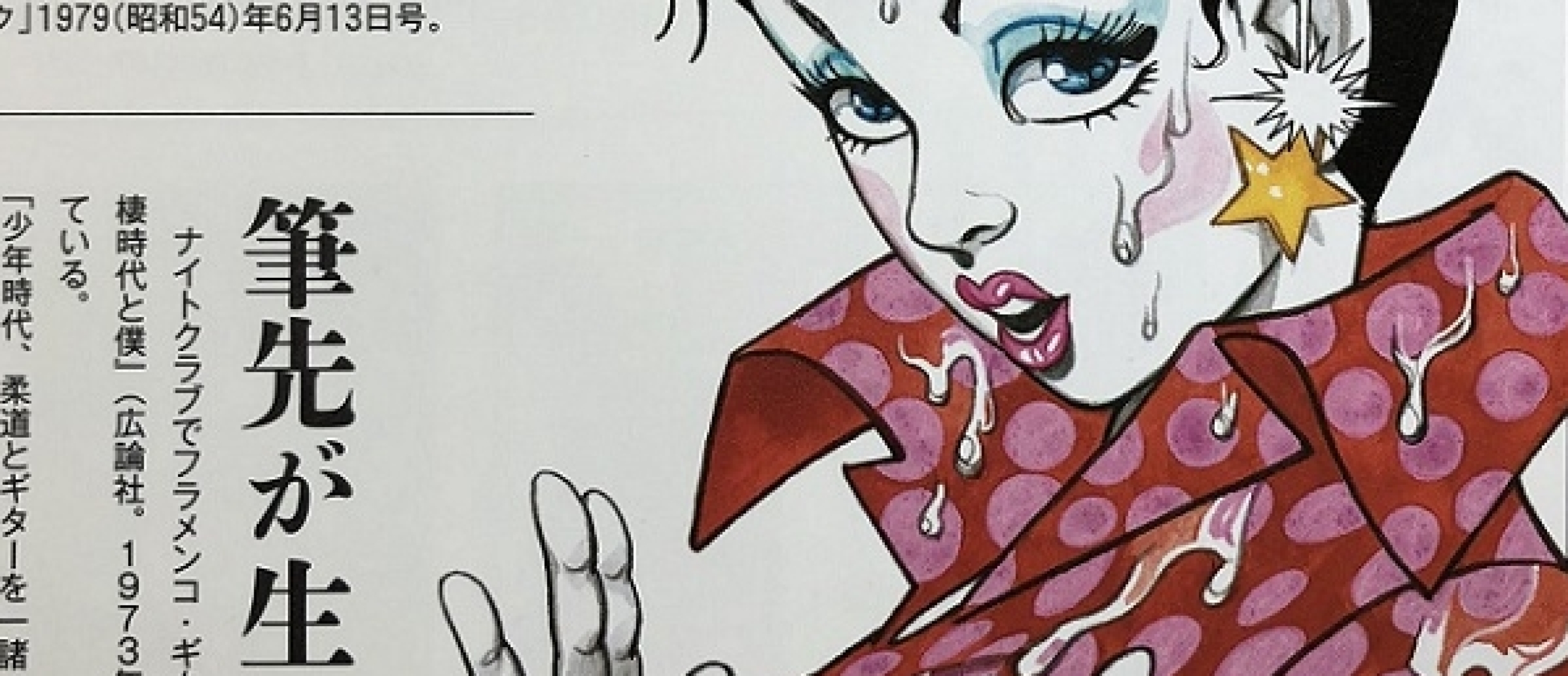
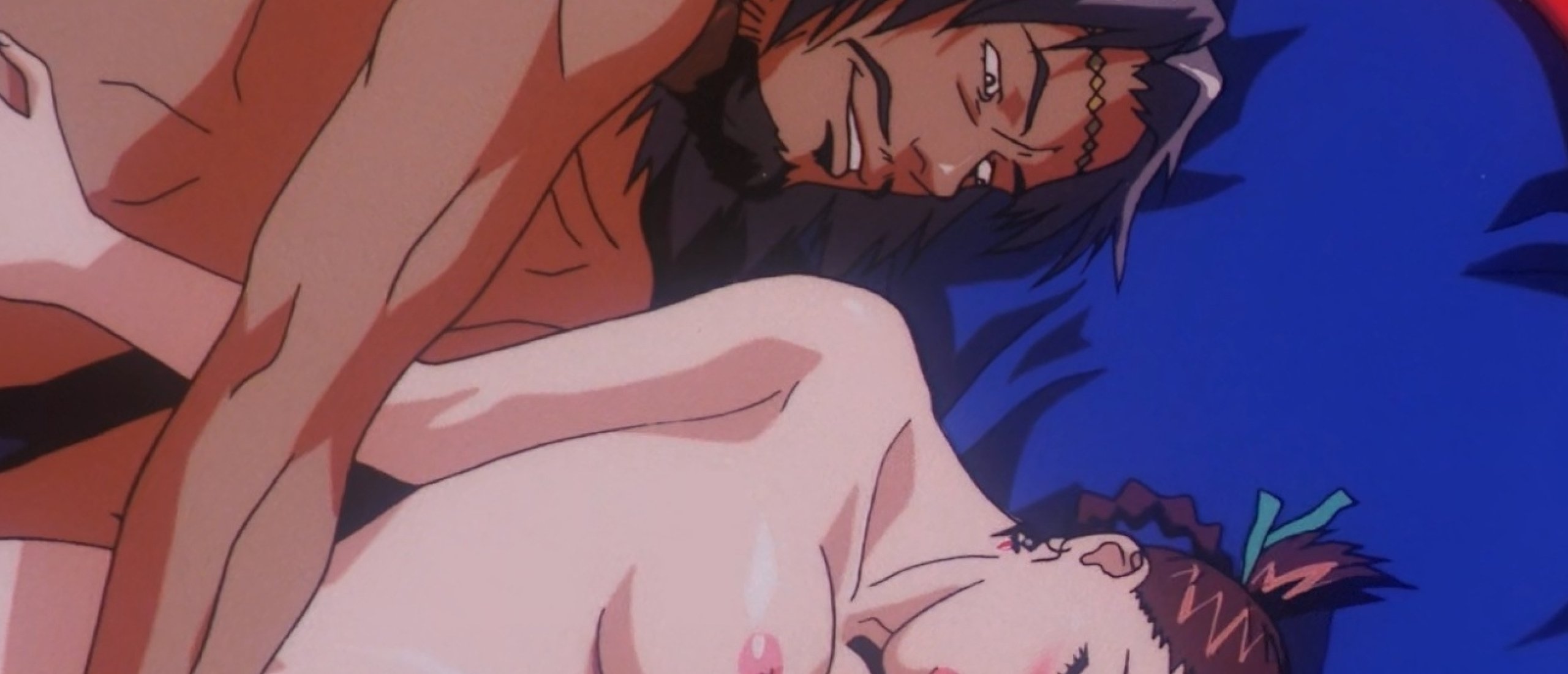
In Japan, the careers of certain artists are characterized by movement across multiple media, without their production being confined to a single form of expression. This is the case with Satoshi Urushihara (漆原智志), whose career spans animation, manga, illustration, video games, and erotic production, and who has worked in various capacities as an animator, illustrator, and character designer. Although his name is often associated with bishōjo and sexualized representations of the female body, reducing his work to this aspect means overlooking both his training as an animator and his participation in the transformations that took place within the Japanese industry during the 1980s and 1990s. Urushihara’s drawing emerged from an environment in which the boundaries between anime, manga, OVAs, video games, and publications aimed at adult audiences became increasingly permeable. His work therefore offers a means of understanding how certain models of female representation circulated across different media and contributed to the formation of an iconography that remains recognizable within Japanese visual culture.
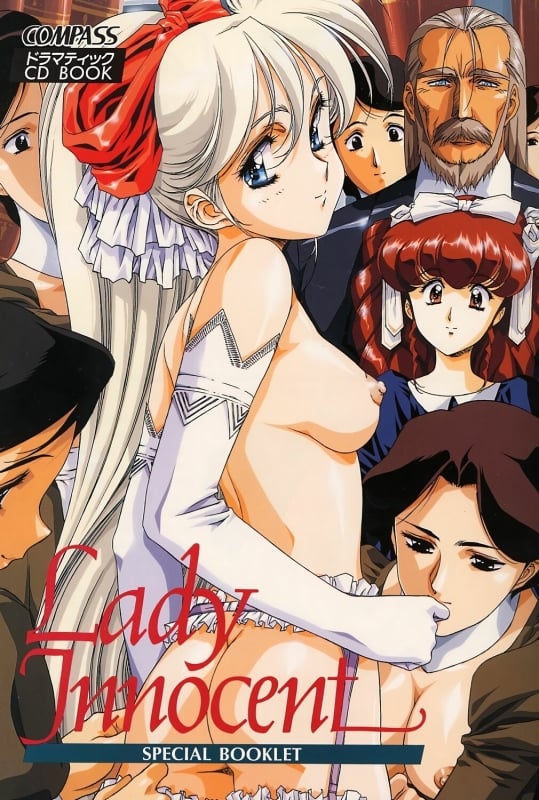
Fig.1 Satoshi Urushihara, Lady Innocent
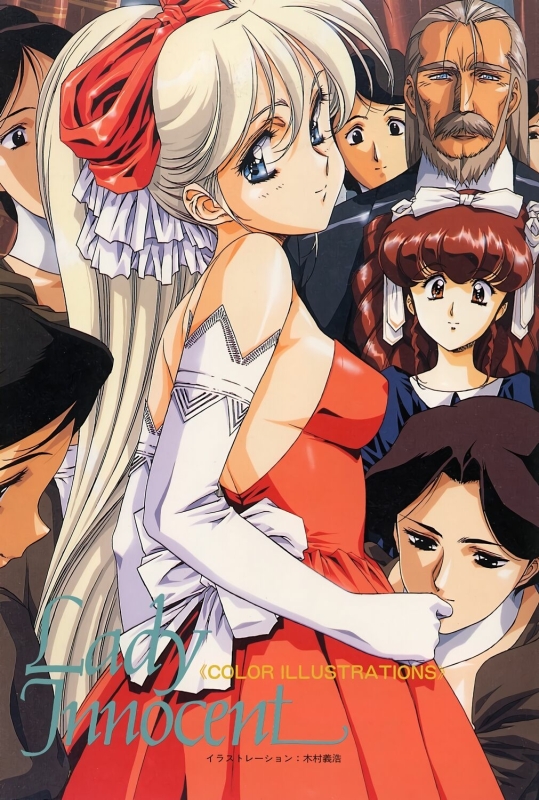
Fig.2 Satoshi Urushihara, Lady Innocent
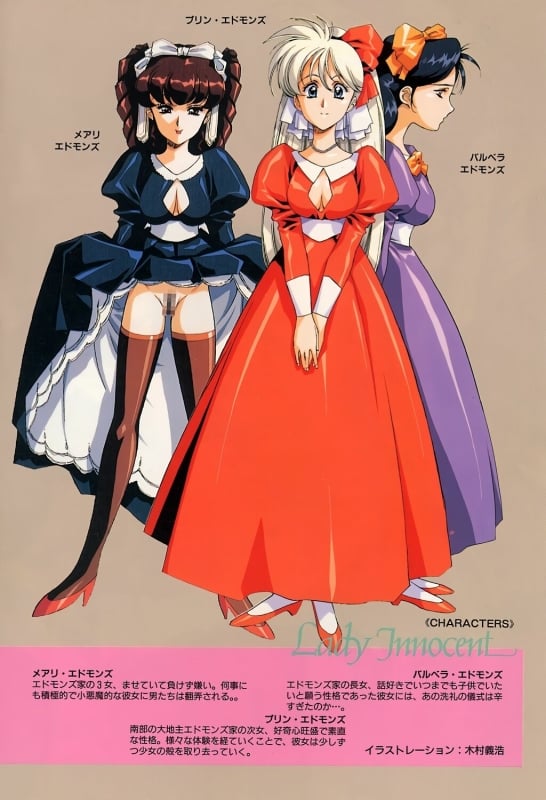
Fig.3 Satoshi Urushihara, Lady Innocent
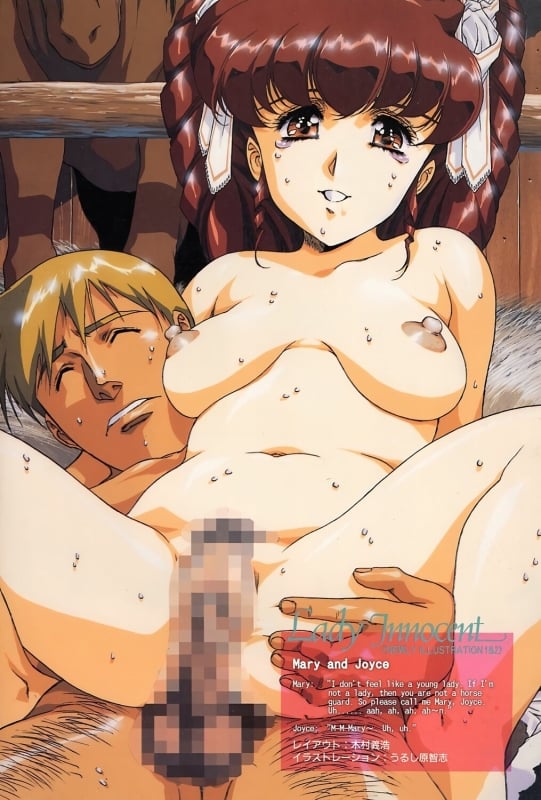
Fig.4 Satoshi Urushihara, Lady Innocent
Early Career and Training in Animation
There is some disagreement among sources regarding the artist’s year of birth. Although 1964 is sometimes given, more widely circulated biographical references state that Satoshi Urushihara was born on February 9, 1966, in Hiroshima Prefecture. While still a student, he met Kinji Yoshimoto, with whom he would establish a partnership that became significant to his career. They met in 1983, while both were attending a technical school in Miyajima. Their relationship continued over the following years and culminated in 1990 with the creation of Earthwork, a production company founded by Urushihara, Yoshimoto, and Yoshihiro Kimura.
Urushihara entered the animation industry through Shōnen Kenya (Jungle Boy Kenya), a production associated with Kadokawa Haruki Jimusho and Toei Animation. After graduating from high school in 1984, he began working at Toei, where he gained direct experience with the industrial processes of animation. Before becoming known for the female figures that would characterize his later work, he participated in projects in which the construction of movement, control of line, and understanding of anatomy were basic requirements of the animation process. He worked as a key animator on the television series The Transformers and contributed to the development of mechanical elements related to The Transformers: The Movie. This early experience helps explain characteristics that would remain present in his later work as an illustrator.
Unlike drawing conceived solely as an isolated image, the animator’s training requires the body to be understood as a structure capable of transformation over time. A figure must maintain anatomical coherence as it changes position, shifts its center of gravity, turns, or interacts with objects. In Urushihara’s work, this experience remains perceptible even when actual movement disappears and is instead suggested within a single image. Hair, clothing, and limbs are organized so as to establish directions across the composition. His characters often seem to belong to a sequence interrupted at a particular instant, allowing the still image to retain something of the visual thinking inherent to animation.
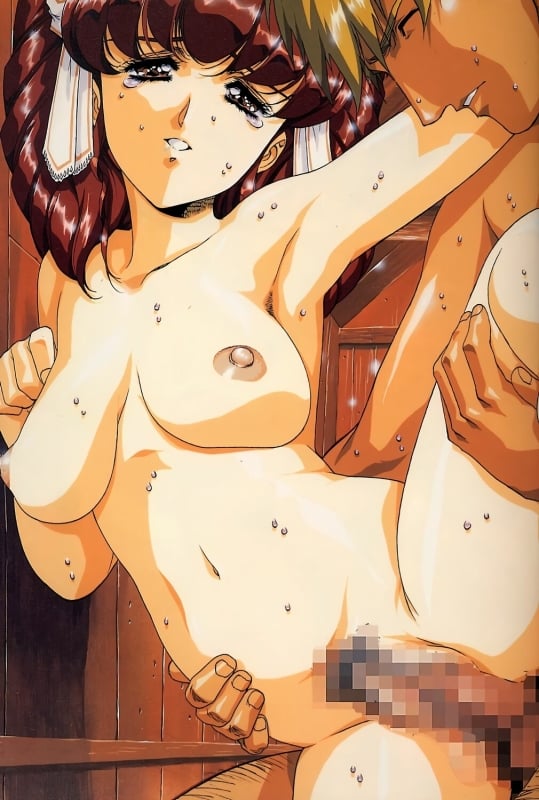
Fig.5 Satoshi Urushihara, Lady Innocent
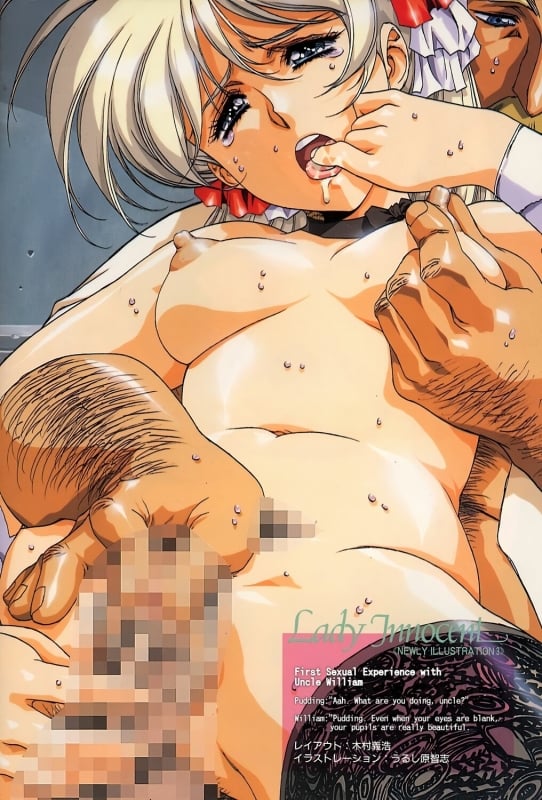
Fig.6 Satoshi Urushihara, Lady Innocent
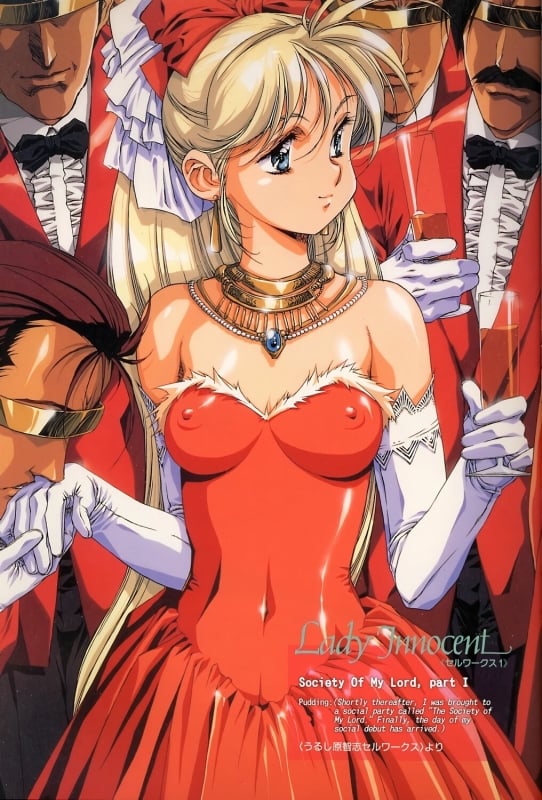
Fig.7 Satoshi Urushihara, Lady Innocent
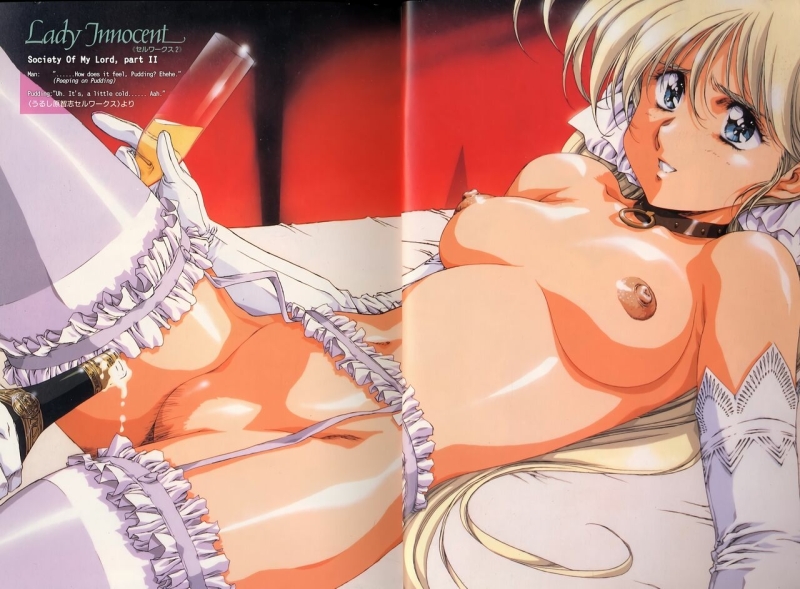
Fig.8 Satoshi Urushihara, Lady Innocent
The OVA Market and Adult Animation
After gaining experience at Toei, Urushihara became a freelancer and began working on OVAs. This format played a central role in the Japanese animation industry during the 1980s. Because OVAs were distributed directly on video, they allowed productions to target specific audiences and address subjects that had less space on television. Science fiction, horror, violence, fantasy, and eroticism found in this system a mode of circulation that contributed to the diversification of anime during the period.
Urushihara’s participation in Megazone 23 Part II in 1986 brought his work to the attention of producers associated with AIC. Soon afterward, he became character designer and animation supervisor for White Shadow, the second episode of the New Cream Lemon series, released in 1987. This project occupies a particular place in his career because it marked his debut as a character designer within a production intended for the adult market. His name, however, was not disclosed upon the OVA’s original release, and his authorship was acknowledged only later.
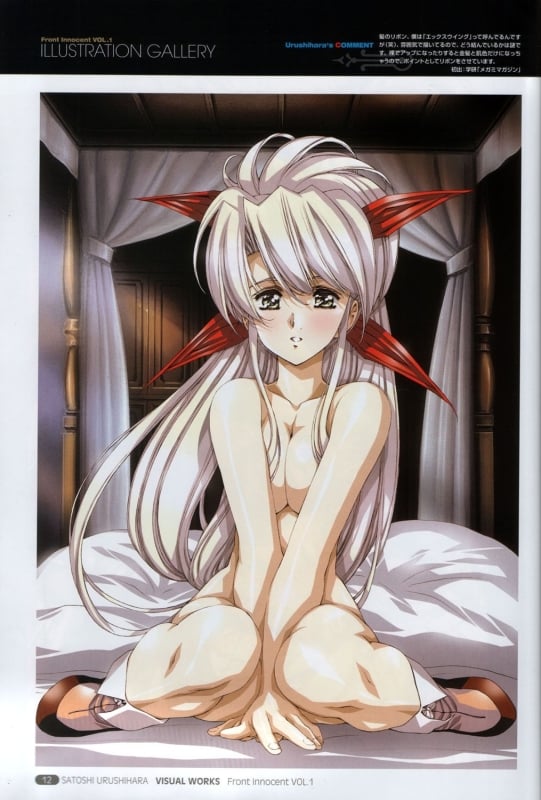
Fig.9 Satoshi Urushihara, Front Innocent
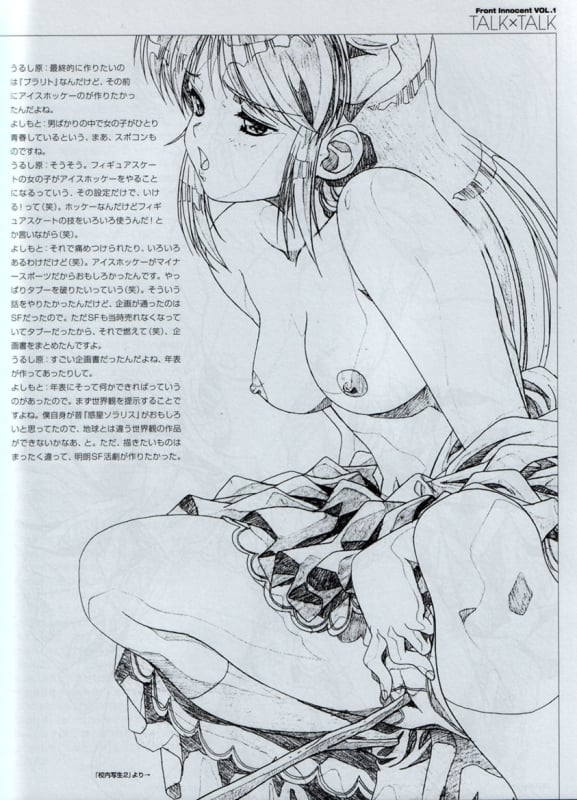
Fig.10 Satoshi Urushihara, Front Innocent
Become a Premium member now and discover more about Urushihara's connection with the OVA Cream Lemon, his importance to the history of bishōjo, a review of Plastic Little, his "Breast" aesthetics, Urushihara and hentai, the evolution from illustration to video games: Langrisser and Growlanser, and MUCH more....!!
Click HERE for the the first volume of our small illustrated guide to the perverse hentai universe (consisting of seven volumes total !)
You can share your thoughts about Satoshi Urushihara's art in the comment box below...!!