
BLURRING BOUNDARIES
In the visual culture associated with otaku, the boundaries between illustration, manga, animation, video games, modeling, and figure production are characterized by a circulation that favors the movement of characters and images from one medium to another. A character conceived through drawing can acquire movement in animation, become part of the narrative of a game, be reproduced in illustration books, and, finally, be transformed into a three-dimensional object intended for collecting. This circulation should not be understood solely as a strategy for the commercial exploitation of intellectual property, since it involves transformations resulting from the characteristics of each medium. The passage from drawing to figure, for example, requires the modeler to solve problems that the two-dimensional image may leave unresolved: the thickness of the limbs, the volume of the hair, the relationship between clothing and body, the appearance of the skin, the support of the pose, and the configuration of parts that are not visible in the image used as reference. In this process, modeling can function as an interpretation of the image, since it transfers to a body endowed with volume what had previously been organized on a surface. Within the otaku universe, where the attention devoted to characters can extend to the acquisition, assembly, painting, and display of objects, the figure also makes it possible to establish another relationship with the image: it can be observed from different angles, handled, photographed, and incorporated into collections. The image is no longer restricted to the page or screen and begins to occupy the collector’s space.
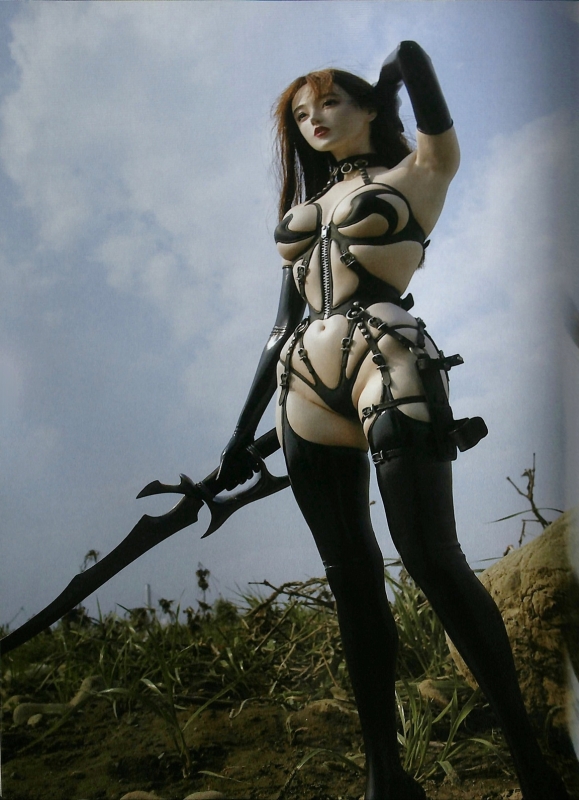
Fig.1
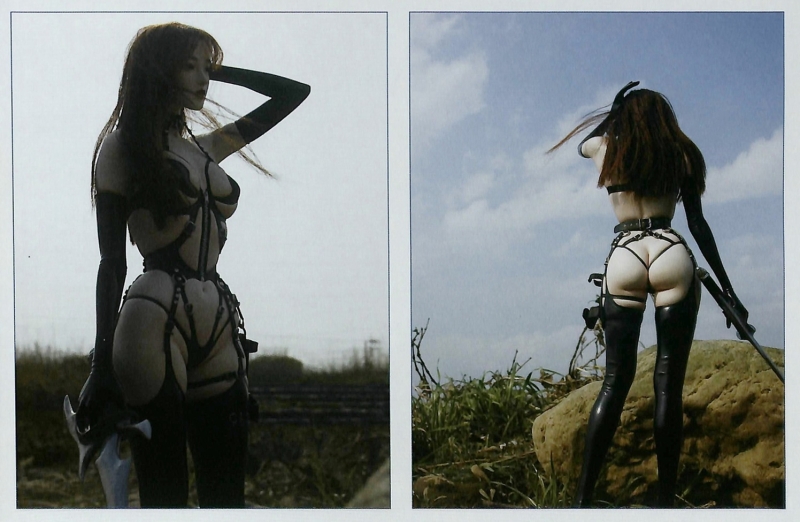
Fig.2
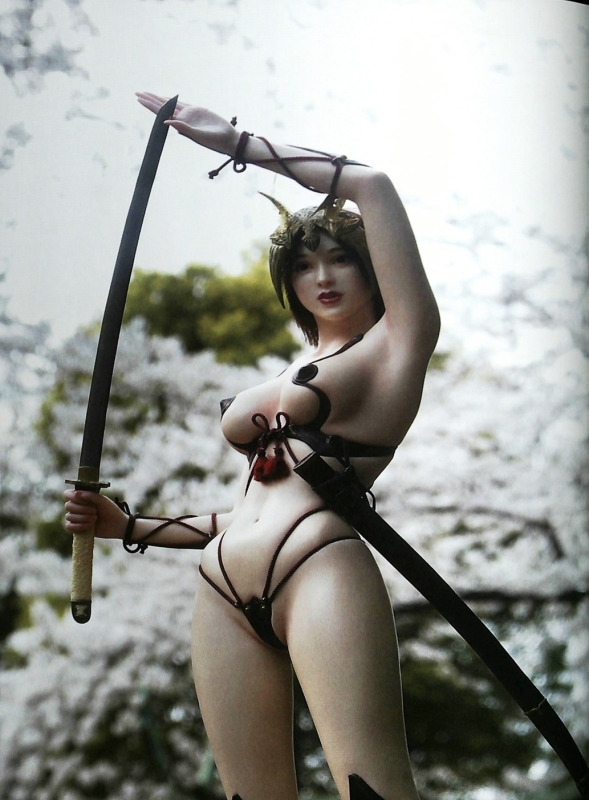
Fig.3
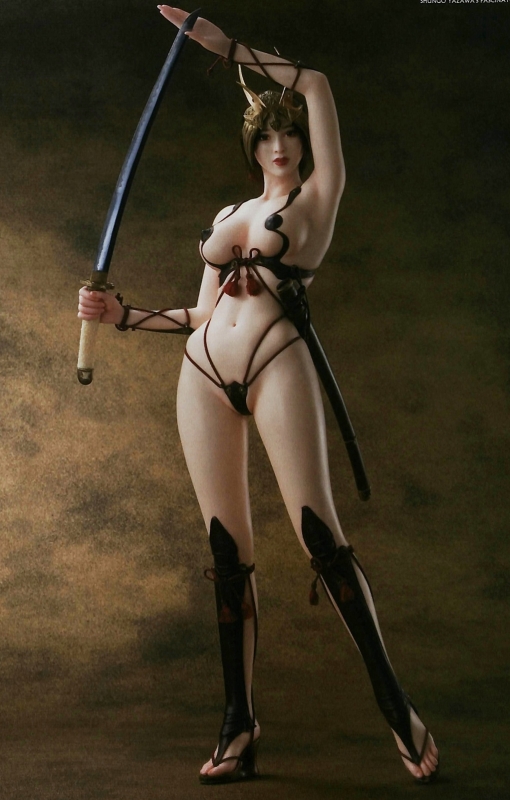
Fig.4
This relationship gained importance with the development of garage kit and figure culture in Japan. Produced in resin and sold in small runs or as kits requiring assembly and painting, these objects fostered the work of sculptors and modelers who did not limit themselves to reproducing existing characters. Modeling also became a space for individual creation, in which artists could conceive characters, modify models derived from animation, manga, or video games, and develop solutions to problems involving anatomy, surface, and material. The modeler thus occupies a position between different practices: interpreting drawings, producing volumes, working with pigments and materials, creating prototypes, and, in some cases, participating in the manufacture and commercialization of their own figures. The relationship between creation and consumption becomes even closer at events and within circuits where producers themselves display and sell their pieces. In this context, the figure is not merely a three-dimensional reproduction of a preexisting image; it can become the starting point for new images through photography, advertising, books, and specialized magazines.
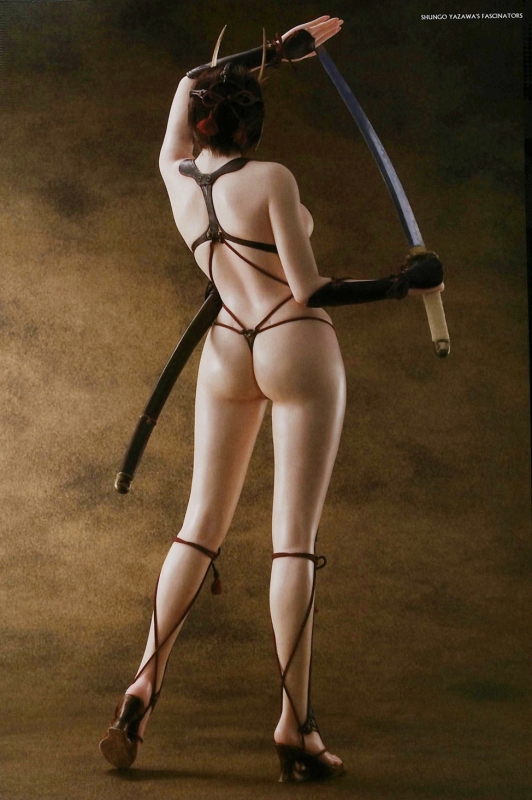
Fig.5
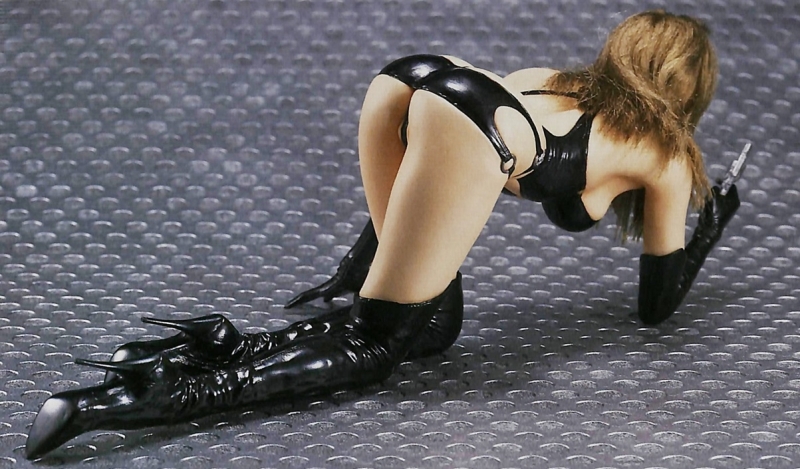
Fig.6
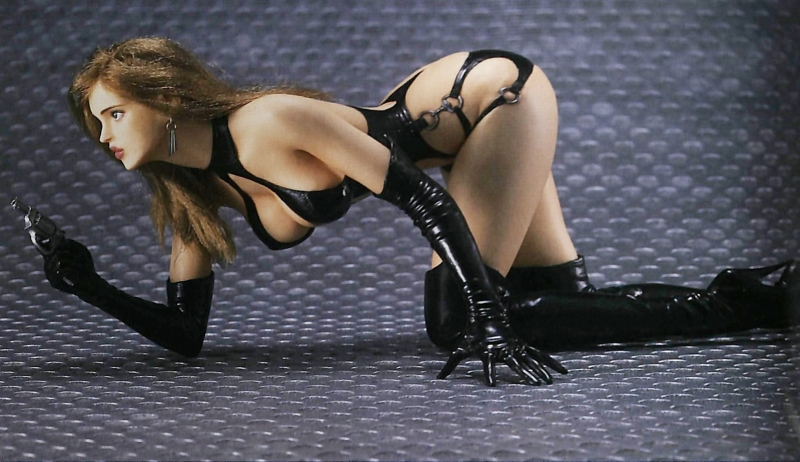
Fig.7
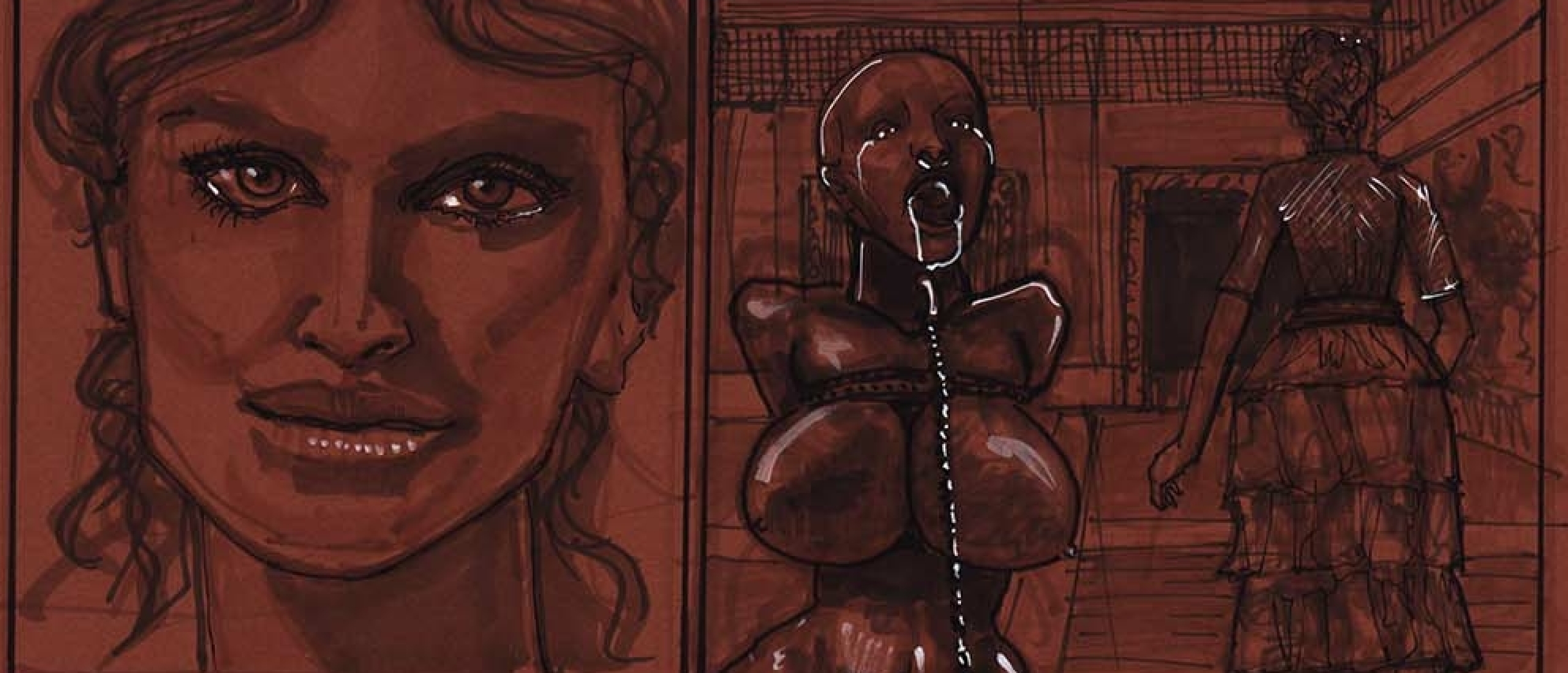
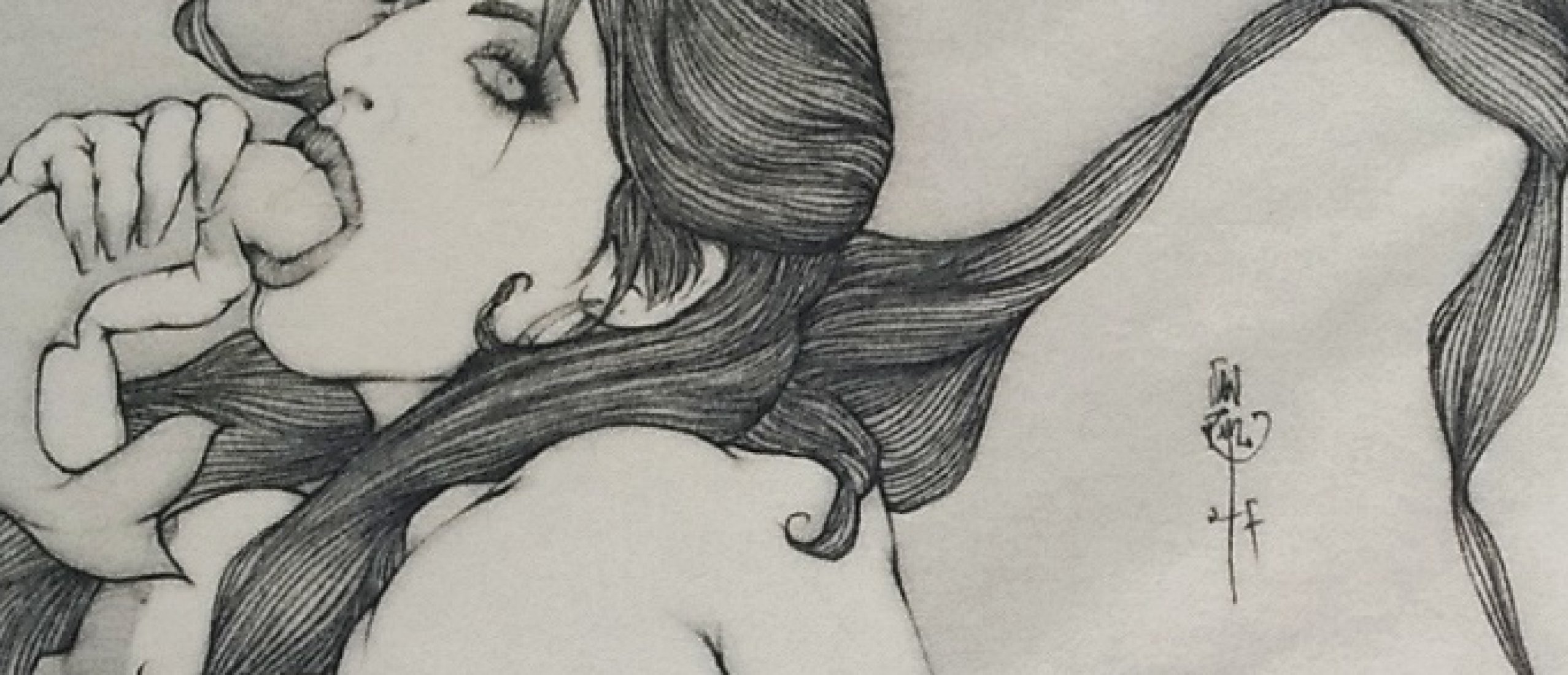
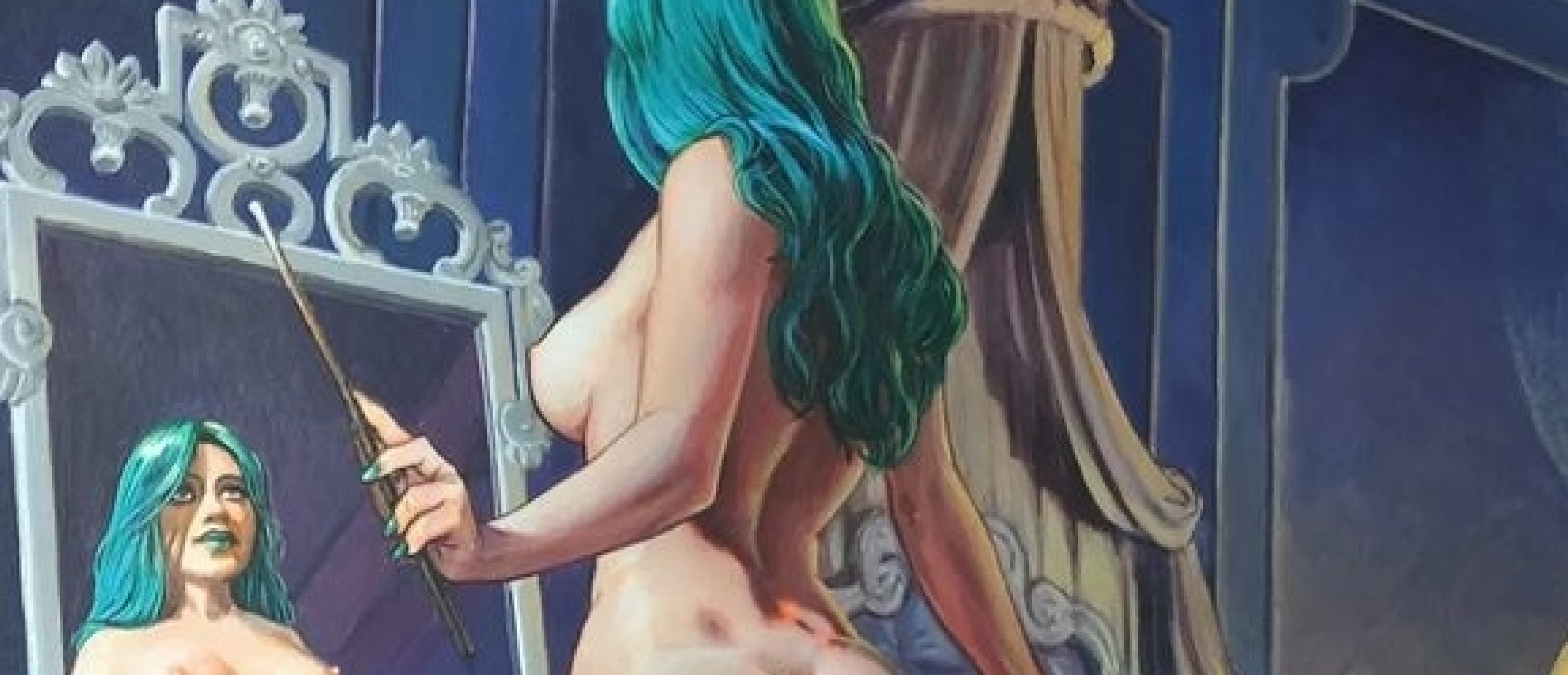
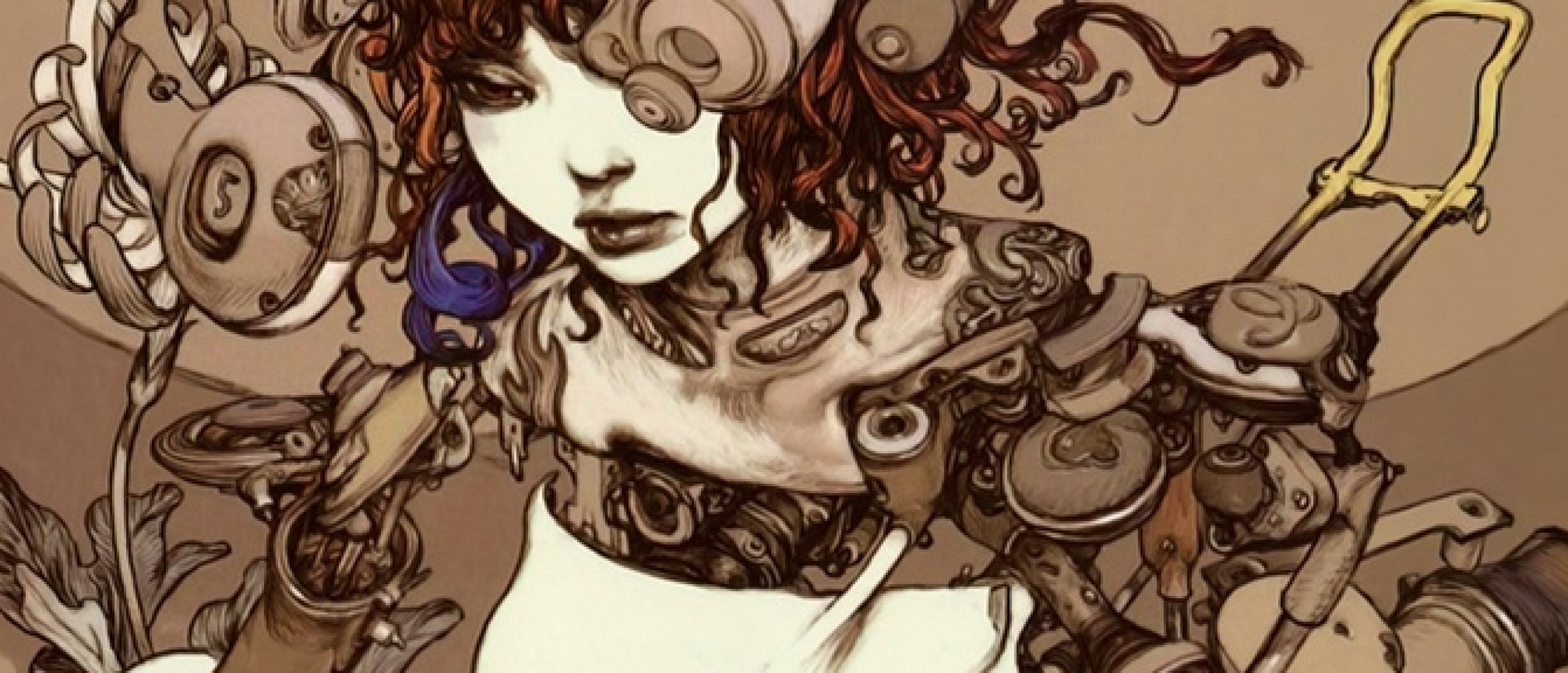
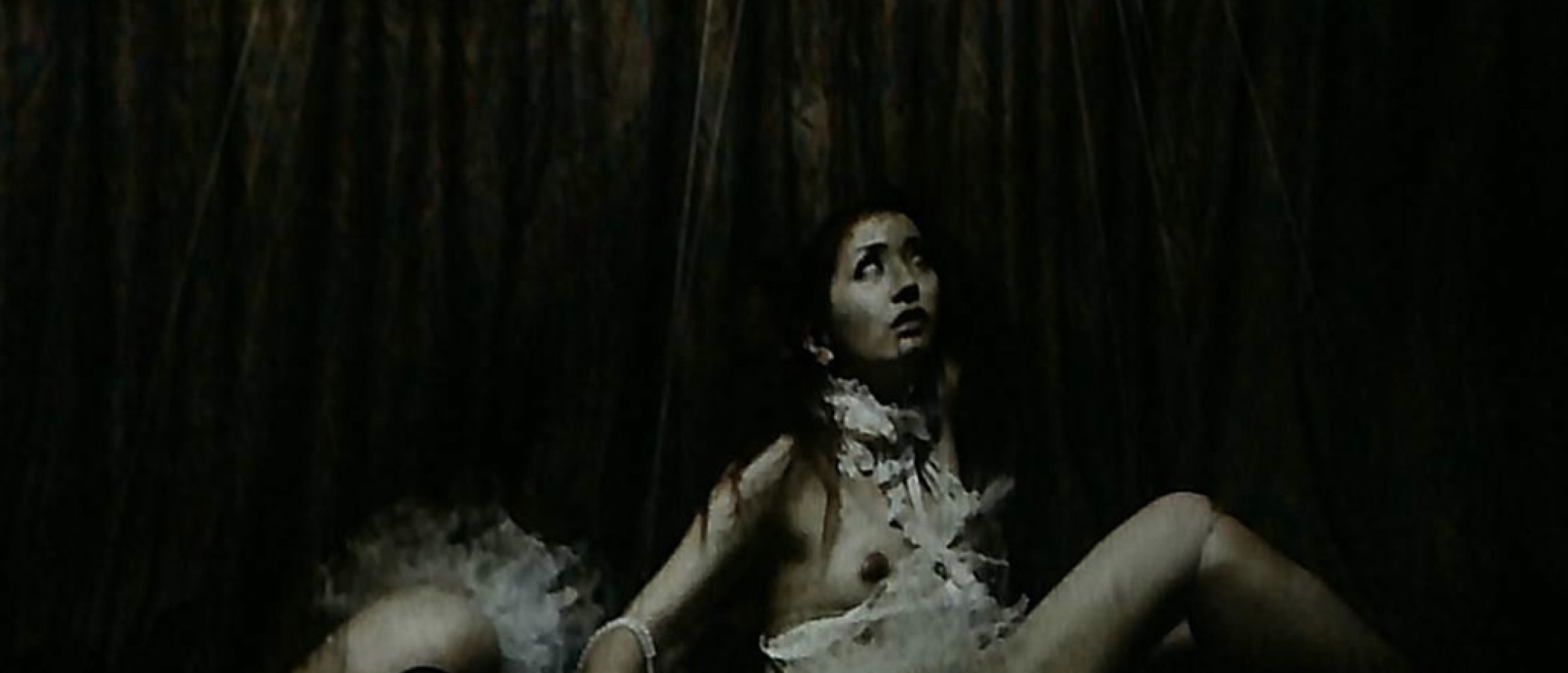
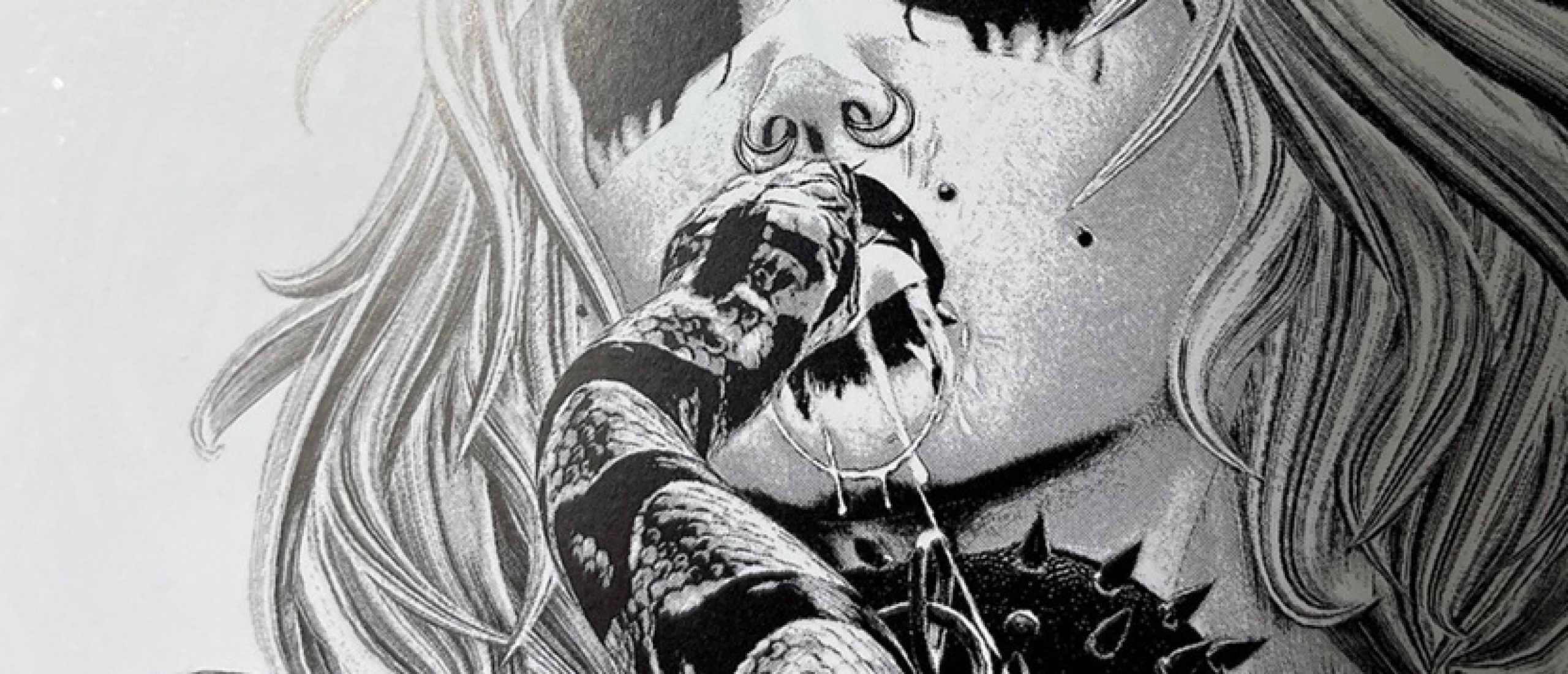
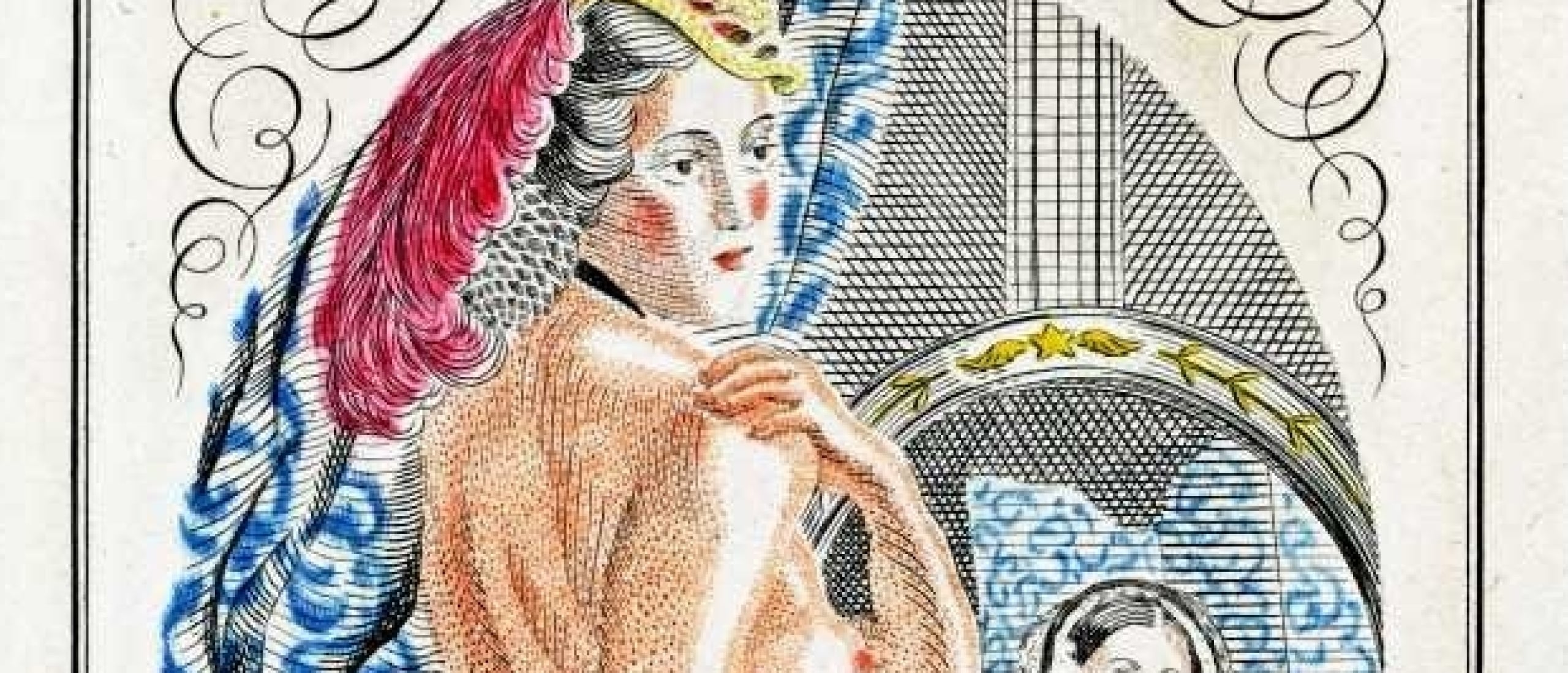
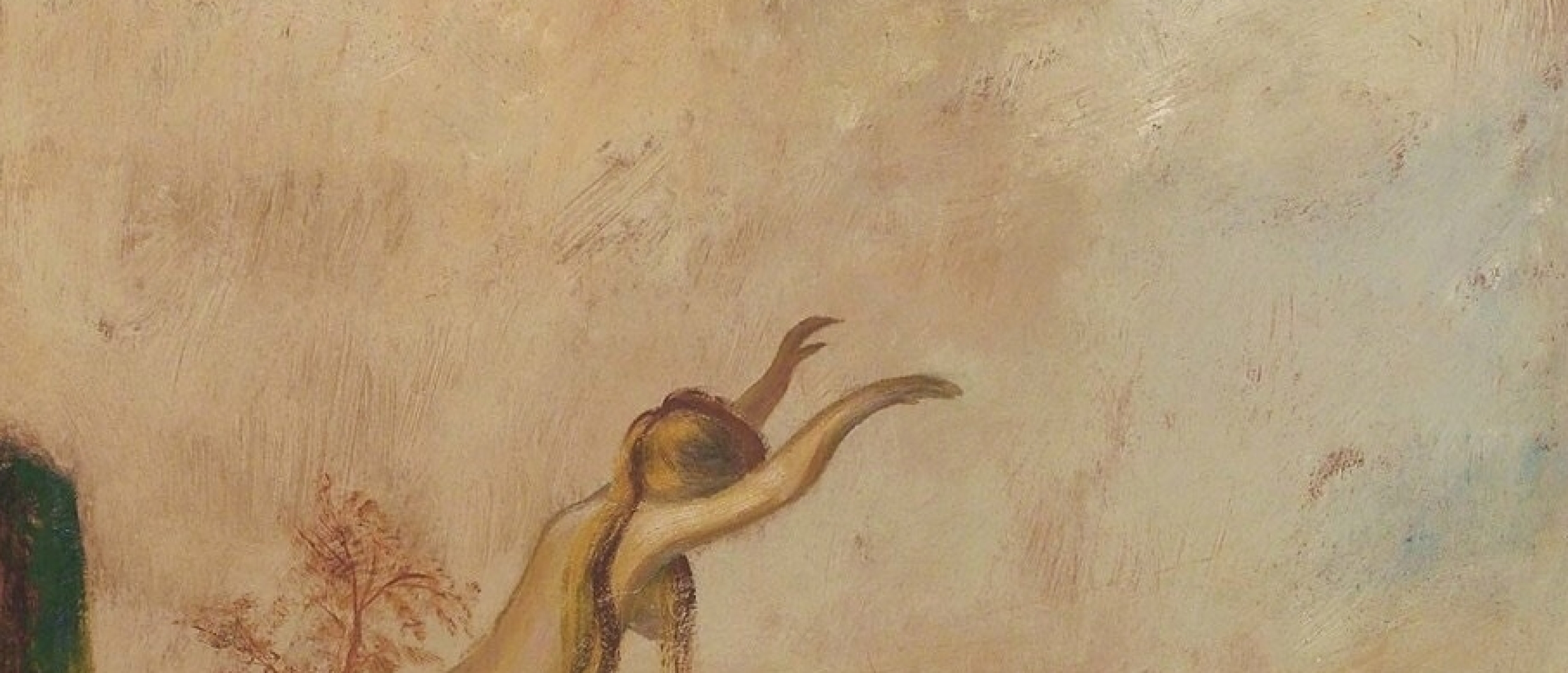
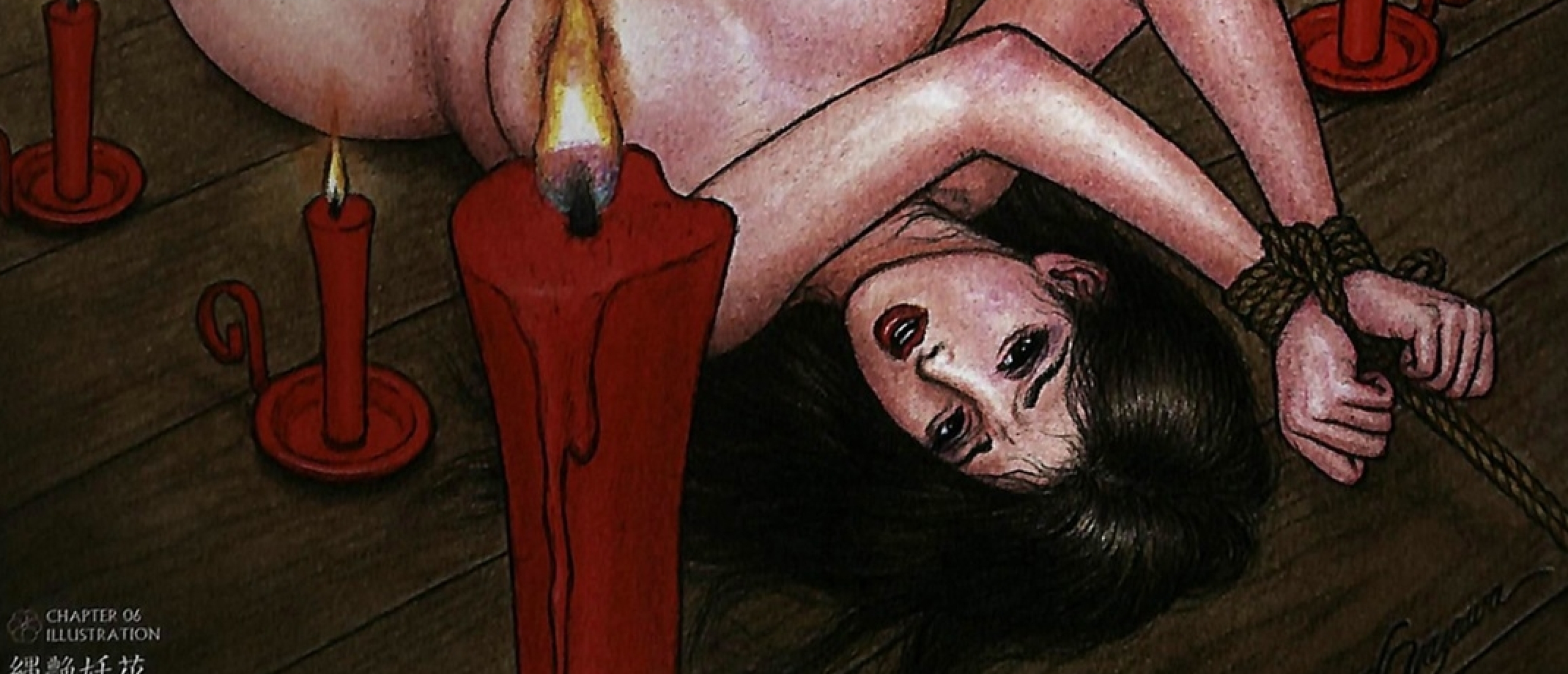
It is at this intersection of illustration, comics, modeling, and figure production that the work of Shungo Yazawa (矢沢俊吾) is situated. His production is not organized around a single activity. Drawing and the three-dimensional object participate in a process in which the female body occupies a recurring position, associated with machines, mythological creatures, animals, flowers, weapons, and situations related to fetishism and sadomasochism. The artist himself acknowledges the persistence of this repertoire when discussing The Cinderella of a Strange World, a work produced while he was still a university student and for which he received the Gold Prize at the “1st International Science Fiction Art Grand Prix,” organized by the former magazine Starlog, whose international jury included figures such as Frazetta and Moebius. According to Yazawa, “naked women, skeletons, machines, outer space” were already present in that image, elements that he would continue to represent throughout his production. This observation allows his trajectory to be understood less as a succession of distinct activities than as the transfer of a repertoire between media and materials.
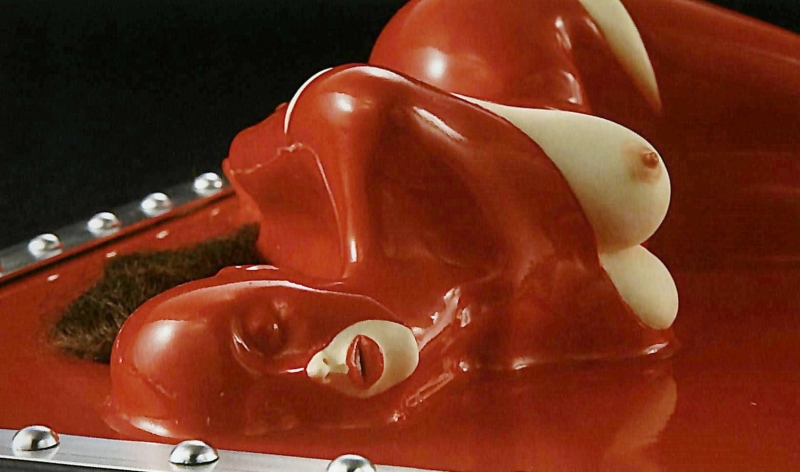
Fig.8
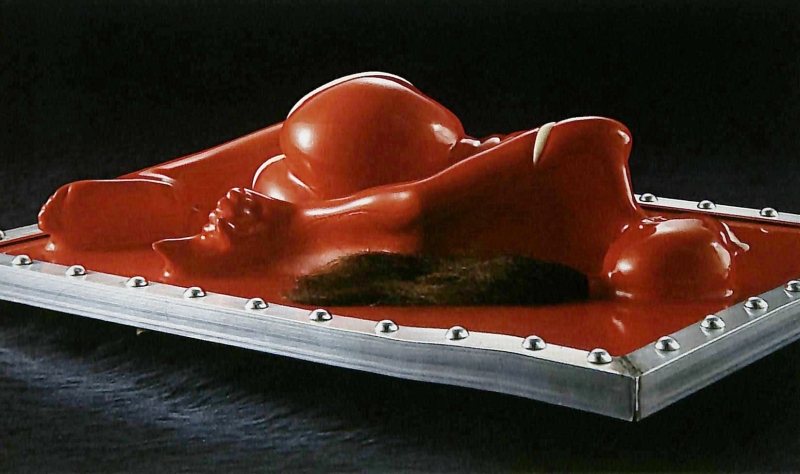
Fig.9
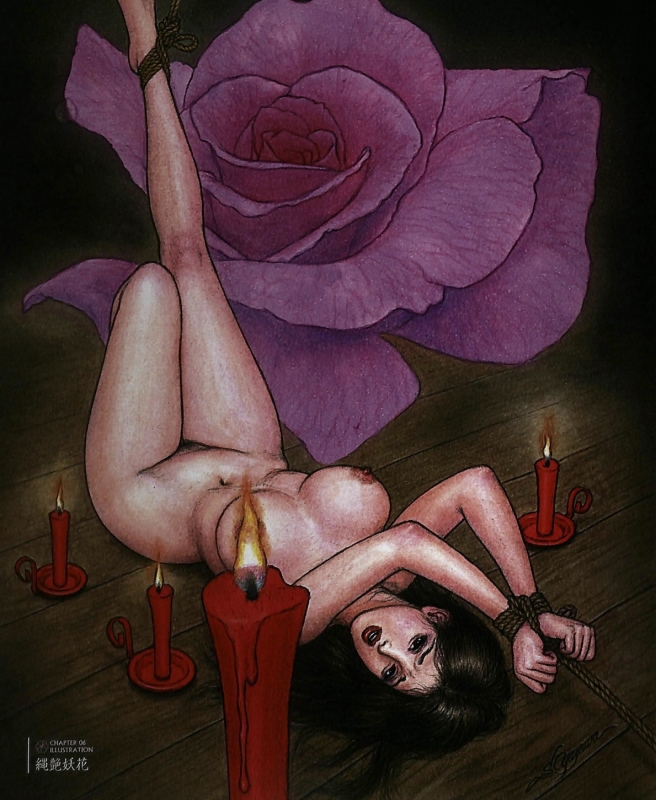
Fig.10
Become a Premium member now and discover, among other things, how Yazawa's transitioned from illustration to sculpture, a study about his representation of the female body and the construction of eroticism, his conversation with Hajime Sorayama, and many additional pics!
Click HERE for an article about the erotic shunga dolls of Kazuyan
Share your thoughts about Yazawa's art in the comment box below...!!