
EDITOR’S NOTE:
Night does not simply fall. Night reveals. It lifts the thin veil between what we perform and what we want.
Night has its own anatomy.
Between the face we wear in daylight and the creature we become when the lights dim, the doors lock, and nobody is taking attendance anymore.
This is the archive of that creature. This is the erotic language of after hours...
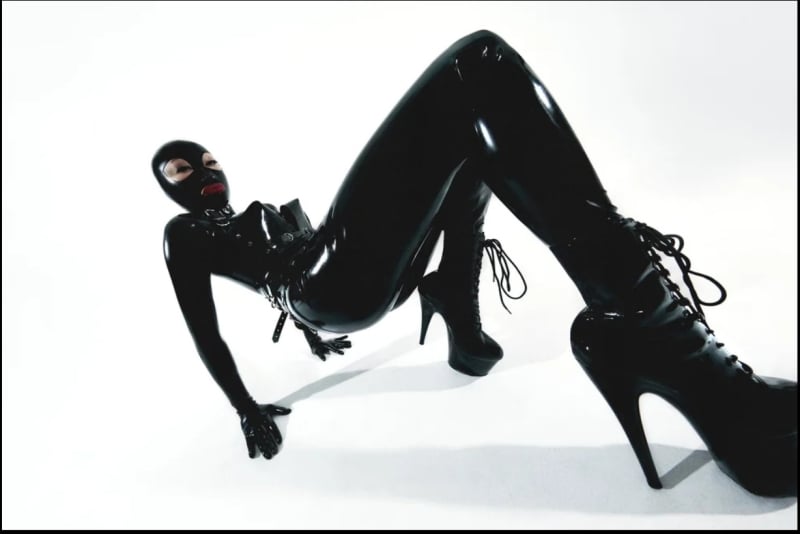
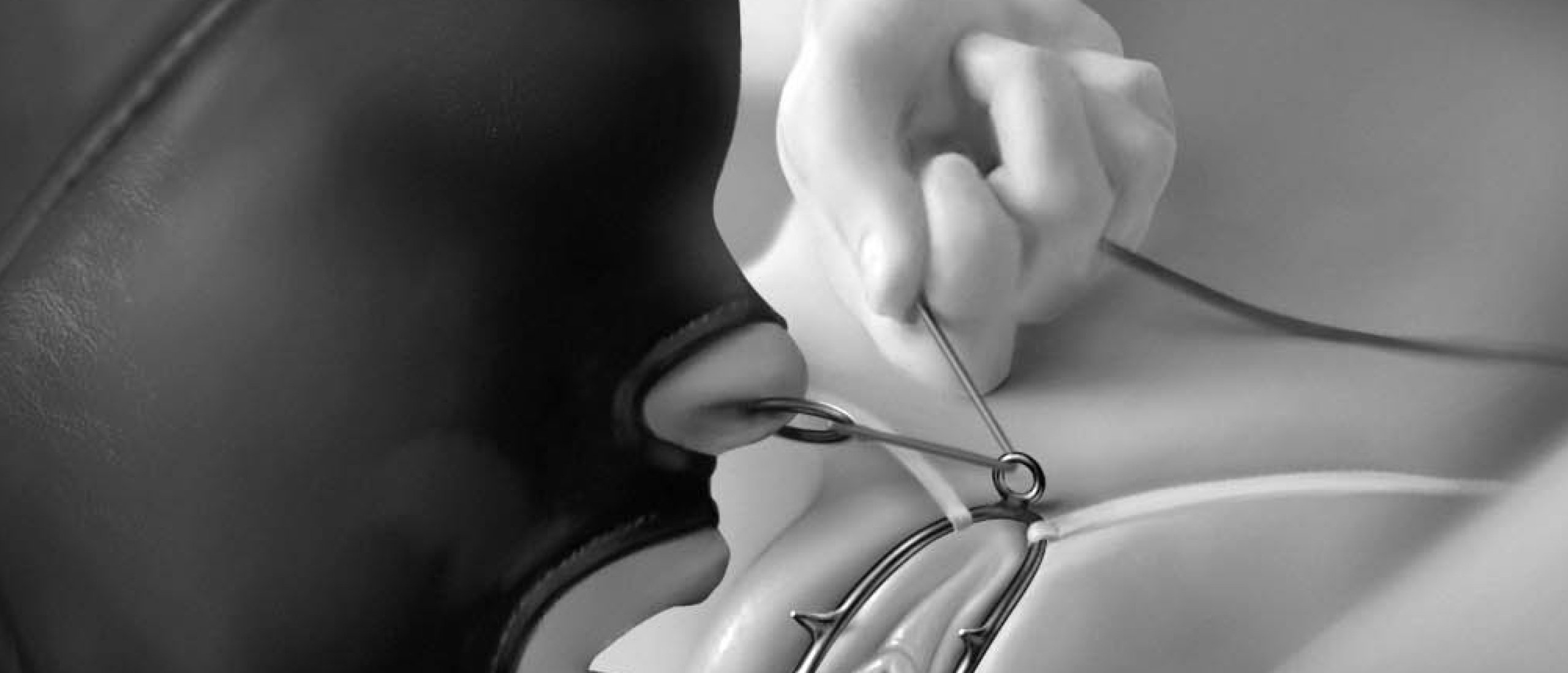
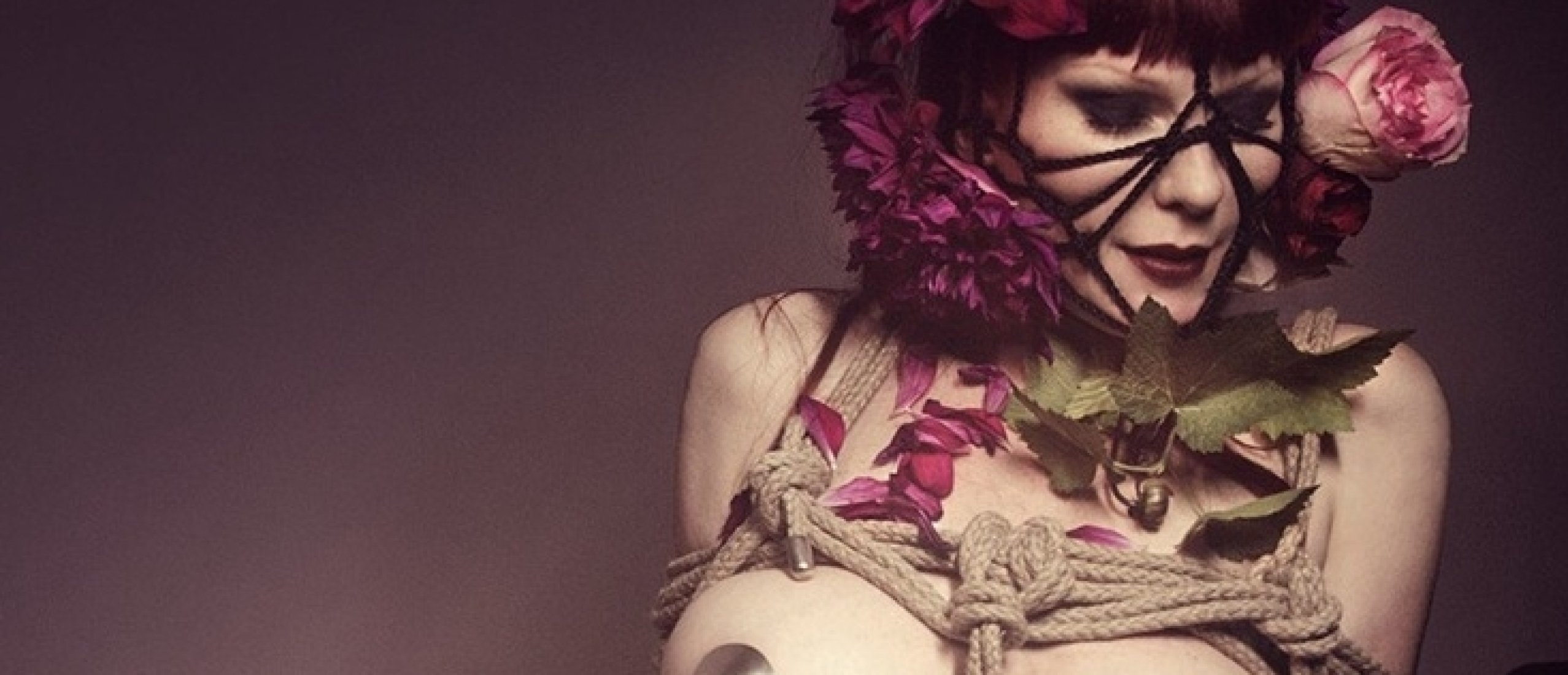
Fig 1 Mistress Eva, dominatrix and cultural commentator Eva Oh redefines what power really means, for GATA Magazine Nov. 2025
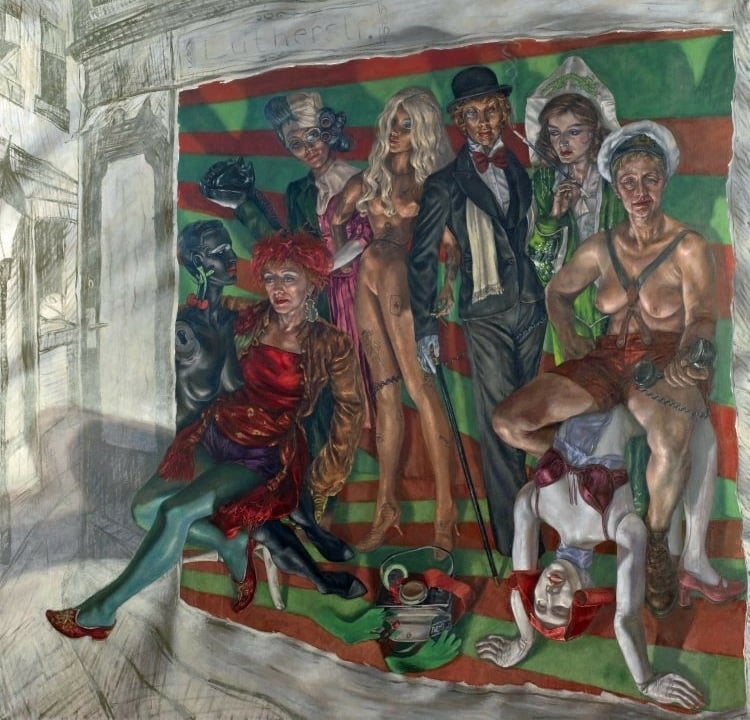
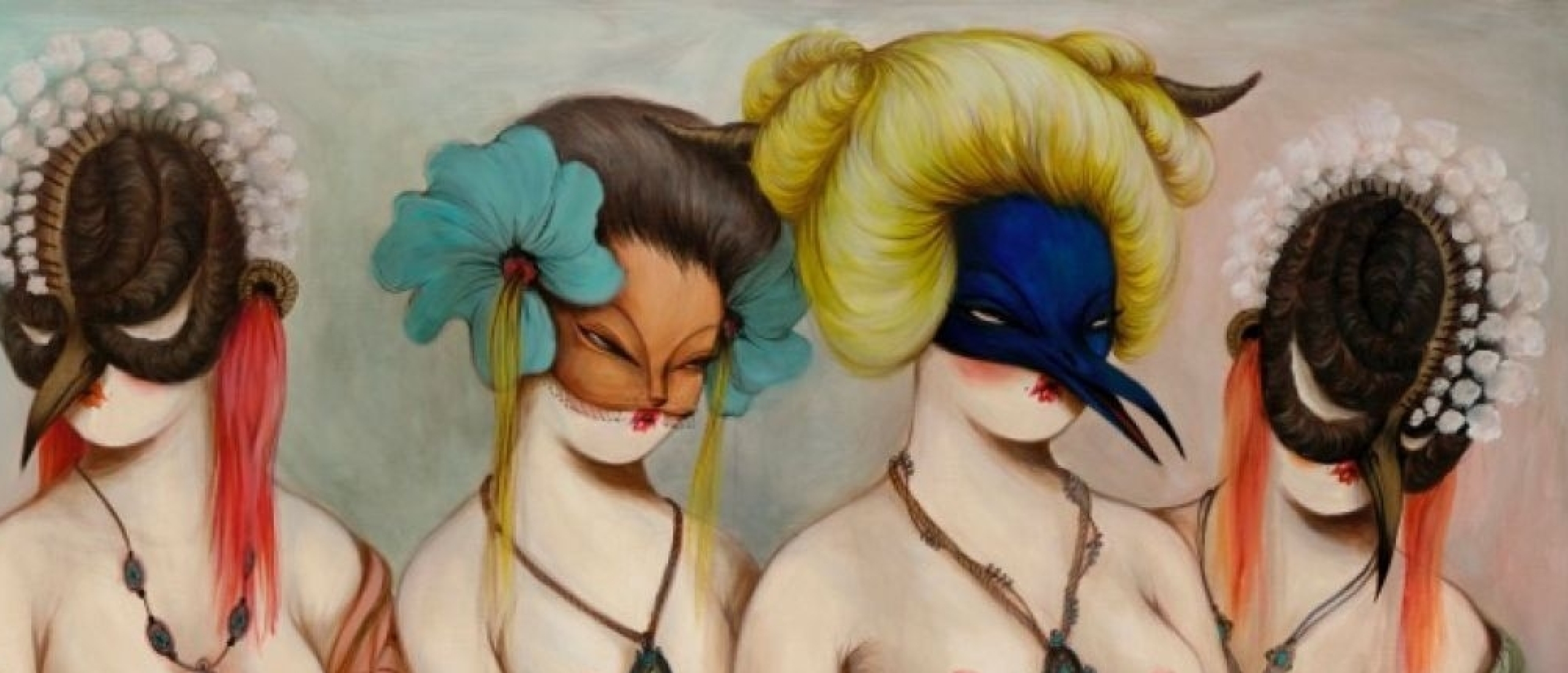
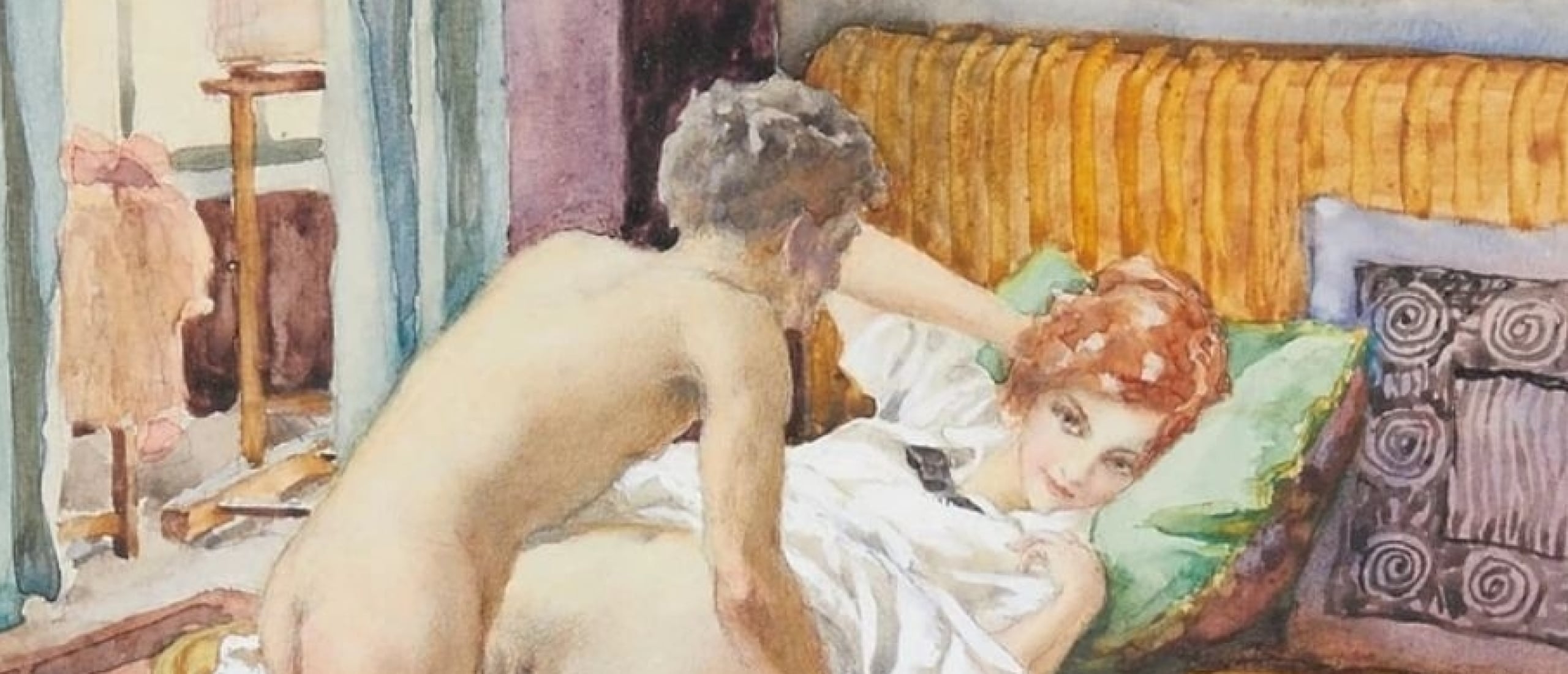
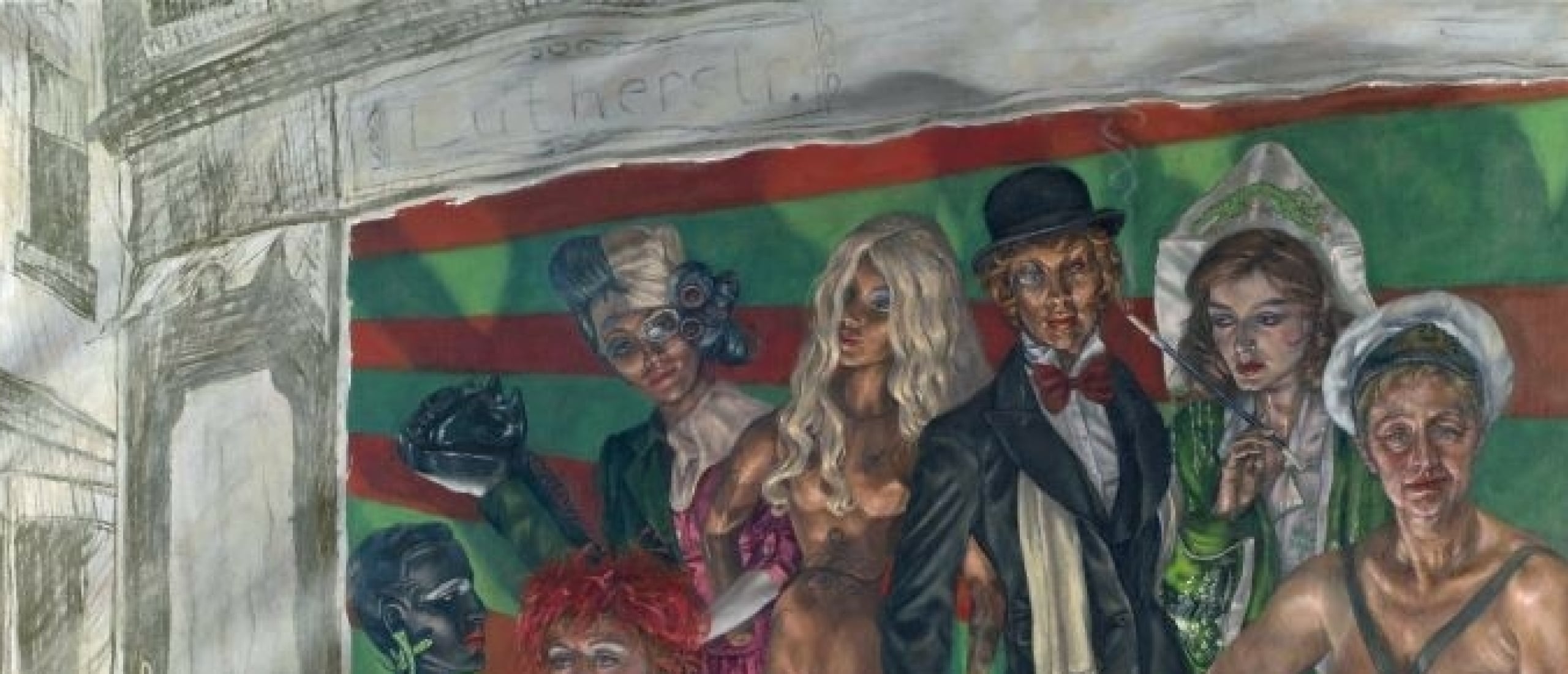
Fig 2 ‘Mali und Ingels’ (2008) by Roxana Halls
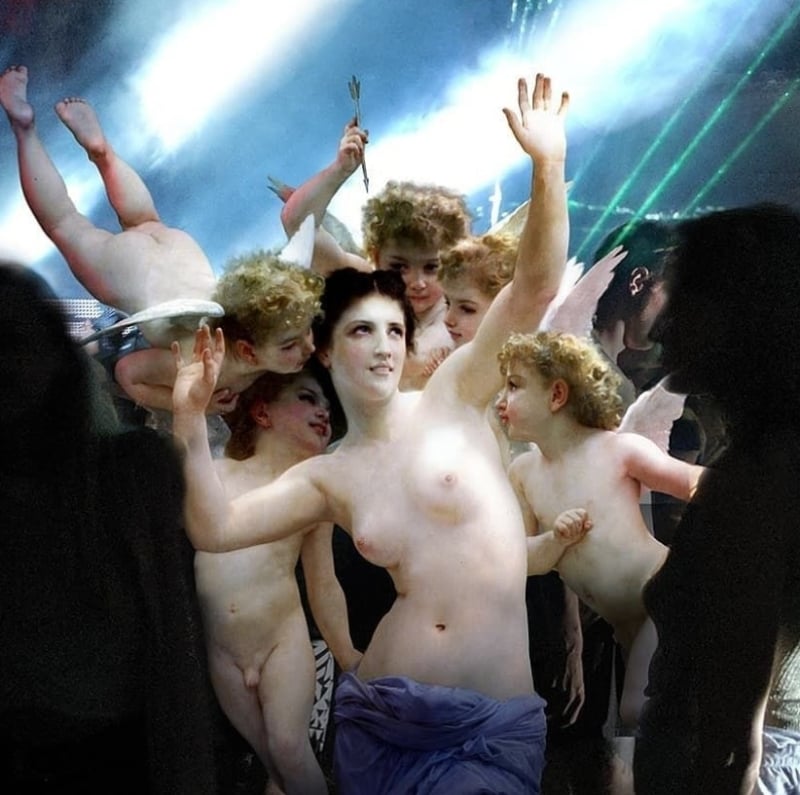

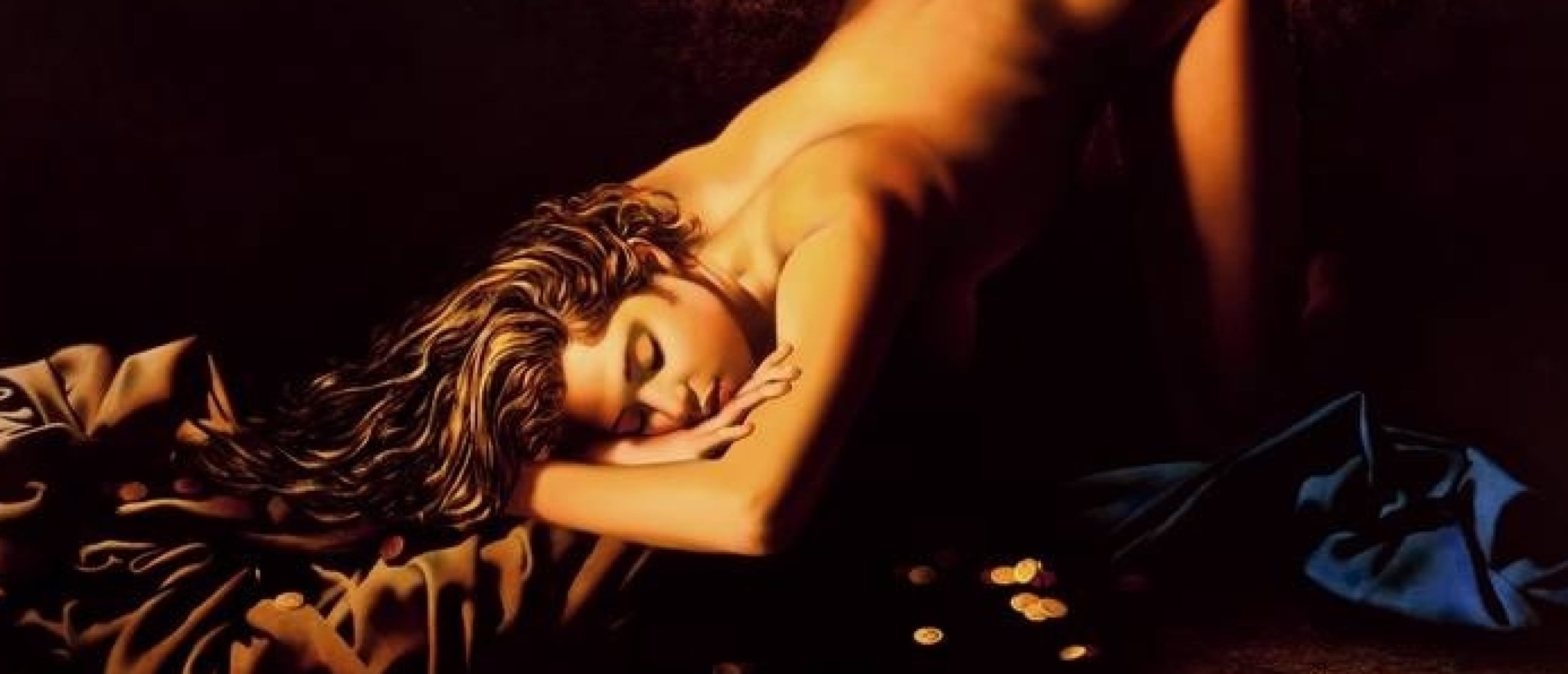
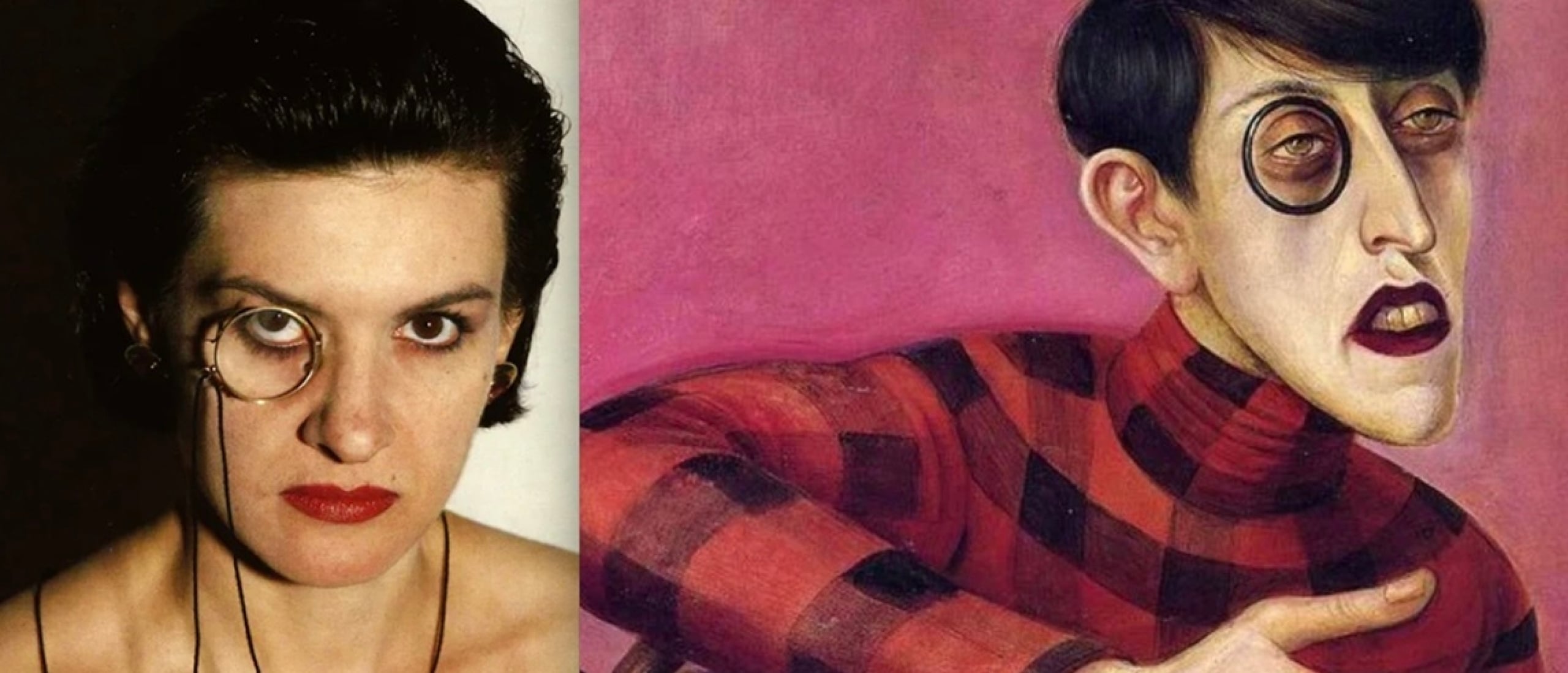
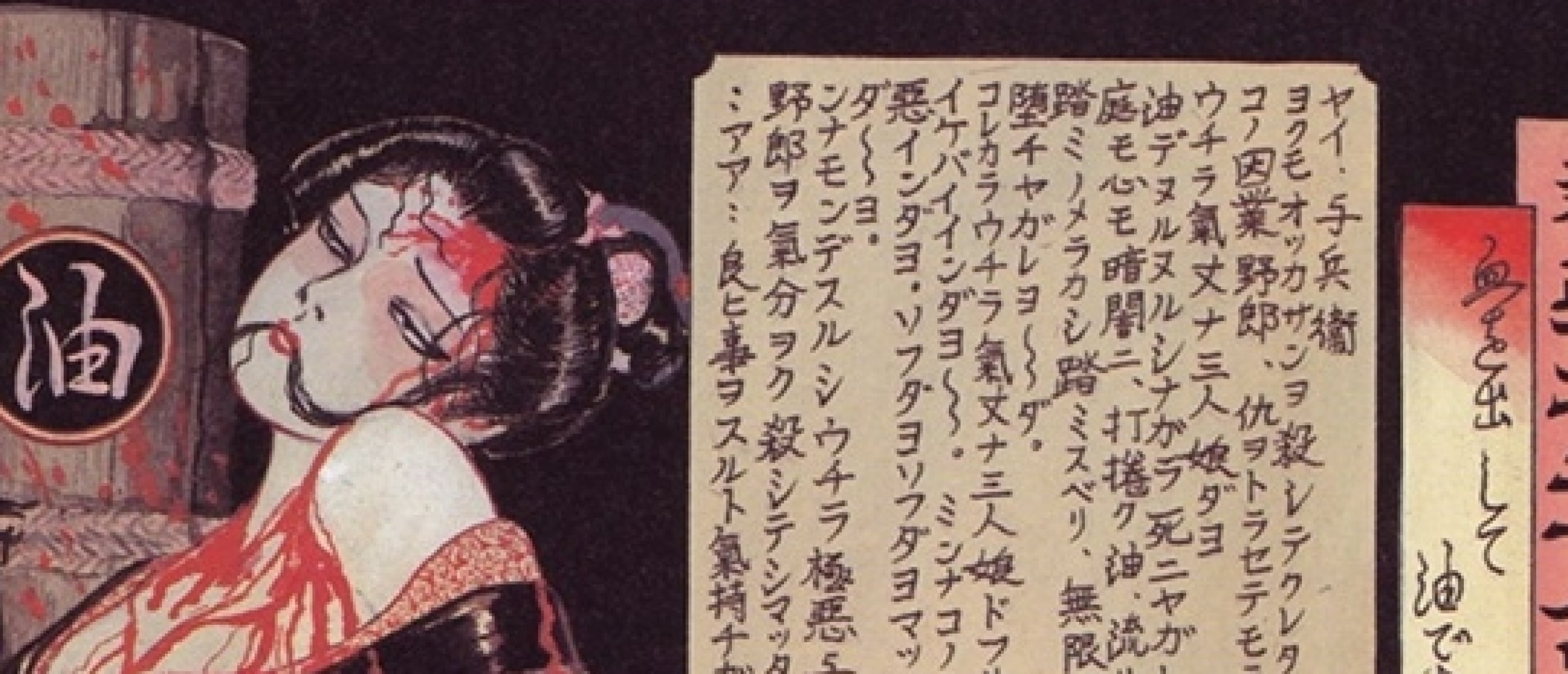
Fig 3 / 3a Classical paintings slip into our everyday lives in the images of Ukrainian graphic designer Alexey Kondakov, via Cultura Inquieta on Instagram
Prologue: The Hour When the Body Unbuttons Its Logic
Every city has a secret face, and it only appears after midnight.
Not the face plastered on billboards or filtered through Instagram, but the other one —
the one that exhales.
In daylight we rehearse a version of ourselves that makes sense: the rational worker, the considerate friend, the well-behaved citizen whose desires are packaged for polite conversation.
But the night? The night is the archive where everything we suppress goes to live, grow, mutate, and glow.
When the world goes dim, imagination goes fluorescent. We don’t fall into nightlife — we descend into it, like an ancient ritual, a maze of mirrors where our desires, shame, power, instincts, and fantasies all swap seats.
No wonder clubs feel like temples: they are cathedrals of the body, and the bodies that enter them become liturgy. This article begins in that darkened threshold.
Not in a club, but in the mind
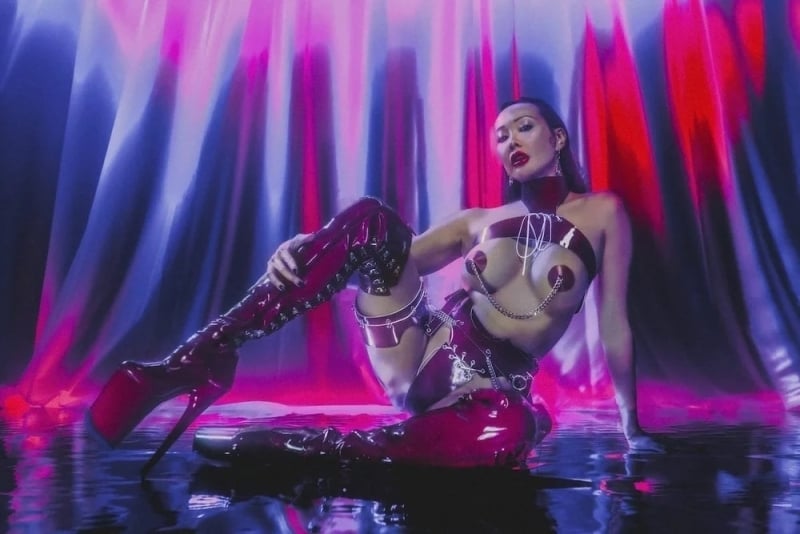
.Fig 4 Between Silk and Chains pictorial for GATA Mag. Mistress Eva about politics of sex work and the myths of power
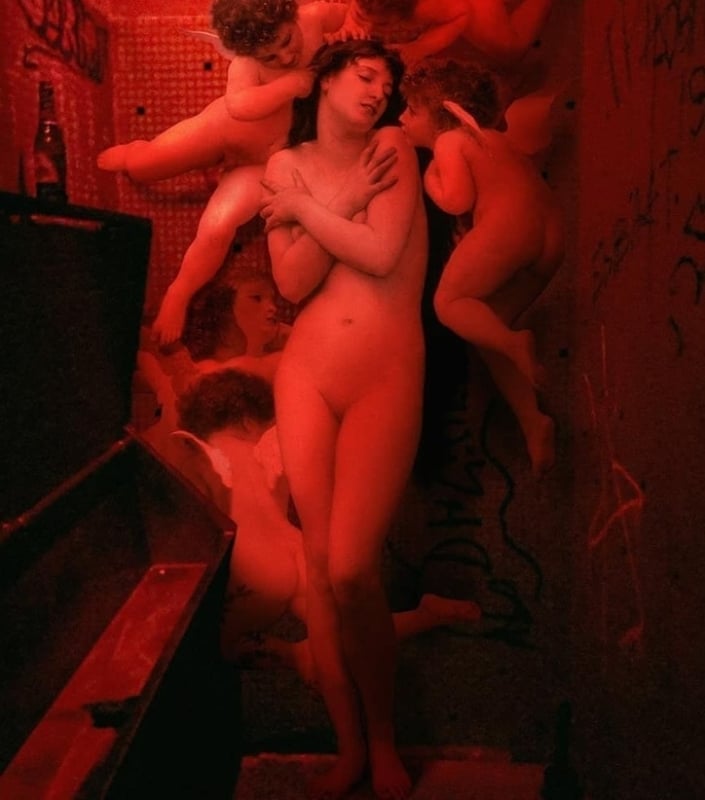
Fig 5 Classical paintings slip into our everyday lives - Alexey Kondakov, via Cultura Inquieta on Instagram
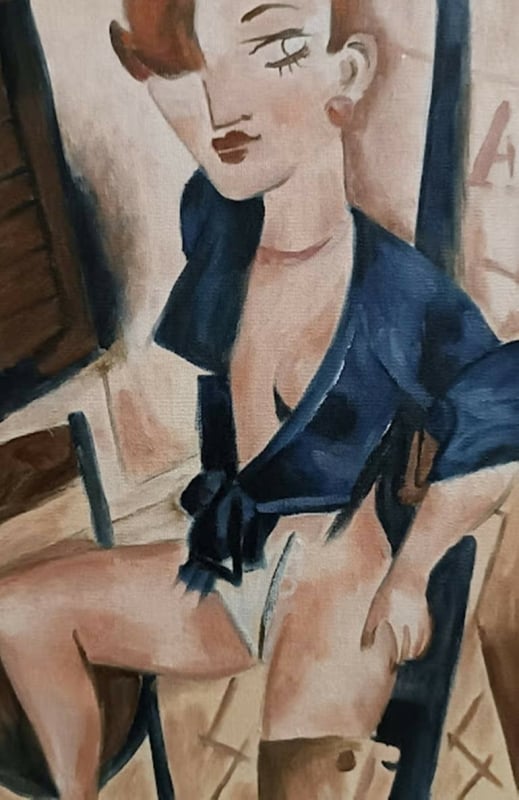
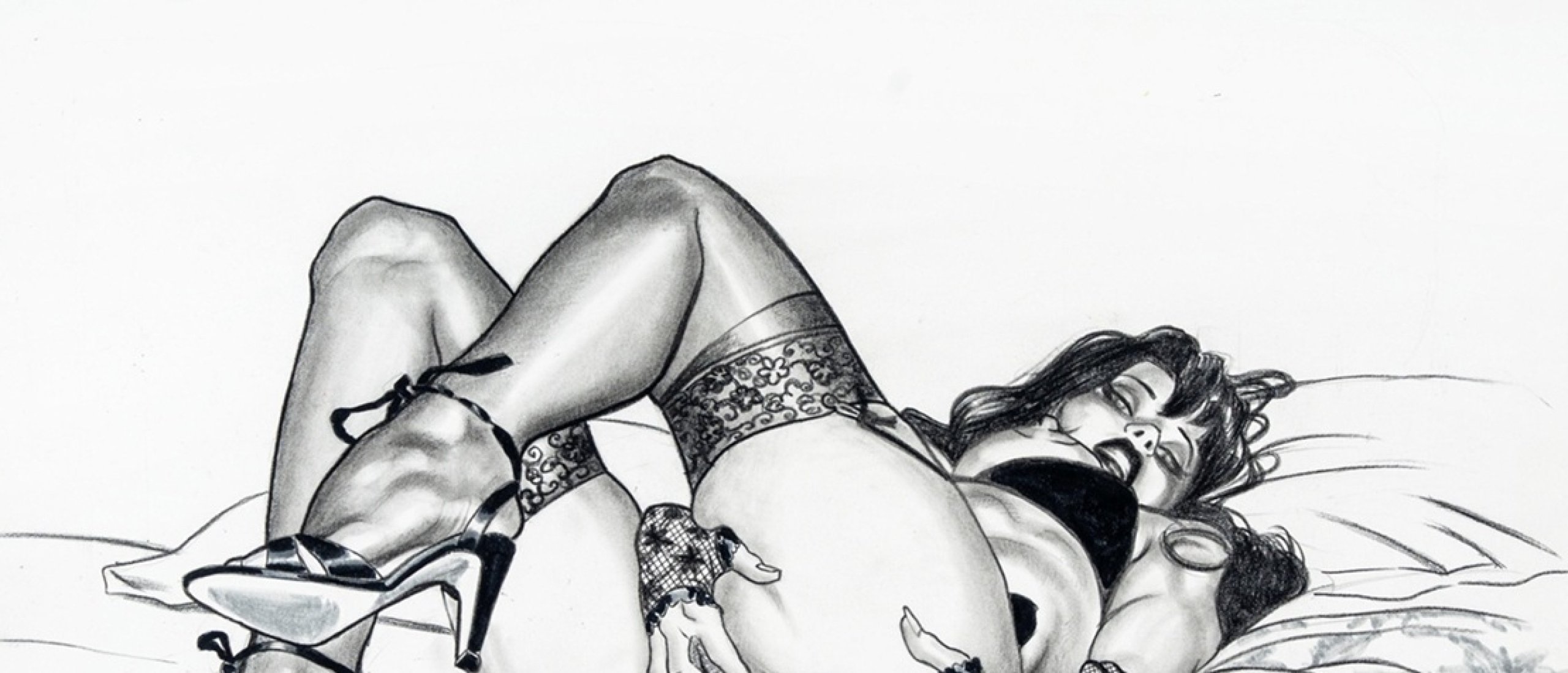
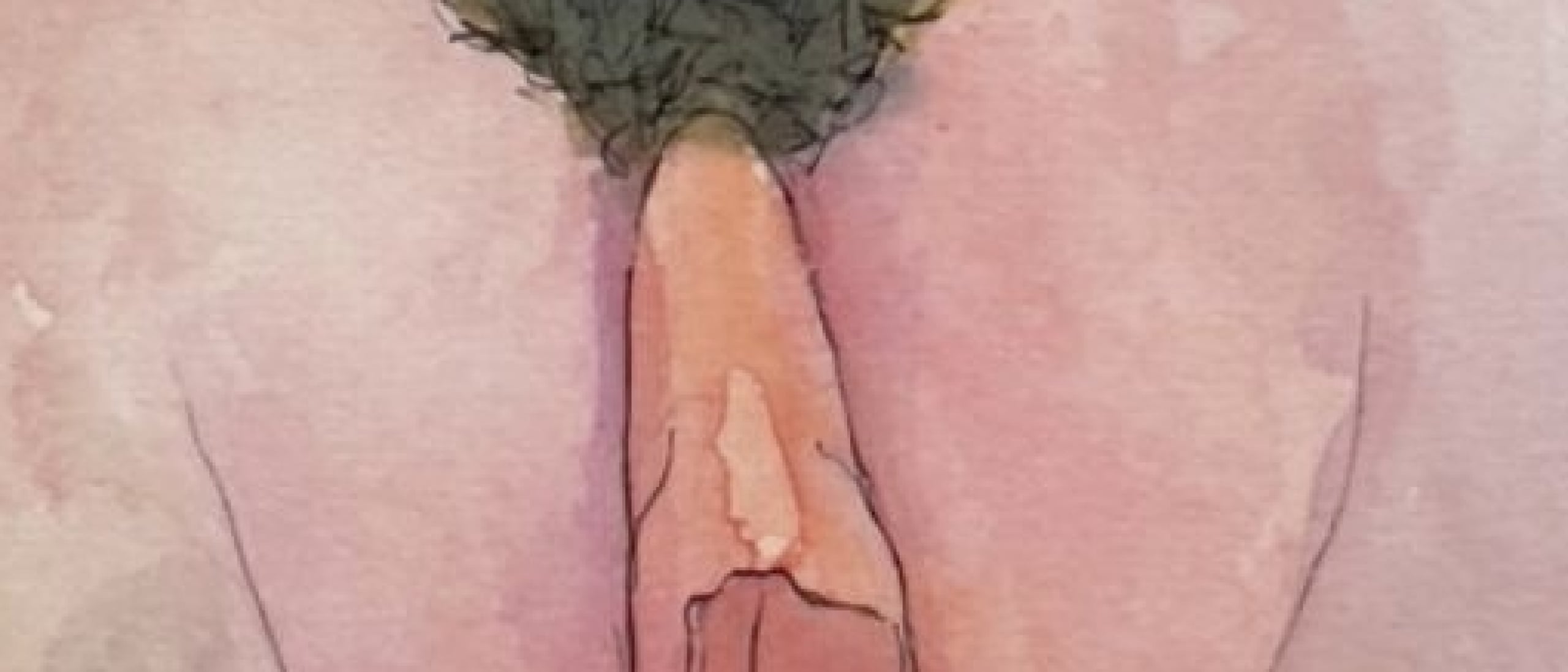
Fig 6 Modella con la gamba alzata (Model with a Raised Leg) by the Italian artist Alberto Manfredi, 1995 via Saatchi Art
Transgressive Passions: The Avant-Garde’s Favorite Criminal
Before nightlife, there was Sade. Long before the Marquis de Sade became a mass-market taboo, the avant-garde crowned him king — not of pornography, but of thought.
It was Guillaume Apollinaire who first resuscitated him, Heine who reissued him, and the Surrealists — Buñuel, Dalí, Man Ray, Leonor Fini, André Masson, Hans Bellmer — who recognized in him a philosopher disguised as a libertine.
To them, Sade wasn’t just writing about sex. He was mapping the unconscious.
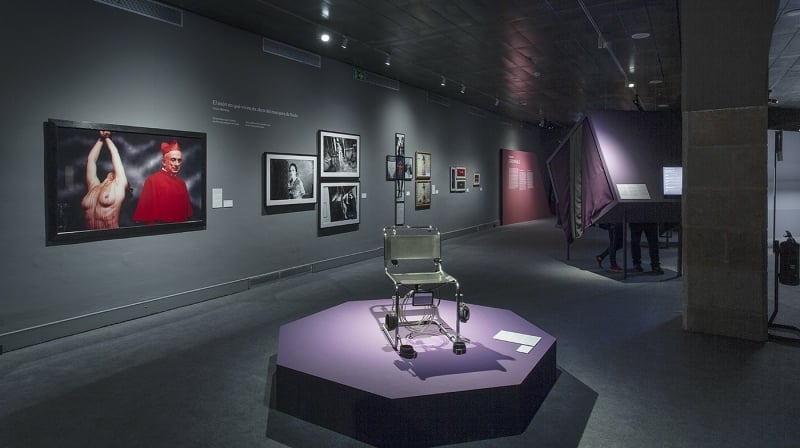
Fig 7 View of Sade. Freedom or evil, at the CCCB, Barcelona © CCCB, 2023. La Fotogràfica
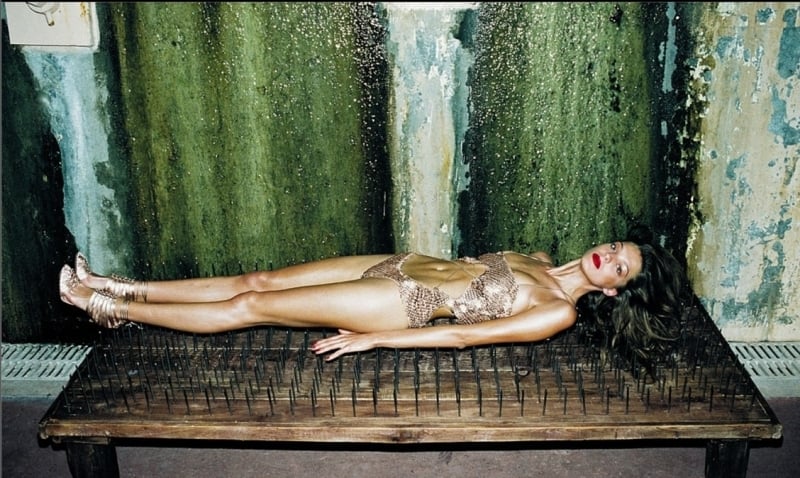
Fig 8 Helmut Newton, Daria Werbowy for American Vogue, Monaco 2003 © Helmut Newton Foundation
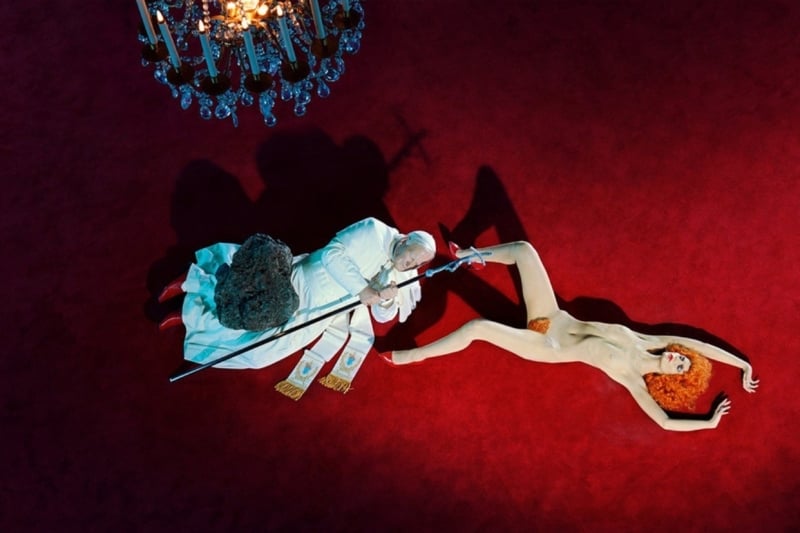
Fig 9 Miles Aldridge The Ninth Hour (after Cattelan), 2016 Chromogenic print
Post-war thinkers understood the trick. Simone de Beauvoir said: don’t burn Sade — read him. Lacan dove into his symbolic knots; Foucault treated his texts like sex-political dynamite; Deleuze lifted him into philosophy proper; Barthes turned him into a grammar of desire.
By the time May ’68 erupted, the revolutionaries were carrying Sade like a flag into the Paris streets. His work became a toolkit for the erotics of disobedience. Here lies the secret: Sade’s real danger was never the sex.
His danger was insisting that desire is political. That imagination is sovereign. That the erotic brain is the only organ the state can never fully police.
Become a Premium member now and check out the comprehensive edition of this fascinating essay including 80+ pics.
Click HERE for the first part of the "Through Her Eyes" series: Pussy Riot, Paint and Protest. Art, Eroticism & Feminist Resistance Herstory
Let us know your thoughts about the above article in the comment box below...!!