
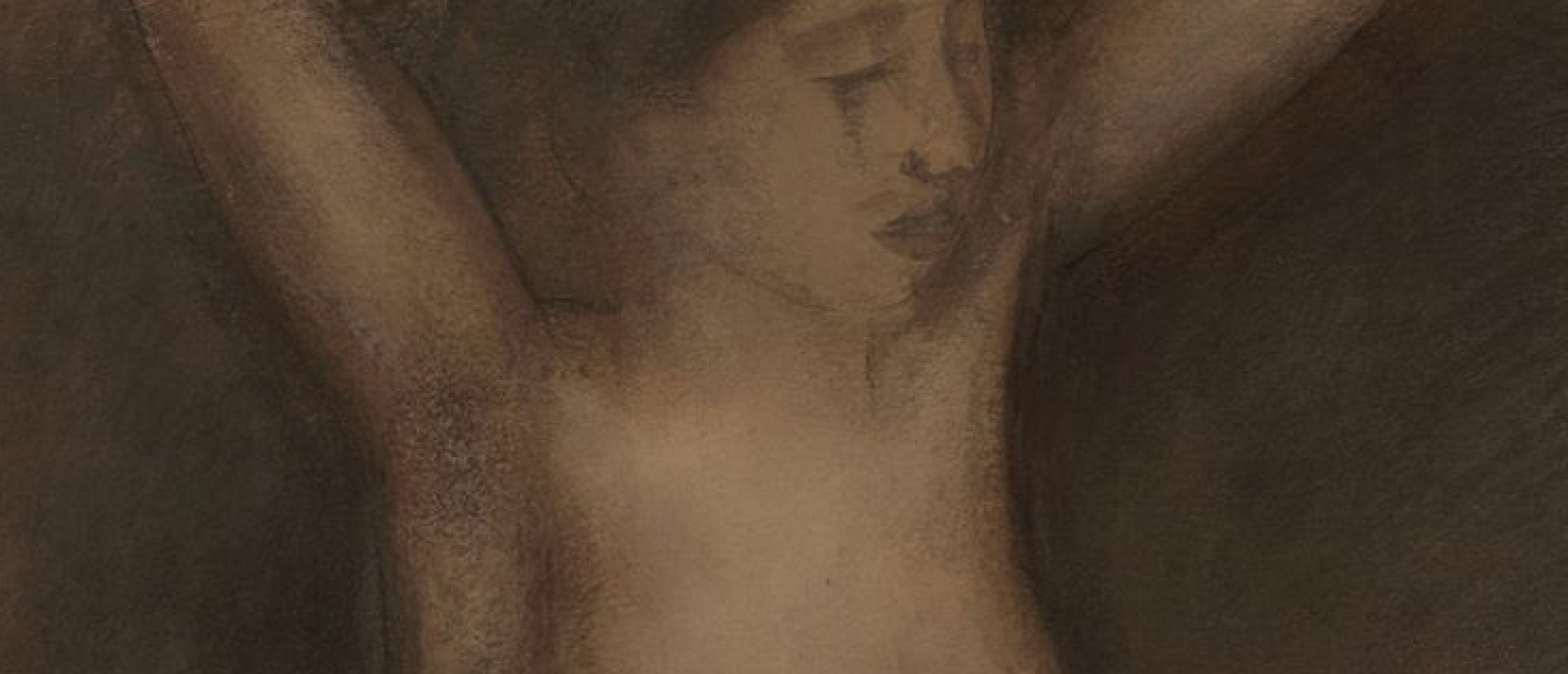

The erotic drawings of the Belgian Expressionist painter and sculptor Constant Permeke (1886-1952) are something quiet unique and distinctive when we think of the twentieth-century European figurative art. Unlike the overt sensuality of many academic nudes or the psychologically charged eroticism found in Expressionist artists such as Egon Schiele, Permeke's treatment of the nude is rooted in mass, weight and physical presence rather than spectacle. Permeke’s female figures are moody when done in charcoal and earthy, muddy when done in the oil on canvas form. But they are neither idealised nor theatrical. Instead, they embody an earthy sensuality in which eroticism emerges through volume, touch and the tactile qualities of charcoal and pastel. The drawings reveal an artist less concerned with seduction than with the body as a living, monumental form.
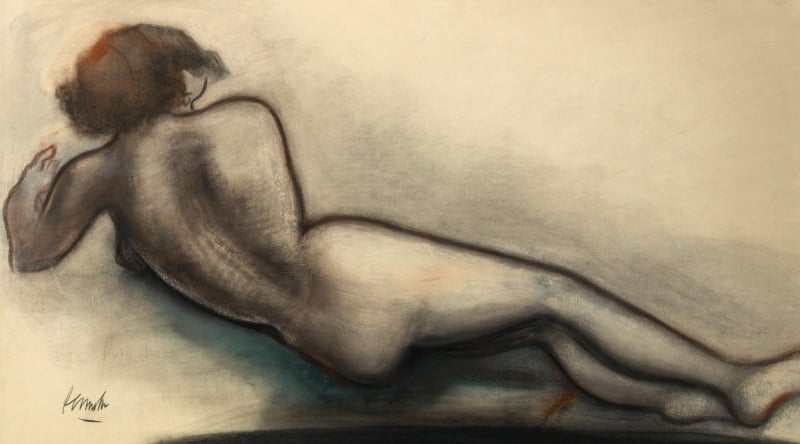
Fig.1 Constant Permeke, Female Nude, charcoal drawing
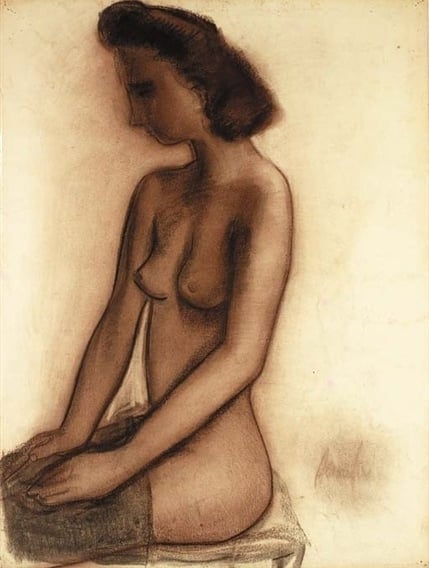
Fig.2 Constant Permeke, Nude, 1920s
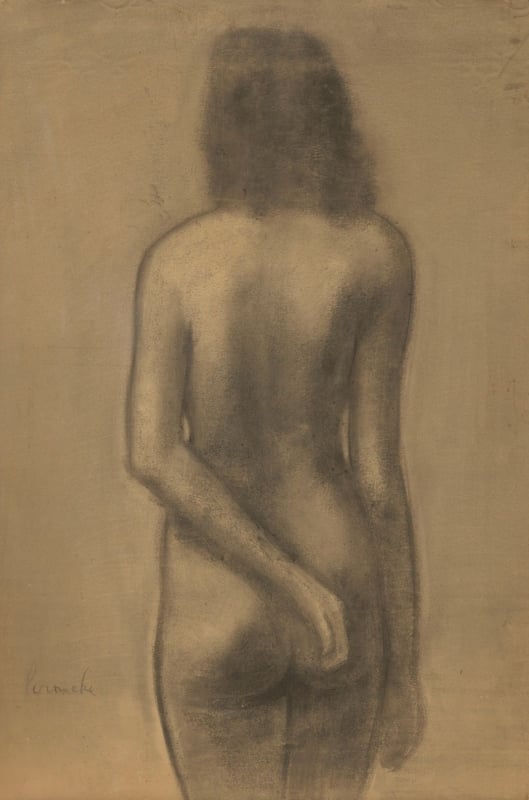
Fig.3 Constant Permeke, Naakt op de rug gezien (Nude seen from the back), 1943
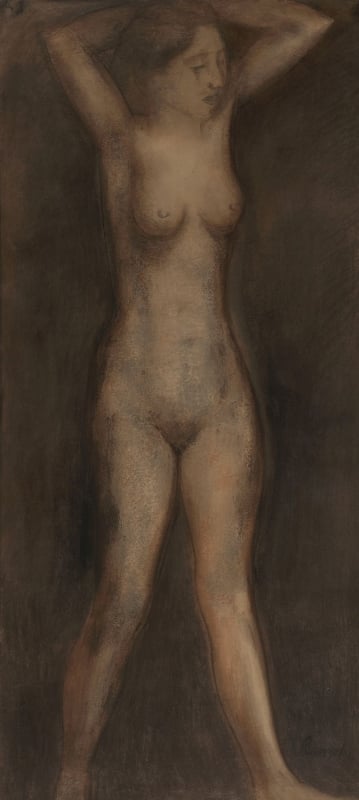
Fig.4 Constant Permeke, Naked Study, 1943
Chosen Charcoal Drawings
The charcoal drawings that I have chosen here exemplify many of the characteristics that define Permeke's graphic work. They demonstrate his ability to simplify anatomy without sacrificing the emotional and physical reality of the human figure. Throughout these works, contour becomes more important than detail, and the body is conceived almost sculpturally, as if carved from shadow and light rather than described through linear precision. The beauty of the line is evident in Permeke’s work while the colour is almost ignored, left out.
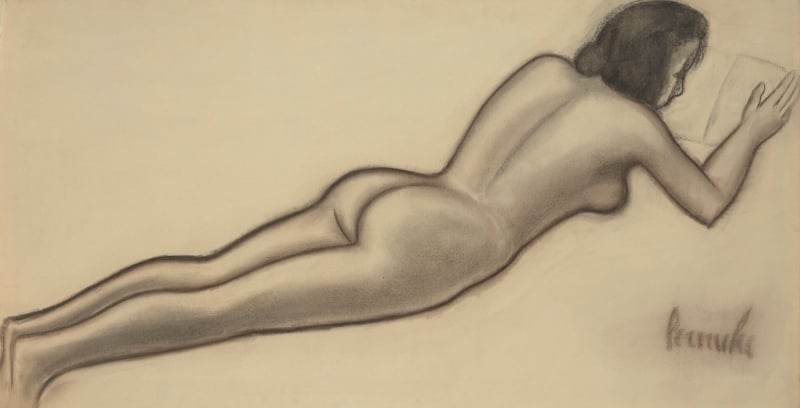
Fig.5 Constant Permeke, Liggend figuur (Reclining figure), 1948
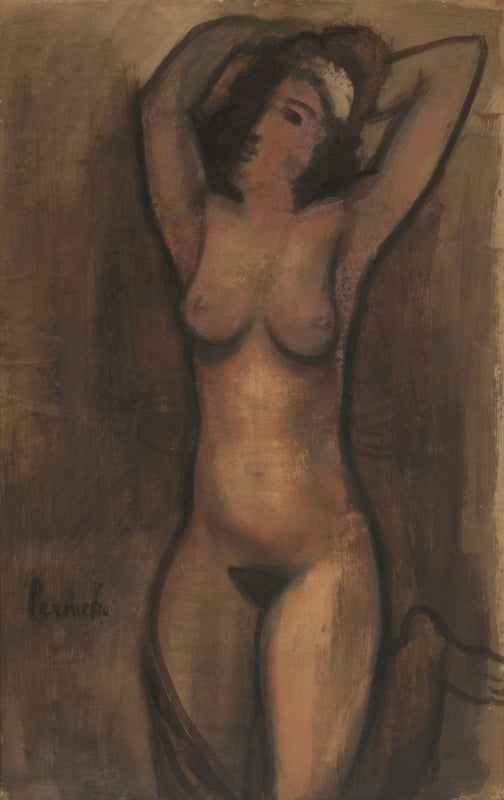
Fig.6 Constant Permeke, Knielend naakt (Kneeling nude), 1945
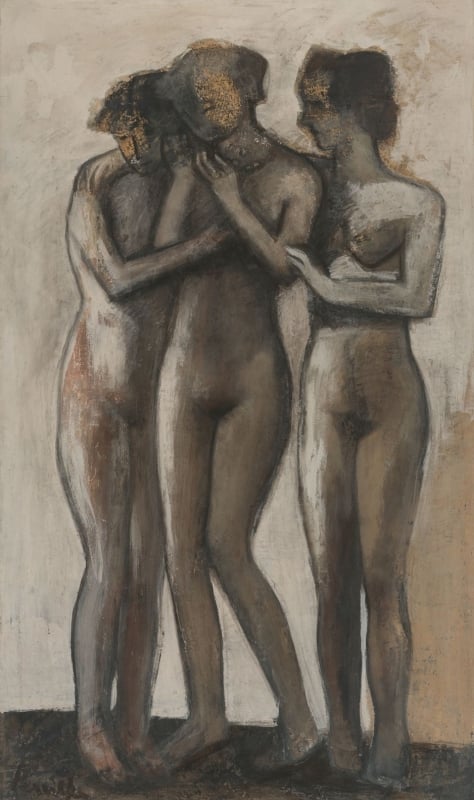
Fig.7 Constant Permeke, De drie Gratiën (The Three Graces), 1949
Strong Black Curve
The reclining nude seen in Fig.1. is perhaps the most striking example of this approach. The figure stretches diagonally across the page, occupying nearly the entire composition. The pose is relaxed and intimate, yet it avoids any conventional erotic display. Instead of presenting the body for visual consumption, Permeke turns the woman's back toward the viewer. This decision fundamentally alters the relationship between viewer and subject. Rather than inviting voyeurism, the figure appears absorbed within herself, her turned head and hidden face denying direct psychological access. Permeke models the back with broad passages of charcoal, creating subtle tonal transitions that suggest muscle, bone and flesh without excessive anatomical description. The spine becomes the dominant structural axis of the composition, while the broad shoulders and generous hips establish a powerful sense of corporeal mass. The curves of the body are exaggerated slightly, not for idealisation but to reinforce the body's sculptural integrity. The result is an image that feels simultaneously sensual and monumental. The same strong black curve used to contour the body is seen also in Fig.5. and Fig.6.
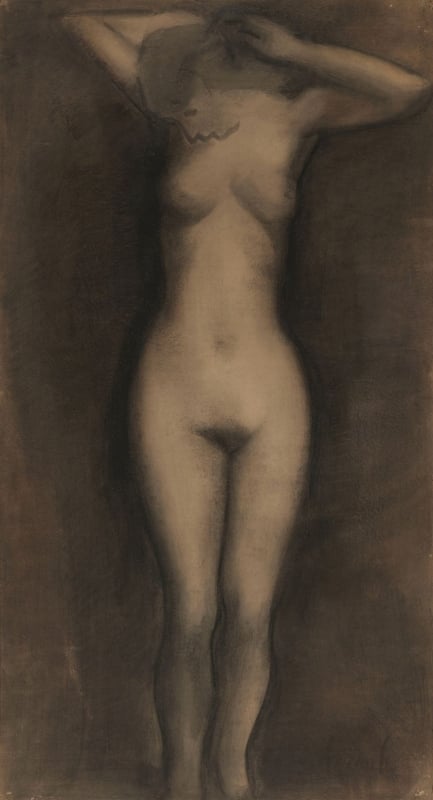
Fig.8 Constant Permeke, Standing Nude 2, 1946
Become a Premium member now and check out the complete article including more about Permeke's immediacy of observation, his sculptural conception of the nude, how Permeke's handling of charcoal and pastel is fundamental to the expressive power of his drawings, and many more insights on its sensual aesthetics.
Click HERE for a publication about Otto Mueller, German Expressionism, and ideals of feminine beauty in late century fashion photography
Let us know your thoughts about Permeke's charcoal eroticism in the comment box below...!!!