
PRECURSORS OF OTAKU CULTURE: THE GENESIS OF MODERN COLLECTING
Collecting, today recognized as one of the constitutive practices of otaku culture, did not emerge in contemporary Japan as an exclusive consequence of manga, anime, or the derivative products of the postwar cultural industry. Its formation dates back to transformations that occurred from the late nineteenth century and, above all, during the first decades of the twentieth century, when the expansion of industrial production, the circulation of cheap printed matter, the growth of cities, and the consolidation of new consumption habits allowed objects previously devoid of artistic or historical value to be preserved, classified, and assembled according to criteria established by the collectors themselves. Before the term otaku acquired the meaning by which it would become known, there already existed, therefore, a culture founded on specialization, accumulation, meticulous ordering, and mastery of restricted knowledge, characteristics that would later be associated with the behavior of admirers of manga, animation, idols, toys, games, and objects of popular culture.

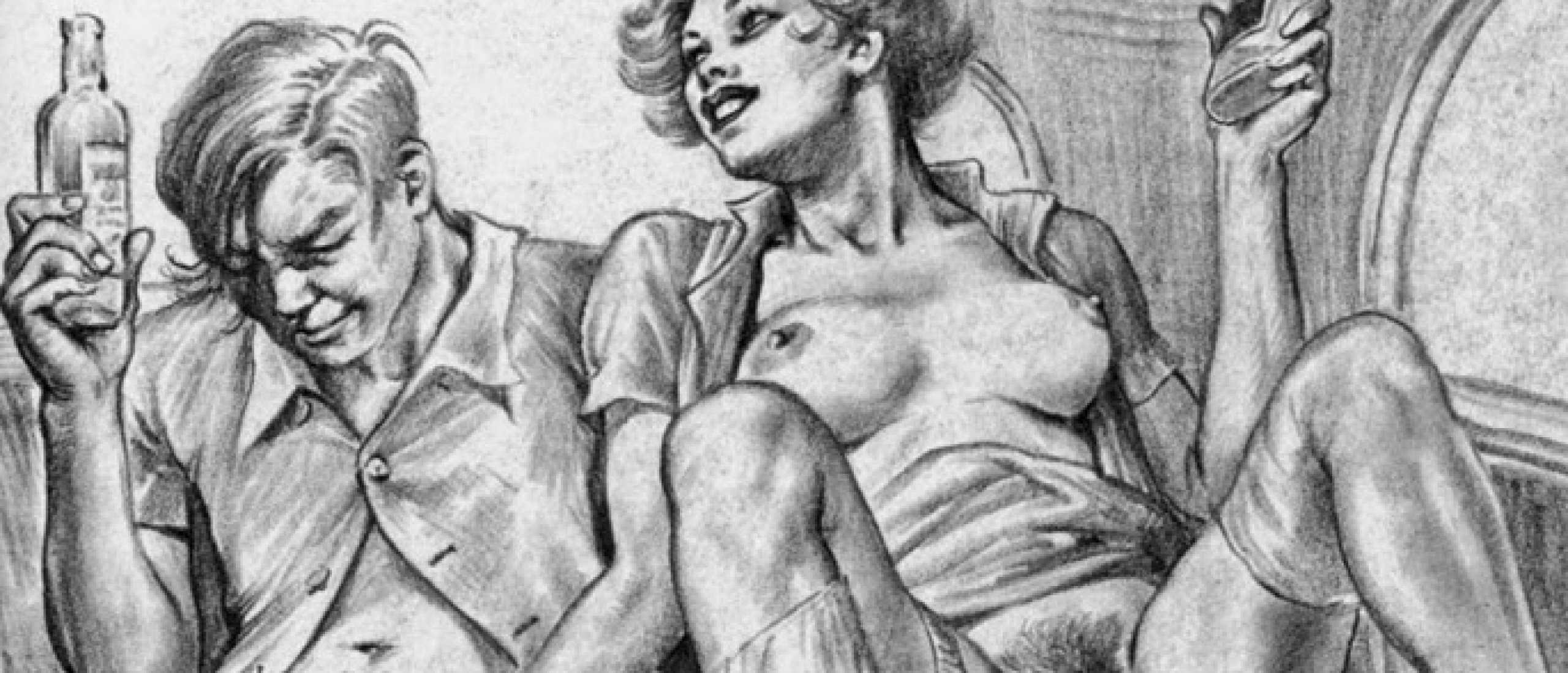
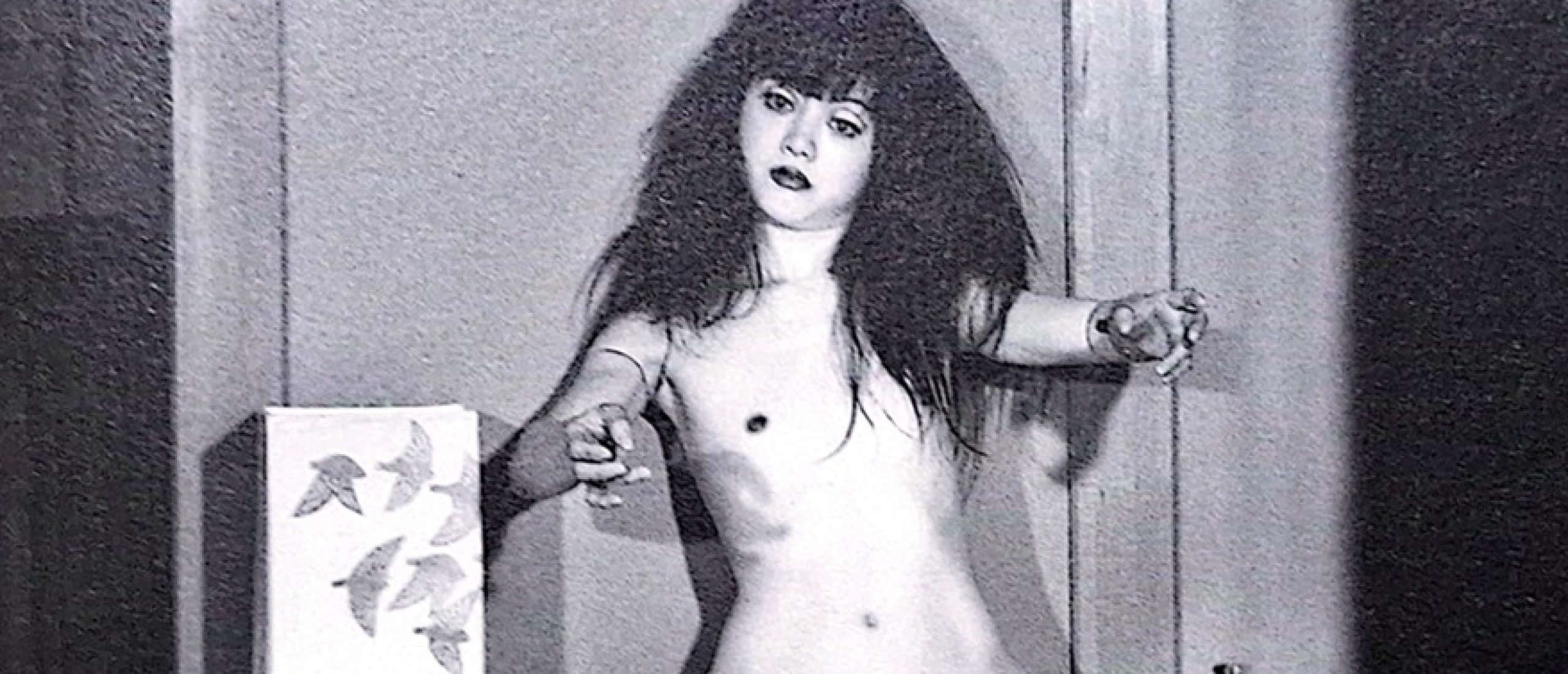
Fig.1
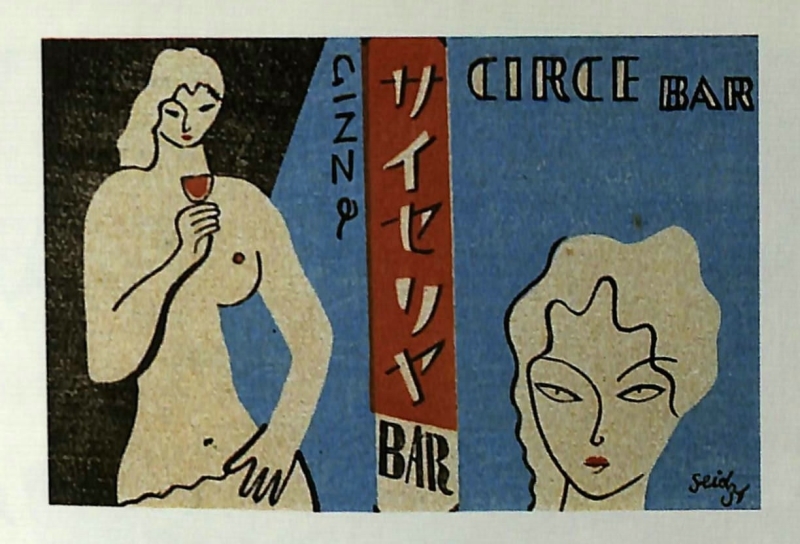
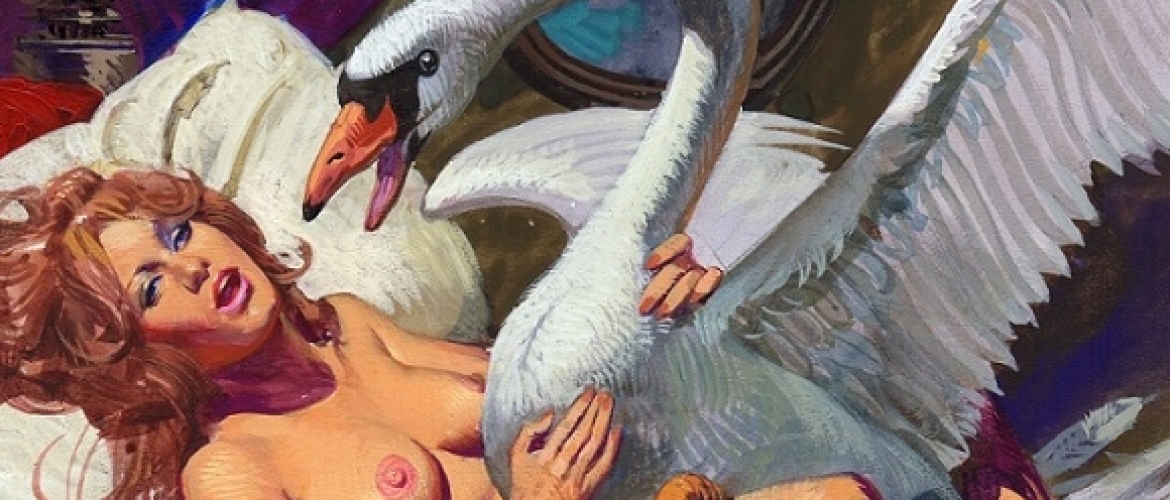
Fig.2
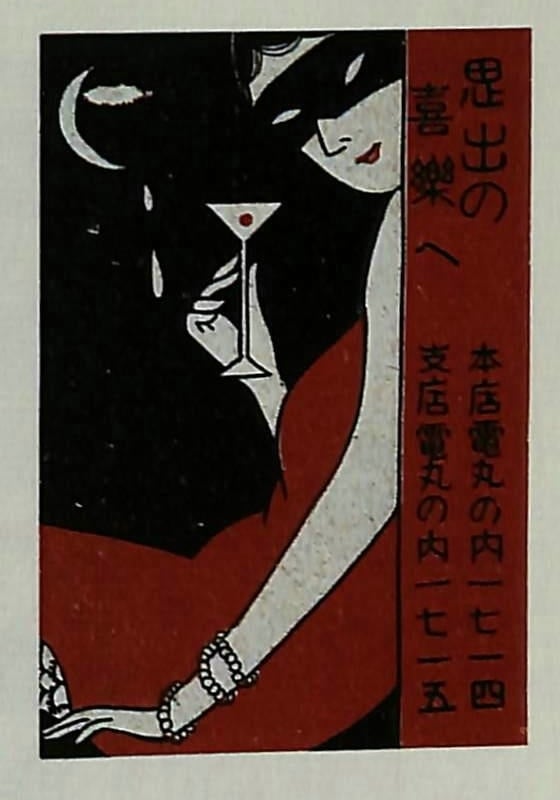
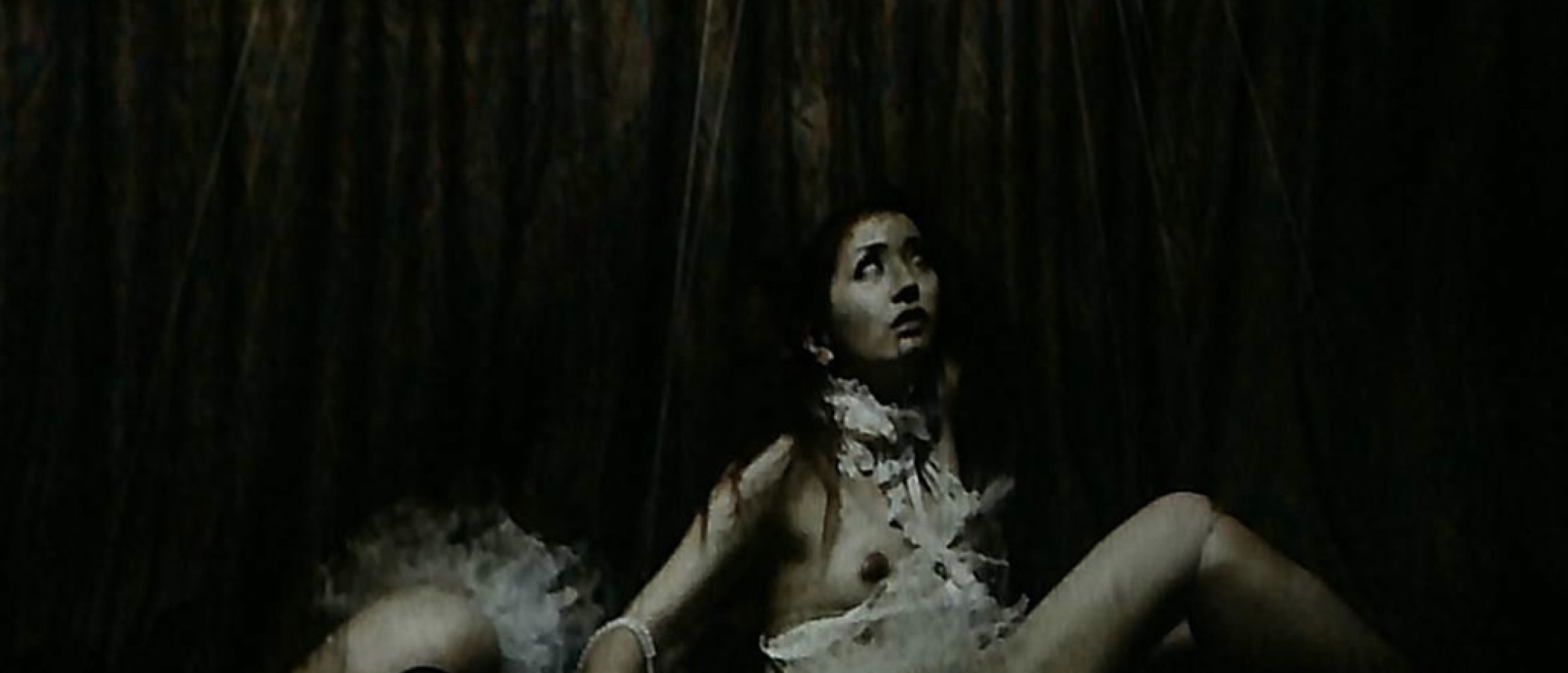
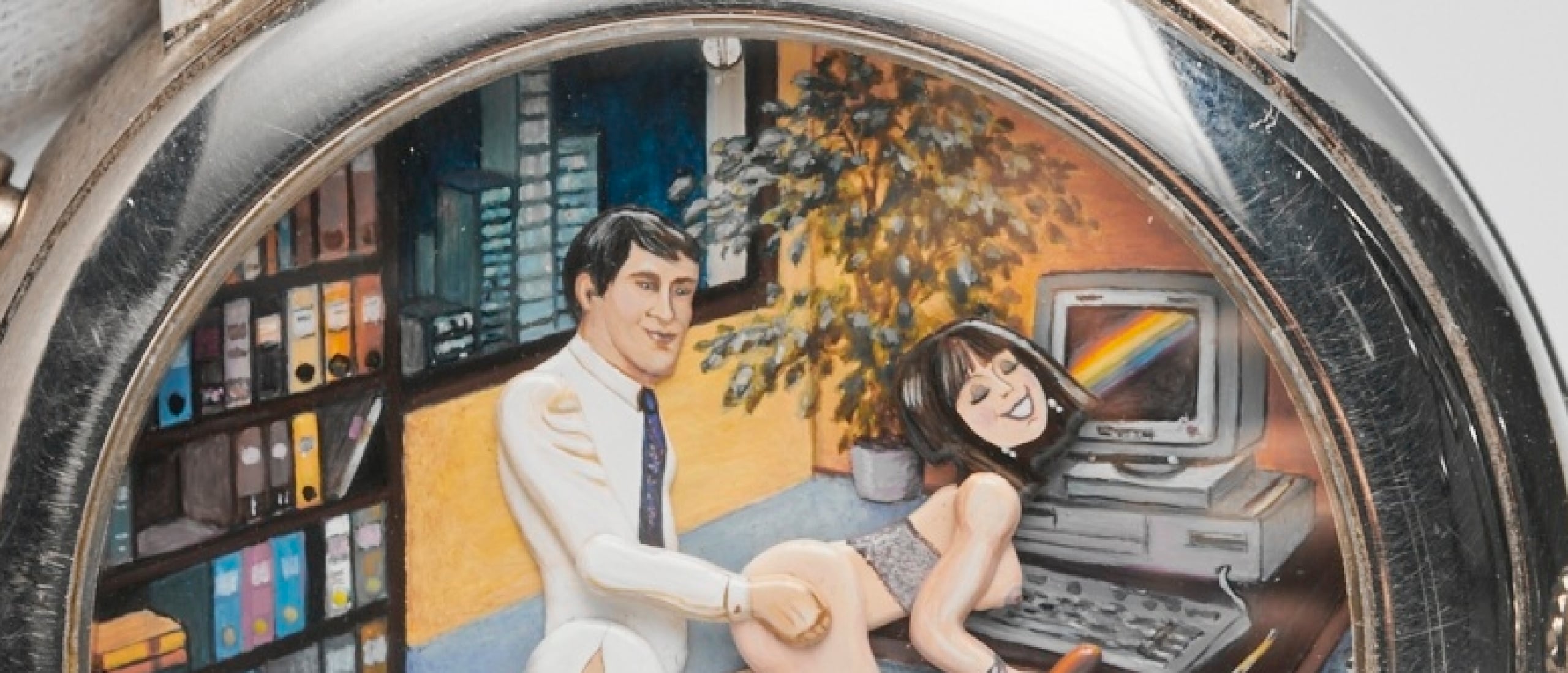
Fig.3
THE EMERGENCE OF THE TSŪ: RESTRICTED KNOWLEDGE AND CULTURAL DISTINCTION
Between the late Taishō era and the early Shōwa era, the figure of the tsū (通) spread among the urban middle classes, that is, of one who possessed in-depth knowledge of a specific field, whether it be theater, cafés, utensils, literature, fashion, or any other practice of modern life. In 1920, the Tsūsha collection, published by Jitsugyō no Nihonsha, brought together dozens of small books devoted to different forms of specialization, demonstrating that knowledge of subjects considered marginal or everyday already functioned as a sign of cultural distinction. The interest in detail, rarity, and the ability to recognize differences imperceptible to the common observer constituted a form of symbolic capital, through which the subject affirmed his position within a community of taste. The hobby, understood not merely as pastime but as a practice of intellectual and affective concentration, became a central category of this transforming urban society.
In this sense, collecting ceases to be reduced to the desire for possession at the very moment it presupposes a specific mode of relation with objects, in which what was produced for immediate use is withdrawn from its original function, preserved, and reorganized within a new order. Thus, the collected object ceases to be valued solely for its utility or the price it held in the market and begins to integrate a structure constructed by the collector, in which each piece acquires importance through its position within the whole. This operation alters the status of the object, since a package, a ticket, a card, an engraving, or a label become documents of an era, vestiges of habits, tastes, and forms of perception that, without the action of one who gathers them, would be destined for disappearance.
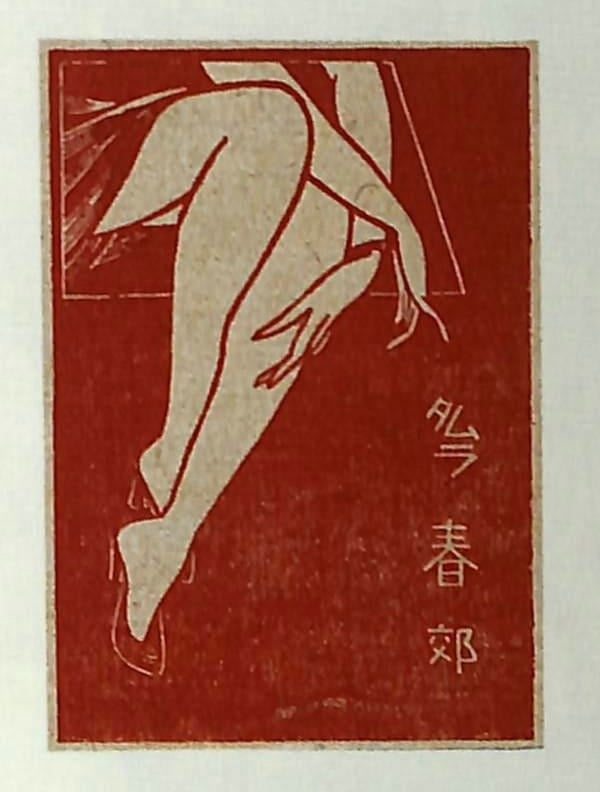
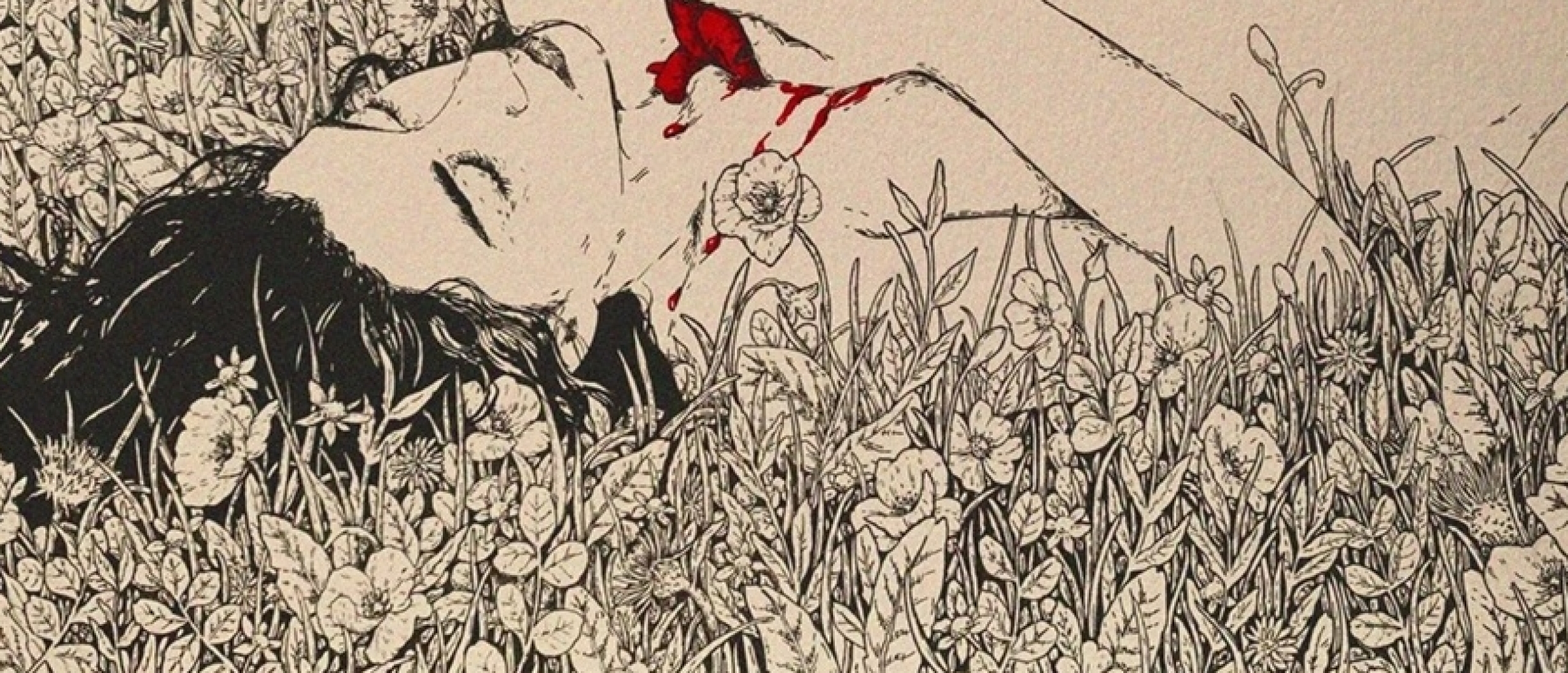
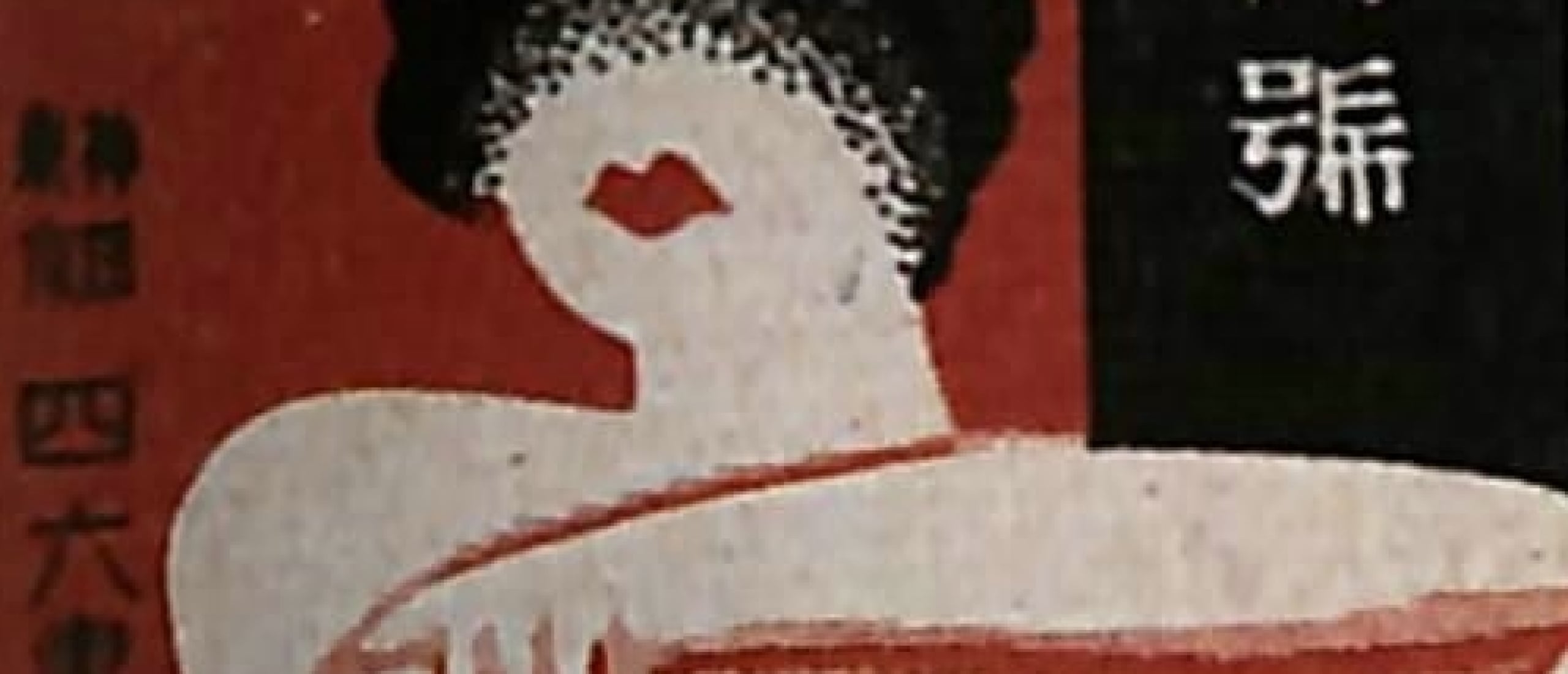
Fig.4
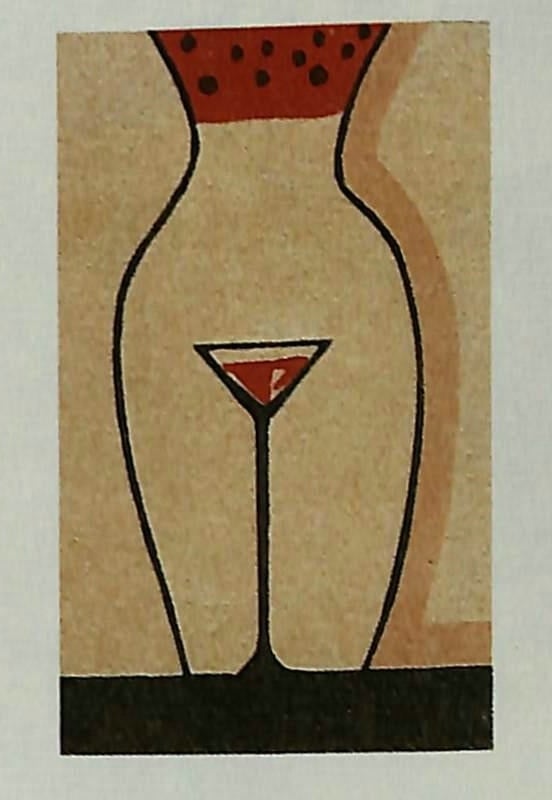
Fig.5
THE GREAT KANTŌ EARTHQUAKE AND THE ANXIETIES OF DISAPPEARANCE
The intensity of this impulse must be understood in light of the profound historical transformations experienced by Japan in the first decades of the twentieth century, among which the Great Kantō Earthquake of 1923 stands out. The destruction of entire neighborhoods in Tokyo and Yokohama, together with the loss of buildings, commercial establishments, archives, and countless everyday objects, produced a material and symbolic rupture with the recent past. At the same time, the reconstruction of cities accelerated modernization processes, rapidly altering the urban landscape and ways of life. Thus, a sensation of continuous disappearance was consolidated that fed the desire to preserve what seemed condemned to oblivion. The growing interest in Meiji-era books and objects linked to the Edo period developed parallel to the expansion of industrial production and mass commodities. Nostalgia and novelty, therefore, did not constitute opposing forces, but complementary dimensions of the same historical process: the more swift and disposable the present became, the greater the need to conserve its vestiges.
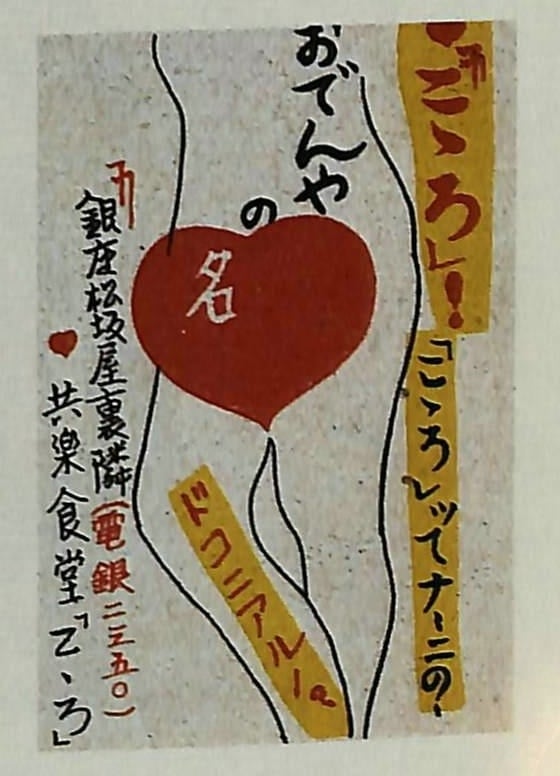
Fig.6
Become a Premium member now and check out the complete publication, including the following additional topics:
- A Structured Network of Mass Consumption
- The Miniaturization of Eroticism
- Visual Modernity in Miniature: the Graphic Vanguard of Japanese Matchbox Labels
- Miniaturized Eroticism and the Everyday Image
- The Café Culture: Jokyū, Cosmopolitanism, and the Modern Girl
- Ero guro Nansensu: Ambiguity, Distortion, and the Logic of Consumption
- The Symbolic Economy of the Matchbox
- From Ephemeral Commodity to Private Archive
- Saitō Shōzō and the Preservation of Modern Desire
- Speed, Memory, and the Genealogy of the Visual Bond
Click HERE for an article about the covers of the men's magazine Weekly Playboy (the Japanse Playboy)
Let us know your thoughts about this article in the comment box below...!!