
Erotic Simulacrum: Mario Ambrosius And the Reconfiguration Of the Artificial Body In Ma Poupée Japonaise
HANS BELLMER AND THE DESTABILIZATION OF THE CLASSICAL BODY
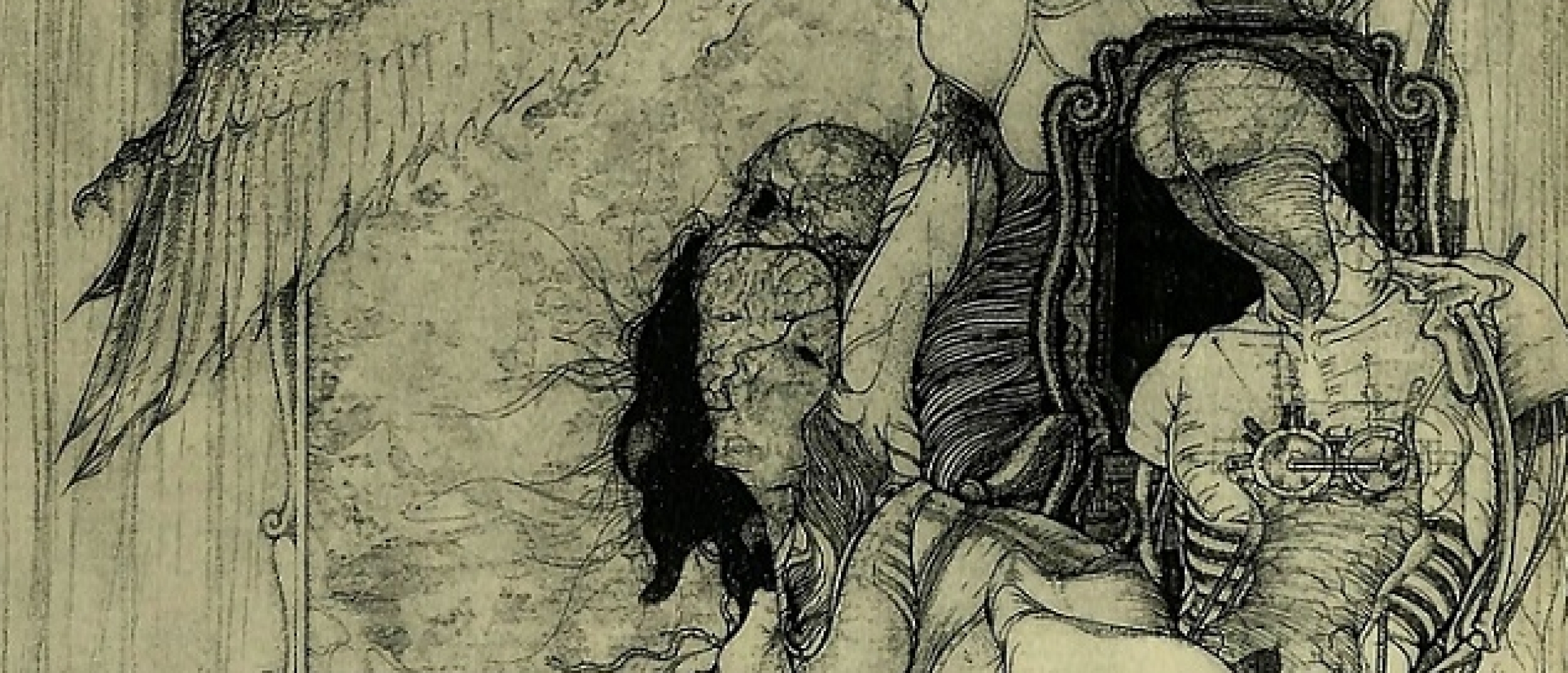
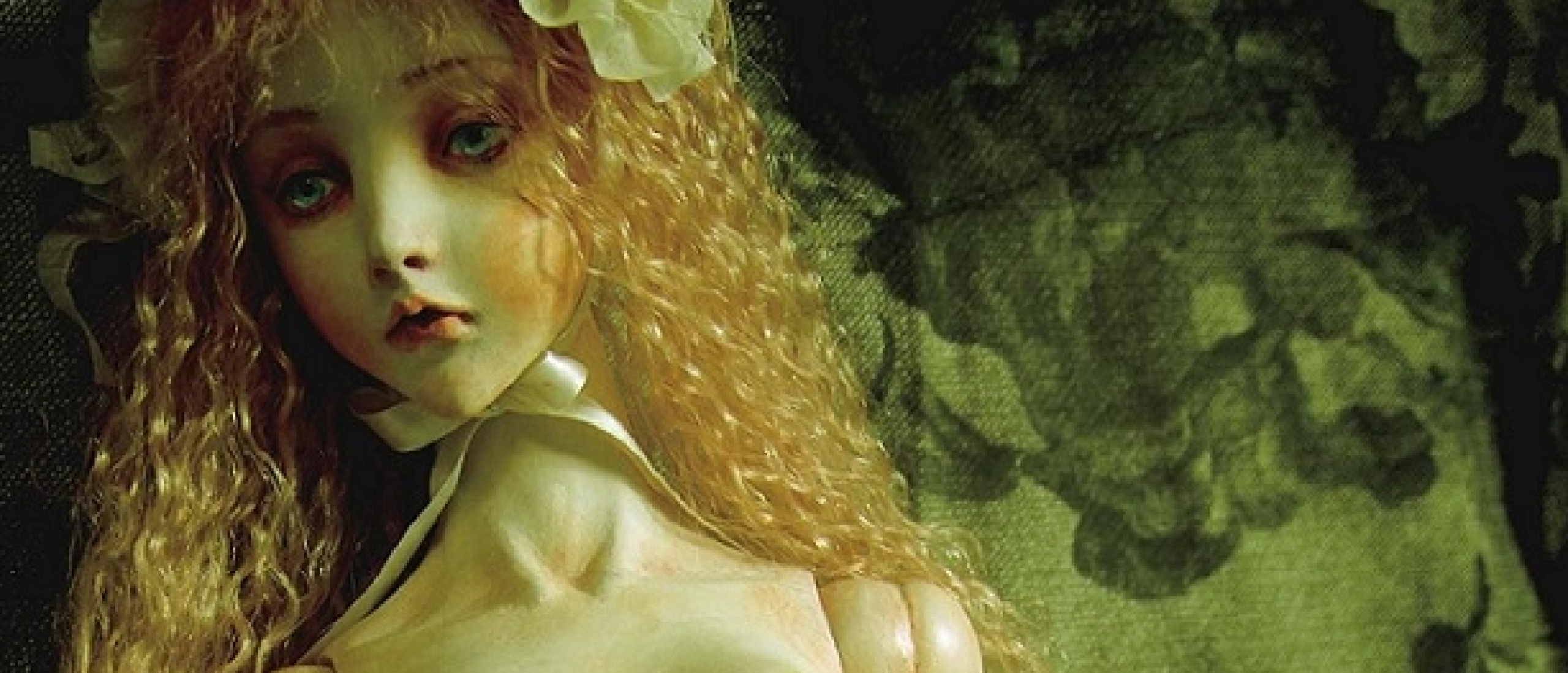
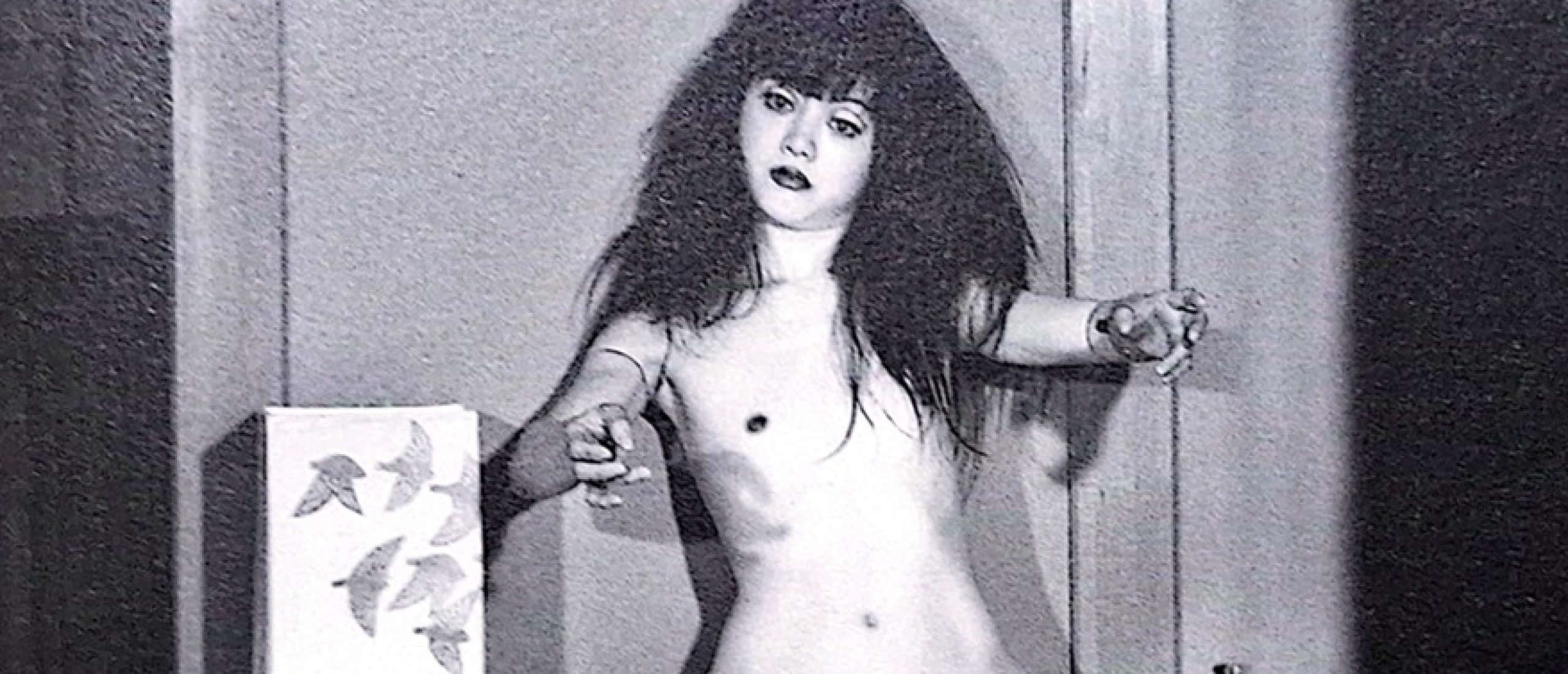
The work of Hans Bellmer exerted a profound influence on both Western and Eastern visual culture throughout the 20th and 21st centuries, primarily due to the way in which the artist destabilizes the classical representation of the body. In opposition to the principles of unity, proportion, and harmony that structured much of the European figurative tradition, the German artist conceives a labyrinthine anatomy, marked by the multiplication of limbs, the disarticulation of bodily functions, and the indistinction between interior and exterior, since his bodies do not seek to reproduce visible reality, but rather to expose the contradictions that traverse the human experience. His images transform the body into a field of experimentation, in which identity, gender, and anatomical integrity cease to constitute fixed categories. In this sense, his production anticipates discussions that would become central to contemporary art, such as the fragmentation of the self, bodily fluidity, and the critique of normative models of representation.
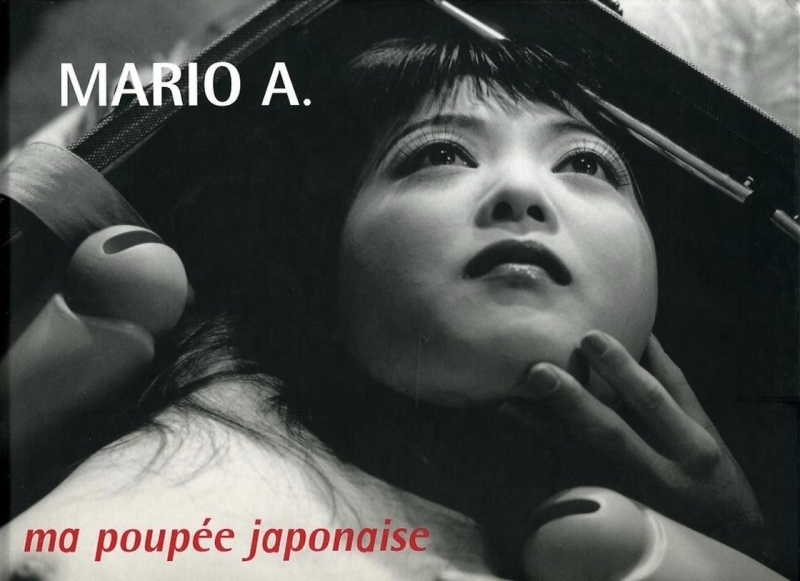
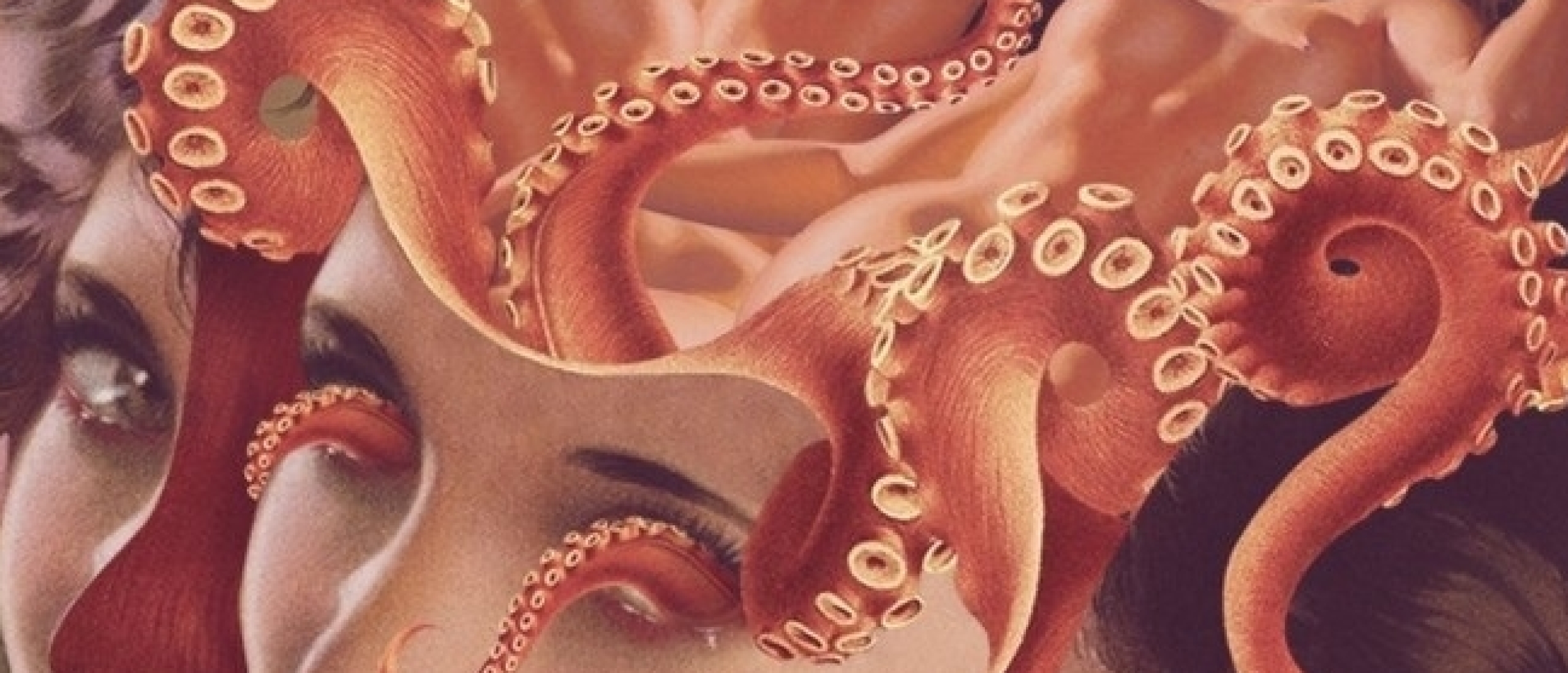
Fig.1 Ma Poupée Japonaise, 2000
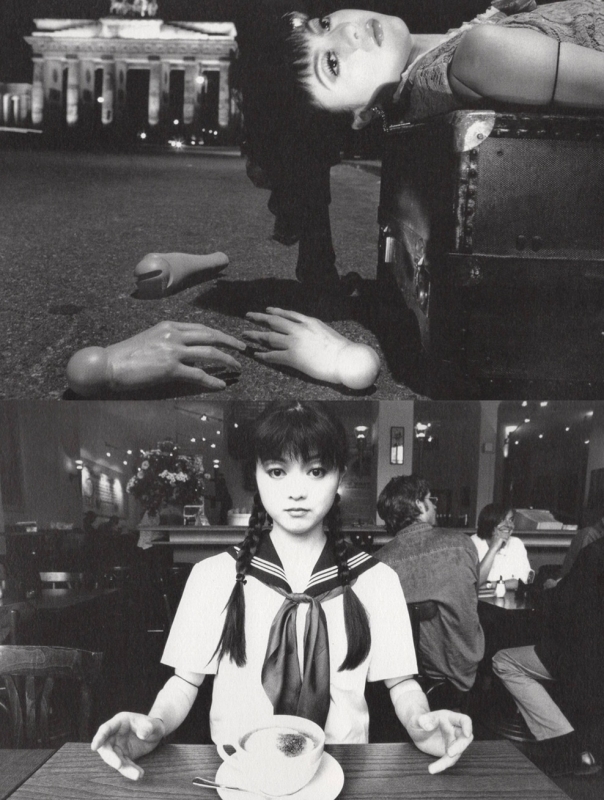
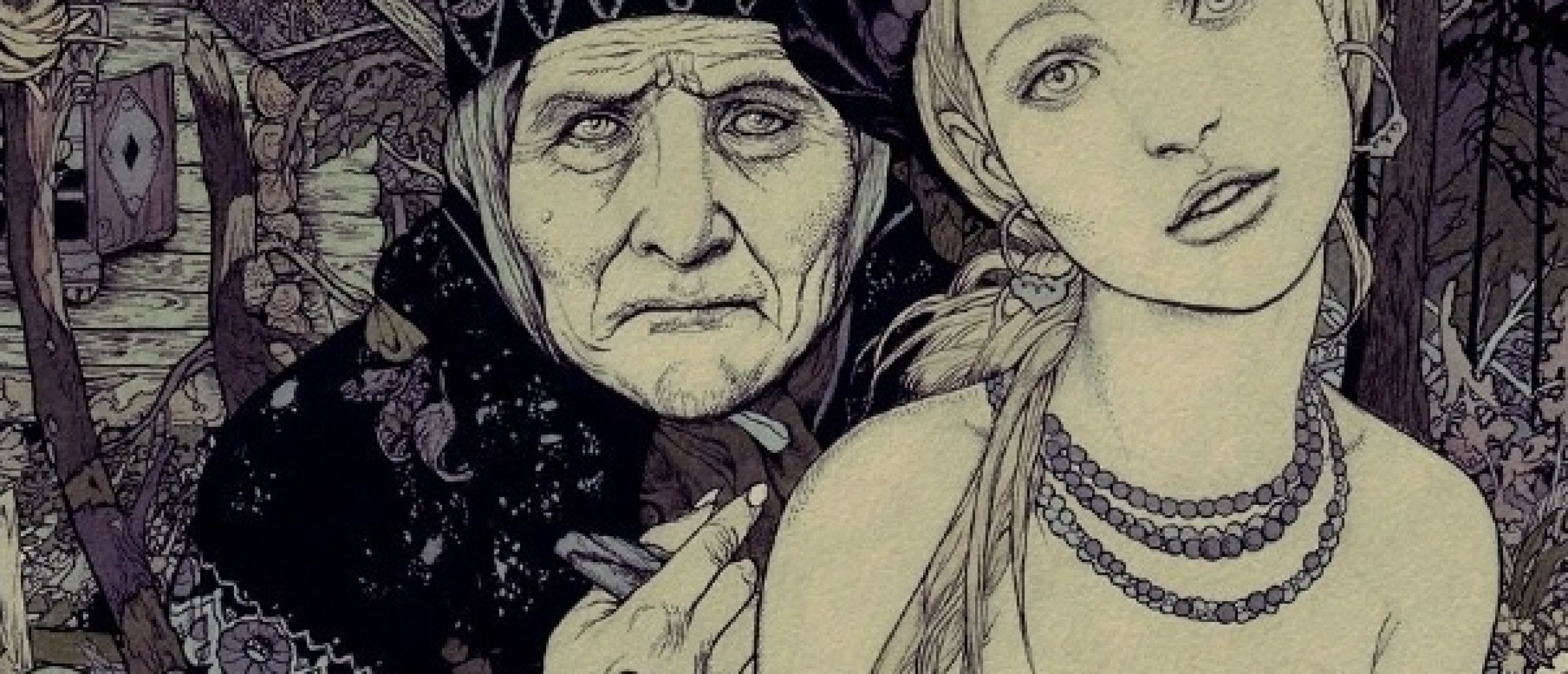
Fig.2
THE JAPANESE RECEPTION AND THE MODERN ART OF THE DOLL
In this way, if in the West Hans Bellmer’s influence manifests itself in artists linked to late Surrealism, body art, and post-humanist reflections on the body, in Japan his reception acquired particular contours thanks to the work carried out by Tatsuhiko Shibusawa, who was responsible for introducing the German artist’s work and writings to the Japanese public. Throughout the 1960s, through the translation of fundamental texts, the publication of critical essays, and the dissemination of his photographs, Shibusawa transformed Hans Bellmer’s work into one of the main references for a generation of artists interested in the relationship between eroticism, artificiality, and the body. This reception coincided with the flowering of modern doll art (ningyō geijutsu), whose main representatives began to understand the doll not only as a handcrafted or decorative object, but as a poetic device capable of questioning identity, desire, and the limits of human anatomy.
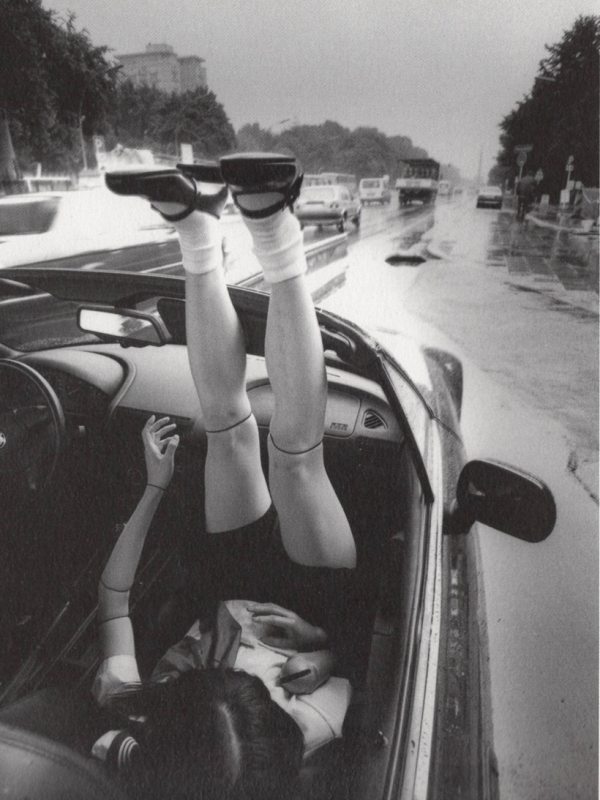
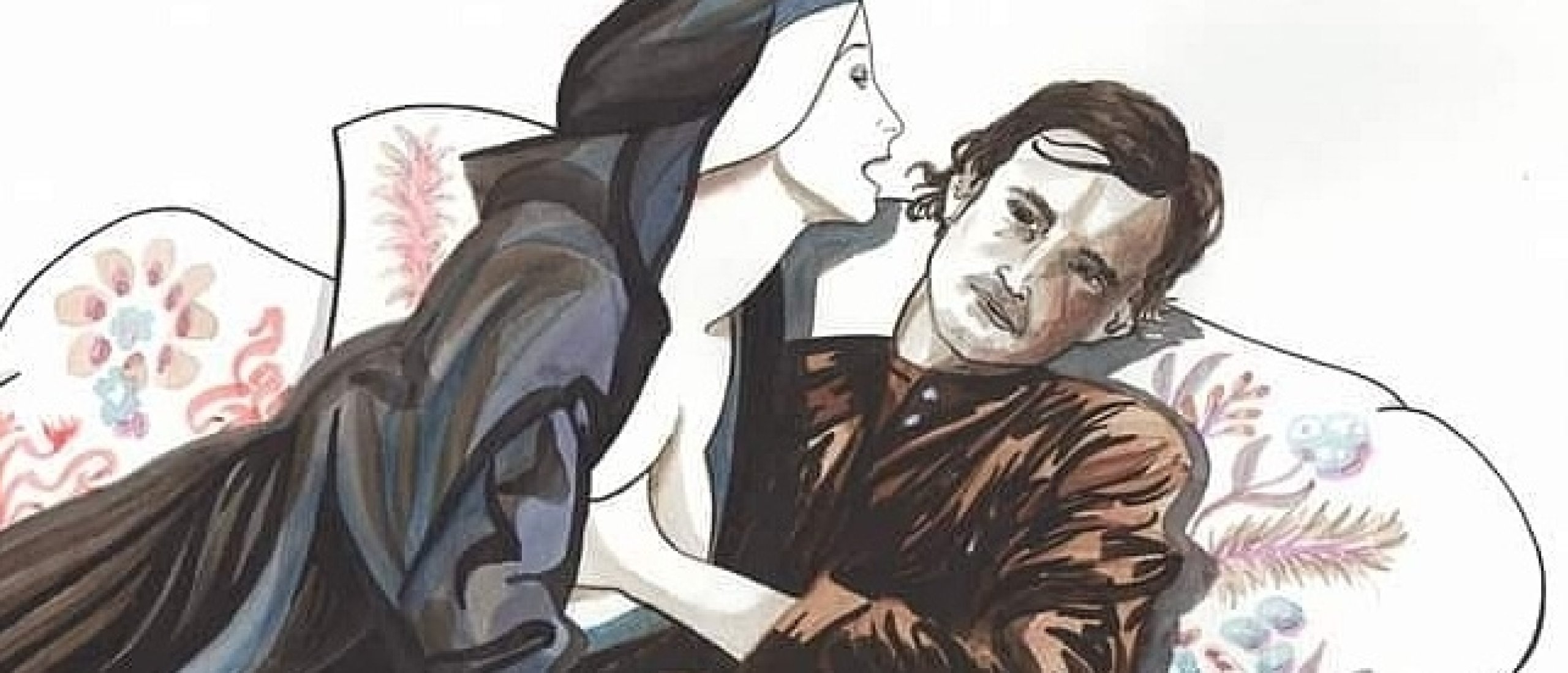
Fig.3
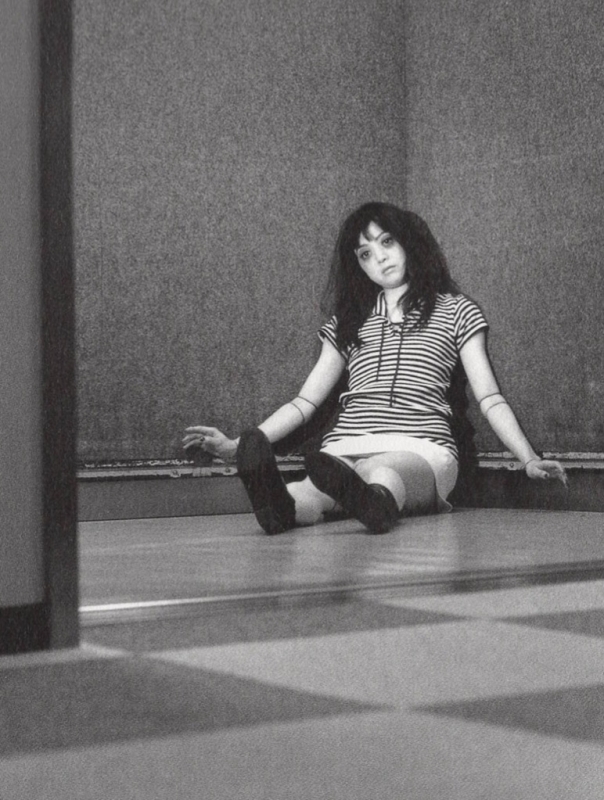
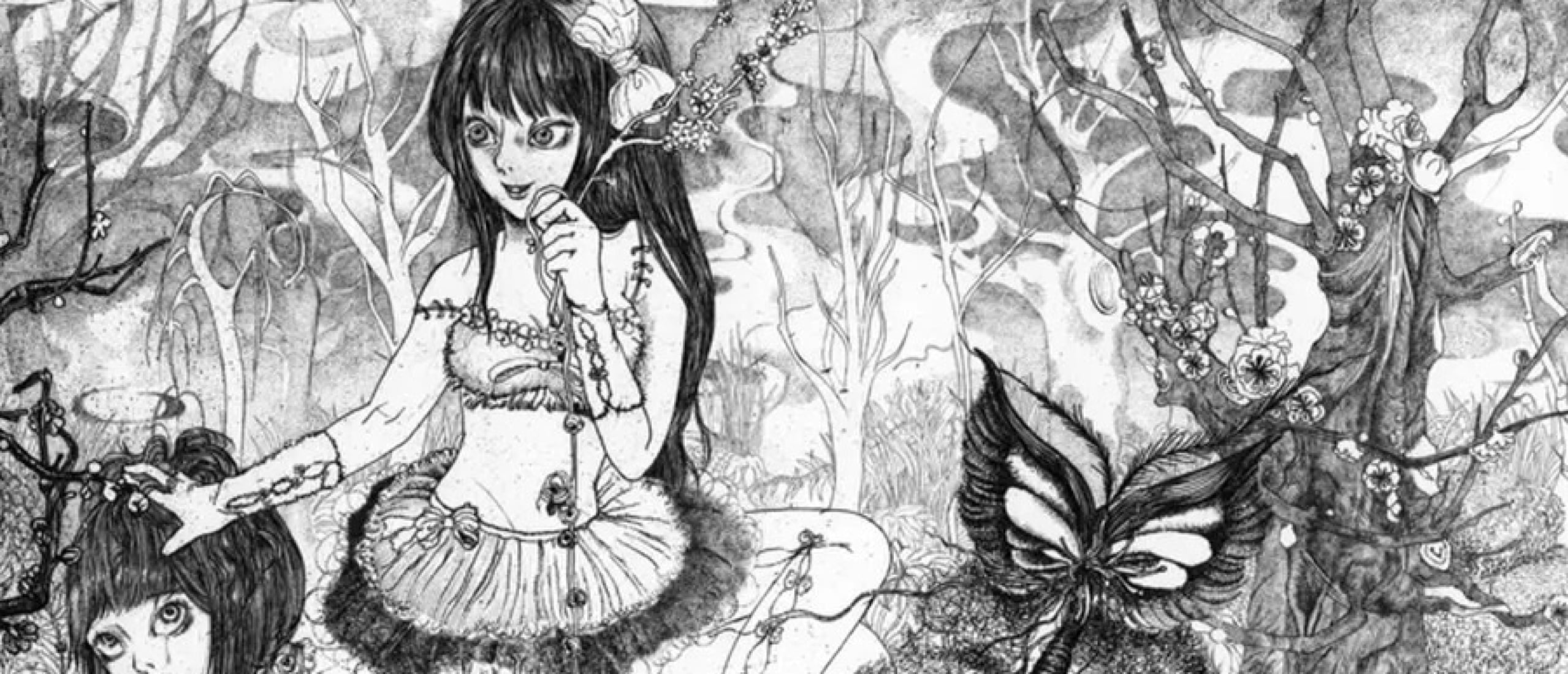
Fig.4
SYNTHESIS OF TRADITIONS: FROM BELLMER TO ERO GURO NANSENSU
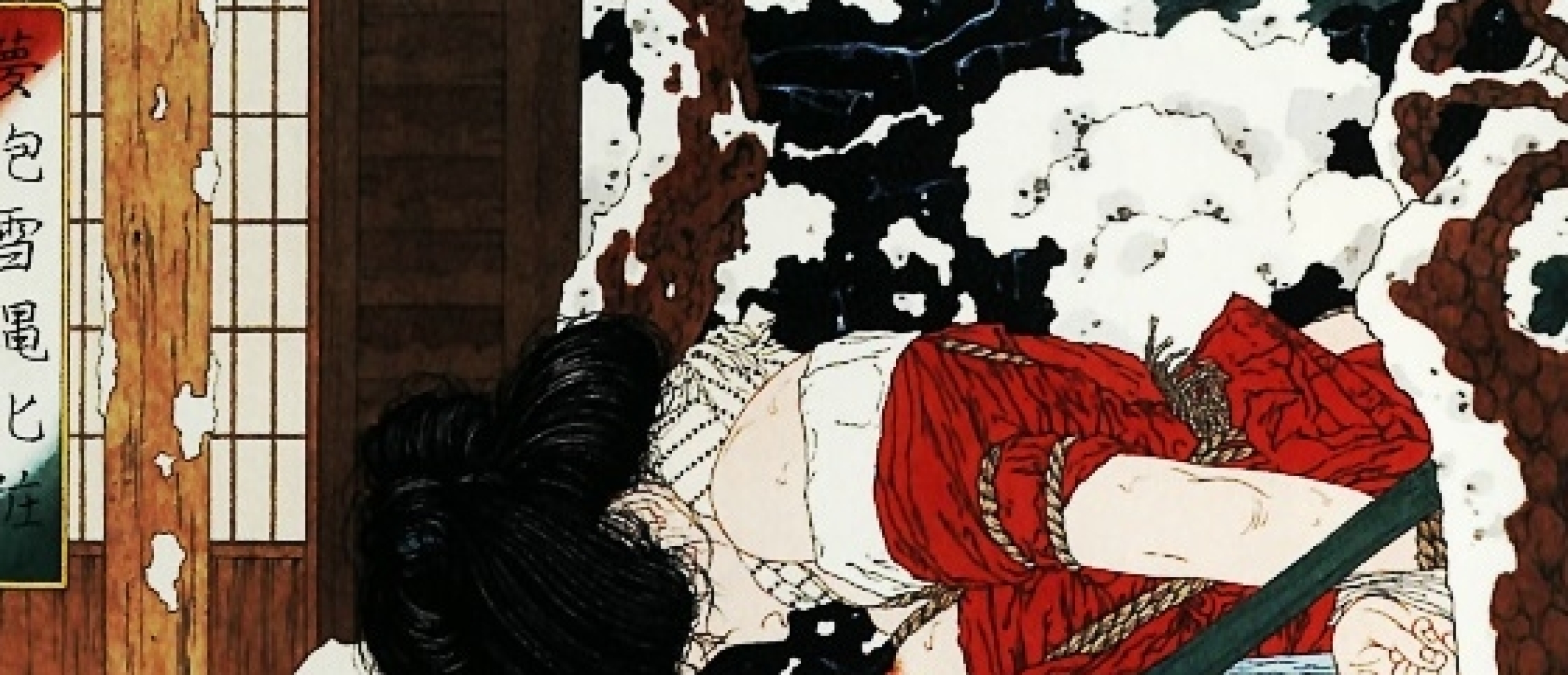
This influence was decisive for artists such as Simon Yotsuya, Katan Amano, Koitsu Tsuchiya, and various sculptors linked to the renaissance of the Japanese art doll in the 1960s and 1970s, in whose work anatomy ceases to obey the principles of naturalism to assume fragmentary, melancholic, and deeply ambiguous configurations. However, when this tradition is observed from a broader perspective, it becomes clear that it does not constitute a simple assimilation of Bellmer’s work because, upon coming into contact with Japanese visual culture, his conception of the doll began to dialogue with a much older imagery repertoire, formed by puppet theater (ningyō jōruri), votive figures, ritual dolls, the phantasmal imagery of the Edo period and, above all, the sensibilities developed around ero guro nansensu. The result was not a reproduction of the Bellmerian aesthetic, but a reconfiguration of his propositions based on Japan’s own cultural categories.
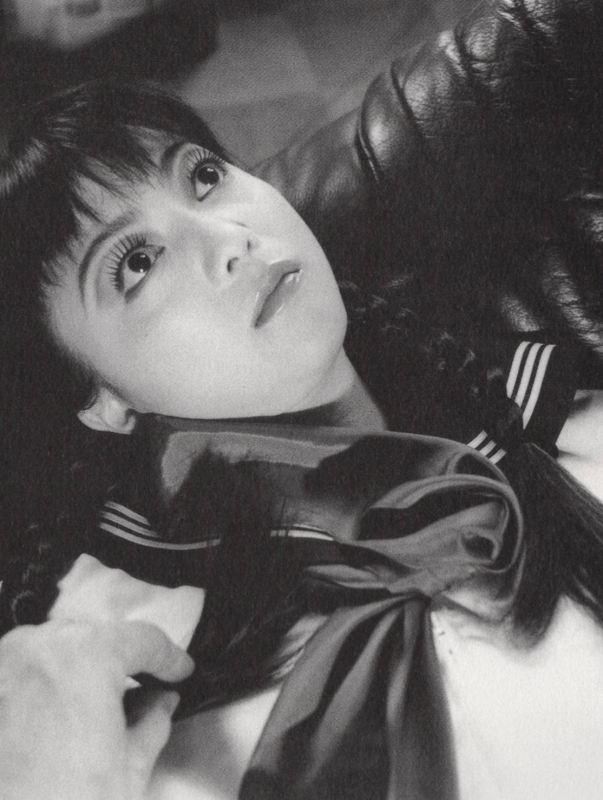
Fig.5
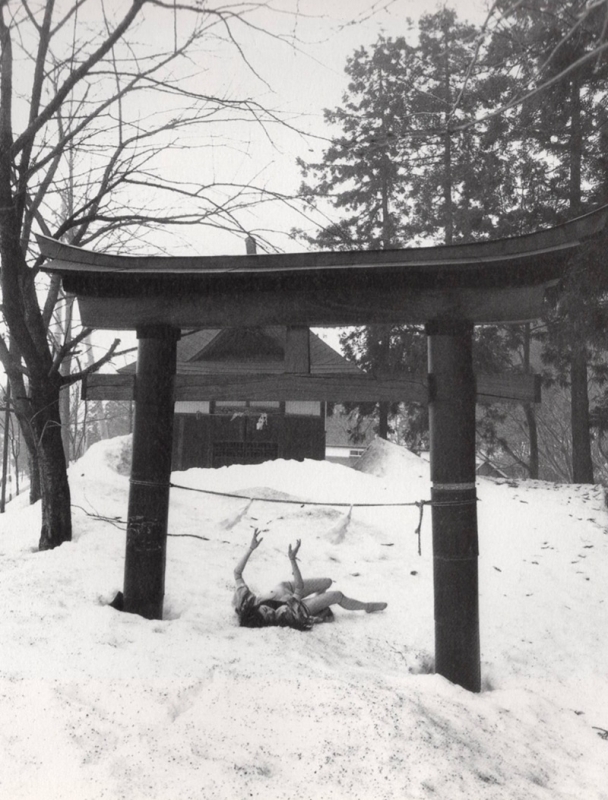
Fig.6
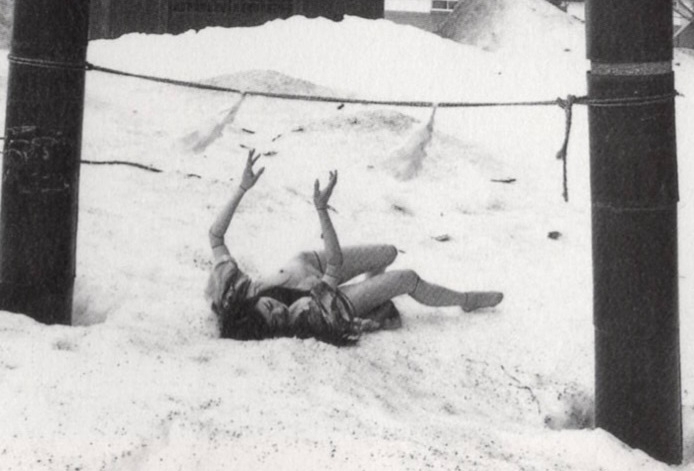
Fig.8a
THE BODY AS A FIELD OF PERMANENT INSTABILITY
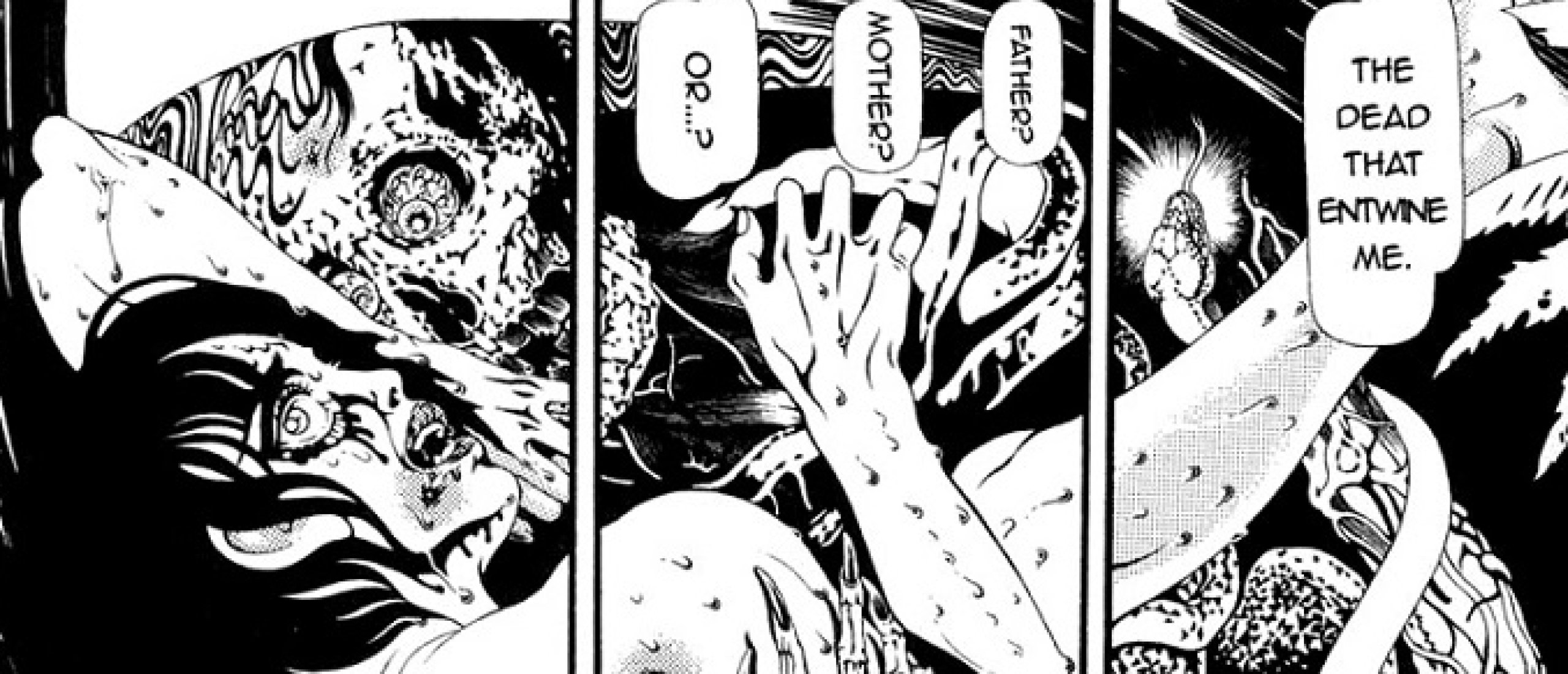
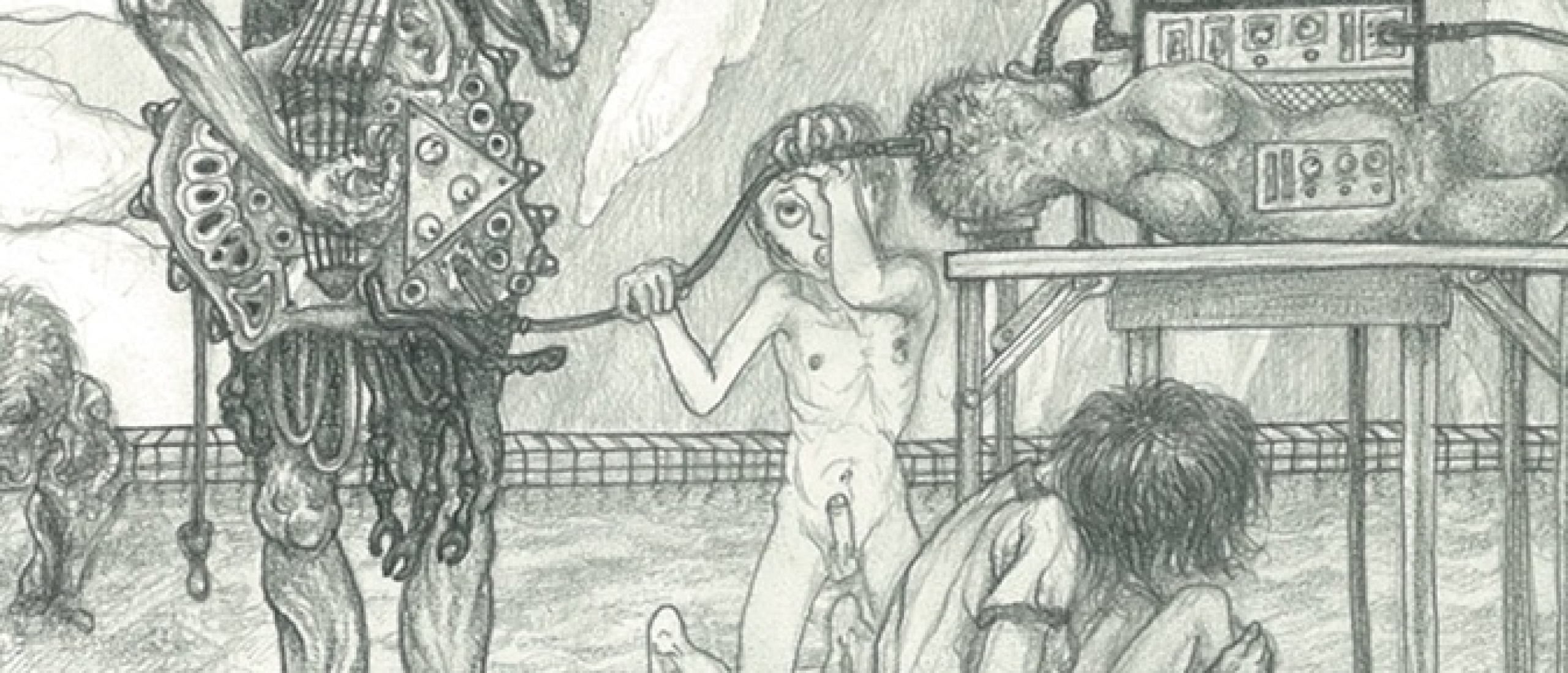
It is in this sense that later artists, such as Takato Yamamoto or Ryo Yoshida, can be brought close to Hans Bellmer, not because they derive exclusively from his production, but because they participate in an artistic tradition that had already assimilated his reflection on the artificiality of the body. In their works, the body continues to be conceived as unstable matter, open to fragmentation, hybridization, and metamorphosis; however, these processes begin to be articulated with the imagery of ero guro nansensu, Japanese fantastic narratives, and Eastern conceptions of impermanence and transformation. The influence of Hans Bellmer manifests itself, therefore, less as an immediately recognizable formal repertoire than as a conceptual horizon that allowed modern Japanese doll art and the poetics of the grotesque to develop new ways of thinking about the relationship between body, desire, artificiality, and image. What brings these artists together, therefore, is not the adoption of the same iconographic repertoire, but a common conception according to which the body ceases to be understood as the foundation of identity to become a field of permanent instability. While Hans Bellmer performs this operation through the anagrammatic fragmentation of anatomy, various artists associated with ero guro nansensu shift it to other forms of mutation, incorporating plant, animal, mechanical, or cadaverous elements that dissolve the boundaries between traditional categories of the human.
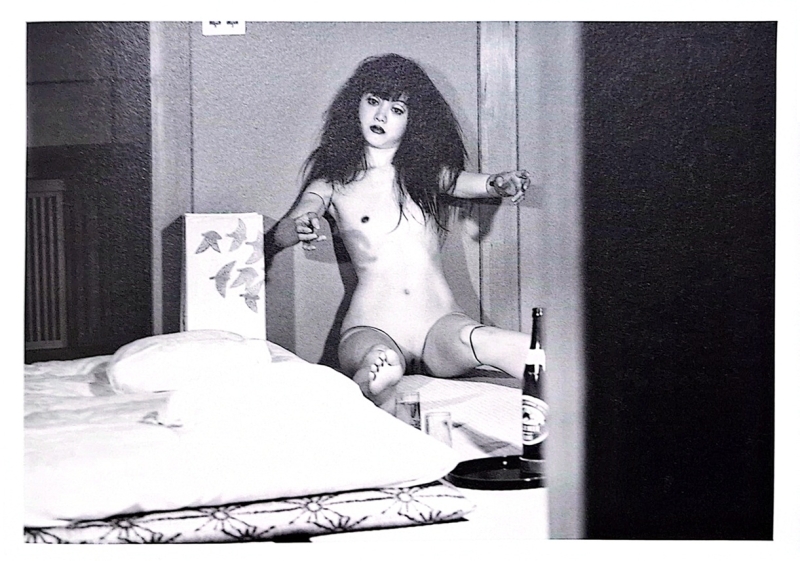
Fig.7
In the extended Premium edition you'll discover more about the body, performance, and the tradition of ningyō, how Ambrosius establishes a bridge between cultures, a profound analysis on how Ambrosius uses Bellmer's grotesque doll aesthetics in his Ma poupée japonaise (My Japanese Doll), and much (MUCH) more....!!
Click HERE for an article about Hans Bellmer and his dark surreal dollhouse
Let us know your thoughts about Ambrosius's doll aesthetics in the comment box below...!!