
Fūzoku Sōshi: A Short-Lived Magazine And Its Lasting Impact On Postwar Japanese Eroticism
THE IMPACT OF FŪZOKU SŌSHI
The magazine Fūzoku Sōshi (風俗草紙) occupies a place that is as brief as it is decisive in the history of erotic and sadomasochistic publications in postwar Japan. Its emergence in 1953 should be understood as more than a mere editorial episode, since it appeared at a moment of profound reorganization in the regimes governing the circulation of images and the forms of negotiation between censorship, the market, and fantasy. Although its existence was short, just over one year, Fūzoku Sōshi produced an impact disproportionate to its lifespan, particularly by positioning itself from the outset as a direct and aggressive competitor to Kitan Club (奇譚クラブ), the magazine that had inaugurated, in June 1952, the space of SM as a relatively autonomous editorial genre.
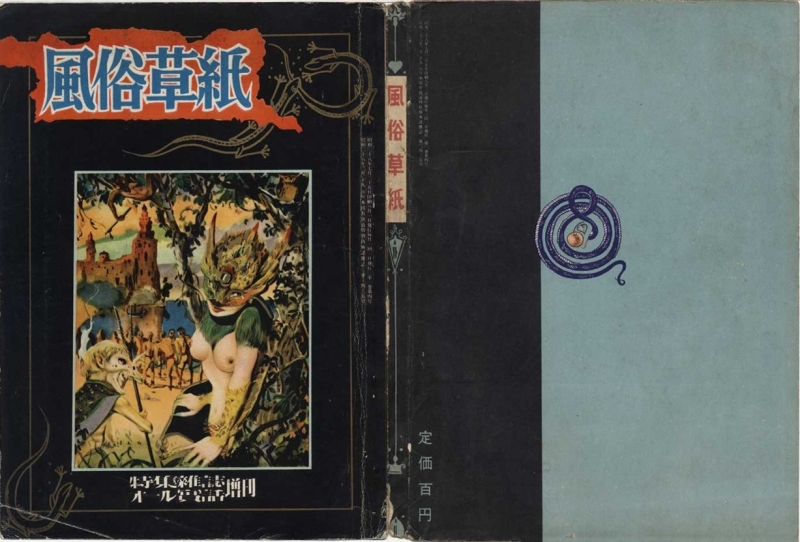
Fig.1
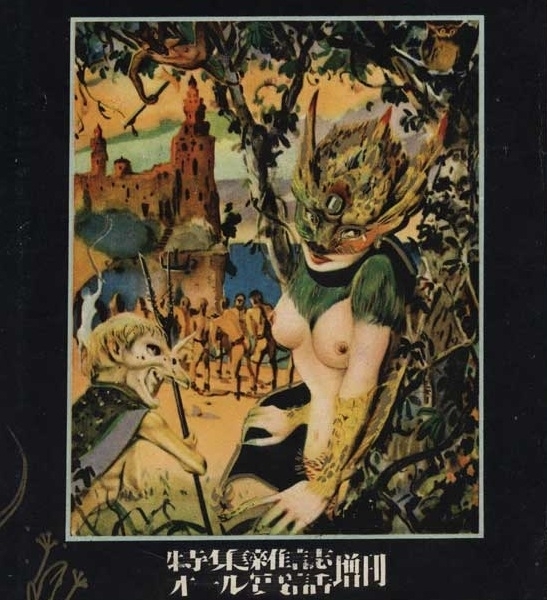
Fig.1a
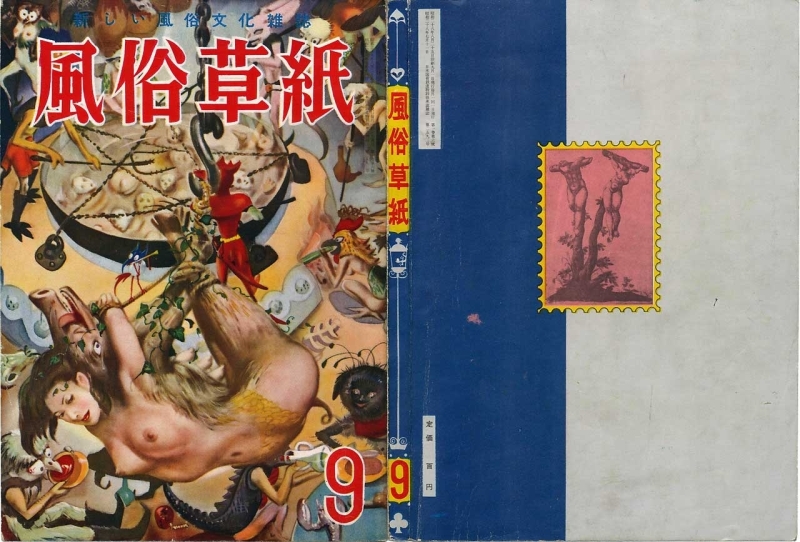
Fig.2
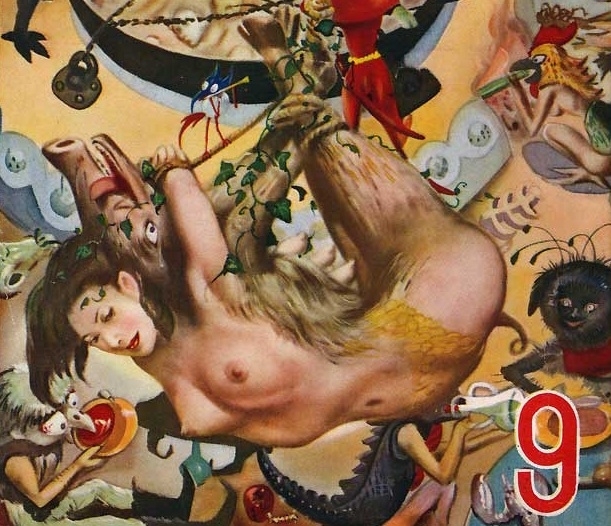
Fig.2a
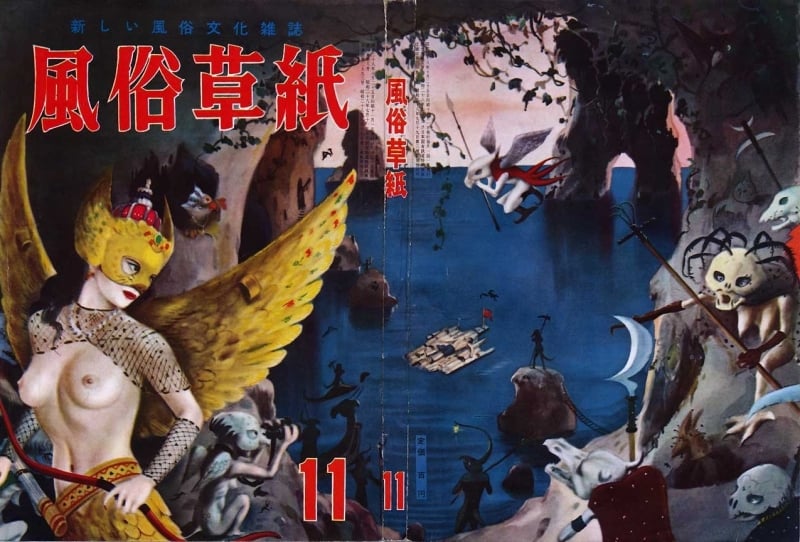
Fig.3
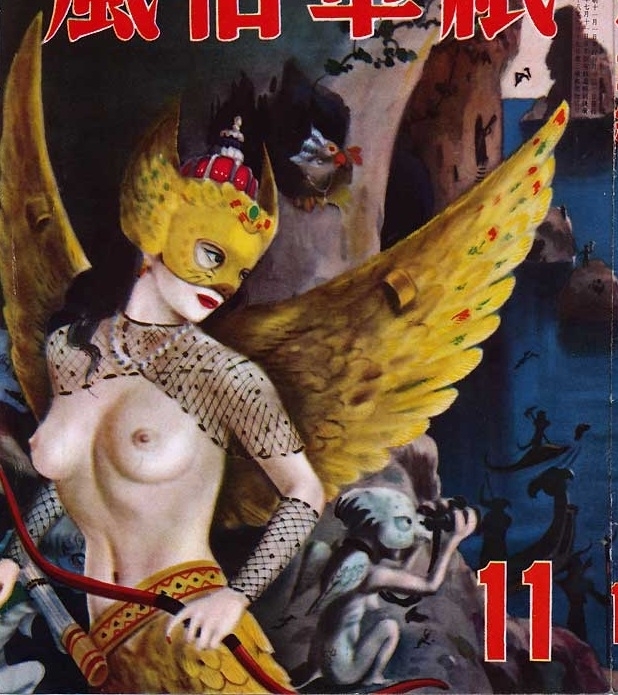
Fig.3a
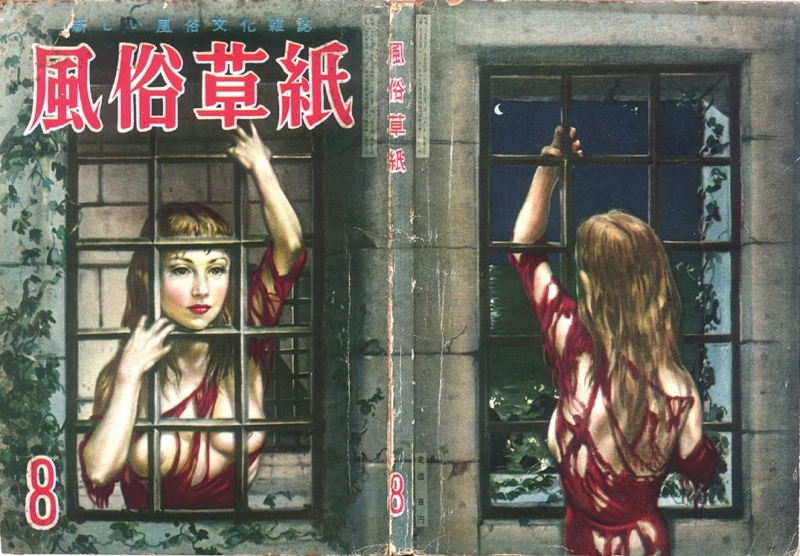
Fig.4
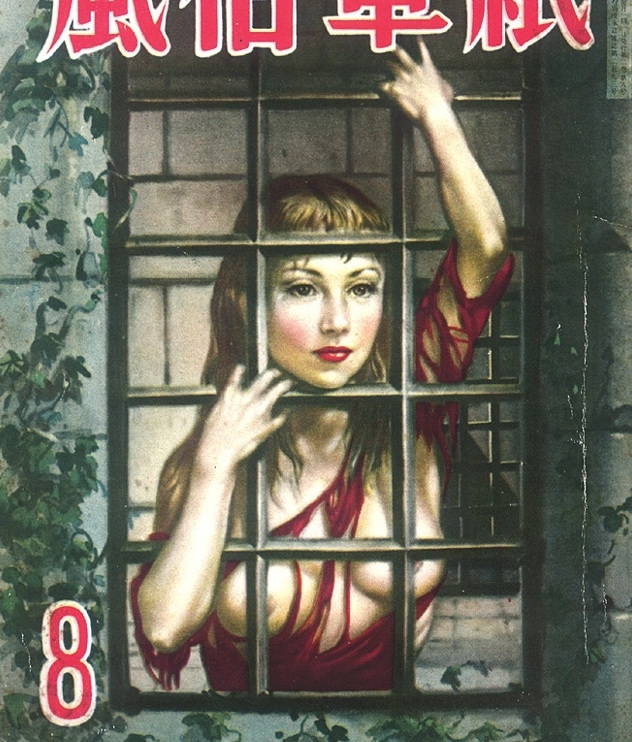
Fig.4a
DIFFERENCES BETWEEN FŪZOKU SŌSHI AND KITAN CLUB
What makes the appearance of Fūzoku Sōshi surprising is the historical context in which it emerged. Unlike the explosion of SM magazines in the 1970s—favored by a climate of greater tolerance and the relaxation of publication standards—Japan in the 1950s was still strongly marked by moral and legal surveillance inherited both from the imperial period and from the Allied occupation. Censorship, although officially reformulated, remained active with regard to sexuality, violence, and representations considered “deviant.” Thus, the fact that barely a year after the launch of Kitan Club such an overt and provocative rival appeared raises important questions about the dynamism of the editorial market and the existence of a readership eager for this type of content.
From its origins, Kitan Club presented itself as a magazine specializing in narratives and reflections on sadomasochism, but it did so in a relatively serious, almost academic tone. There was an attitude that might be described as “investigative”: first-person accounts, confessions, texts that sought to justify interest in SM through psychological, literary, or even scientific arguments. This “studious” character, although permeated by explicit eroticism, functioned as a strategy of cultural legitimation and perhaps as a form of protection against censorship. It was not merely about arousal, but about explaining, cataloguing, and understanding.
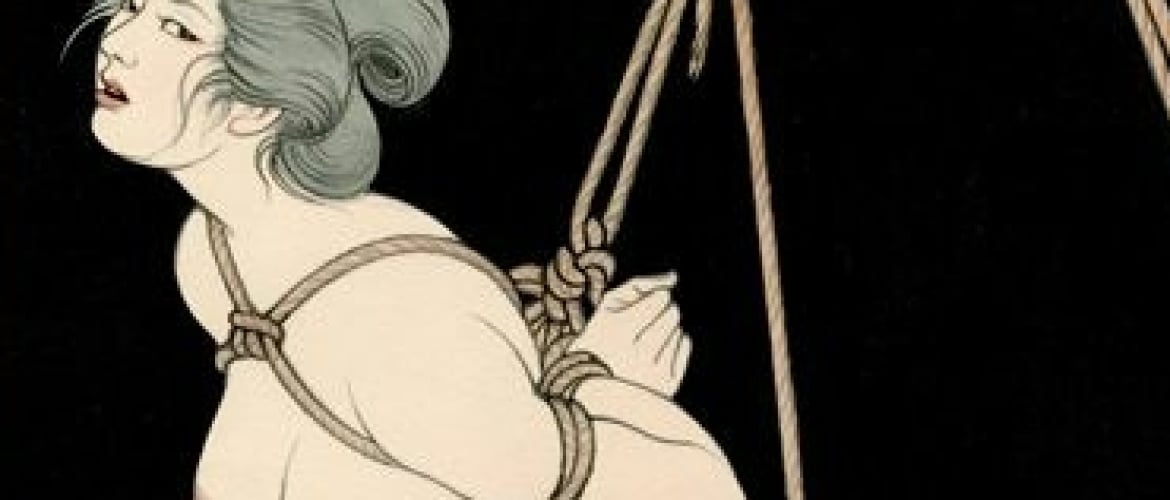
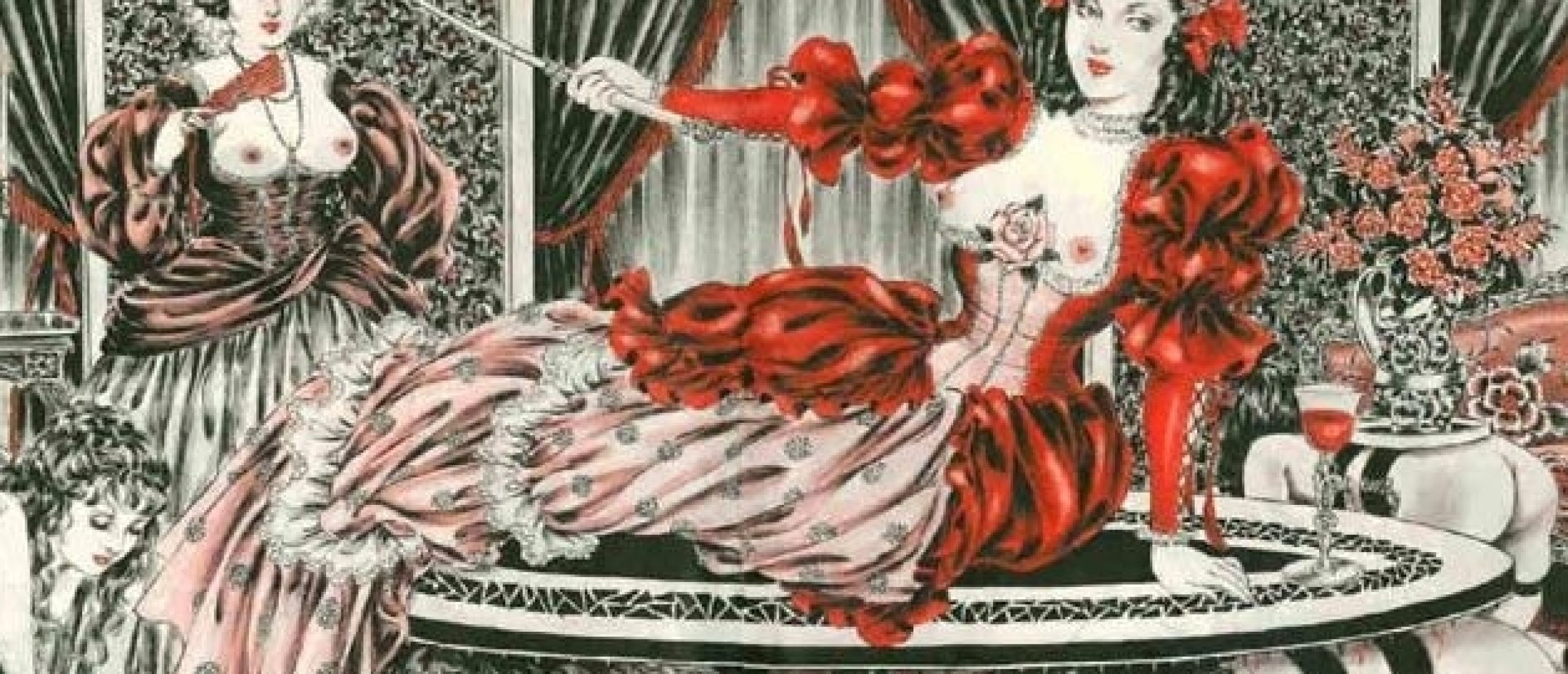
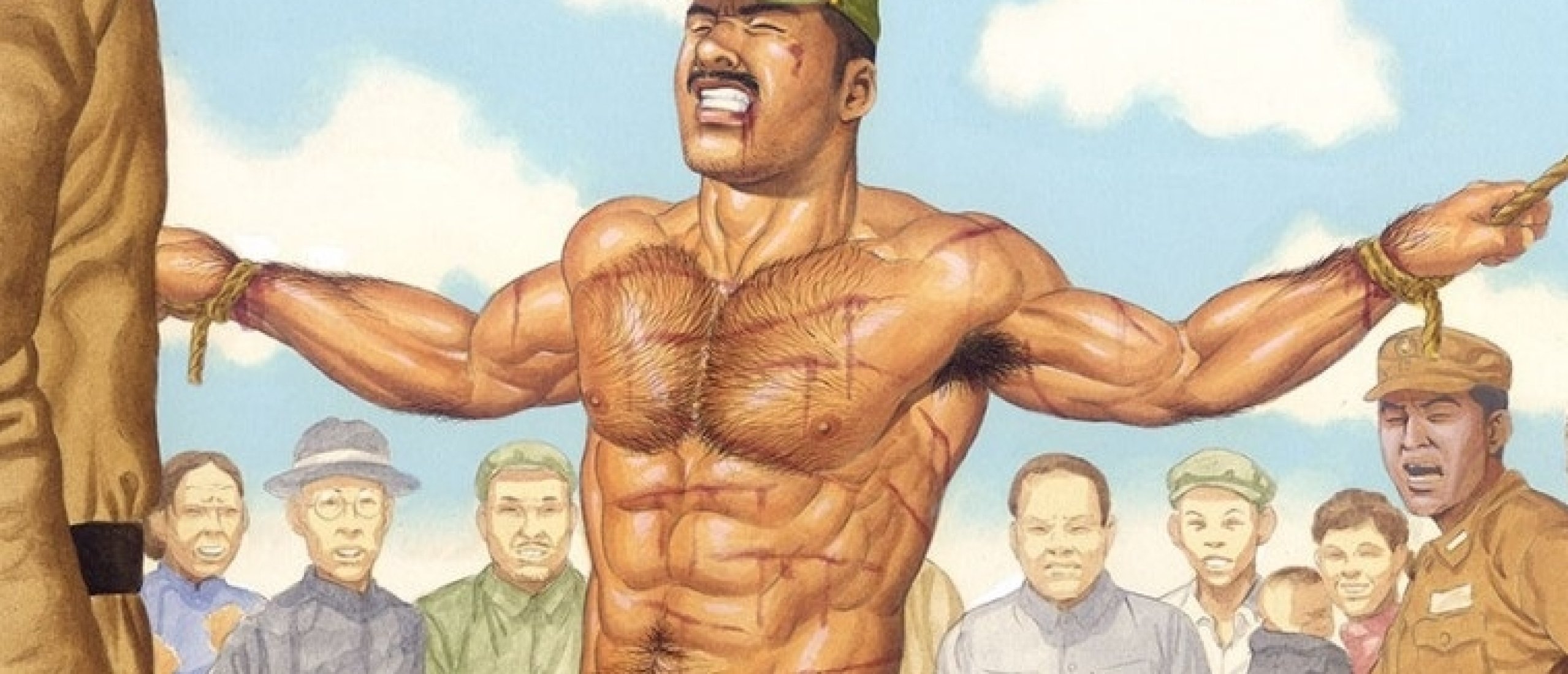
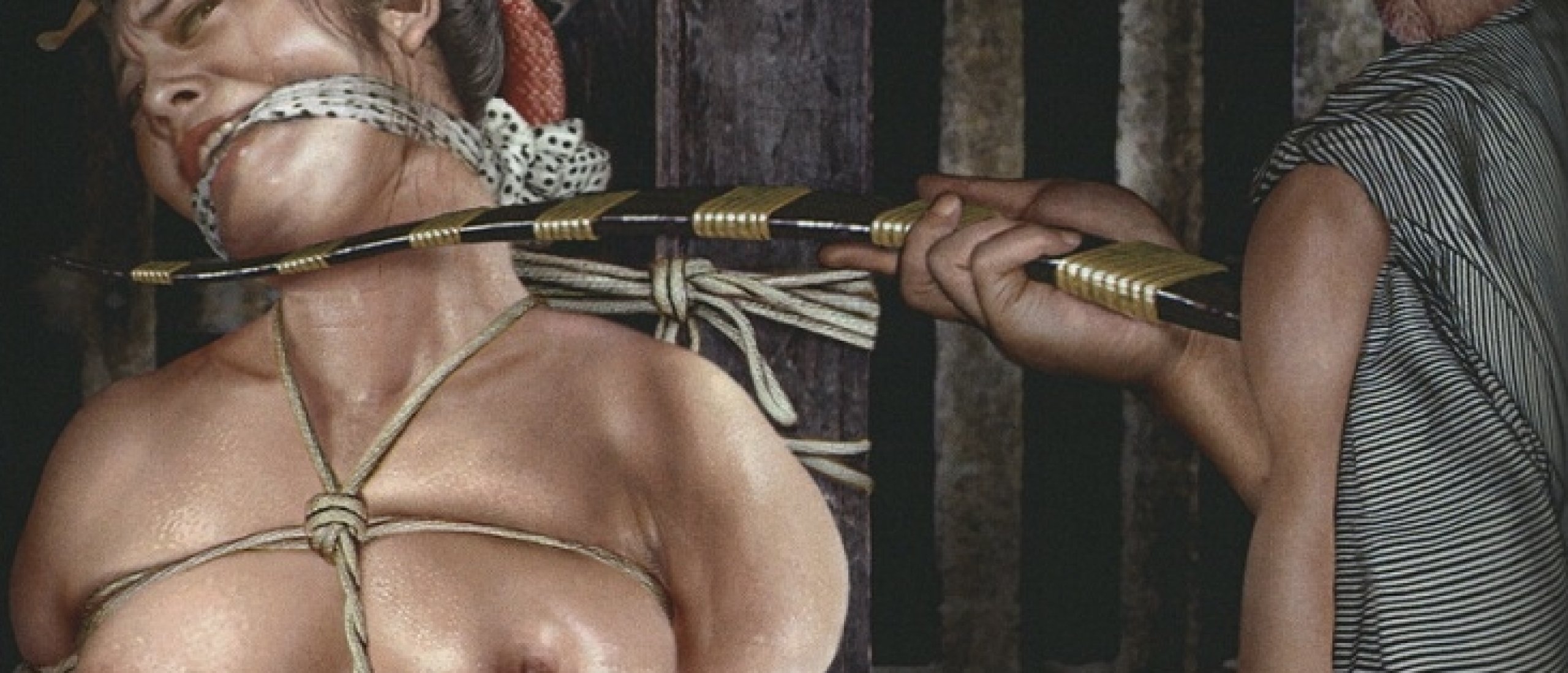
Fūzoku Sōshi, on the other hand, chose a very different path. Instead of hiding behind an academic veneer, it unapologetically embraced SM as direct erotic practice, as fetish and spectacle. It was an “unabashed” magazine that treated sadomasochism as something to be consumed visually and narratively, without the need for intellectual justification. This difference was not merely one of content, but of ethical and aesthetic posture. Where Kitan Club seemed to speak in a low voice, Fūzoku Sōshi spoke loudly; where one suggested, the other showed.
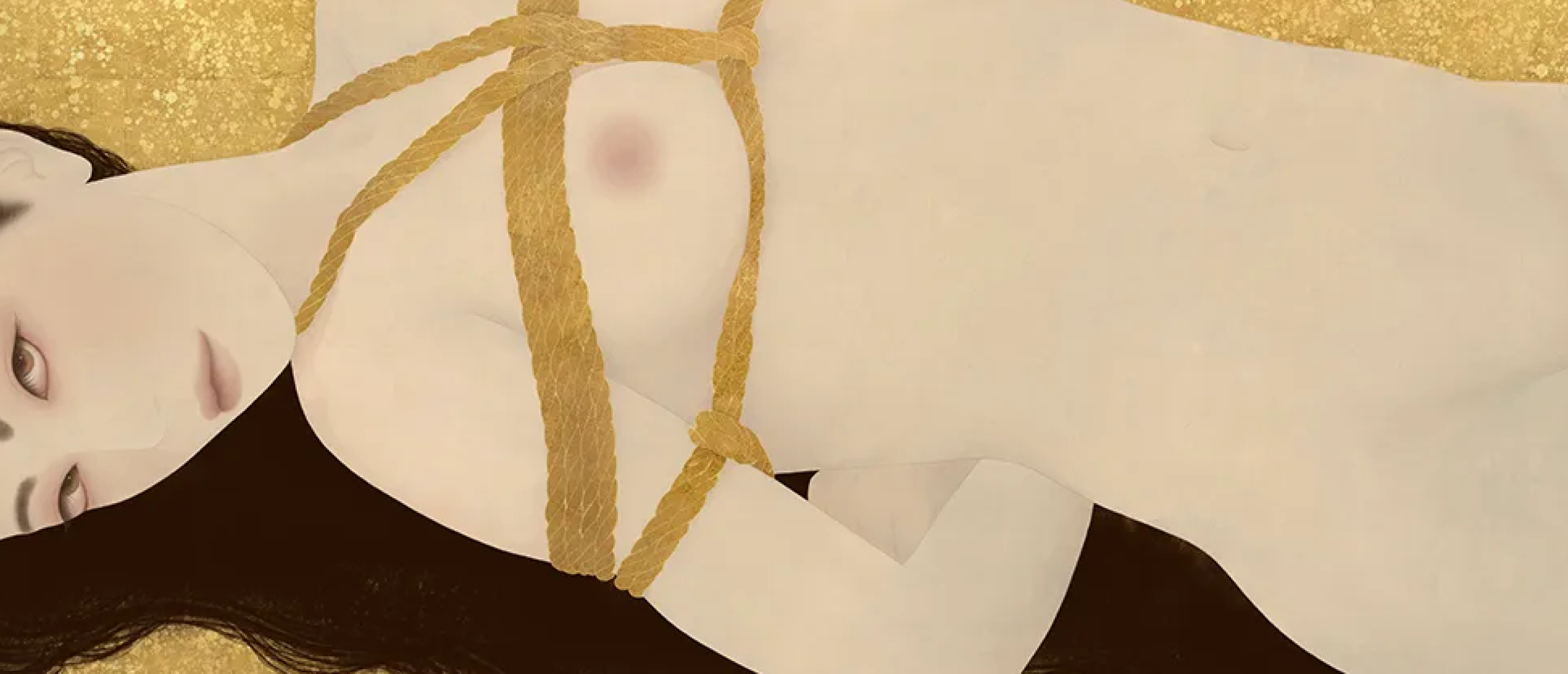
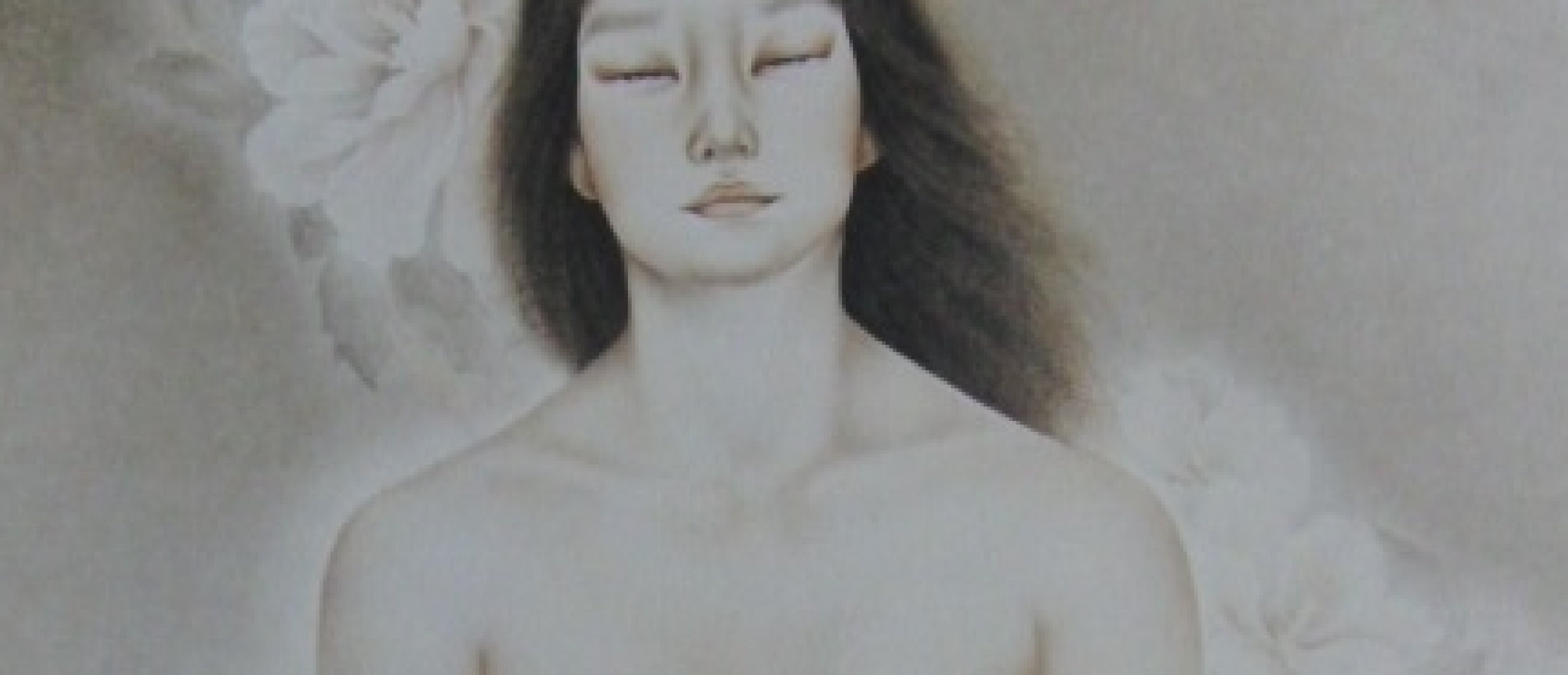
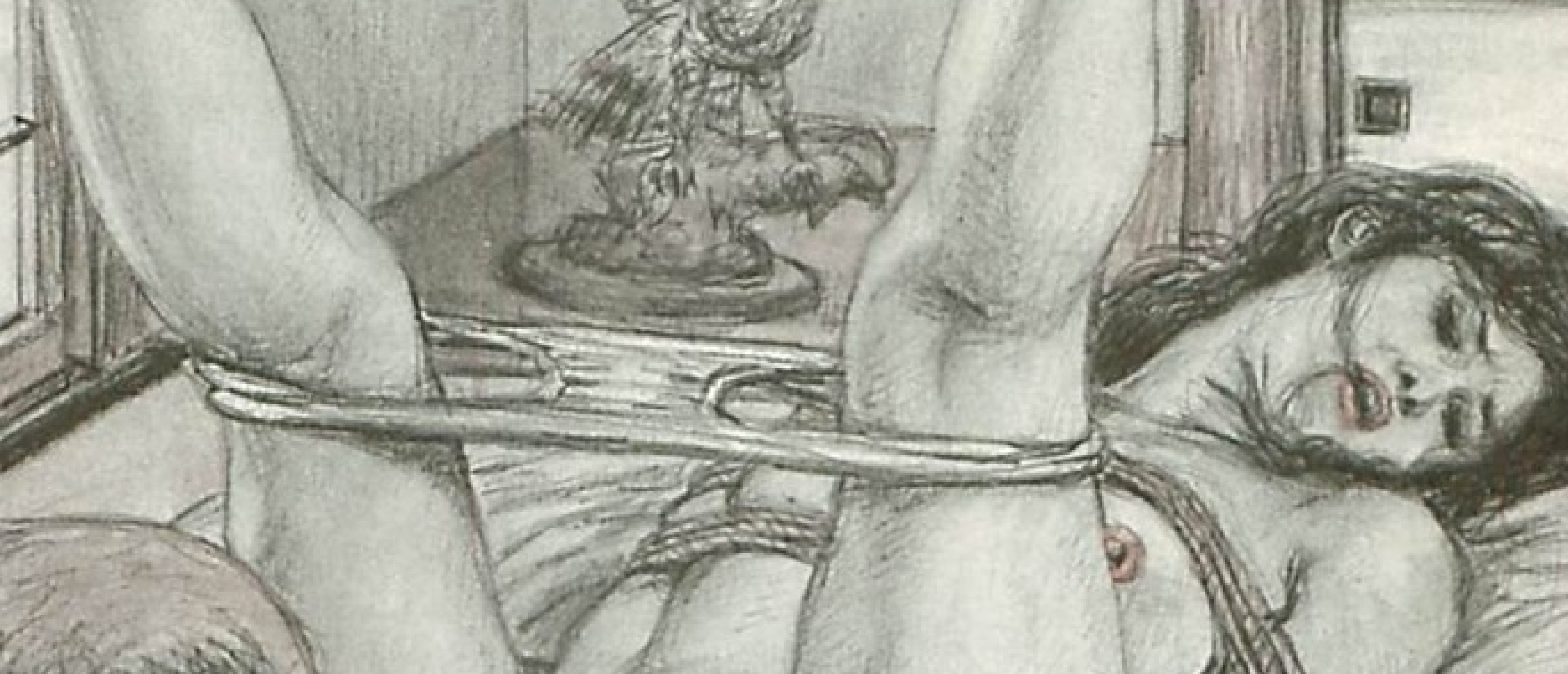
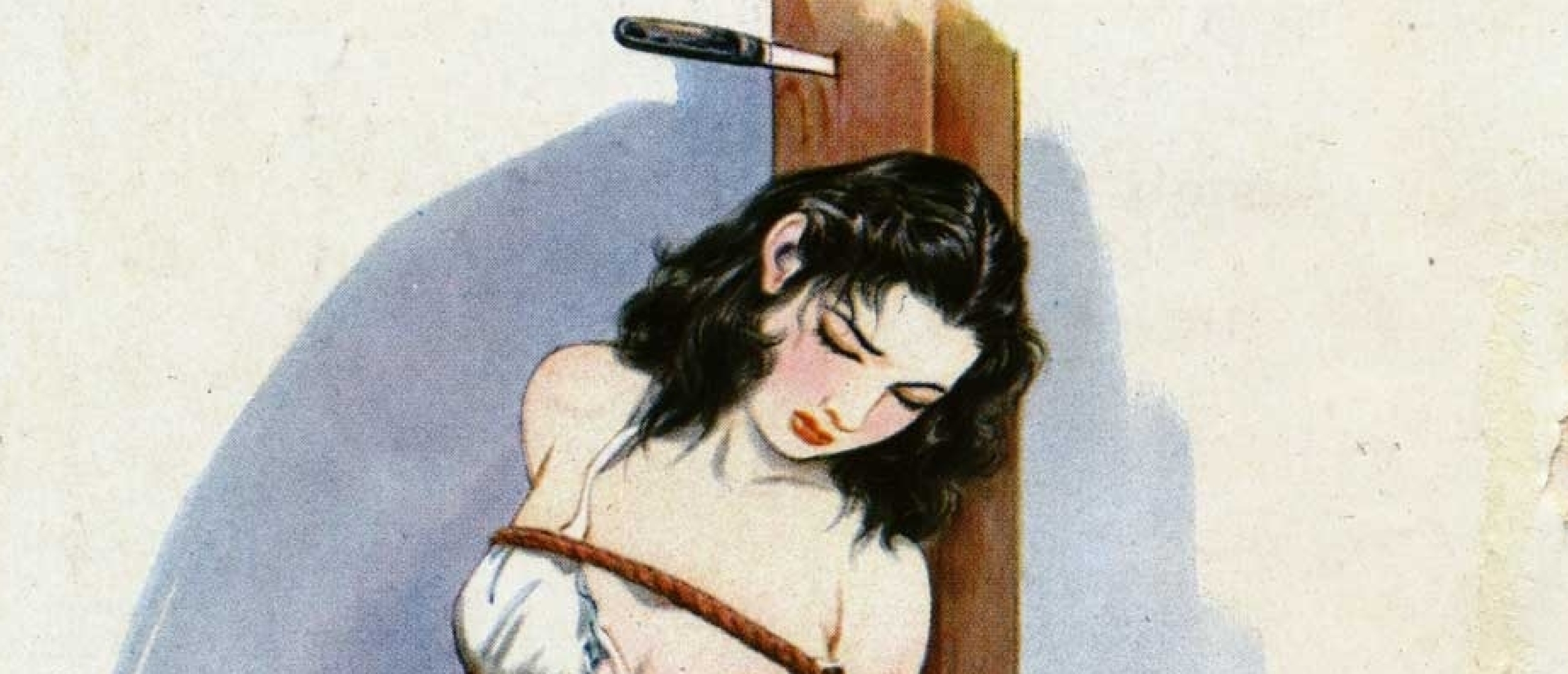
This frankness, however, did not imply graphic carelessness or visual poverty, since one of the central elements of Fūzoku Sōshi’s impact was precisely the quality and force of its images. The internal illustrations, especially those associated with artists such as Kita Reiko (喜多玲子), were striking for their intensity, detail, and capacity to translate fantasies of submission, pain, and pleasure into visual form. The presence of these images forced Kitan Club to react. As later criticism has noted, the period in which the two magazines coexisted corresponds to the most luxurious moment in the history of Kitan Club, when it invested in more elaborate pages, a greater number of illustrations, and a bolder graphic design. Rivalry thus produced a general elevation of the visual standards of the genre.
This aesthetic and provocative escalation, however, also attracted the attention of the authorities. Both magazines were eventually targeted by repression, but their fates diverged. Fūzoku Sōshi, more explicit and less willing to retreat, was unable to recover after sanctions and disappeared definitively. Kitan Club, by contrast, survived precariously, later returning with the famous “white cover,” a symbol of a strategic, almost penitential retreat in the face of censorship. In this sense, the short life of Fūzoku Sōshi should not be read as an editorial failure, but as a direct consequence of its radicalism.
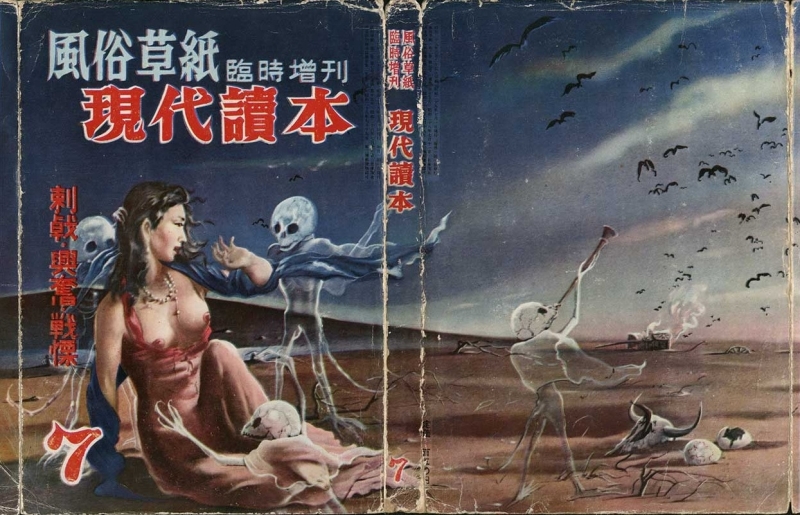
Fig.5
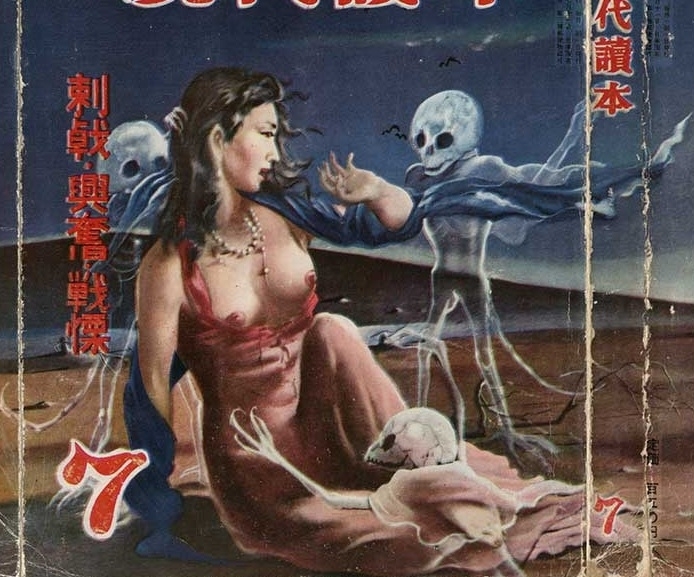
Fig.5a
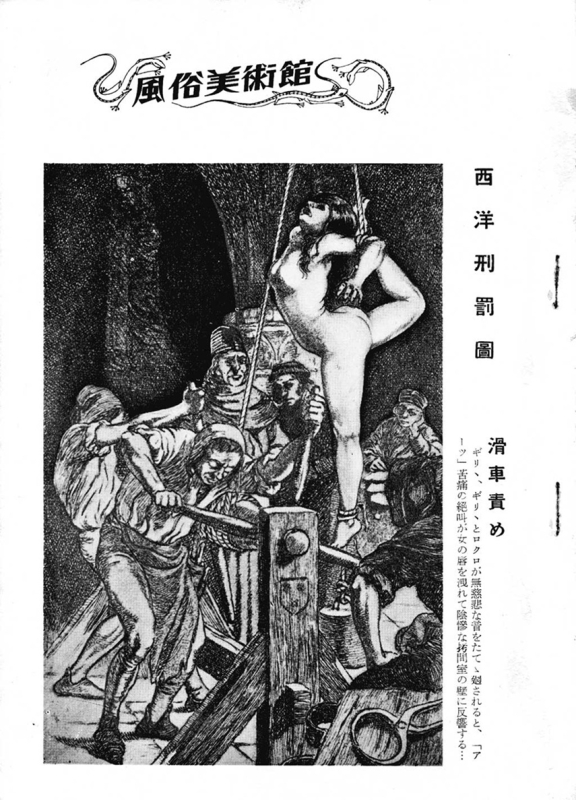
Fig.6
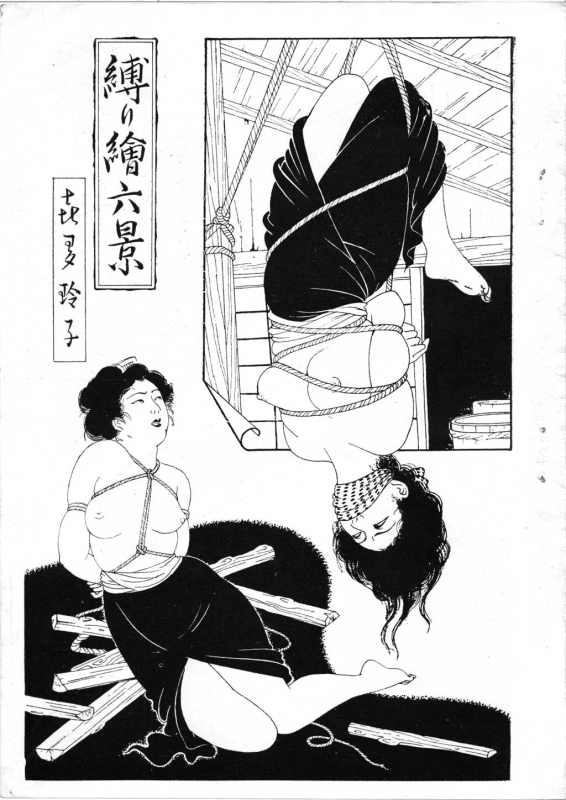
Fig.7
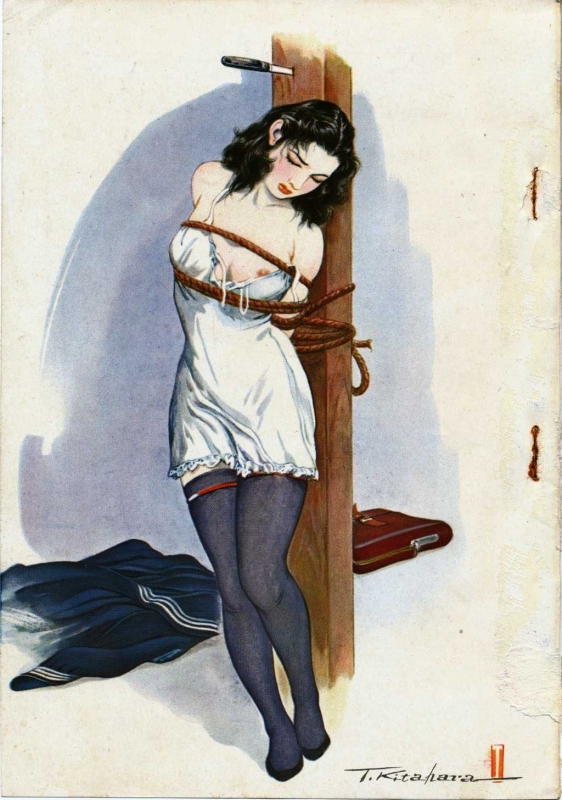
Fig.8
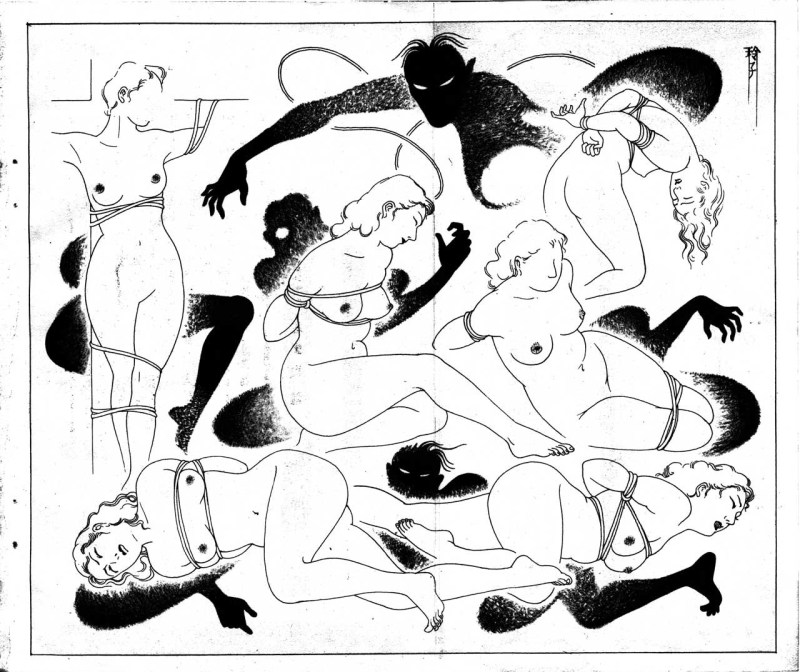
Fig.9
In the extended Premium edition of the article we're going to examine a secret aspect that contributes to the magazine’s almost ghostly character, ambiguities of Fūzoku Sōshi, its unique covers designed by Ran Akiyoshi, why the magazine was more than a simple rival to Kitan Club, and many exciting examples of the magazine's visual contents.
Click HERE for the surprising evolution to spanking-centric erotica by Janus magazine
Let us know your thoughts about this article about Fūzoku Sōshi magazine in the comment box below...!!