
The Importance of Go Nagai
To speak of eroticism and sex in the work of Go Nagai means to address one of the most provocative, controversial, and at the same time structurally decisive themes in the history of postwar manga and Japanese animation. Go Nagai is not merely a mangaka who employs eroticism as shock value or commercial appeal; he is a creator who made the body, desire, violence, and transgression central tools for questioning social institutions, moral hierarchies, and cultural boundaries. From his earliest works in the 1960s to later OVA productions, eroticism in Go Nagai’s oeuvre appears as comedy, social critique, horror, and reflection on the loss of innocence and adolescence.
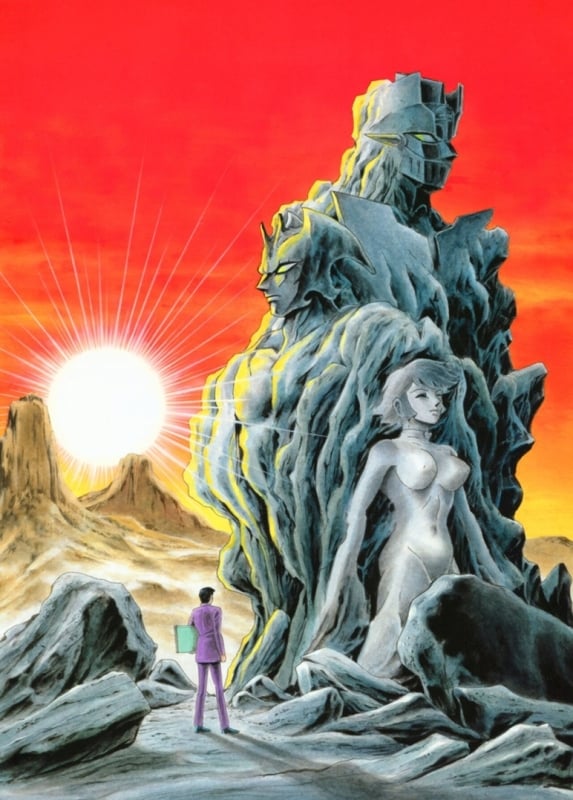
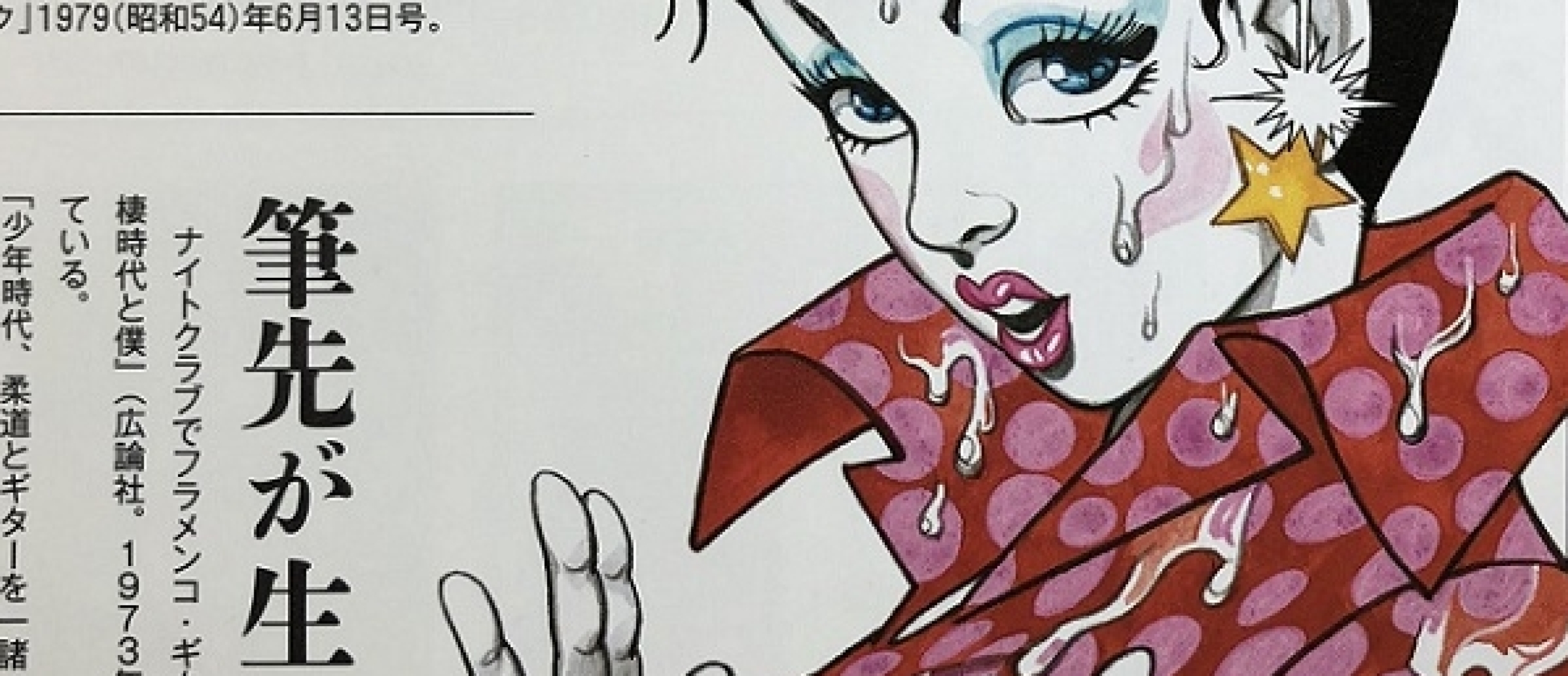
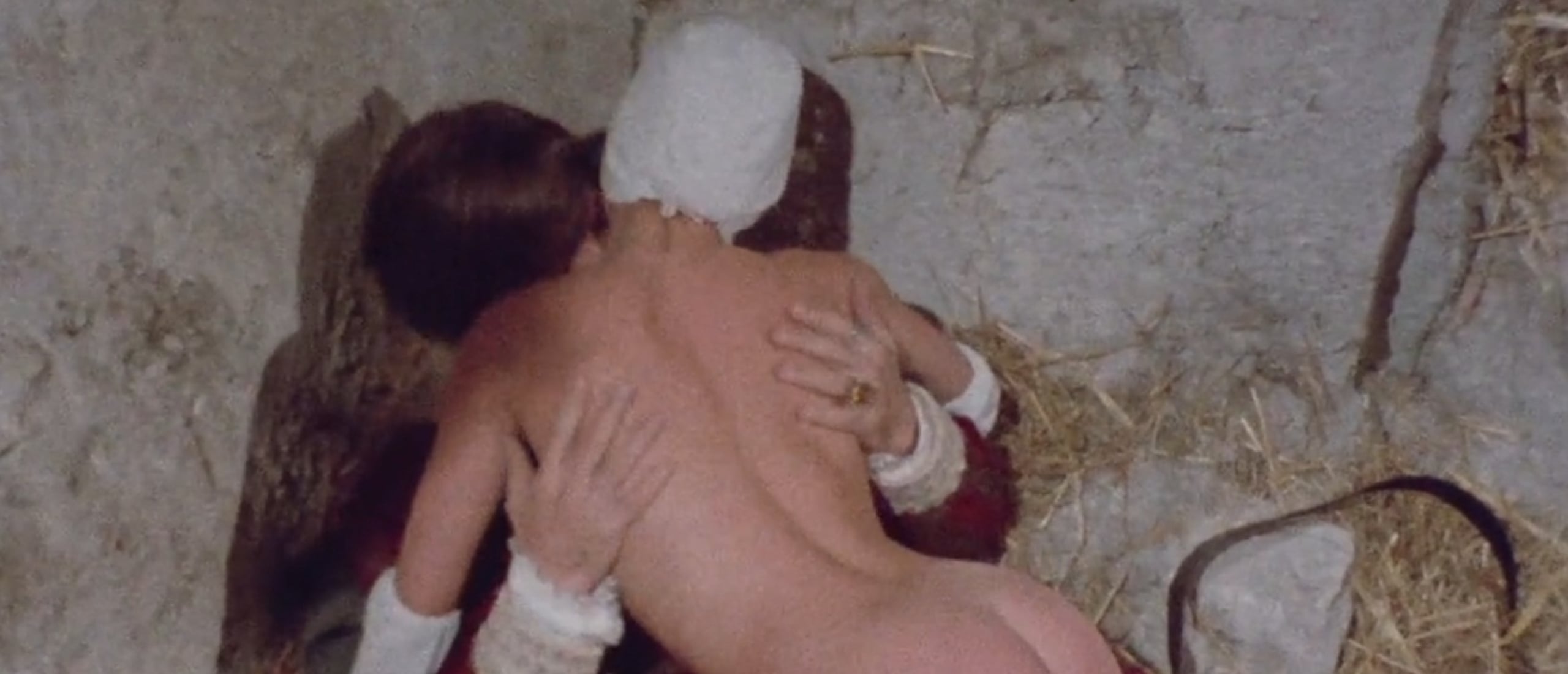
Fig.1
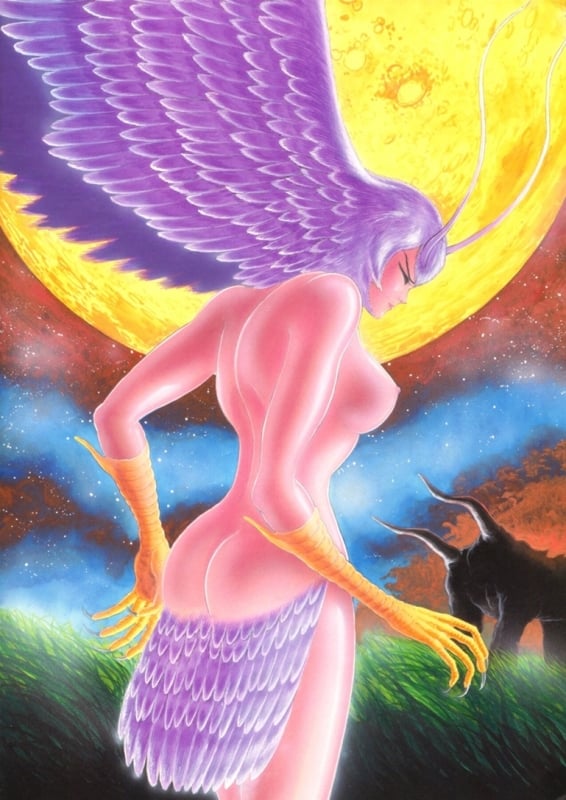
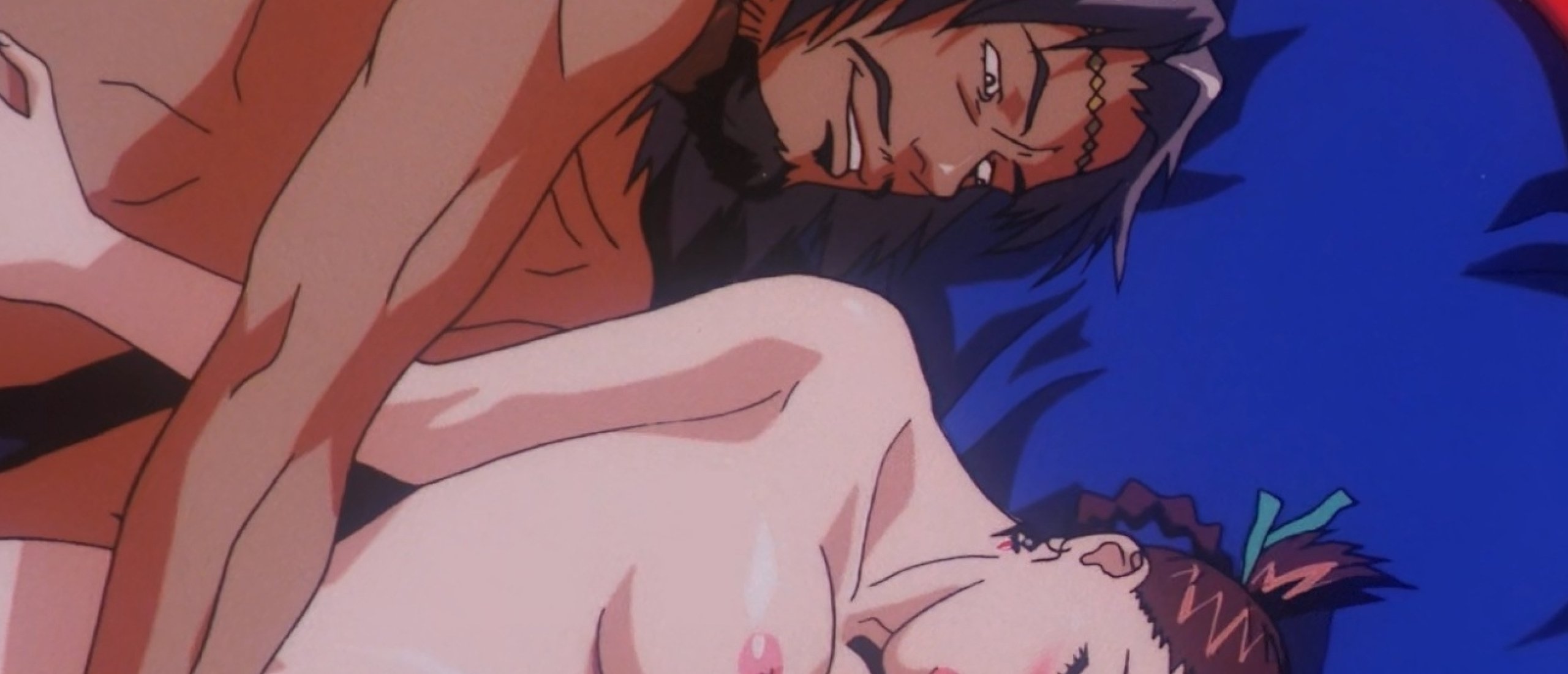
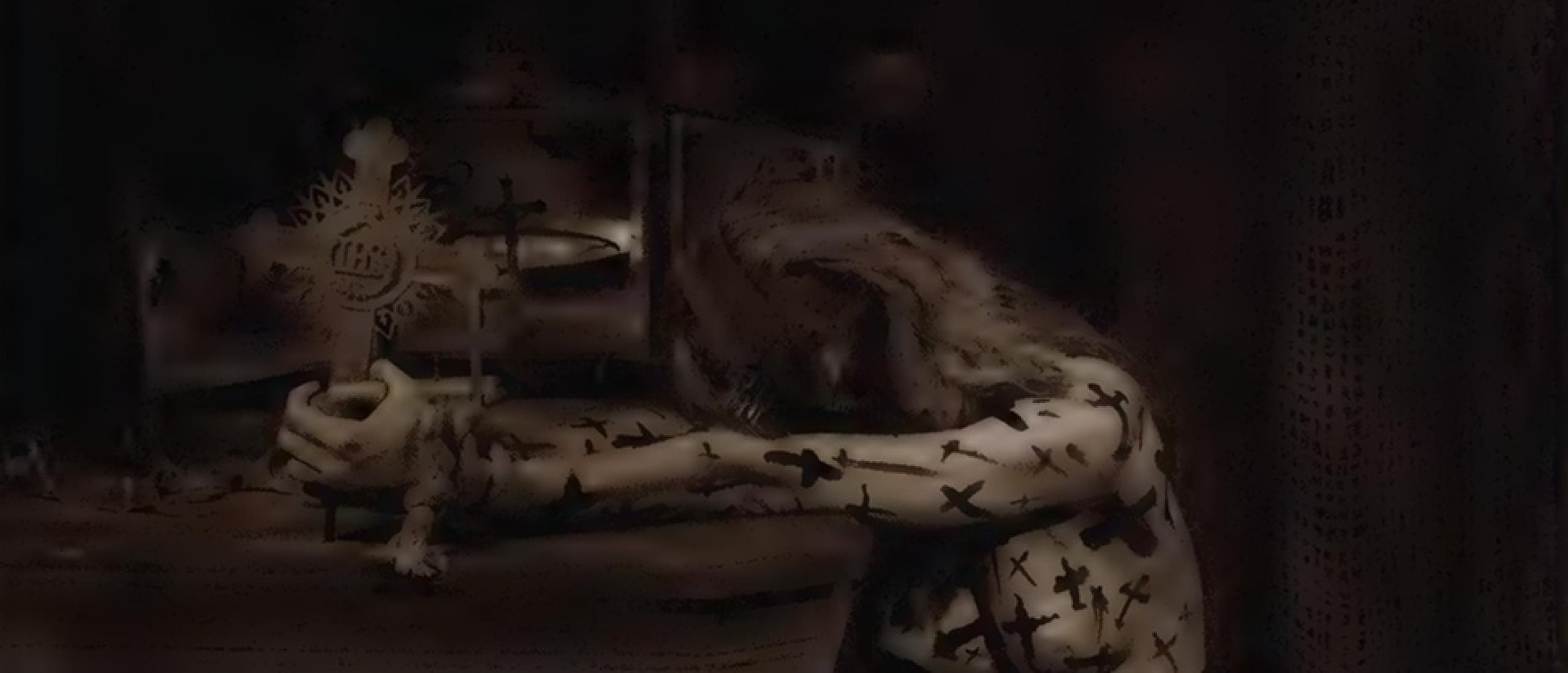
Fig.2
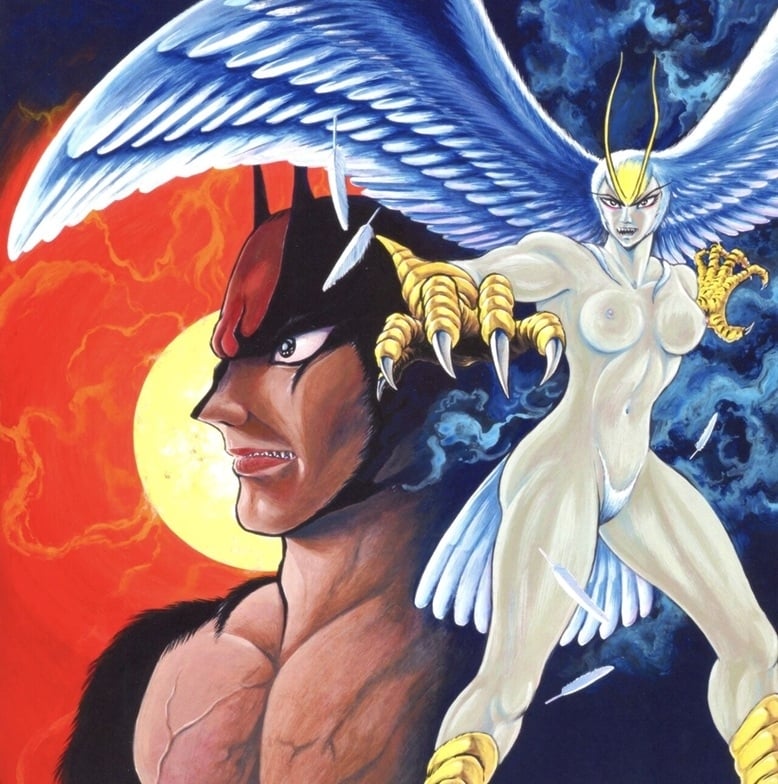
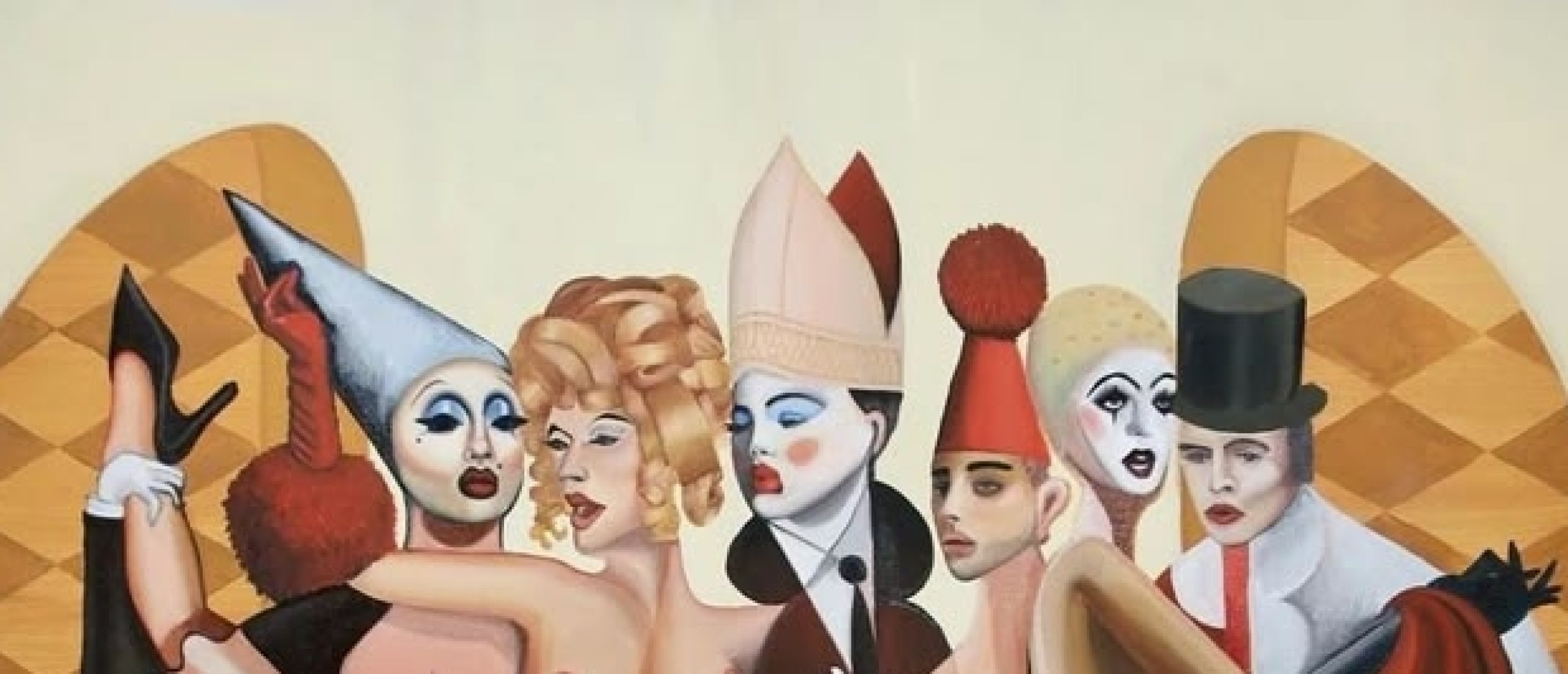
Fig.3
The Emergence of Scandal
To understand the impact of eroticism in Go Nagai’s work, it is essential to situate it within the context of Japan in the 1960s and 1970s. This was a period marked by economic reconstruction, strong valorization of educational institutions, social discipline, and constant tension between traditional values and Western cultural influences. In this scenario, the body is reclaimed by Go Nagai as the last refuge of individuality against social massification. While the State demanded conformity and sacrifice in the name of the economic miracle, eroticism, arising from the combination of horror and comedy in Go Nagai’s work, celebrated raw instinct and irrational pleasure. This eruption of violence and eroticism functioned as a form of collective catharsis, since by giving voice to the forbidden, the mangaka confronted the hypocrisy of a society that, although publicly austere, was riddled with subterranean tensions.
When Go Nagai made his professional debut in the mid-1960s, manga had already consolidated itself as a mass medium, yet it still carried rigid moral expectations, especially regarding publications aimed at young audiences. With the release of Shameless School (Harenchi Gakuen), published from 1968 to 1972 in Weekly Shōnen, he shattered these expectations by portraying students as beings driven by lust, laziness, and irreverence, and teachers as grotesque, hypocritical, or libidinous figures. In doing so, Go Nagai not only introduced eroticism into the fictional school environment but also dismantled the almost sacred respect afforded to Japanese educational institutions.
The scandal generated by Shameless School at the time of its publication reveals that eroticism in Go Nagai’s work is inseparable from social critique. Sex is not meant to arouse the reader, but rather conceived as satire, exposing the fragility of hierarchies and the artificiality of public morality. The violent reaction of parents’ and teachers’ associations, including public book burnings, only reinforced the transgressive nature of the work, while simultaneously consolidating Go Nagai as a dissonant and necessary voice for a generation beginning to question the world it had inherited.
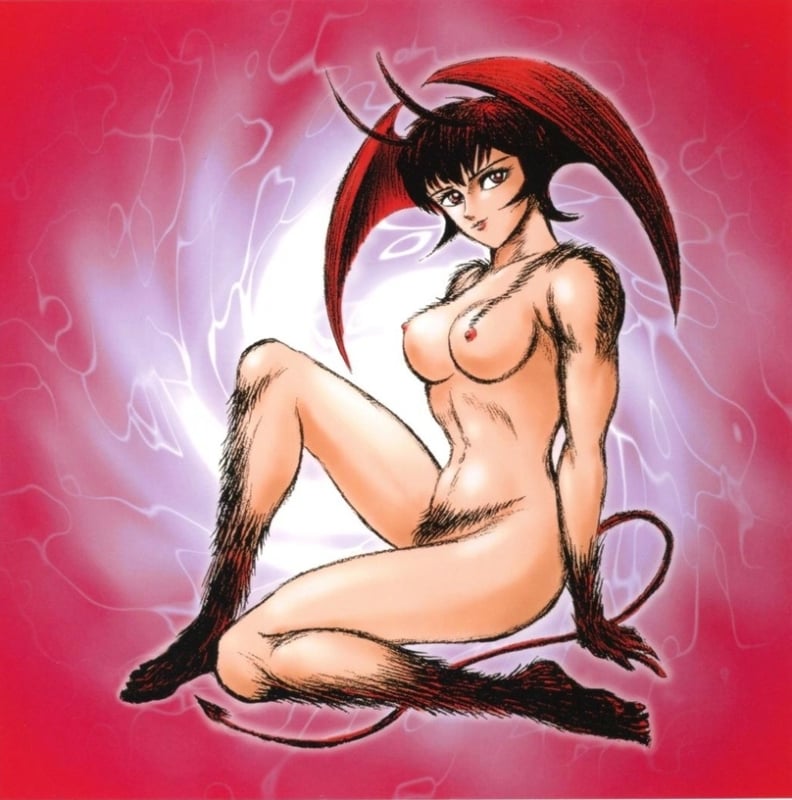
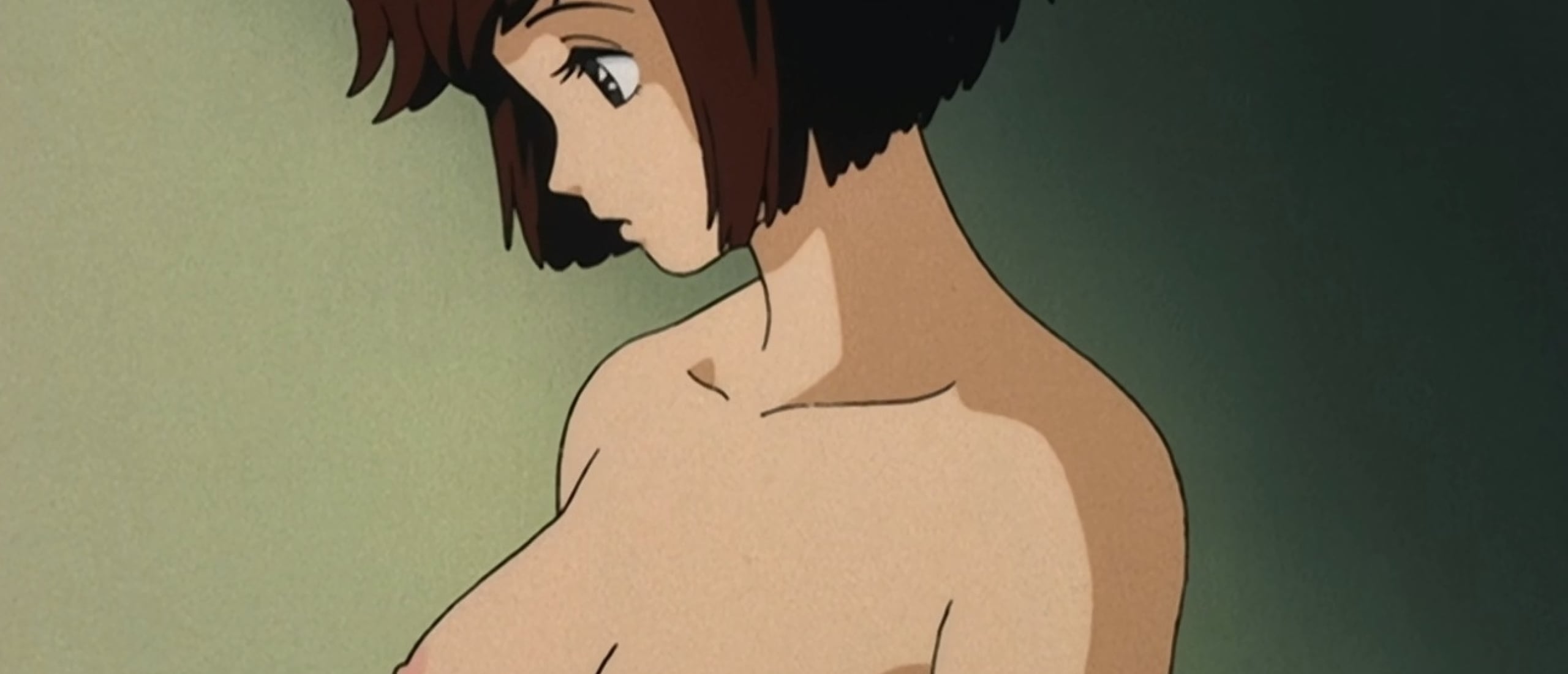
Fig.4 Devil Lady
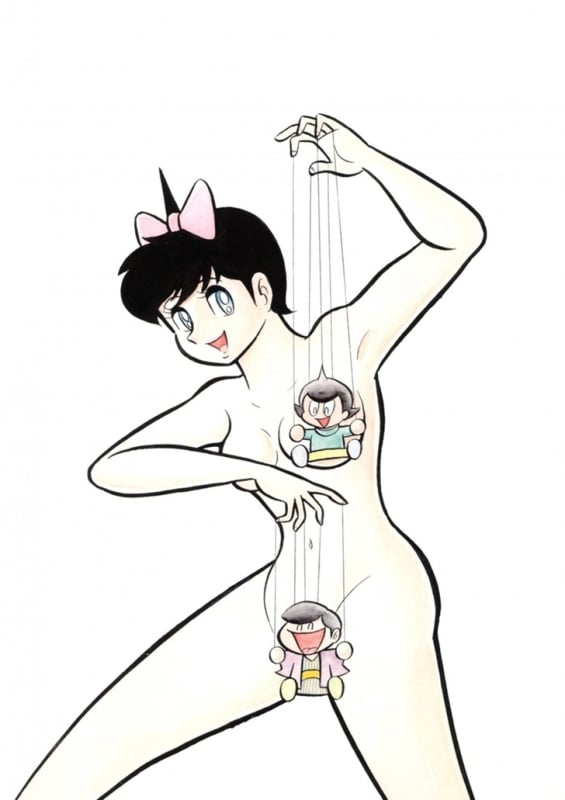
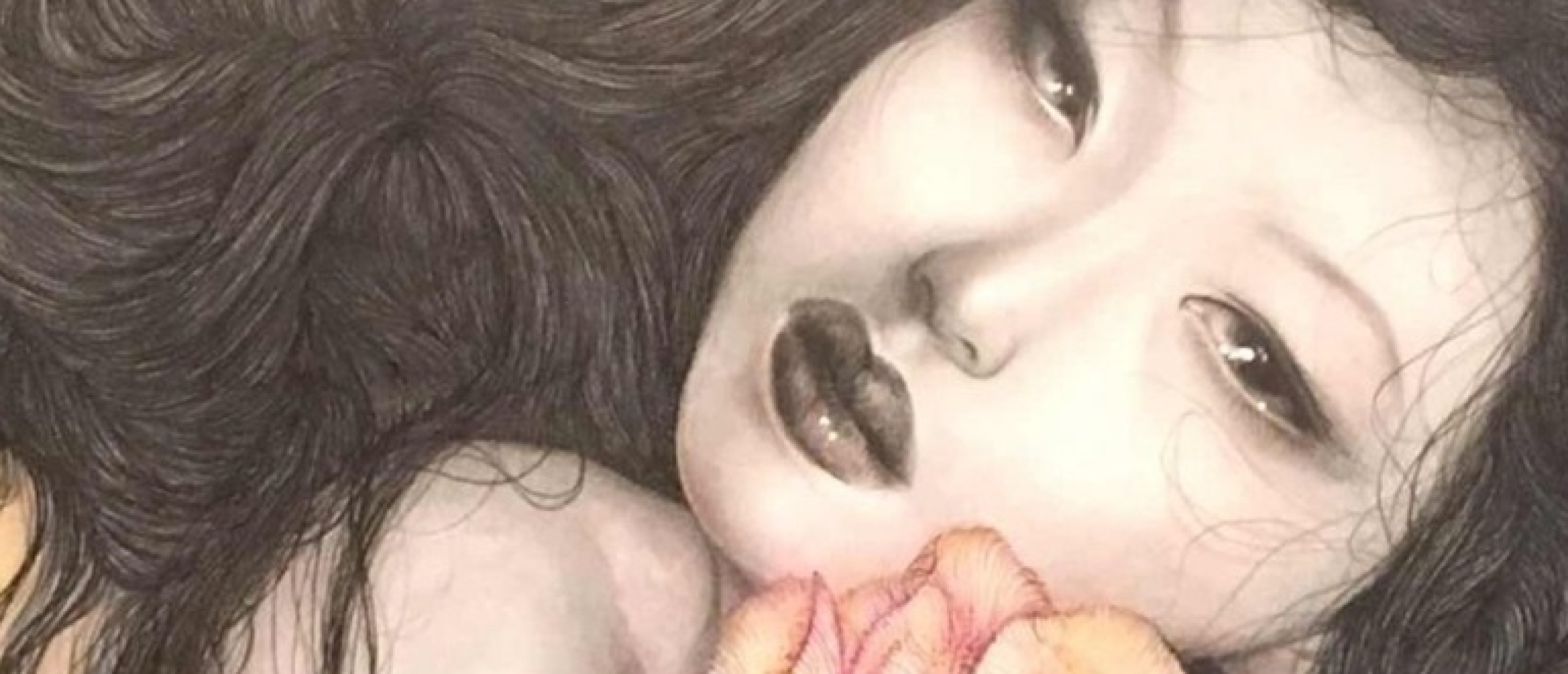
Fig.5
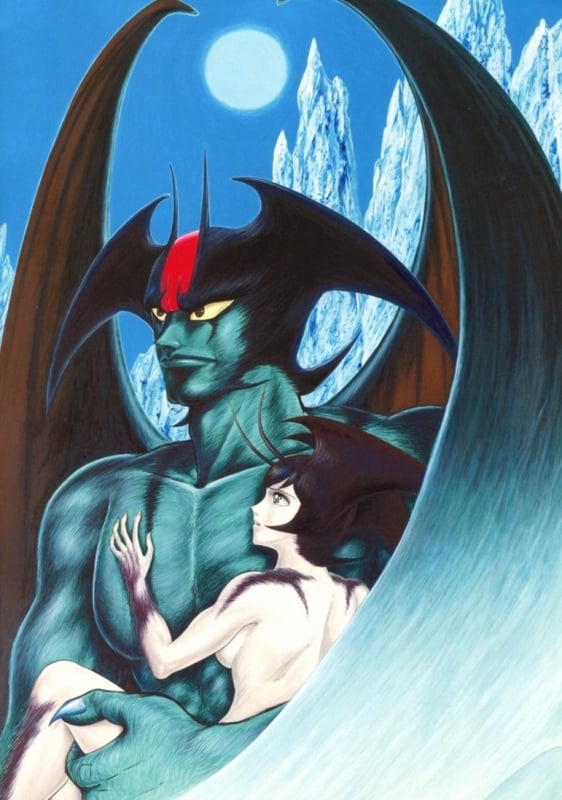
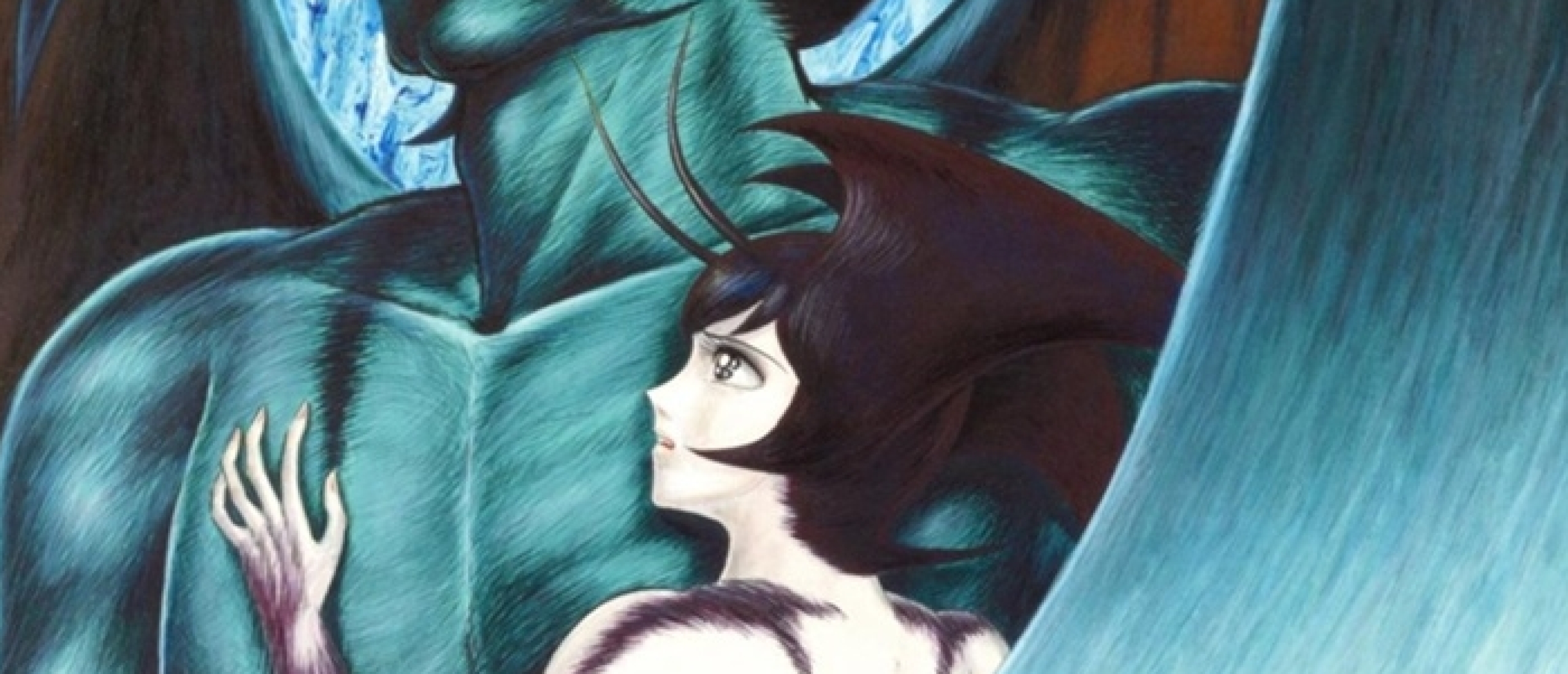
Fig.6 Devilman and Devil Lady
Eroticism as Comedy and Transgression
One of the most persistent traits of Go Nagai’s work is the association between eroticism and humor. By embracing the grotesque, exaggeration, and laughter, Go Nagai distances himself from erotic traditions centered on bodily idealization or refined sensuality. Instead, he depicts naked bodies in absurd situations that, whether sexual or not, ridicule behaviors and norms through shame, mockery, and slapstick.
This comic dimension is evident in works such as Abashiri Ikka (The Abashiri Family) (originally published in Weekly Shōnen Champion from 1969 to 1973, with stories later adapted into an original video animation by Studio Pierrot in 1991). The series follows the adventures of a feared criminal clan known both for its violence and for its lack of grand ambitions, whose plans often fail due to recklessness, yet who respond with extreme brutality when attacked. Over the course of its publication, the series shifts from a darker tone to a slapstick comedy marked by eroticism and graphic violence, functioning as both parody and Go Nagai’s response to the controversies surrounding Harenchi Gakuen. Although abandoned by the author so he could dedicate himself to Devilman, Abashiri Ikka maintained its popularity, later receiving a one-shot and a crossover with Cutey Honey in 2009. The work also spawned an OVA adaptation (1991), international distribution, including North America, and a live-action film released in 2009. In Abashiri Ikka, nudity and violence are treated in a caricatural, almost farcical manner, so that sex is not celebrated as a sublime experience but presented as an uncontrolled impulse, almost always associated with stupidity or brutality.
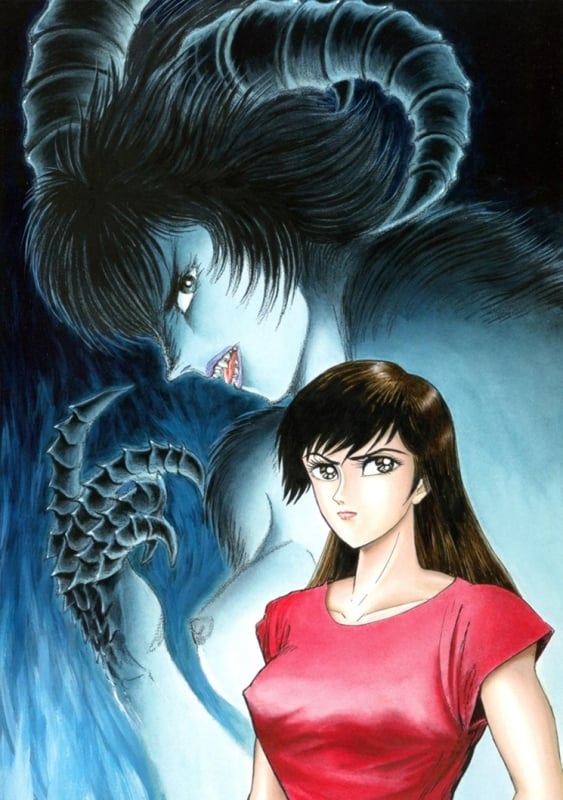
Fig.7
つづく (to be continued)
In the second part of this article, we will discuss Go Nagai’s most well-known work, Devilman, and the adaptations of his manga into anime.
Become a Premium member now and check out the much longer version of this publication including profound analyses of Go Nagai's manga series Kekko Kamen, Cutey Honey, Violence Jack and Devilman + A SPECIAL BONUS: the first volume of Nagai's "Kekko Kamen" manga series.
Click HERE for the influential erotic animations of Nagai's mentor Osamu Tezuka
Let us know your thoughts about Go Nagai's eroticism in the comment box below...!!