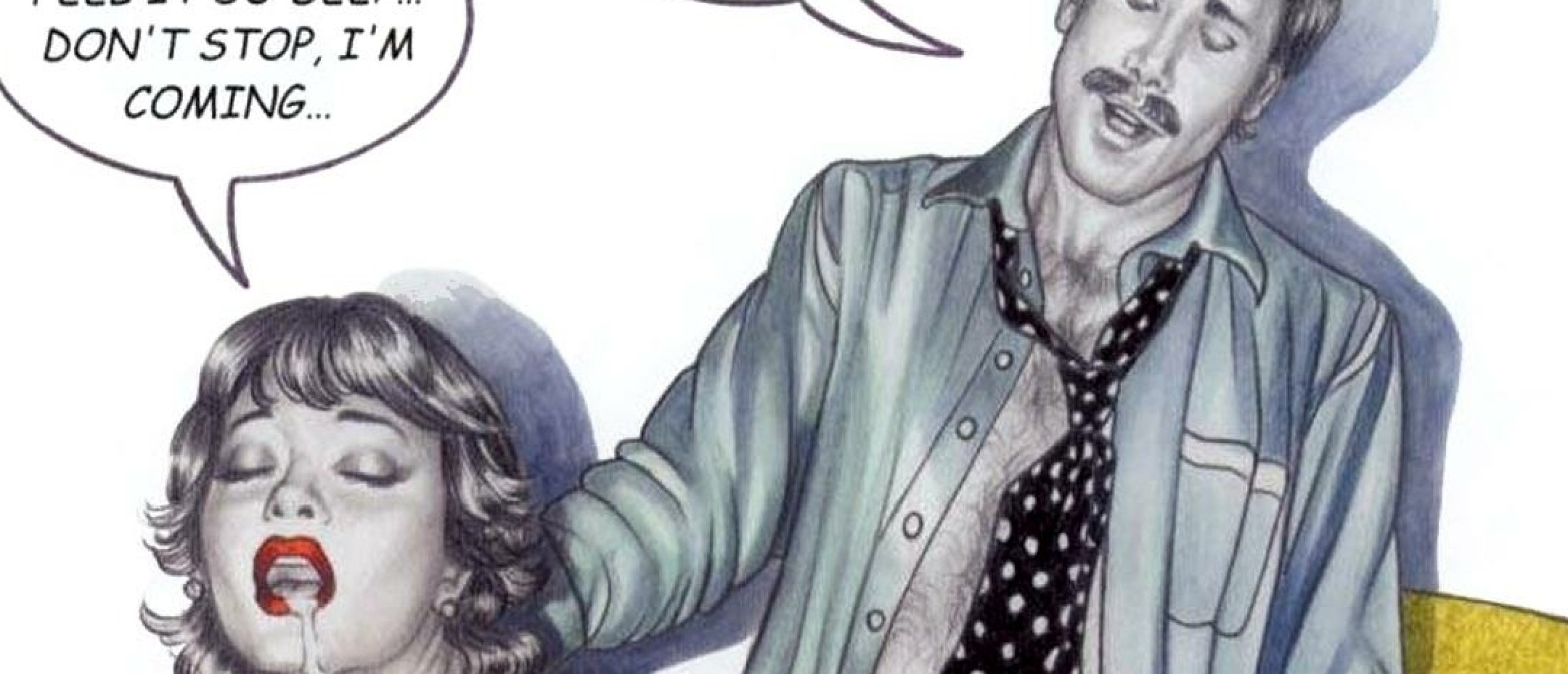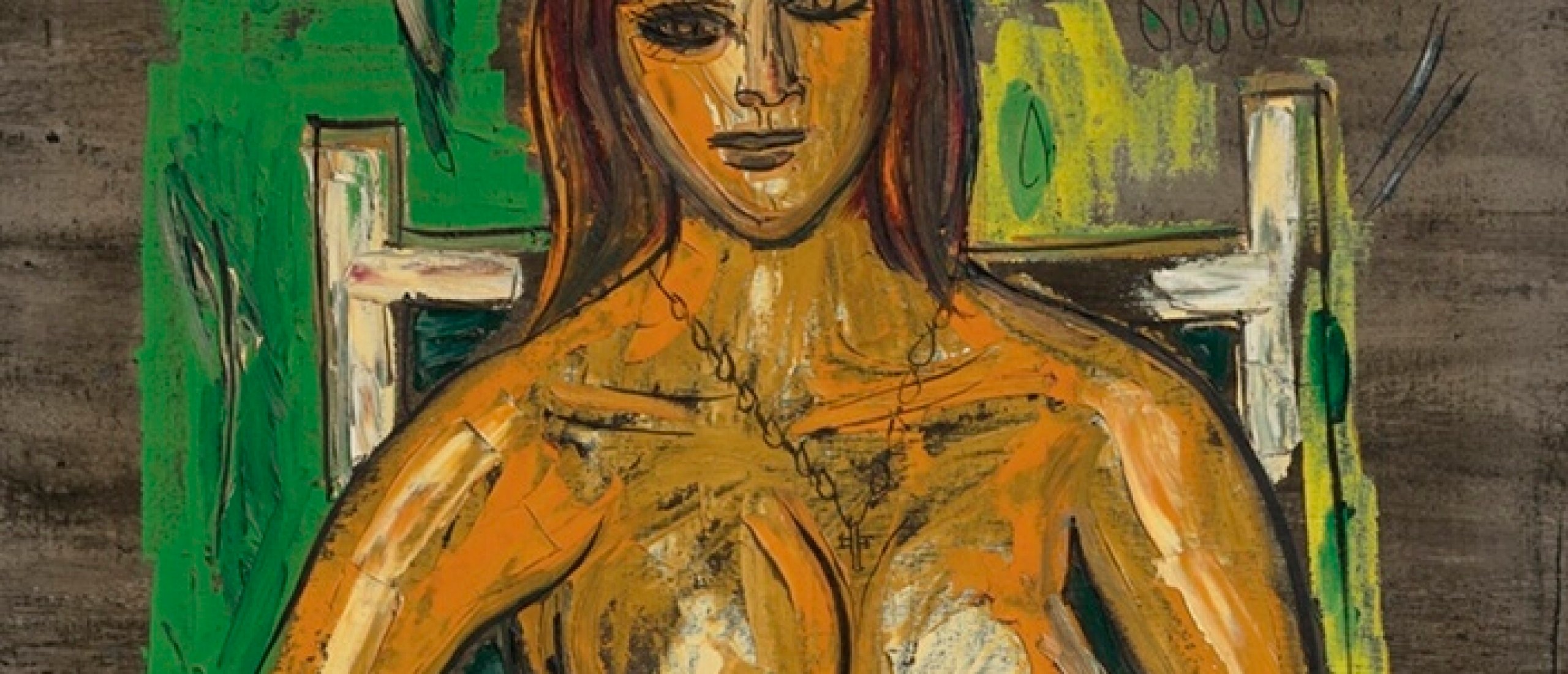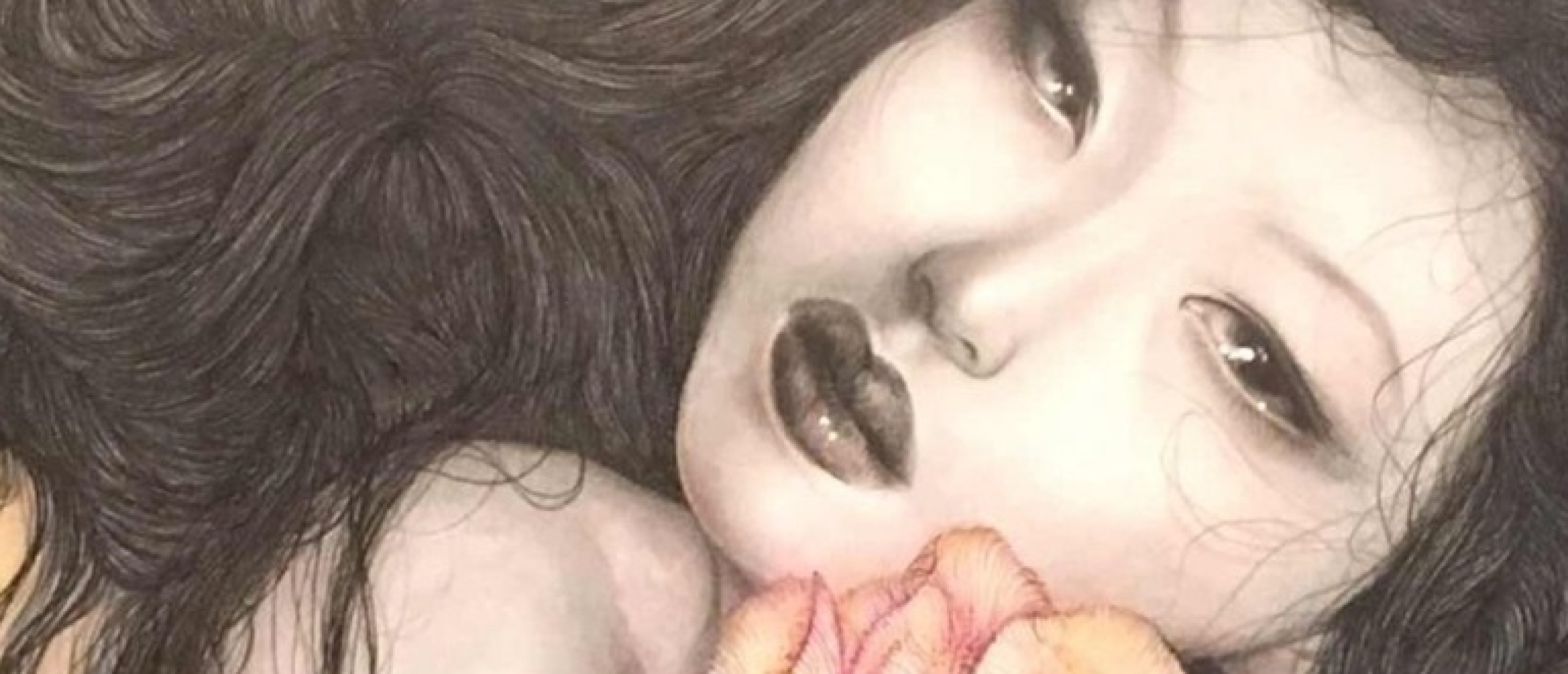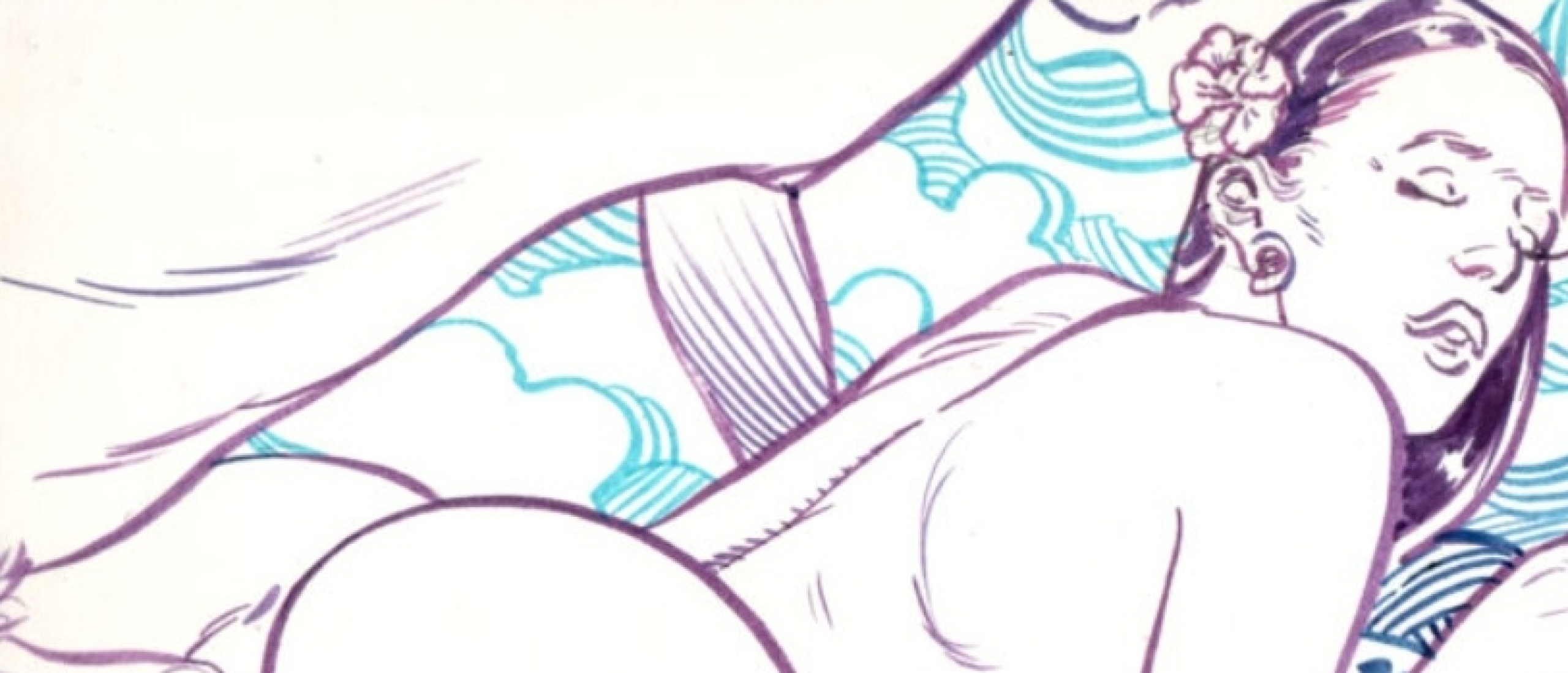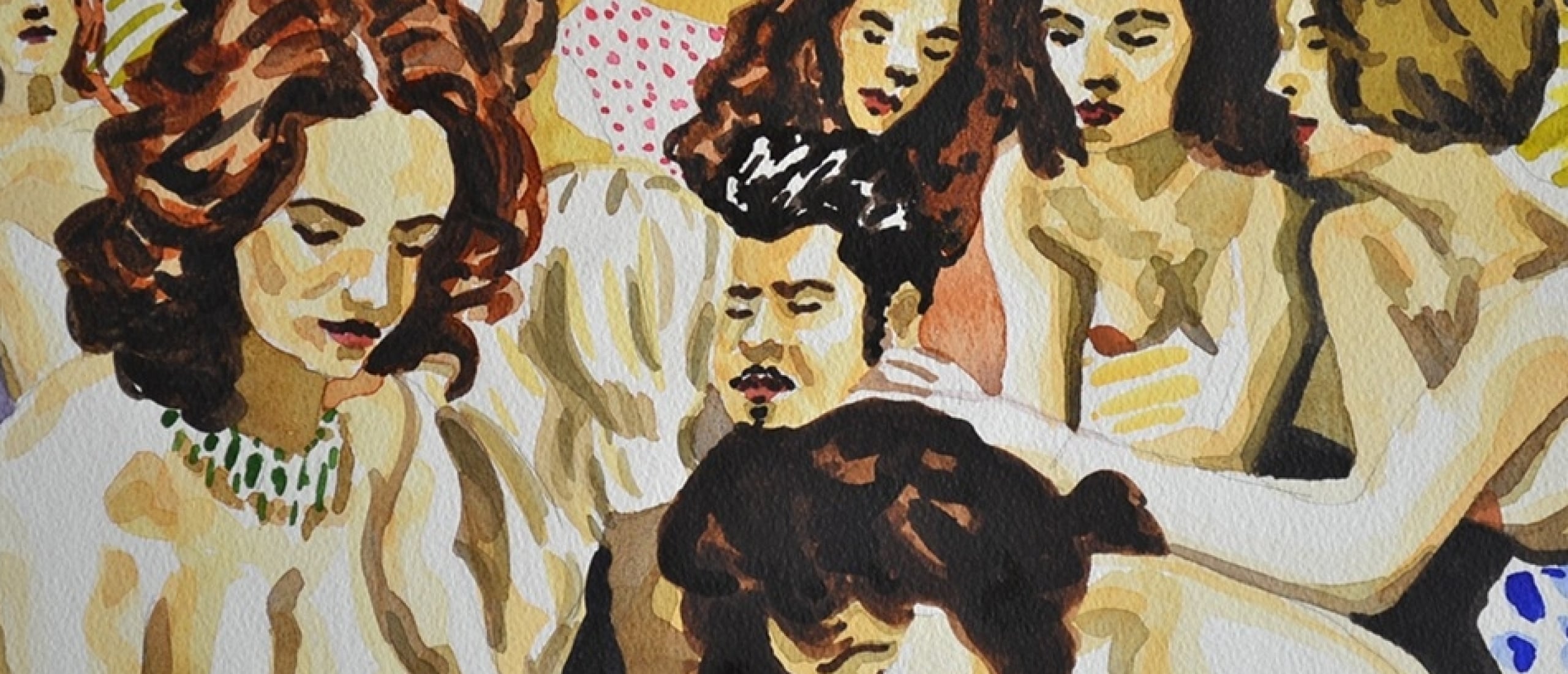
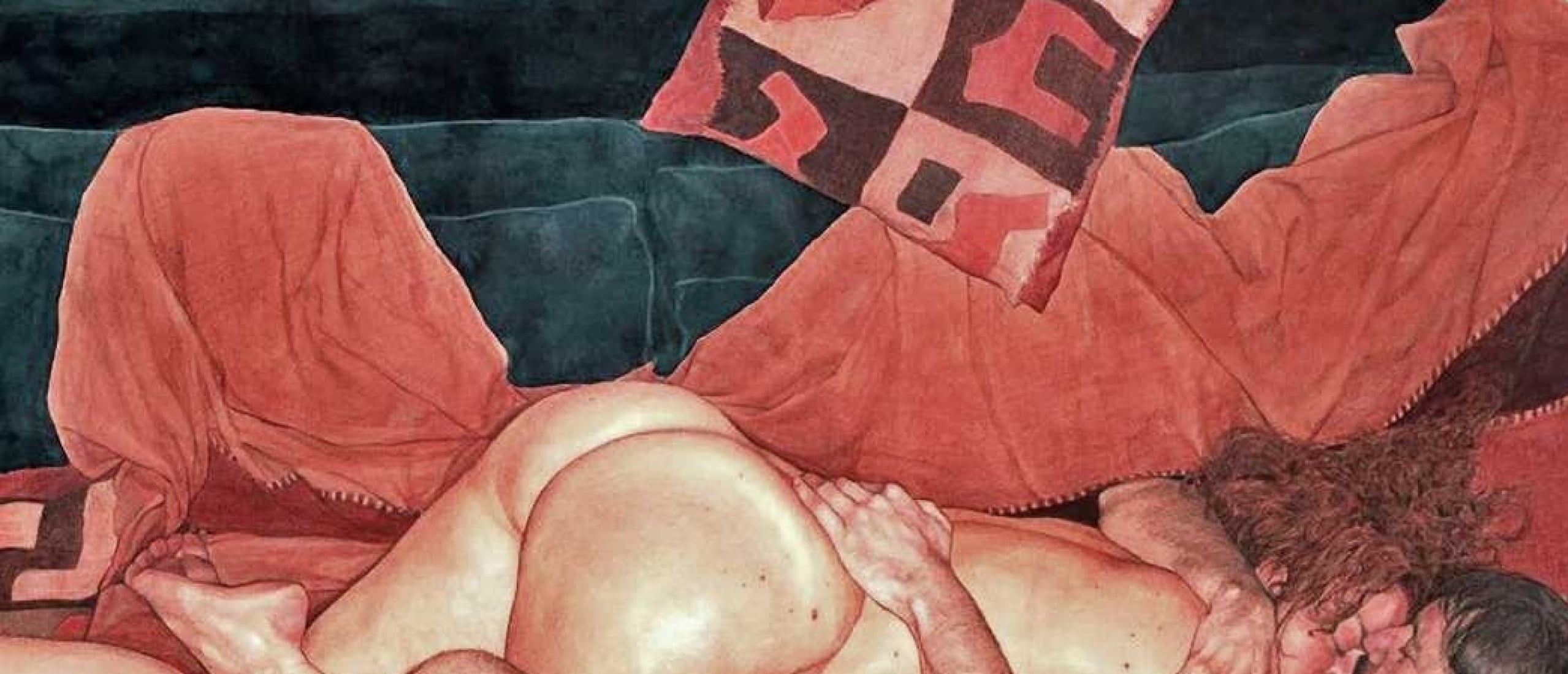

Italian artist Riccardo Mannelli (b. 1955) is known primarily as an illustrator, painter, and political cartoonist and has long worked at the intersection of journalism, psychology and erotic representation. His erotic drawings, often made in ink, charcoal, watercolour or mixed media, are not easily classified within the decorative traditions of erotic illustration. Instead, they belong to a more unsettling lineage, one that includes Egon Schiele, George Grosz, and certain strands of Italian expressionism, where the erotic body becomes a site of psychological revelation rather than merely aesthetic pleasure.
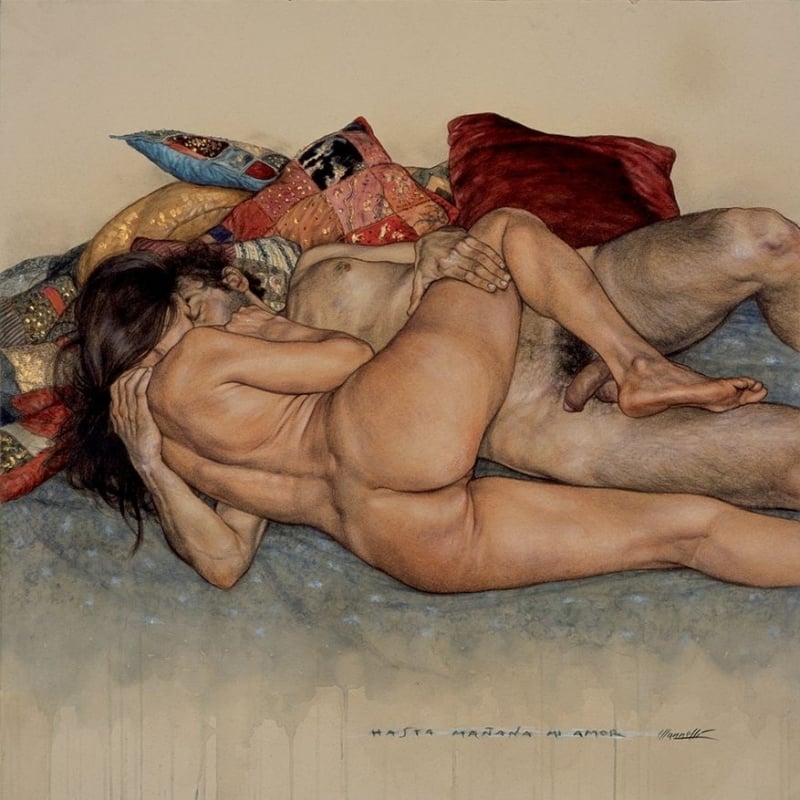
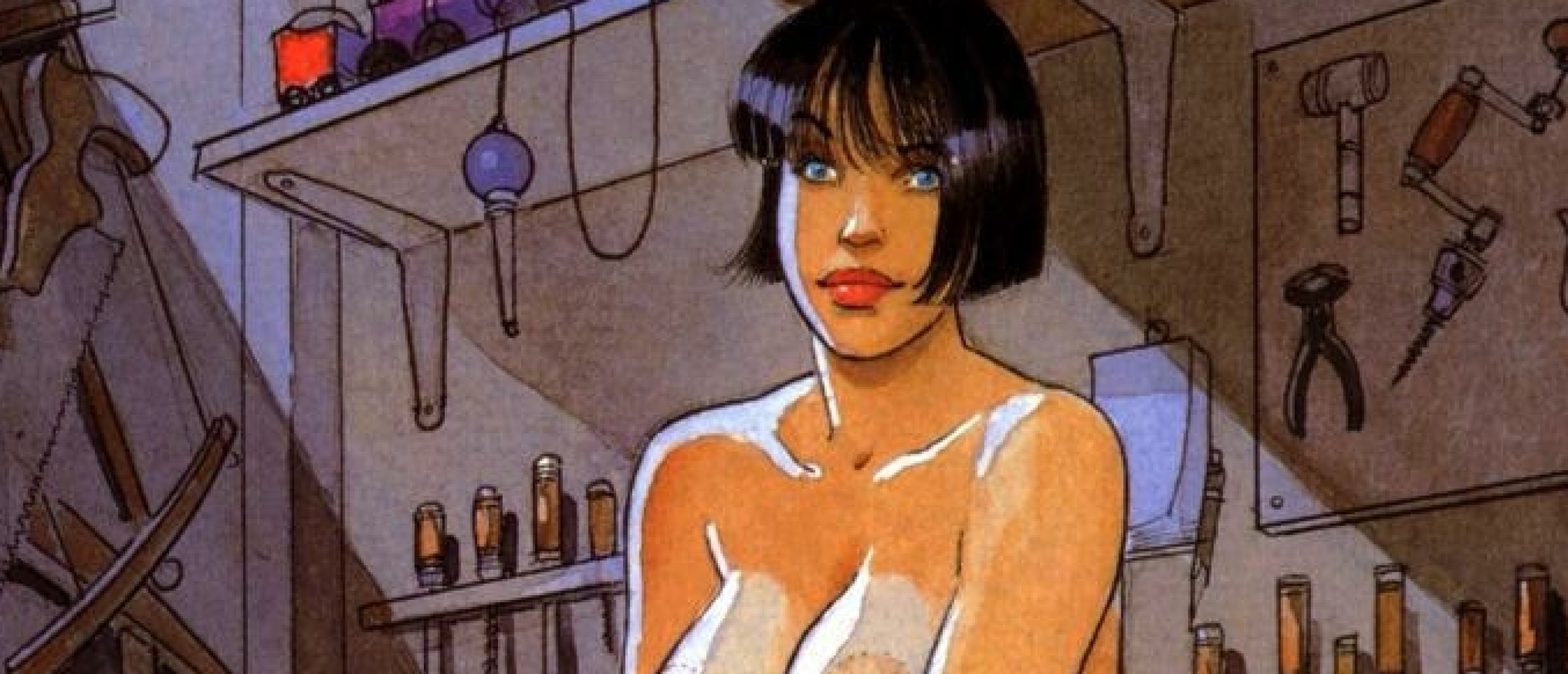
Fig.1 Riccardo Mannelli, HASTA MAÑANA mi amor 1, 2012
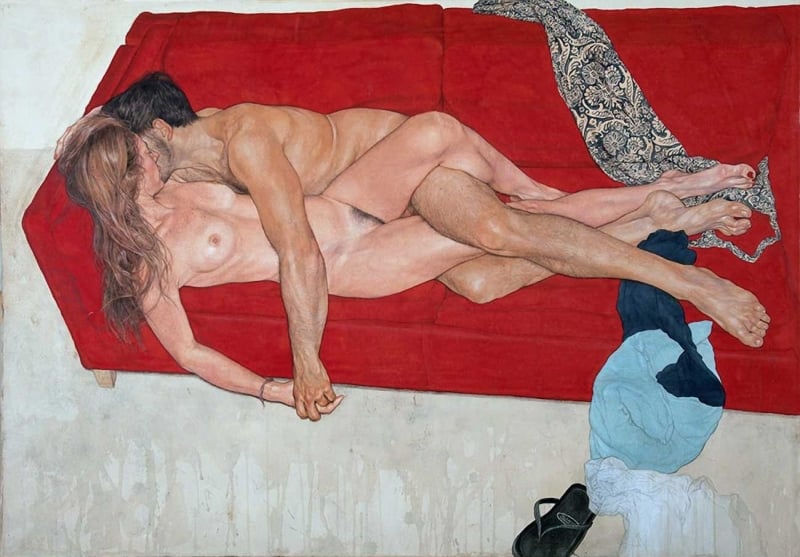
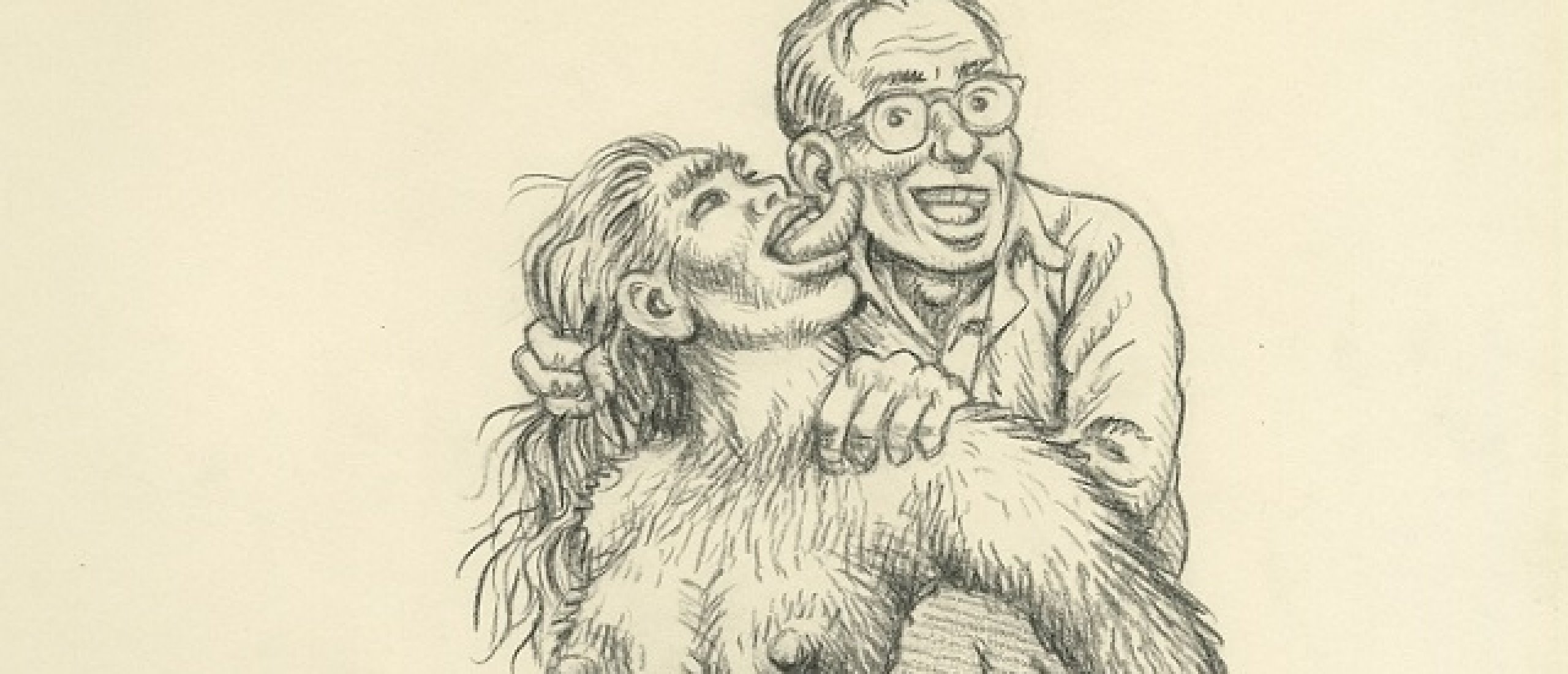
Fig.2 Riccardo Mannelli
Polished Sensuality
To understand the erotic art of Mannelli, one must begin with the role of the line itself. His lines are never passive; they are nervous, searching, sometimes violent. They scratch across the surface rather than glide. Bodies in Mannelli’s works appear both exposed and constructed, as though drawn in the same moment they are emotionally uncovered. Unlike the polished sensuality found in much commercial erotic imagery, Mannelli’s figures seem to exist in states of emotional vulnerability, desire intertwined with loneliness, power intertwined with fragility. This tension defines the erotic atmosphere of his work.
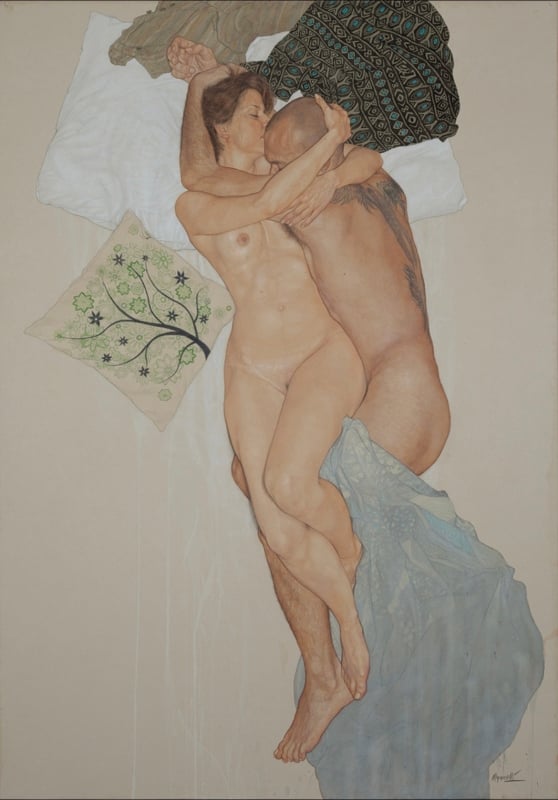
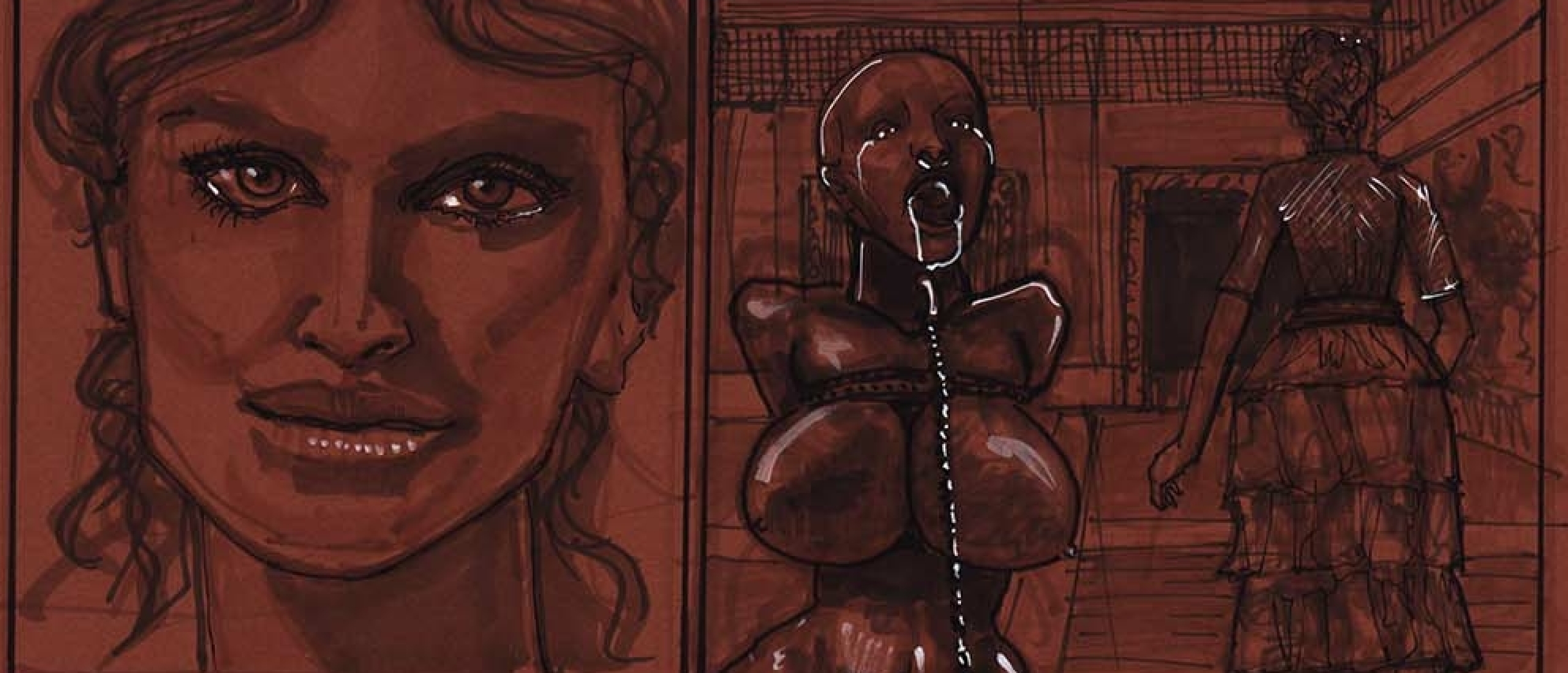
Fig.3 Riccardo Mannelli, HASTA MAÑANA 8, 2016.
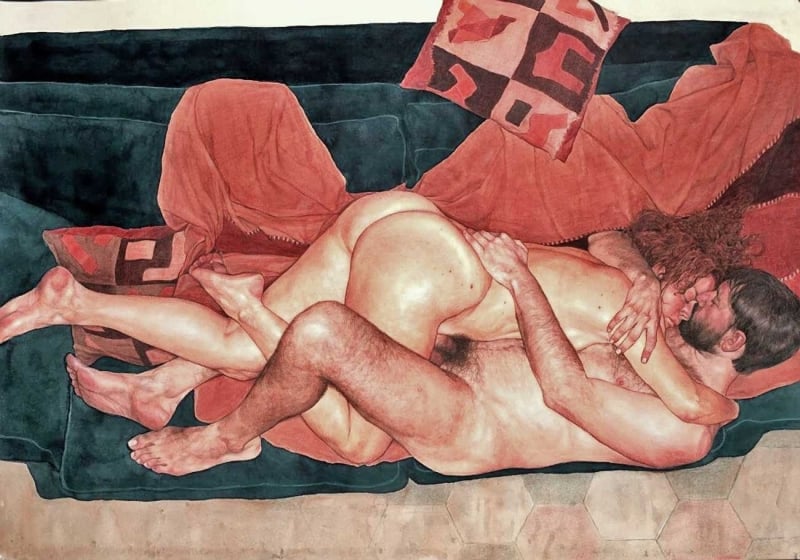
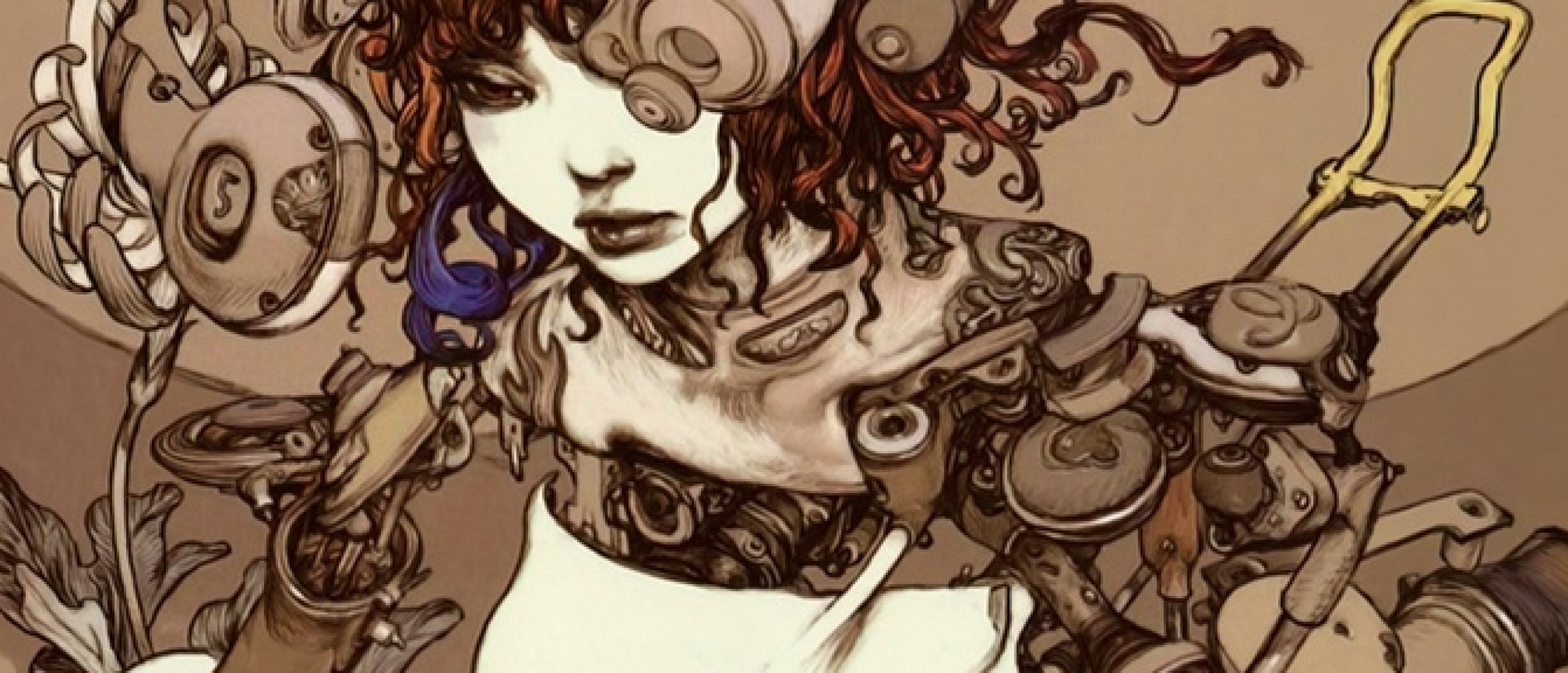
Fig.4 Riccardo Mannelli
Slightly Distorted
In many traditions of erotic art, the body is presented as an object of harmony and proportion, an idealized form designed to invite admiration. Mannelli reverses this expectation. In his art bodies are psychological terrain. They are often slightly distorted, elongated limbs, angular shoulders, restless gestures, suggesting that erotic experience is less about visual perfection than about emotional exposure. The viewer does not simply observe a nude figure; one feels as though one has intruded upon an intimate psychological space.
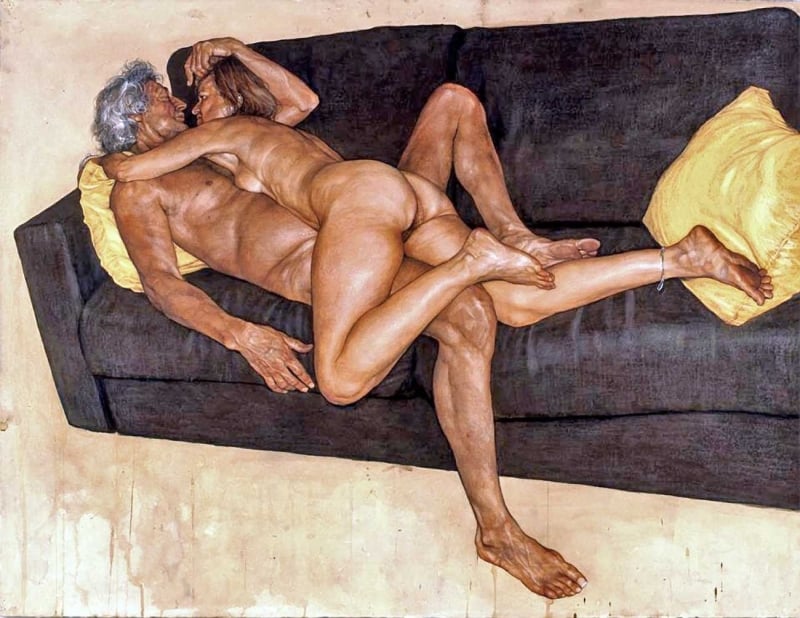
Fig.5 Riccardo Mannelli
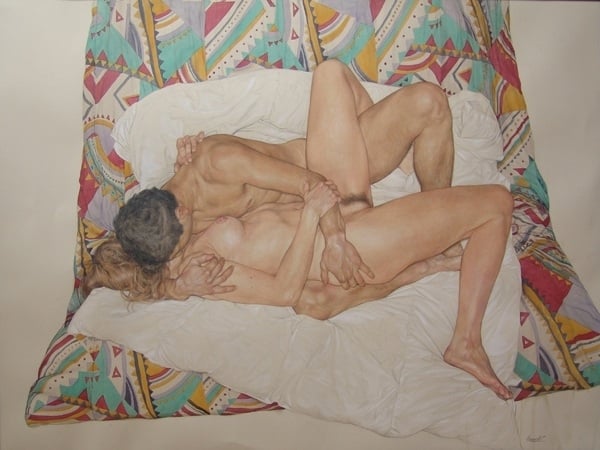
Fig.6 Riccardo Mannelli, HASTA MAÑANA mi amor 6, 2012
Solitary Desire
This approach aligns Mannelli with expressionist traditions, where the physical form becomes a mirror of internal states. The erotic encounter, in his drawings, rarely appears staged or decorative. Instead, it seems spontaneous, almost documentary. Couples may be shown mid-embrace, individuals caught in moments of solitary desire or figures positioned in ambiguous emotional relationships. The erotic element lies not merely in nudity but in the charged emotional atmosphere surrounding the figures. Desire appears uncertain, sometimes tender, sometimes confrontational, often psychologically complex.
Mannelli’s emphasis on psychological immediacy transforms erotic imagery into a narrative experience. The viewer senses that something has happened just before the moment depicted, or is about to happen immediately afterward. The drawing becomes a fragment of an unfolding story rather than a static display. This narrative tension is one reason his erotic works feel intensely human rather than stylized.
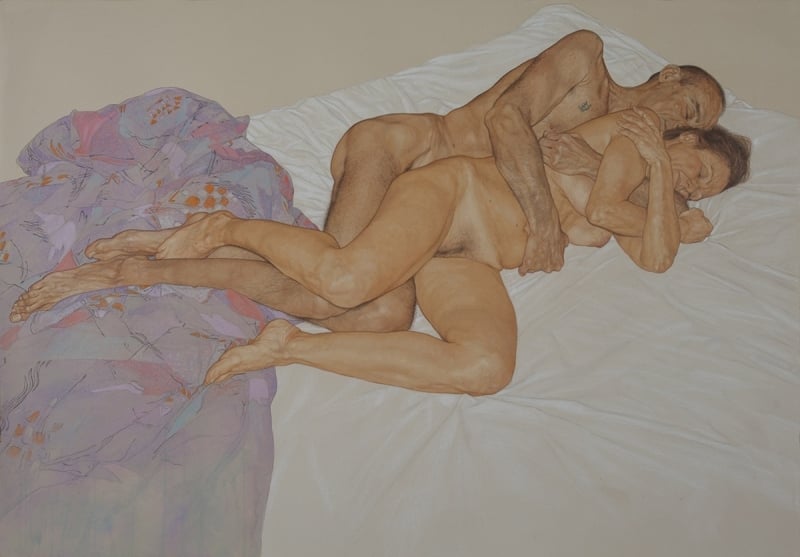
Fig.7 Riccardo Mannelli, HASTA MAÑANA 10, 2016
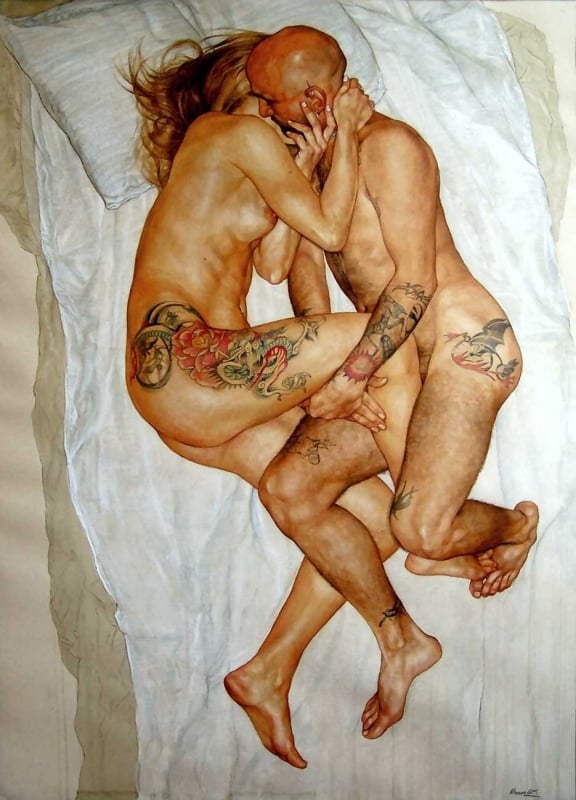
Fig.8 Riccardo Mannelli
Power Dynamics
Another striking dimension of Mannelli’s erotic work is his exploration of power dynamics. Unlike traditional erotic illustration, which often reinforces predictable gender hierarchies, Mannelli frequently introduces ambiguity. Women in his drawings are rarely passive subjects; they possess agency, psychological presence and sometimes an unsettling gaze that meets the viewer directly. Just look at the woman in Fig.10. and Fig.11.; how they stare directly at us, so self-possessed and confident. Men, meanwhile, may appear uncertain, contemplative or emotionally exposed. The erotic exchange thus becomes relational rather than hierarchical.
This ambiguity reflects broader shifts in late twentieth and early twenty-first-century European cultural discourse, where gender roles and sexual identities increasingly resist rigid categorization. Mannelli’s art does not present theoretical statements about gender; rather, it dramatizes the lived emotional complexity of intimate encounters. Bodies lean toward each other yet retain individuality. Gestures suggest connection without dissolving the tension between separate selves. In this sense, Mannelli portrays eroticism as a dialogue rather than a conquest.
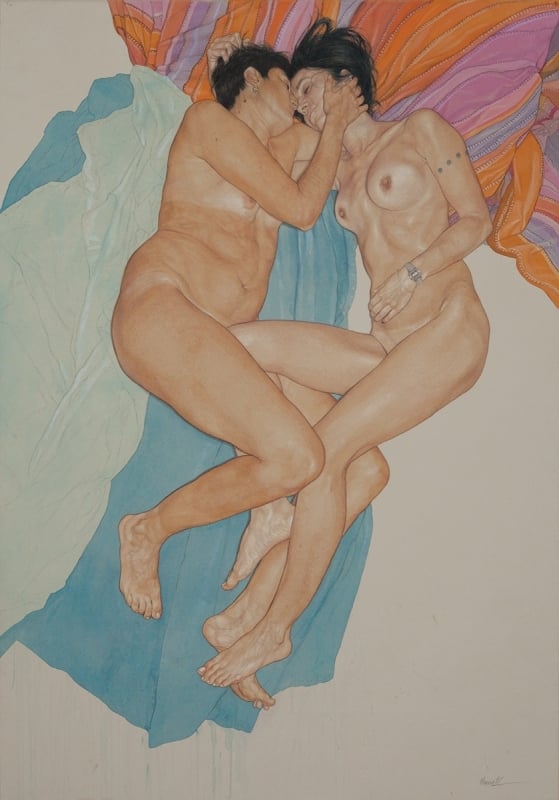
Fig.9 Riccardo Mannelli, HASTA MAÑANA 9, 2016
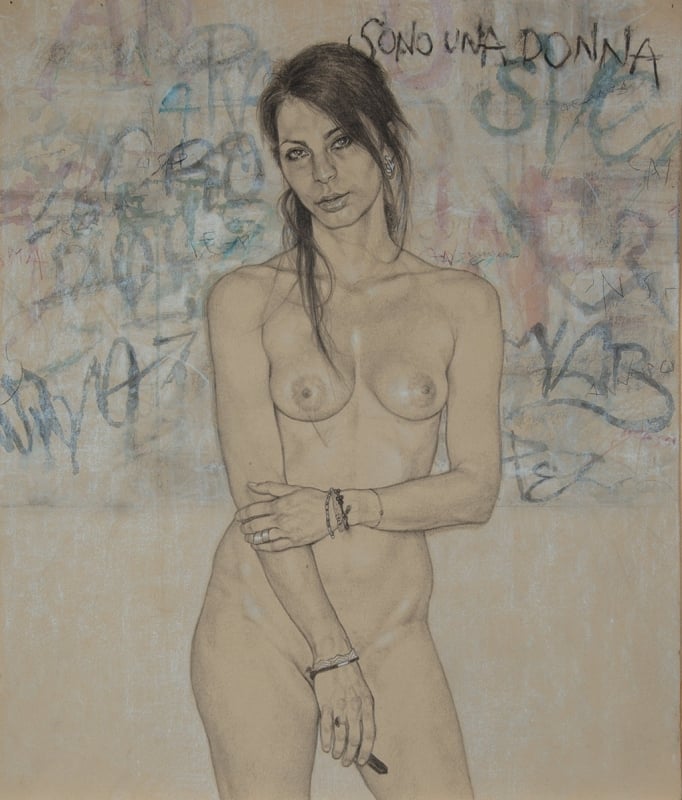
Fig.10 Riccardo Mannelli, Sono una donna, 2016.
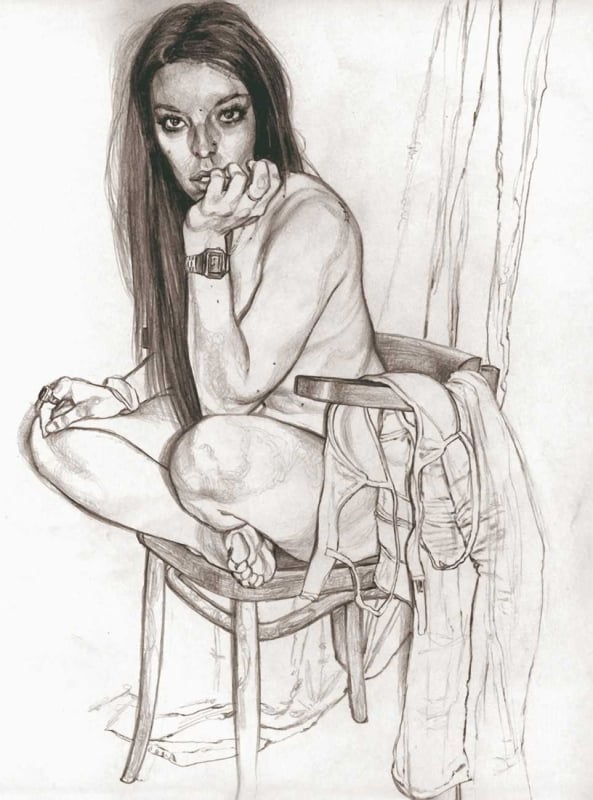
Fig.11 Riccardo Mannelli, Drawing
In the extended Premium edition you can discover more about Mannelli's treatment of gaze, the aesthetics of his erotic paintings, how his artistic career has been connected to journalism and urban cultural commentary, how the modern context distinguishes Mannelli from earlier European erotic traditions, the influence of Egon Schiele, his technical mastery, and MUCH more....!!
Riccardo Mannelli has the following site
Click HERE for the erotic intimacy as displayed in the work of Giovanna Casotto
What do you think about Riccardo Mannelli's erotic work? Leave your reaction in the comment box below...!!