
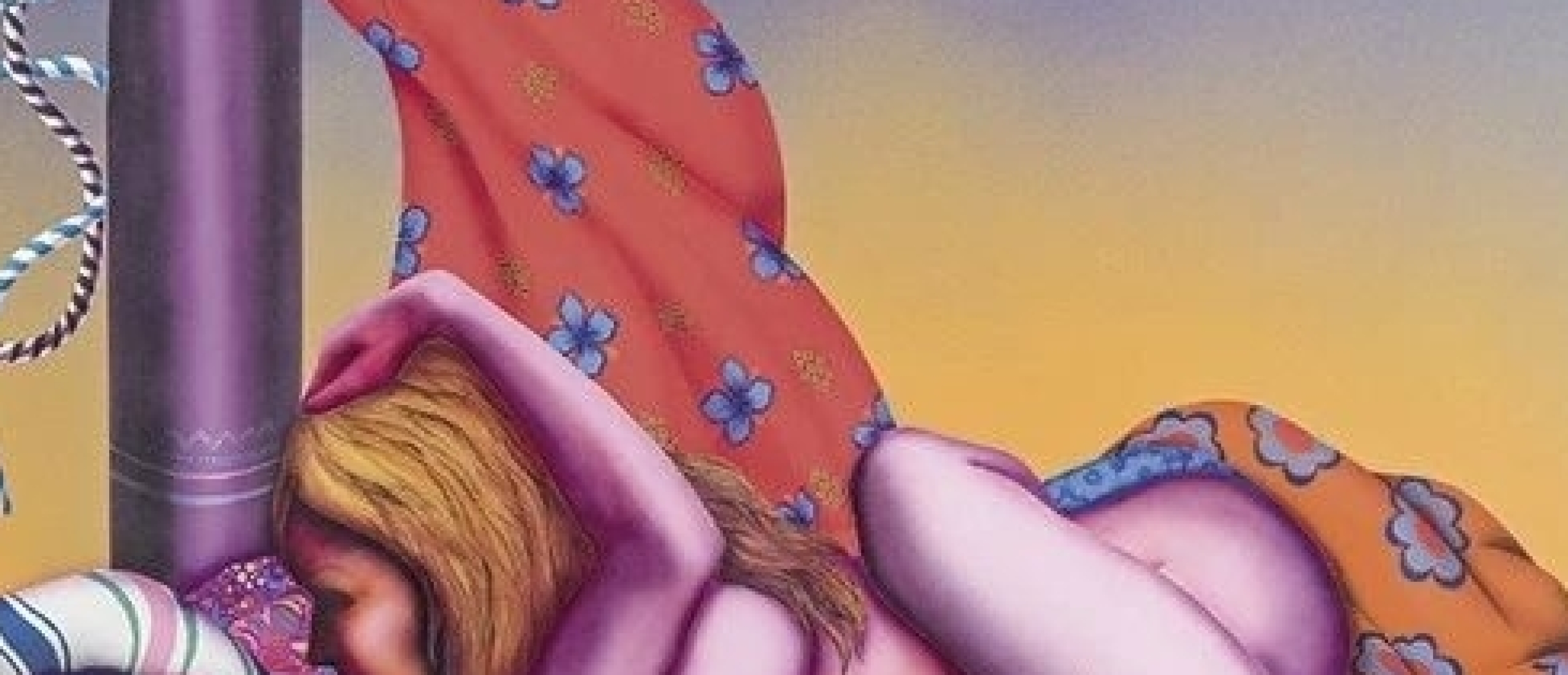

Eduardo Úrculo (1938–2003) occupies a singular position in late twentieth-century Spanish art. Emerging from the cultural aftershocks of Francoist Spain and later flourishing in a newly liberalised society, Úrculo developed a visual language in which eroticism, memory, irony and consumer culture all come together intertwined. His erotic art is neither pornographic nor scandalous; instead, it is vibrant, eye-catching and gently subversive. Desire, in Úrculo’s hands, is not something hidden in shadow but displayed openly, almost casually, as part of everyday modern life.
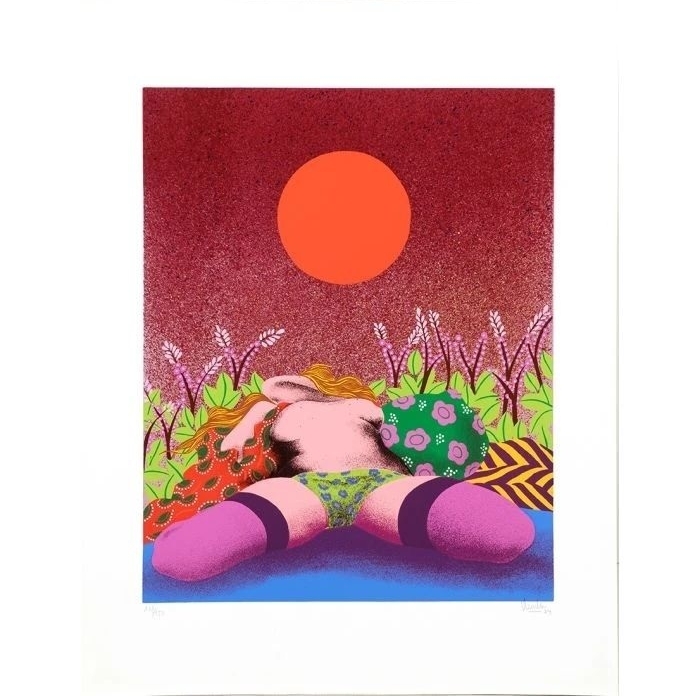
Fig.1 Edouardo Urculo, Desnudo al sol, 1974, screenprint on paper
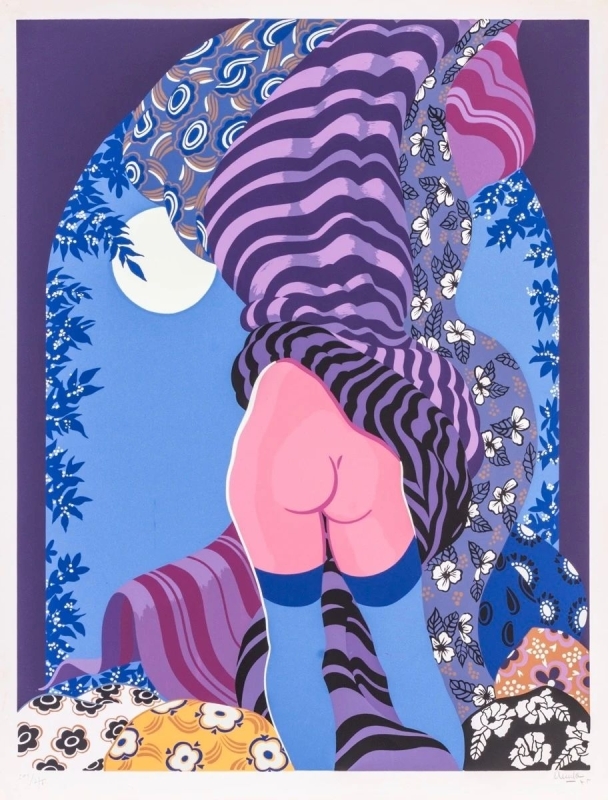
Fig.2 Edouardo Urculo, Watching the moon, 1975
Stunning Erotic Vision
One of the most distinctive features of Úrculo’s erotic imagery is his focus on the female body as fragment. Legs, stockings, corsets, shoes, hats and torsos recur obsessively throughout his oeuvre. Faces are often absent, cropped out, or turned away. We see this in so many examples of his artworks; the face not seen but torso and thighs exposed in Fig.1., one of my personal favourites, then the legs alone in Fig.10., emphasis on colourful stockings in Fig.3. and Fig.4., a nude woman sleeping but hiding her face with her hair in Fig.6, and woman showing only her behind in Fig.2., to bring attention to a few stunning examples of Úrculo’s erotic vision. This fragmentation does not function as violence or erasure; rather, it reflects the way desire itself operates; selective, fetishistic and fixated on detail. The erotic charge in Úrculo’s work often resides not in nudity but in what remains clothed: silk stockings stretched over thighs, the sharp line of a garter, the architectural curve of a high heel. Clothing becomes an erotic device, a second skin that heightens rather than conceals sexuality.
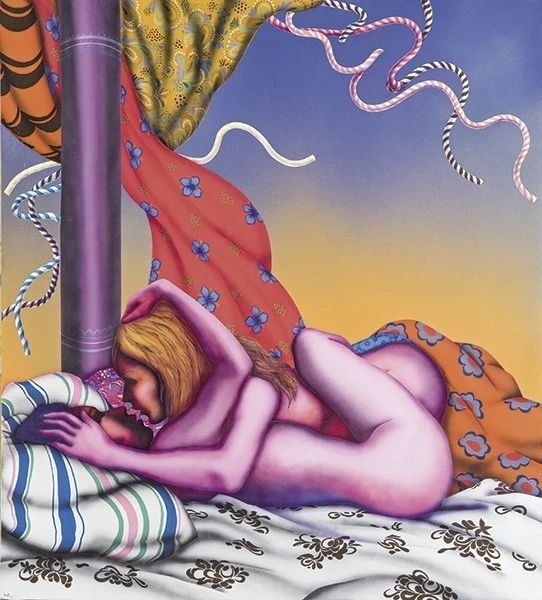
Fig.3 Edouardo Urculo, Como una columna de luz cantando, 1973
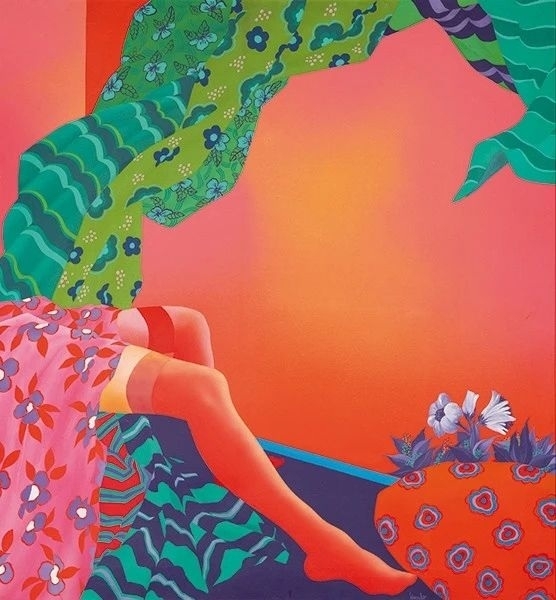
Fig.4 Edouardo Urculo, La mente divina sella el conocimiento y el amor en una sola luz, 1974
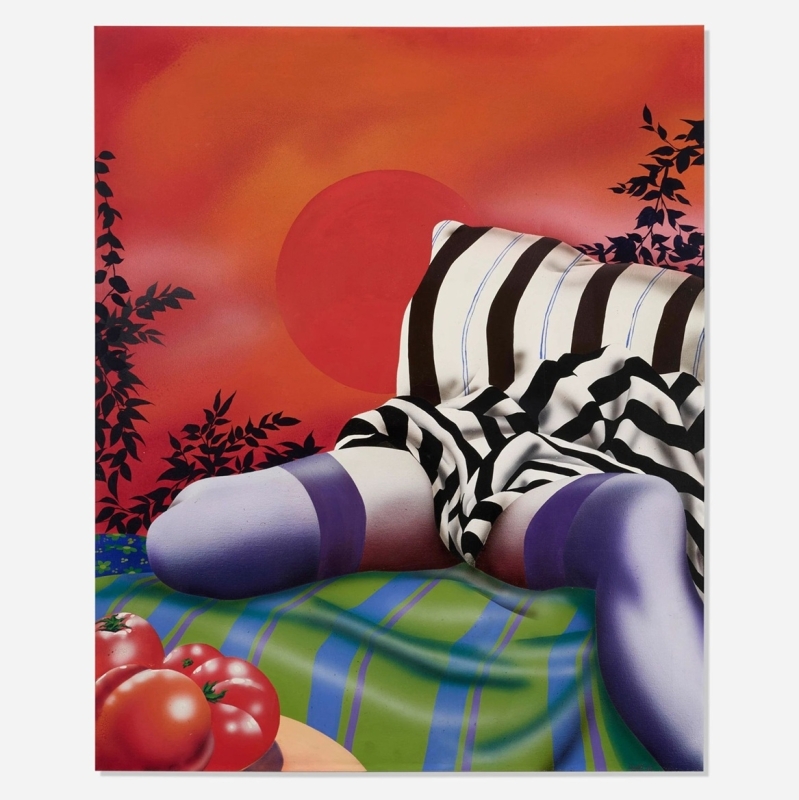
Fig.5 Edouardo Urculo, Ante mí contemplé las esplendidez, 1975
Bold Reclaiming of Pleasure
Úrculo’s women are confident, autonomous and unapologetically sensual. They are not passive muses but active presences, fully aware of their desirability. There is nothing aggressive about them and in fact so often they are not even looking at us directly, but still we feel their quiet confidence. This is particularly striking given Spain’s historical repression of sexuality under Franco. In this context, Úrculo’s art reads almost as an act of cultural repair; a sort of bold reclaiming of pleasure after decades of moral austerity. His eroticism is celebratory rather than transgressive, infused with humour and elegance instead of shame.
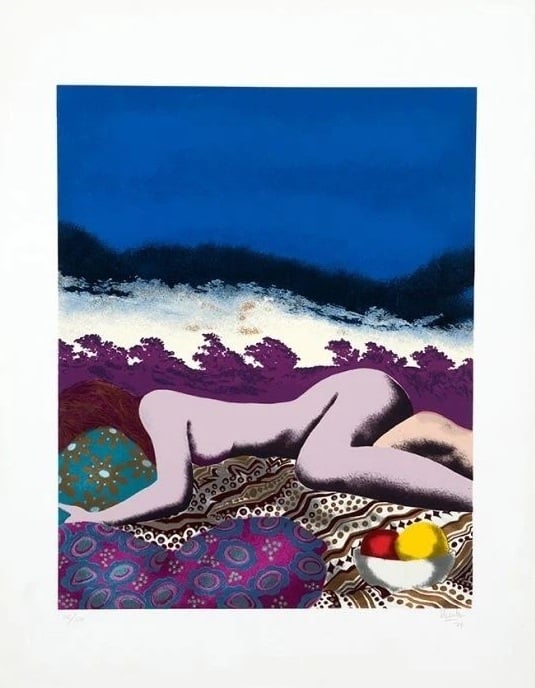
Fig.6 Edouardo Urculo, Nude with Fruits, 1974
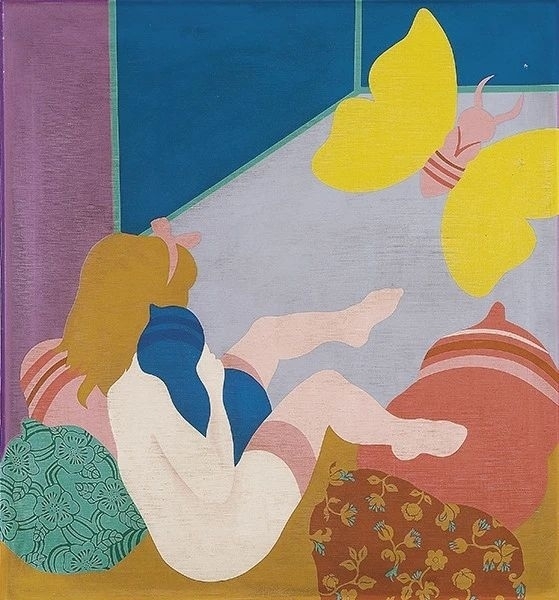
Fig.7 Edouardo Urculo, Lolita, 1972
Pop Art
The influence of Pop Art is unmistakable in Úrculo’s visual language. Flat areas of bold colour, crisp outlines and a polished, almost commercial finish situate his erotic imagery within the world of advertising and fashion. This connection is crucial: Úrculo’s erotica acknowledges the commodification of desire in modern society. The women he depicts often resemble models in glossy magazines, their bodies stylised and perfected, yet never entirely anonymous. There is a tension between intimacy and spectacle, between private fantasy and public display.
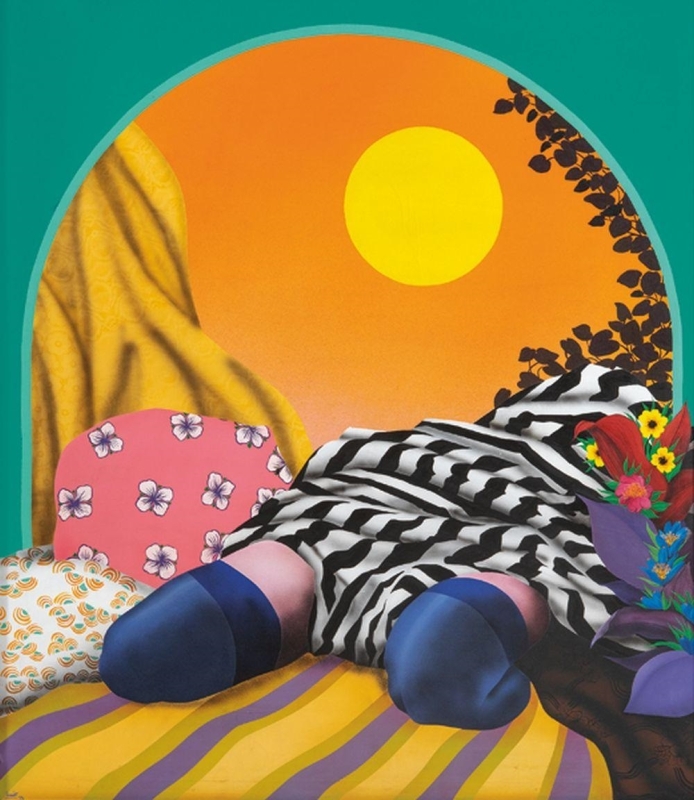
Fig.8 Edouardo Urculo, She slept in the middle of her song an eternal dream, 1973
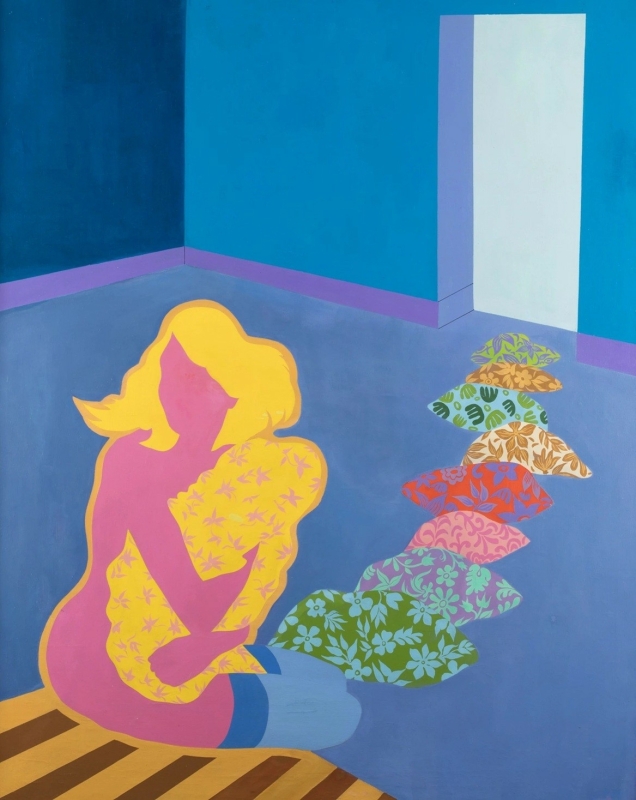
Fig.9 Edouardo Urculo, No Title, 1970
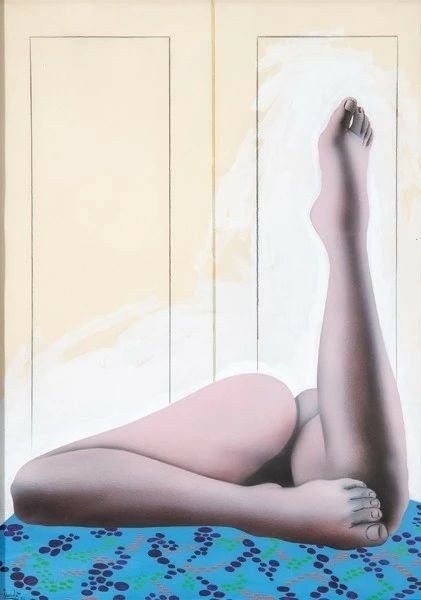
Fig.10 Edouardo Urculo, Untitled, 1975
In the extended edition of the article in Premium you can discover the similarities with the vibrant images of Spanish film director Pedro Almodóvar, his mythological framing, why his eroticism is deeply urban, and MANY more revealing secrets...
Click HERE for an earlier article on Eduardo Úrculo
Let us know your thought about Úrculo's erotic art in the comment box below..!!