
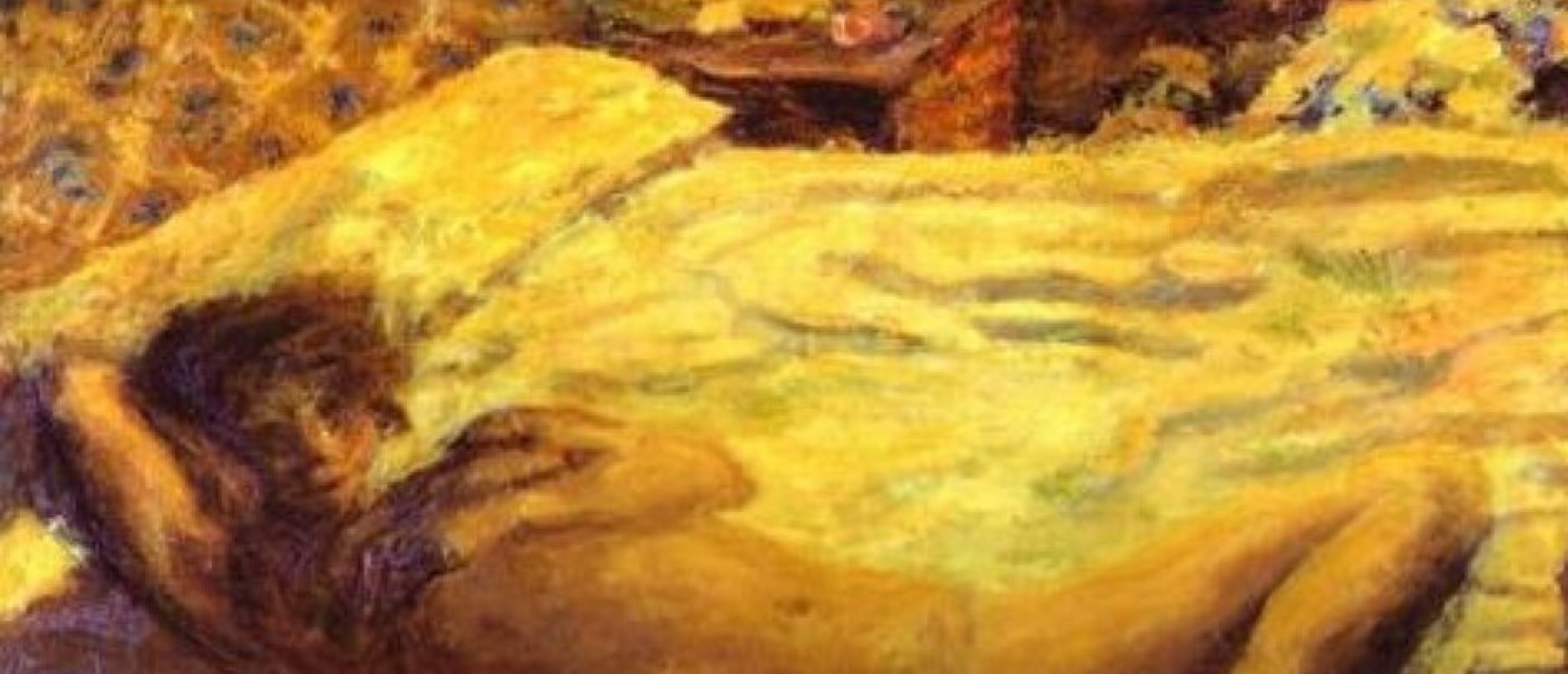

Pierre Bonnard’s The Indolent Woman, also known as Woman Reclining on a Bed, painted in 1899, is a luminous example of his intimate, domestic aesthetic. The oil painting portrays a woman, most likely Bonnard’s wife Marthe, resting quietly on a bed. This domestic intimacy, a hallmark of Bonnard’s work, invites viewers into a private, almost voyeuristic scene of everyday life.
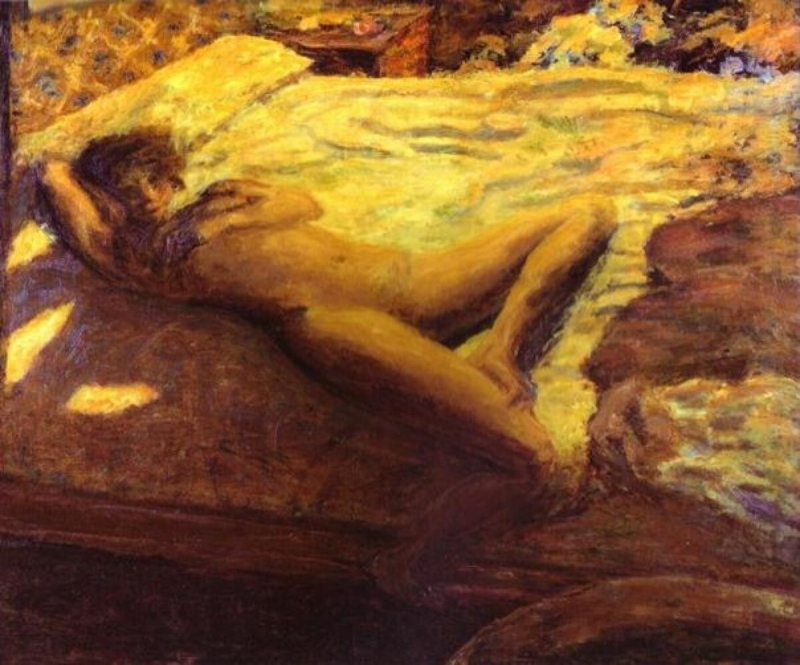
Fig.1 "Woman Reclining on a Bed", 1899 (housed in the Musée d'Orsay)
Nabis Aesthetics
As a member of the Nabis group, Bonnard embraced a style influenced by Post-Impressionism and Japonism. In The Indolent Woman, we see these elements clearly: the flattened perspective, bold decorative patterns, and the expressive use of color all align with Nabis aesthetics. The painting’s quiet mood is underscored by its title, suggesting both stillness and introspection.
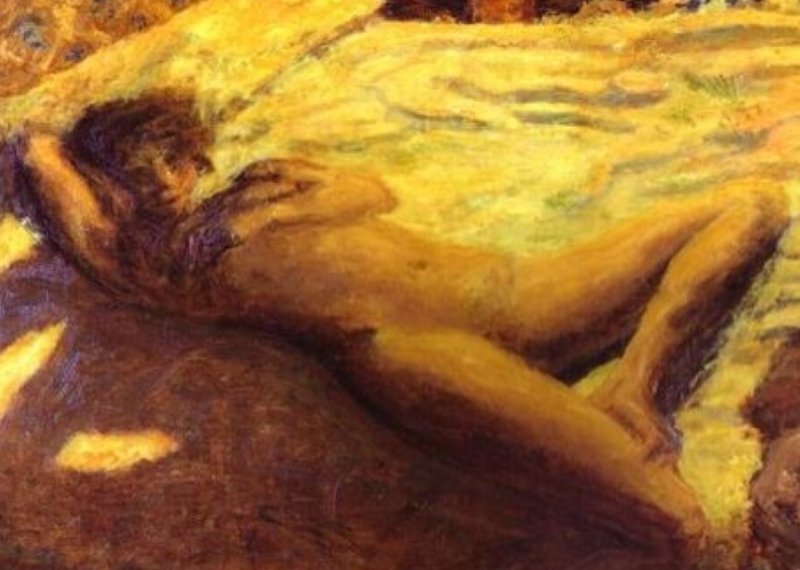
Fig.1a
Sensitive Rendering
Beyond its visual beauty, the work offers symbolic depth. The woman’s relaxed posture may hint at themes of sensuality, passivity, or emotional distance. Bonnard’s sensitive rendering of color and light adds layers of emotion, creating a dreamlike atmosphere. This painting not only exemplifies Bonnard’s mastery but also helped pave the way for modern explorations of domestic life and the female form.
Variations
While the Musée d'Orsay version is well-known (fig.1), Bonnard created other variations on the theme of a reclining nude, sometimes with slight variations in pose or setting. Like this one..
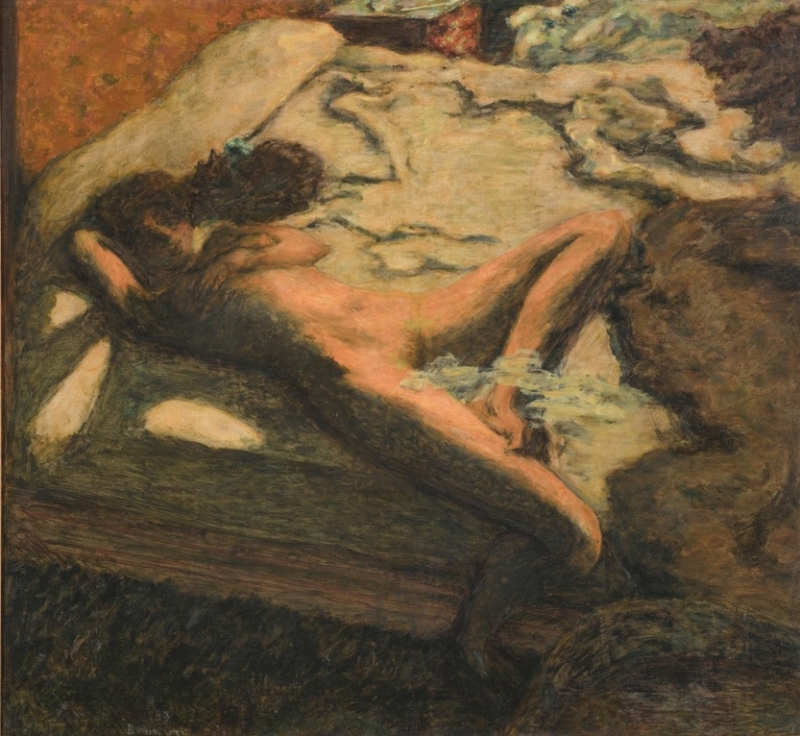
Fig.2 "Woman Reclining on a Bed", 1899 by Pierre Bonnard
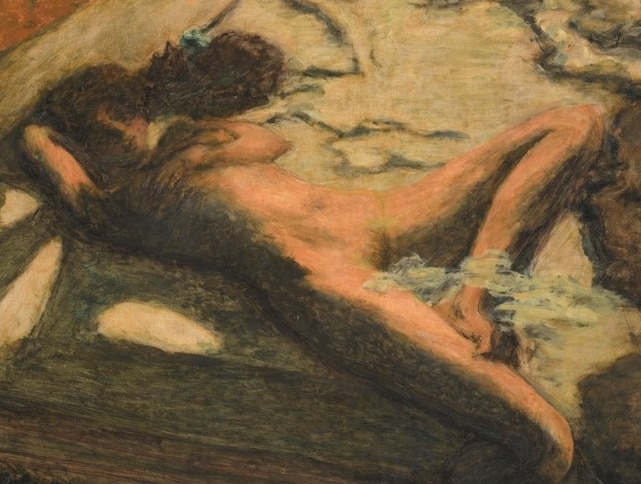
Fig.2a
Become a Premium member now and check out the numerous "A Closer Look" studies of erotic works not visible on the blog
Click HERE for a closer look at the subversive Lowbrow masterpiece "Appetite for Destruction" by Robert Williams
Image source: commons.wikimedia.org
Let us know your thoughts about this post in the comment box below...!!