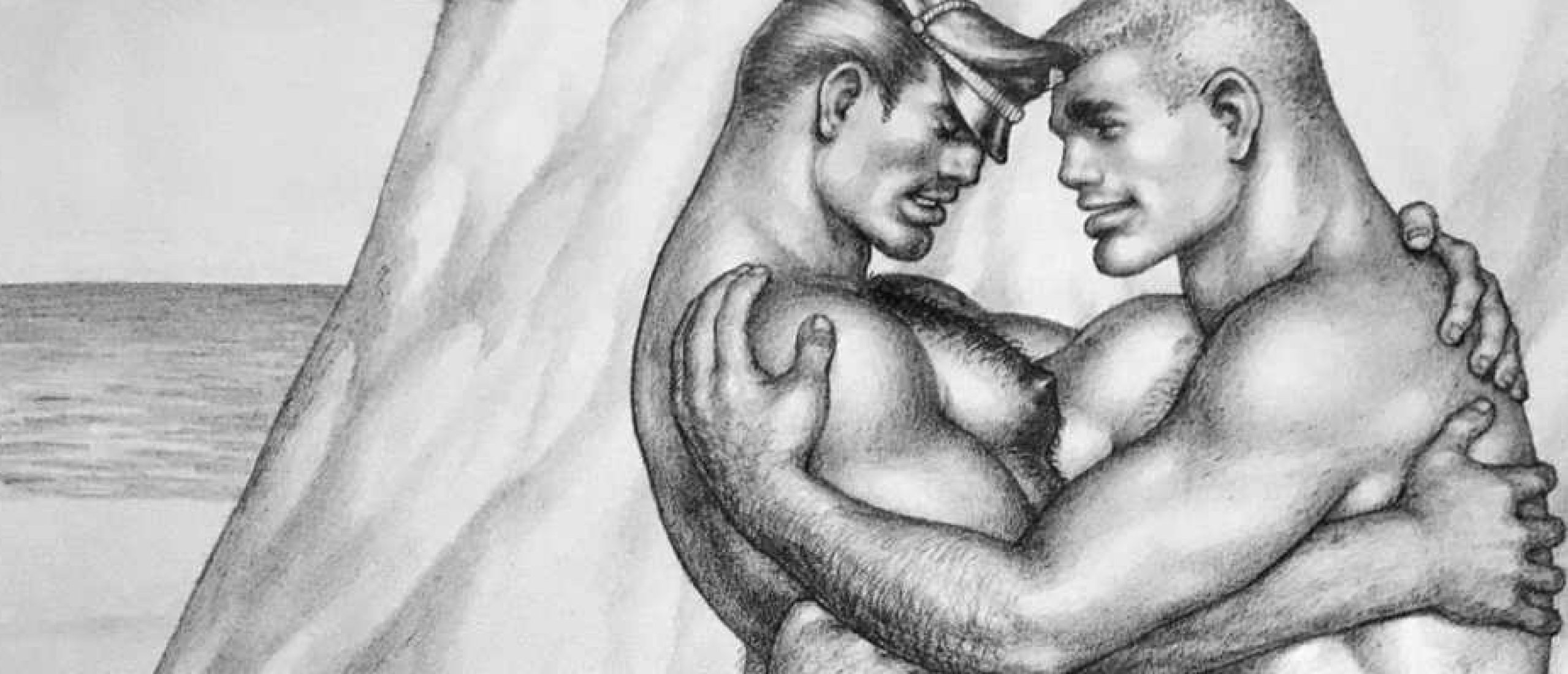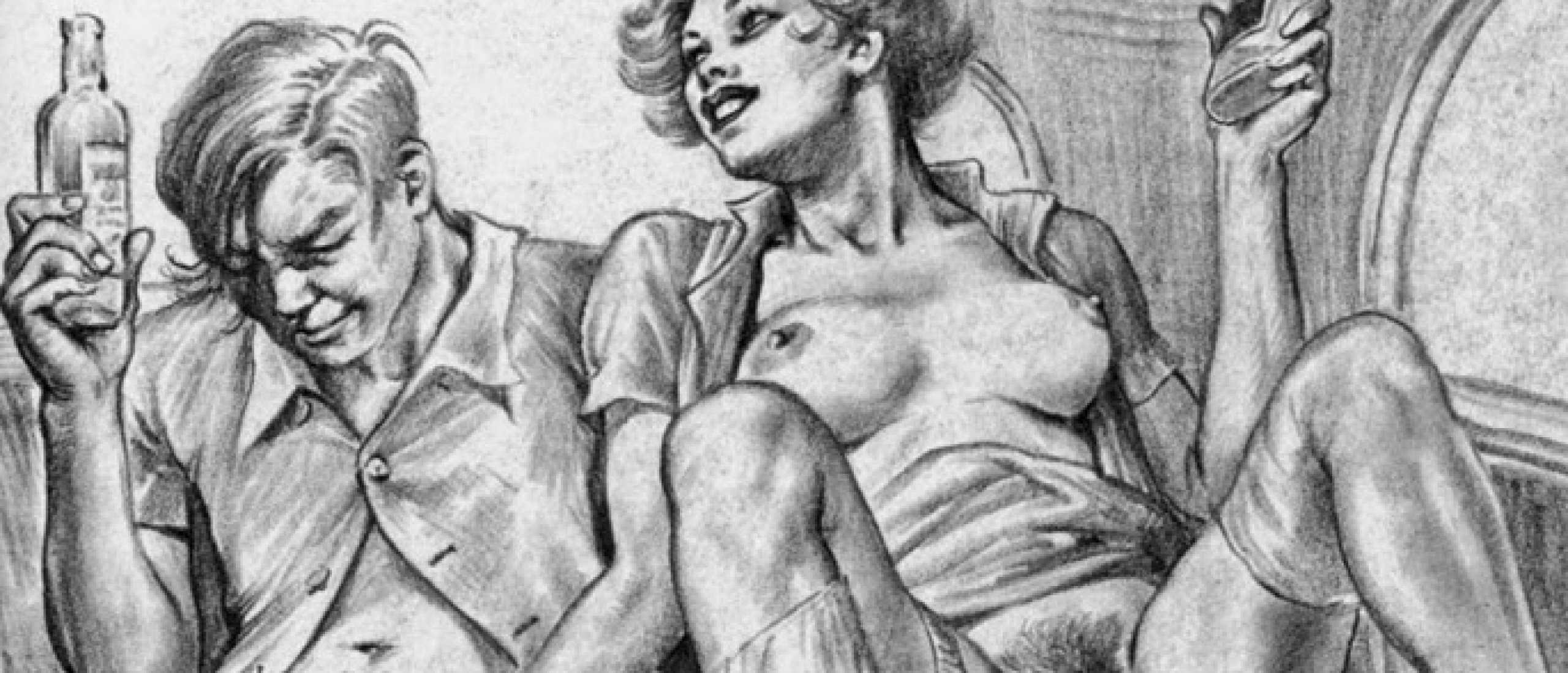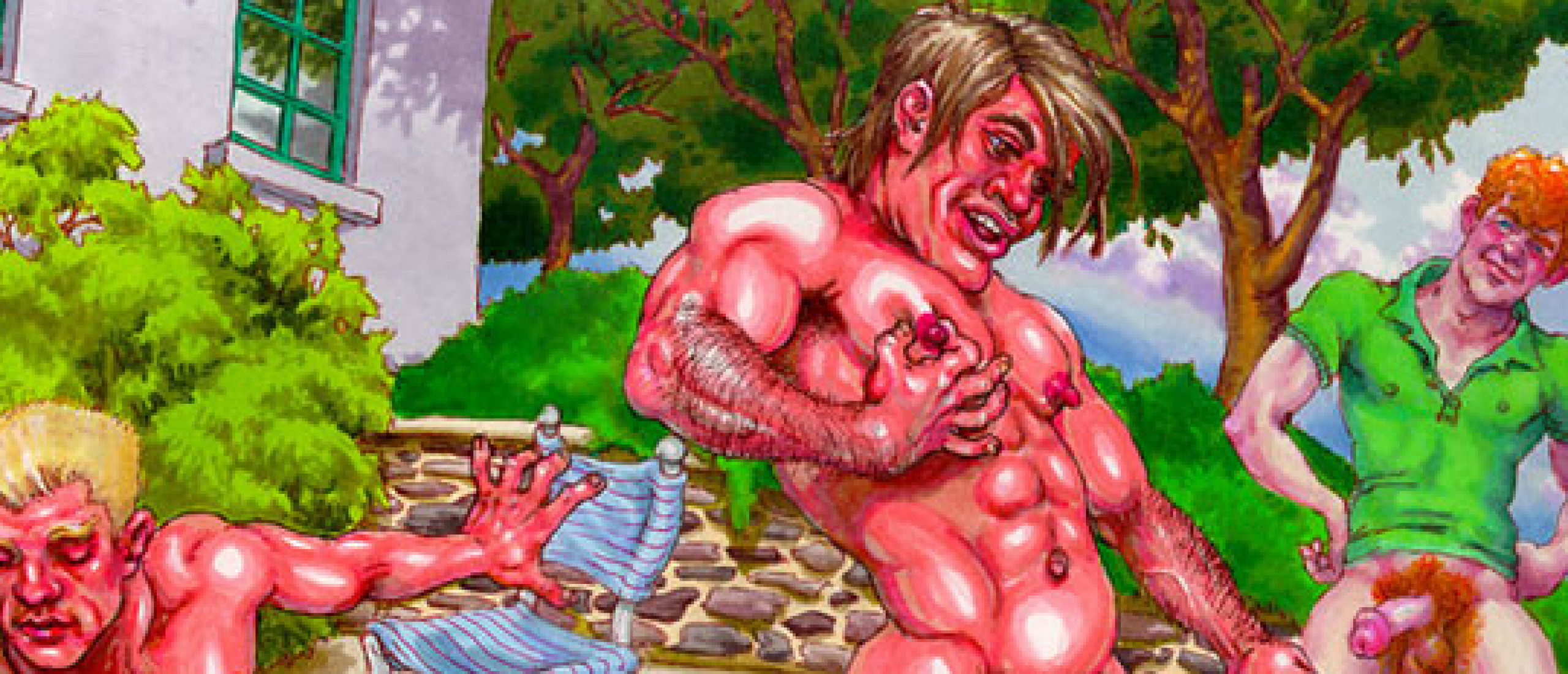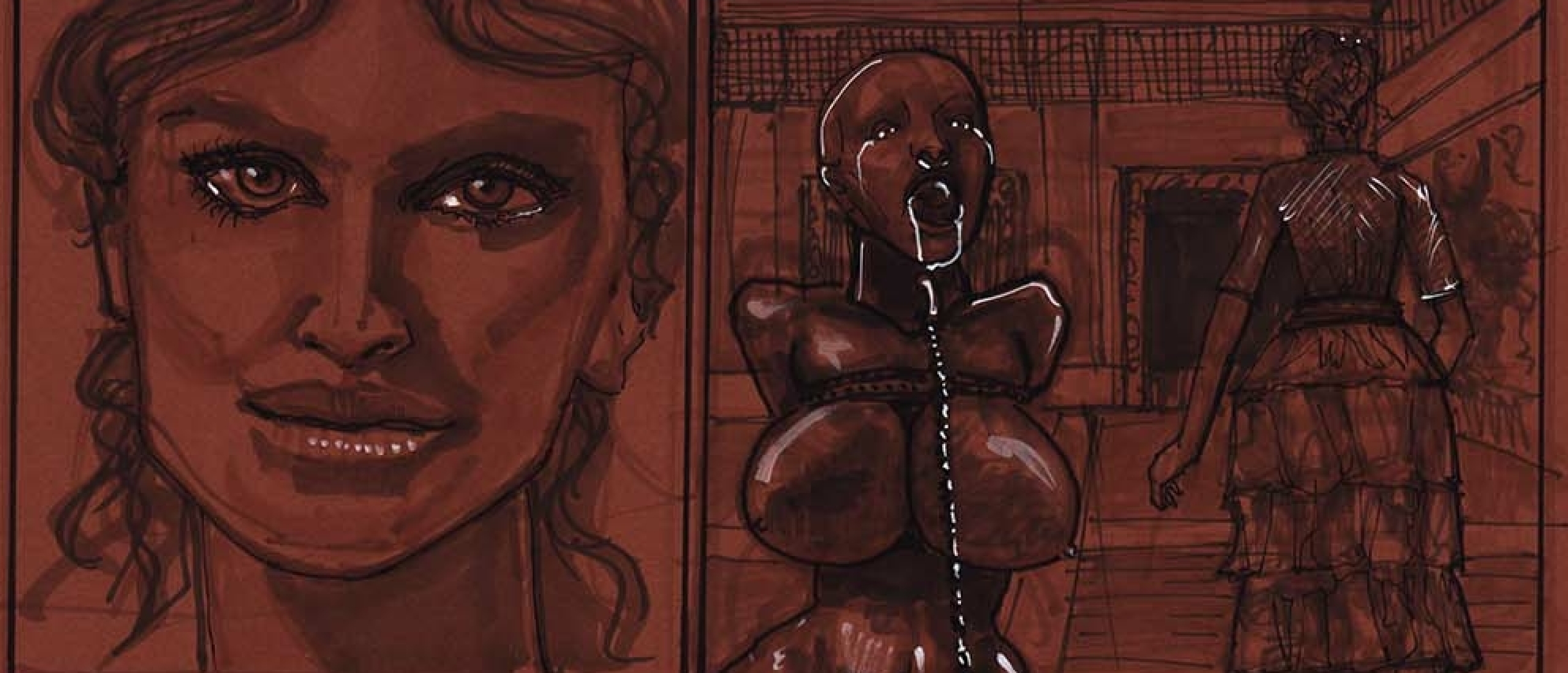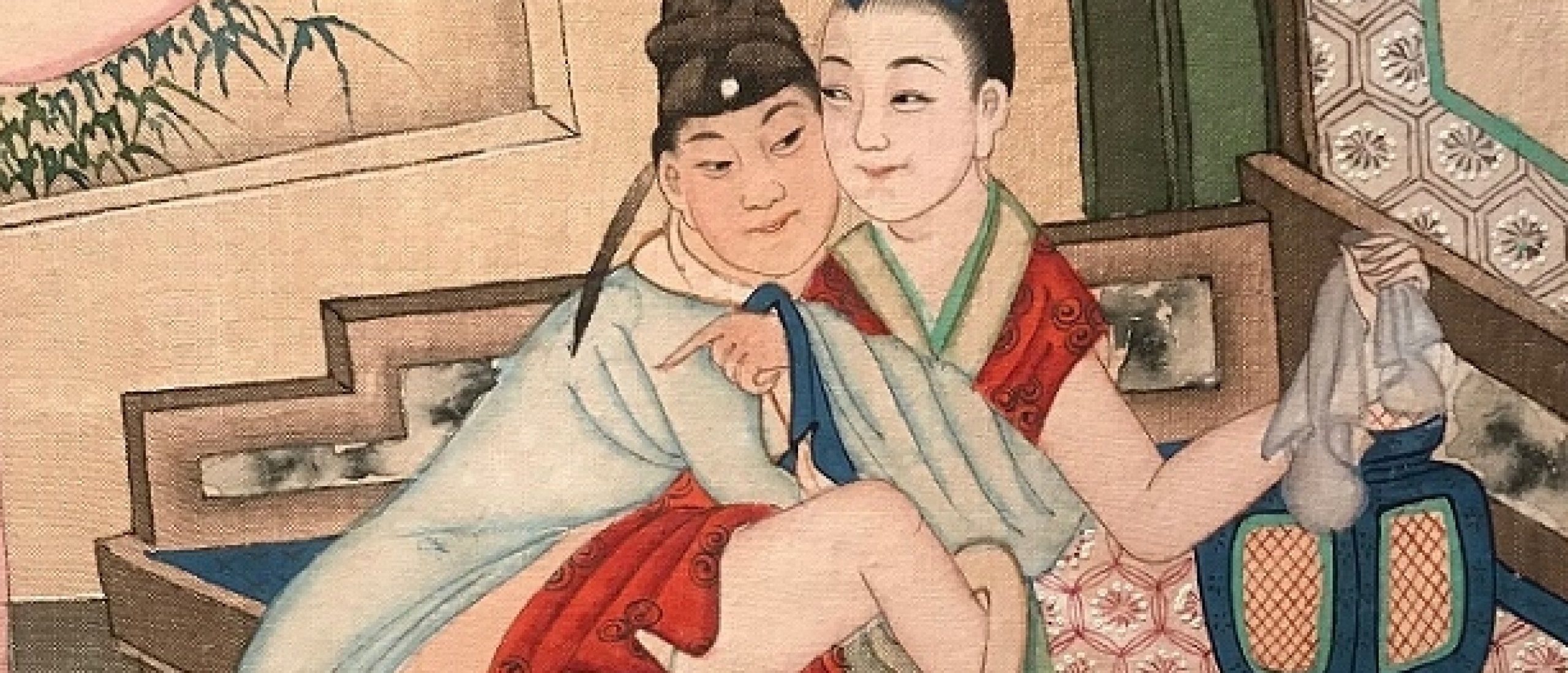
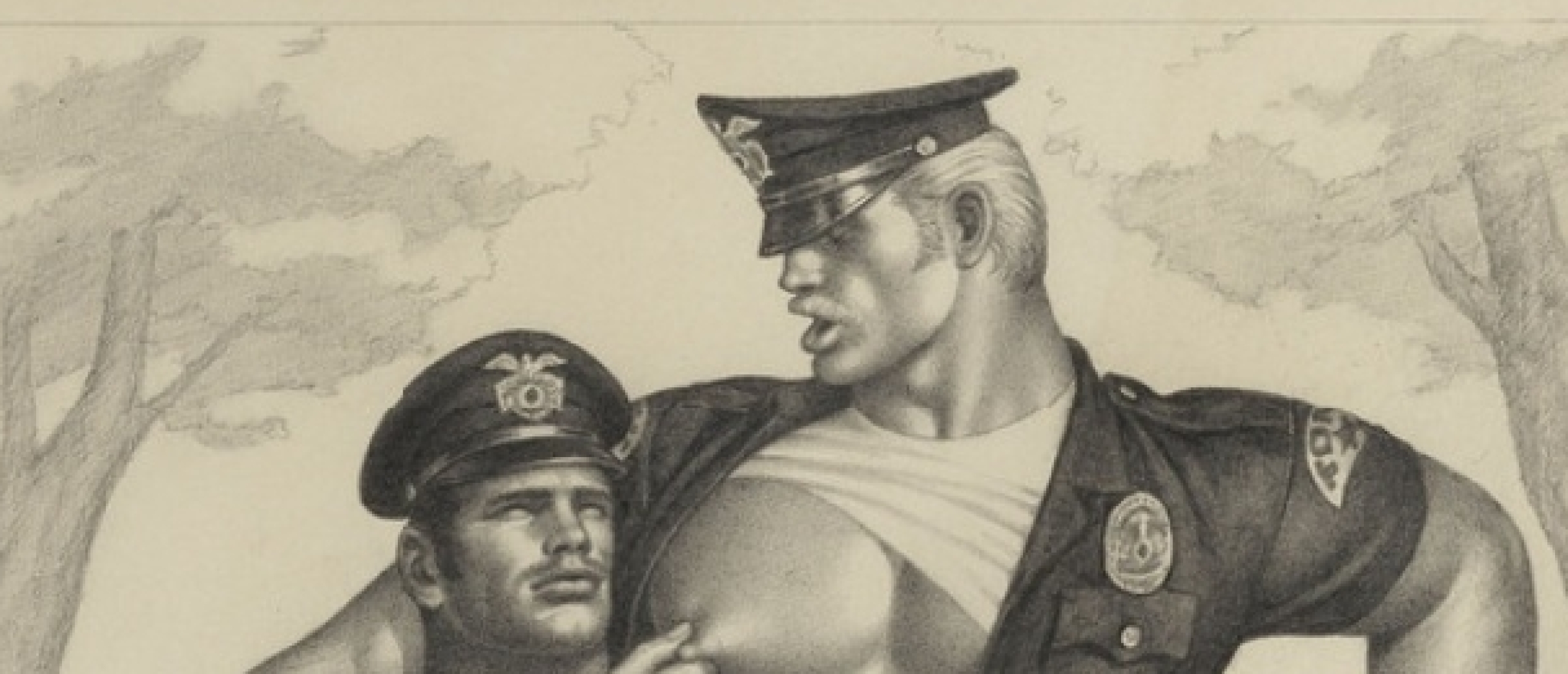

In the world of erotic art, few figures stand out as much as Tom of Finland. His images of hypermasculine men – muscular, dominant, and unapologetically bold – revolutionized how gay identity is visually expressed. At a time when homosexual desire was overshadowed by shame, Tom’s art presented a powerful message: here were men who embraced their sexuality with pride. His work truly disrupts gay identity.
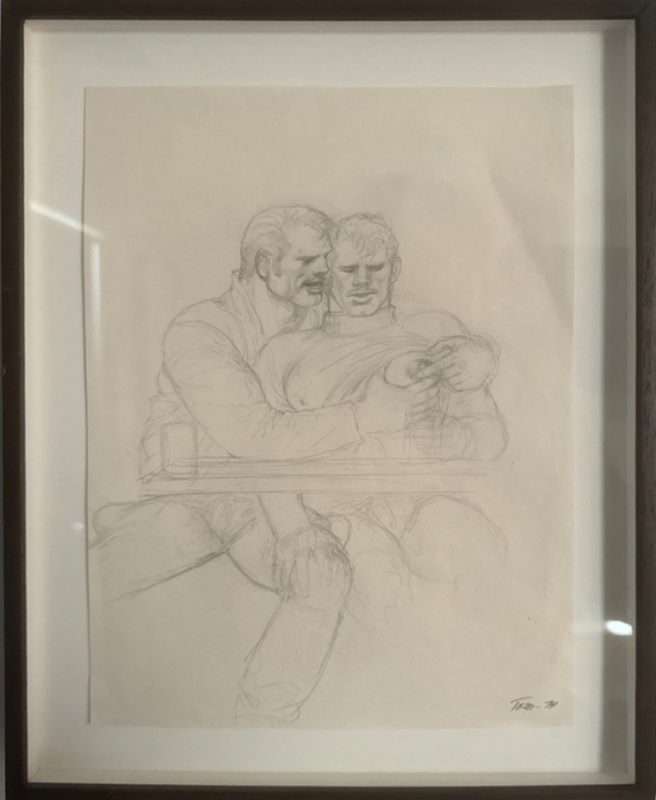
Fig.1. Untitled, 1976
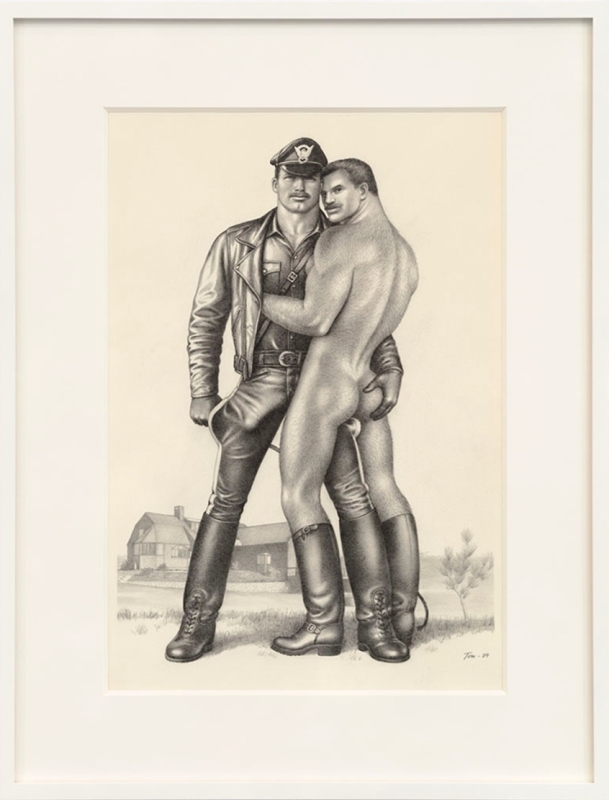
Fig.2. Untitled, 1984
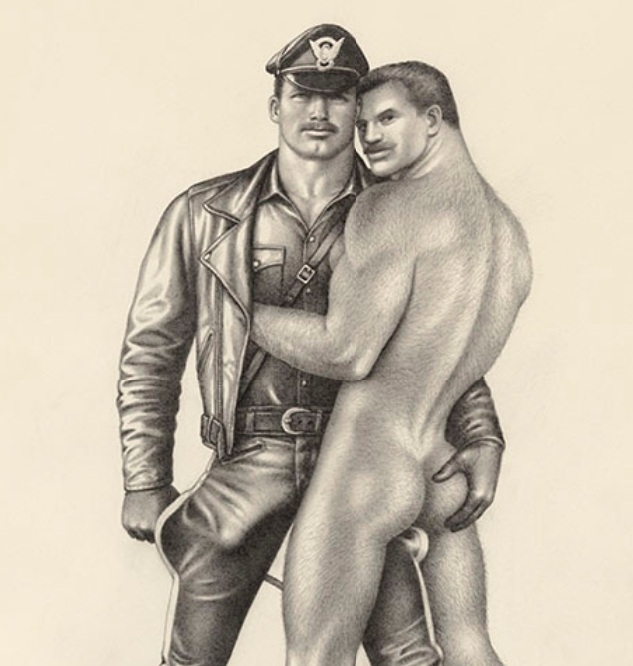
Fig.2a
Uniforms and Badges
Born Touko Valio Laaksonen in 1920 in Finland, Tom of Finland emerged from the shadows of mid-20th-century Europe, where gay men often faced invisibility. After World War II, his experiences with male camaraderie would later surface in his art, where uniforms and badges took on erotic meaning. He shared his drawings anonymously in underground circles, but by the 1960s and ’70s he gained wider recognition through publications such as Physique Pictorial.
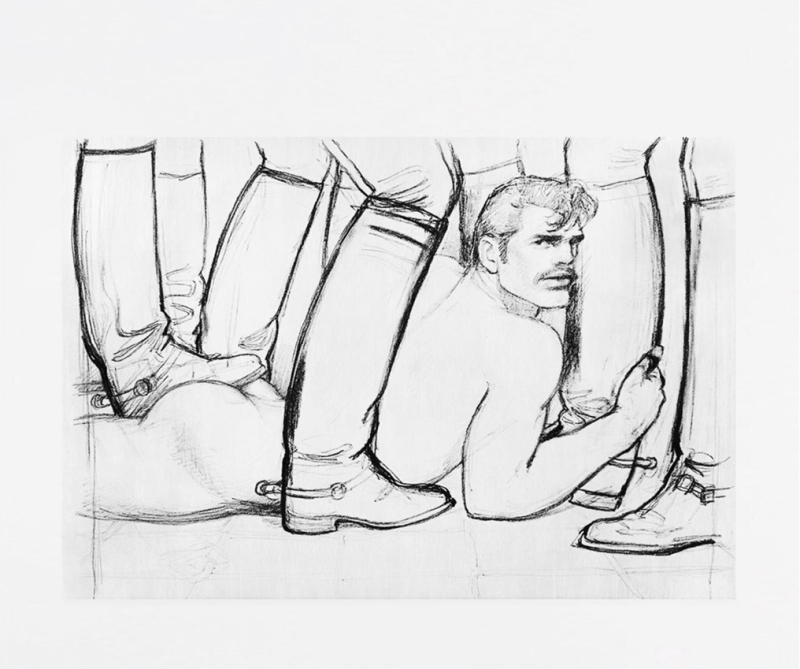
Fig.3. Untitled, 1982
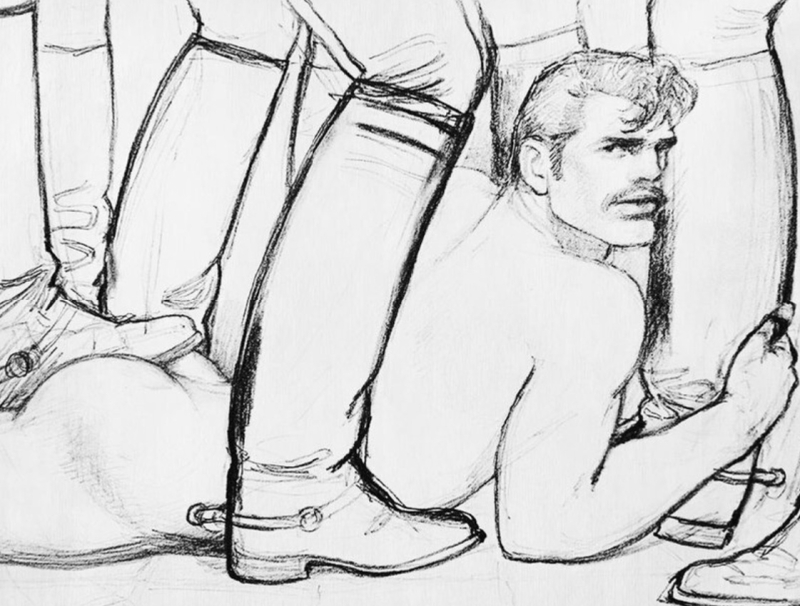
Fig.3a
Square Jaws
Tom of Finland rejects the idea that effeminacy defines gay identity. Instead, he celebrates a hypermasculine ideal: men with exaggerated physiques, square jaws, and dressed in leather or military uniforms. This choice is meant to confront and reshape existing norms. These images insist that homoerotic desire can coexist with robust masculinity, showcasing its most potent forms.
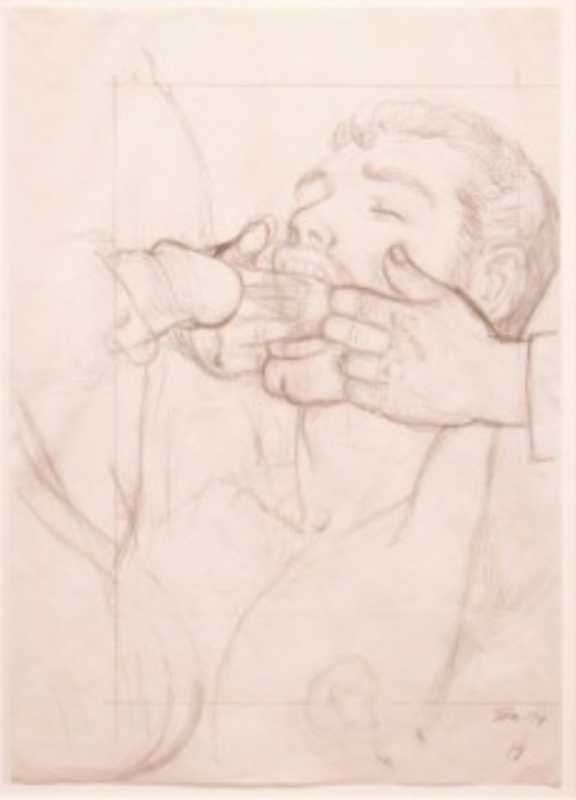
Fig.4. Untitled, 1974
Fantasy and Reality
This visual language disrupts simplistic ideas that tie masculinity to heterosexuality. The men in Tom’s drawings are not ashamed or hidden – they embody sexual liberation. Their exaggerated bodies flirt with the line between reality and fantasy. By amplifying muscle and allure, Tom questions what bodies mean in gay culture – how desire shapes and is shaped by collective ideals. This tension between fantasy and reality offers a profound reflection on the aspirations and insecurities embedded in queer self-image.
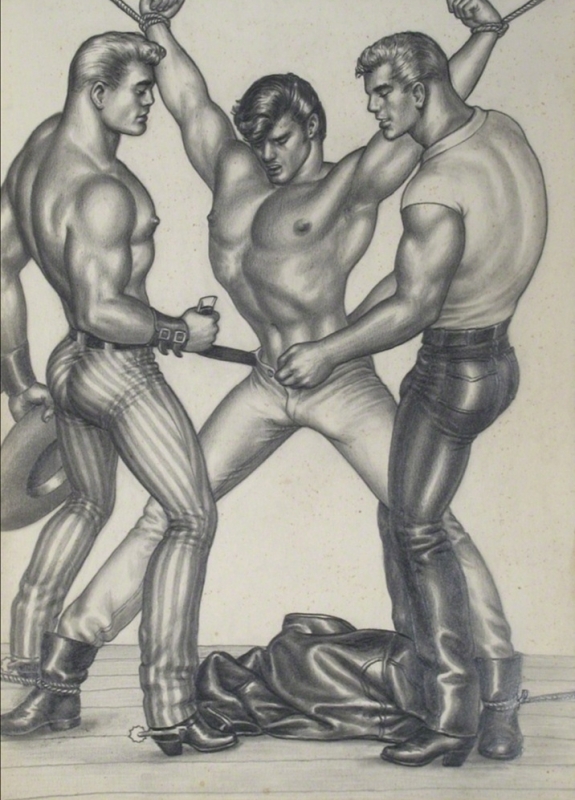
Fig.5. The Saddle Thief XIII, 1958
Focus On Celebration
Beyond physicality, Tom’s work exudes joy. Faces beam with smiles and laughter, defying narratives of shame. This focus on celebration stands as one of his most radical contributions. While many depictions of gay life at the time revolved around secrecy or victimhood, Tom framed desire as a source of joy. Each encounter, whether naked or dressed in leather, emanates an exuberance that rewrites the story of queer sexual experiences, emphasizing public, consensual, and enthusiastic passion.
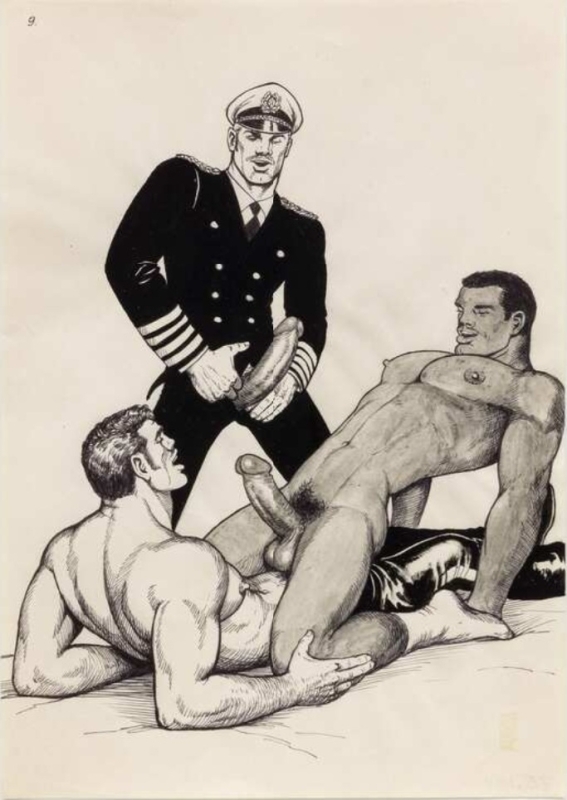
Fig.6. Untitled, 1975
Fetishistic Elements
Uniforms play a vital role in Tom’s oeuvre. Leather jackets, biker helmets, police caps, and military attire transcends mere fetishistic elements; they symbolize authority and power. Tom’s treatment of these symbols complicates the relationship between power and sexuality in gay culture. Instead of being figures of fear, authority figures become objects of desire. This duality reveals a complex relationship with institutional power– one that both challenges and enjoys the thrill of domination.
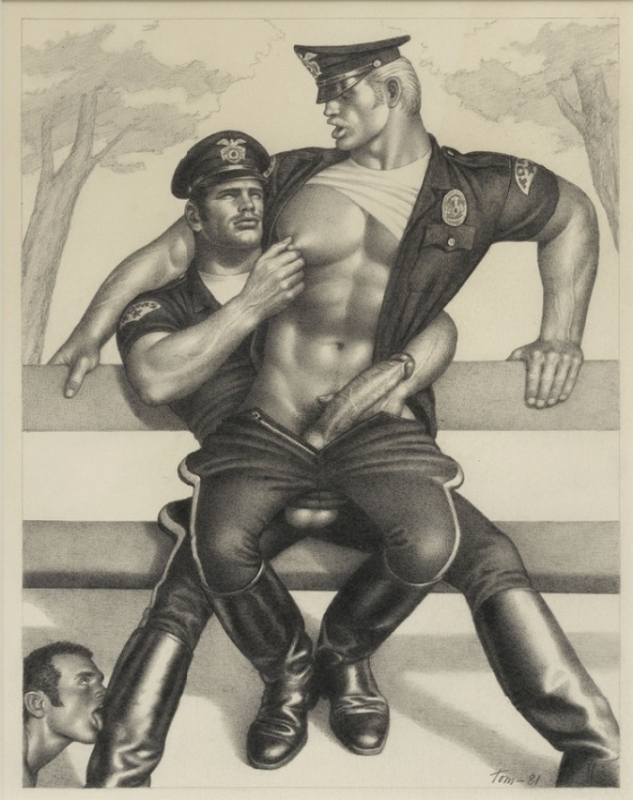
Fig.7. Untitled, 1981
Shared Visual Language
Tom of Finland’s legacy is significant beyond aesthetics. His extensive body of work offers a historical record of the changing landscape of gay rights and visibility. Created during a time when homosexuality faced criminalization and stigmatization, his art contributed to a shared visual language fostering community and activism. His influence has reverberated through generations of artists, writers, and activists. The representation and pride in his work have laid groundwork for later queer liberation efforts.
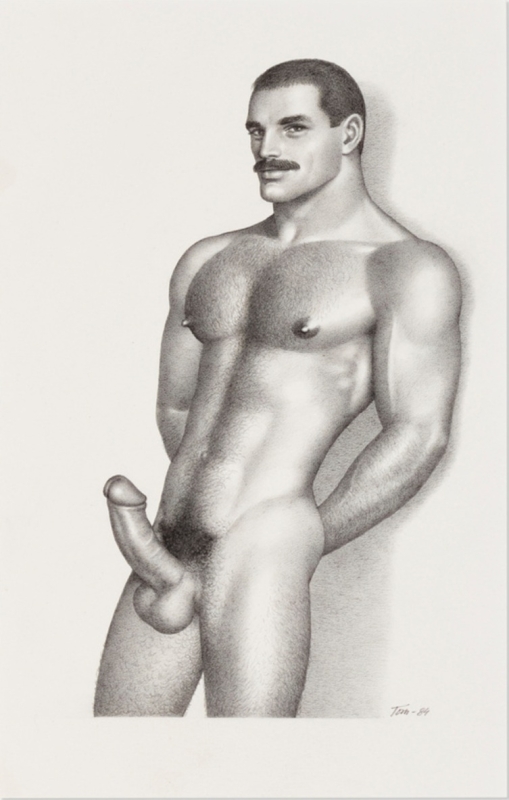
Fig.8. Untitled, 1984
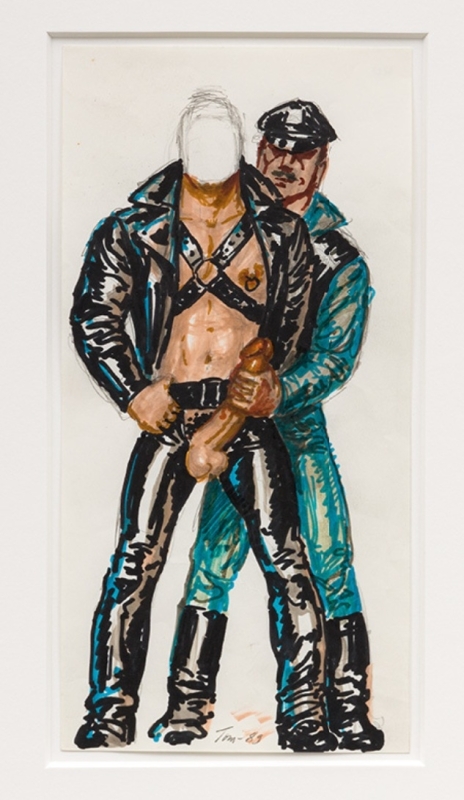
Fig.9. Untitled, 1989
Thrilling Feeling
Tom of Finland’s art invites a reevaluation of the intersections of sex, identity, and power. His drawings challenge the boundaries of masculinity, suggesting that sexual identity can be a realm of celebration rather than shame. They compel us to question how we visualize desire and who gets to depict it, offering a critique of both historical contexts and contemporary norms. And no doubts – everybody who watches his art feels this thrilling feeling inspired by the strong, arousing eXect. Don’t they?
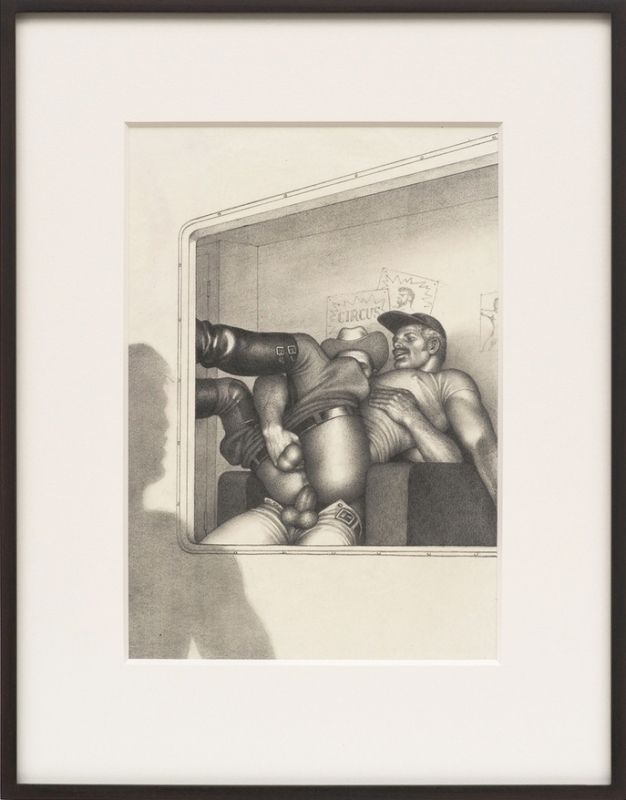
Fig.10. Untitled, 1975
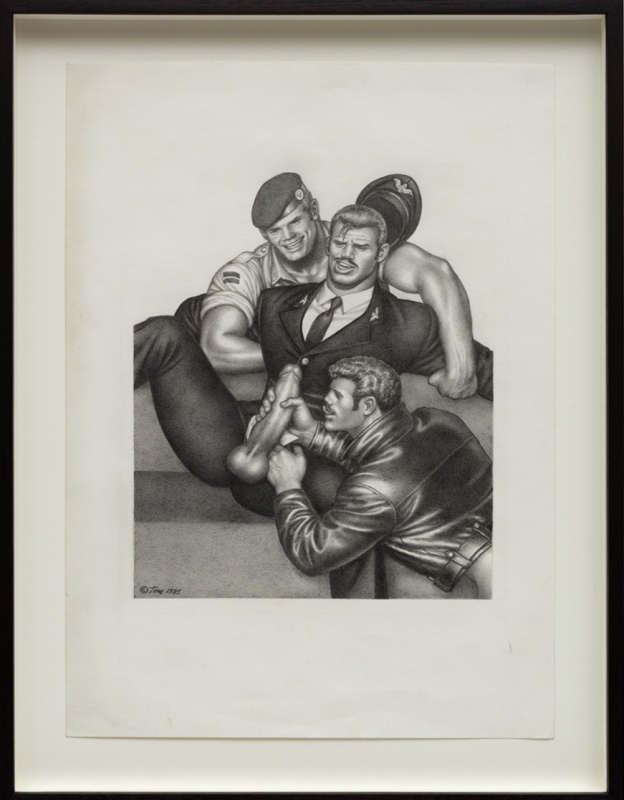
Fig.11. Untitled, 1985
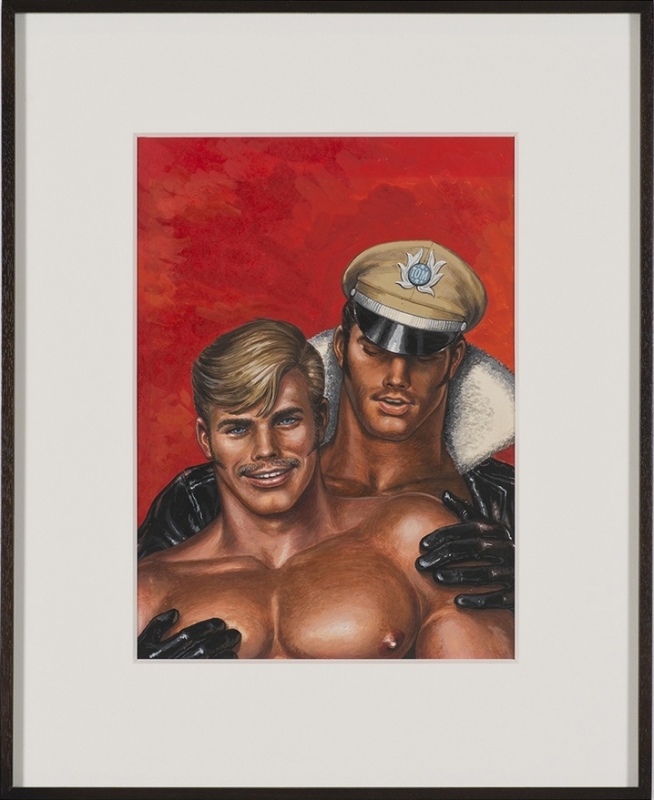
Fig.12. Buddies, 1973
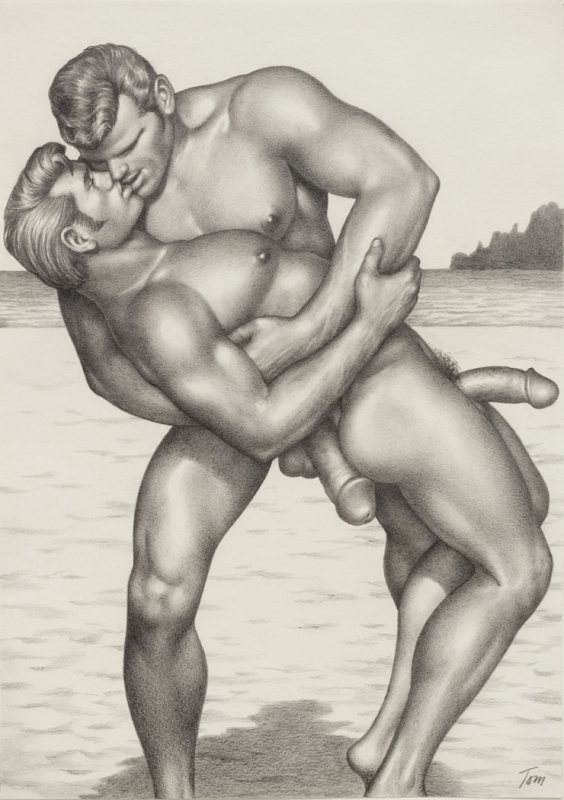
Fig.13. Untitled, 1969
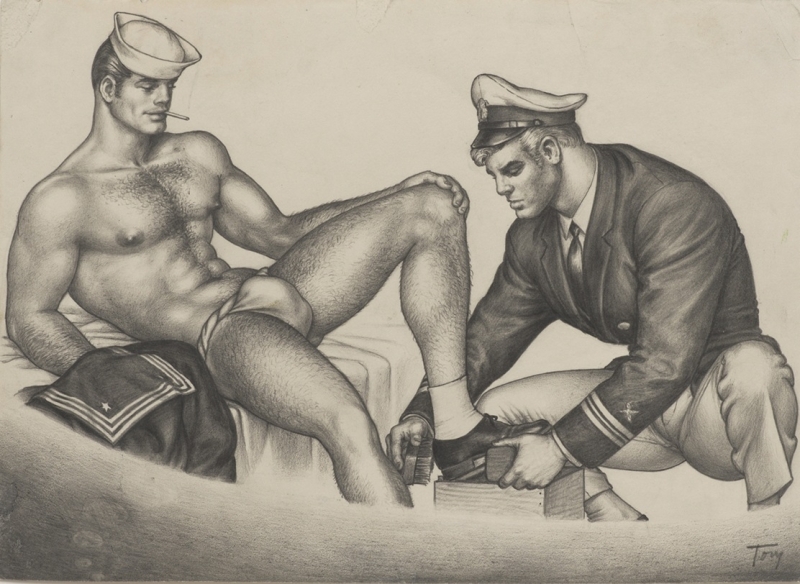
Fig.14. Sailor’s Dream, 1959
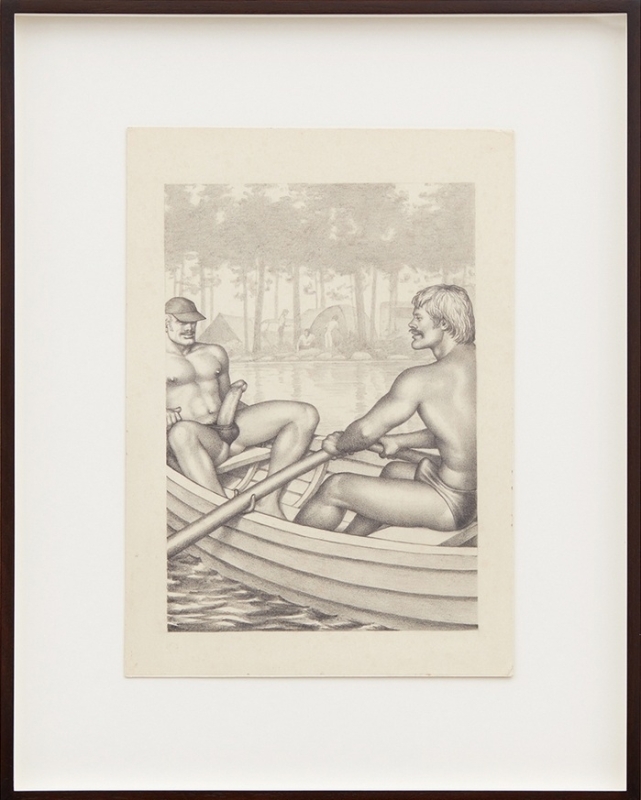
Fig.15. Untitled, 1976
Become a Premium member now and discover a lot more content on gay art not visible here.
Click HERE for an earlier article featuring Tom of Finland's iconic gay art
What do you think about Tom of Finland's art? Leave your reaction in the comment box below....!!