
The Constructed Body: Editorial Vision And Visual Narratives in the Work Of Yasuji Watanabe
EDITORIAL ORIGINS AND THE LEGACY OF S&M SNIPER
The work of Yasuji Watanabe (渡邊安治) is situated within the field of contemporary Japanese erotic photography through an articulation of editorial experience, imagetic construction, and the exploration of body-based visual narratives. Born on February 25, 1966, in Japan, Watanabe initially developed his career in the editorial sector, serving as an editor and, subsequently, as the editor-in-chief of S&M Sniper. This publication played a significant role in disseminating imagery related to bondage, fetishism, and visual practices associated with the world of Japanese erotica. S&M Sniper, which ceased operations in 2008, brought together photographers and artists who explored the relationships between the body, restraint, and desire. The presence of figures such as Nobuyoshi Araki within this editorial circuit highlights the environment in which Watanabe was visually formed. In this space, the body is not presented as a stable unit, but as a surface subjected to practices of control, exposure, and reorganization. Through his role as an editor, Watanabe did not merely select images; he participated in the construction of a visual repertoire in which erotism is articulated with narrative, scenographic, and symbolic elements. This experience contributed to the formation of a gaze that is not limited to photographic capture but involves the construction of situations and the organization of signs.
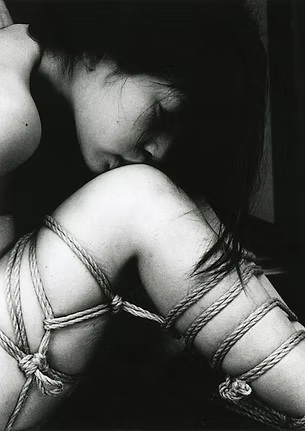
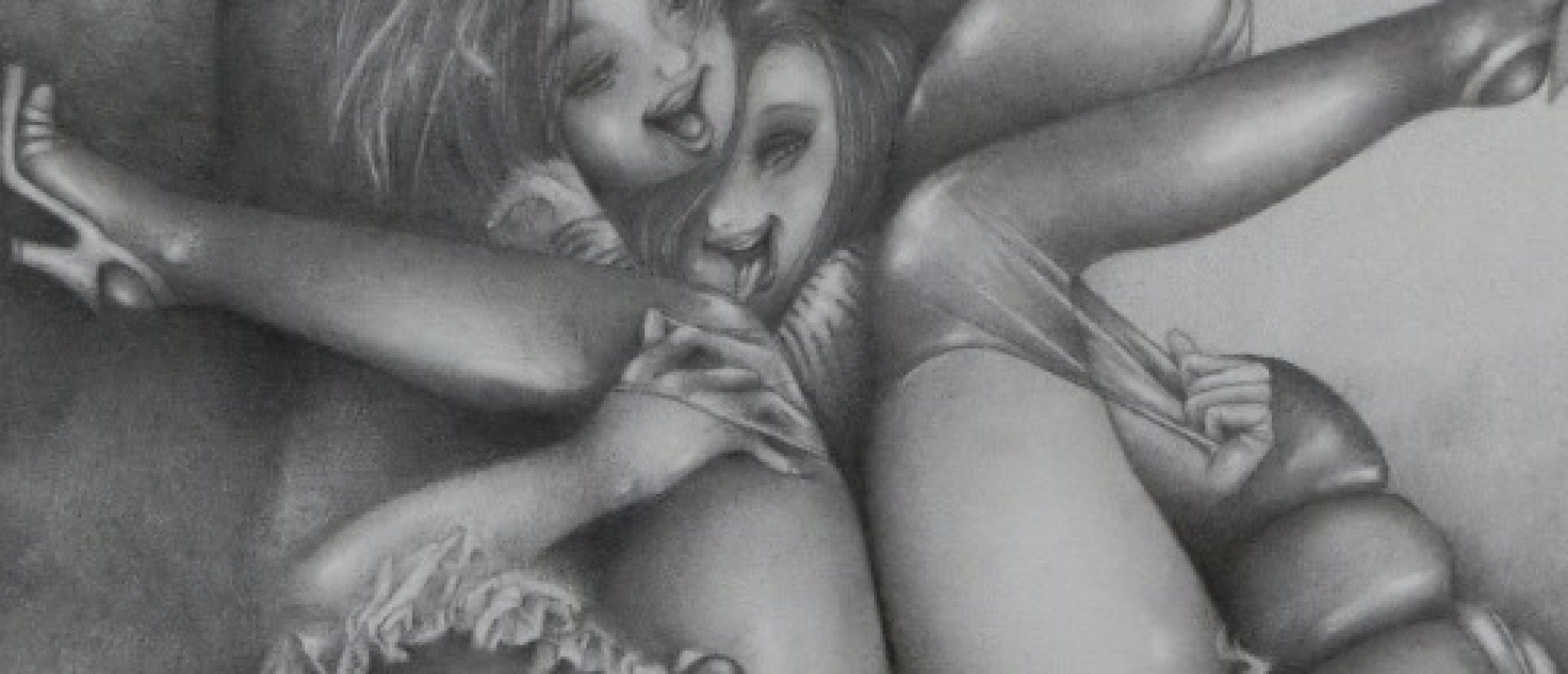
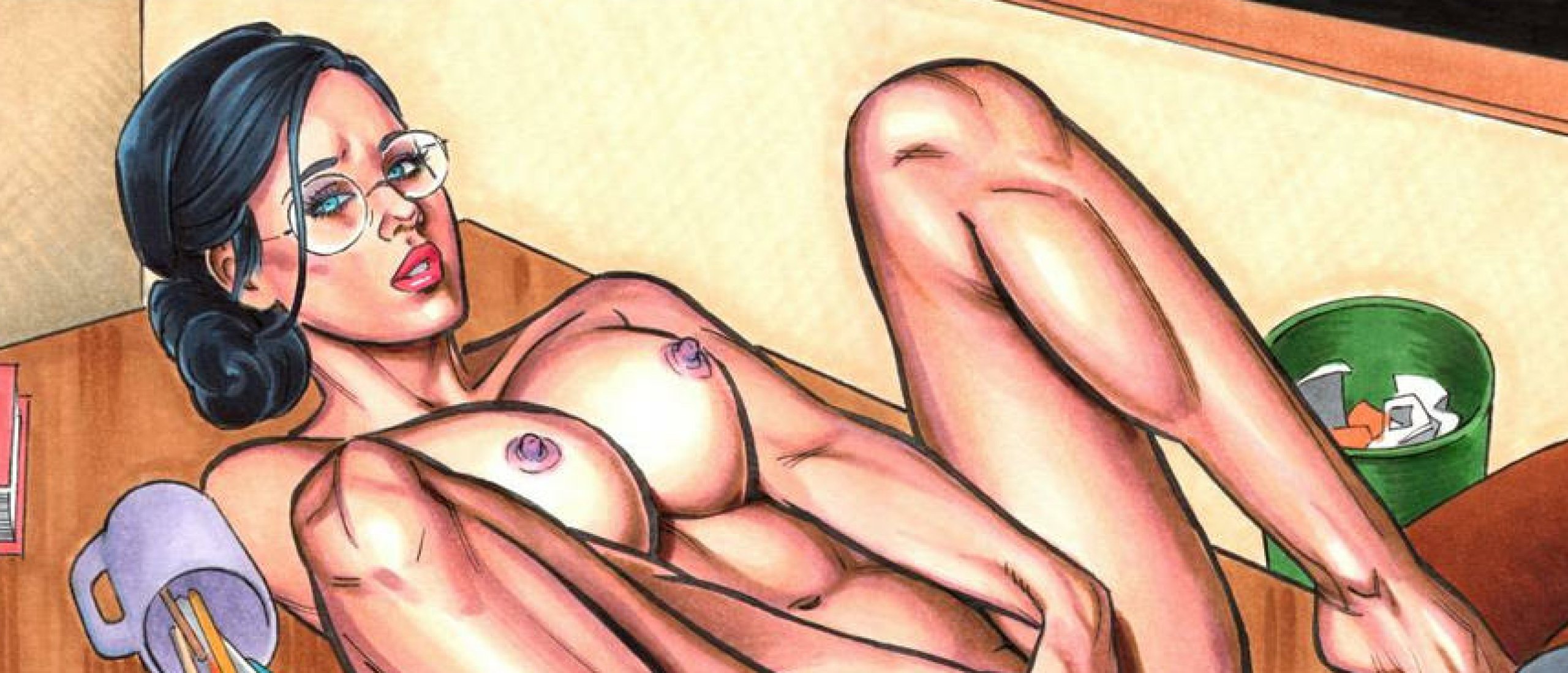
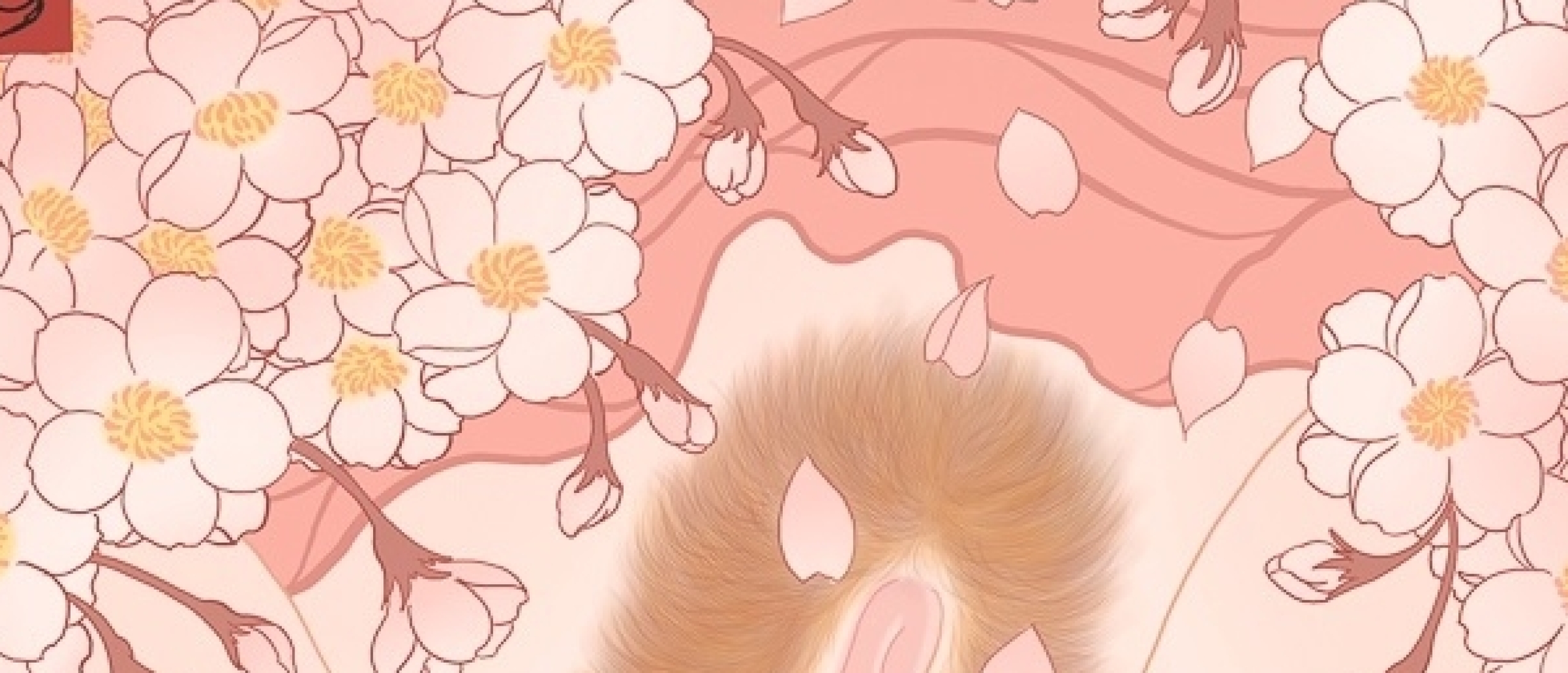
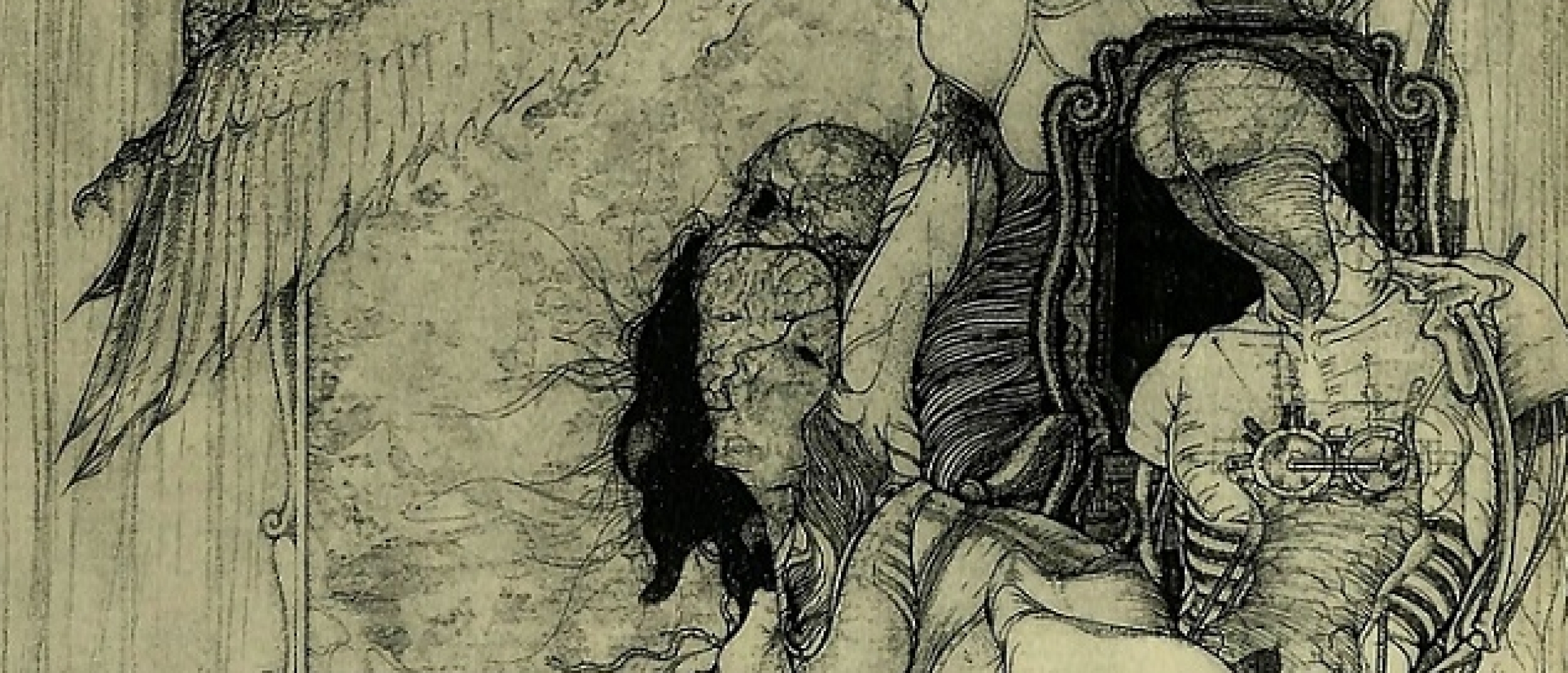
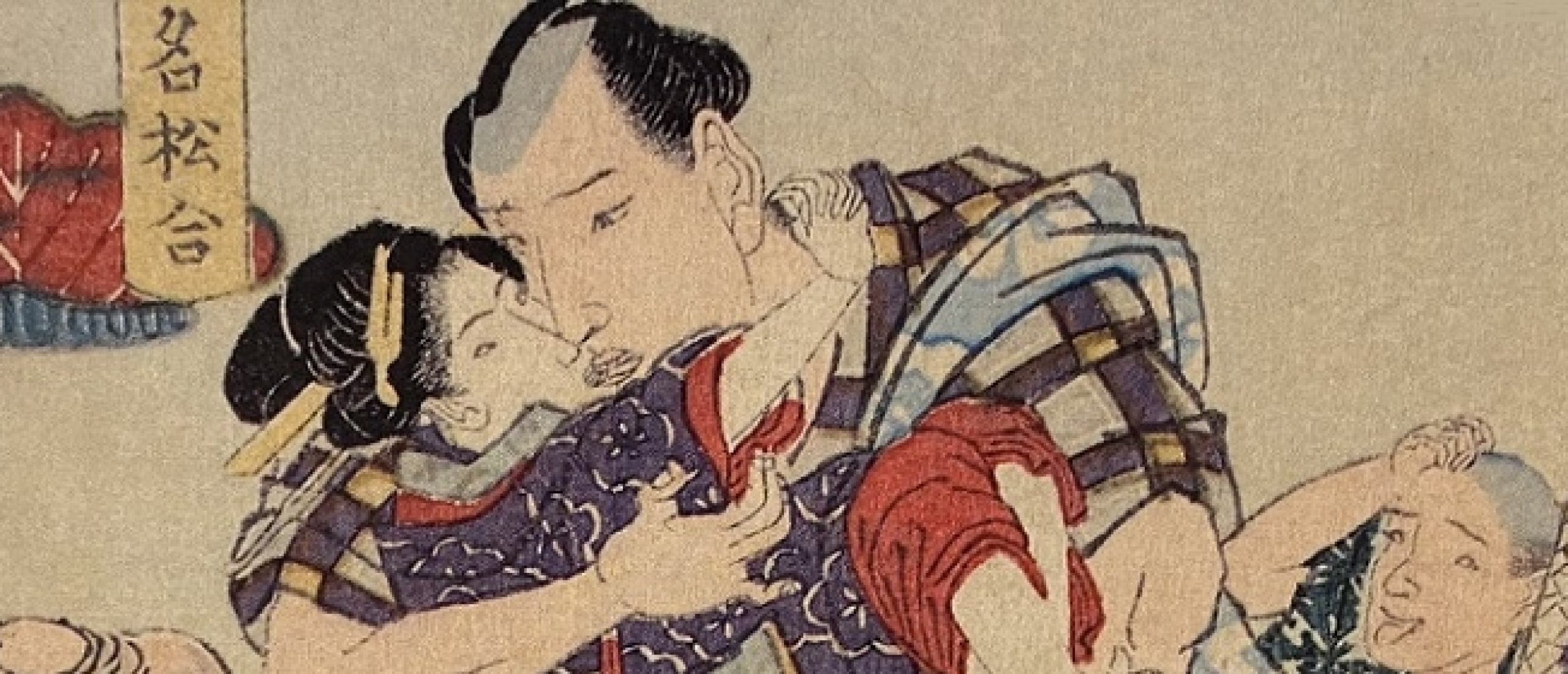
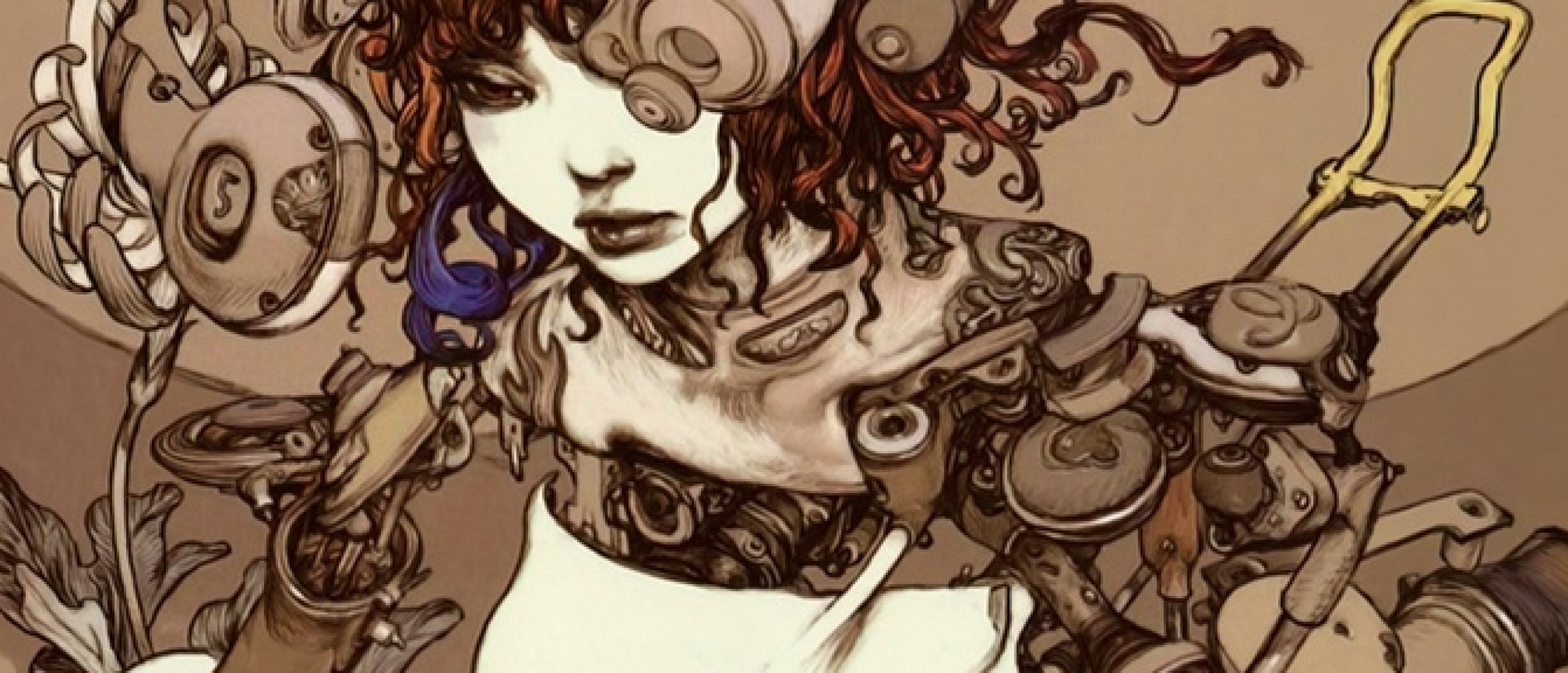
Fig.1 "Akai hana"
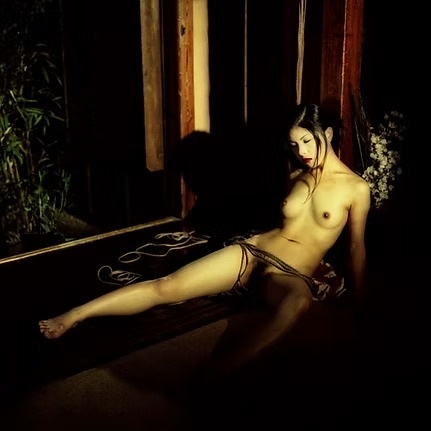
Fig.2 "Akai hana"
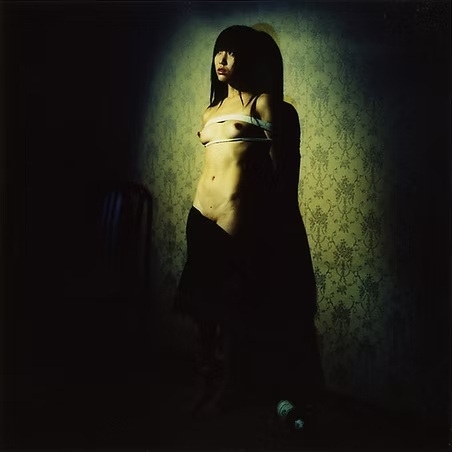
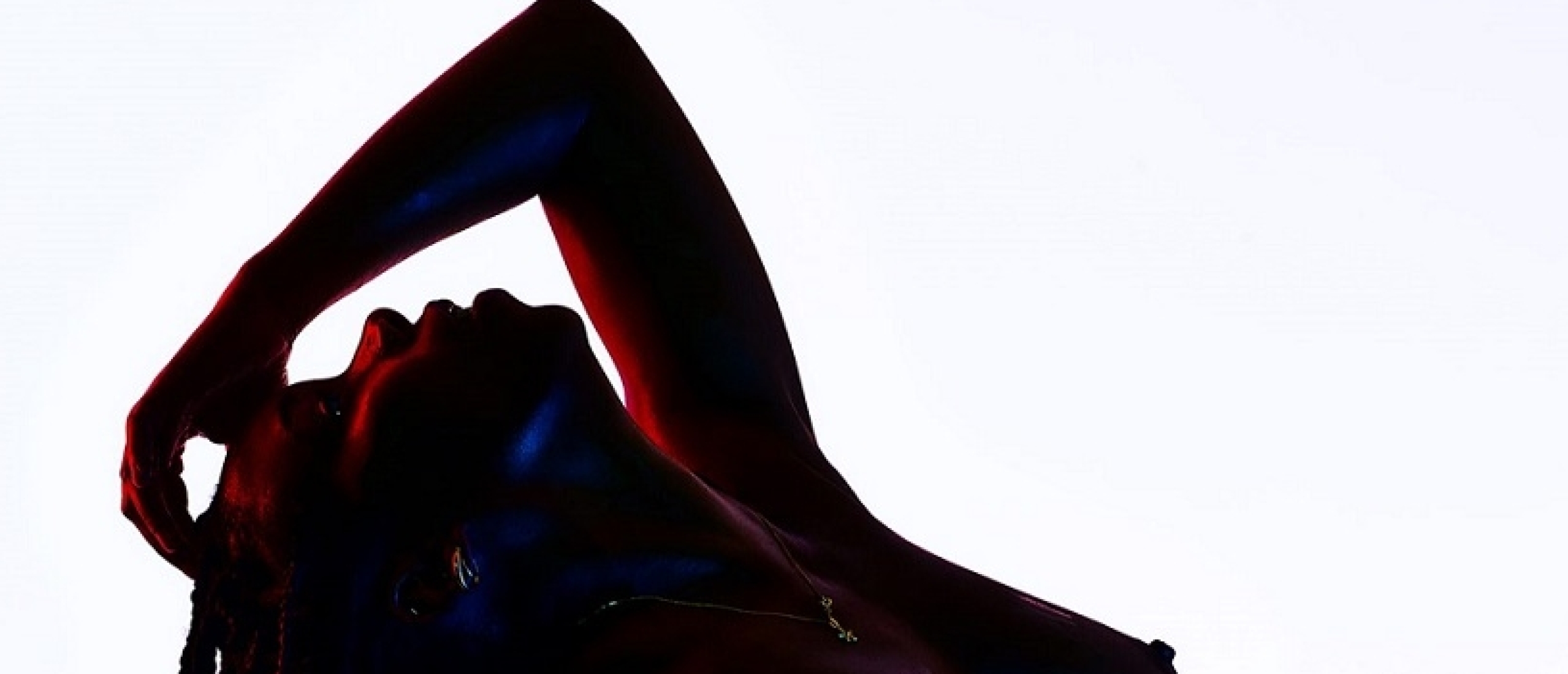
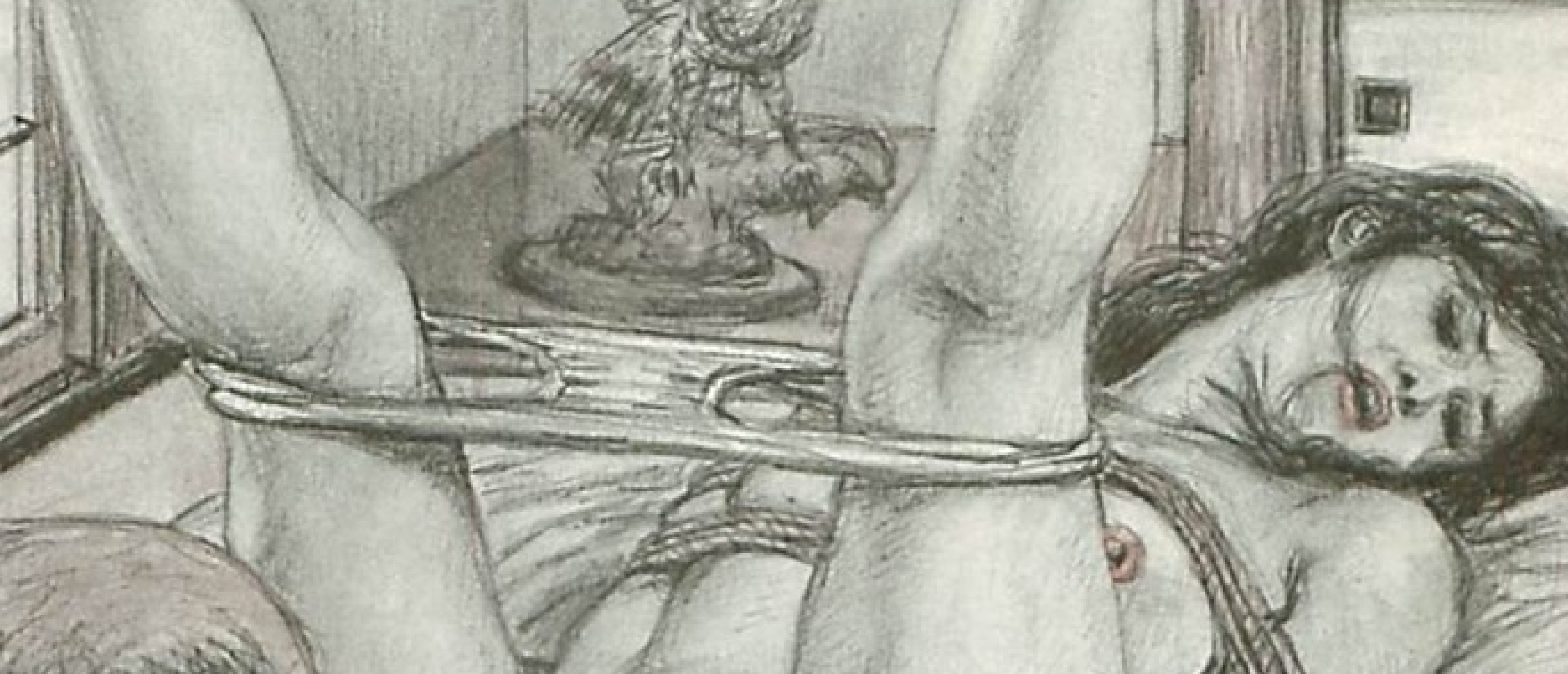
Fig.3 "The Portrait of Innocent Girls through the Amida Camera"
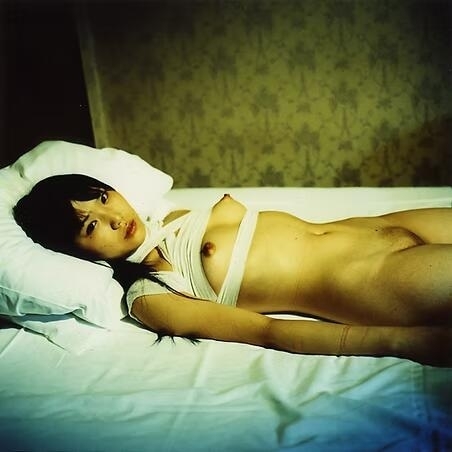
Fig.4 "The Portrait of Innocent Girls through the Amida Camera"
TRANSITION TO PHOTOGRAPHY AND THE FICTIONAL SCENARIO
Watanabe’s transition to photography occurred in 2000, when he acquired a Hasselblad camera and began producing images centered on female figures placed within fictional settings. This moment marked not only the beginning of his practice as a photographer but also the transformation of an editorial repertoire into his own visual language. The images produced during this period possess a structure reminiscent of fashion editorials, characterized by careful composition, attention to costume, and the organization of space. However, this initial appearance is deliberately undermined by the introduction of elements linked to fetishism and erotism, which shift the reading of the image into a different register.
Watanabe’s first solo exhibition, Live Beautifully (2002), held at the Milieu gallery in Tokyo, presented a body of work that already evidenced this articulation between visual construction and thematic displacement. The title suggests a relationship with fashion aesthetics and the idea of life as a form of composition, but the images introduce elements that challenge this reading. The female body appears as a central figure, yet not as a passive object of contemplation; instead, it is inserted into situations involving restraint, staging, and displacement.
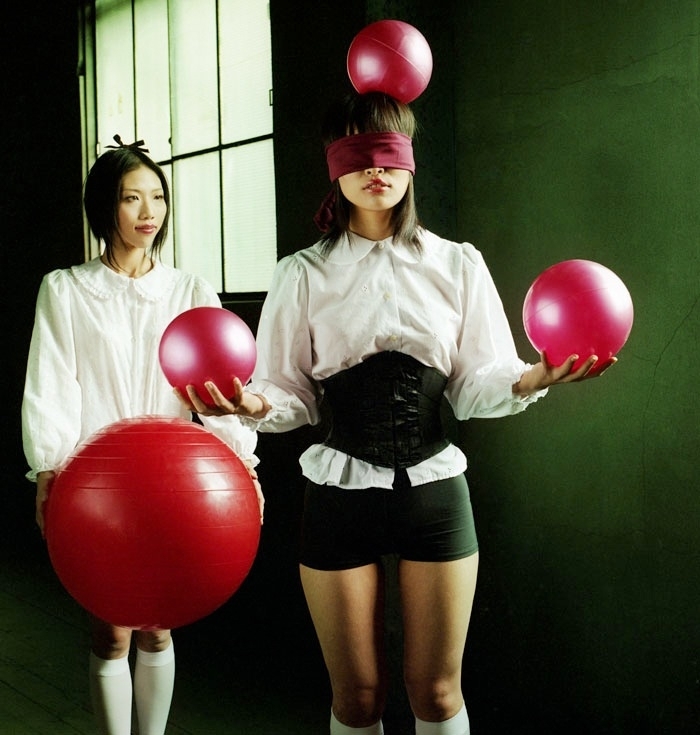
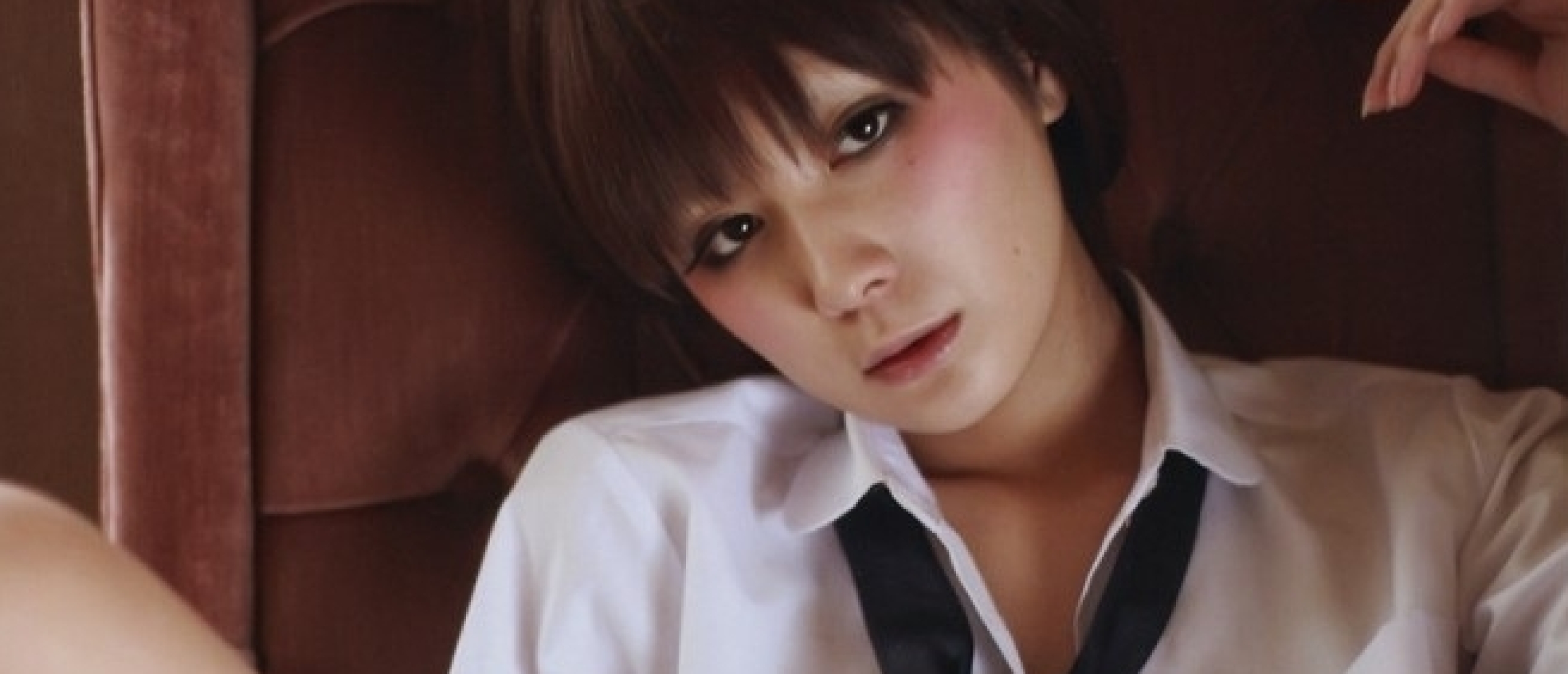
Fig.5 "Tokyo Girls"
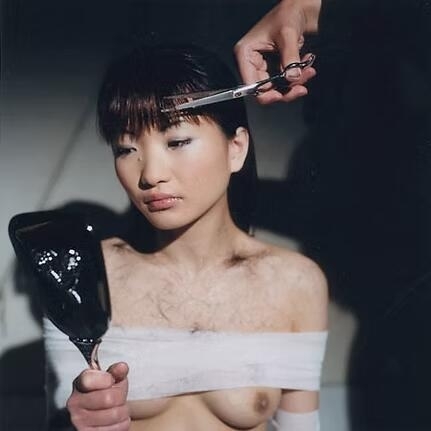
Fig.6 "Tokyo Girls"
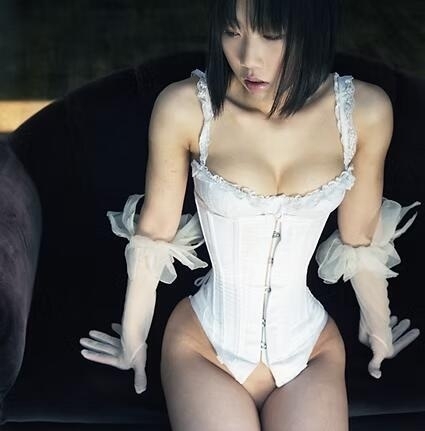
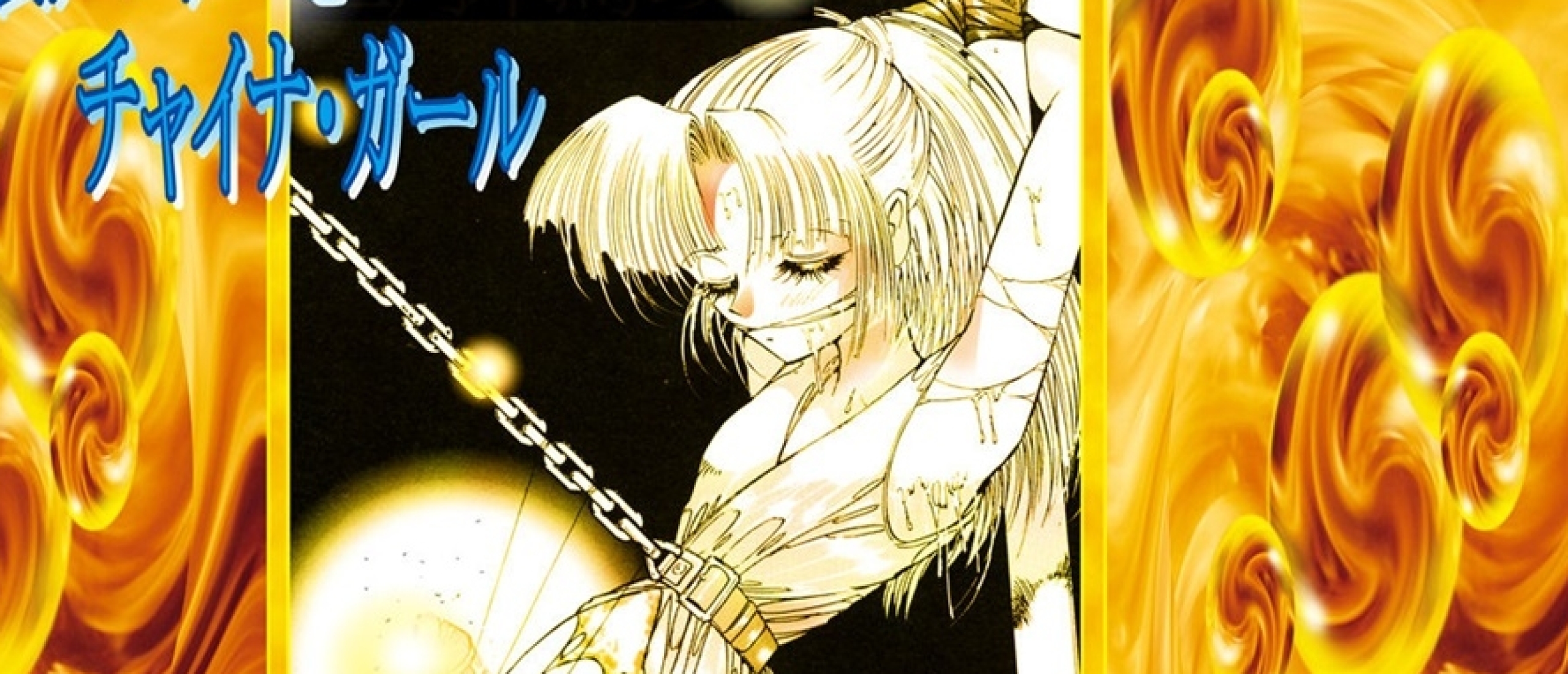
Fig.7 "Tightened Life"
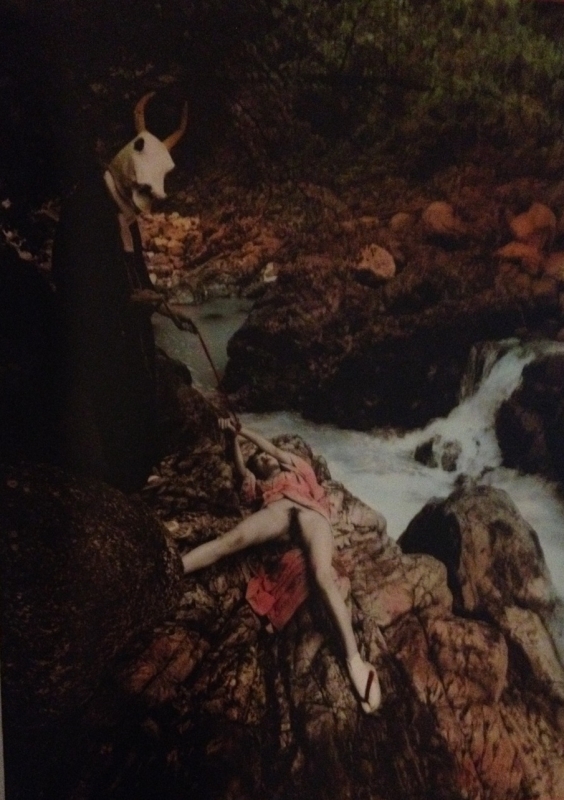
Fig.8 "Phantomes japonais"
INTERNATIONAL CIRCULATION AND MOVING IMAGES
In 2004, the publication of the book Tokyo Girls by the German publisher Edition Reuss consolidated Watanabe’s presence on the international circuit. The book features a series of images that articulate elements of urban culture, fashion, and erotism, constructing a collection in which the female body is presented in various configurations. The choice of title indicates a relationship with the city of Tokyo as a space for image production and a field for the circulation of signs. The “Tokyo girls” are not presented as identifiable individuals, but as figures participating in a visual system where identity and representation are intertwined.
From 2005 onwards, Watanabe expanded his scope by starting to produce 8mm films. This move into moving images introduced a new dimension to his practice, allowing him to explore the temporality of images and the relationship between the body and duration. The films feature sequences in which the body is subjected to restraint practices, particularly through the use of ropes, in a relationship with the technique of shibari. This technique, which has historical roots in Japan, is reconfigured in Watanabe’s work as a visual element that organizes the image. Shibari appears not merely as an erotic practice, but as a procedure that structures the relationship between body and space. The ropes do not only restrict movement; they draw lines upon the body, creating a composition involving tension, balance, and the distribution of forces. In the 8mm films, these lines are explored in sequences that highlight the relationship between the immobility of the body and the movement of the image. The result is a body of work in which the body is presented as a surface upon which marks and relationships are inscribed.
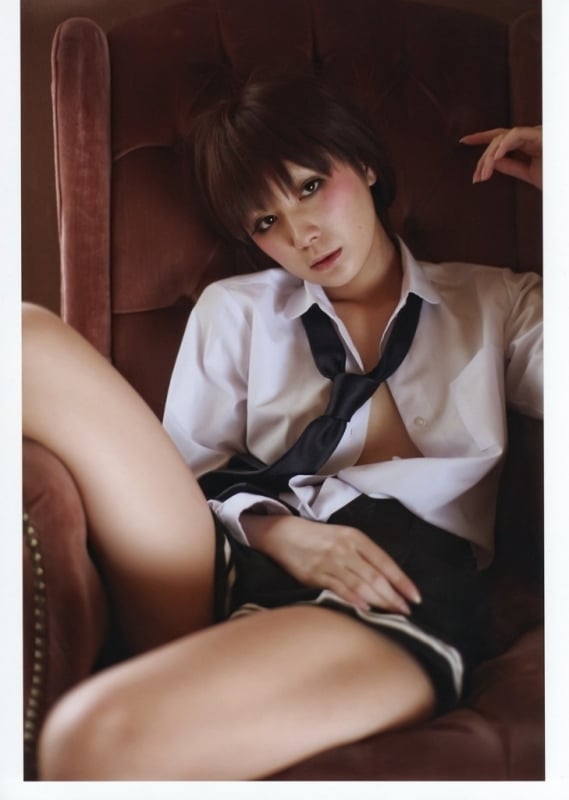
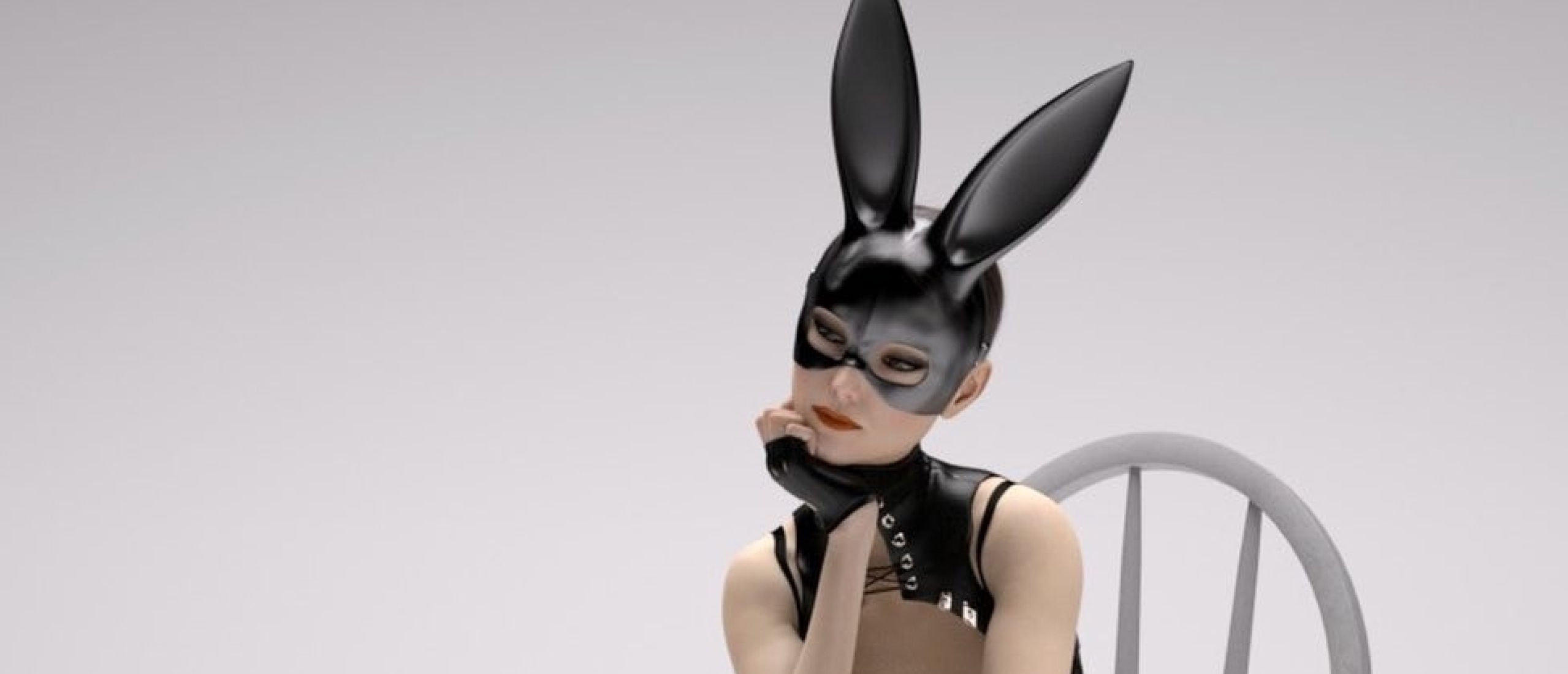
Fig.9 "Real Fake Doll "
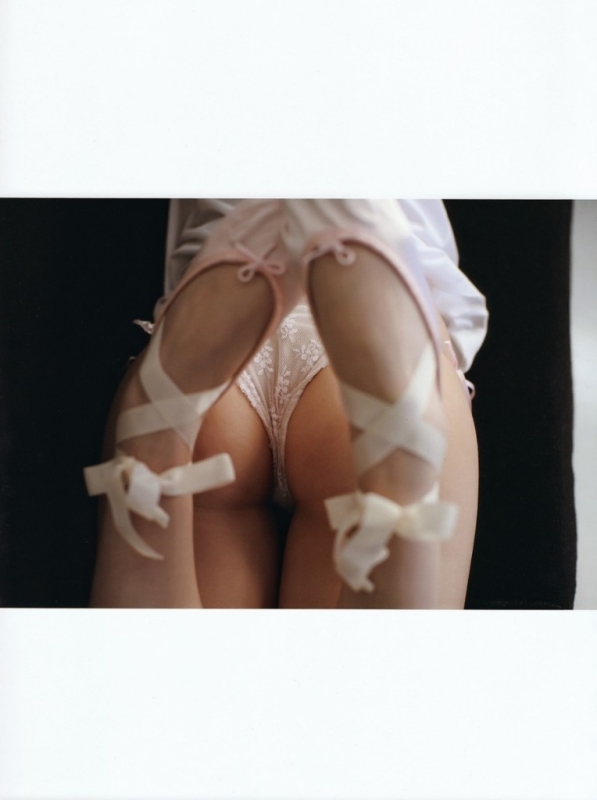
Fig.10 "Real Fake Doll "
Become a Premium member now and discover more about Yasuji's symbolism and the "Innocent Girls" construction, the "Real Fake Doll" identity, the influence of Hans Bellmer, the temporality and the construction of the book, 59 arousing pics and MUCH more...!!
Click HERE for an article about the provocative "Tokyo Lucky Hole" series by Nobuyoshi Araki
Let us know your thoughts about Yasuji Watanabe's photography in the comment box below...!!!