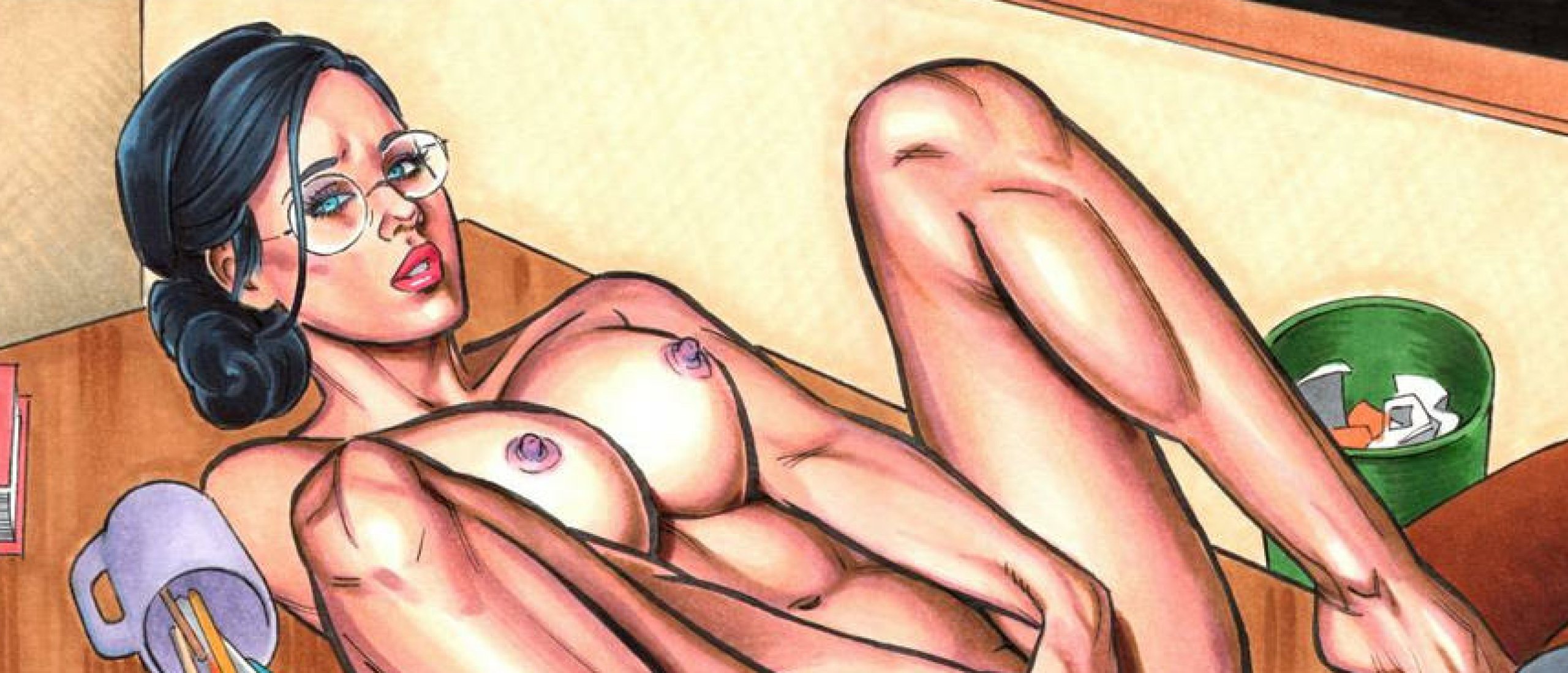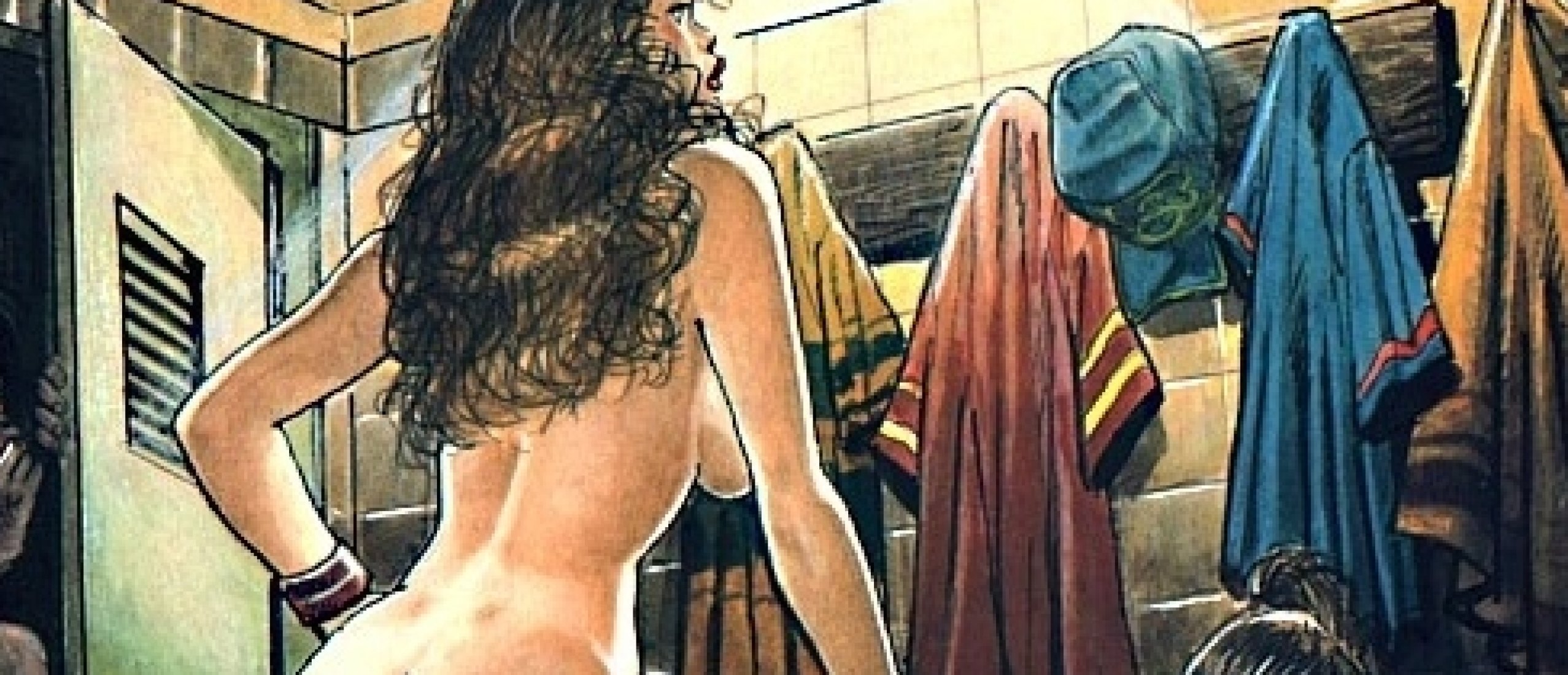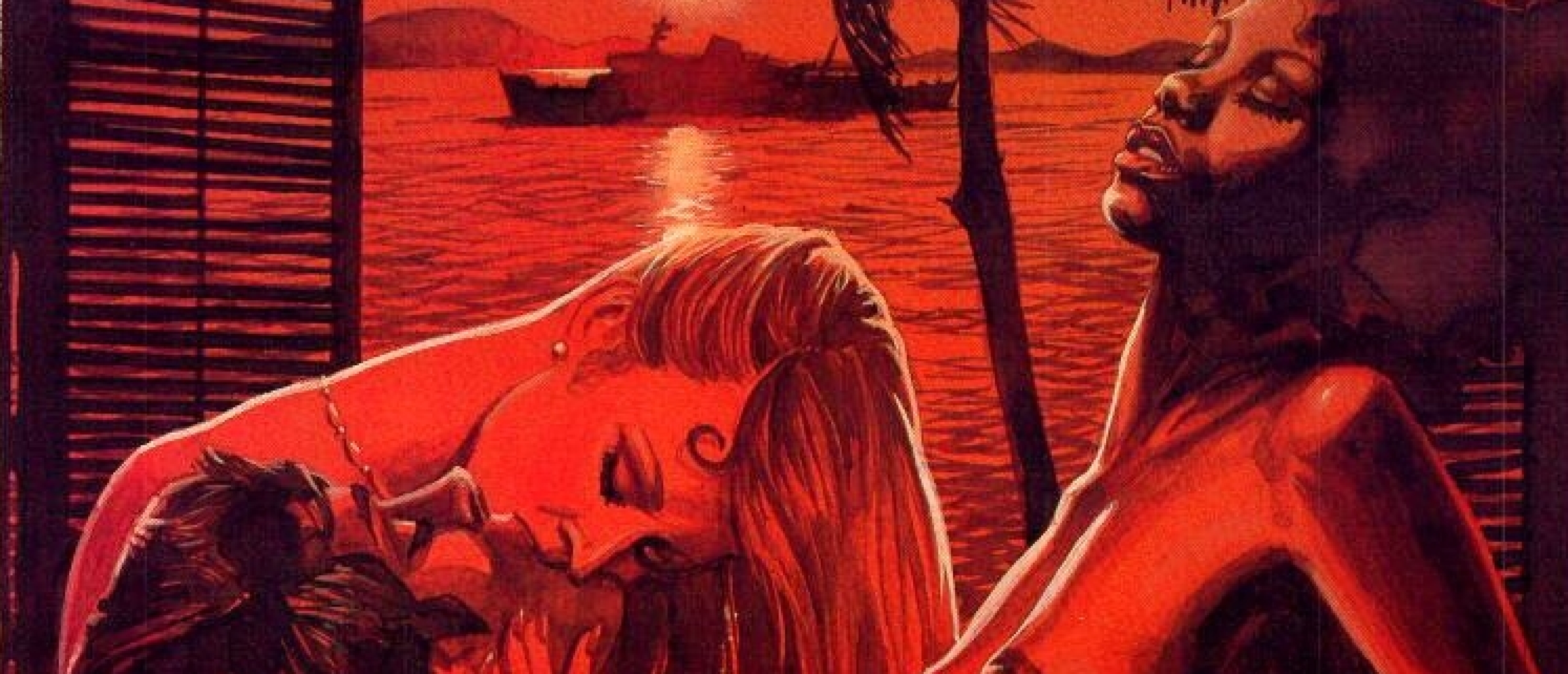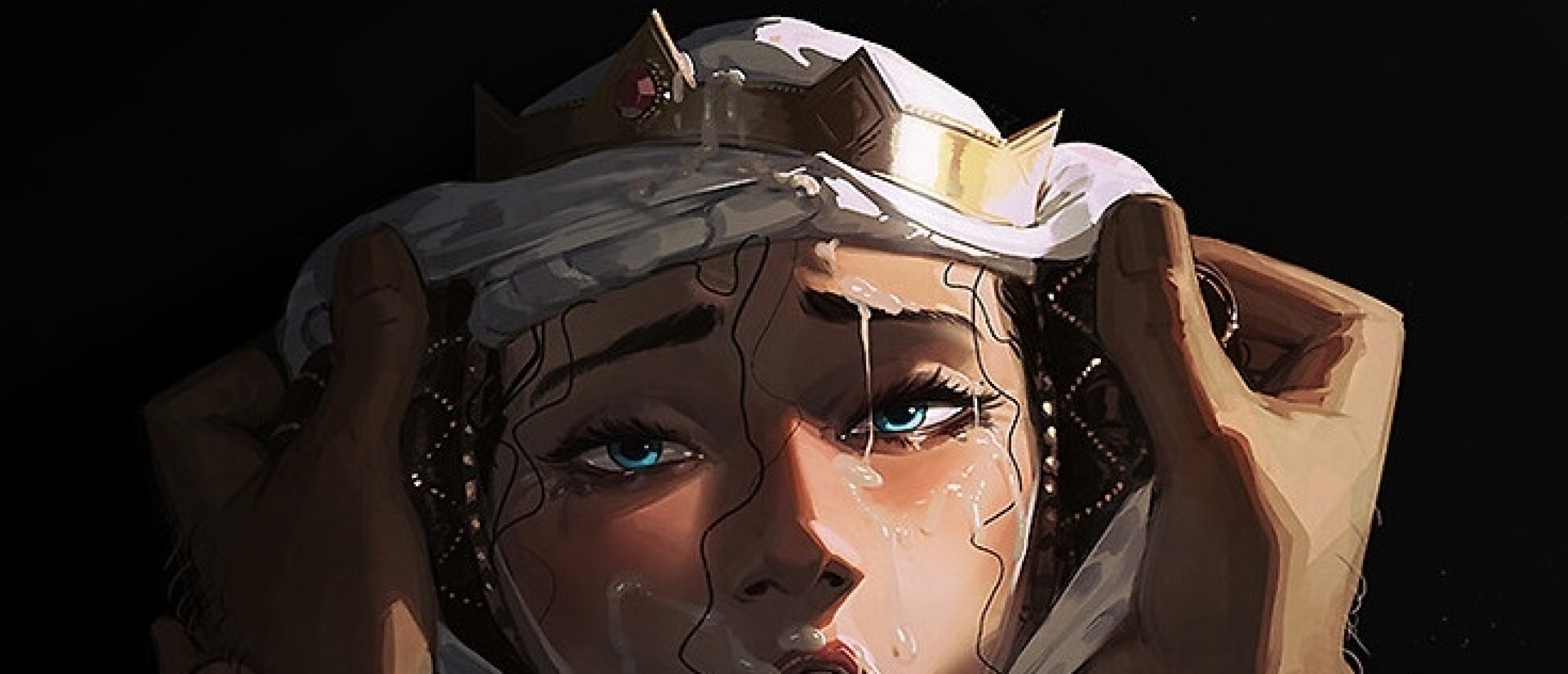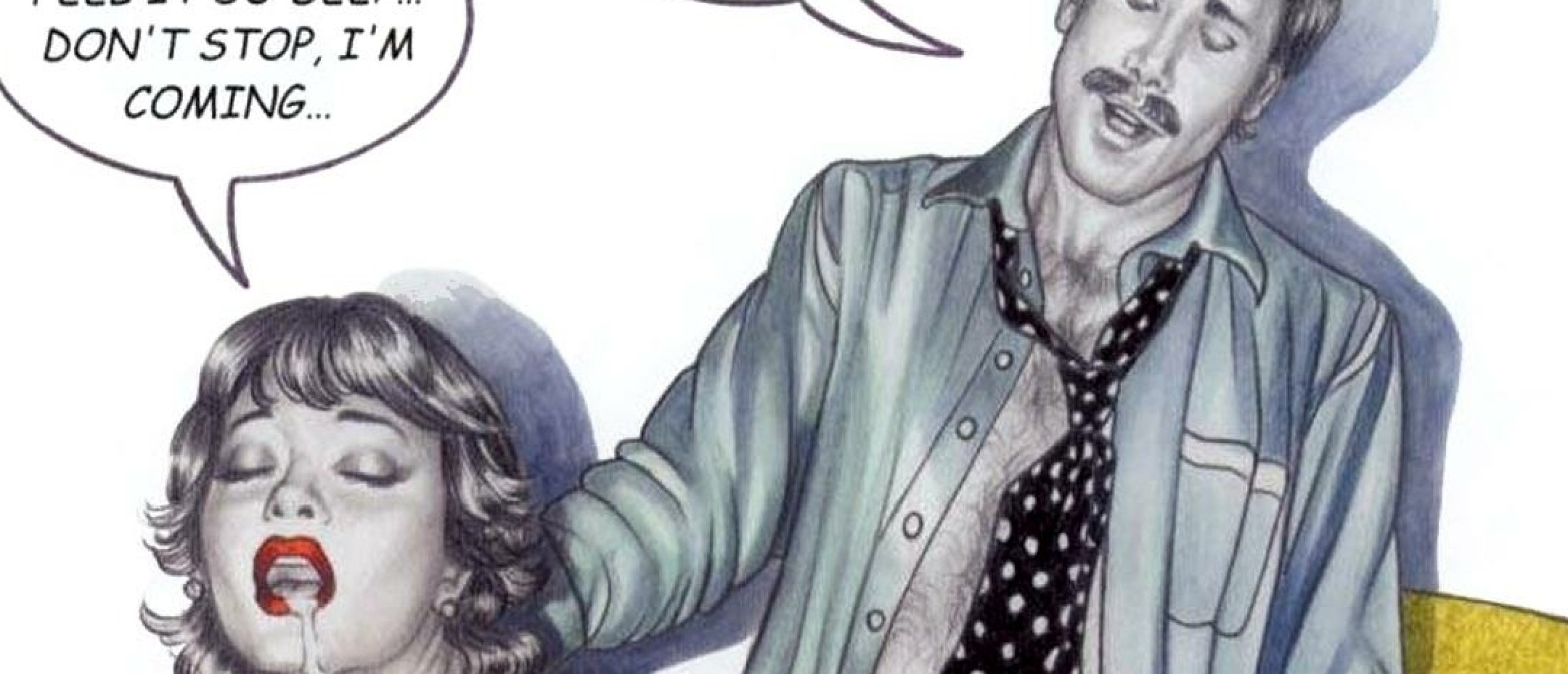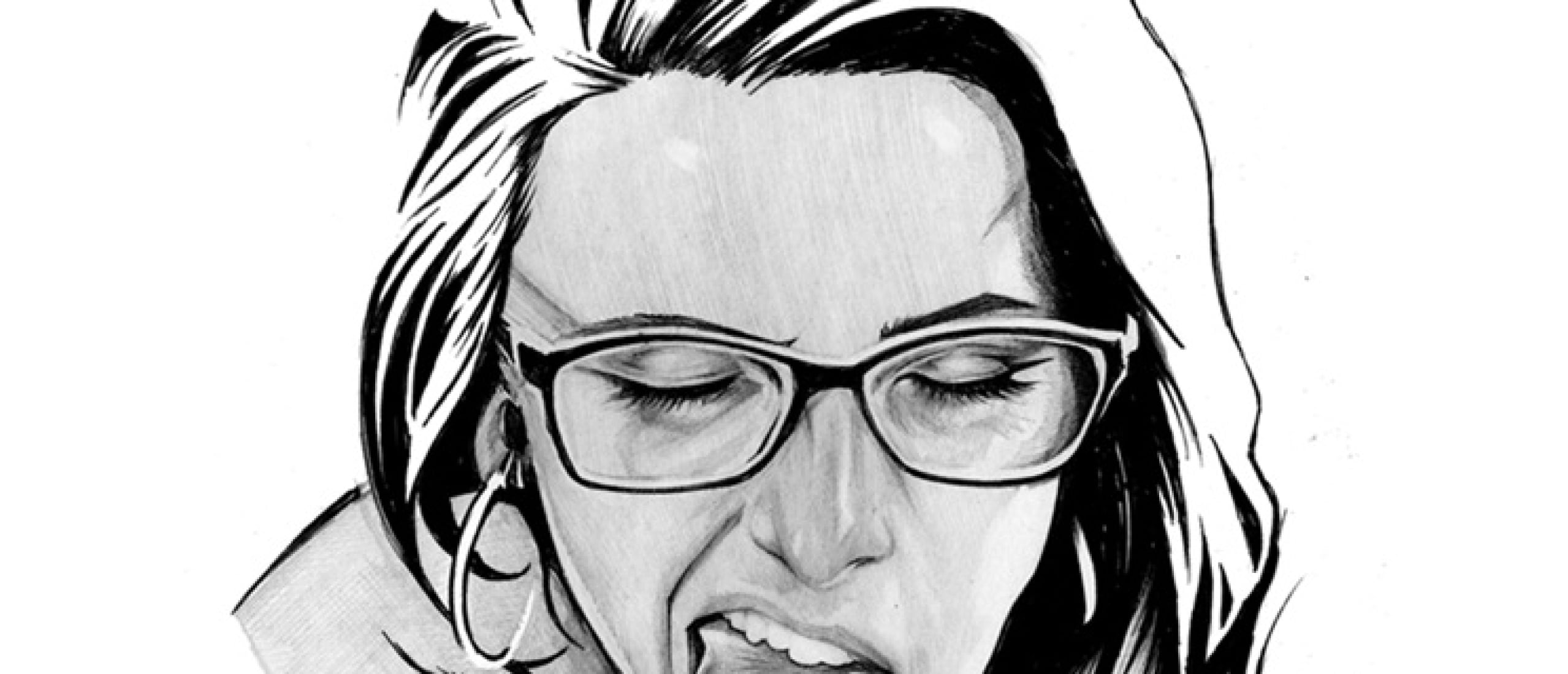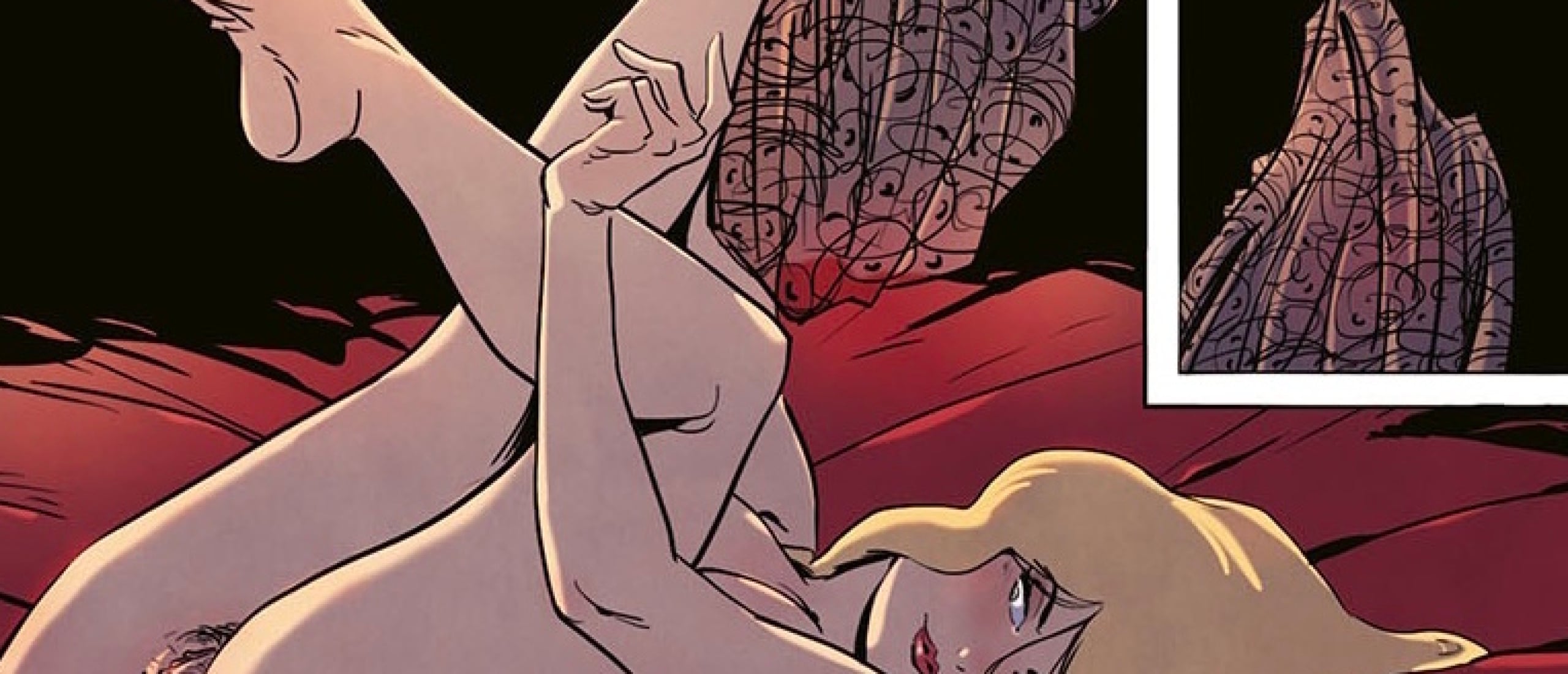
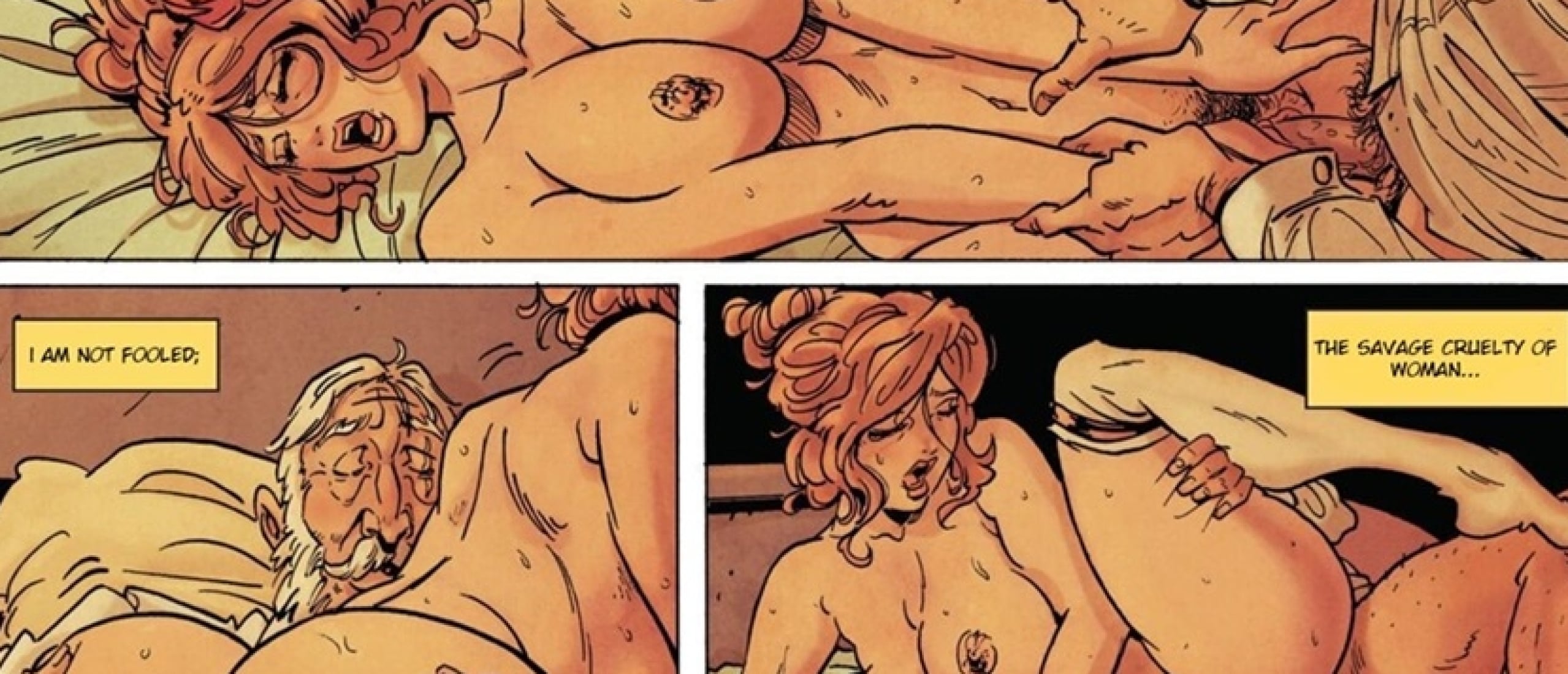

Regarding European erotic comics, the name of Gabriele Di Caro has stood out for the way his narratives lead the reader from one erotic scene to another, while at the same time they can be read as a critique of power relations and, in some cases, they produce consequences that go beyond the sexual encounter. Such characteristics make his production relevant in a genre in which the explicit representation of the body can easily acquire autonomy in relation to the story. In Di Caro, on the contrary, eroticism and narrative seek to remain linked.
Born in Livorno, Tuscany, on March 4, 1985, Di Caro had a background that combines painting, visual communication, and graphic narrative. After professional training in advertising graphic design, he studied for three years at the Academy of Fine Arts in Florence and, at the same time, attended the International School of Comics. This double training helps to understand some aspects of his later work: on one hand, the attention dedicated to composition, the body, light, and color; on the other, the concern with the sequential construction of scenes and with the legibility of the narrative.
His professional activity begins to acquire greater visibility in 2013, when he starts to collaborate as a cartoonist with Il Vernacoliere, a satirical periodical published in Livorno. In the same year, he releases Donne – luci e ombre, a collection of watercolors published by AbsoluteBlack. The title already draws attention to a motif that will remain important in his production: the female body and its relationship with light, pose, and staging. In the following years, Di Caro demonstrates a versatility that prevents classifying him only as an erotic comic artist. In 2016, he adapts La Locandiera, by Carlo Goldoni, for comics, and also works on Giulio Cesare, dedicated to Caesar and the battle of Gergovia, for the publisher Kleiner Flug. He also participated in collective and historical publications by Petit à Petit, including projects on Rome, Corsica, Orléans, postage stamps, and the Olympic Games.
This experience in different registers is important for understanding his subsequent erotic production, as Di Caro brings to it procedures associated with historical comics, comedy, crime fiction, and period reconstruction. Eroticism thus becomes a genre of convergence, which can be seen in his most representative works, whose plots can begin as crime fiction, melodrama, or a narrative of manners and incorporate sex as the relationships between the characters are revealed.
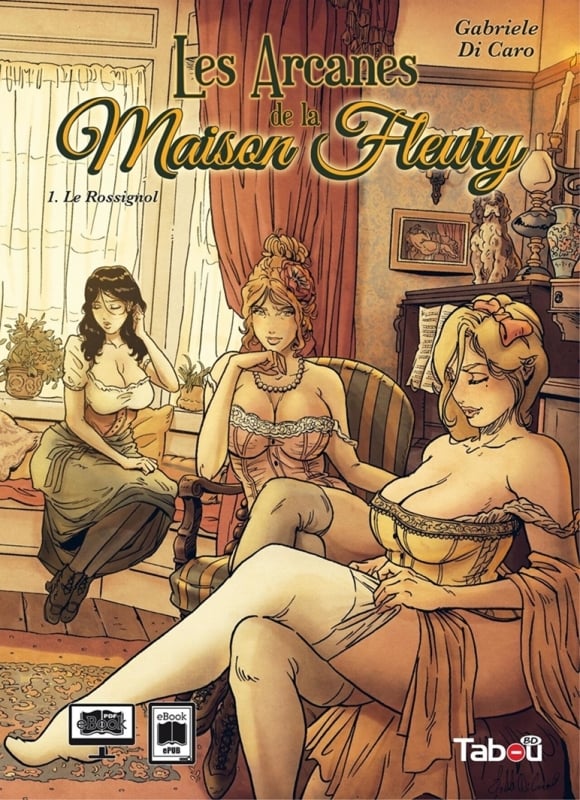
Fig.1 Cover "Les Arcanes de la Maison Fleury - Volume 1: Le Rossignol (Mysteries of the Maison Fleury - Volume 1: The Nightingale)", 2021
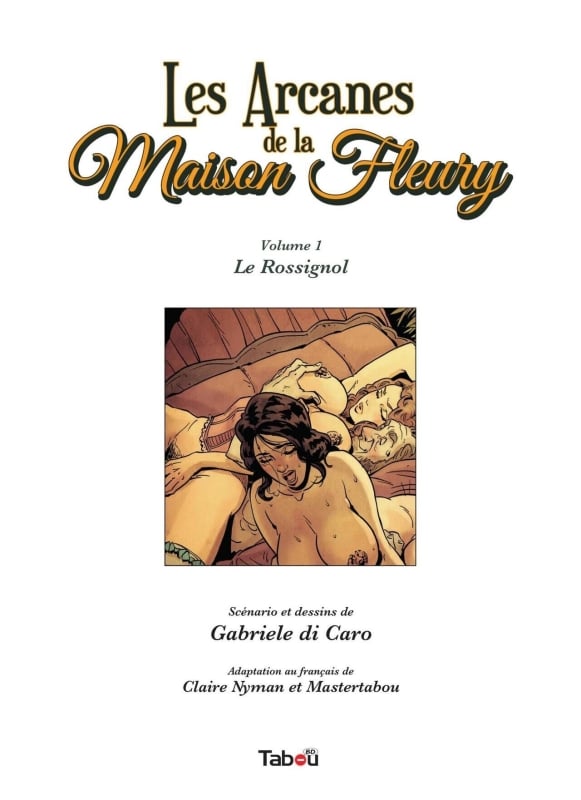
Fig.2
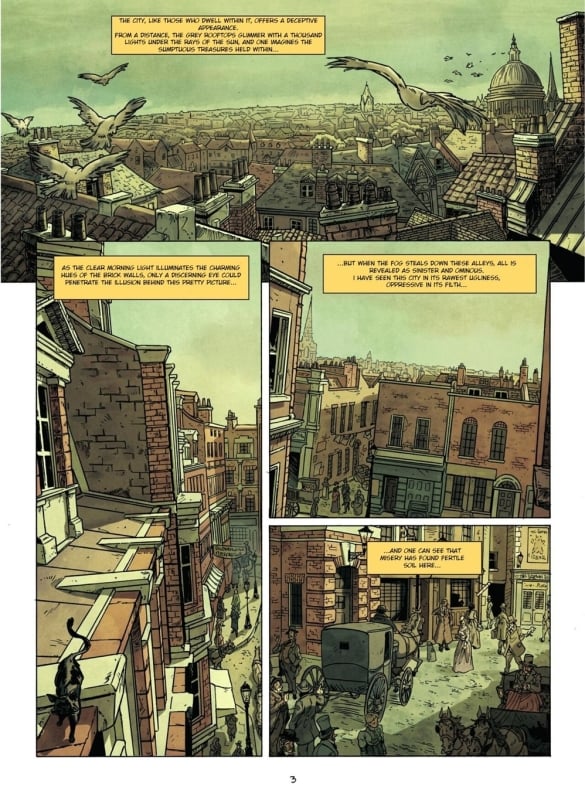
Fig.3
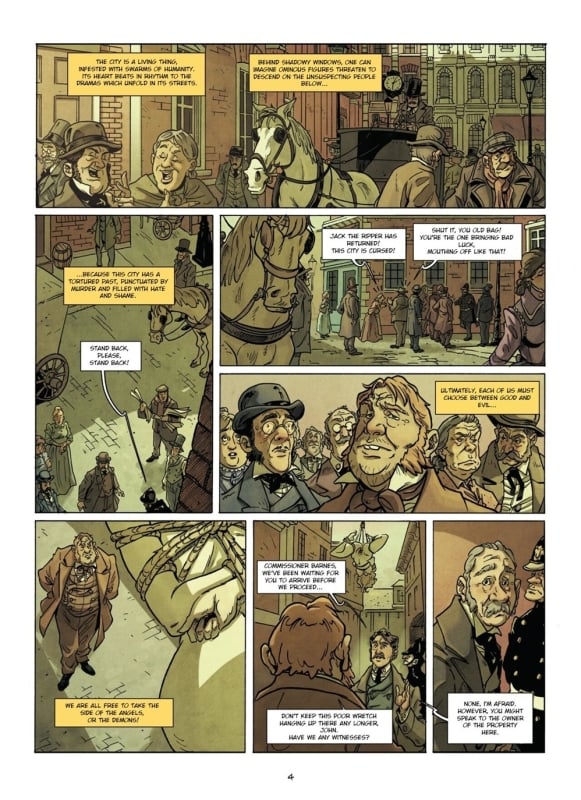
Fig.4
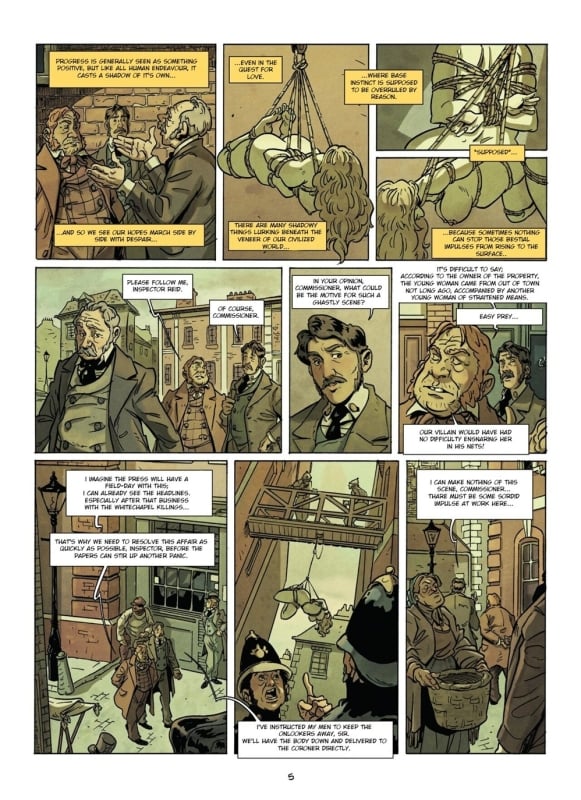
Fig.5
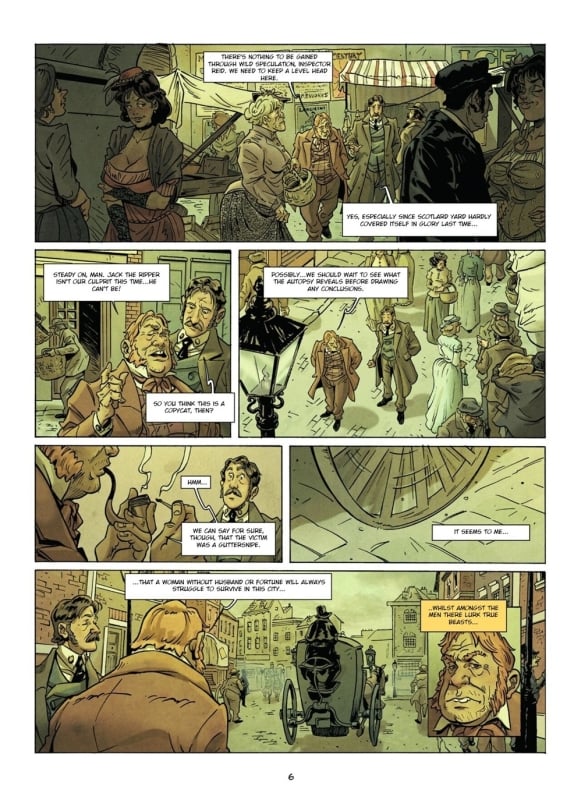
Fig.6
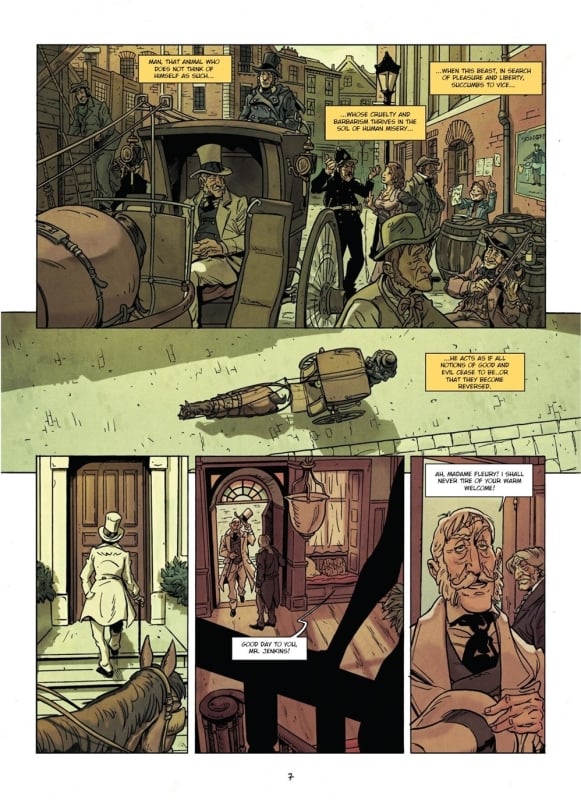
Fig.7
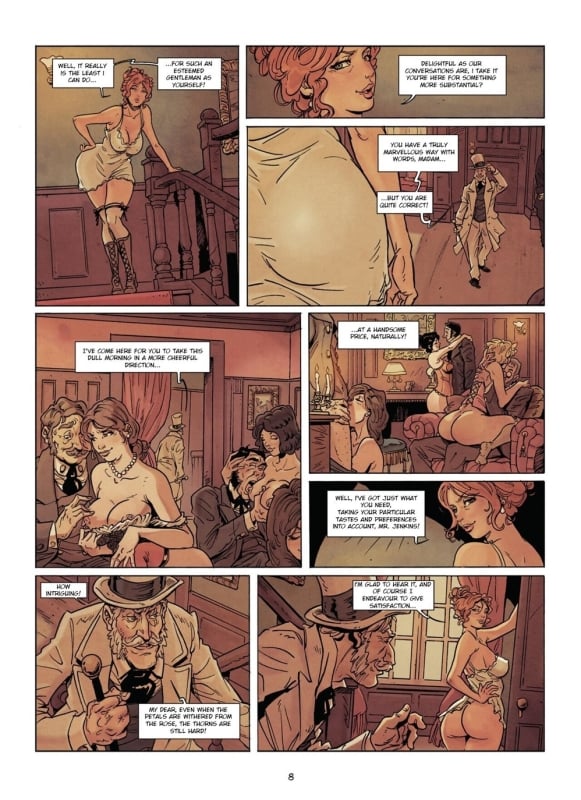
Fig.8
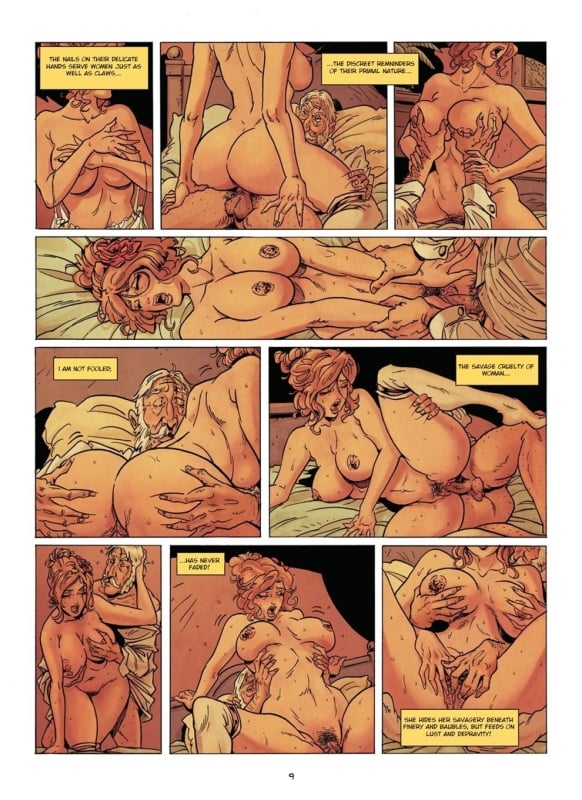
Fig.9
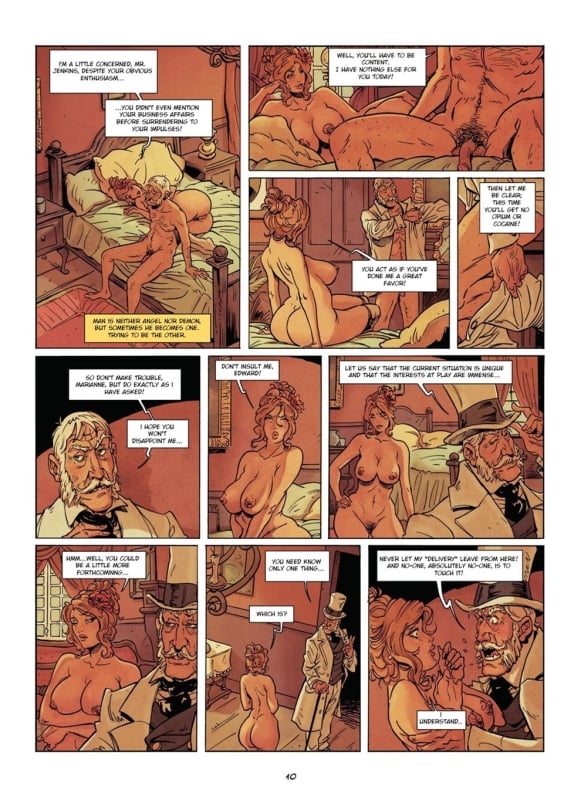
Fig.10
Sous le Paradis: desire and small narratives of private life
The turning point occurs in 2019, with Sous le Paradis, published in France by Tabou. The 64-page album brings together twelve short stories and is presented by the publisher as a tribute to L'Homme qui aimait les femmes (1977), by François Truffaut. Women occupy the center of the narratives and reappear or cross paths throughout the book. The title itself establishes the conceptual structure of the set: under the “paradise” provided by desire, its opposite can be found. The stories associate erotic fantasies with sometimes bitter outcomes and reflections on human behavior.
This structure is significant because instead of building a single extensive adventure, Di Caro uses short narrative to present variations on desire, so that sex becomes a situation from which behaviors can be observed: expectations, frustrations, fantasies, infidelities, coincidences, encounters, and mis-encounters. In this way, the interest lies not only in what the bodies do, but in the circumstances that put them in contact.
The reference to Truffaut helps to understand this mechanism, since L'Homme qui aimait les femmes is organized around the romantic and sexual memory of Bertrand Morane and the different women who crossed his existence. Sous le Paradis recovers something of this fragmentary structure, but transfers the interest to a succession of small erotic situations. Each episode functions as a variation of a larger issue: that which is imagined before the encounter rarely coincides completely with that which occurs after it. From this arises a characteristic that will continue in later works: eroticism as a producer of narrative. The sexual scene does not function only as a reward offered to the reader after a certain number of pages, since it can modify the perception we have of a character or reveal that an apparently stable relationship contained desires that had not yet been made explicit. One also perceives in Sous le Paradis the importance of female representation for Di Caro's graphic language, since the body is not treated according to an anatomical abstraction, but from poses, clothes, hair, environments, and lighting, which participate in the construction of sensuality.
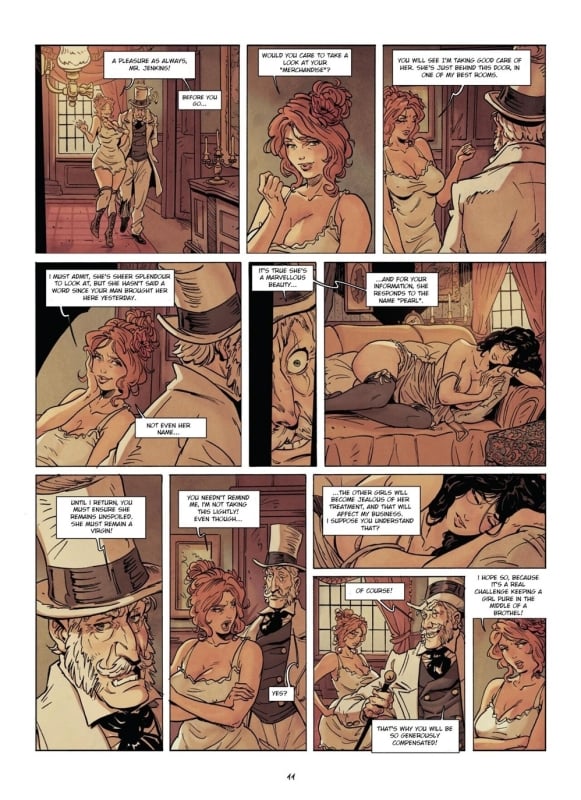
Fig.11
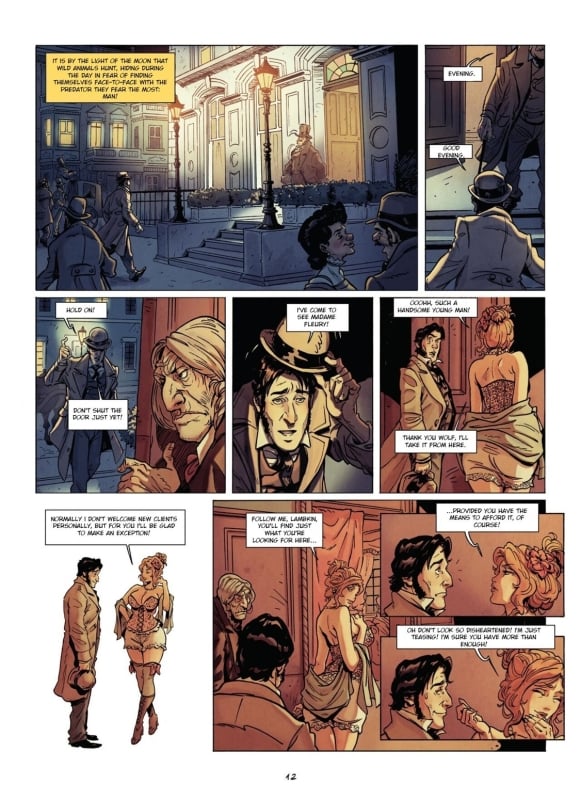
Fig.12
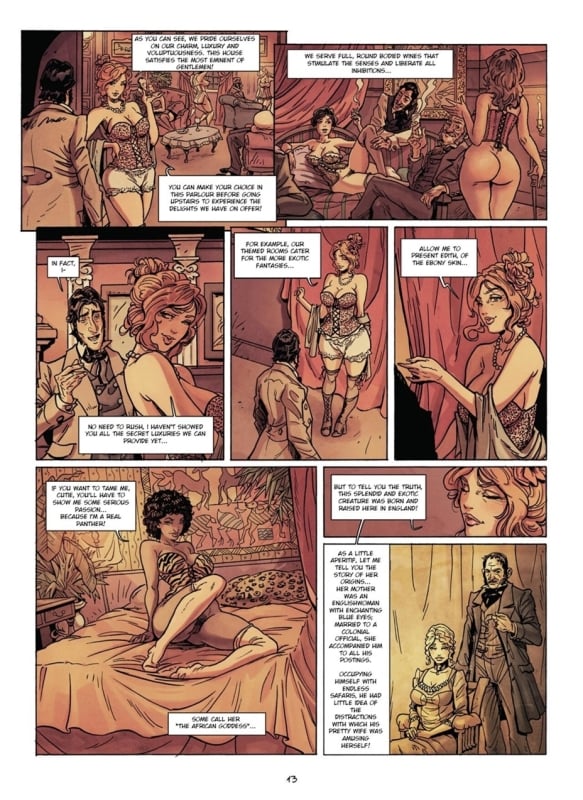
Fig.13
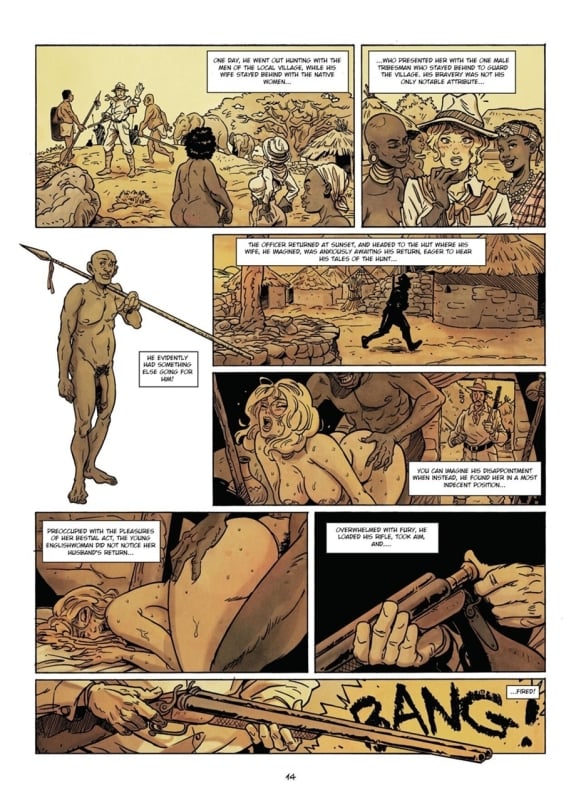
Fig.14
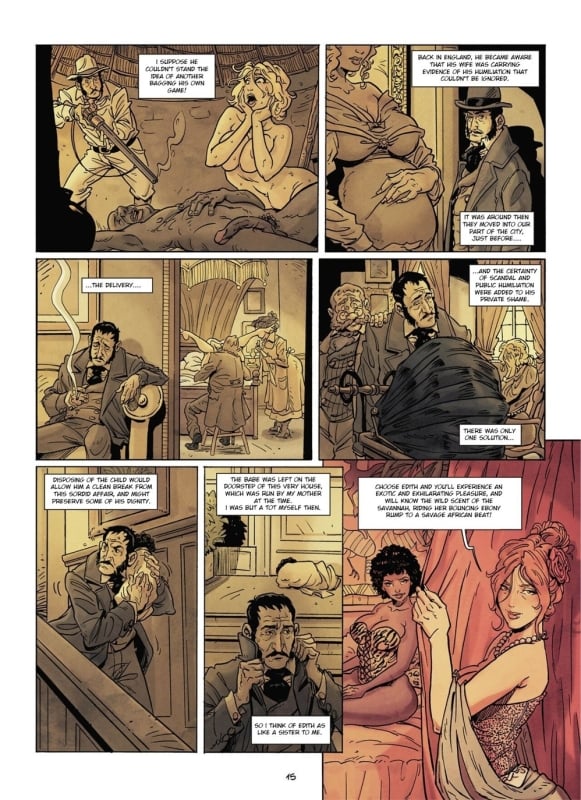
Fig.15
Become a Premium member and check out the extended version of the article including:
- Les Arcanes de la Maison Fleury: Eroticism and Criminal Investigation
- Le Fruit le plus doux: Eroticism in 1950s America
- The Graphic Construction of Desire
- Between Erotic Comic and Genre Narrative
- + the complete English editions of the comics Mysteries of the Maison Fleury, volume one and two. (57 pages each)
Gabriele Di Caro is active on Instagram
Click HERE for our interview with Di Caro or HERE for the orgiastic beauties of the adult comic legend Roberto "Magnus" Raviola
Let us know your thoughts about Di Caro's erotic comic art in the comment box below....!!