
The Impermanent Flesh: Eroticism As the Dissolution Of Bodies In the Work Of Hiroshi Osaka
ARTISTIC TRAJECTORY
Hiroshi Osaka (大坂寛, 1956–) is one of the most recognized contemporary Japanese photographers, whose body of work stands out for its singular articulation between photography, nature, eroticism, and Japanese aesthetic tradition. Born in Yamagata Prefecture, he trained in Photography at the College of Art of Nihon University, an institution that played a fundamental role in shaping several generations of postwar Japanese photographers. From the beginning of his career, Hiroshi Osaka drew the attention of specialized critics for the originality of his visual language, receiving, while still young, important distinctions such as the Encouragement Prize from the Japan Professional Photographers Society (JPS) and the EUROPHOTO Prize from the Japan Advertising Photographers' Association (APA), both in 1978.
Throughout the 1980s and 1990s, his career was consolidated through some of the most prestigious awards in Japanese photography, among which the Grand Prizes of the JPS Exhibition, won in 1982 and 1984, and the Newcomer's Award from the Photographic Society of Japan, received in 1985, stand out. To these recognitions are added numerous awards linked to the fields of art and advertising photography, demonstrating the breadth of his work and the prestige he achieved both in Japan and internationally.
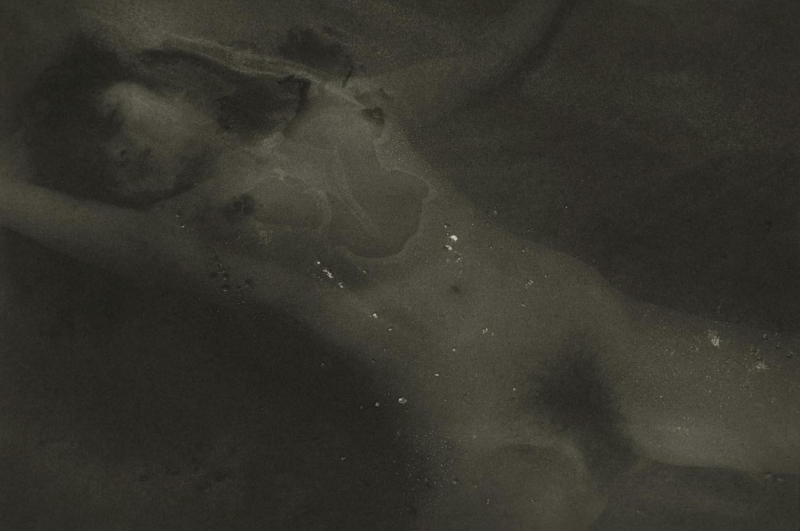
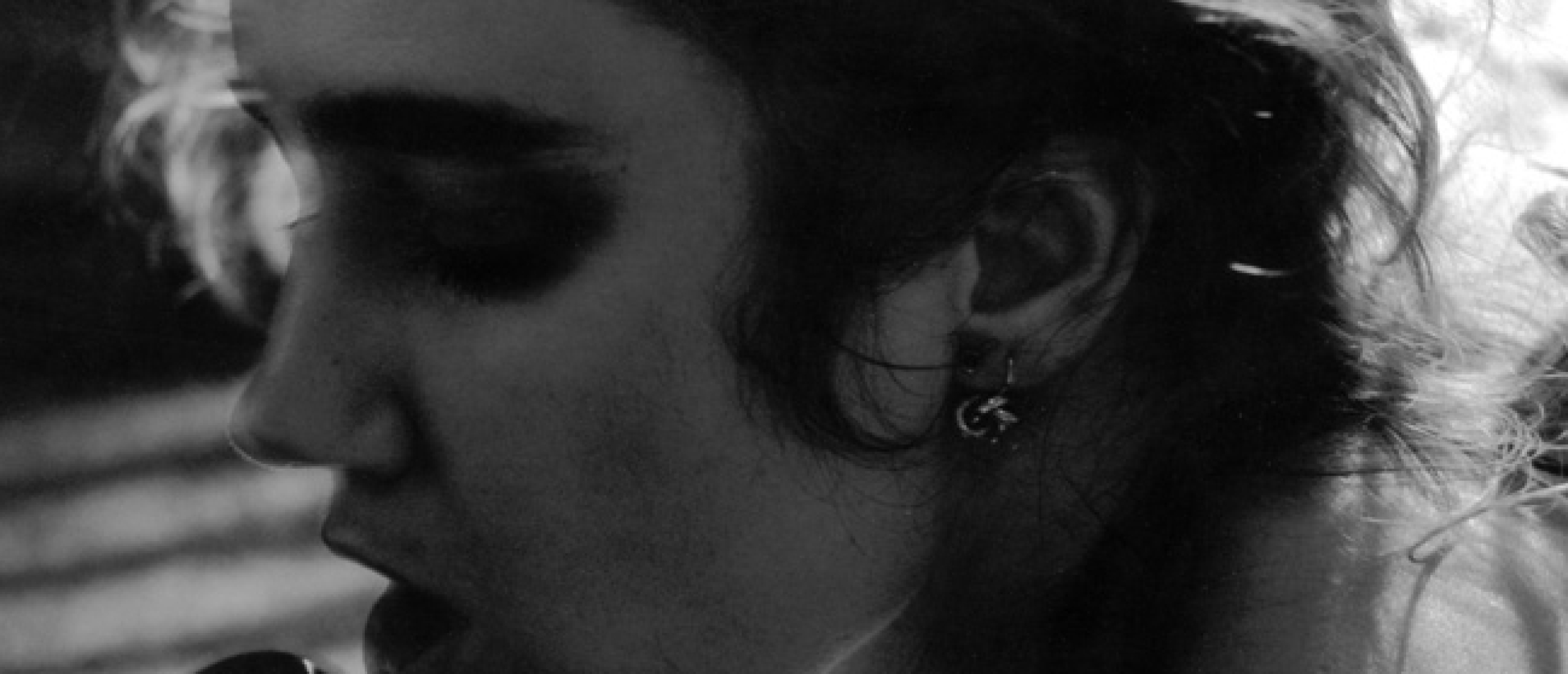
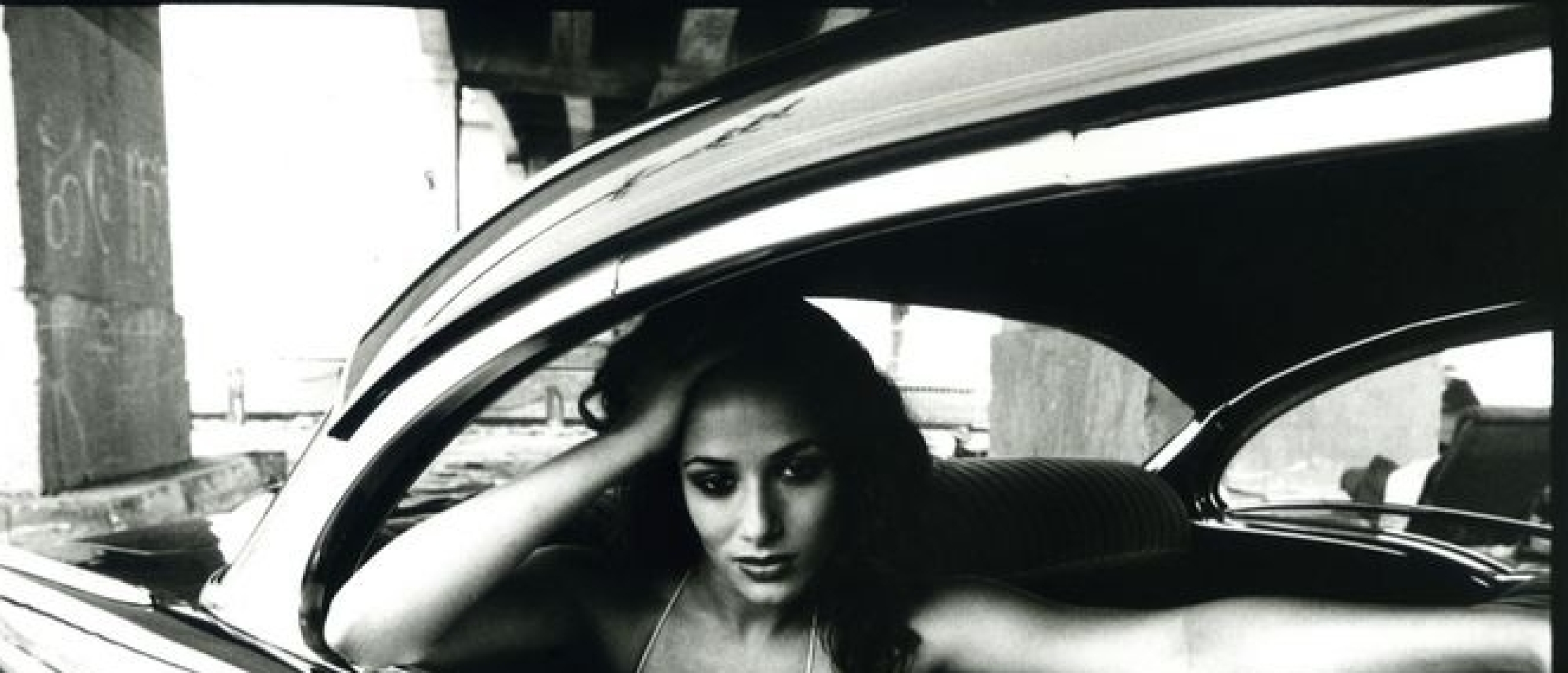
Fig.1 Syzygy
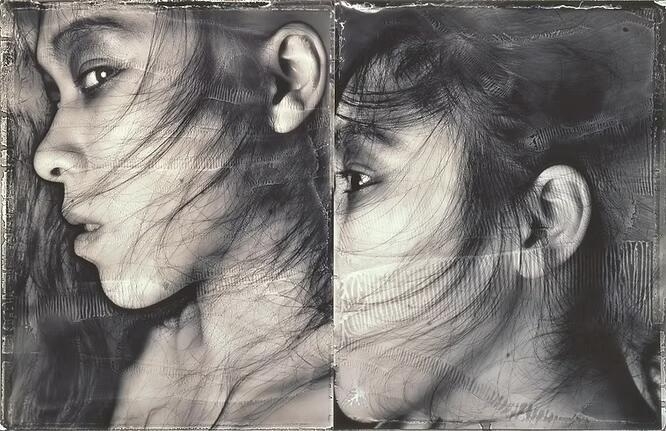
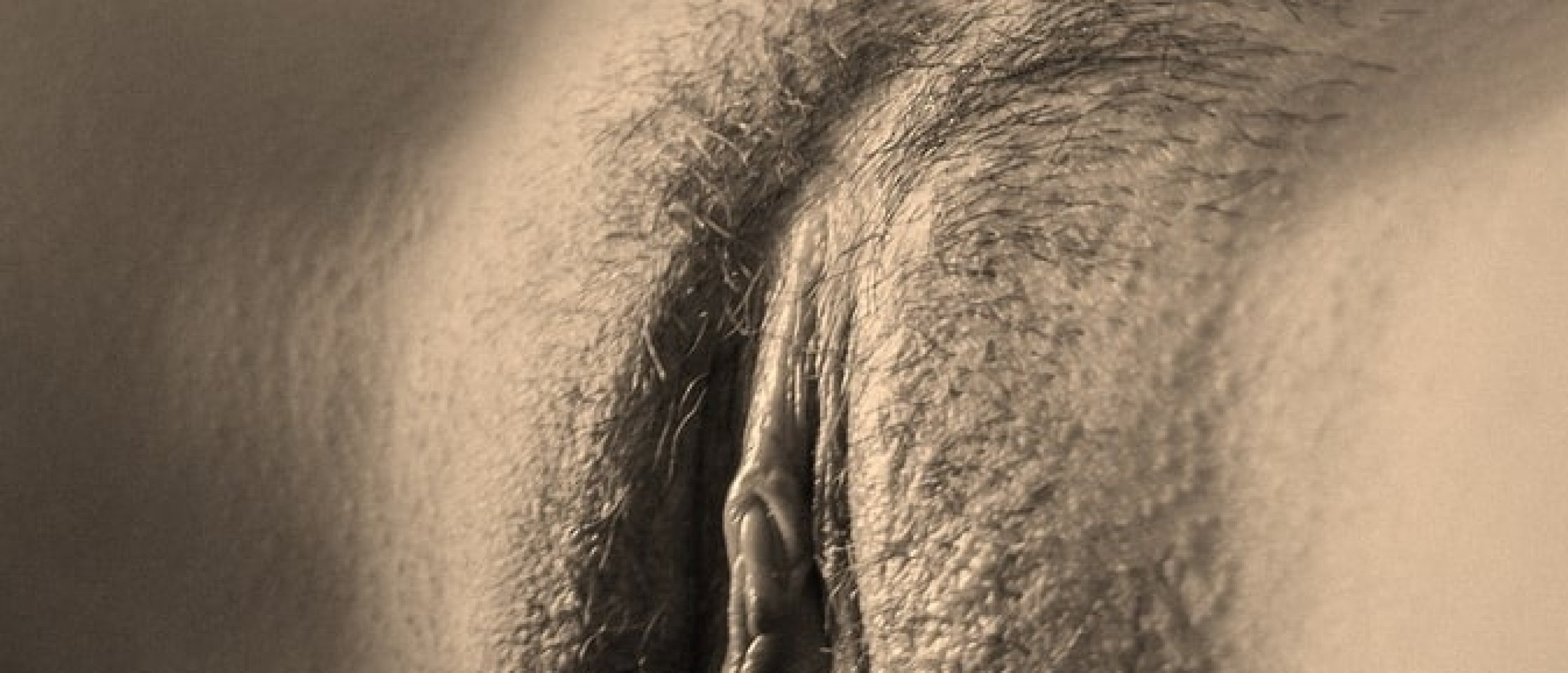
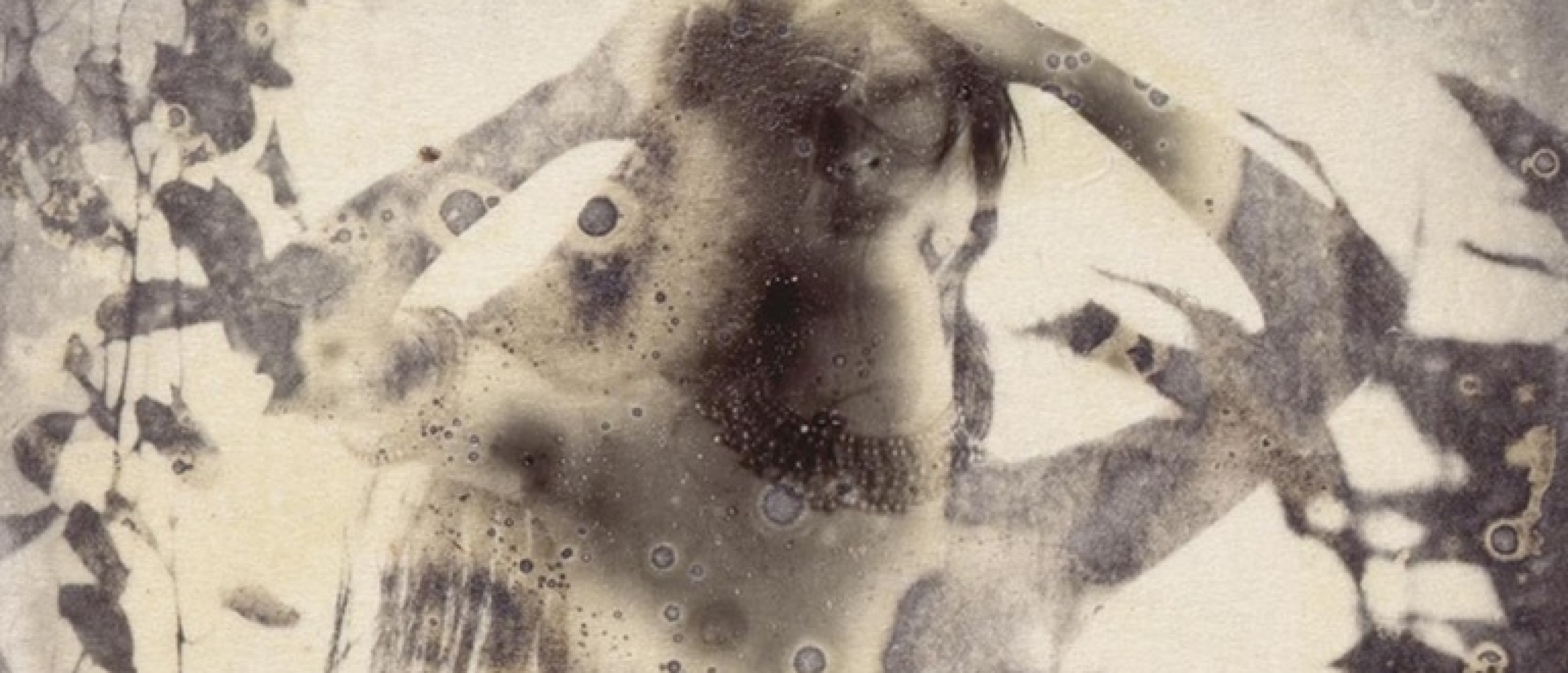
Fig.2 Venus Vegetal
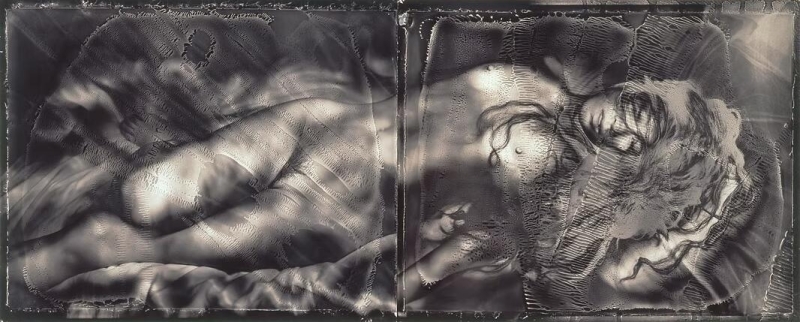
Fig.3 Venus Vegetal
FROM THE NUDE TO WABI-SABI
The nude plays an important role in the work of Hiroshi Osaka (大坂 寛), stemming from an aesthetic conception that draws close to wabi-sabi, a cultural principle understood as the valuing of imperfection, simplicity, and a sensibility attuned to the experience of impermanence, incompleteness, and continuous transformation that runs through all forms of existence. More than an aesthetic concept, wabi-sabi constitutes an ontological perception of the world, grounded in the awareness that nothing remains identical to itself, that every form is subject to wear, mutation, and disappearance. Beauty does not reside, therefore, in stability or perfection, but precisely in the traces of time, in transitory states, and in the precariousness that characterizes all beings.
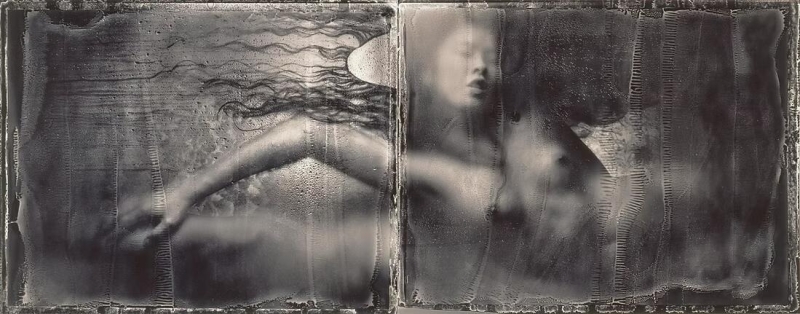
Fig.4 Venus Vegetal
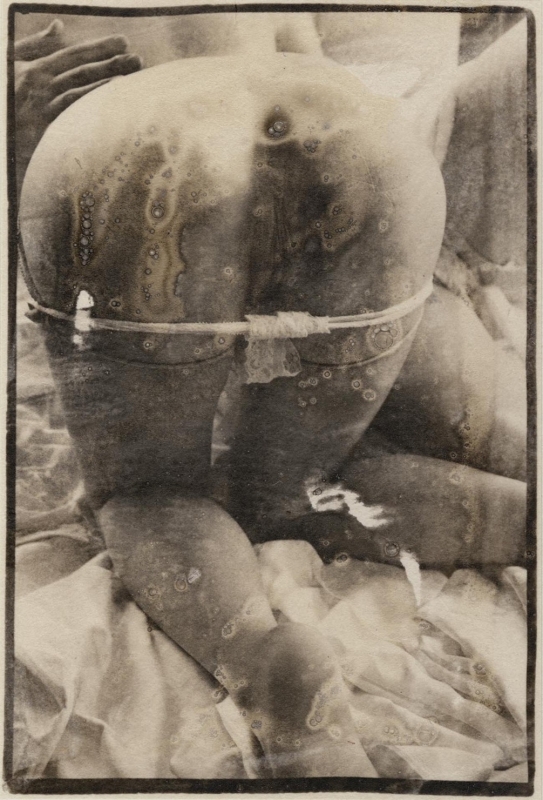
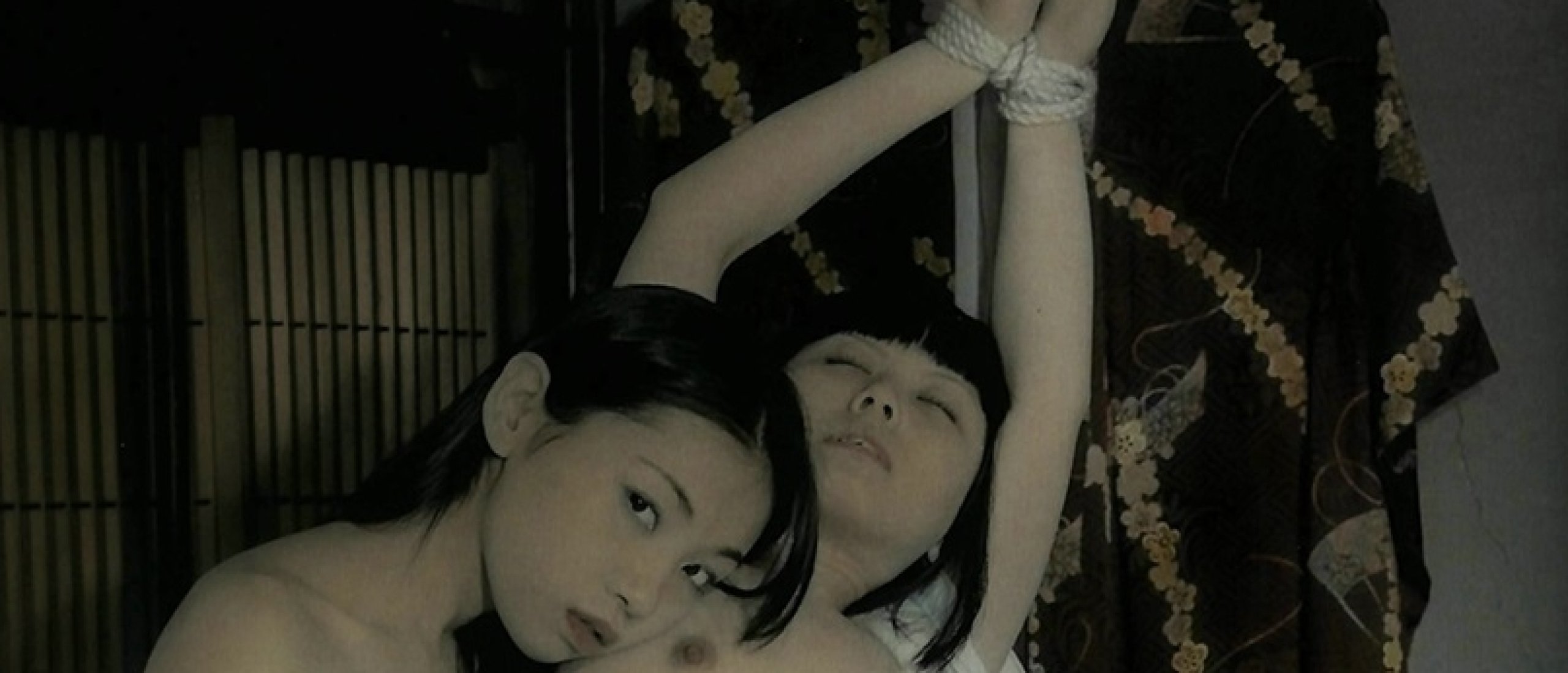
Fig.5 Recollection

Fig.6 Recollection
VENUS VEGETAL
This sensibility becomes particularly evident in the series Venus Vegetal (1990–1993), in which Osaka uses photography not to reaffirm the autonomous materiality of the body, but to question its limits and its supposed integrity. In many images, the contours of the female figures become indistinct, as if the flesh were gradually dissolving into the surrounding vegetation. The body seems to lose its condition as a separate entity, transforming into a permeable surface crossed by flows, textures, and organic forms. The recurring presence of plant elements does not function merely as backdrop or ornament, but as an extension of the body itself, suggesting a relationship of continuity between the human and nature.
This visual procedure can be understood as a manifestation of wabi-sabi insofar as it breaks with the Western tradition that tends to conceive the body as a closed, autonomous, and idealized unity. In Hiroshi Osaka, nudity is not presented as an affirmation of individuality, but as evidence of the transitory condition of existence, since the body ceases to be a finished form and becomes instead a process, a provisional state situated between emergence and disappearance. Thus the female figures seem to oscillate between presence and absence, between materialization and dissolution, as if captured in an intermediate instant of transformation. This instability is reinforced by the blurring of boundaries: the distinctions between subject and object, man and woman, human and plant become unstable. Woman and flora, for example, seem to share the same visual substance, establishing a kind of continuous interchange between different forms of life. The result is not a representation of nature as something external to the subject, but the construction of an imagistic space in which the hierarchical distinctions between beings weaken.
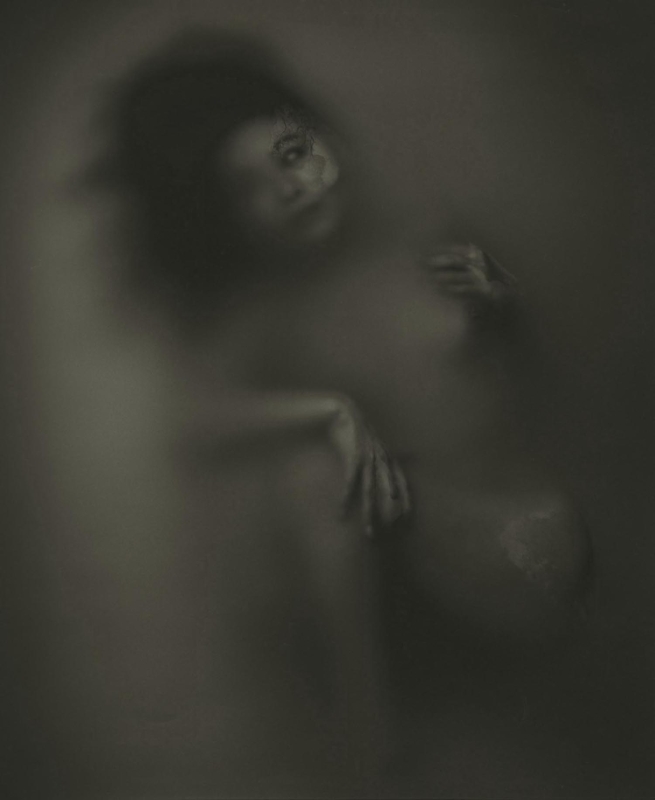
Fig.7 Venus Vegetal
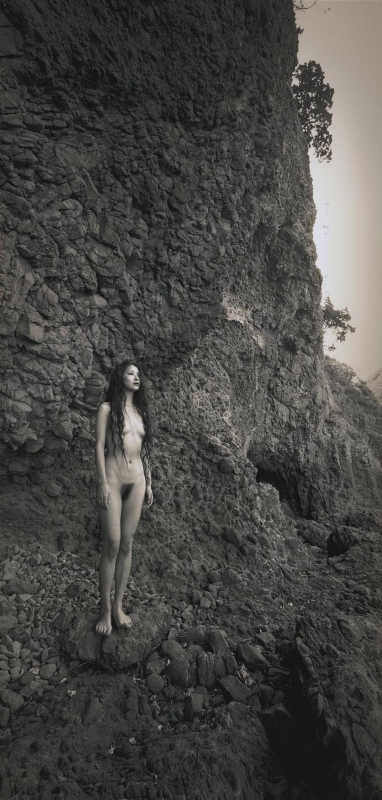
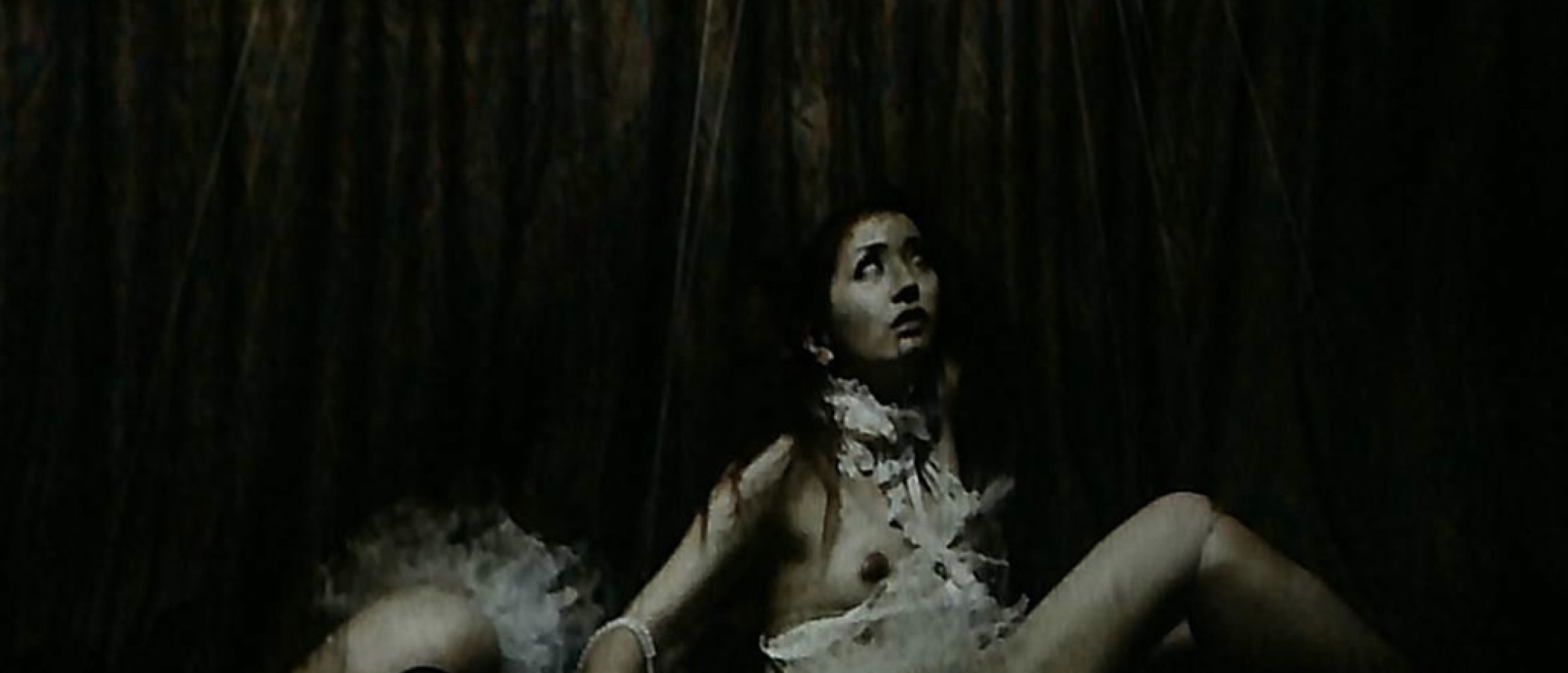
Fig.8 Luna
THE DISSOLUTION OF BODIES
From this perspective, wabi-sabi manifests not only in the acceptance of impermanence, but also in the refusal of the rigid categories that structure the modern experience of the world. The dissolution of bodily contours suggests that identity does not constitute a fixed essence, but an unstable and relational condition. The body is presented as part of a broader cycle of transformation, drawing closer to the logic of natural phenomena, in which growth, decomposition, and renewal are inseparable aspects of the same process.
For this reason, although Osaka's photographs depict nude bodies, they rarely produce the effect of an aggressive eroticism or a voyeuristic display of flesh. Desire is not mobilized through the assertion of possession or through the intensification of the difference between observer and observed object. Instead, the images emanate an atmosphere of contemplative serenity, marked by the acceptance of transience and by the integration between body and environment. The female figures thus become a kind of oriental Venus, founded not on classical ideals of anatomical perfection, youth, or permanence, but on the experience of metamorphosis, vulnerability, and the profound continuity between the human and the natural world. It is from this suspension of boundaries and this awareness of impermanence that Osaka's work finds one of its most profound expressions of wabi-sabi.
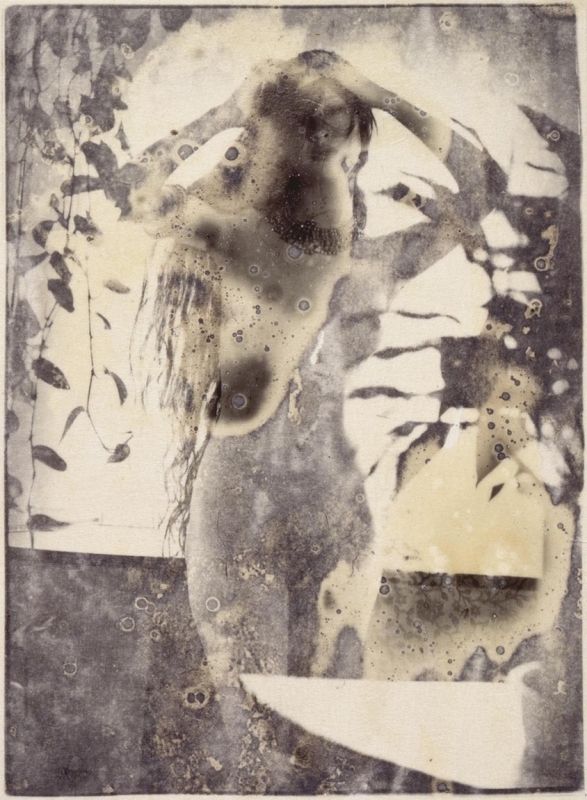
Fig.9 Recollection
In the extended Premium edition of the article you can discover the stories behind his groundbreaking series Venus Vegetal (1990–1993), Recollection (1990–1997), Luna (1996–2003), Syzygy (1983 -1987), an examination of the nude as a reflection on the human condition, and dozens of examples of Osaka's photography
Hiroshi Osaka has the following website
Click HERE for an article about Benoist Demoriane's erotic black and white photography
Share your thoughts about Osaka's photography in the comment box below...!!