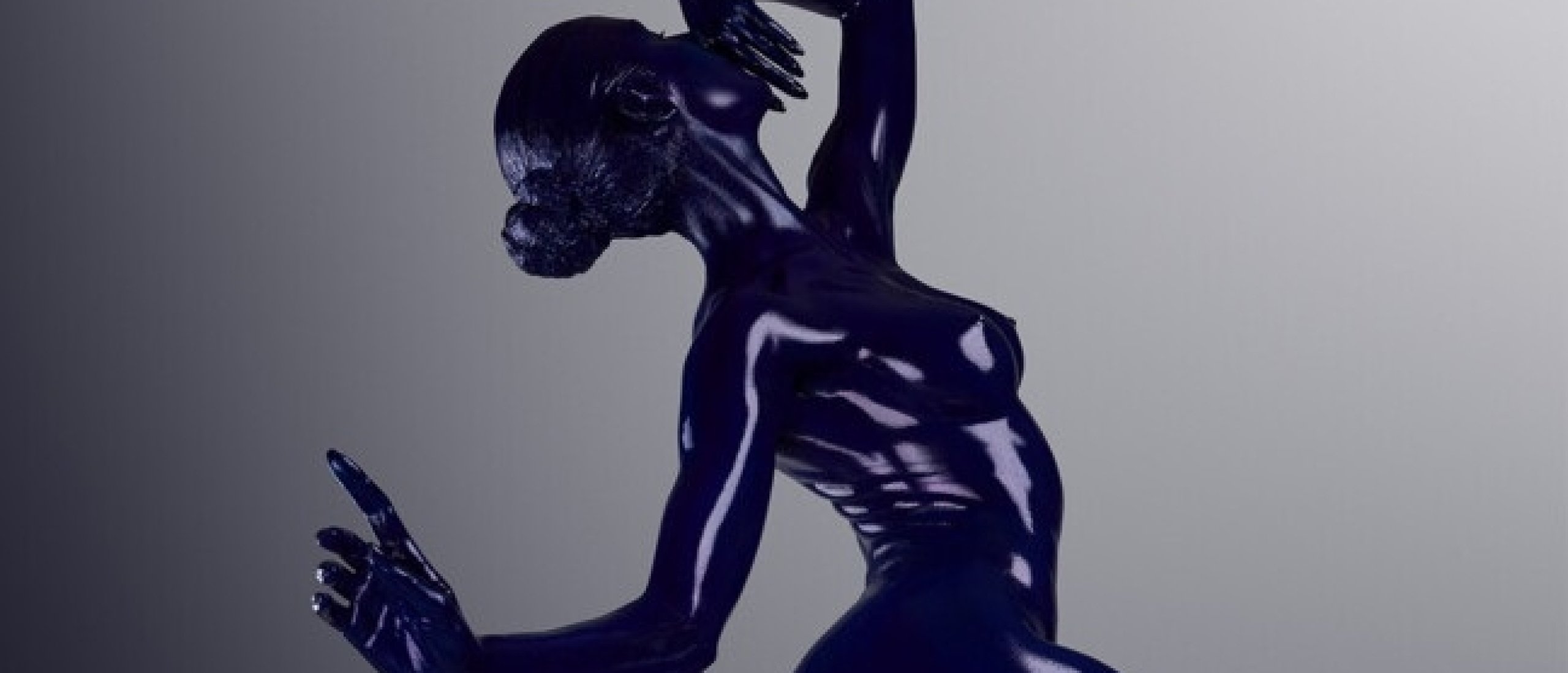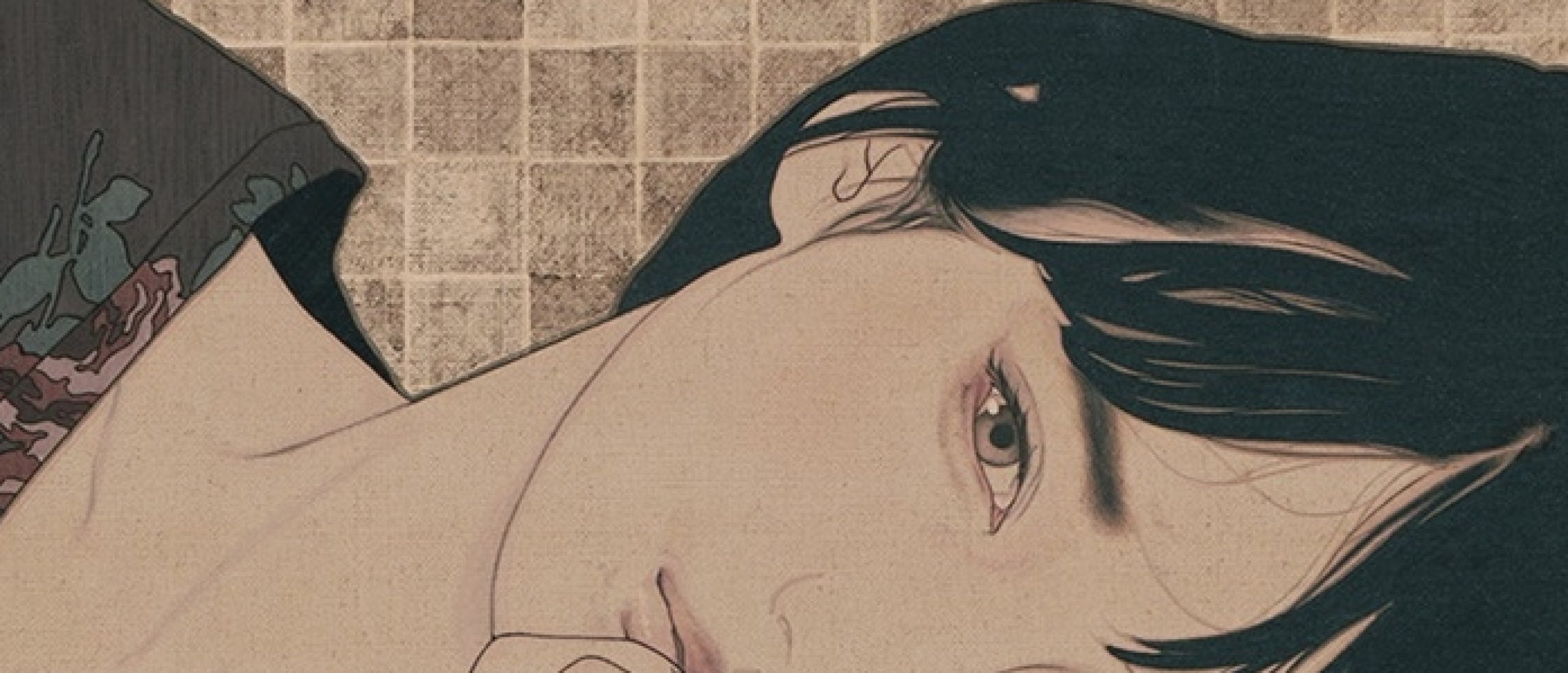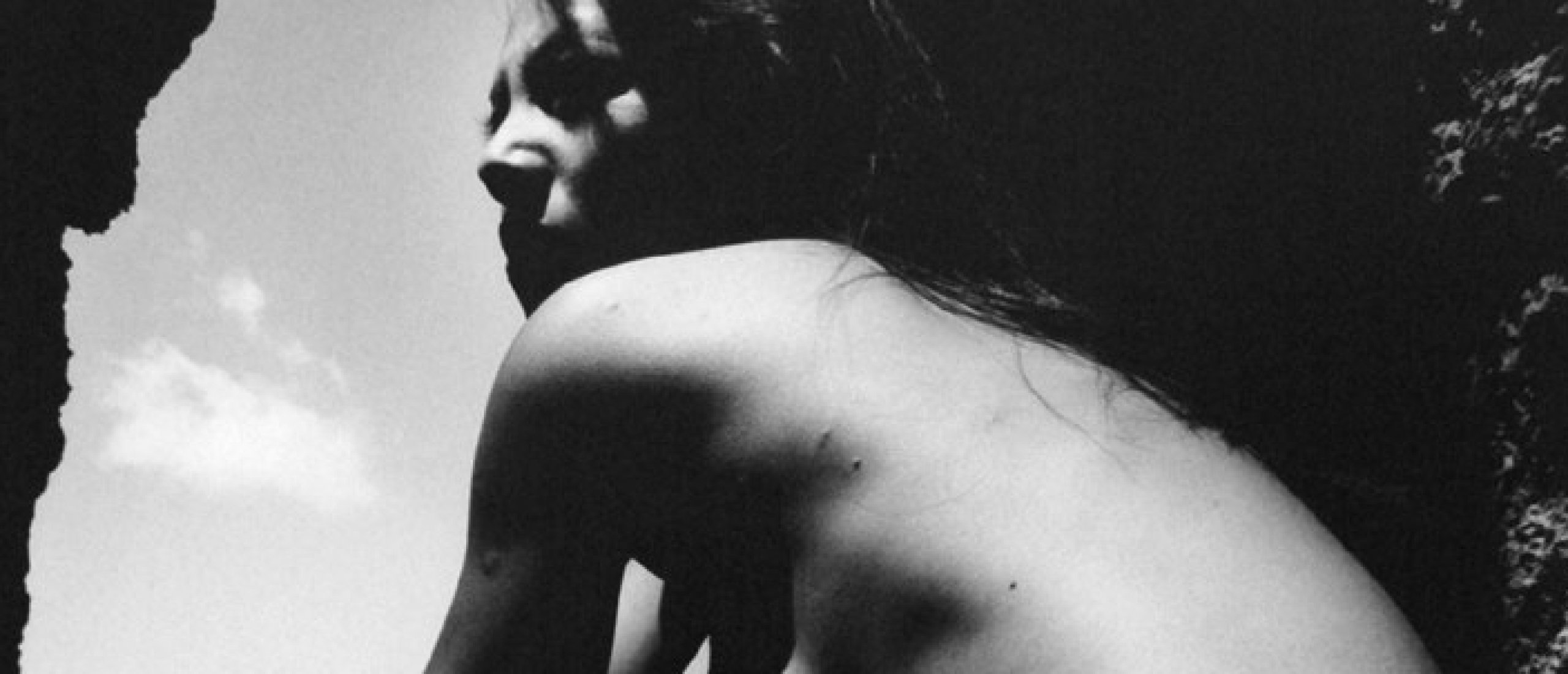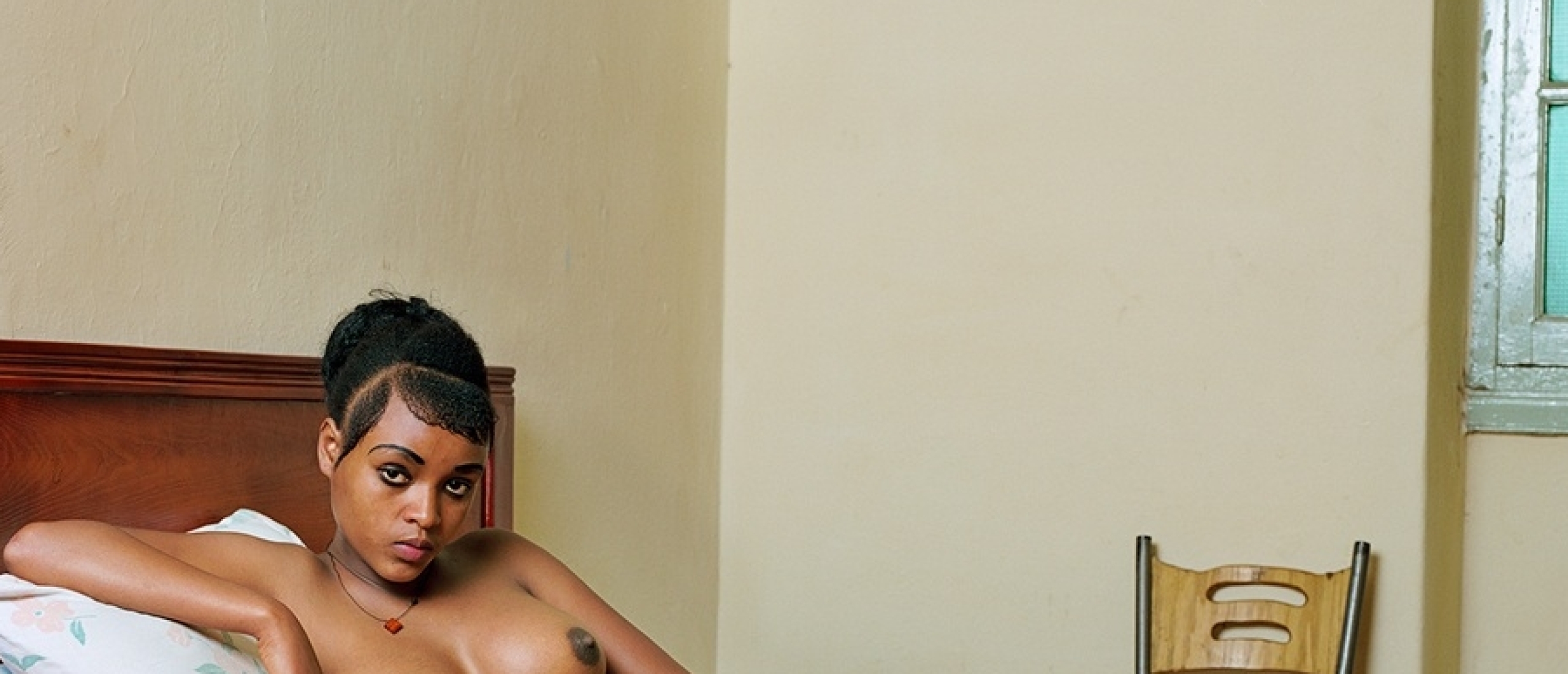

Greg Lotus does what few photographers can – he architects eroticism. Geometry, shadow, and highly disciplined composition do not cool the sensual charge of his images; they intensify it by making the body look at once available and withheld, touched and untouchable. His photographs make beauty feel staged to the point of danger, and that is precisely why they matter: they reveal fashion not as a celebration of the natural, but as a machine that edits nature into luxury, spectacle, and appetite.
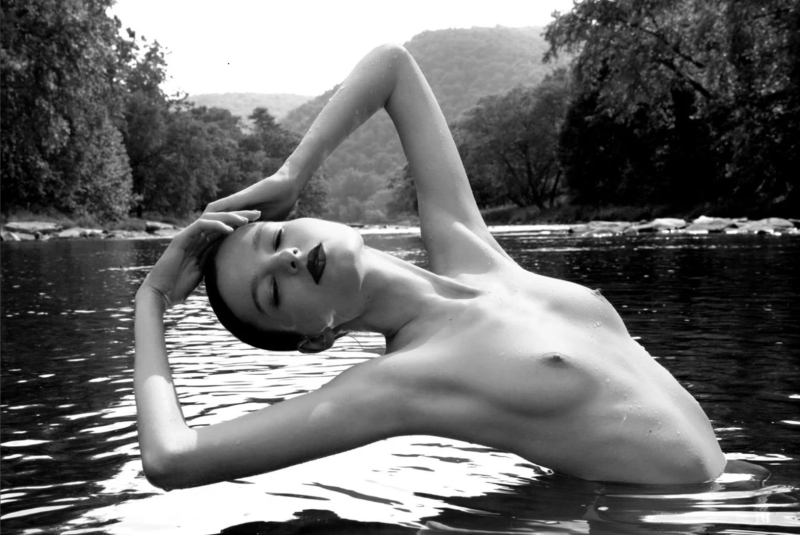
Fig.1. River Beauty
Biography
Greg Lotus grew up in rural West Virginia, a fact repeatedly connected to his lasting fixation on animals, wilderness, and the tactile memory of non-urban life, yet he built a career in the polished circuits of fashion magazines and luxury advertising. His entry into the image world came when Eileen Ford discovered him on a trip to New York; modelling opened the door, but the camera became the real vocation. Lotus has described his training with characteristic bluntness: "I'm completely self-taught, lots of trial and error over the years." That line matters because it positions his career against the credentialed culture of art and fashion photography. In Lotus, self-invention is not a romantic footnote but a structural principle: he works as someone who learned to trust instinct, and then converted instinct into style.
That self-fashioned authorship gains texture when set beside another revealing remark: "I didn't see my first real city till I was sixteen." The distance between rural adolescence and metropolitan glamour never disappears in his pictures. Instead, it becomes one of their deepest engines, producing images in which sophistication always seems to brush against something feral, bodily, and faintly unruly. Even the official biographical framing of his work emphasises that nature is a recurrent motif and that he repeatedly binds "the rarefied atmosphere of the fashion industry" to "the organic beauty of the natural world."
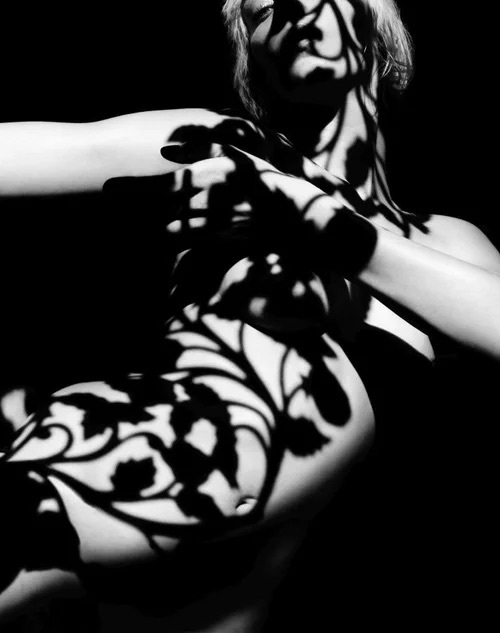
Fig.2. Ivy
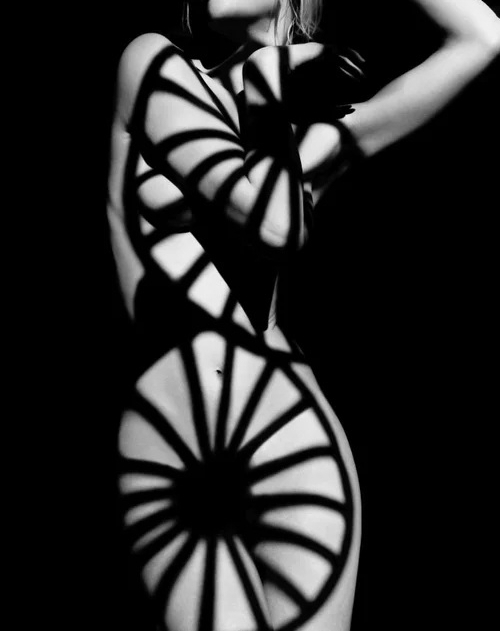
Fig.3. Wagon Wheel
Series and Motifs
The exhibition history around Lotus helps clarify the arc of his practice. His early solo exhibition in New York in 2011 gathered highlights from roughly two decades of work, followed by Miami during Art Basel in 2012; both shows marked the translation of an editorial photographer into the gallery context. That transition matters because it reveals how Lotus's pictures function beyond commerce. Magazine polish remains, but the gallery frame exposes his recurring obsessions more starkly: sculptural bodies, theatrical light, animal presences, and an almost fetishistic attention to texture.
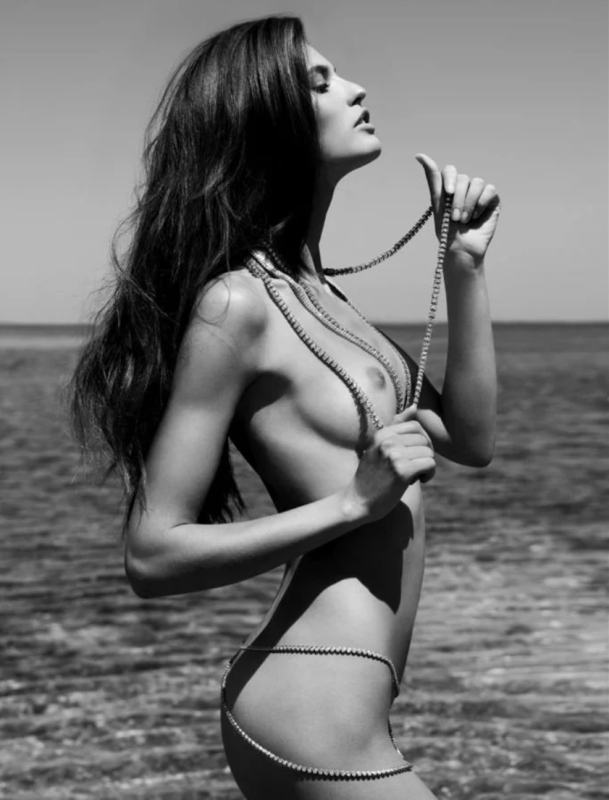
Fig.4. Bianca Balti for Playboy
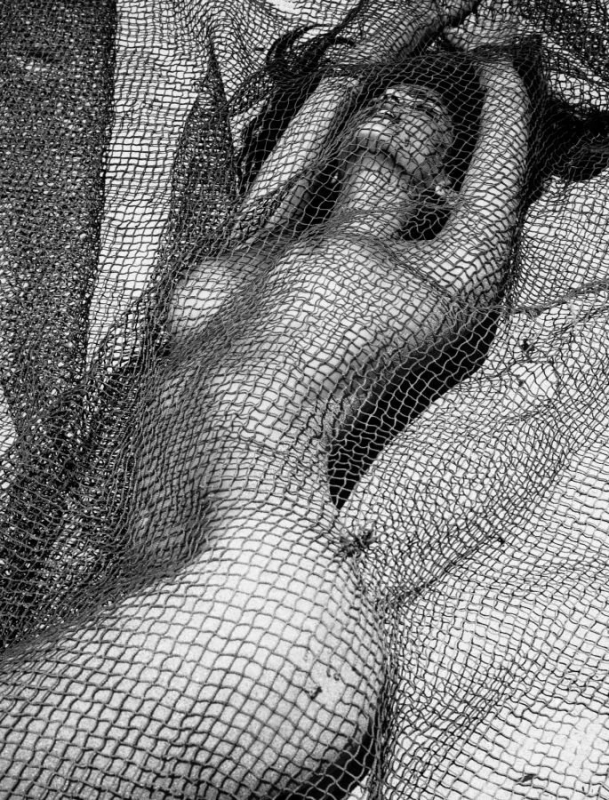
Fig.5. Stuck in Net
Flatter the Model
Shadows and light had become a concise manifesto of Lotus’s works. His images do not use illumination merely to flatter the model. Light in these works behaves like a second skin – smoothing, slicing, or veiling the body – while shadow withholds full access and thereby produces erotic tension. Wagon Wheel and Ivy stage the figure in environments That feel at once tactile and symbolic, treating setting as an accomplice to the erotic rather than a neutral backdrop. Whether the surrounding matter is vegetal, mechanical, or architectural, Lotus photographs it as something that presses back against the body, tightening the image's sensuous charge. Even when his titles are spare, the photographs suggest that desire is never isolated in the nude or the garment alone; it circulates through surfaces, props, and the friction between cultivated elegance and raw materiality.
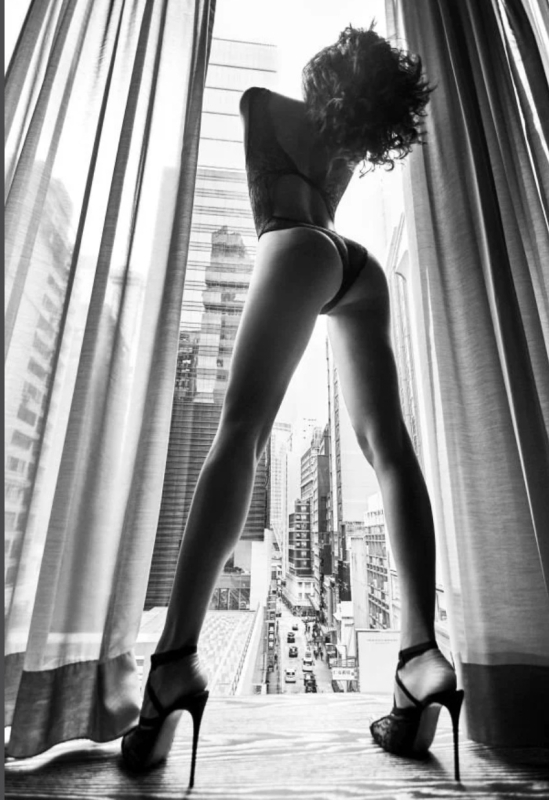
Fig.6. Legs for Days
In the extended Premium edition of the article, you can learn more about Lotus' unique strengths as a photographer, when he's at his most compelling, and many more insights about his aesthetics.
Greg Lotus has the following website
Click HERE for the irresistible nude aesthetics in Helmut Newton’s unprecedented SUMO and other work
Let us know your thoughts about the photography of Greg Lotus in the comment box below...!!