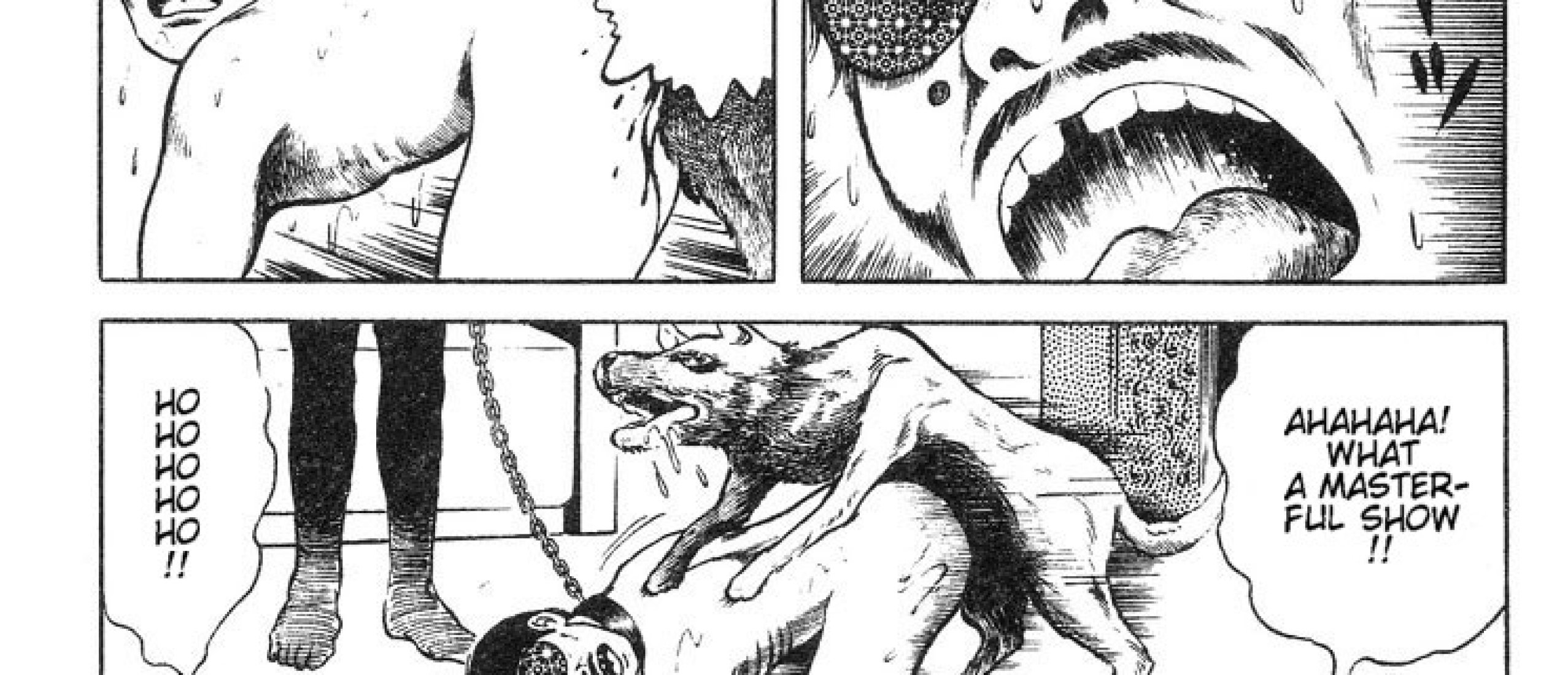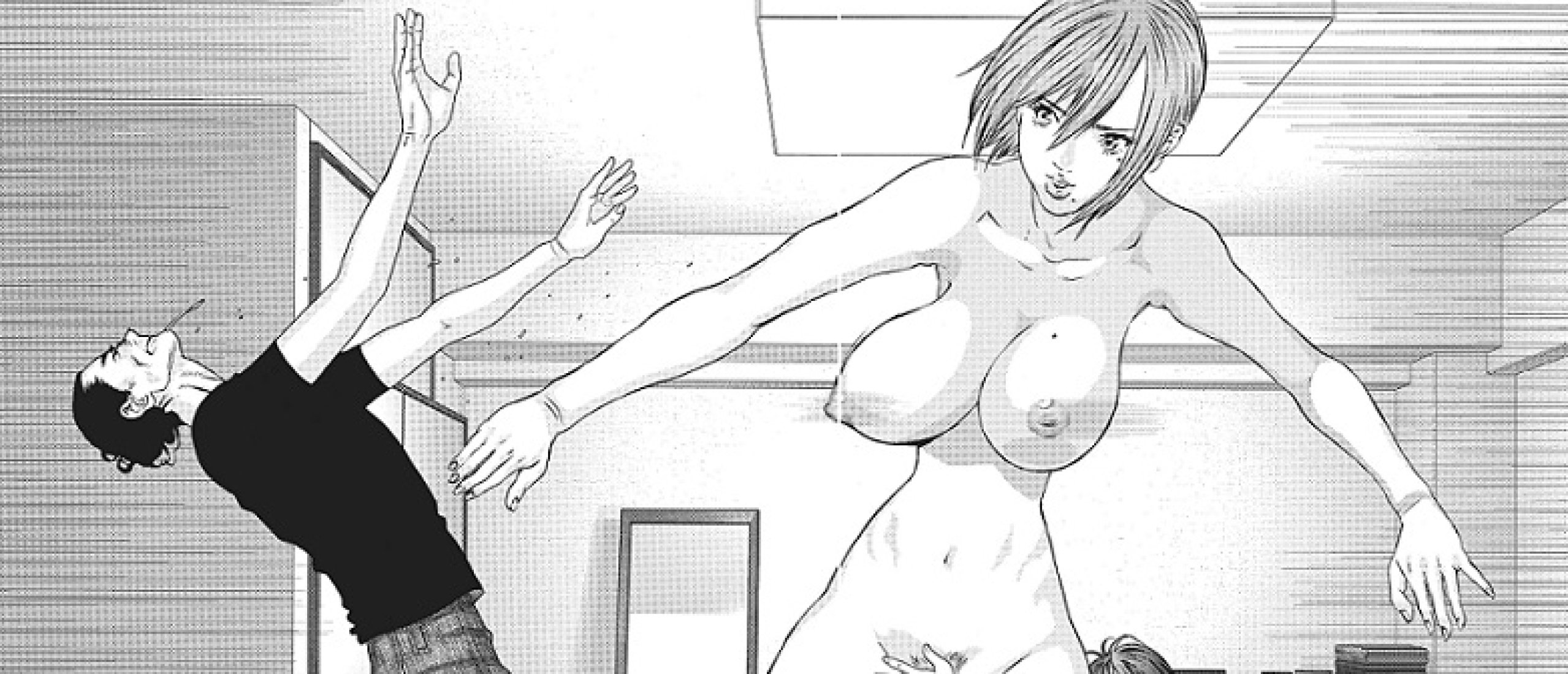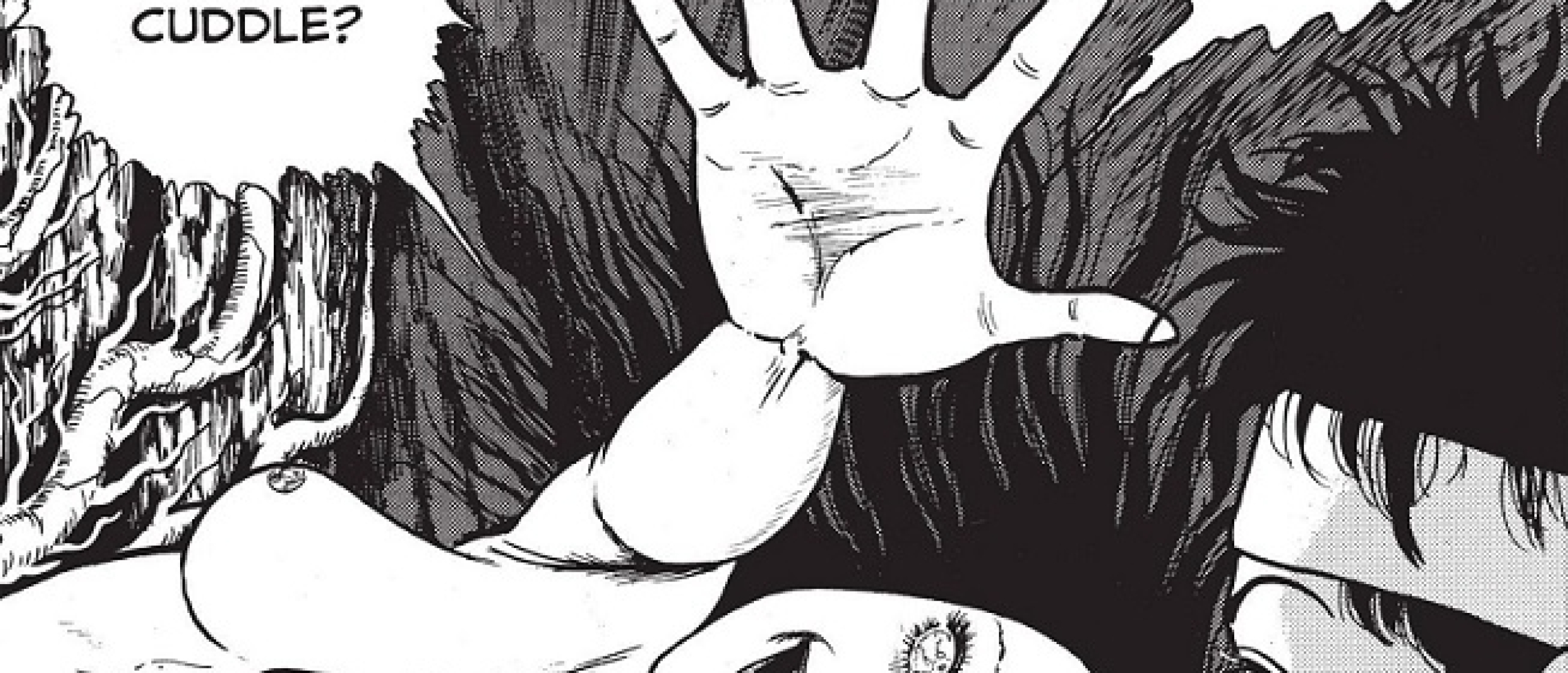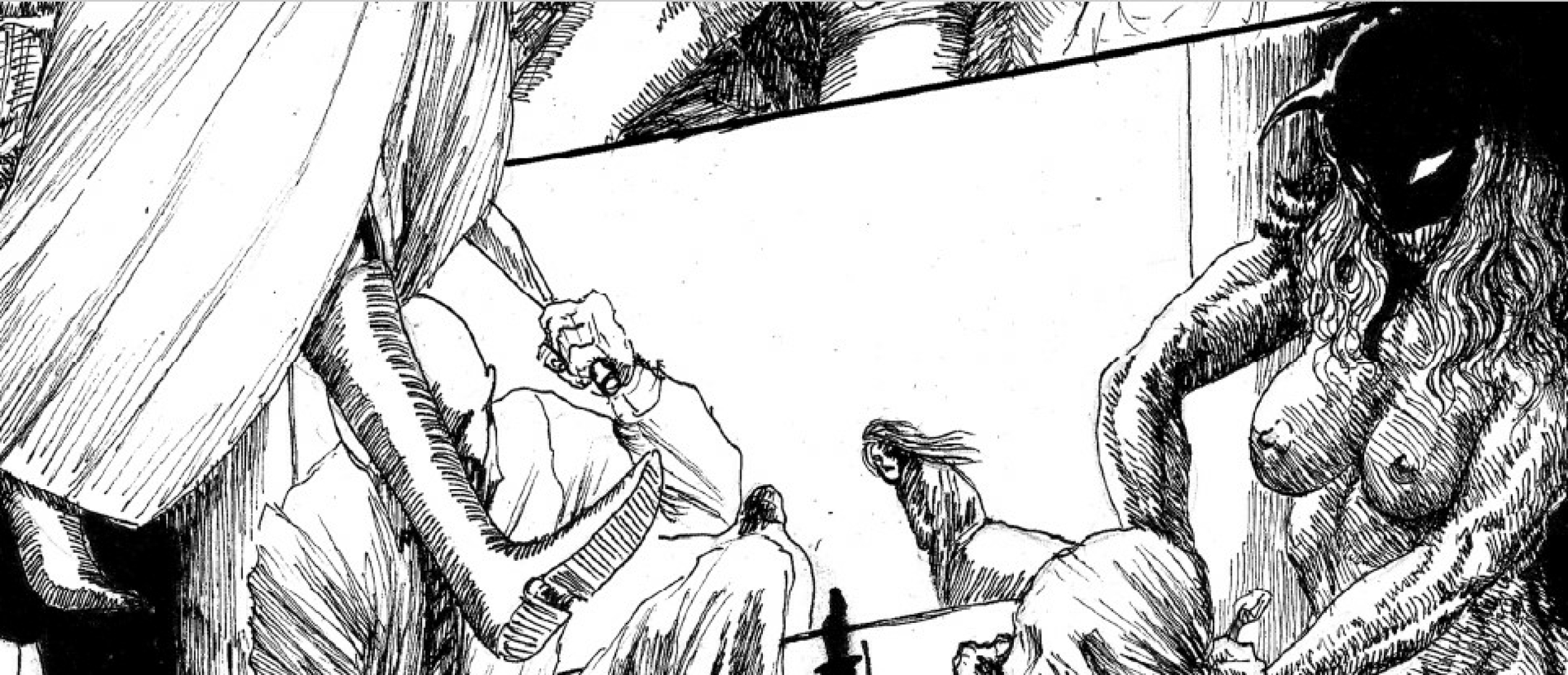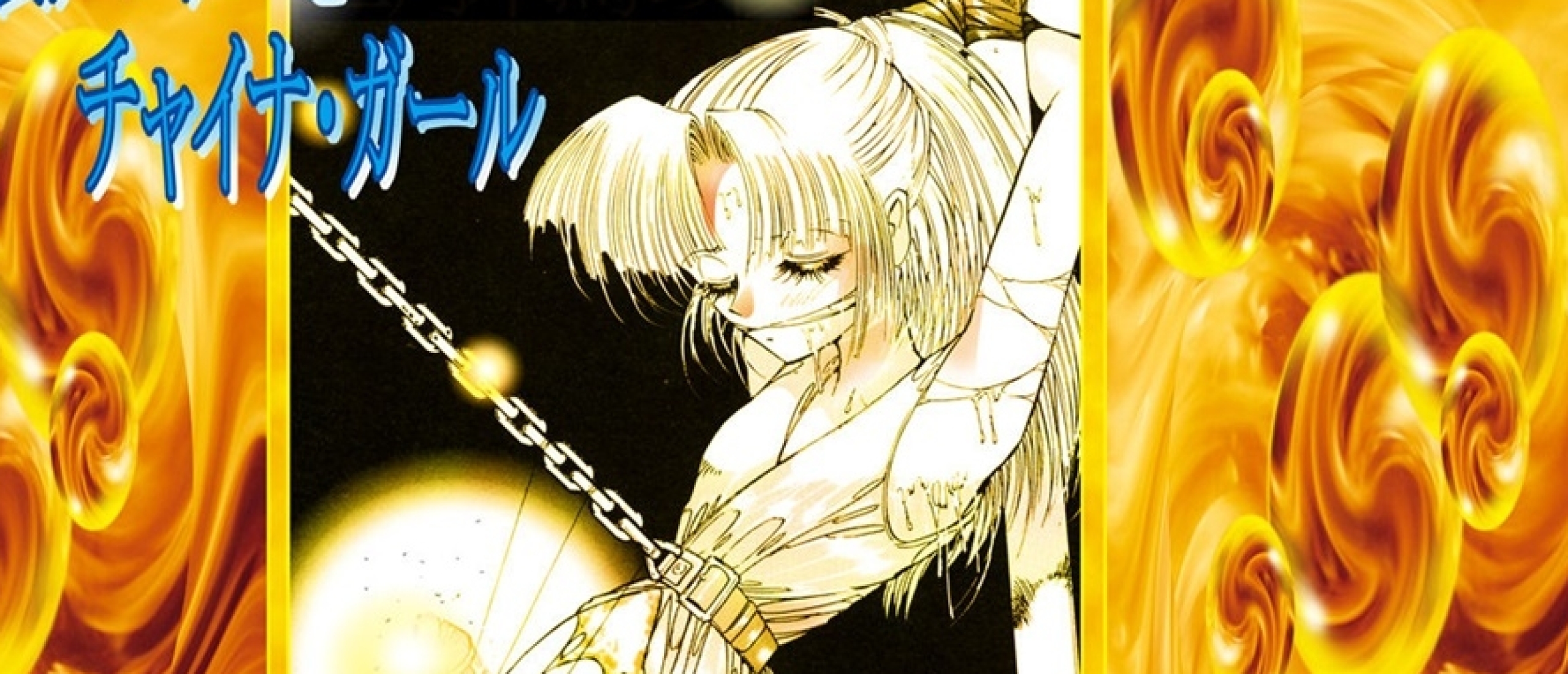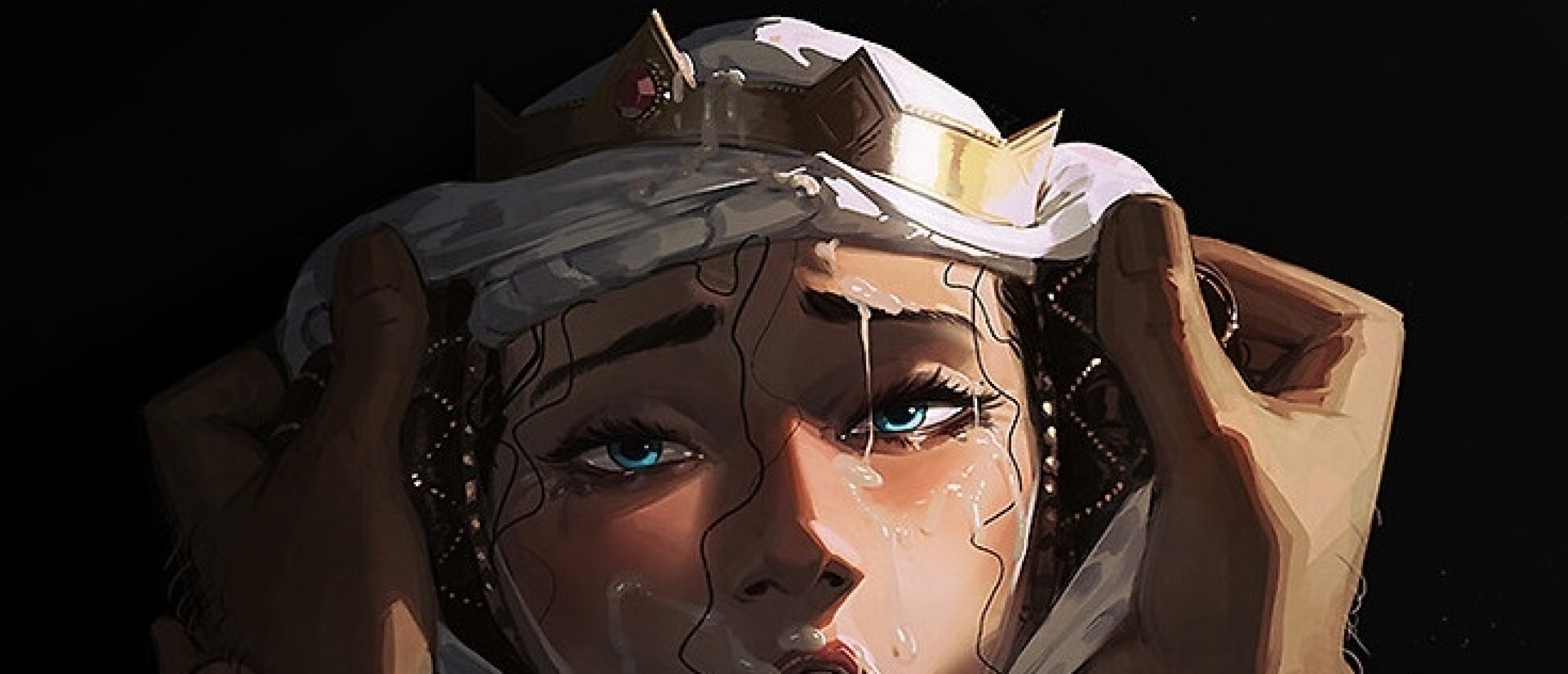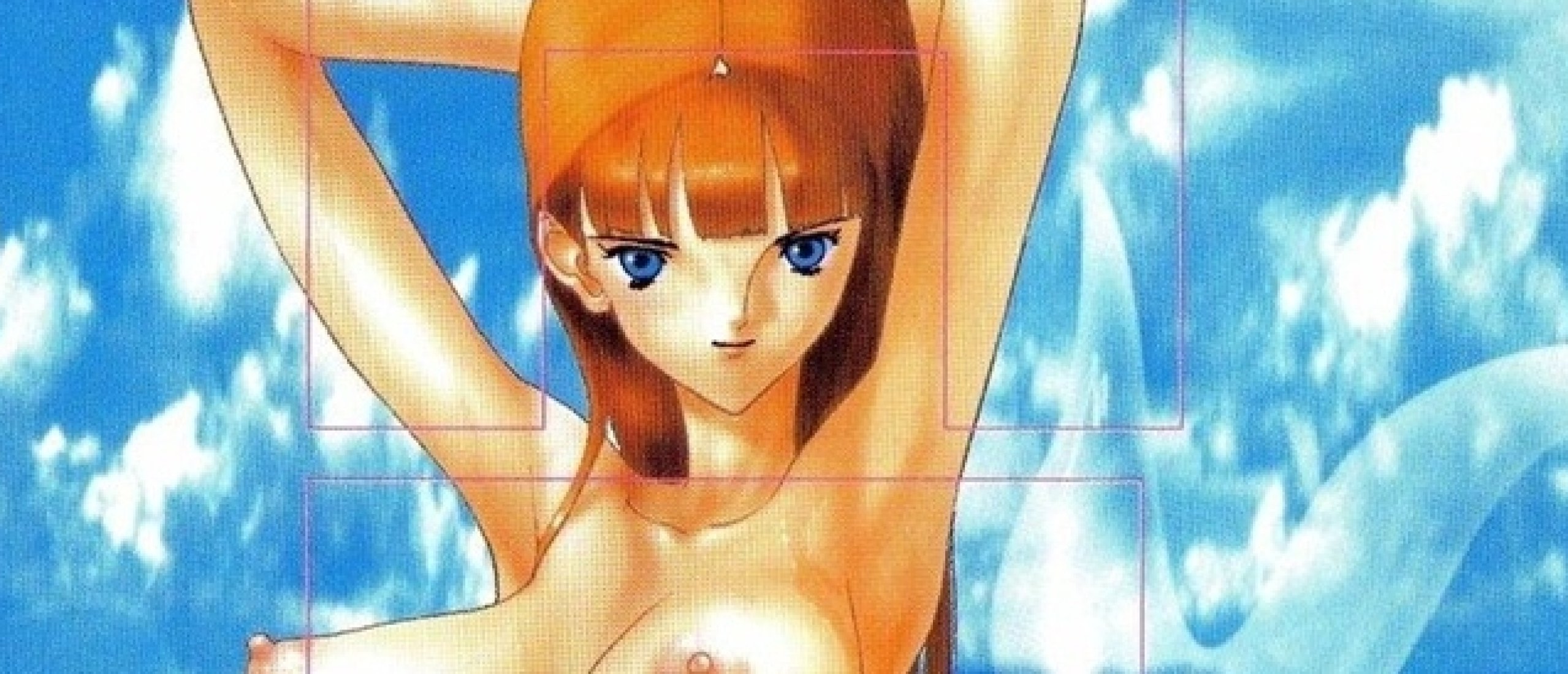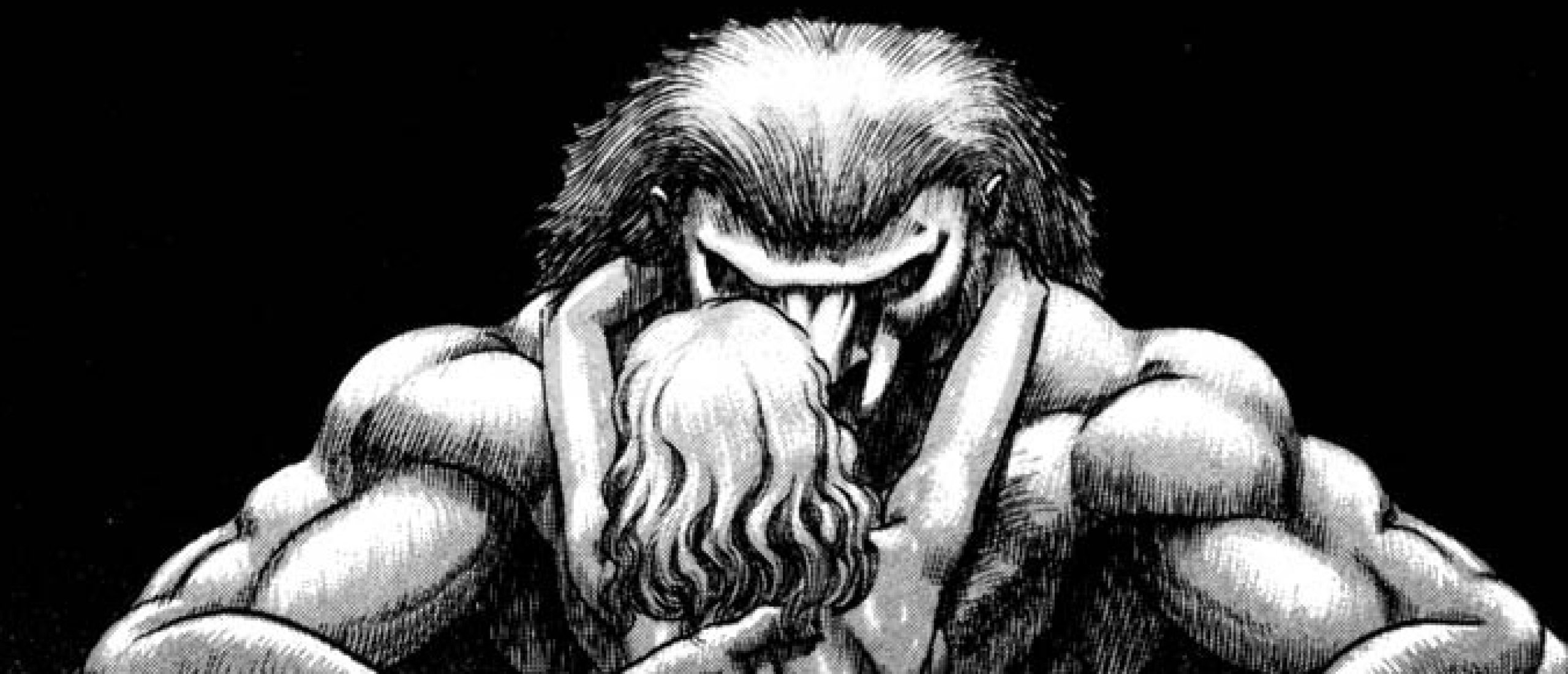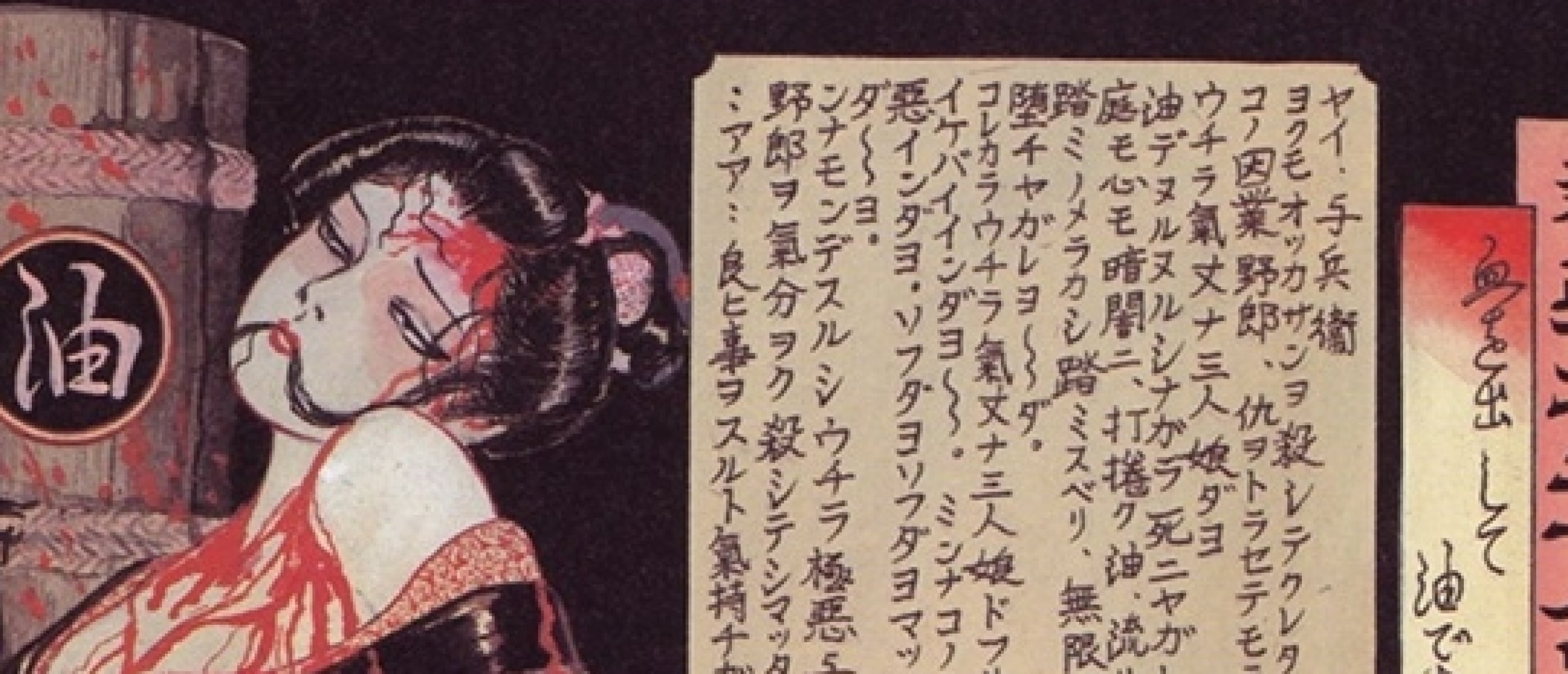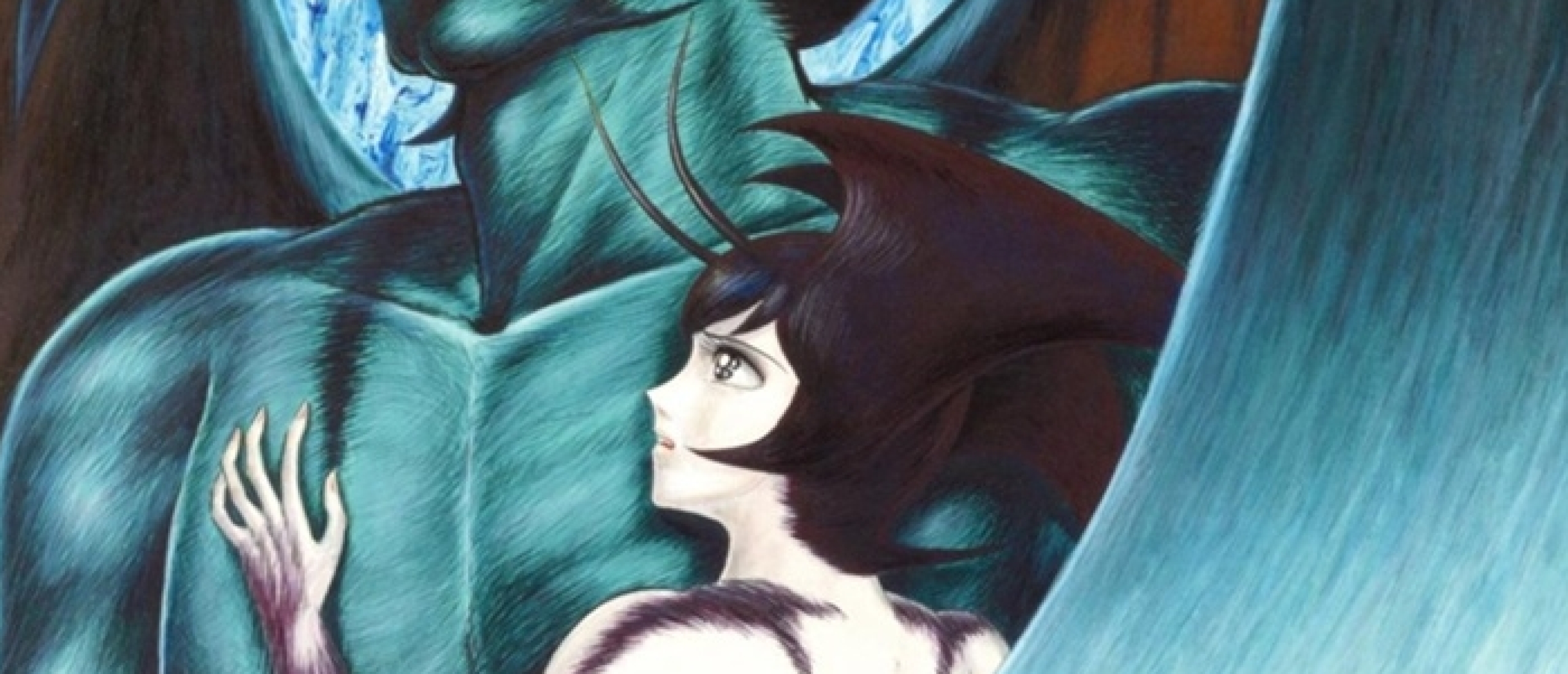
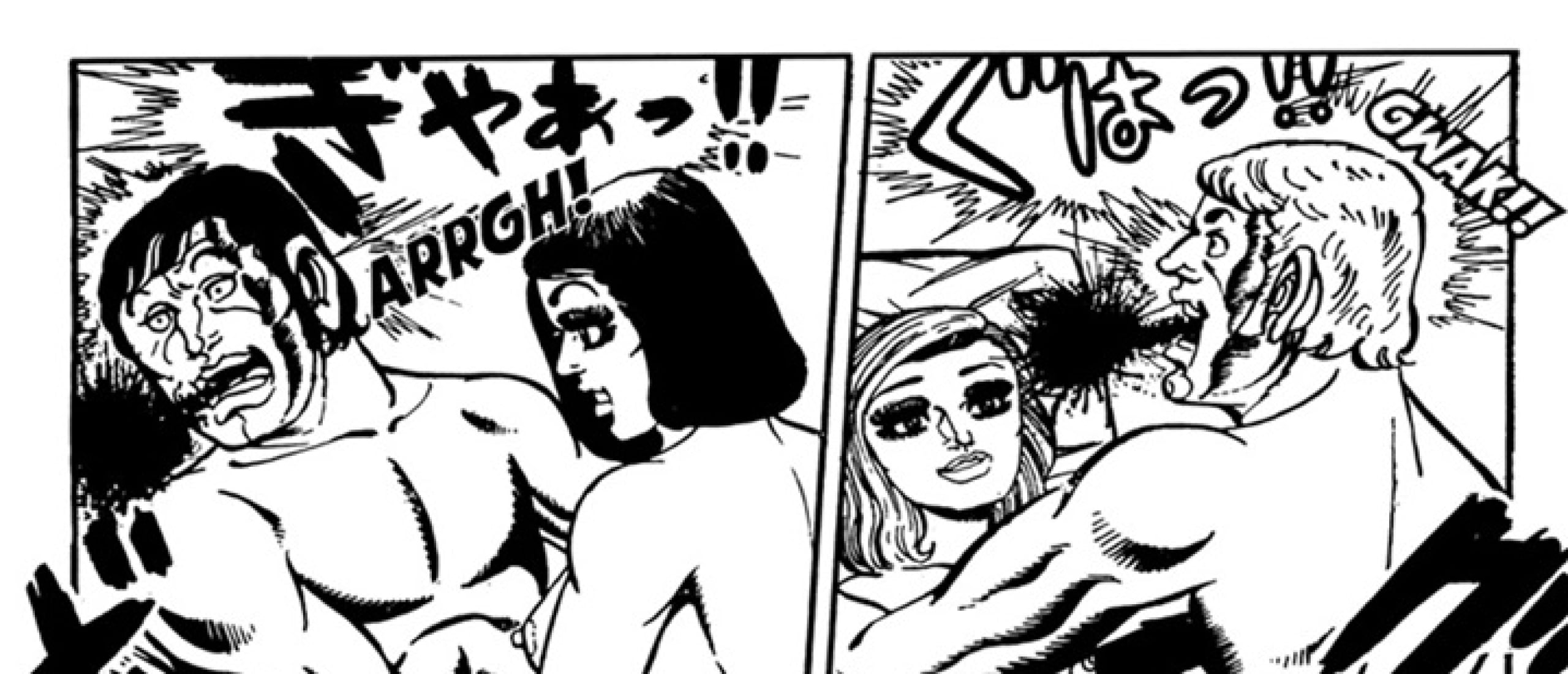

One of the manga that most caught my attention in 2025 was the collection My Gorilla Family, by IIjima Ichiro. It is difficult to find words capable of expressing the surprise this work gave me: stories filled with absurd situations, twists, and images that oscillate between the grotesque and the fascinating. All of these transgressions are possible because My Gorilla Family incorporates the aesthetic of gekiga (劇画), a type of comic that emerged in the late 1950s and sought a more dramatic approach aimed at adult readers, in contrast to the predominantly childish and humorous tone of manga at the time.
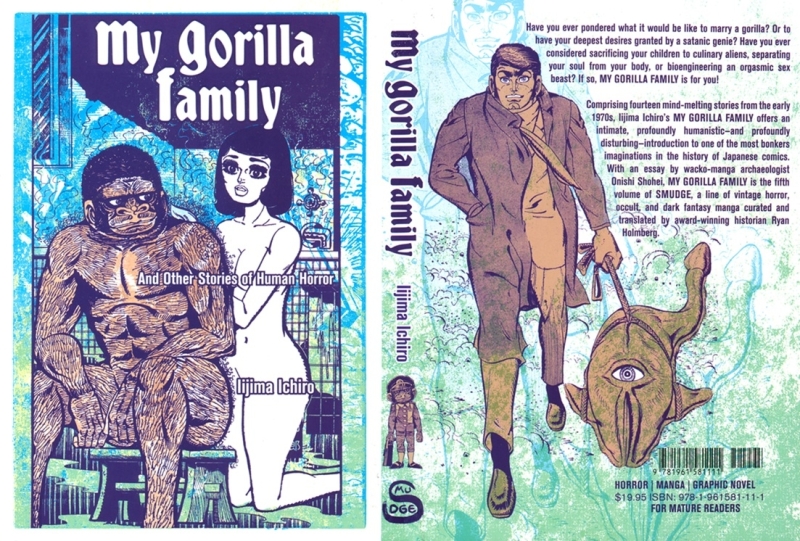
Fig.1 Cover "My Gorilla Family" ( ) by IIjima Ichiro
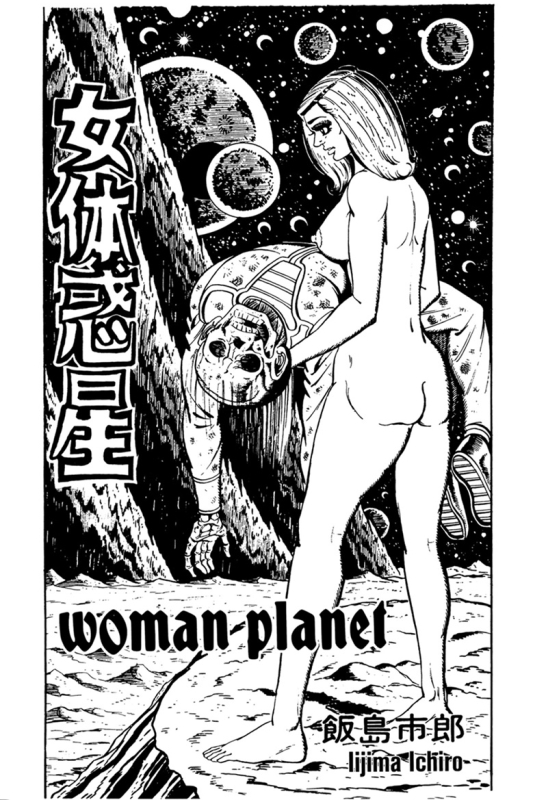
Fig.2
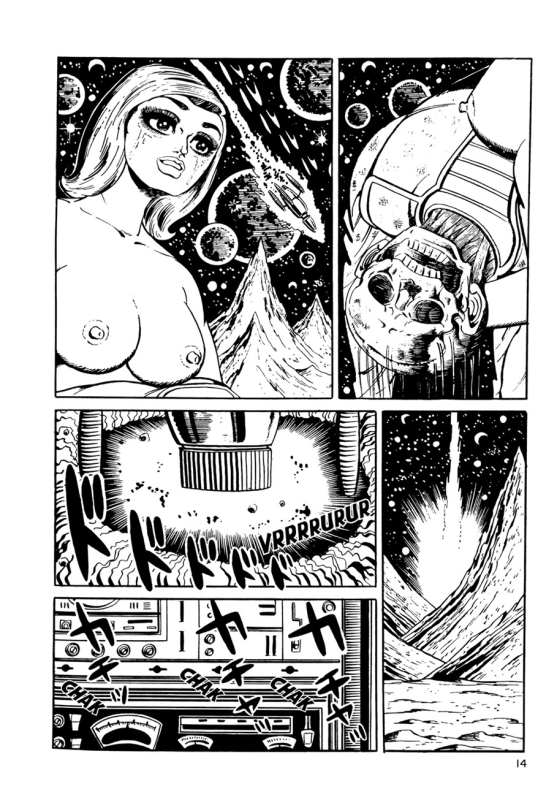
Fig.3
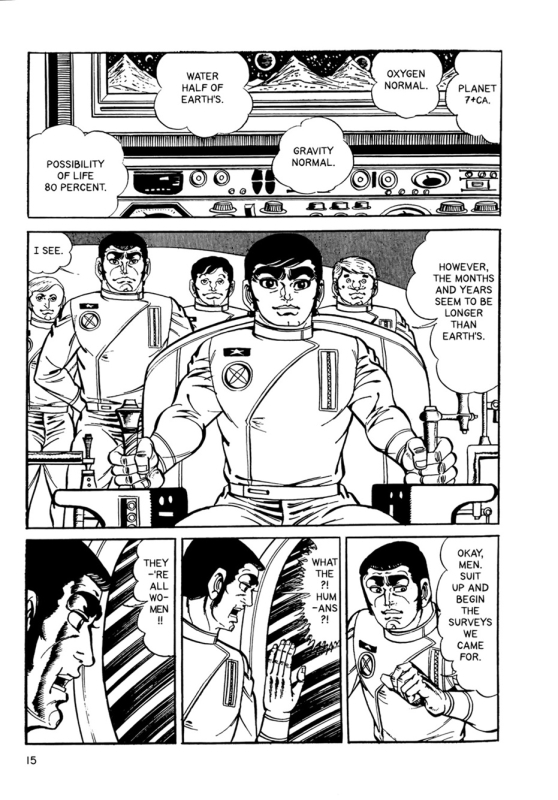
Fig.4
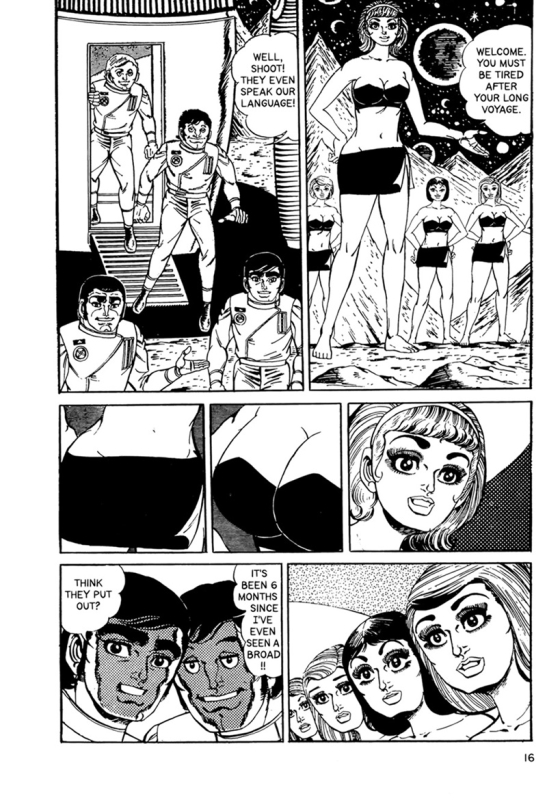
Fig.5
BUT WHO IS IIJIMA ICHIRO?
Iijima Ichiro (飯島市朗) was born in 1943 in the Arakawa district of Tokyo and belongs to the generation that grew up in postwar Japan, amid cultural transformations that redefined manga as both an artistic language and an industry. Still in elementary school, he decided to become a cartoonist after encountering gekiga published in the rental manga market (kashihon). In 1959, he published his first story, “Ankokugai ni sodatsu” (“Raised by the Dark City Streets”), an 18-page work included in the anthology Fang (Kiba). This debut opened the door for him to work as an assistant to Kazumine Daiji, known for works such as Little Bokuden (Bokuden kun, 1959–62), the action baseball manga The Black Secret Weapon (Kuroi himitsu heiki, 1963–65), and adaptations of tokusatsu series such as Ultraman.
During the 1960s, Iijima Ichiro also collaborated with other significant names in shōnen manga, including Ozawa Satoru, Hisamatsu Fumio, Kuwata Jiro (on titles such as Eight Man and Batman), and Morita Kenji. In Morita’s studio, he worked alongside George Akiyama, who would later become an important figure in seinen manga.
Beginning in 1968, Iijima Ichiro started publishing short stories in marginal adult magazines such as Special Manga Topics, from Nihon Bunkasha. His early works explored horror, mystery, and science fiction, but throughout the 1970s they incorporated increasing levels of violence, eroticism, and graphic action. Between 1970 and 1972, he published regularly in Manga Black Punch, an adult magazine of ephemeral existence and limited circulation. He later also contributed to Modern Comics Reader.
Influenced by the gekiga of Saito Takao, especially Death Sabre Sonoshin, Iijima Ichiro absorbed the aesthetic of harsh shadows and tense storytelling that defined that school. At the same time, he developed a deep admiration for American comics, especially the work of Jack Kirby. Even without mastering English, he compulsively purchased magazines such as Fantastic Four, visually copying Jack Kirby’s graphic solutions: angular anatomies, dense compositions, muscular figures, and heavily textured backgrounds.
Around 1973, his production began to move away from the direct influence of Jack Kirby, gravitating toward a more operatic and violent style, in dialogue with artists such as Nagayasu Takumi and Ikegami Ryoichi. However, changes in the publishing market reduced opportunities for artists working in marginal magazines. In 1980, Iijima Ichiro abandoned his professional career as a manga artist and began working in other fields. Even so, he maintained ties to the comics world, renting part of his house to cartoonists and maintaining a friendship with the cult erotic-grotesque artist Hayami Jun.
His rediscovery occurred in the 2000s, when Onishi Shohei and Tsujinaka Yujiro, through the independent publisher Guppy Shorin, released collections such as Men of the Turkish Constellation (2003) and Girl Gang Aristocracy (2007), followed by additional volumes that rescued stories that had previously been virtually inaccessible. More recently, his work has been translated into English, expanding international recognition of his production.
Although he remains a cult name, known primarily among scholars and enthusiasts of marginal manga, Iijima Ichiro consolidated a singular body of work marked by a wild sense of wonder: an explosive imagination, unpredictable plots, and an aesthetic that fuses gekiga, pulp science fiction, graphic horror, and grotesque eroticism.
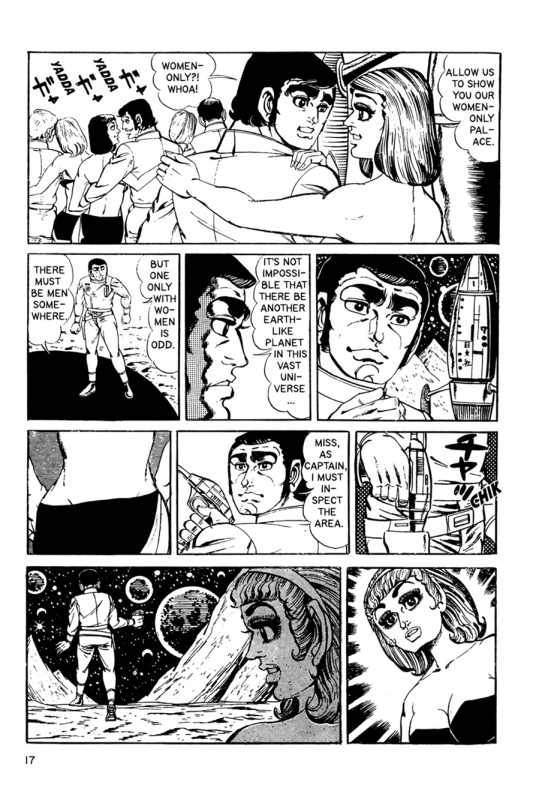
Fig.6
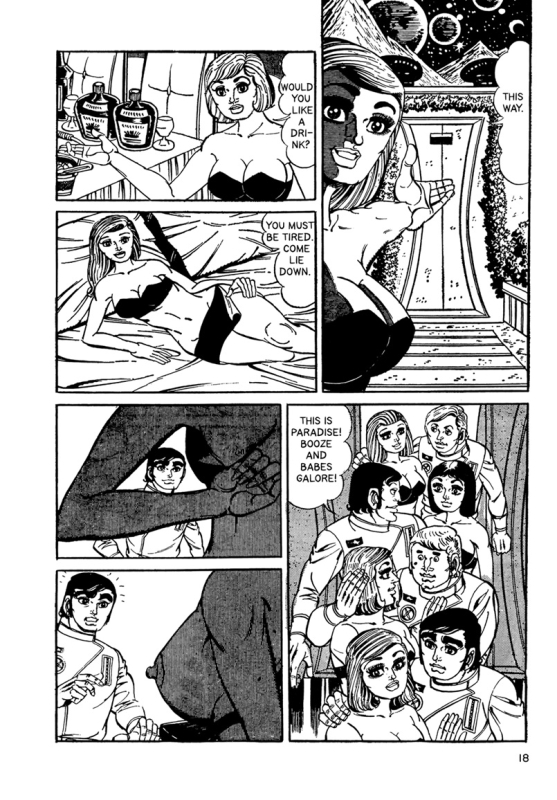
Fig.7
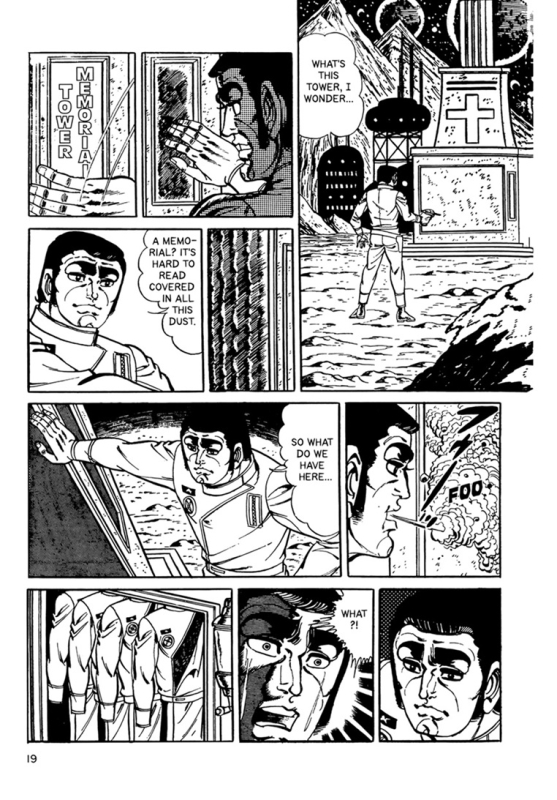
Fig.8
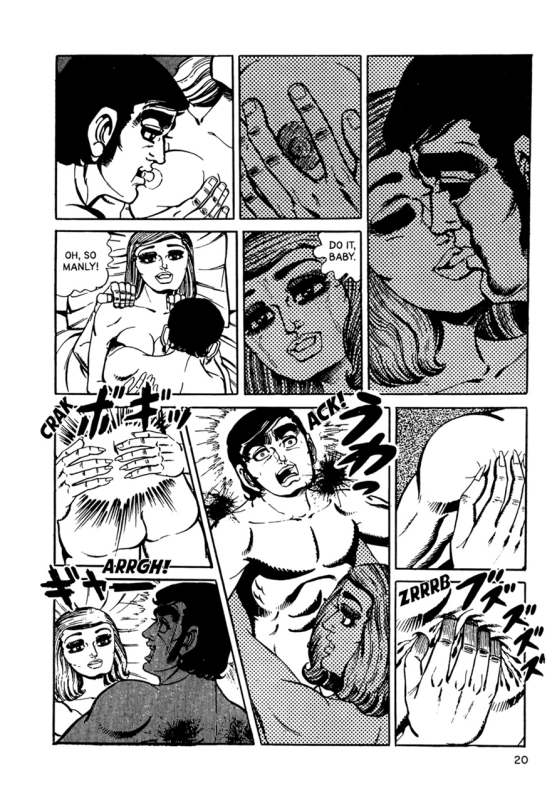
Fig.9
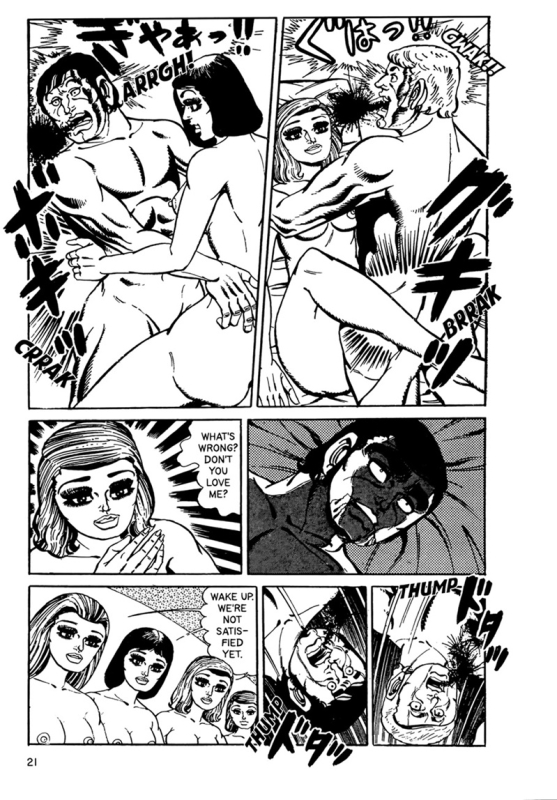
Fig.10
MY GORILLA FAMILY
Originally published between 1970 and 1971 in Black Punch, My Gorilla Family, by Iijima Ichiro, consists of a set of short narratives operating on the border between horror, science fiction, eroticism, and grotesque satire. Far from presenting merely sensationalist stories or shocking twists, the volume reveals an imagination deeply marked by instability: instability of the body, of social hierarchy, of identity, and even of natural laws. Each story functions as a variation on the collapse of order, driven by a distorted logic that replaces the classic sense of wonder of science fiction with an unsettling and often disturbing astonishment.
One of the central axes of the anthology is grotesque eroticism. Desire never appears as simple pleasurable fulfillment; it is always accompanied by threat, deformation, or risk. Whether on planets inhabited by sexualized robot wives, in societies that radically reorganize gender relations, or in interspecies marriages marked by latent tension, sexuality emerges as an ambiguous and destabilizing force. Eroticism ceases to be liberation and becomes instead a field of power, violence, and hierarchical inversion. Sexual impulse does not lead to harmony but to unease, a territory where pleasure and danger blur together.
This erotic ambiguity connects to a second recurring element: the inversion of hierarchies. In My Gorilla Family, gorillas occupy positions superior to humans; aliens treat people as food; women assume control over men; plants acquire human traits; scientists manipulate life to the point of dissolving the distinction between natural and artificial. These inversions are not mere shock devices but systematic strategies for displacing the human from the center of the world. By reversing positions of power, Iijima Ichiro exposes the fragility of the categories that sustain social normality. What we understand as superiority, civilization, or rationality reveals itself as contingent and arbitrary.
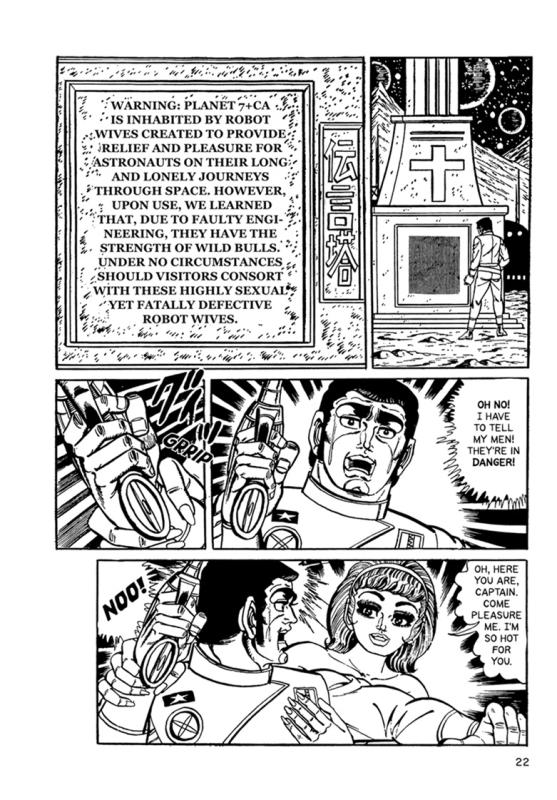
Fig.11
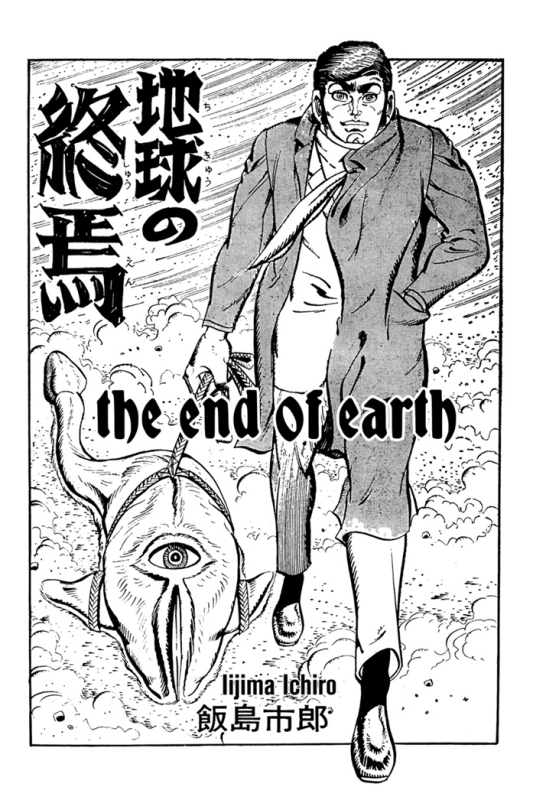
Fig.12
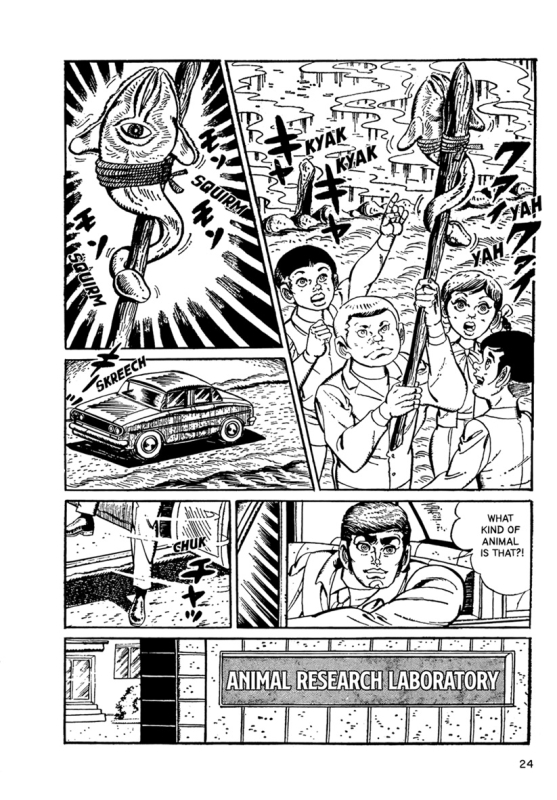
Fig.13
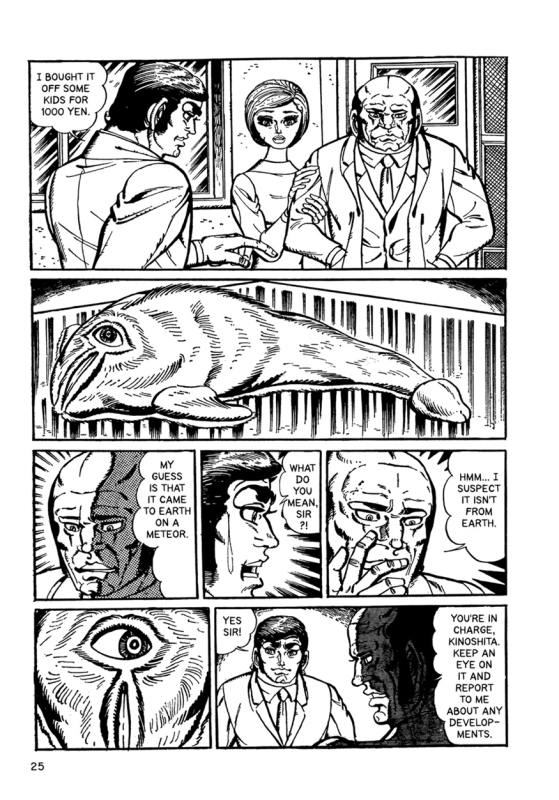
Fig.14
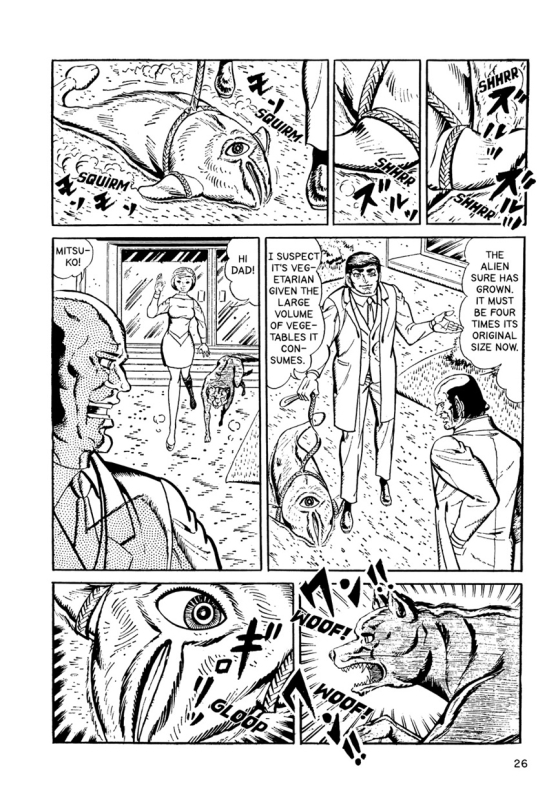
Fig.15
Become a Premium member now and read the extended edition of the article and discover the fascinating background secrets behind the following paragraphs:
- THE TRANSGRESSIVE CHARACTER OF THE WORK OF IIJIMA ICHIRO
- ABRUPT TWISTS
- FOREIGN MAGAZINES
- SEX, EXCESS, AND DEFORMATION
- THE BODY CONVERTED INTO HORROR
- FAILURE AS A FORM OF RESISTANCE
- + 77 additional exciting images
Click HERE for the author's publication "Beyond the Ordinary Perversity, Jun Hayami's Poetic Obscenity"
Let us know your thoughts about Ichiro's work in the comment box below...!!