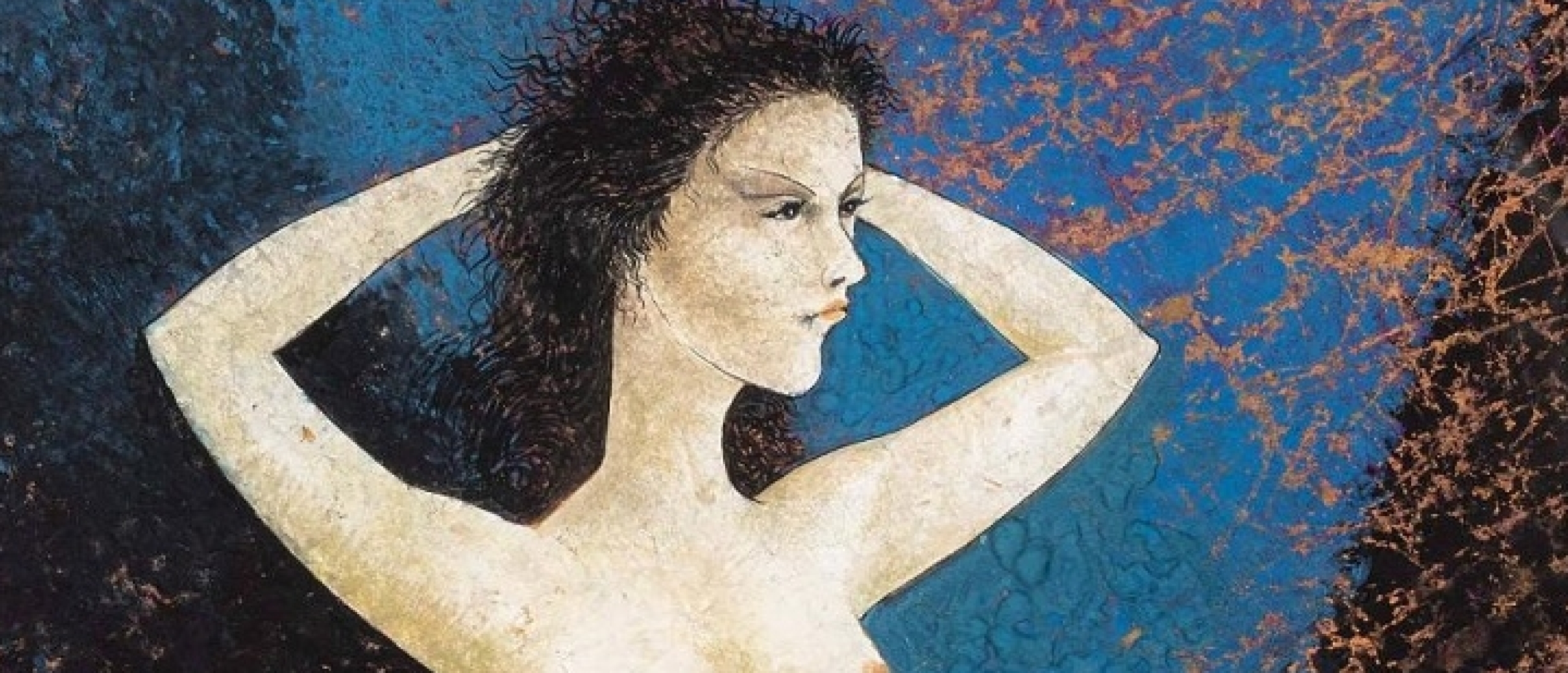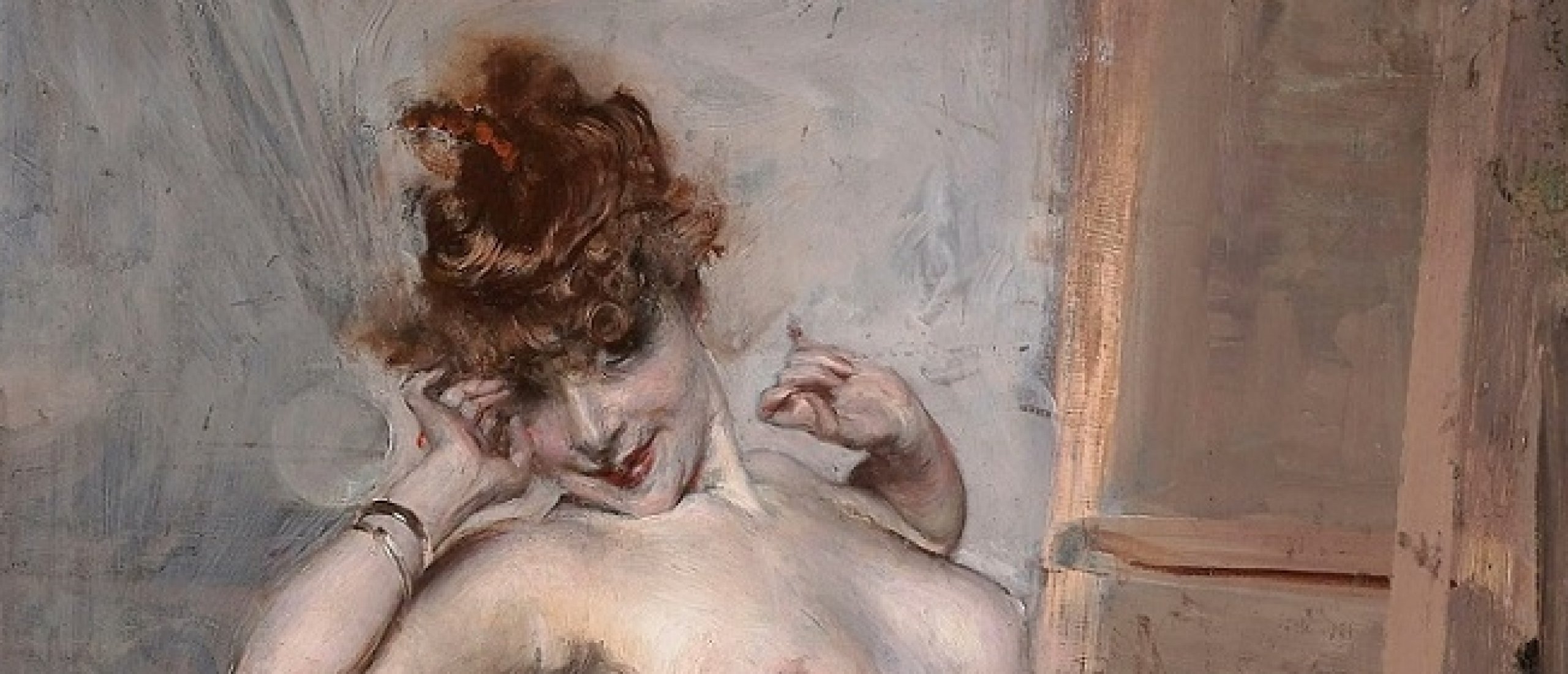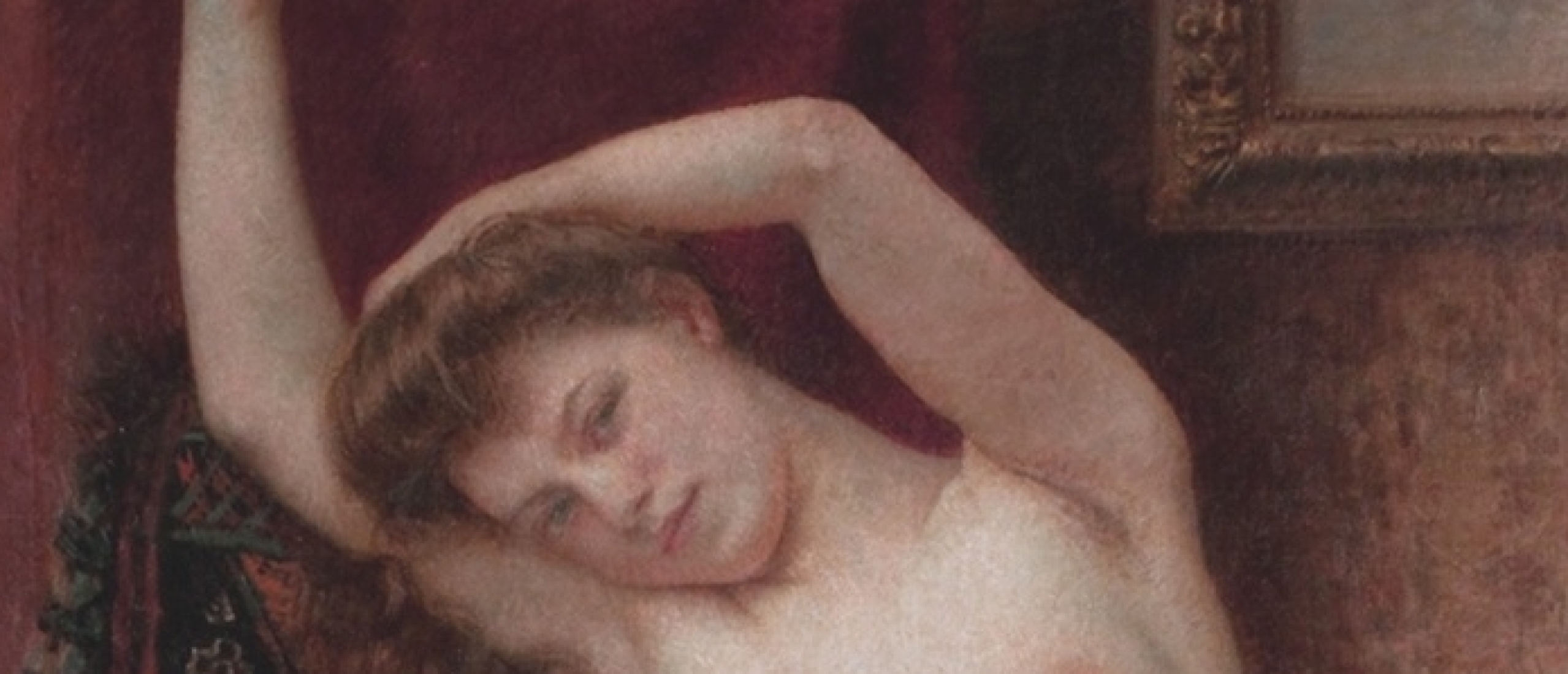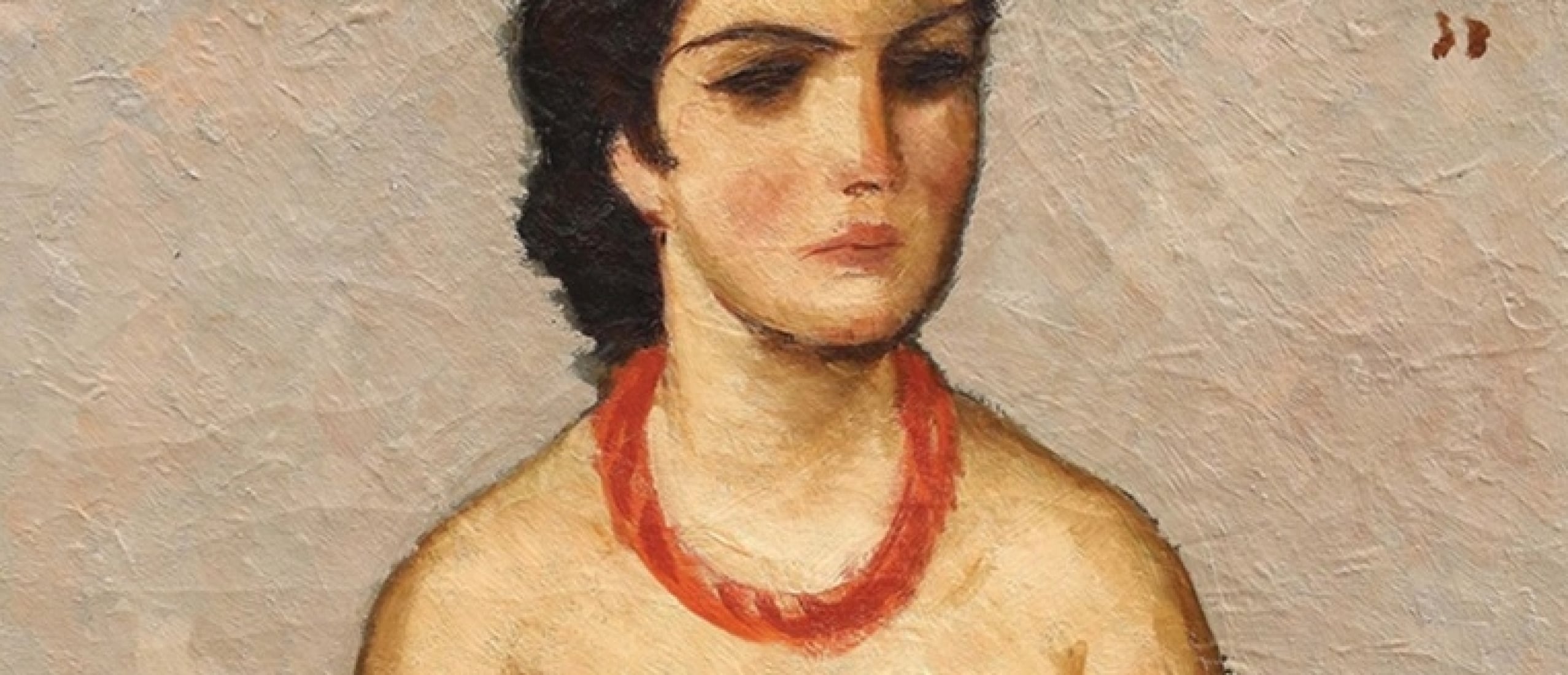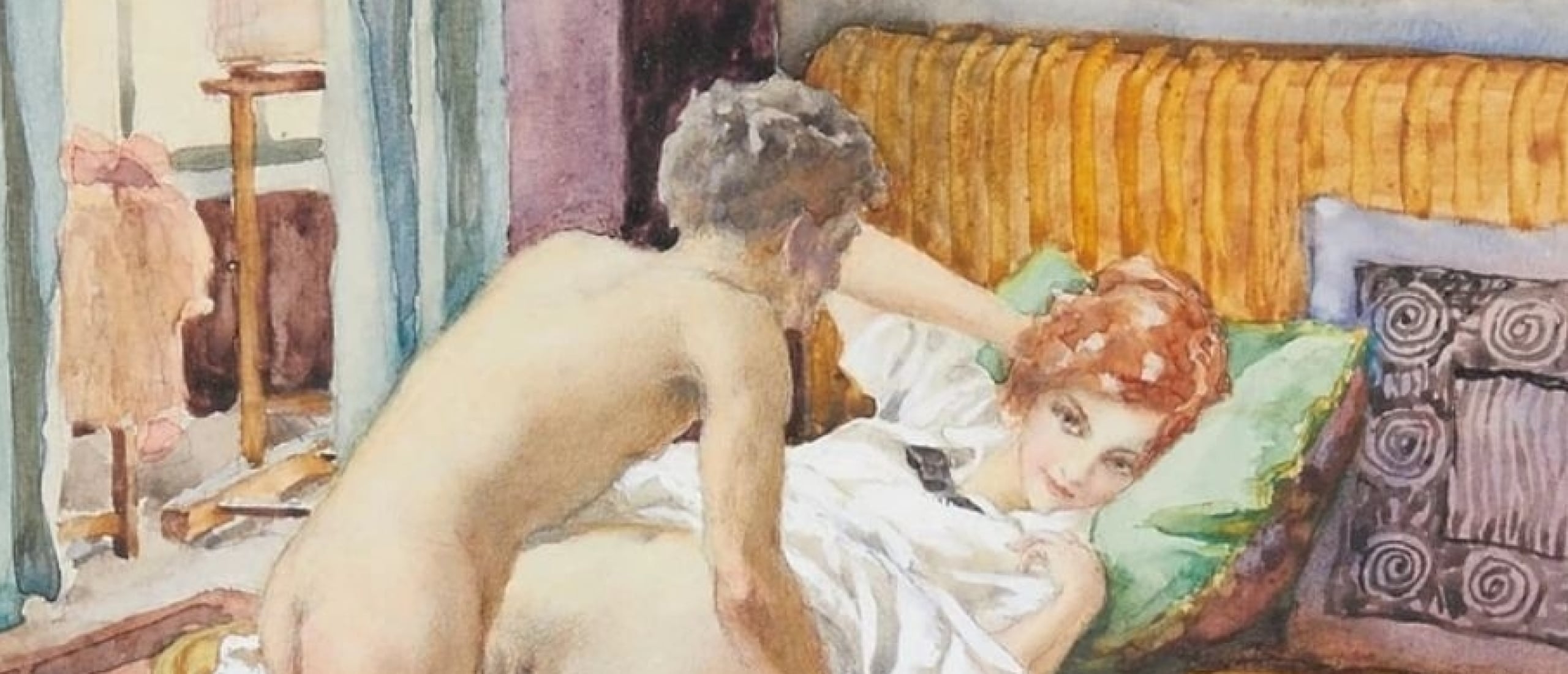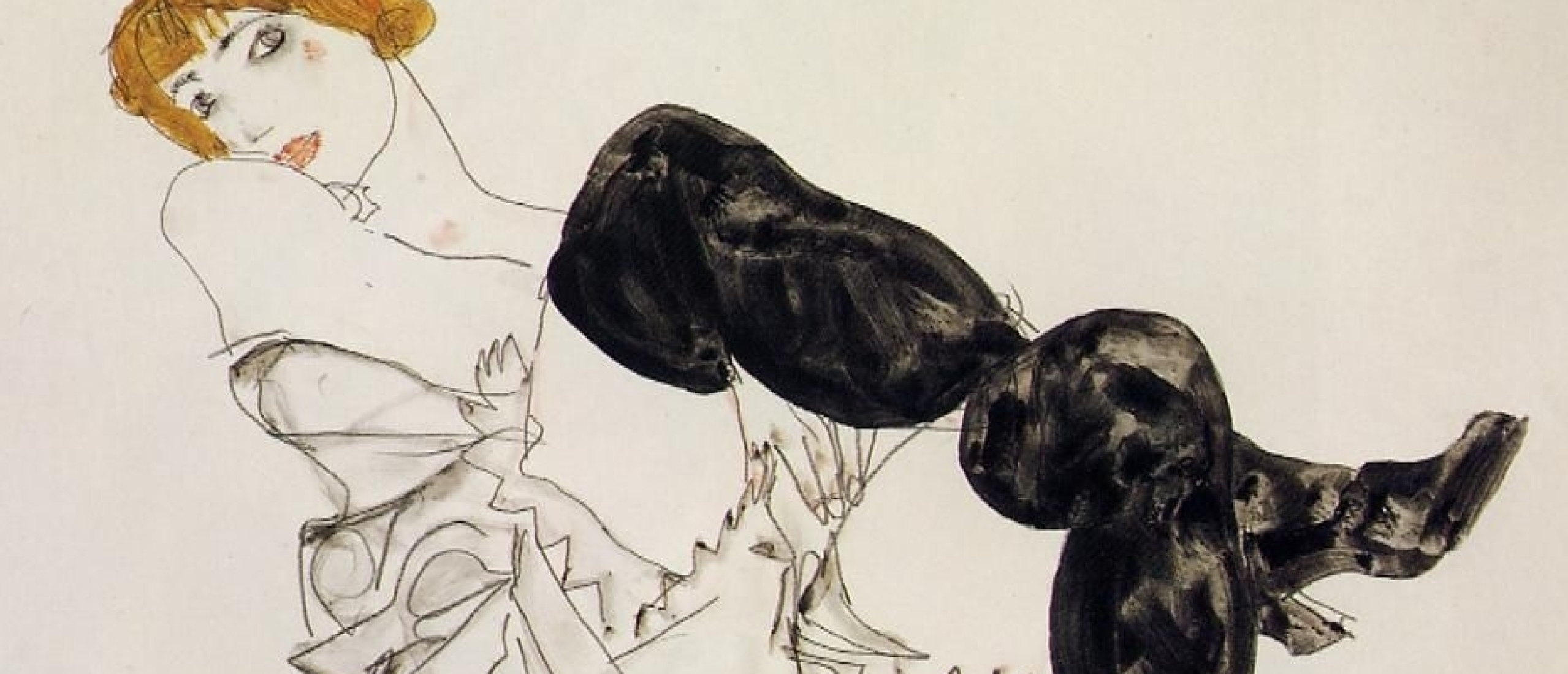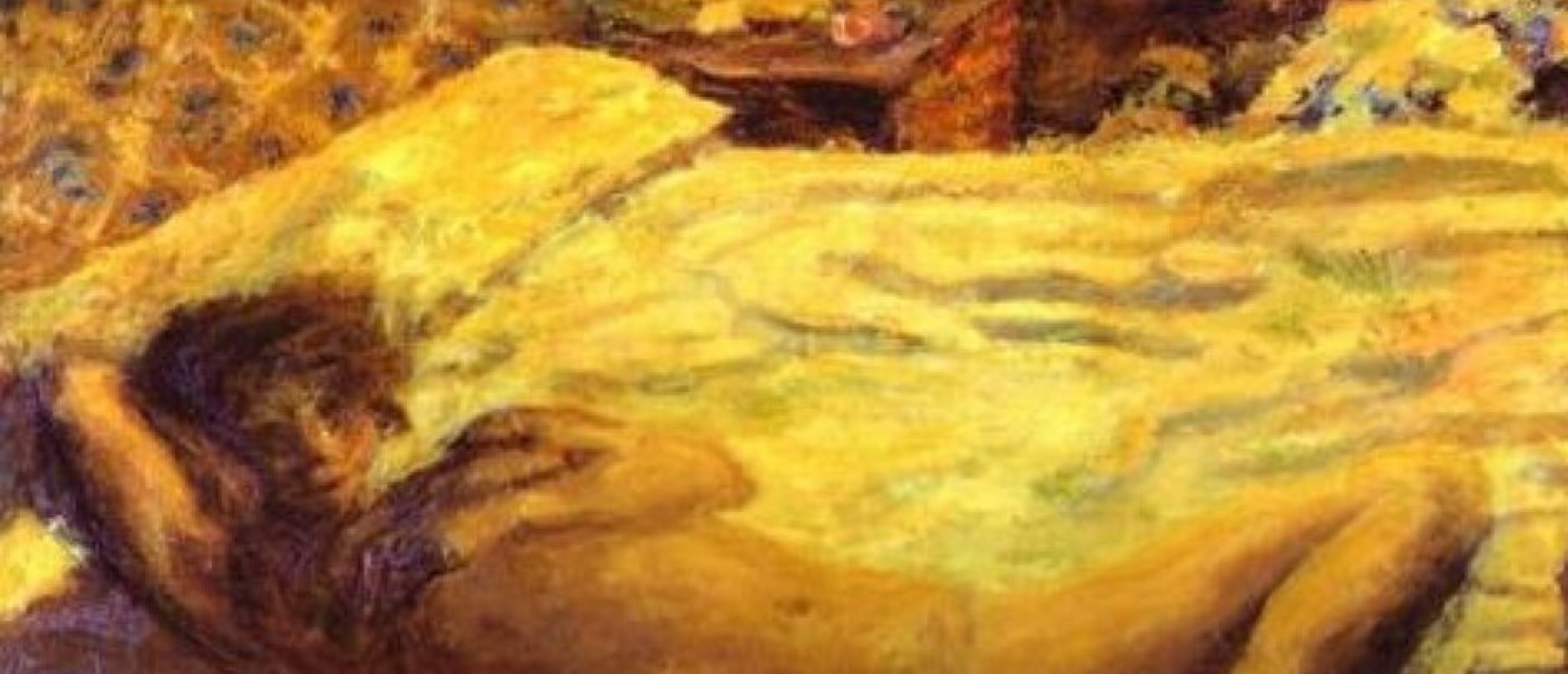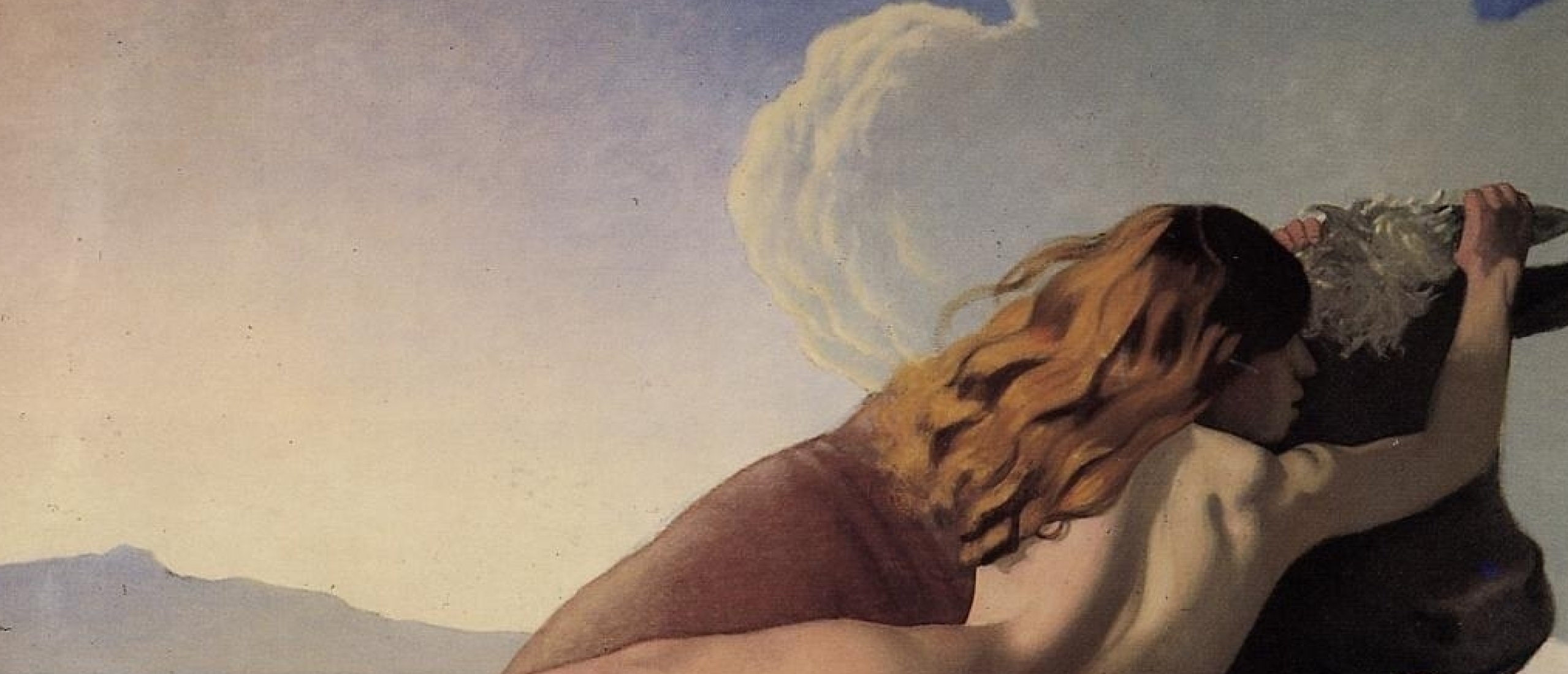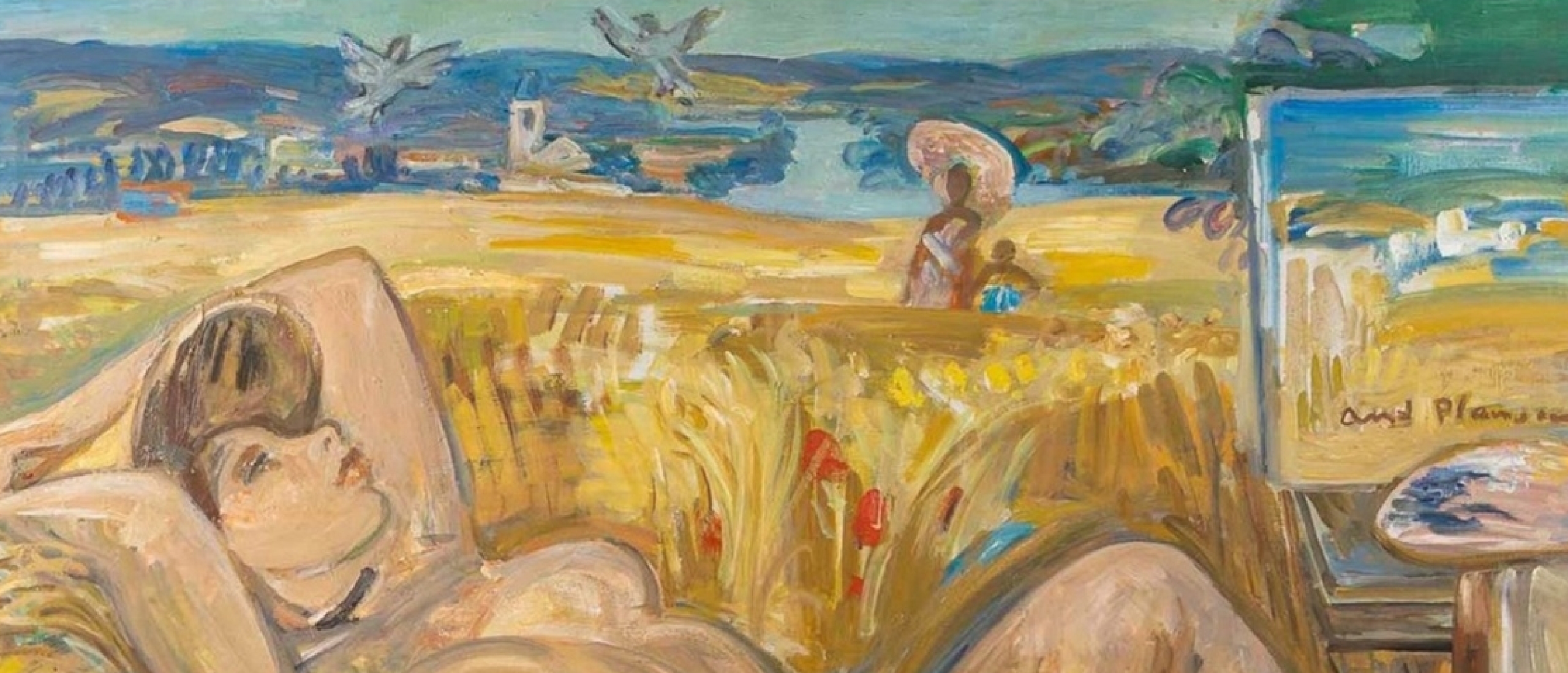
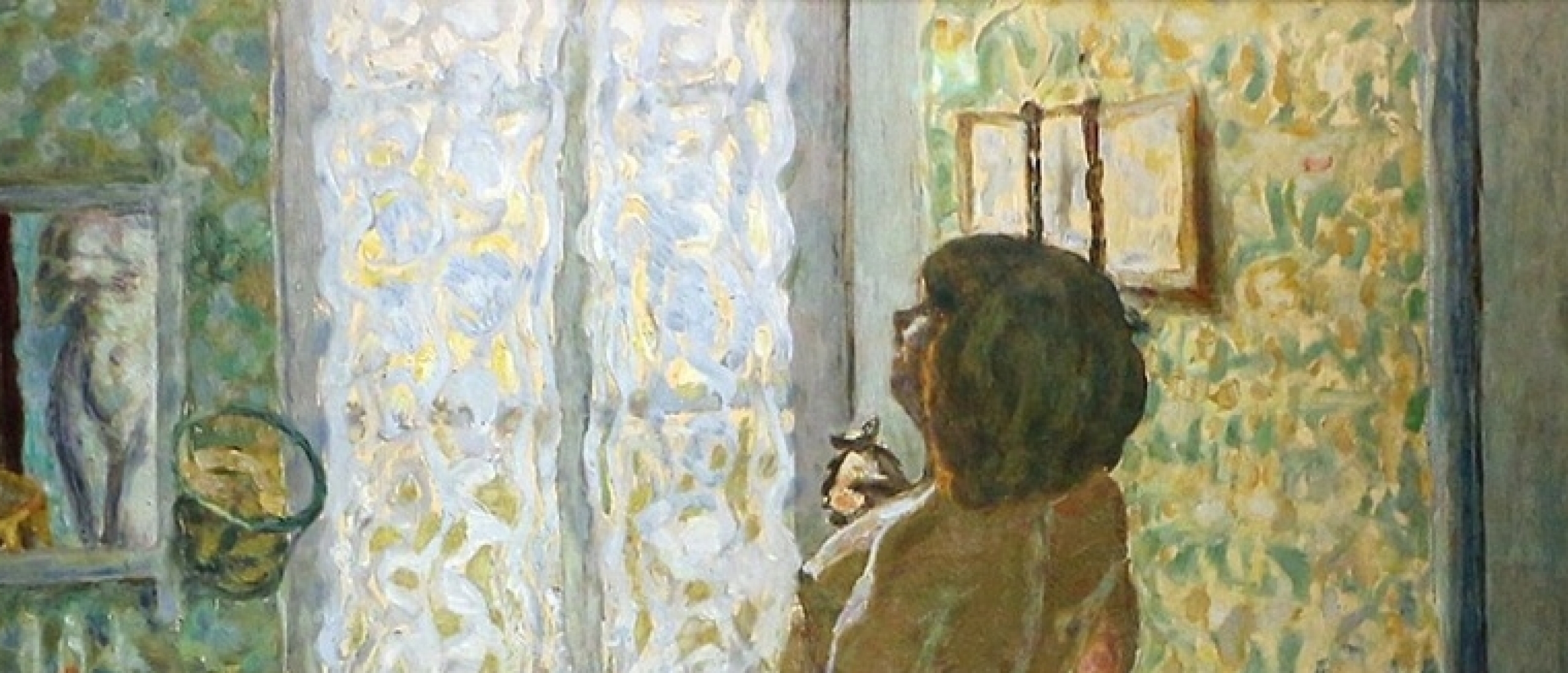

Pierre Bonnard (1867-1947), French painter, illustrator, printmaker and also the founder of the Post-Impressionist group Les Nabis, had a particularly casual and quiet approach to erotic paintings; a subject that otherwise has connotations of excitement and danger. Bonnard’s sensual paintings, on the contrary, belong to a world where sensuality is not dramatic, confrontational or theatrical, but rather quiet, causal and indolent. Bonnard knew well how to capture the beauty of the everyday life and this was no exception. Among the most recurring motifs in his work are women bathing, sleeping, or resting within domestic interiors. It is also interesting to notice that earlier in his career the nude women are sleeping or resting, while as years and decades go on he seems to have taken more of an interest in the woman bathing genre, something that Degas had explored and mastered decades earlier in his wonderful pastels. At first glance, these scenes appear modest, even ordinary: a body in water in Fig.8., a figure half-asleep in a bed in Fig.3., a woman lost in the soft light of a room in Fig.4. Yet beneath their calm surfaces, these images hold one of the most subtle explorations of eroticism in modern painting. Bonnard is not interested in the body as spectacle, but in the body as presence; unguarded, unperformed and existing outside of social expectation.
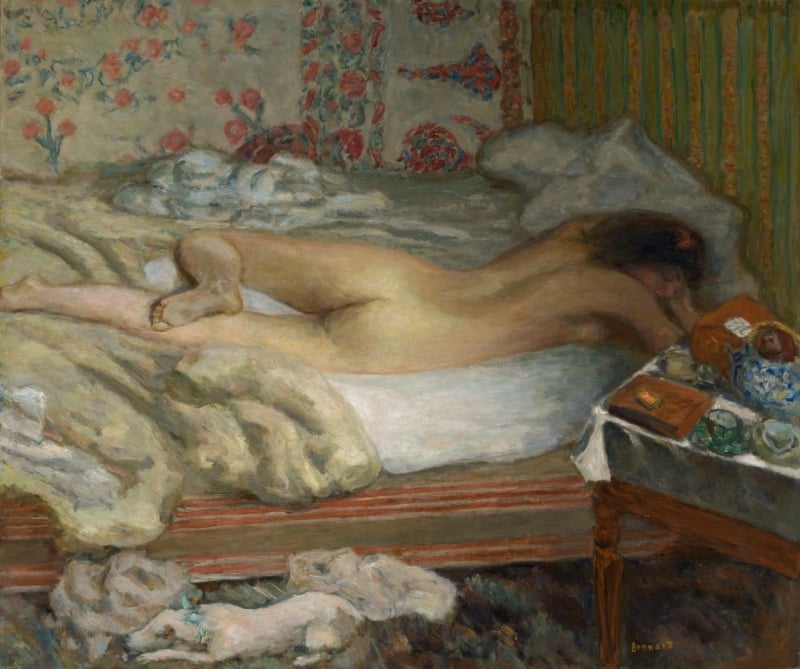
Fig.1 Pierre Bonnard, The Siesta, 1900
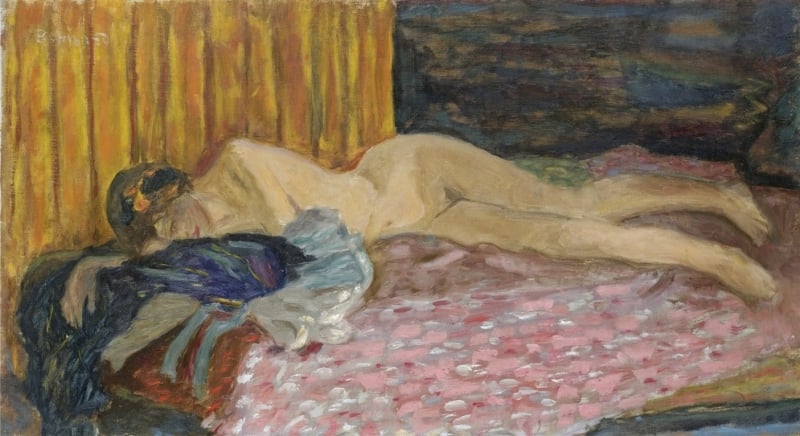
Fig.2 Pierre Bonnard, Le canapé rose, 1910
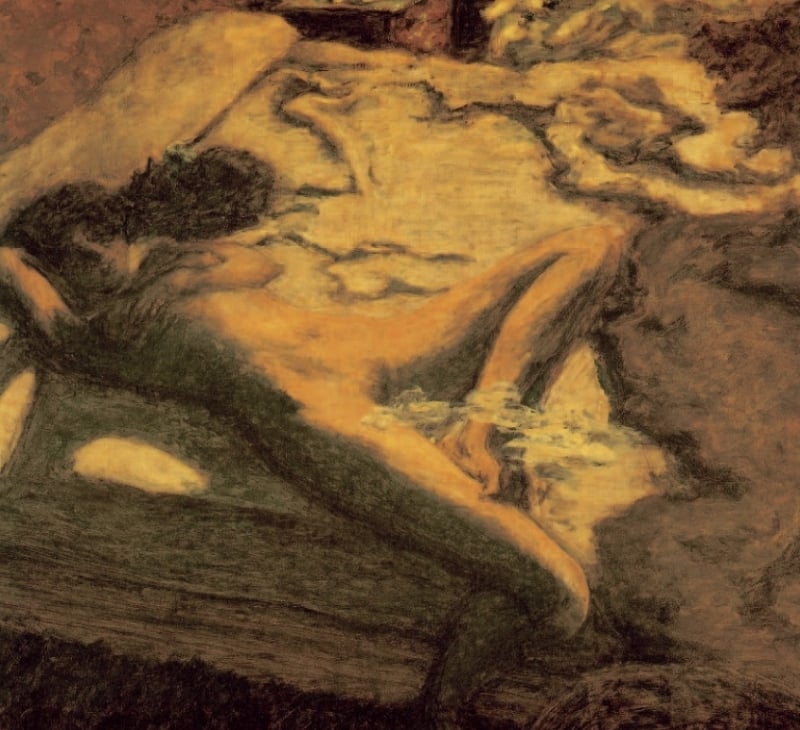
Fig.3 Pierre Bonnard, Indolence, 1891
Aesthetic Consumption
In the tradition of Western art, the female nude has often been shaped by visibility. The body is arranged for viewing, composed for aesthetic consumption, and framed in a way that acknowledges the gaze of the spectator. Even when idealised or mythologised, there is usually an implicit awareness of being seen. Bonnard’s approach is radically different. His women are rarely presented as performers of beauty. Instead, they are absorbed in their own private states, totally unaware that there is a viewer. They bathe without ceremony, sleep without narrative purpose, and inhabit interiors as though the viewer were not the centre of attention. This shift is subtle but transformative. It removes the theatrical layer from the image and replaces it with something more fragile: the feeling of unobserved life. Often the angle or the way the painting is cropped also makes it secretive, as if the person painting is hiding or as if we too are voyeur in this private space. Still, this voyeurism seems a tender, everyday thing, not something dark and disturbing.
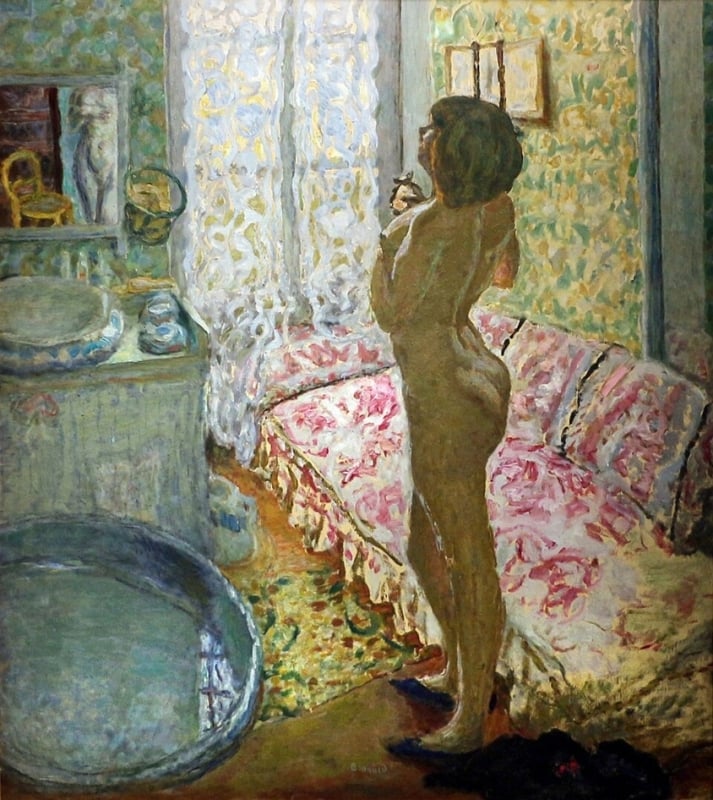
Fig.4 Pierre Bonnard, Nude Against the Light, 1908
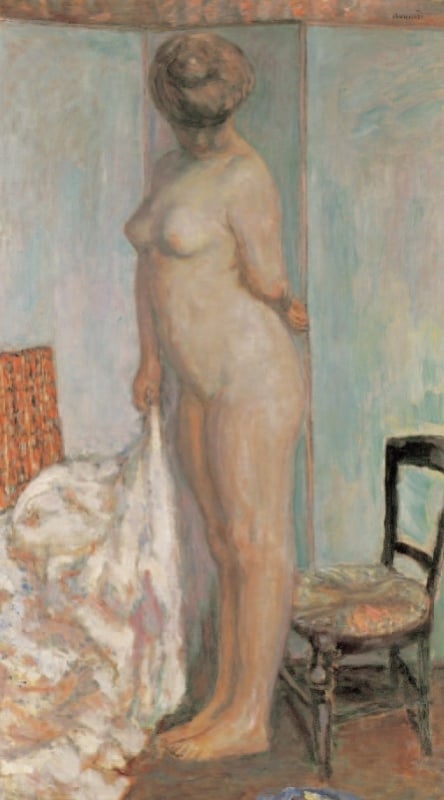
Fig.5 Pierre Bonnard, The Standing Nude, 1906
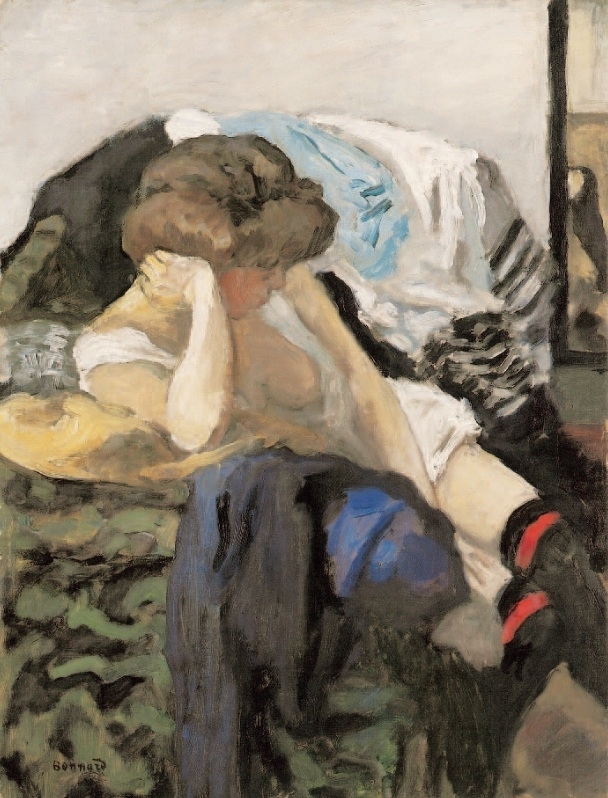
Fig.6 Pierre Bonnard, The Red Garters, 1905
The Bathroom
In Bonnard’s work bathing becomes one of the most significant thresholds. The bathroom is neither entirely public nor entirely private; it is a space of transition, where the body moves between states of exposure and protection, between being dry and wet. Water softens outlines, dissolves boundaries, and transforms the figure into something less fixed, literally so as seen in Fig.8. In these scene, the body is not simply revealed but absorbed into its environment.
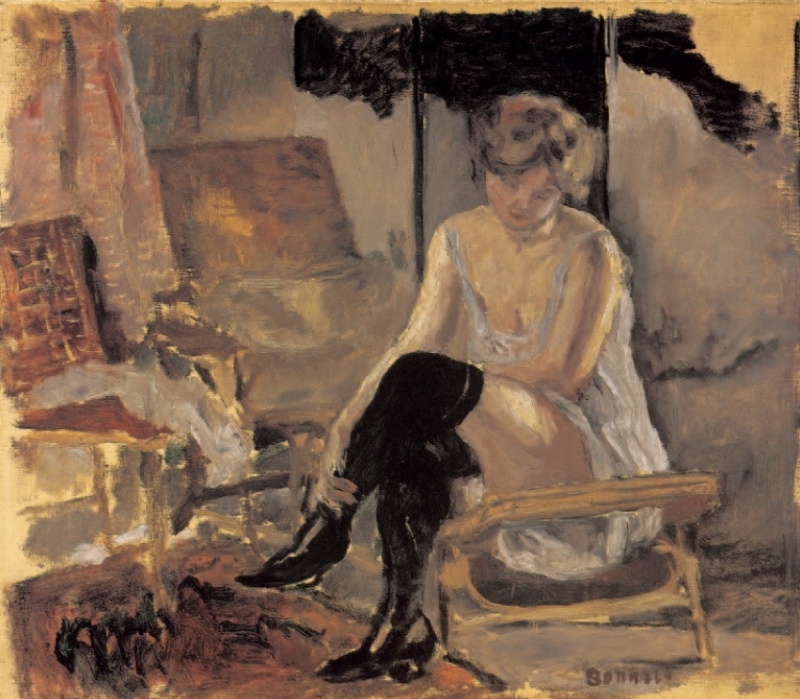
Fig.7 Pierre Bonnard, Young Woman Seated on a Chaise Lounge, 1904
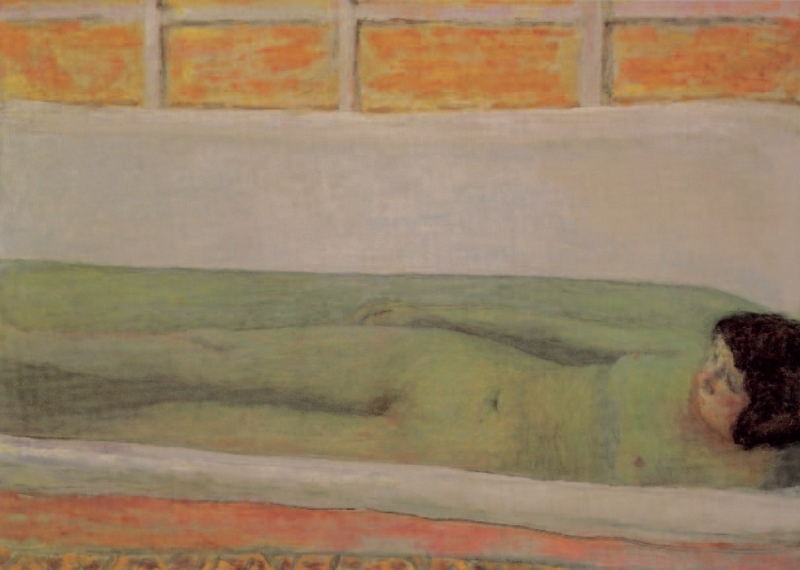
Fig.8 Pierre Bonnard, The Bath, 1925
Become a Premium member now and discover more about Bonnard's use of color, his sleeping nudes, the unsettling quality in the portrayed quietness, Bonnard’s treatment of interior space, how his association with the Nabis movement shaped his artistic vision, one of Bonnard’s most important subjects, and many more insights about his sensual aesthetics....!!
Click HERE for an examination of Bonnard's "The Indolent Woman"
What do you think about Bonnard's sensual art? Leave your reaction in the comment box below...!!