
Among the painters associated with the fin de siècle, Félix Vallotton occupies a distinctive position. While his contemporaries explored symbolism, decadence and modern life, Vallotton developed a visual language that transformed erotic art into something simultaneously sensual and analytical. There is a cold, detached, sculptural element to his nude, but so is also the undeniable sensuality that oozes from the flesh of these women, their poses and their seductive shape. His nudes are neither purely celebratory nor overtly moralising. Instead, Vallotton observes them and captures them with his clean-cut, cold vision. He doesn’t differentiate between mythology and everyday life. Whether it is a goddess or a sleeping woman, his approach to body is the same; no flattery, no romantic touch.
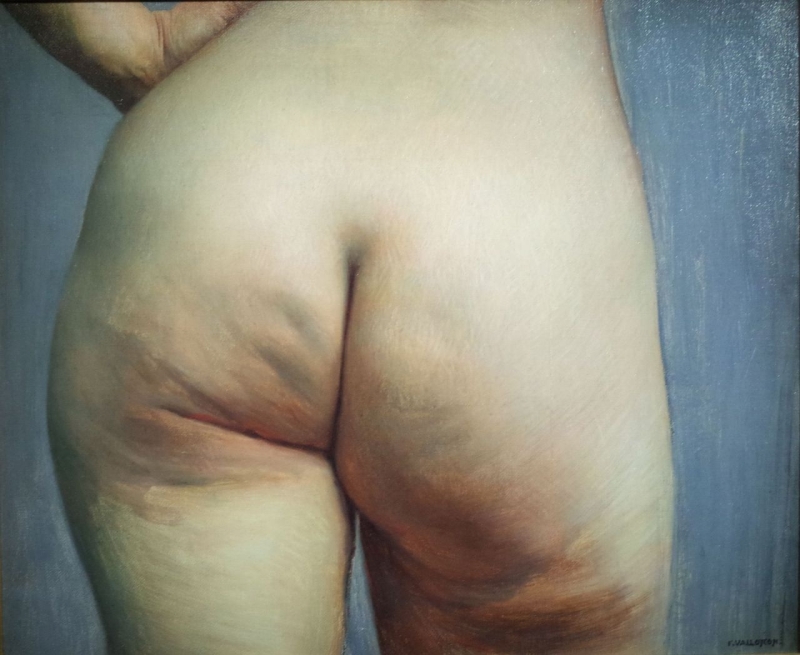
Fig.1 Felix Vallotton, Study of Buttocks (Étude de fesses), c.1884
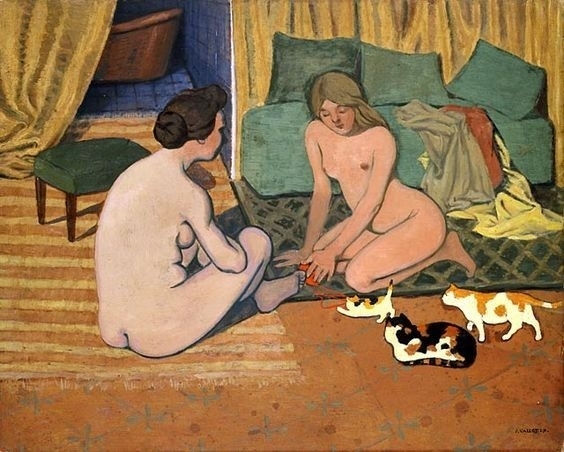
Fig.2 Felix Vallotton, Nude and Cats, 1898
Study of Thighs
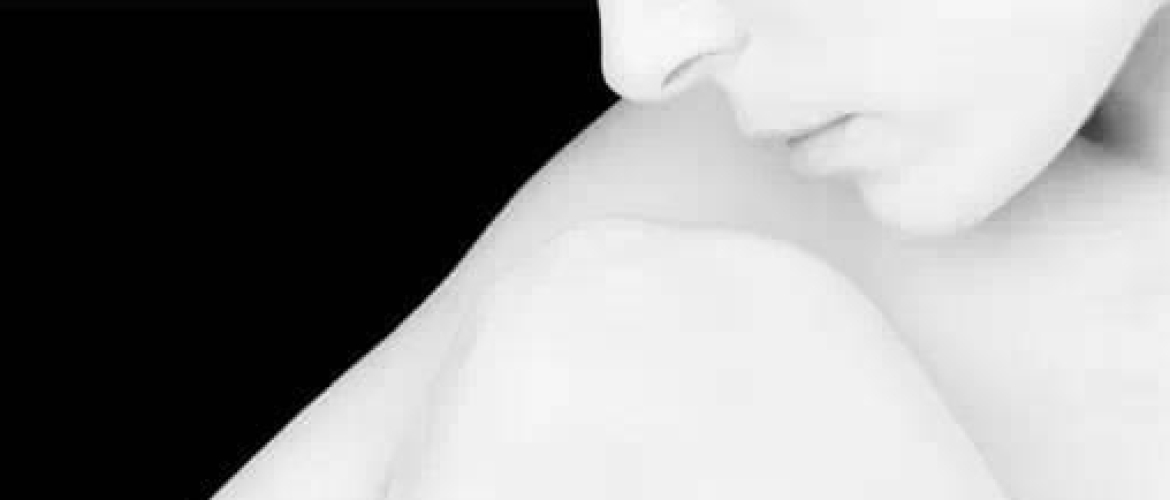
Eroticism in Vallotton's work begins with his unusual treatment of the human body. Unlike many 19th century academic painters, he rarely idealised anatomy according to classical standards. His figures possess weight, volume and sometimes awkward physicality. Flesh folds, compresses and occupies space with convincing material presence. In works such as ‘Study of Thighs’, seen in Fig.1., the body becomes an object of intense observation. The body is cropped, we don’t see the entire women but we see the part that Vallotton thought was most interesting to explore, to paint, to show us. The painting's cropped viewpoint eliminates narrative distraction and concentrates attention on texture, mass and form. Desire emerges not through mythological pretence but through the sheer reality of flesh; its ugliness, its cellulite and also its appeal.
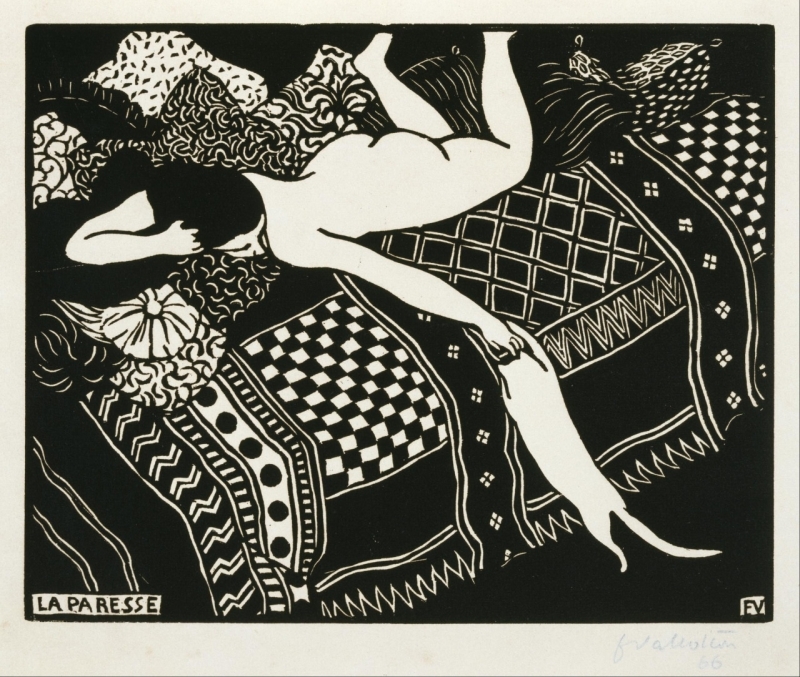
Fig.3 Félix Vallotton, Laziness, 1896
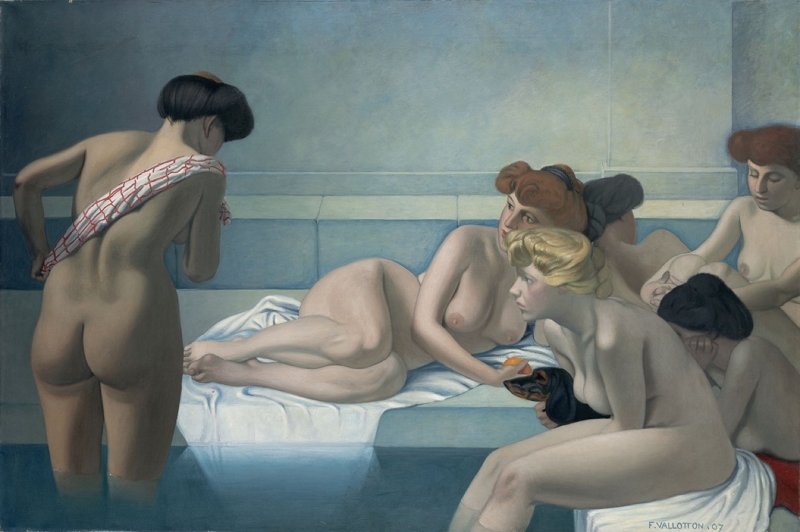
Fig.4 Félix Vallotton, The Turkish Bath, 1907
Linked To Mystery
Yet Vallotton was never simply a realist. His eroticism is inseparable from psychological ambiguity. Many of his paintings present figures who appear emotionally detached from one another. Lovers share rooms without apparent intimacy. Women sit naked while remaining absorbed in private thoughts. This emotional distance creates a peculiar tension. The viewer is granted visual access to bodies but denied psychological access to minds. Consequently, erotic desire becomes linked to mystery, uncertainty, and frustration. This tendency distinguishes Vallotton from artists who treated the nude primarily as an aesthetic ideal. His women often seem self-contained rather than available. In paintings such as ‘Nude Women and Cats’, seen in Fig.2., nudity does not automatically imply sexual openness. Instead, the figures inhabit a private world into which the viewer enters only as an observer. The resulting atmosphere is simultaneously intimate and alienating.
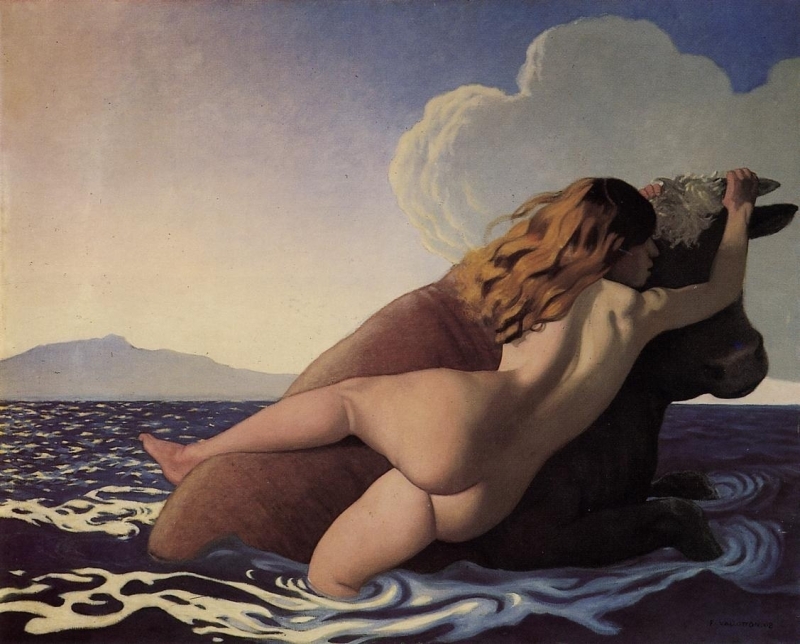
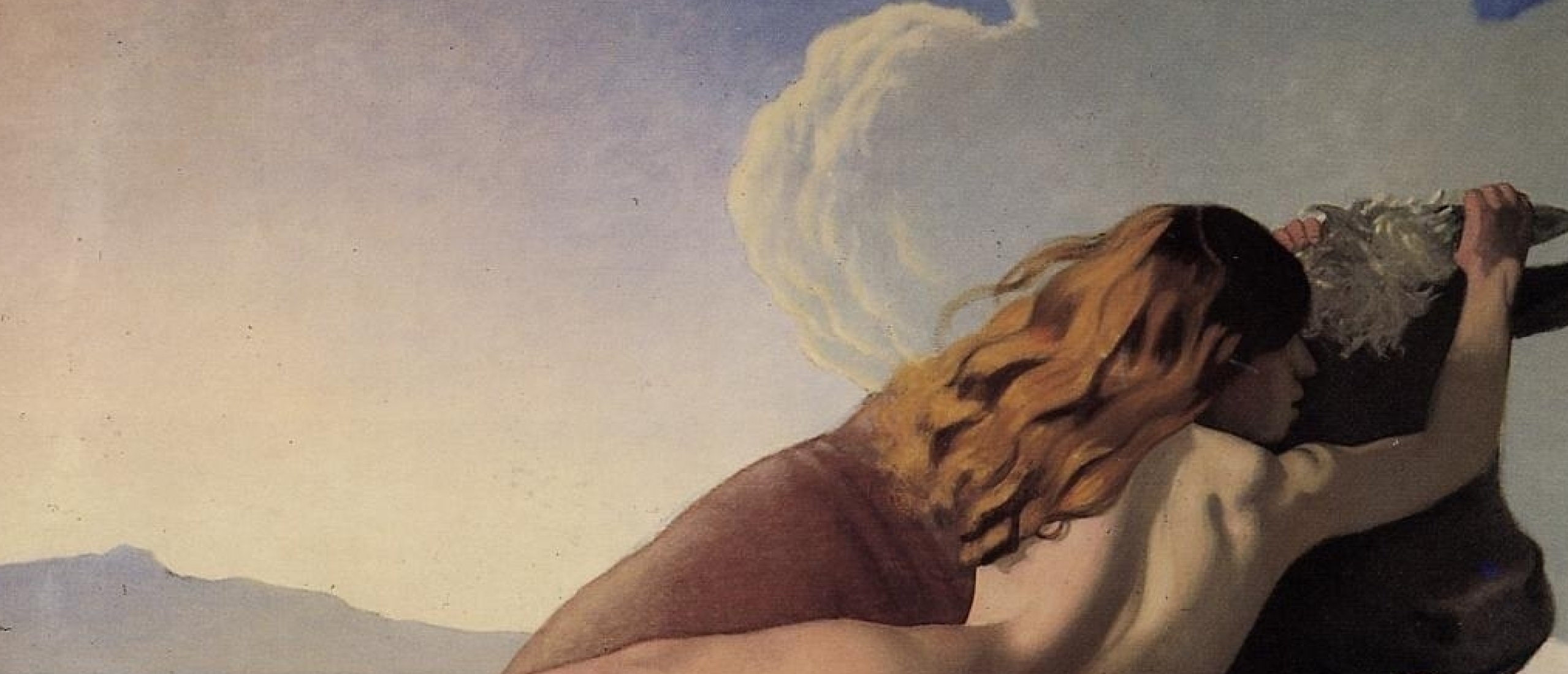
Fig.5 Félix Vallotton, The Rape of Europa, 1908
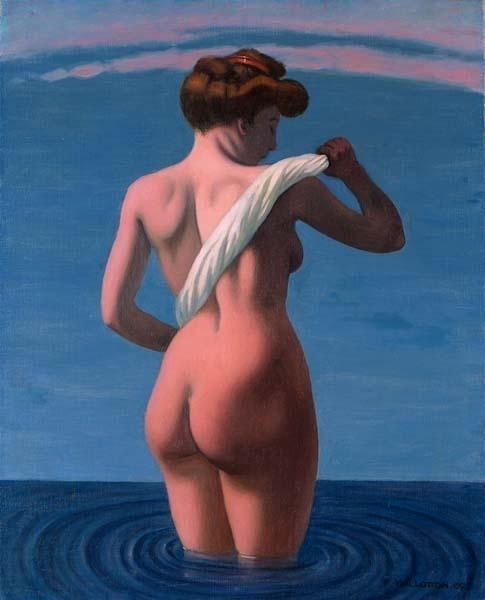
Fig.6 Felix Vallotton, Bather, 1908
Sense of Voyeurism
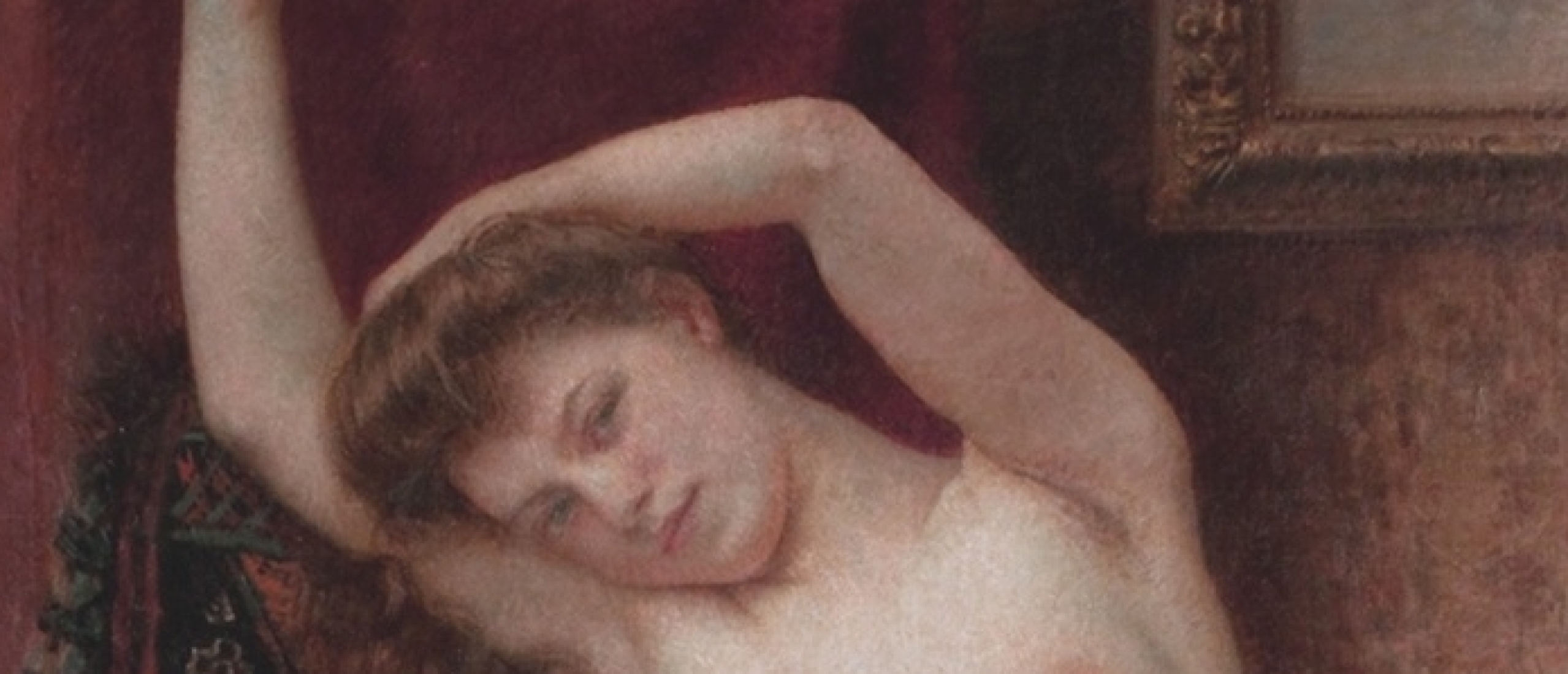
Another characteristic feature of Vallotton's erotic art is its grounding in modern domestic life. Rather than locating sensuality in distant mythological realms, he frequently places it within bedrooms, salons, bathrooms and bourgeois interiors. These settings transform eroticism into part of everyday existence. Curtains, carpets, furniture and decorative surfaces become active participants in the emotional structure of the image. The contrast between ordinary surroundings and naked bodies heightens the sense of voyeurism and psychological complexity. Such is the case with paintings seen in Laziness (Fig.3) and Nude in the Red Armchair (Fig.8), to give a few examples. Laziness is a woodcut which show a nude, idle woman lying on the bed, surrounded by soft decorative cushions. The idleness is something that the fin de siècle painters loved to explore, as we have seen in the art of Bonnard and others.
Vallotton's experience as a printmaker also shaped his treatment of erotic themes. His celebrated woodcuts often reduce forms to stark contrasts of black and white. This graphic sensibility carried over into his paintings, where sharply defined contours and flattened spaces create a feeling of visual tension. Bodies become both sensual objects and formal arrangements. The viewer is encouraged to contemplate composition as much as desire.
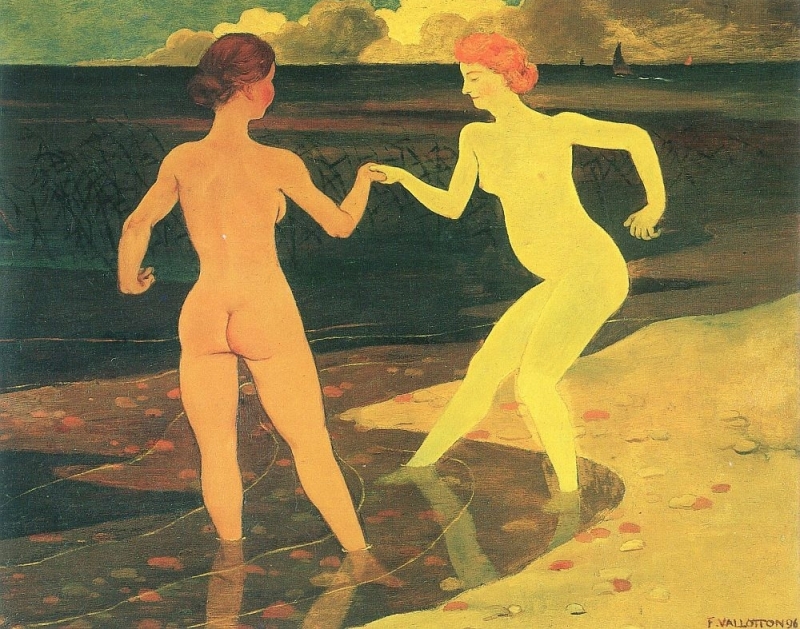
Fig.7 Felix Vallotton, The Mistress and the Servant, 1896
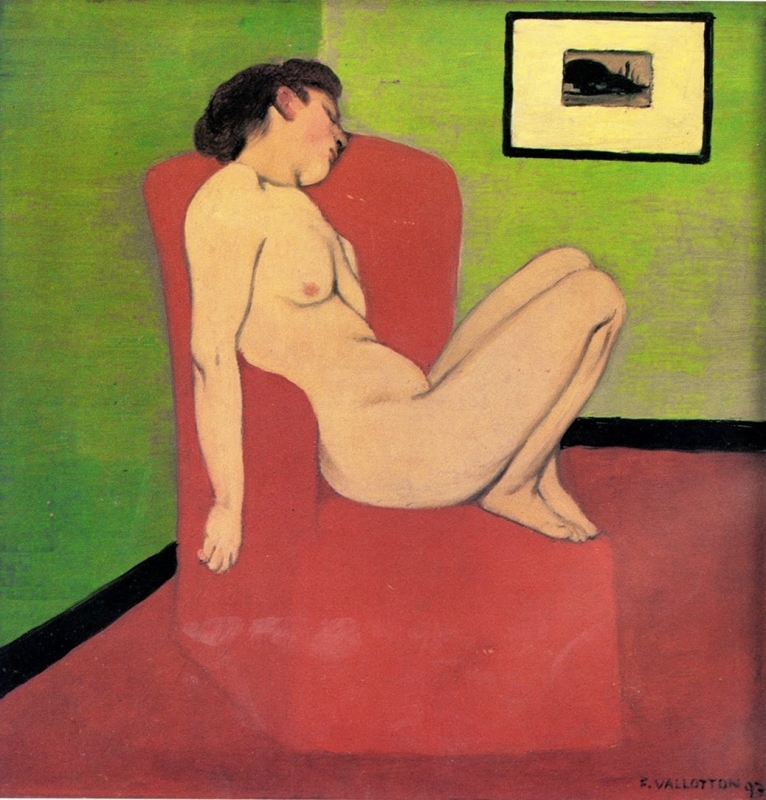
Fig.8 Félix Vallotton, Nu au Fauteuil Rouge (Nude in the Red Armchair), 1897
Continue reading in Premium and learn more about Vallotton's themes in his painting "The Rape of Europa ", his use of the classic ‘hero saves a pretty maiden’ trope, his remake of Manet’s famous ‘Olympia ’ painting, and MUCH more...!!
Click HERE for an earlier article about the bathers of Félix Vallotton
Let us know your opinion about Vallotton's erotica in the comment box below...!!