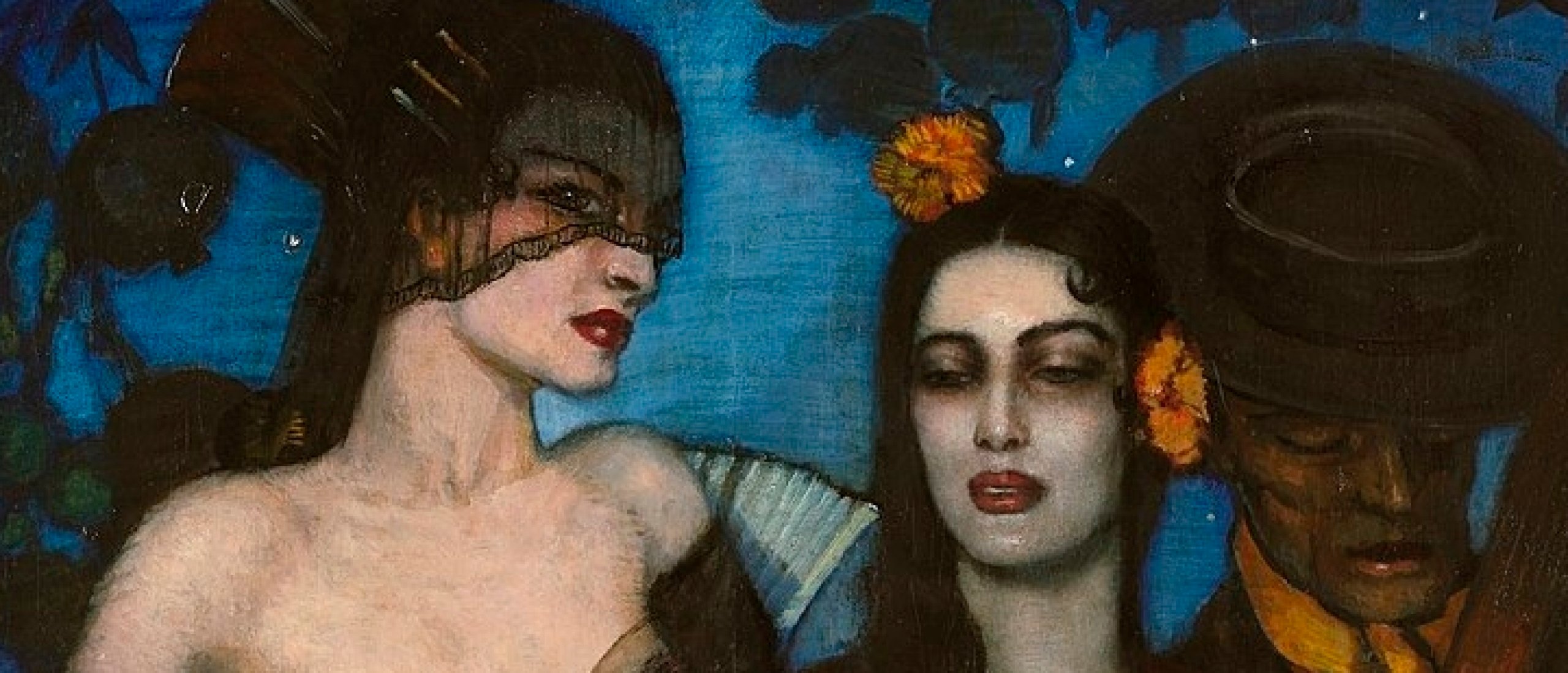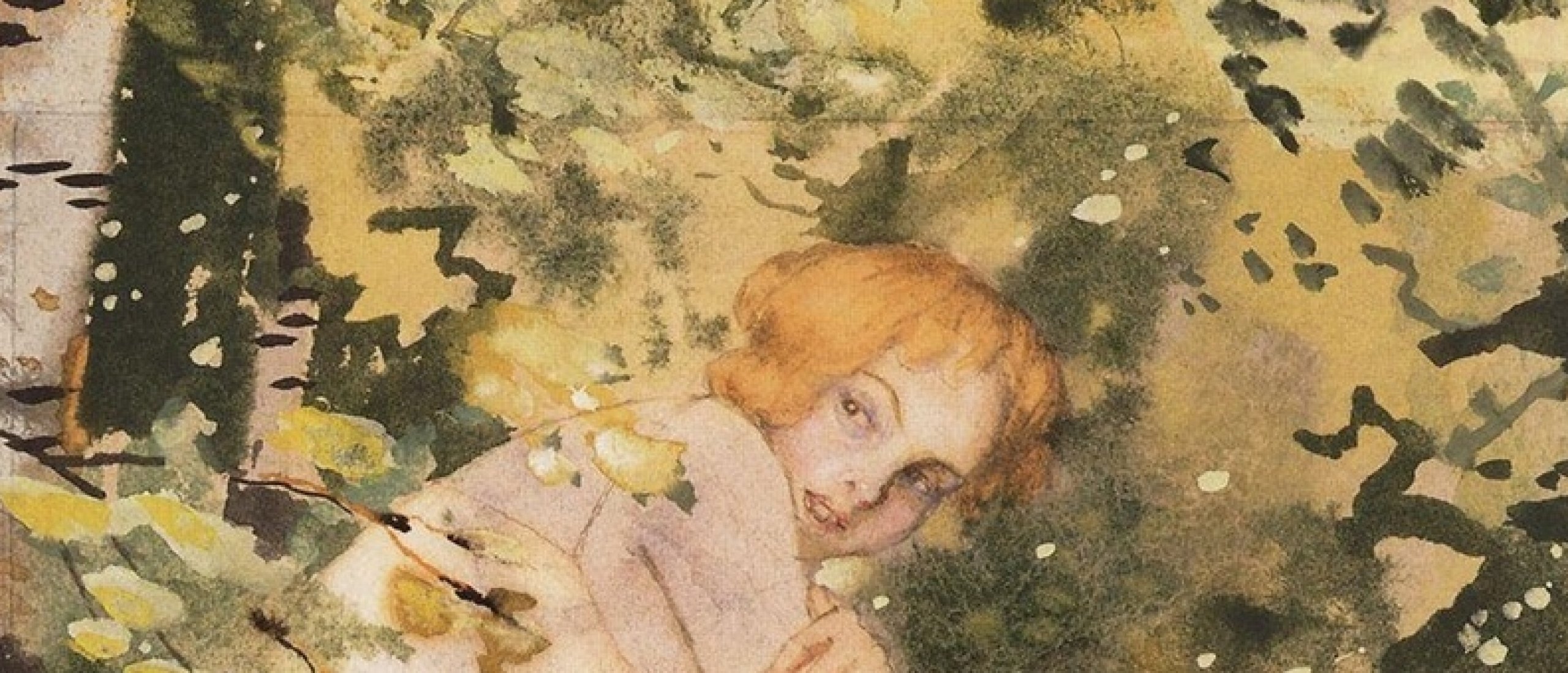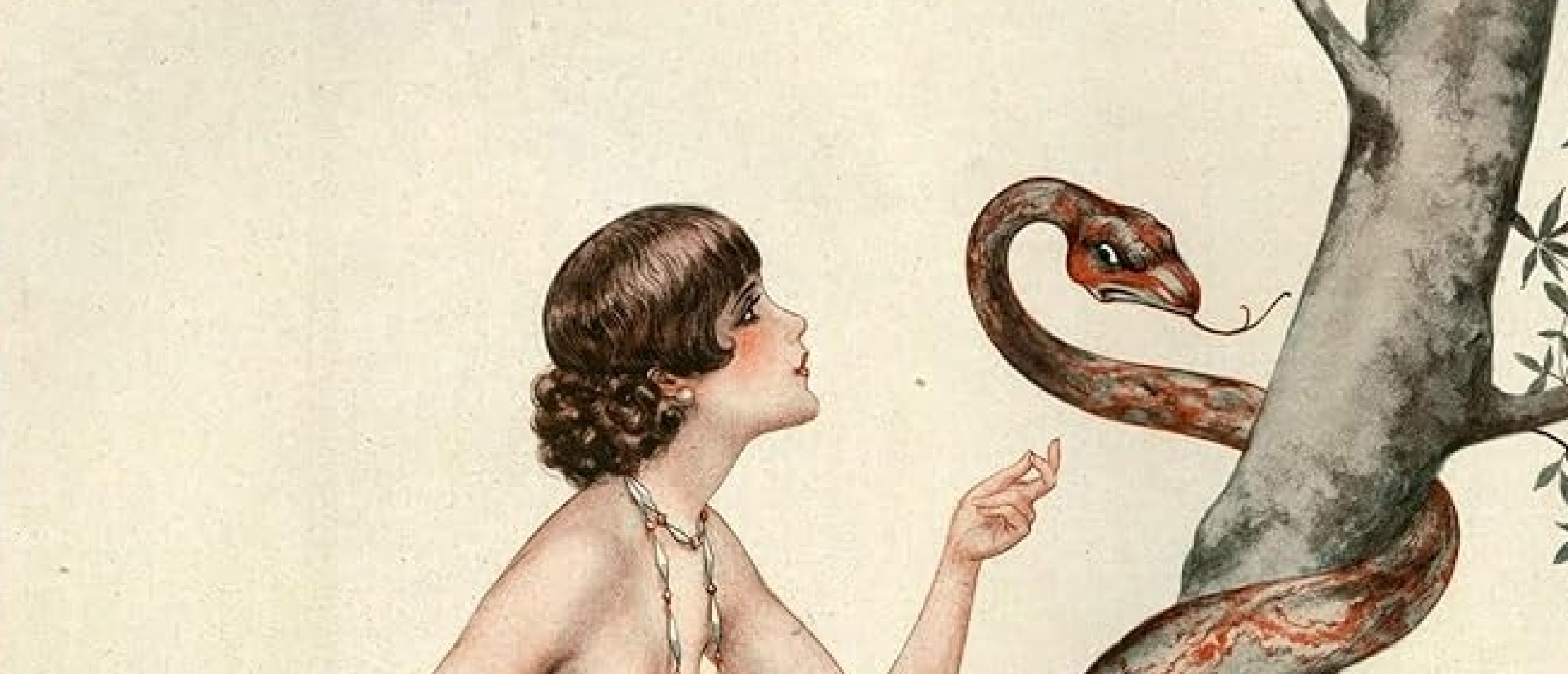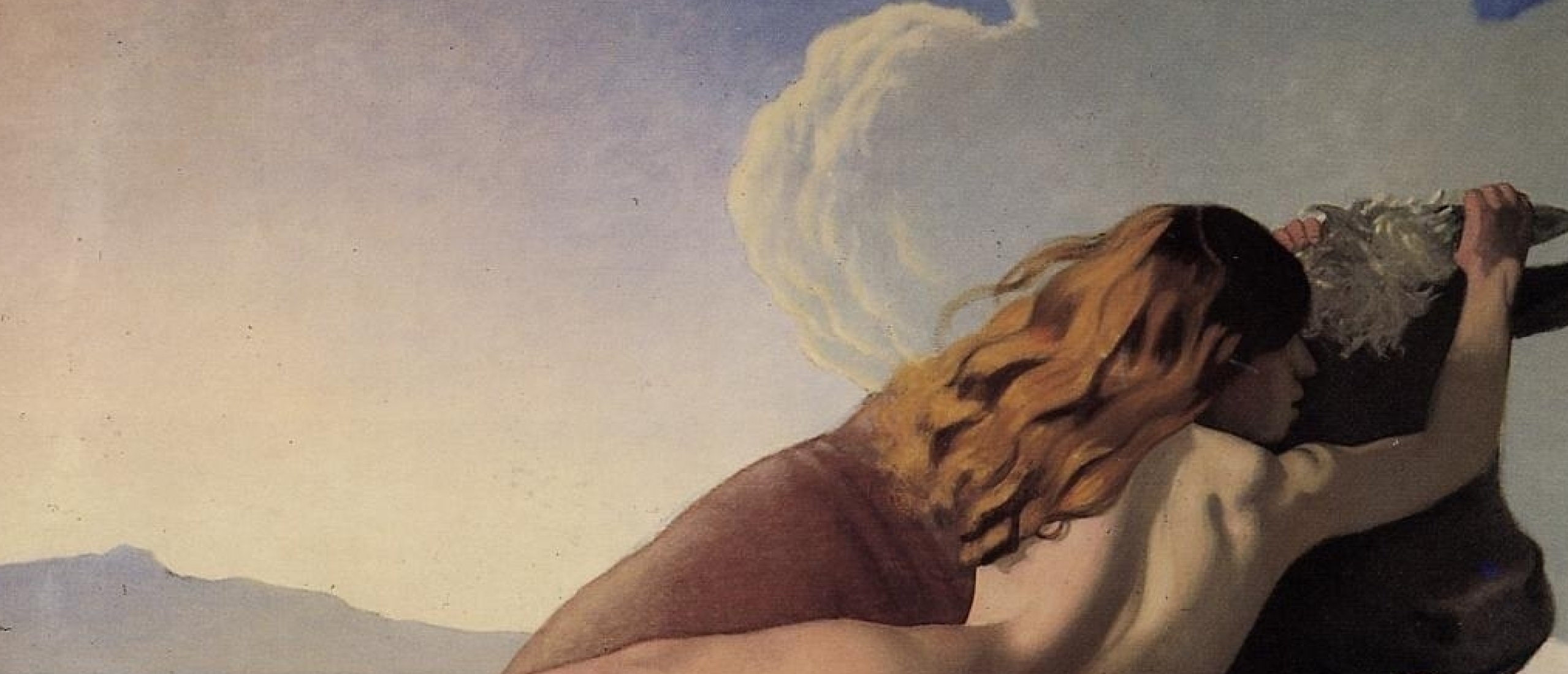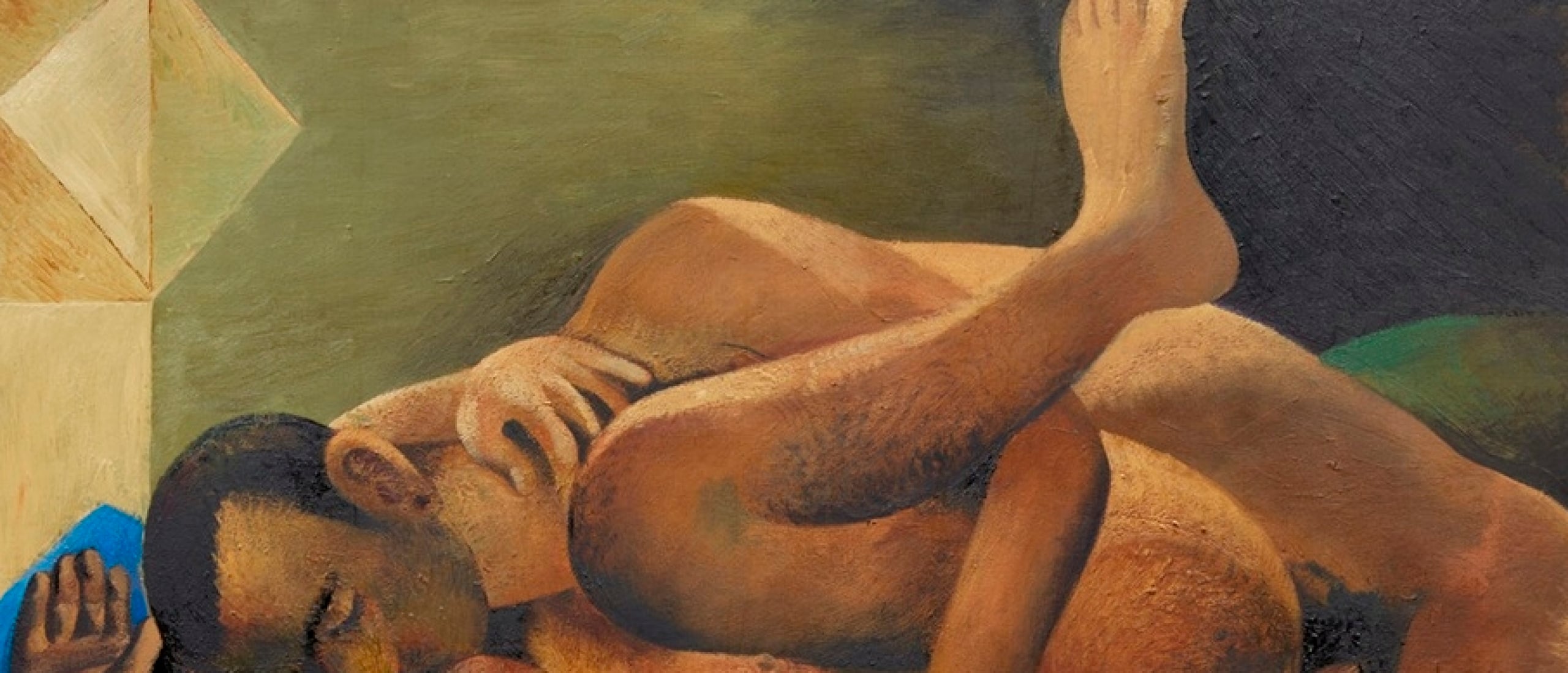
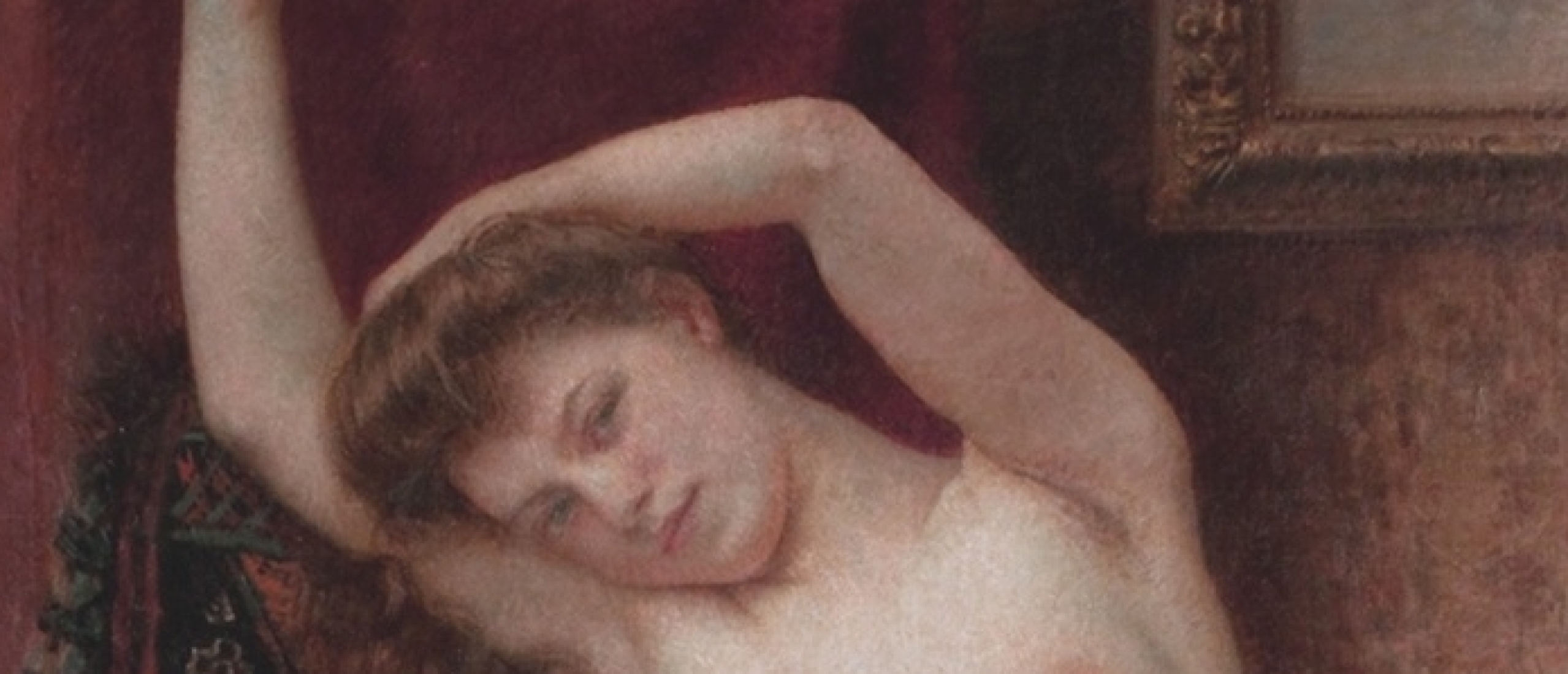

Vlaho Bukovac (1855–1922) is one of Croatia’s most celebrated painters and is often remembered as a pioneer of modern art in Croatia. Bukovac was a cosmopolitan figure whose career spanned Paris, Zagreb, Cavtat, and Prague, and his travels spanned even further, all the way to San Francisco, Peru, and New York. A true master of light and colour, he is often seen as a transitional figure between academic realism and modernist tendencies. And still, underneath his national significance and his technical mastery lies a thread of eroticism, one that is pulsating quietly, but unmistakably, throughout his oeuvre. The eroticism in his work doesn’t shout or provoke or impose itself, instead it murmurs quietly. It is more fin-de-siècle than explicit, more suggestive than sensational. The sensuality in Bukovac’s nude portraits is wrapped in lace, softened by Mediterranean light, and often disguised in mythology or allegory. His paintings invite not voyeurism, but contemplation, a more tender, idealised form of desire.
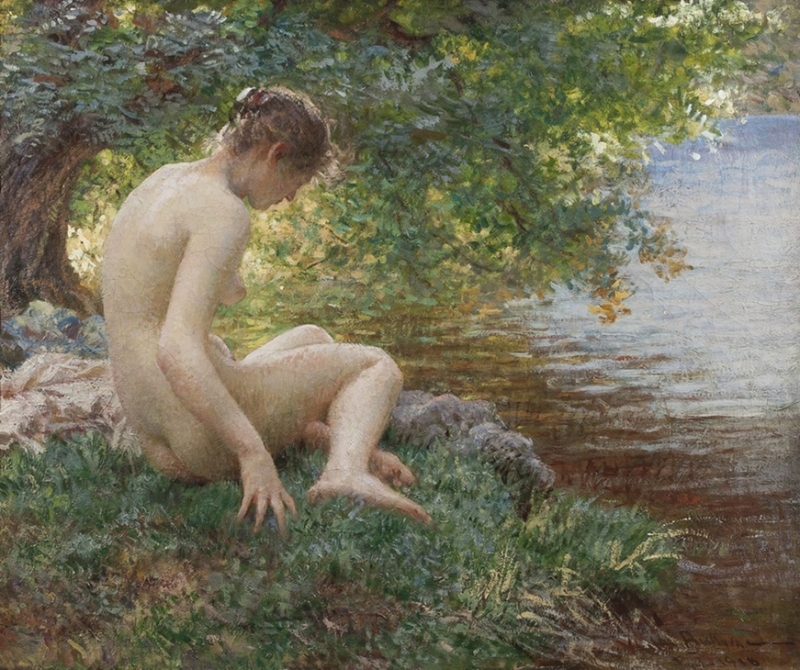
Fig.1 Sunny Day, 1908
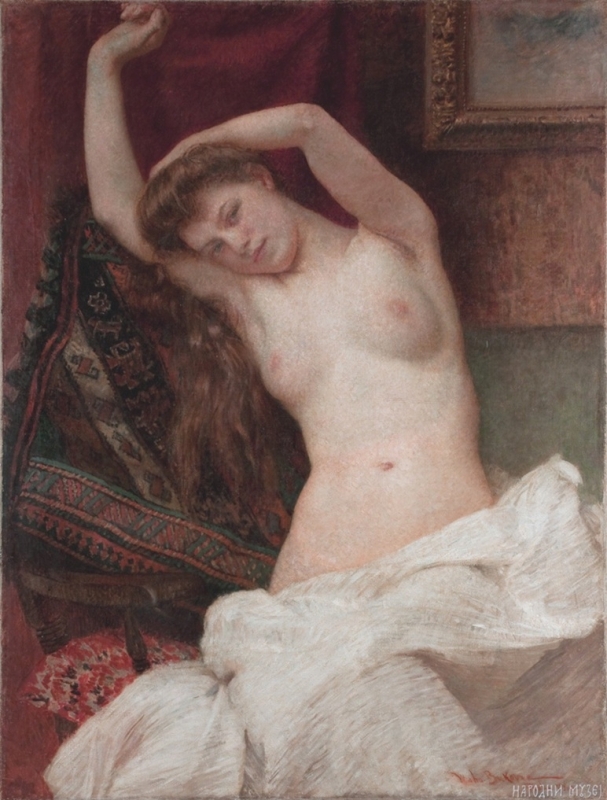
Fig.2 Awakened
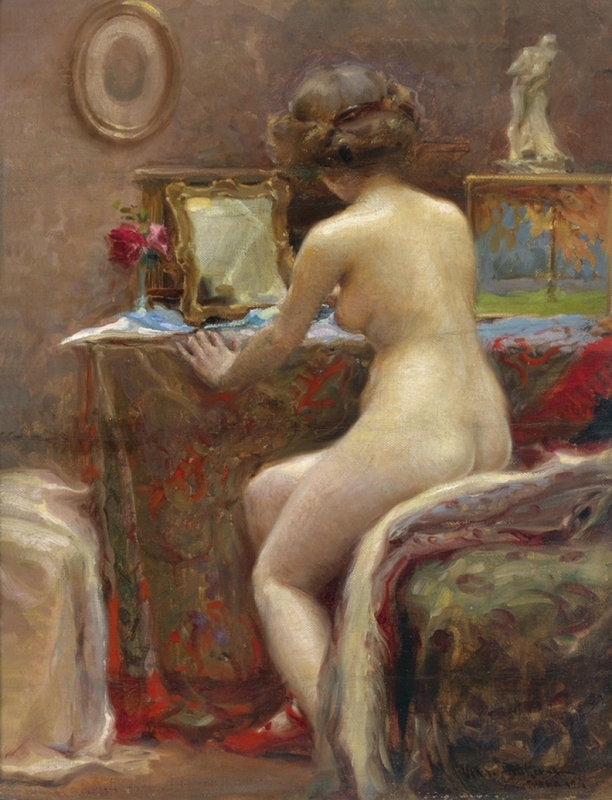
Fig.3 In front of the toilet mirror, 1914
Post-Coital Reverie
Bukovac’s artistic path as a painter is the path that led from Parisian influence to finding his own personal expression. Bukovac trained at the prestigious École des Beaux-Arts in Paris under Alexandre Cabanel, a master of academic nudes and scenes of mythological seduction. In this context, Bukovac absorbed the codes of the ‘grand nu féminin’: the female nude rendered in allegorical, classical, or biblical terms to both justify and elevate erotic content. In this sense, the nudes that Bukovac painted aren’t really provocative in the way the nudes painted by Henri de Toulouse-Lautrec are. Paintings seen in Fig.8. ‘The Flower’ and the Odalisque seen in Fig.5. are great examples of this early Parisian influence. In both of these paintings Bukovac embraces the sensual potential of the female body. Even when he paints voluptuous curves, pale skin bathed in golden light, and languid poses that hint at post-coital reverie or dreamy introspection, there is an emotional intelligence in how he treats his subjects. His nudes are rarely mere objects of male desire; no, they are ethereal, self-contained, often possessing a look of gentle sadness. These women do not seduce with aggression; they mesmerise with serenity.
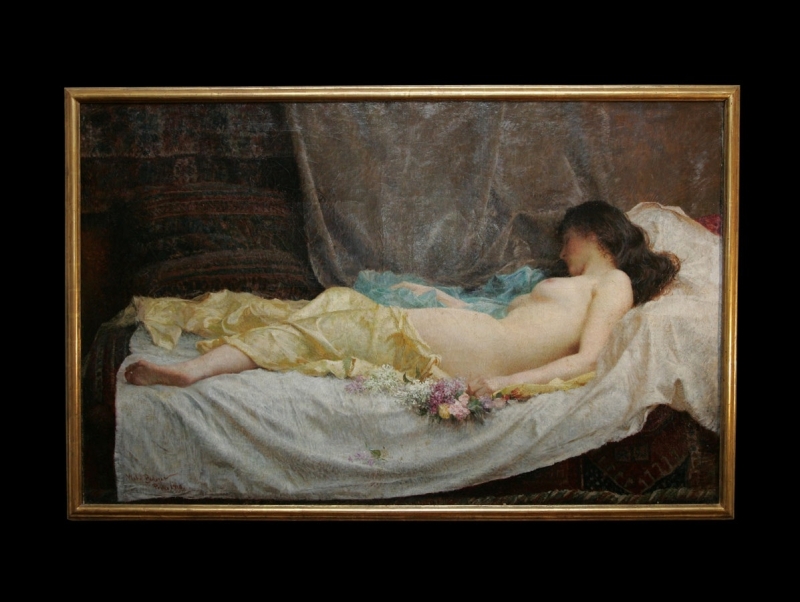
Fig.4 Pink Dream, 1916
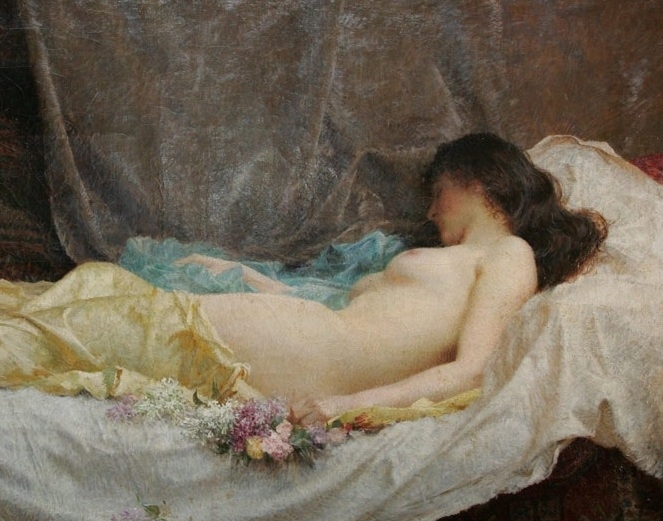
Fig.4a
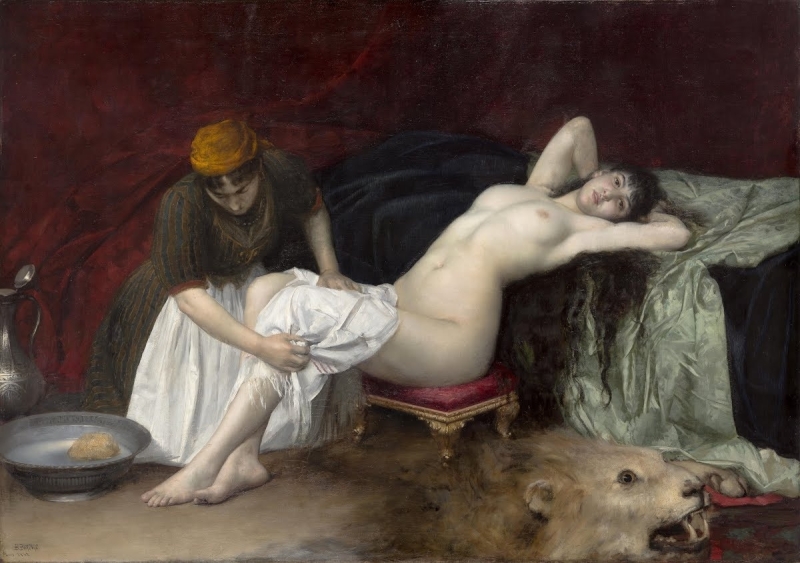
Fig.5 Odalisque, 1882
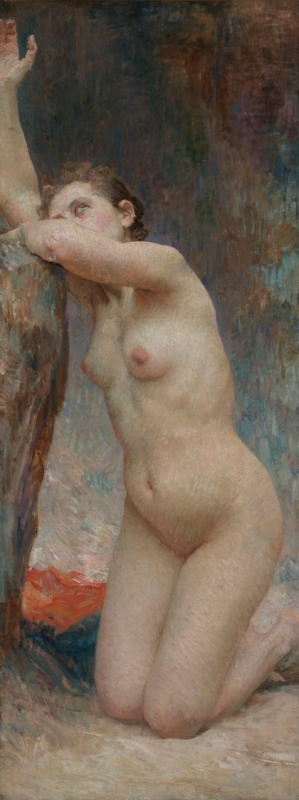
Fig.6 Magdalena,. 1898
Sweet Moments of Leisure
What distinguishes Bukovac’s eroticism is not just the female nude, but the treatment of light and texture. Bukovac mastered the interplay of skin and sunlight, of shadow and silk. He often painted his female subjects in soft, diffused Mediterranean light, where eroticism is inseparable from warmth, ease, and the sensory world. We might even compare the mood of his paintings with the Italian phrase ‘dolce far niente’ which means ‘sweet doing nothing’. Bukovac’s ladies such as the nude ladies in a sunny outdoor setting in Fig.1 or the freshly awakened beauty in Fig.2. are all enjoying the sweet moments of leisure.
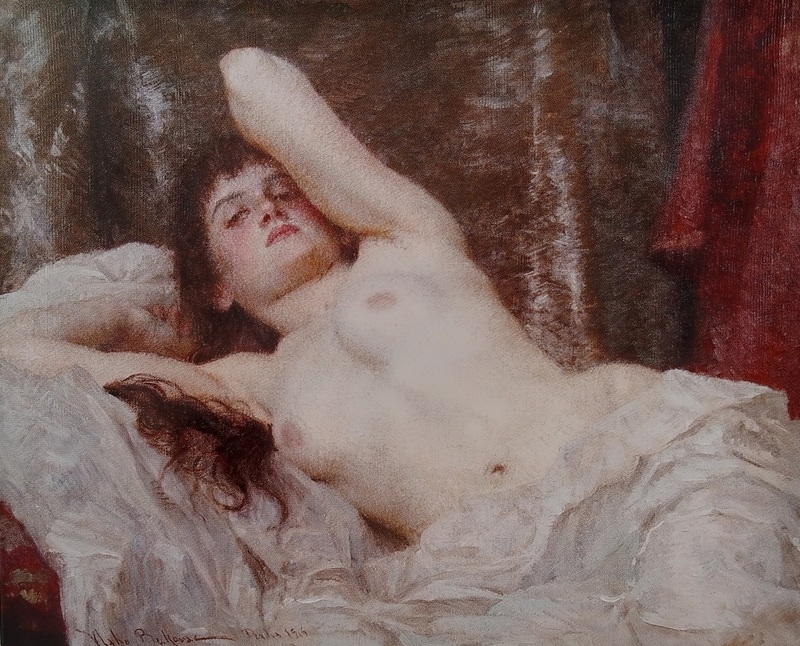
Fig.7 Half Nude Young Girl, 1916
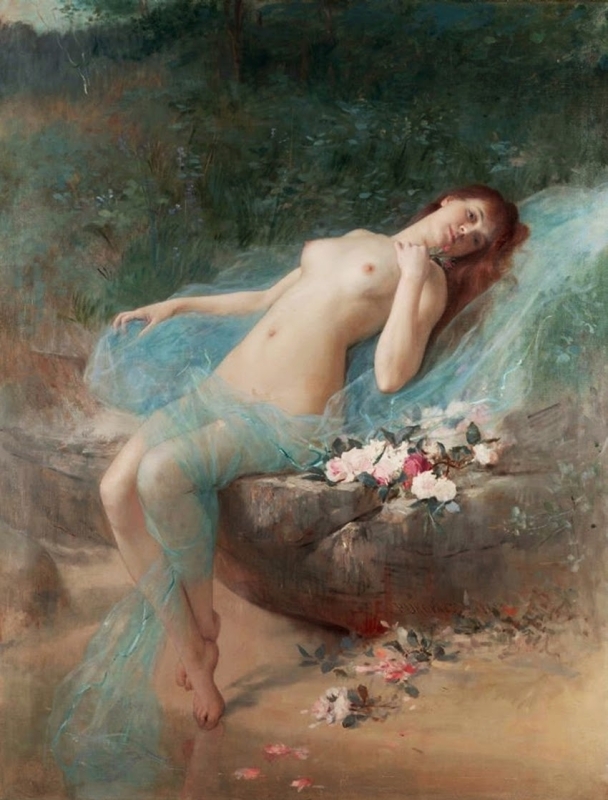
Fig.8 A Flower, 1887
In Premium you can discover an analysis of the female bodies in Bukovac's paintings, an extensive review of his painting 'The Fall of Icarus’, Bukovac's language of intimacy, his delicacy of tone and MUCH more...!!
Click HERE for the sensual delirium of Russian Symbolist Nicholas Kalmakoff
What are your thoughts about Bukovac's paintings? Leave your reaction in the comment box below...!!