
The Delicious Secretiveness of Instant Photography: Thoughts on The Polaroids of Carlo Mollino
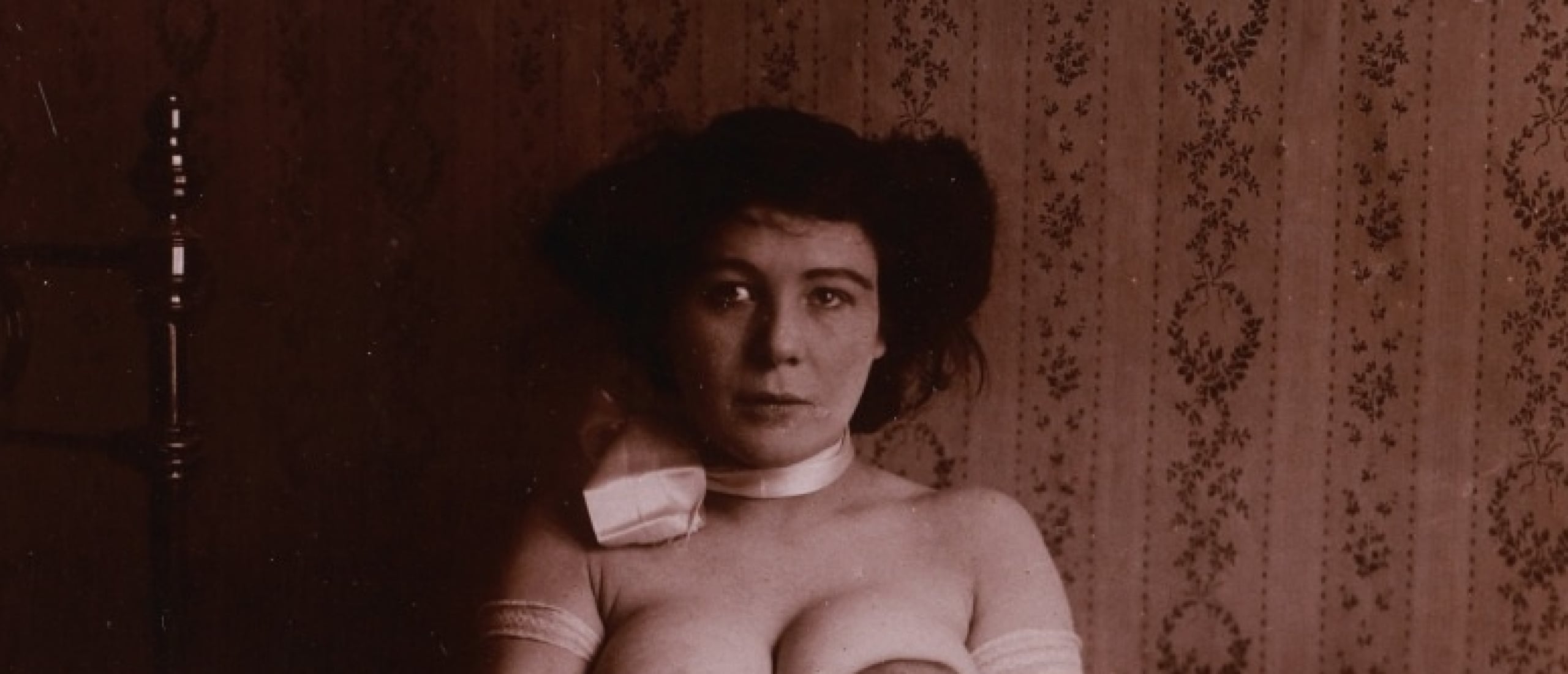
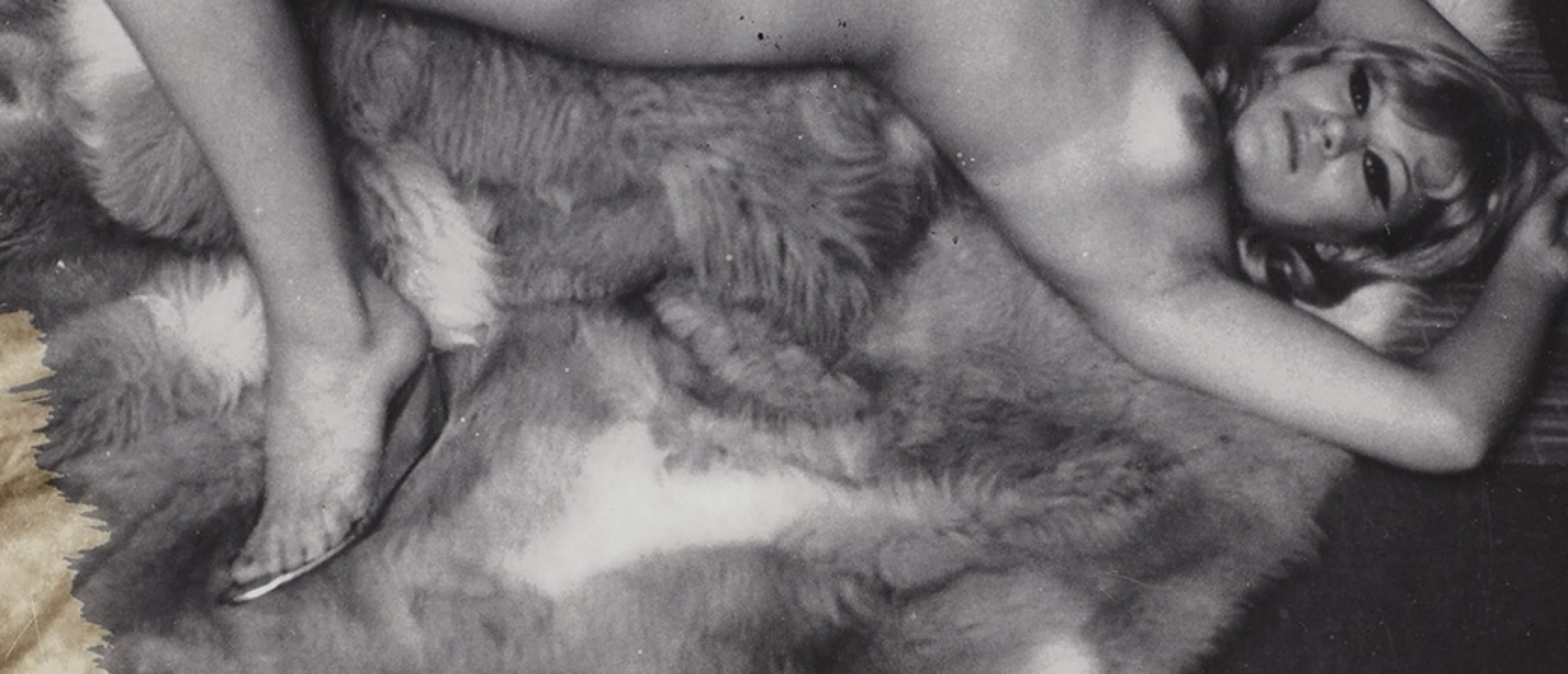
The Polaroid nude photographs of Italian artist, architect, designer, and photographer Carlo Mollino is becoming, year by year, a more significant canon of erotic photography, appearing in online essay upon online essay. It is an intriguing idea that an artist, leaving a large body of unseen erotic images, is then completely re-defined by this newly discovered body of work.
It teaches us that a private body of work can be as important to defining the significance of an artist; and more importantly in Mollino’s case, to allowing for erotic works in particular to be of major importance in an artist’s output as opposed to being of secondary consideration.
Mollino’s career is an eloquent example. His early nude photographs and later nude Polaroids were arguably a private passion. He had a long career as a major proponent of modern design in Italy but he is now mostly remembered for this secret body of photographic works.
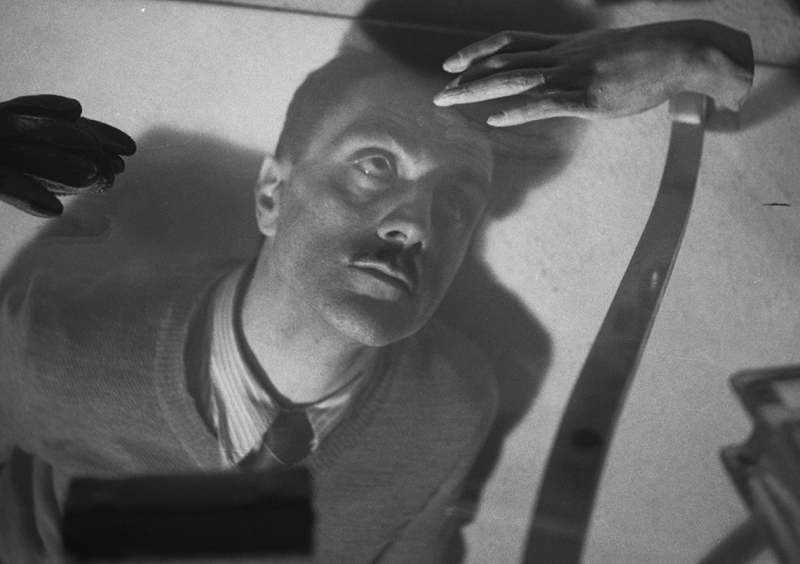
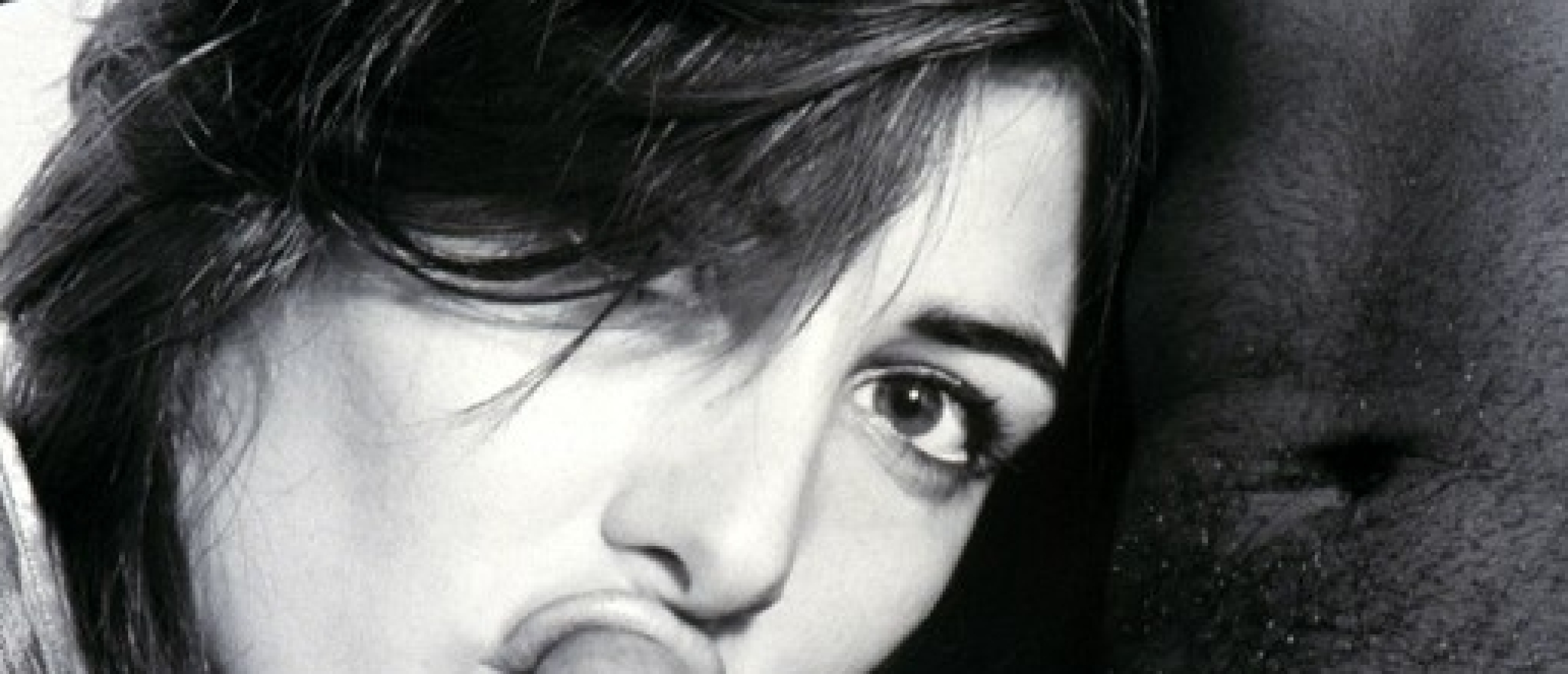
Fig 1 Portrait of Carlo Mollino
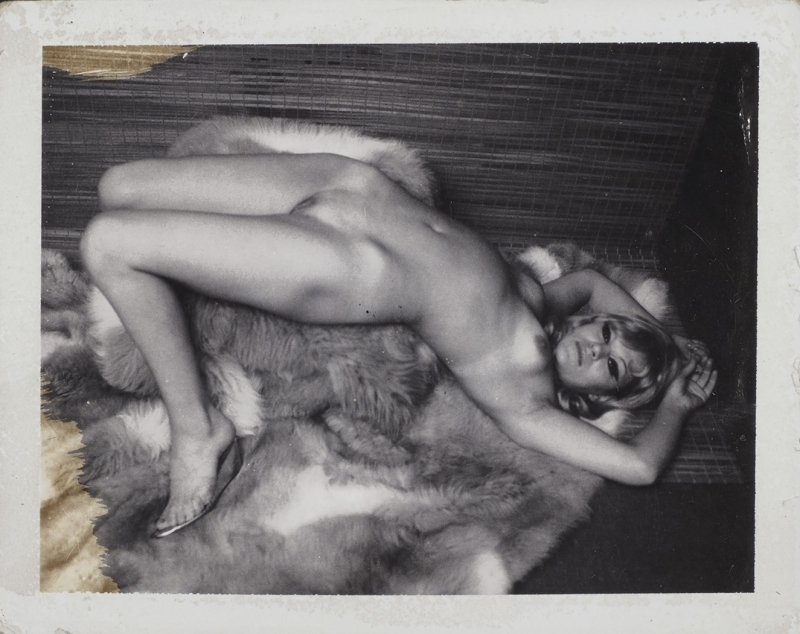
Fig 2. Carlo Mollino
Secret Bodies of Erotic Work
Carlo Mollino was born in 1905 in Turin, a major industrial city and cultural centre in northwest Italy. He had a long and successful career as an architect, as an industrial designer, as a writer and as a teacher. He had a life-long interest in photography but except for some forays as an editorial photographer, he kept his art (nude) photography mostly to himself.
What is it about secret bodies of erotic work that might help us understand not only our psychology toward the erotic but help understand eroticism as an integral part of the creative process for an artist? When will the notion of the private erotic motivations of artists become a central part in the understanding of an artist’s psychology as opposed to placing it in some recess of Freudian sexual abnormality disconnected from aesthetic theory?
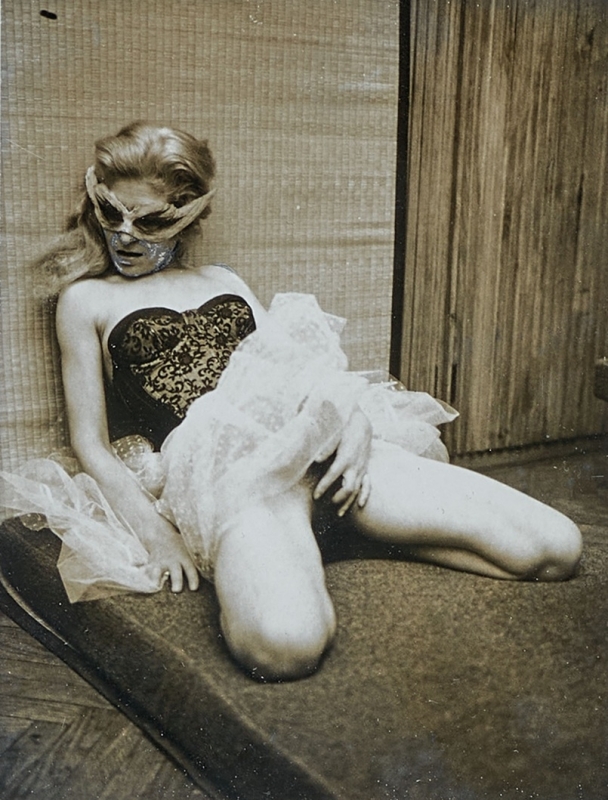
Fig 3 Carlo Mollino
Eroticism Is Always a Personal Geography.
How much place eroticism occupies in your psyche depends where you begin and like any voyage your senses and your ideas grow and change with the experiences you encounter. If you are an artist your discoveries and experiences shape your thoughts, how you approach your own work, and how you present it publicly as time goes by. But it remains a deeply personal experience, especially when you are making erotic imagery. So personal in fact that sometimes you just pull away and keep it to yourself. You pursue things that an audience can more easily understand but is often the work people know you for that is really secondary. Like the advertising work you do to pay the bills. But you can’t be bothered to explain yourself. Deep inside, you know who you are.
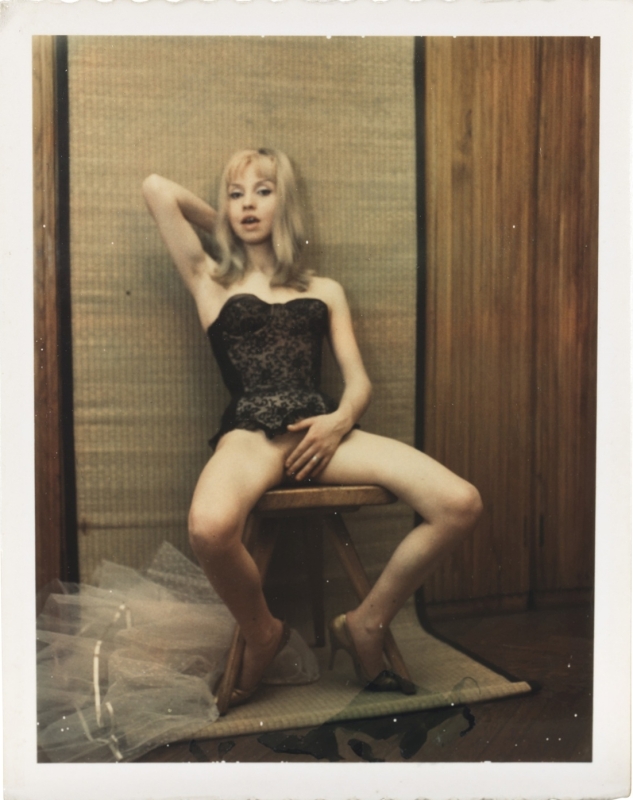
Fig 4 Carlo Mollino
Deepest Erotic Thoughts
The obstacles are easy to understand, social acceptance, moral and religious oppression and so on. Unless you are part of a community that shares your values you often have a direct interest in censoring your deepest erotic thoughts. Think of American photographer Robert Mapplethorpe. After years of being relegated to the category of gay art, it was only after his death that his work began to be accepted in the mainstream. Mapplethorpe too, in the 1970’s, had used Polaroid as a mean of achieving intimacy in his work. Mapplethorpe made hundreds of Polaroids between 1970-75, using the instant camera to experiment with his subject matter and develop his skills as a photographer. The 1973 Polaroids below, displayed in plastic mounts that Mapplethorpe hand painted, are portraits of Candy Darling, an actress and cultural icon of that period.
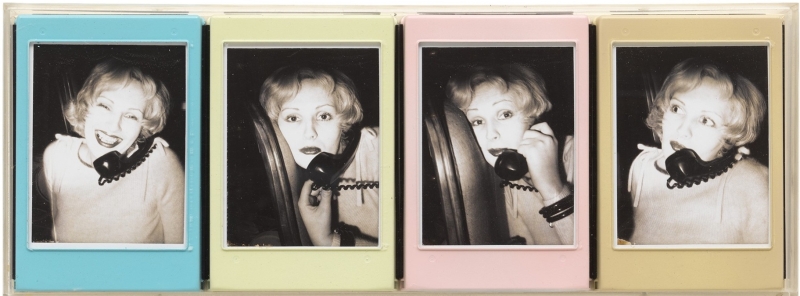
Fig. 5 Robert Mapplethorpe, Candy Darling.
The Delicious Privacy of Polaroids
Technology has always propelled art, and erotic art, forward. In the 15th century the Guggenheim Press gave more access to text and images. Later, pushing the boundaries of painting and the printed image, film and photography opened new horizons. In the 1970’s and in the 1980’s, with access to personal use video cameras and polaroid film, the public was able to imagine and push their personal erotic worlds even more. Today of course that has expanded from the art we enjoy on sites like this one to the amateur productions consumed on pornography sites. Only the imagination of the artist and the aesthetic value he or she brings to it, and the ability of the viewer to distinguish one from the other, separates art from porn. The Polaroid image has persisted as an important form in art, in commercial photography, and for personal uses.
Before digital photography, the polaroid was used in commercial photography to establish or to confirm exposure. But the ghost image of the actual photograph made by the photographer, seductive as it was, was often used in editorial spreads. Think of the value now placed on Polaroids by fashion photographer Helmut Newton. In the 1970’s and the 1980’s, American artist Andy Warhol and British artist David Hockney pushed the boundaries of fine art photography by making works using Polaroid images exclusively. Those works too have become of enormous value, not only monetarily but as a defining form in the work of the artist.
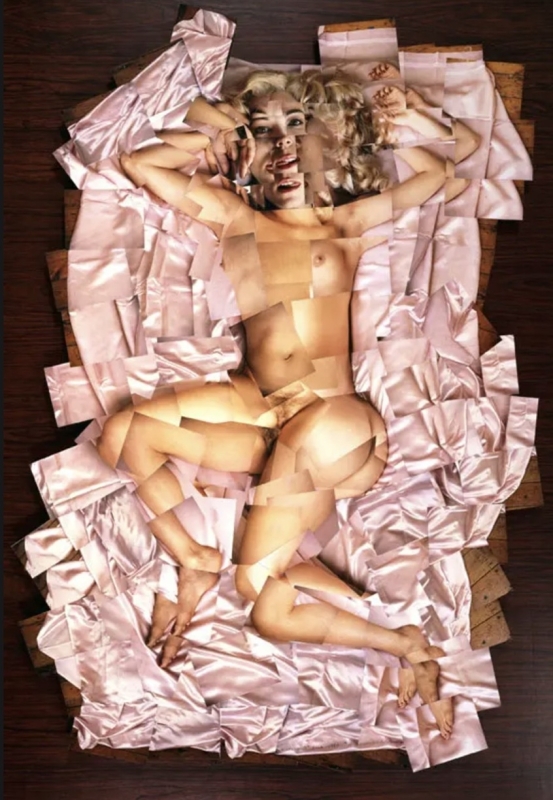
Fig. 6 David Hockney, Nude, 1984
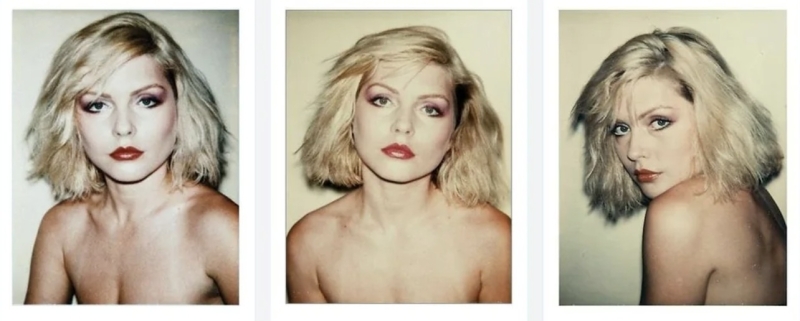
Fig. 7 Andy Warhol
Become a Premium now an enjoy the complete article including more on the direct intimacy of the Polaroid, the surrealist aspects in Mollino's work, the artist’s studio as a place of adult fairy tales, 1935 to 1955, the “Leica” studio – nude photography 1955, Studio 3 Villa Zaira, The Polaroids 1962 – 1973, the secret Is Out [The Shoebox]. Ushabdis, and MORE.....!!
Click HERE for the publication "The Ambiguity of Nudity Revealed: David Lynch's Books of Nudes"
Let us know your thoughts about Mollino's Polaroids in the comment box below...!!