
The Grotesque Archeology: Eroticism And the Supernatural In the Art Of Koji Kitahara
THE BRIDGE BETWEEN ERAS
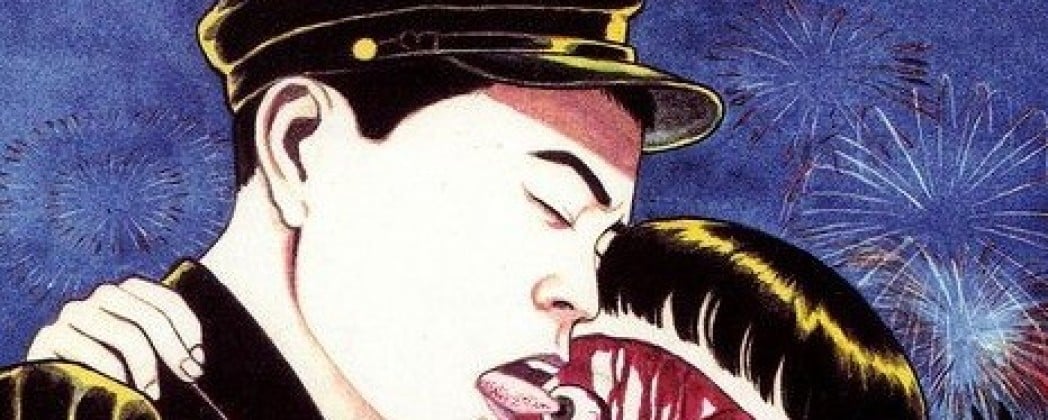
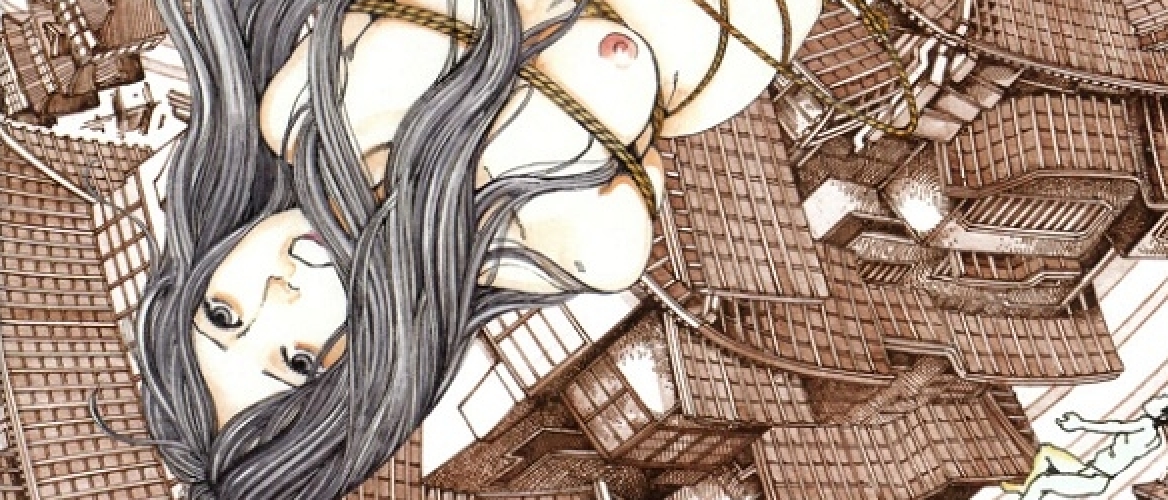
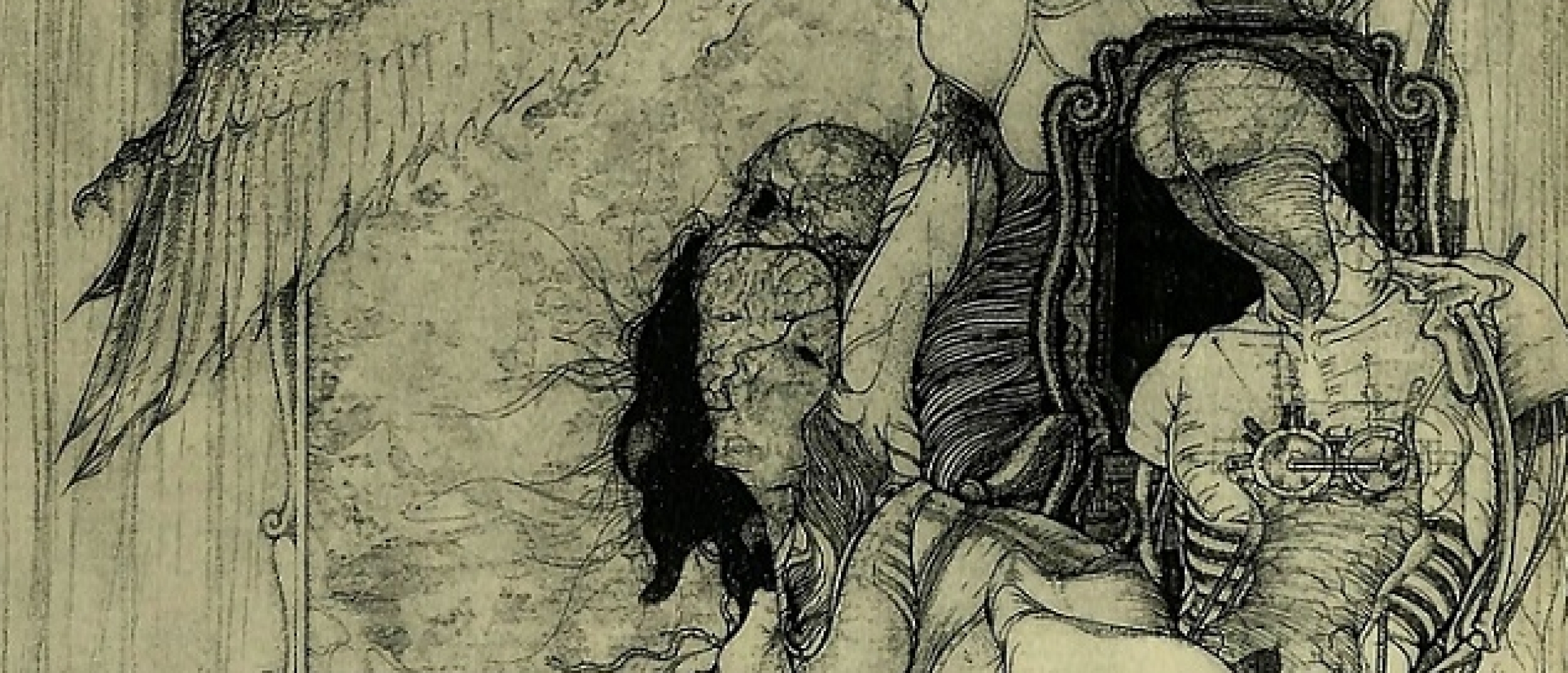
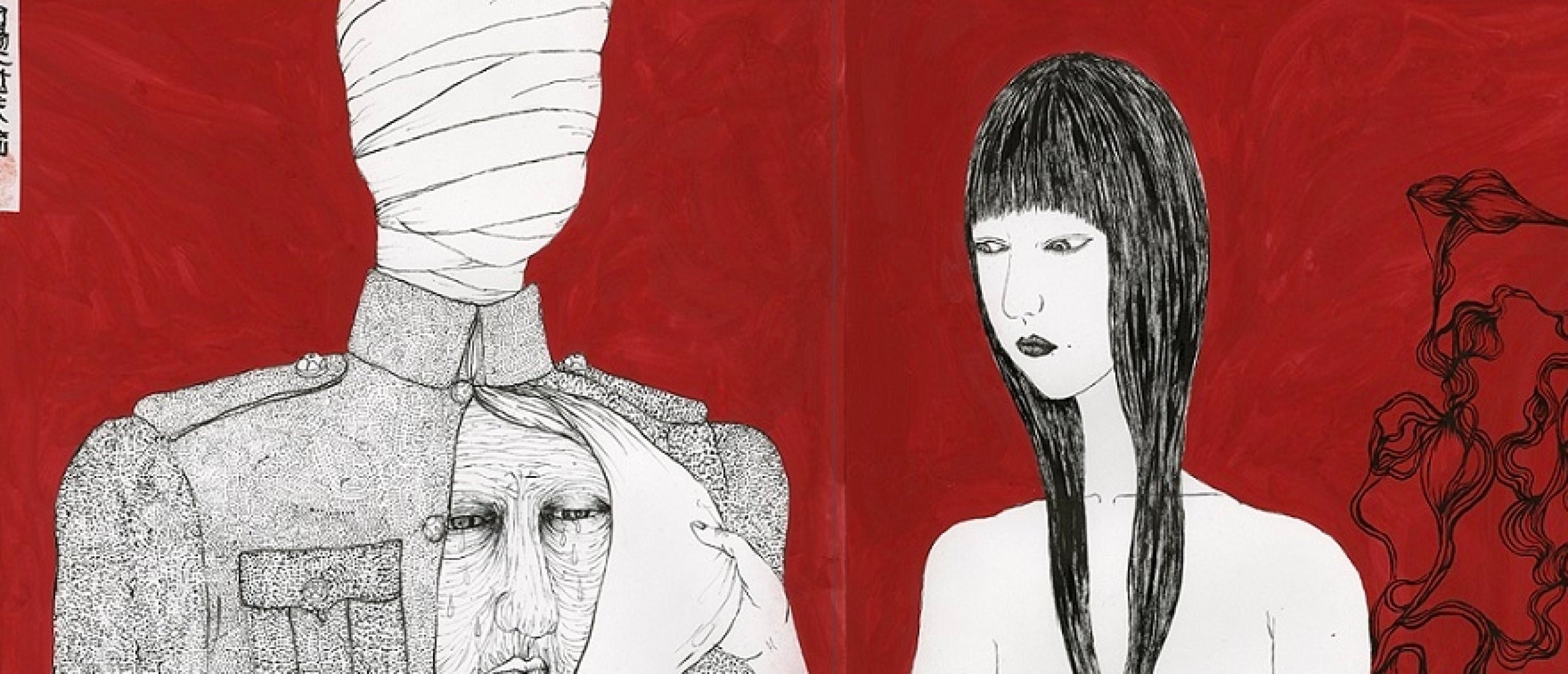
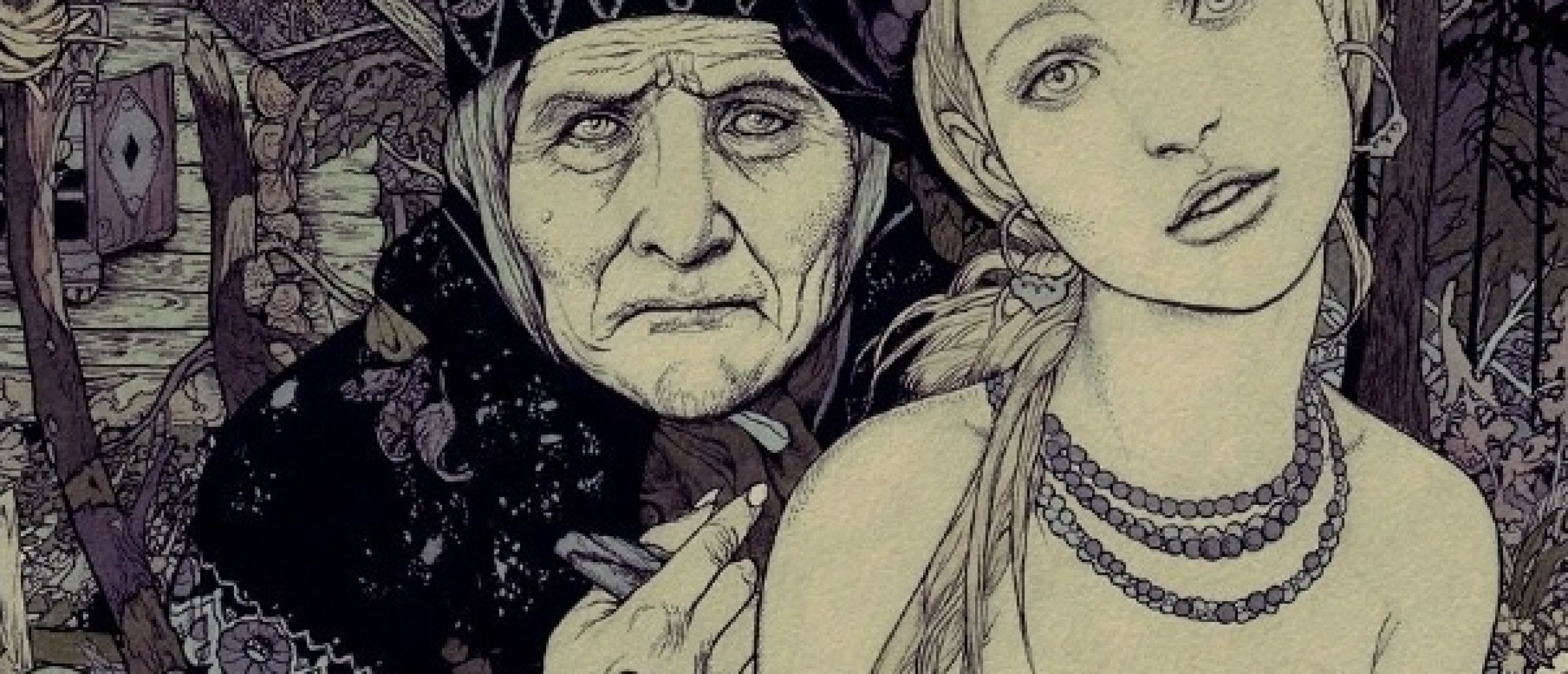
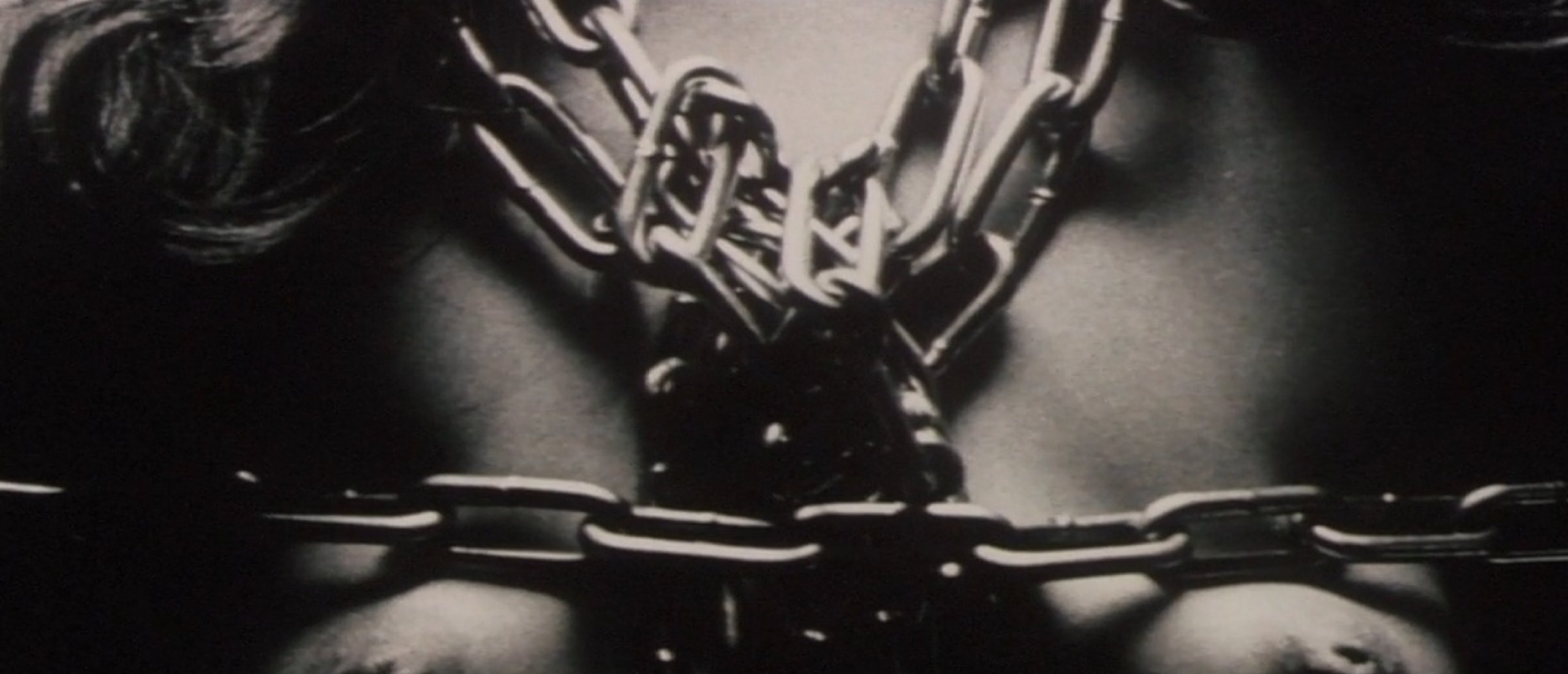
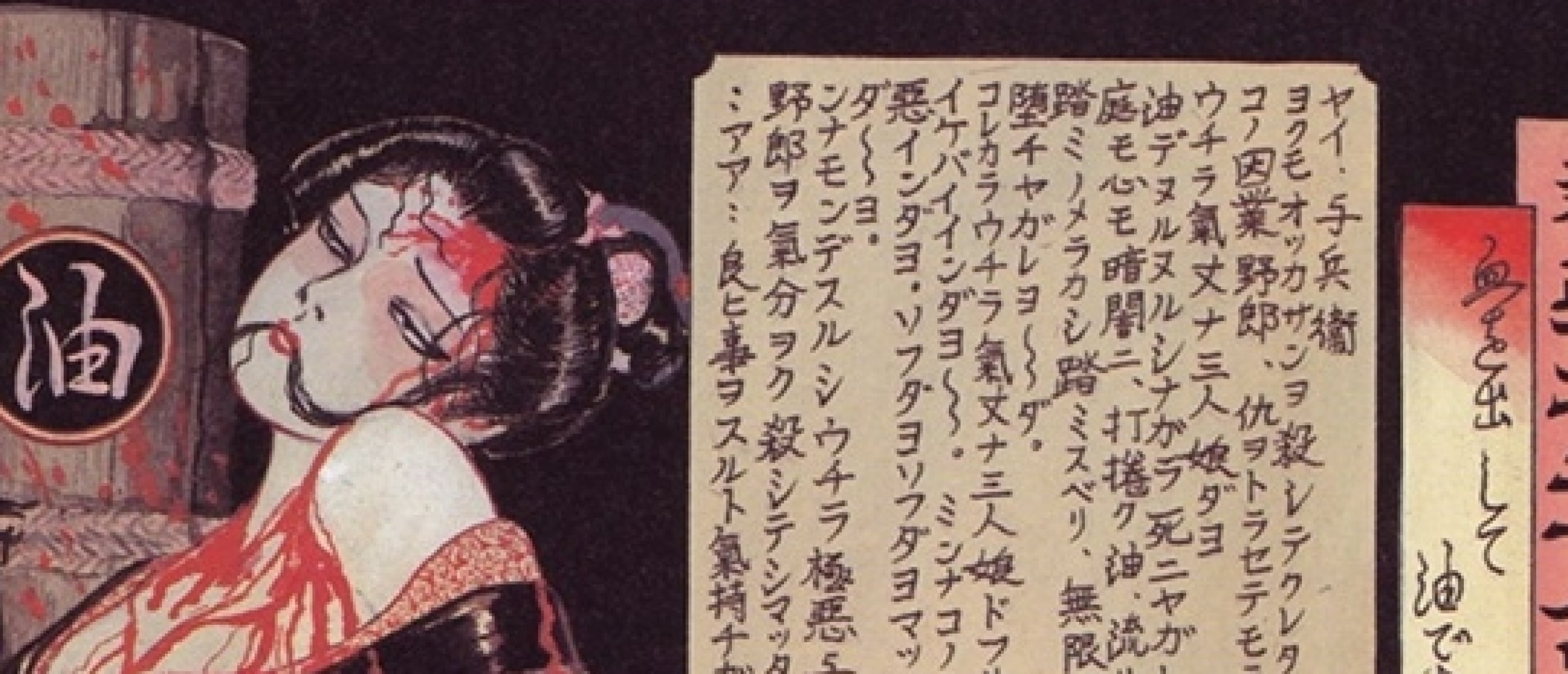
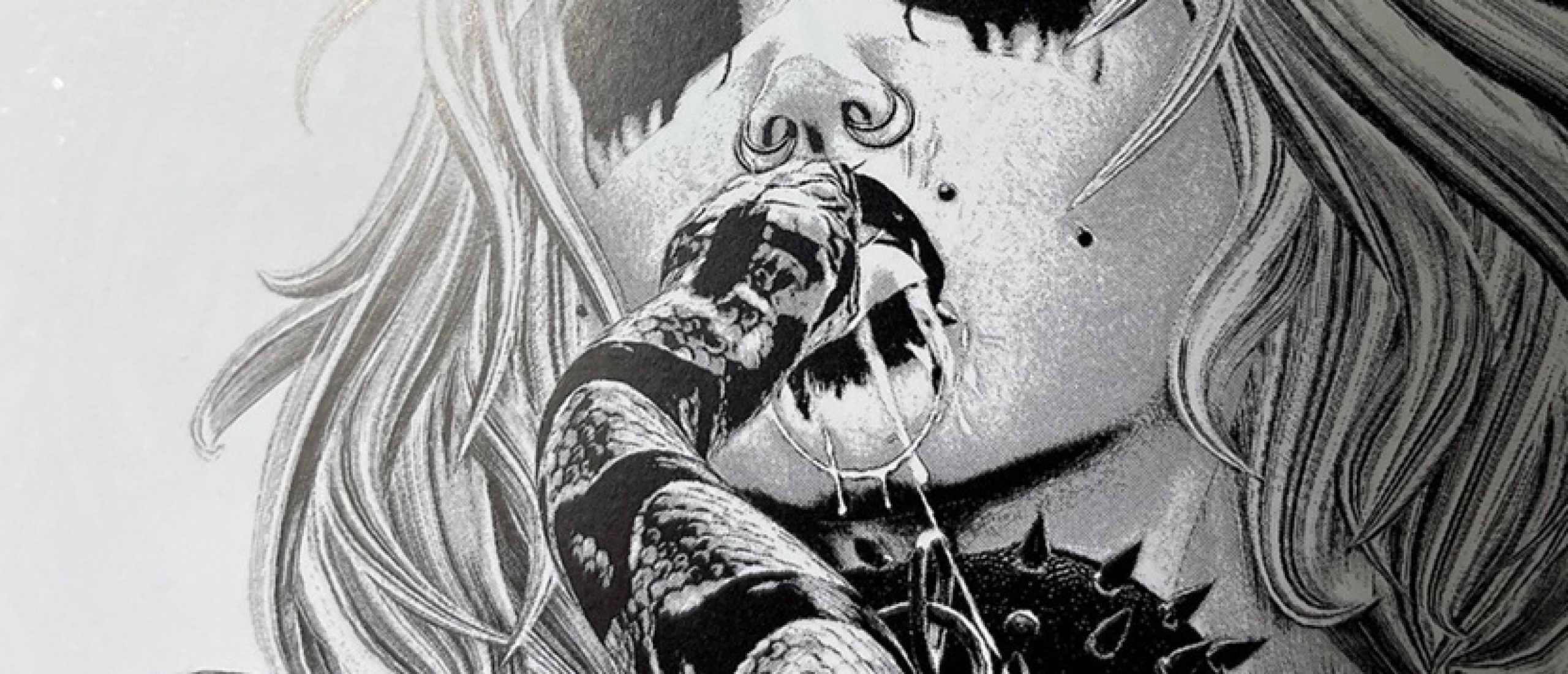
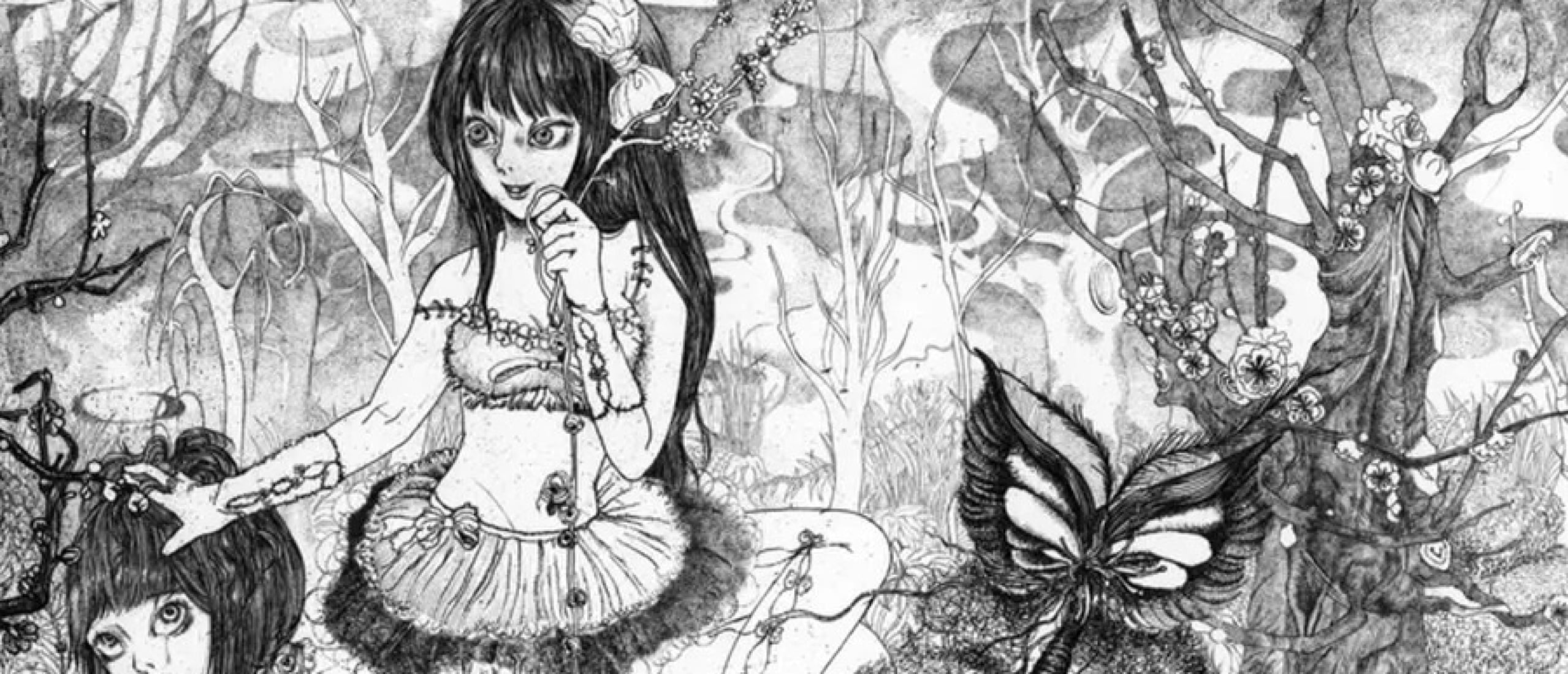
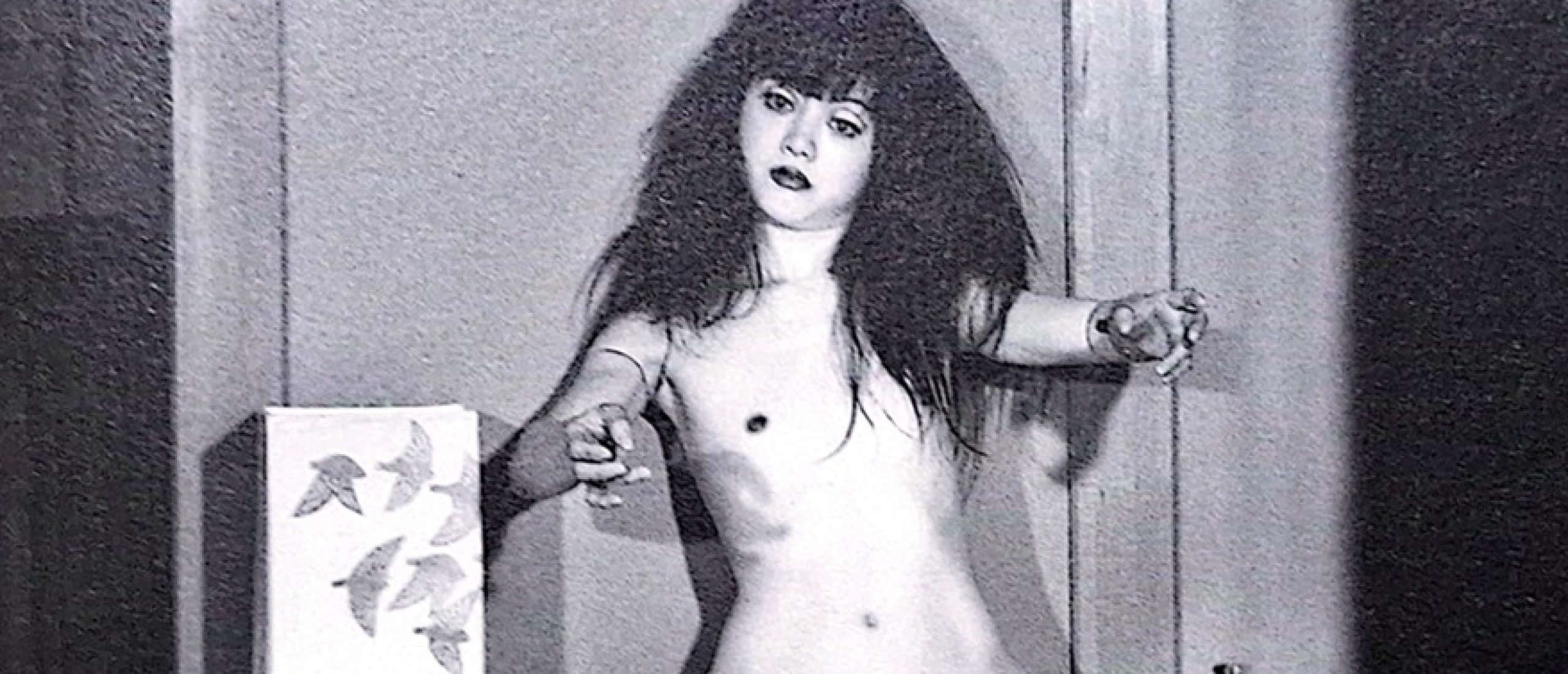
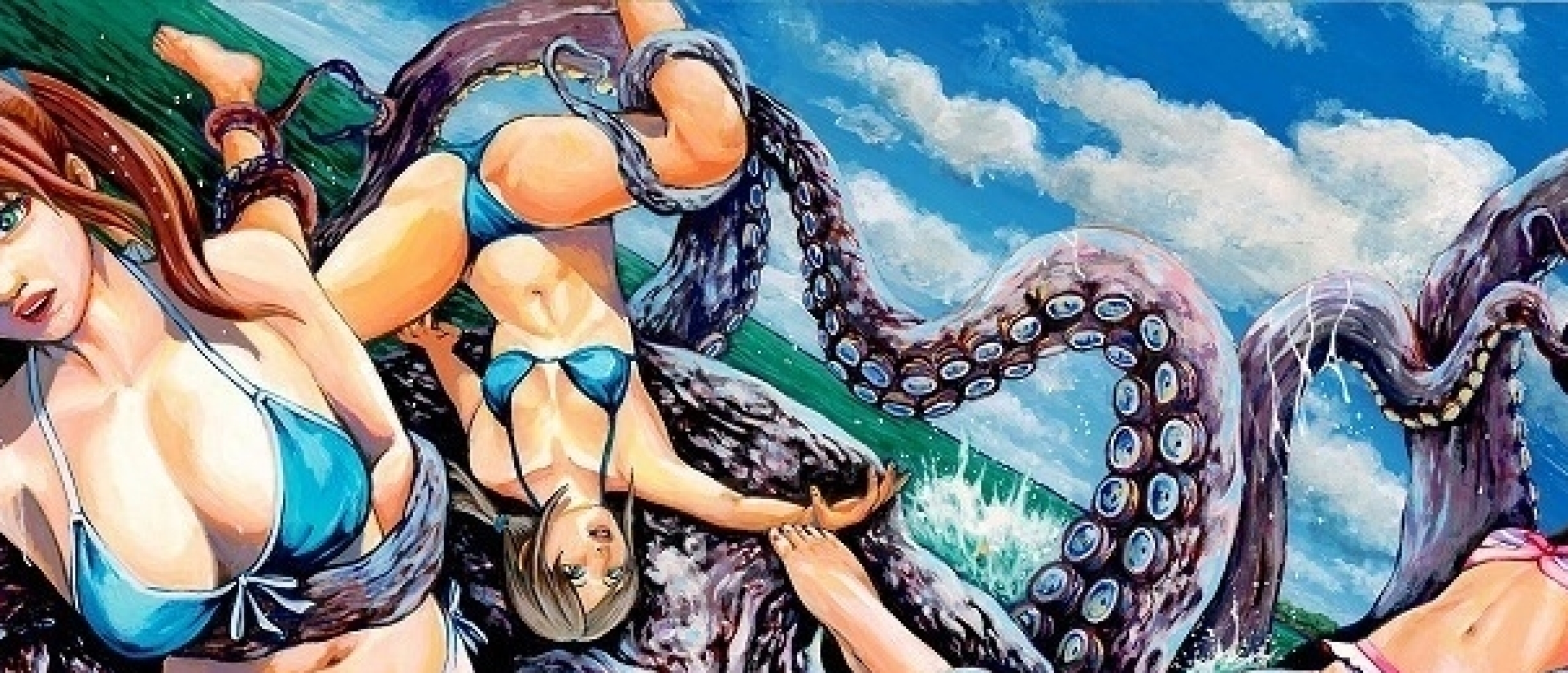
The work of Japanese artist Koji Kitahara (北原功士) has captured the attention of both the public and critics by establishing a profound dialogue with the visual traditions of the Shōwa period, the imagery of yōkai and yūrei, the pulp aesthetics of horror magazines, and the contemporary evolution of ero guro in Japan. Through these connections, Kitahara works with a nostalgic recovery of post-war Japan’s popular imagination, reorganizing historical references within a language that brings classical Japanese horror closer to 21st-century themes of eroticism, the body, and image fragmentation.
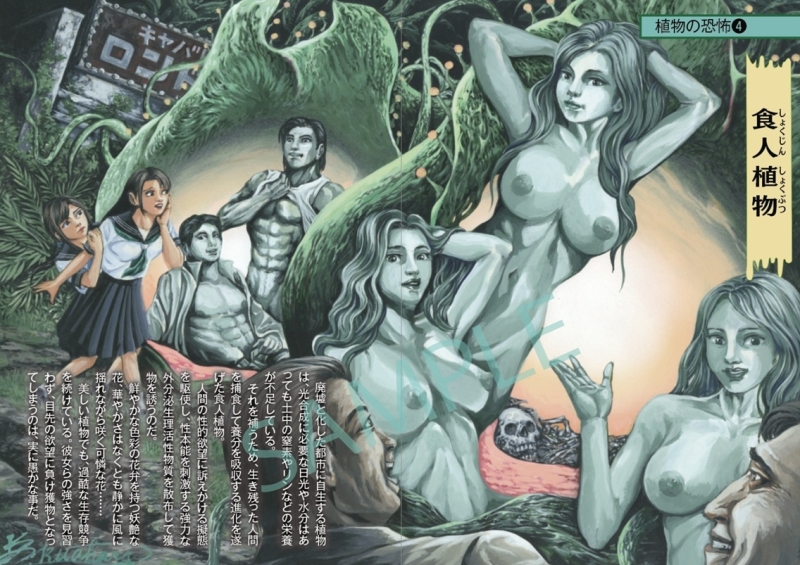
Fig.1
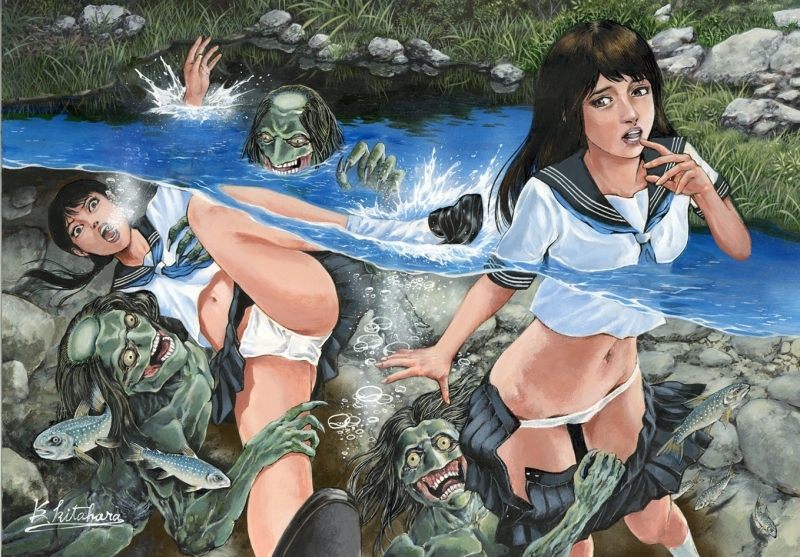
Fig.2
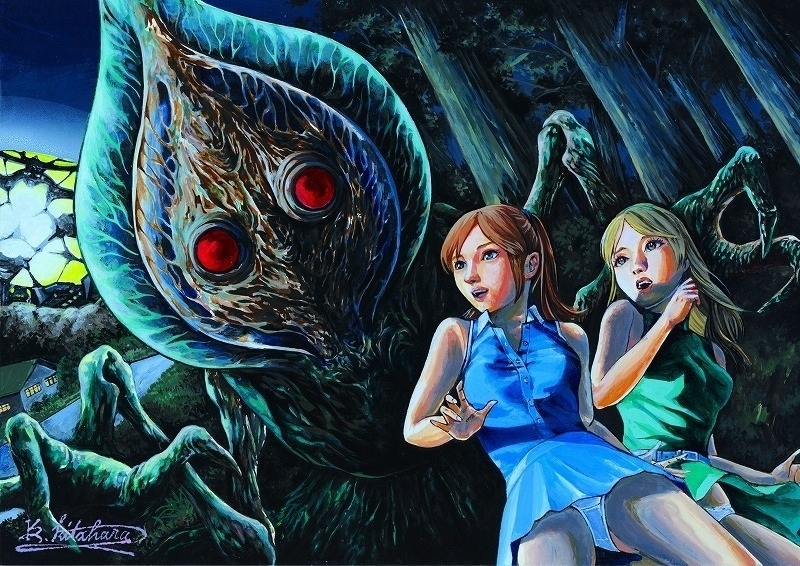
Fig.3
ROOTS AND SHŌWA INFLUENCES
Born in Tokyo in 1966, Kitahara grew up surrounded by illustrated books of monsters, science fiction, and horror. Among his primary influences is Gojin Ishihara, an artist renowned for his Shōwa-era illustrations of monstrous creatures and apocalyptic scenarios. Ishihara’s influence appears not only in Kitahara’s choice of themes but also in how his images represent situations where characters are caught between fascination and threat. As a young man, Kitahara began publishing horror manga, debuting with Ashioto (“Sound of Footsteps”) in Horror House magazine in 1987. Concurrently, he developed techniques in watercolor and oil painting while working as a manga assistant.
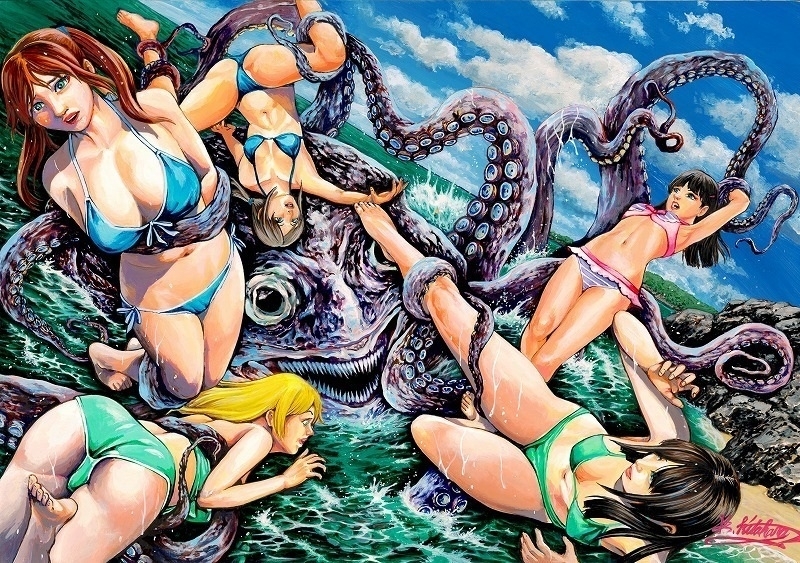
Fig.4
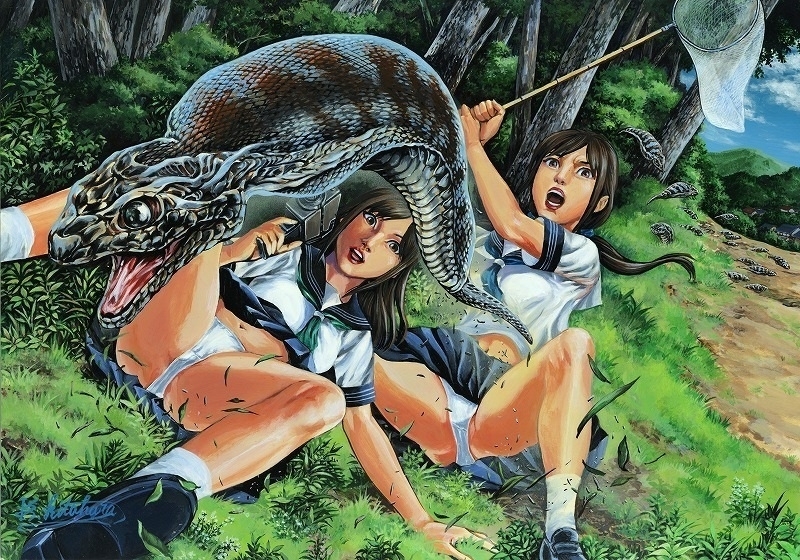
Fig.5
THE BIZARRE APPRENTICESHIP
During part of the 1990s, Kitahara was a member of Hirohiko Araki’s assistant team for JoJo's Bizarre Adventure, specifically during the Stardust Crusaders and Diamond is Unbreakable arcs. In interviews, Kitahara states that Araki’s primary influence was not merely technical but related to one’s posture toward drawing and artistic production. According to him, Araki maintained a continuous dedication to his craft, drawing even during breaks or moments of rest. This relationship with drawing as a constant practice reappears in Kitahara’s later work, especially in his illustrated series produced after he moved away from manga in the 2010s.
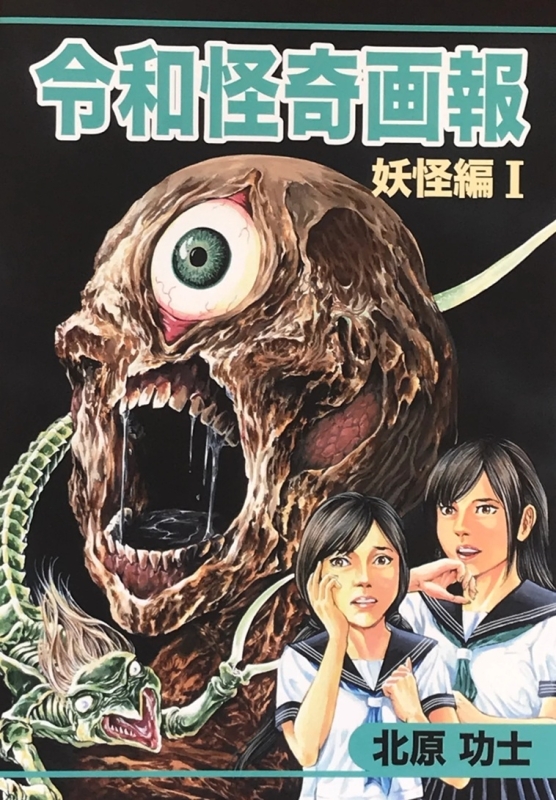
Fig.6 Japanese Horror Collection Reiwa Strange Pictorial I: Yokai
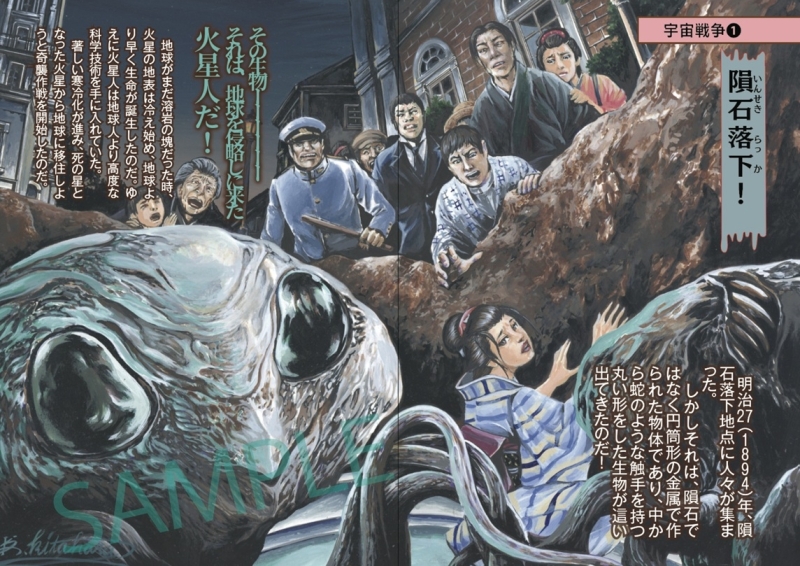
Fig.7
REIWA KAIKI GAHŌ: MODERNIZING THE STRANGE
From this period onward, Kitahara devoted himself almost entirely to illustration. His work began circulating in magazines like Eiga Hiho, alongside independent collections published by the artist himself. Among these publications, the series Reiwa Kaiki Gahō (令和怪奇画報), roughly translated as “Strange Illustrated Images of the Reiwa Era”, stands out. In this series, Kitahara constructs a visual universe populated by ghosts, monsters, spectral women, hybrid creatures, and scenes of destruction. The project dialogues directly with Shōwa-era horror illustrations but reorganizes them within a contemporary sensibility.
The term “怪奇” (kaiki) is central to this series. The word refers to the strange, the bizarre, and the supernatural, and was widely used in post-war Japanese popular culture to designate horror magazines, films, and stories. During the 1950s and 1960s, many Japanese publications explored images of monsters, ghosts, and grotesque crimes through this concept. Kitahara recovers this tradition, but he does not transform it into a mere historical tribute; rather, his work reorganizes classical elements of Japanese horror through a visuality influenced by exploitation cinema, pulp covers, and ero guro.
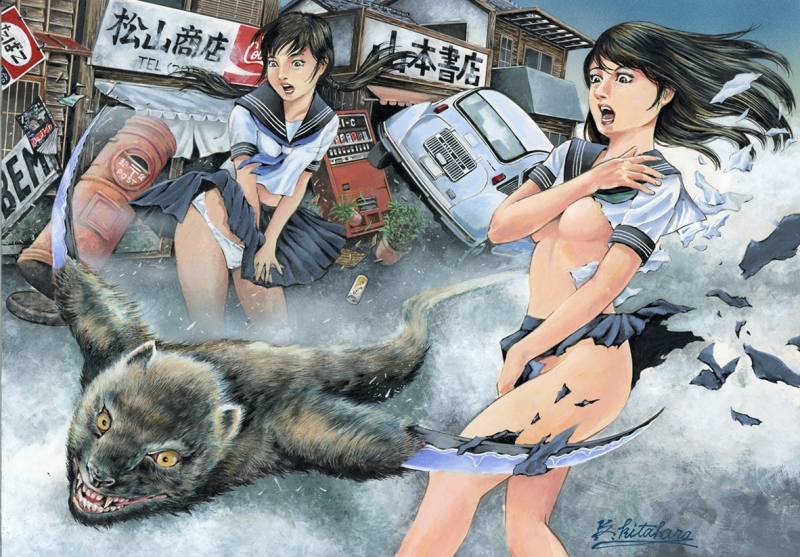
Fig.8
In the complete Premium edition more about the aesthetics of threat and eroticism, the materiality of the yūrei, and yōkai, Koji's metamorphosis and visual style, why he's an archaeologist of forgotten images, why eroticism in his work is not a simple visual provocation, and MUCH more...!!
Click HERE for the article titled "Sadistic Kids with Big Heads and Dicks: The Art of Antoine Bernhart"
What do you think about Koji's ero guro fantasies? Leave your reaction in the comment box below...!!