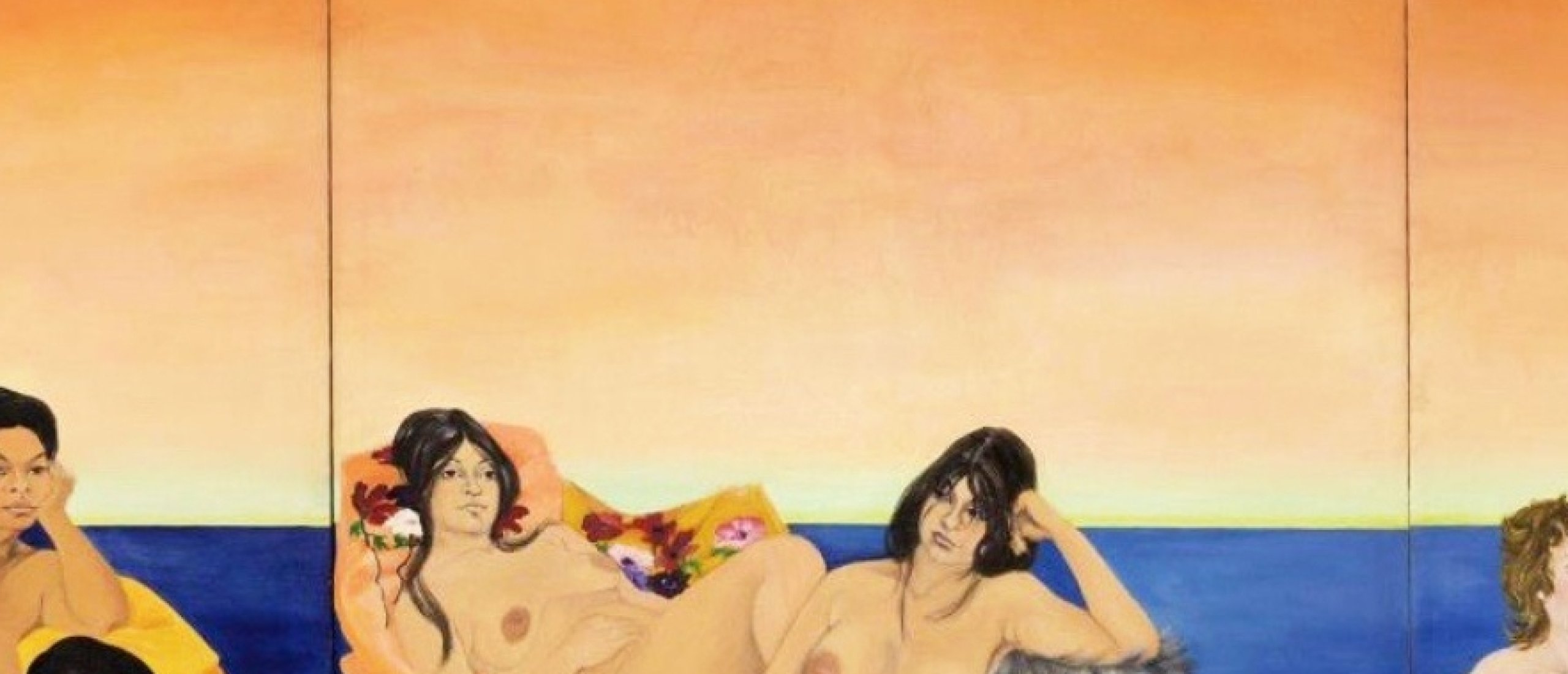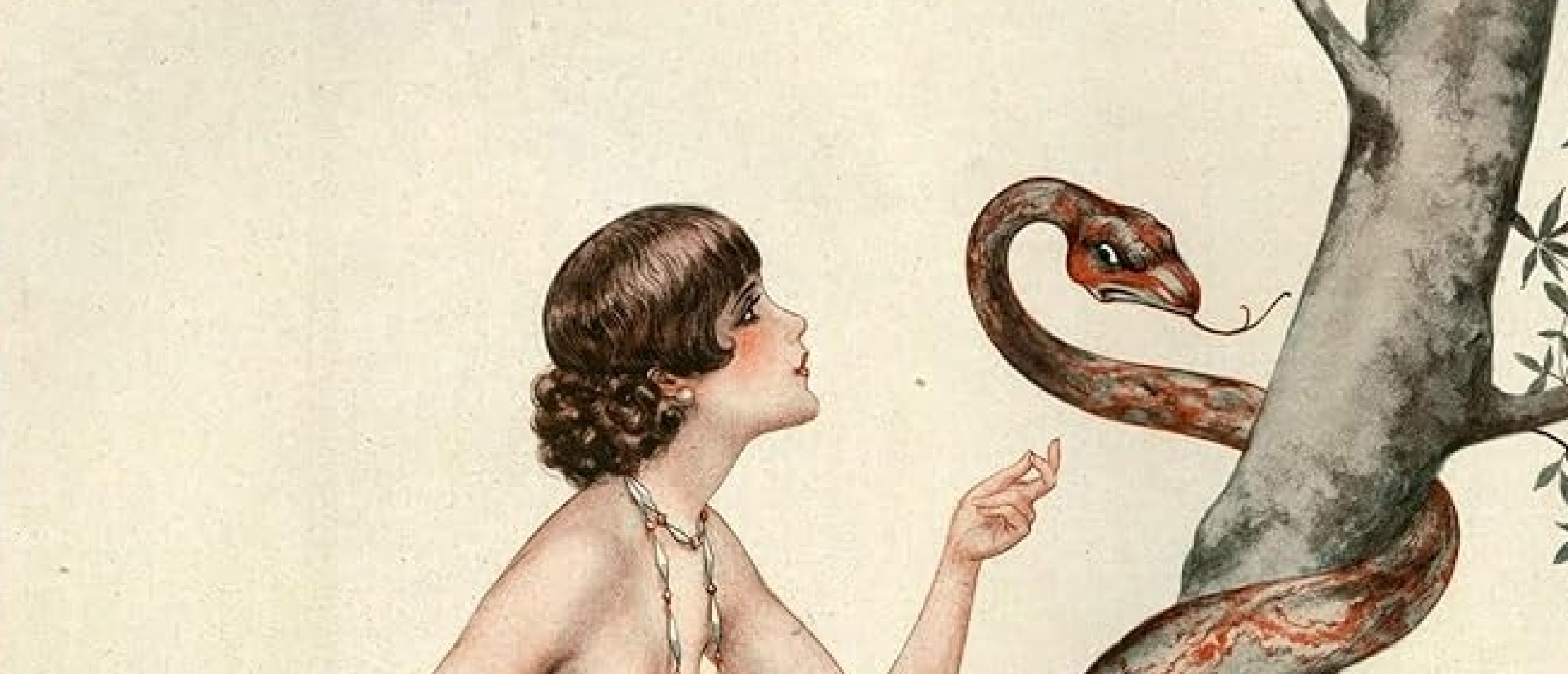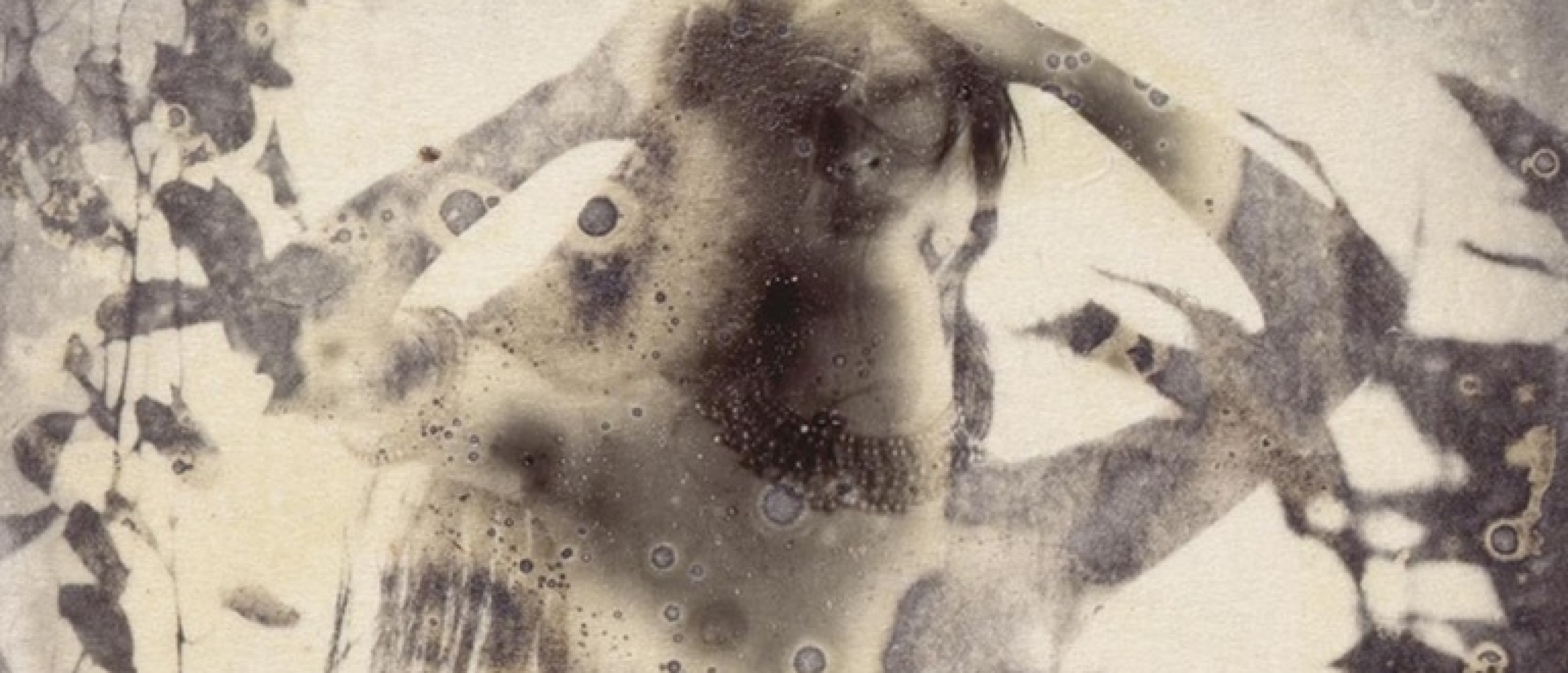
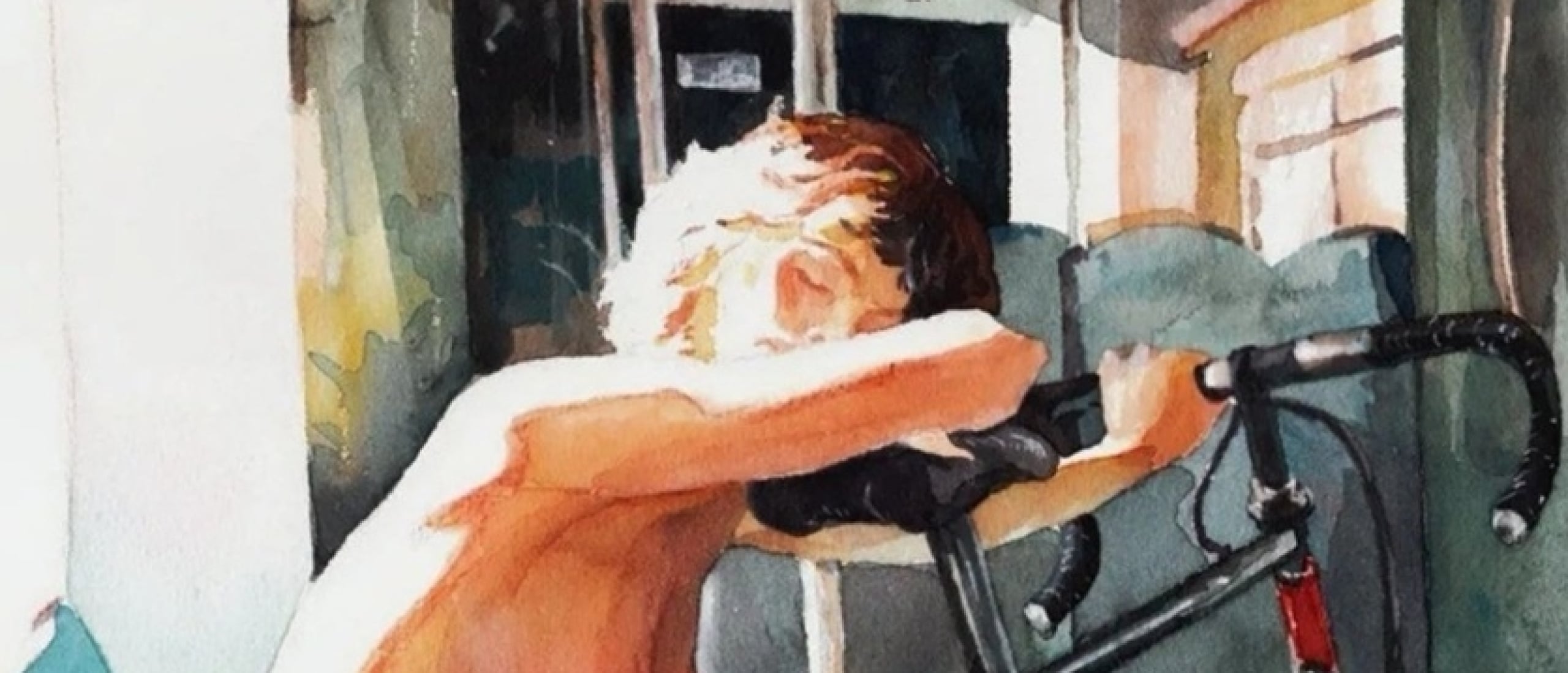

There is something delicious in the motif of eroticised woman with a bicycle. At first glance the pairing seems whimsical, even absurd: the soft curves of a naked or half-naked female body placed beside the polished metal frame of a bicycle. One belongs to the realm of flesh, sensuality and vulnerability; the other to movement, modernity and mechanism. And yet, in many erotic paintings and illustrations, the two are brought together in ways that feel not only visually harmonious but symbolically rich. The bicycle becomes more than a prop; it becomes a charged object through which ideas of freedom, femininity, desire and modern erotic identity are expressed.
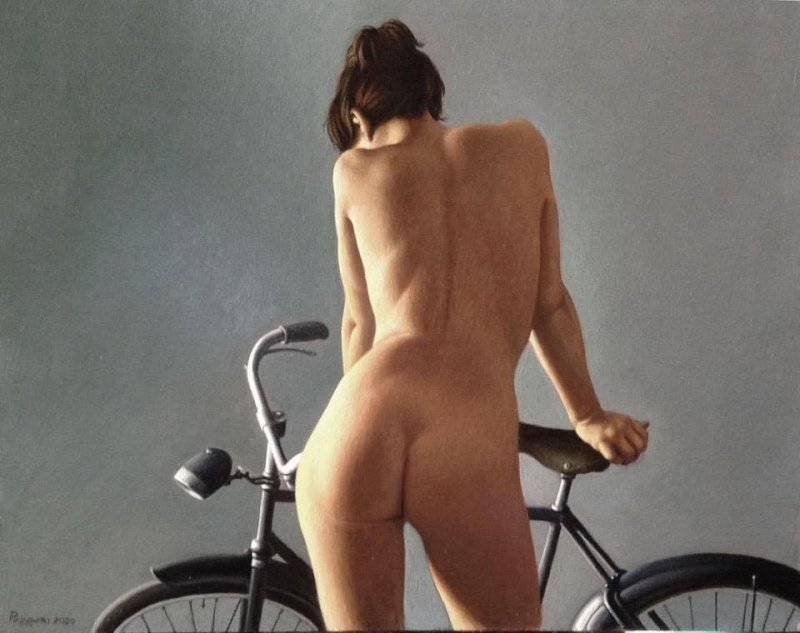
Fig.1 Vittorio Polidori
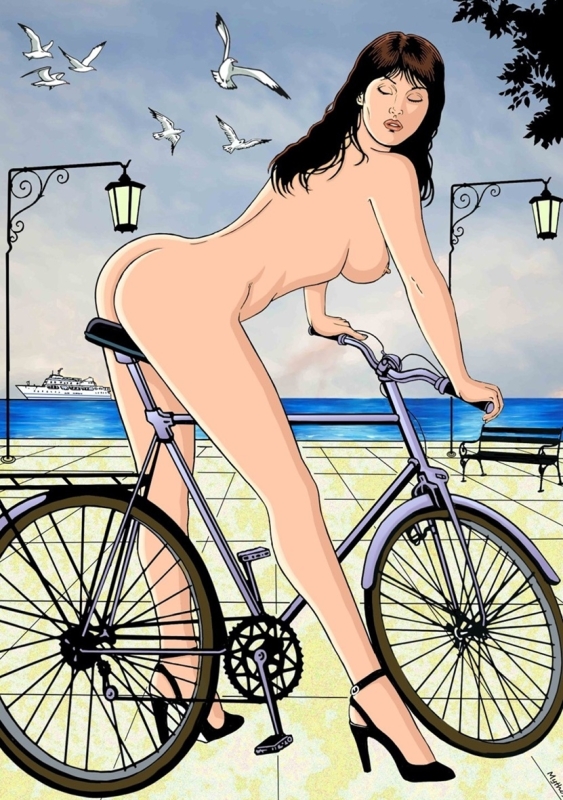
Fig.2 Kostas Fragiadakis, Monica Belucci
Self-Propulsion
The female nude in Western art has long carried the weight of beauty, desire and symbolism. From Venus rising from the sea to the odalisques of nineteenth-century Orientalist painting, the naked female body has often been depicted as an object of contemplation, idealised and stylised for the viewer’s gaze. The bicycle, however, belongs to a much later visual vocabulary. It is an object of the modern world: practical, mechanical, associated with speed, movement and self-propulsion. When these two motifs are combined, something new emerges. The woman is no longer simply reclining passively in an interior or a garden; she is linked with motion, agency and the outside world. This symbolism has historical roots. In the late nineteenth century, the bicycle became associated with women’s emancipation. It offered women unprecedented mobility and independence, allowing them to move through public space with a degree of freedom that had been restricted before. This practical liberation also carried erotic undertones. The image of a woman astride a bicycle subtly challenged old ideas of female passivity. It suggested freedom of movement, autonomy, and bodily confidence. The bicycle was therefore not merely a machine but a symbol of liberated femininity.
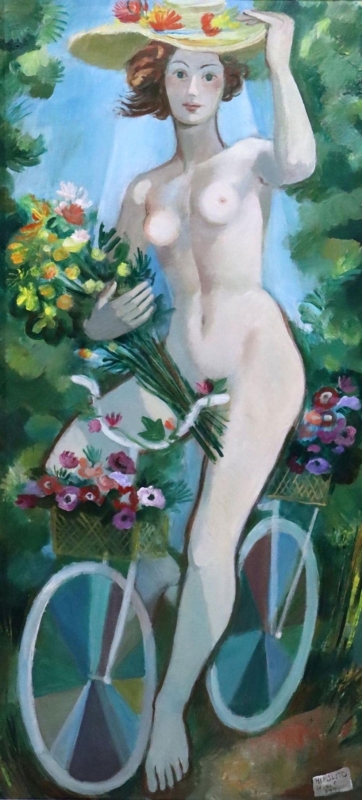
Fig.3 Hipolito Hidalgo de Caviedes, Untitled, 1971.
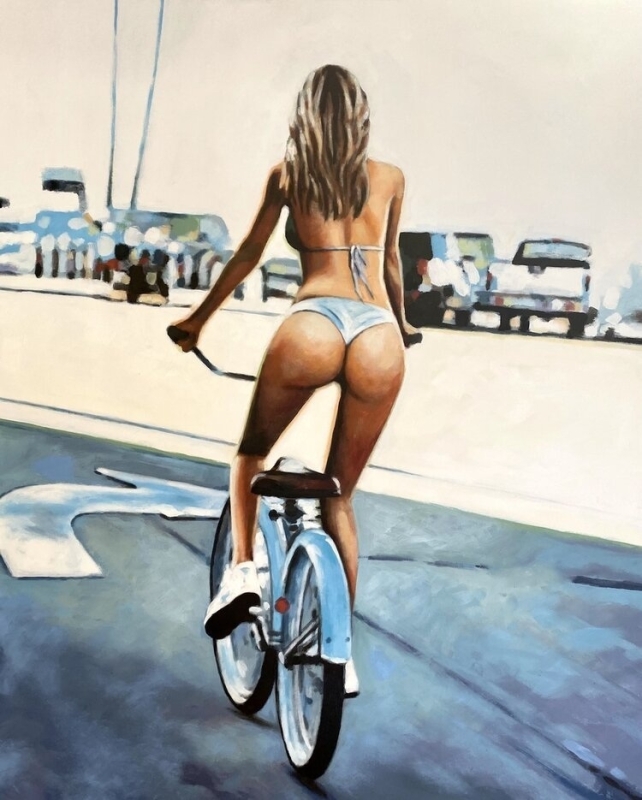
Fig.4 Thomas Saliot, Blue Bike L A.
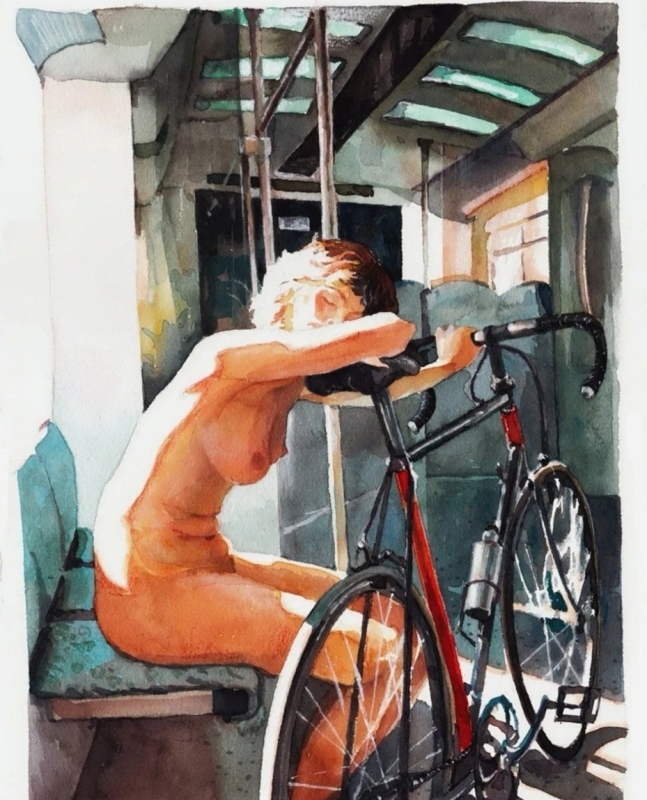
Fig.5 Valeria Ko, Richtung Pienneberg
Cold Metal
In erotic art, this symbolism becomes charged with sensuality. The bicycle frame, with its curves, bars and wheels, visually echoes the curves and lines of the female form. Artists often exploit this parallel, arranging body and bicycle in compositions where metal and flesh seem to mirror one another. The sleek elegance of the machine enhances the softness of the body, while the body lends warmth and erotic life to the machine. This contrast between cold metal and warm skin heightens the sensual tension. It is precisely because the bicycle is mechanical that the living body appears even more vibrant beside it.
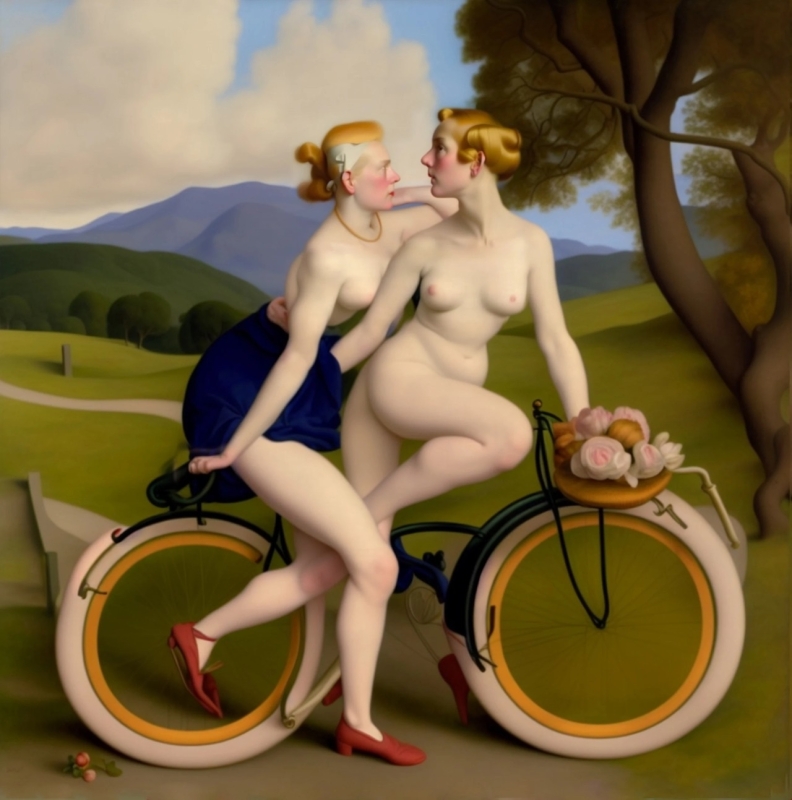
Fig.6 Wolfe von Lenkiewicz, It Takes me Quiker to God, 2022
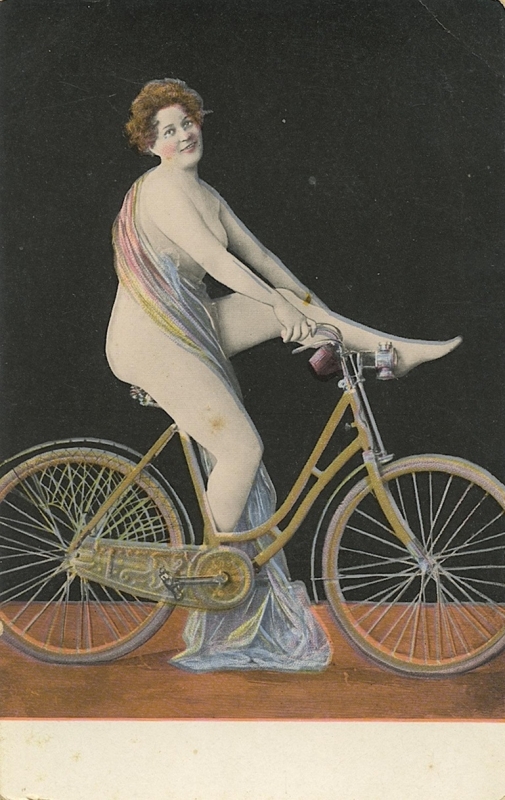
Fig.7 Early 20th Century Postcard
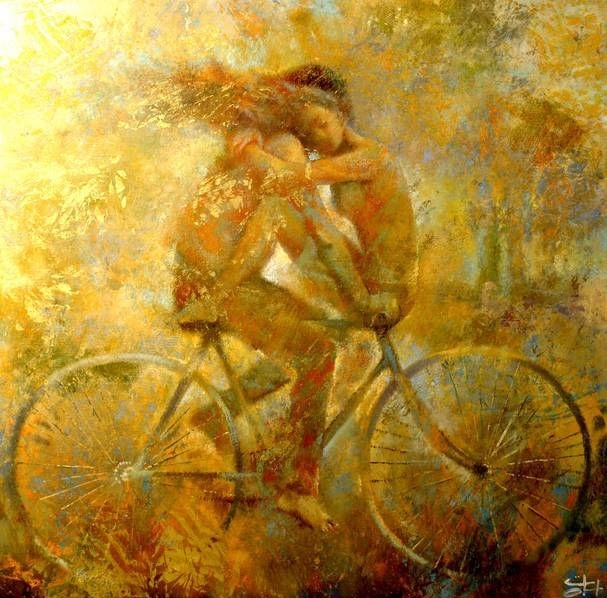
Fig.8 Oleg Tchoubakov, Two
Become a Premium member now and discover many other reviews of paintings featuring seductive girls on bicycles.
Click HERE for an arousing selection of artworks depicting steamy train fantasies
Let us know your thoughts about this article in the comment box below..!!