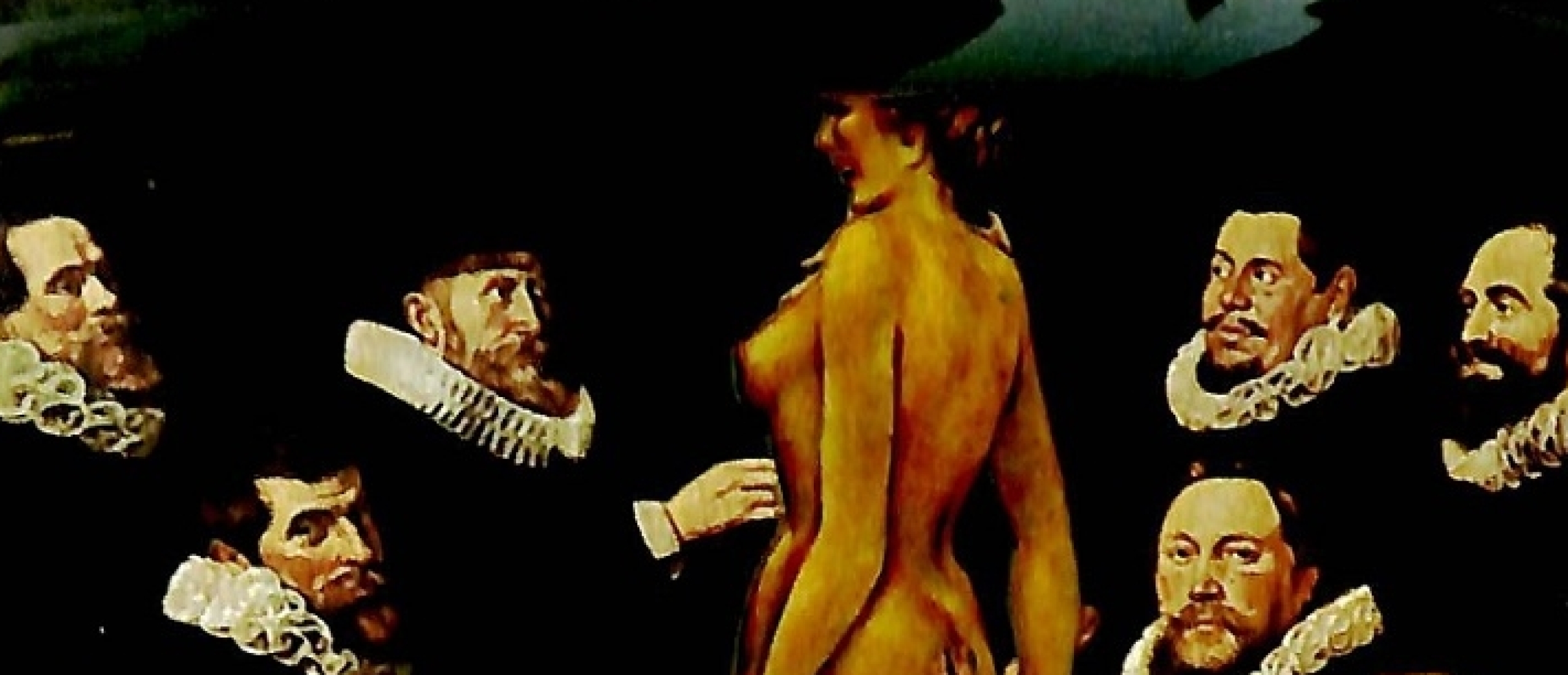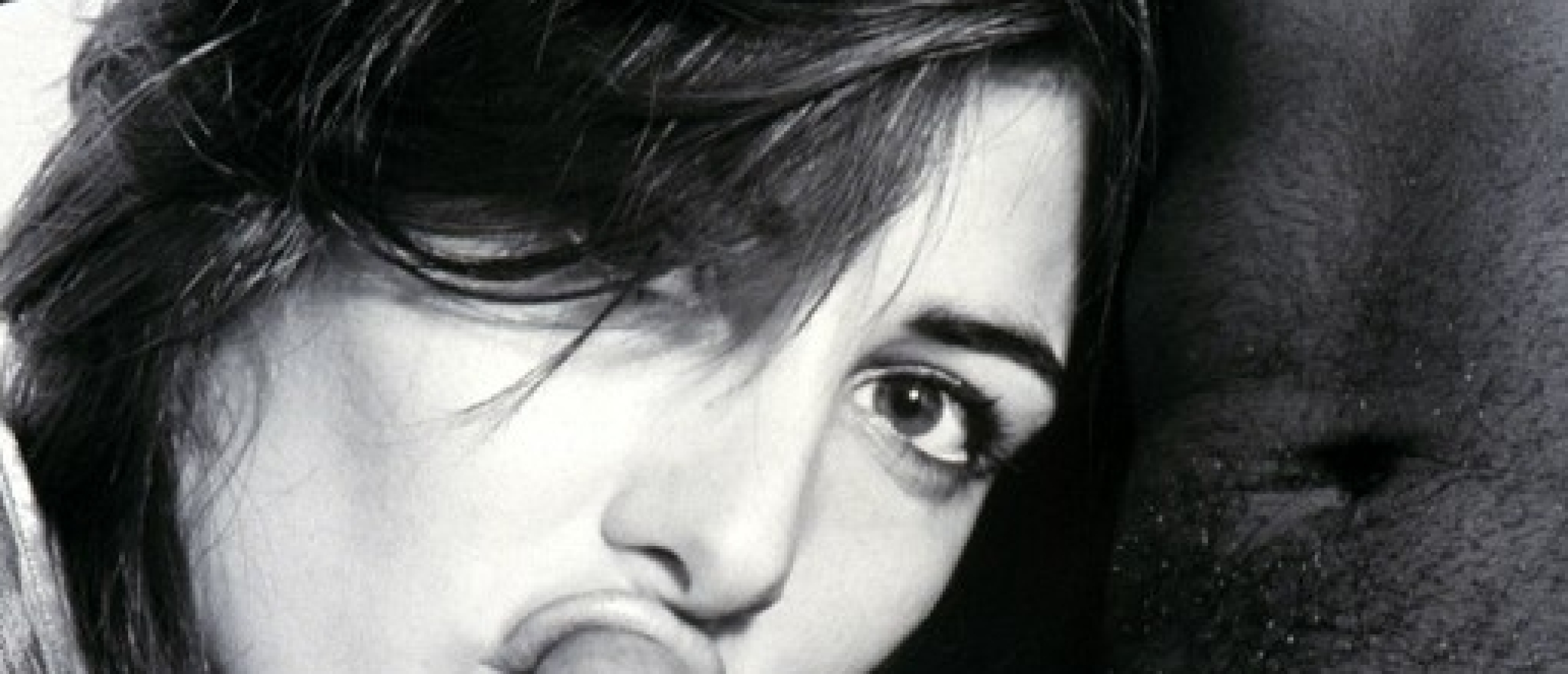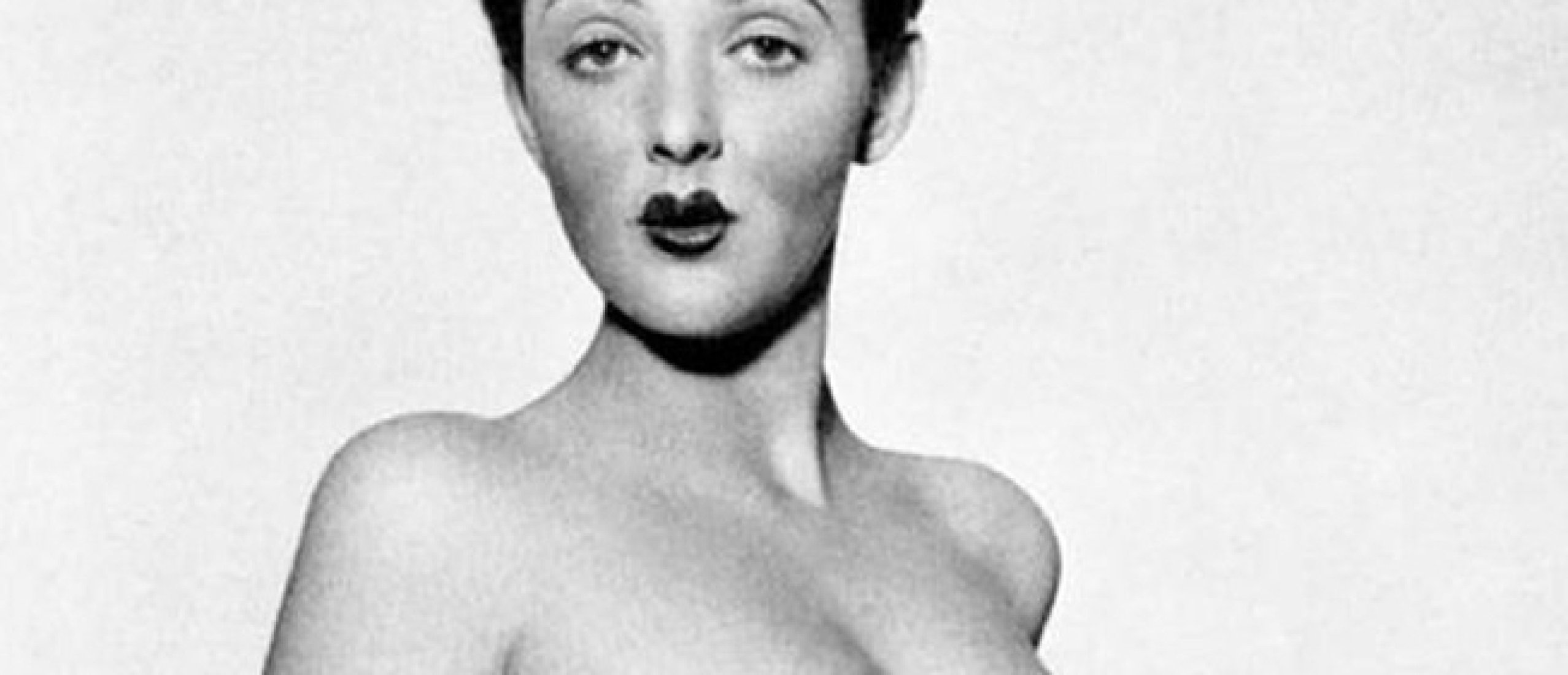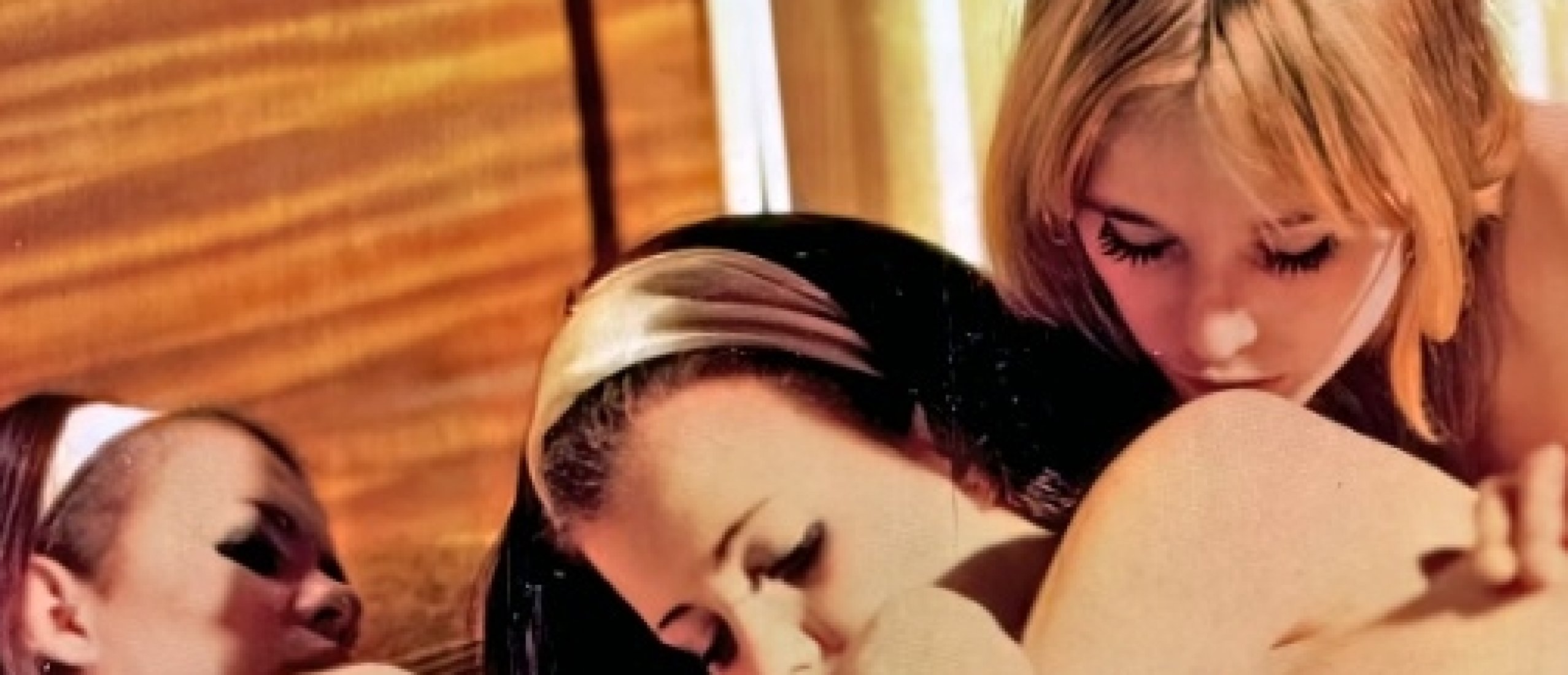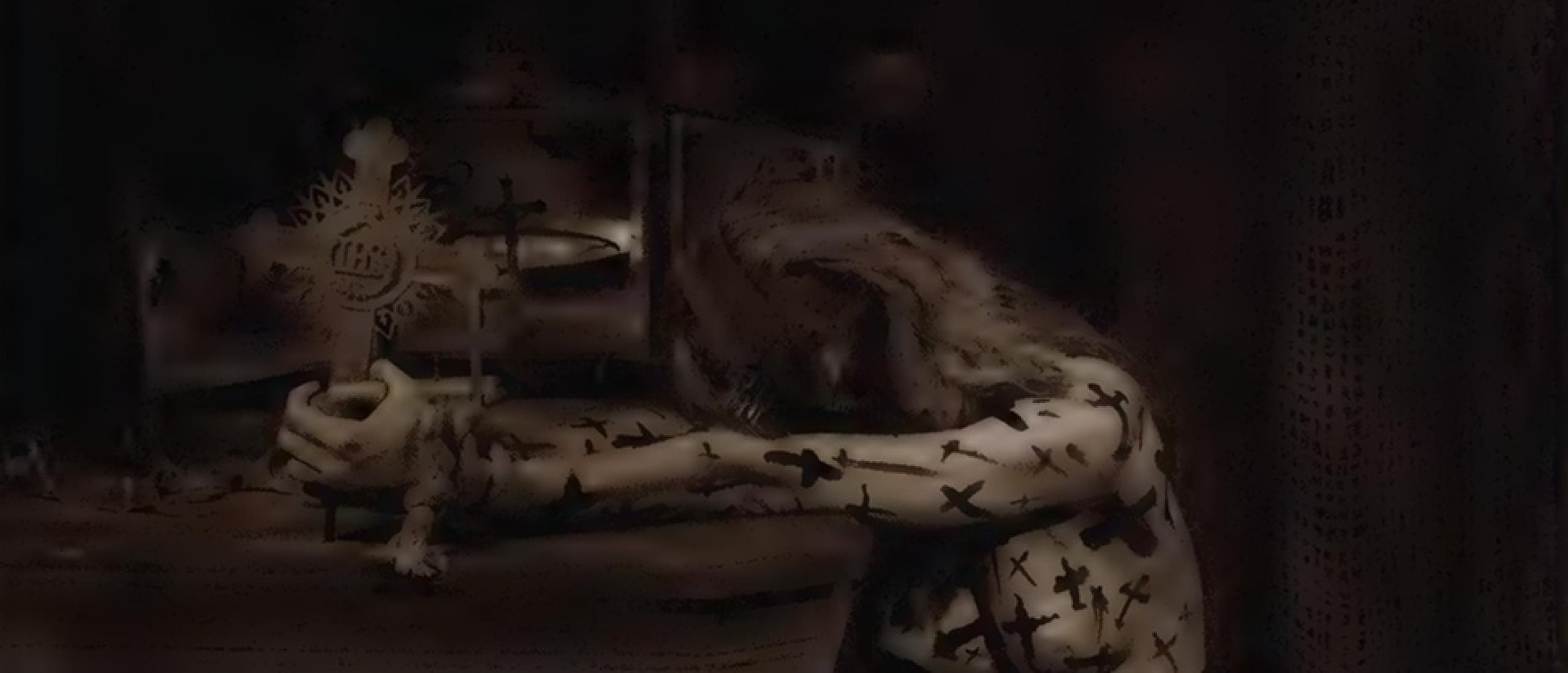

Otto Mueller, German Expressionism, and Ideals of Feminine Beauty in Late Century Fashion Photography
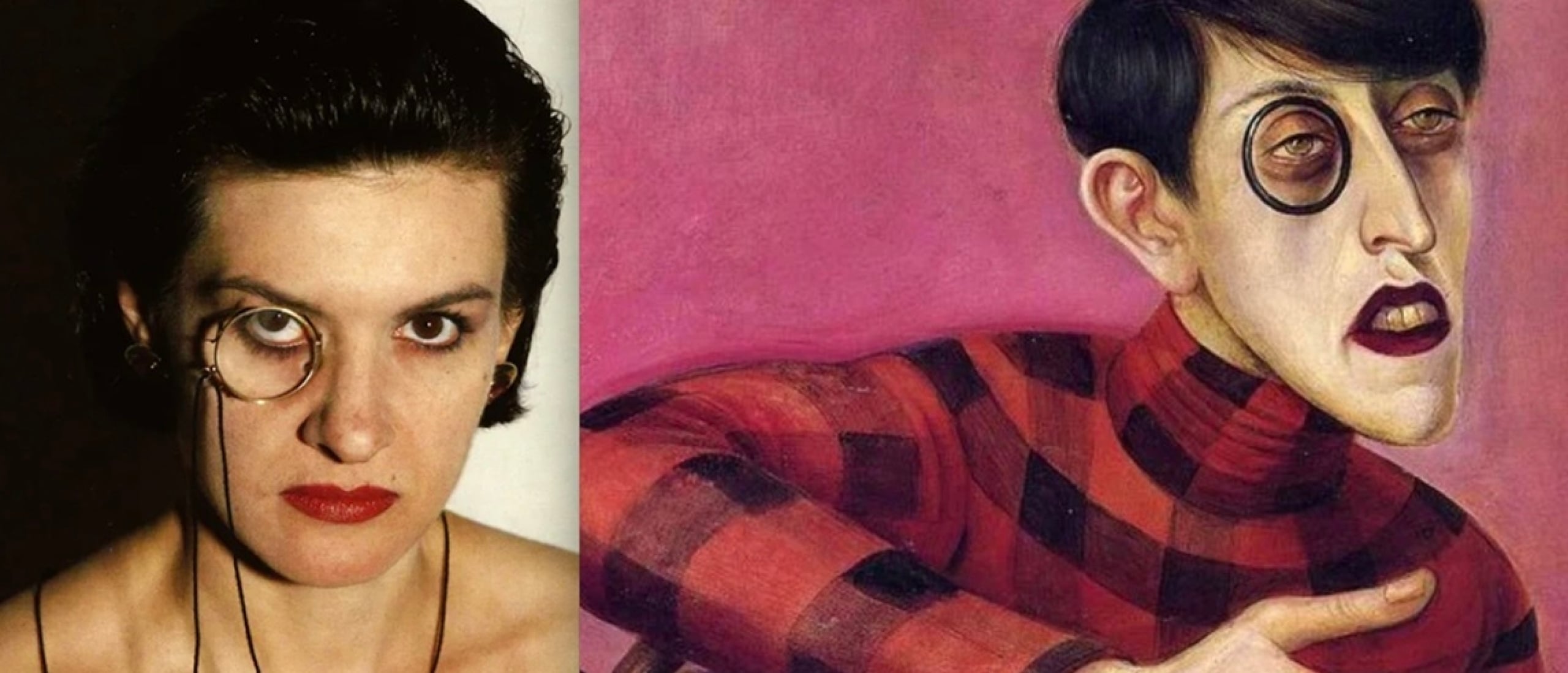
Germany has a rich erotic visual culture that began in the Weimar period (the period between the two World wars) and that survived ( despite deviations in art toward abstraction and conceptualism after WW2 ) to provide a rich canon of erotic work that subsequently became the foundation for the fashion photography of the late 20th century especially that of Helmut Newton and Peter Lindbergh. From the German expressionist painters Otto Mueller and Ludwig Kirchner in the 1920’s to Peter Lindbergh’s images in Paris Vogue, German Art is still the source of many of our erotic thoughts and kinky fashion styles.
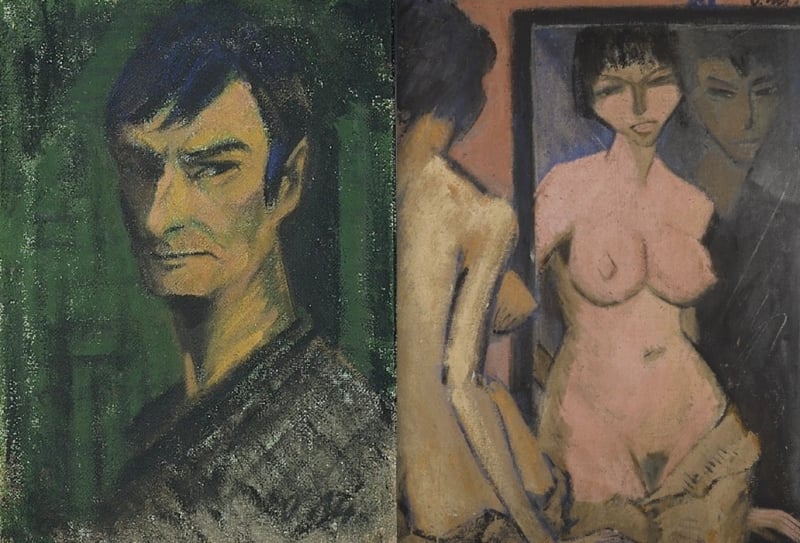
Fig 1 Otto Mueller Self Portrait and Se;f Portrait in Mirror with Mirror
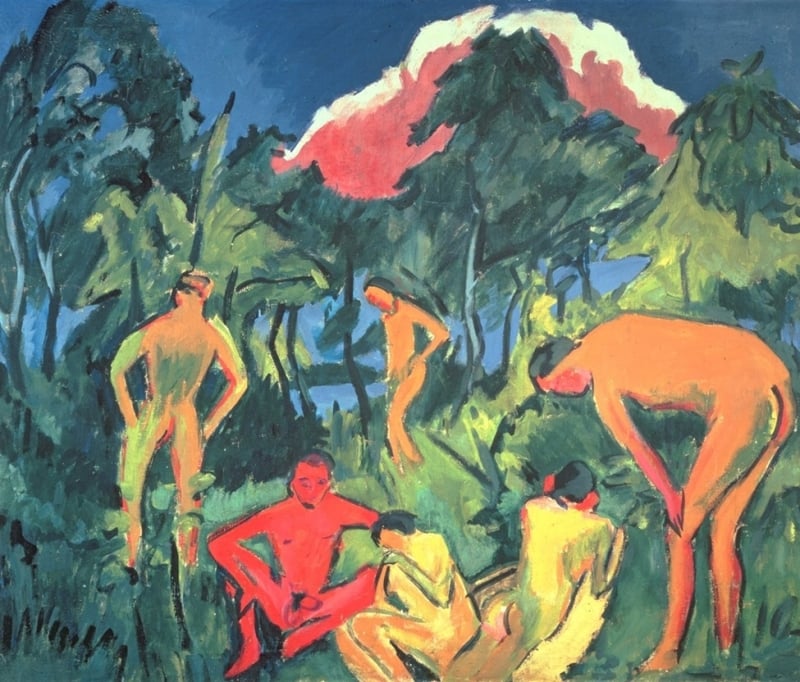
Fig 2 Ernst Ludwig Kirchner - Nudes in the Sun Moritzburg
Most Exciting Sources of Aesthetic
The German expressionist art of the 1920’s was one of the most exciting sources of aesthetic and canons of beauty and eroticism. It impacted the world of art and photography around the world and despite WW2 its principles of aesthetics survived to become one of the most important canons of erotic art and photography through the artists who produced it and for the artists and photographers who inherited its legacy.
The fashion world is not where we necessarily seek our deepest erotic fantasies or cues but it nevertheless, through its best creative expressions, have a Freudian way of synthesizing our erotic emotions. Like Art with a big A, it synthesizes everything in its path and in the hands of its best practitioners, absorbs all the references and serves us, in this age of consumption, everything we want.
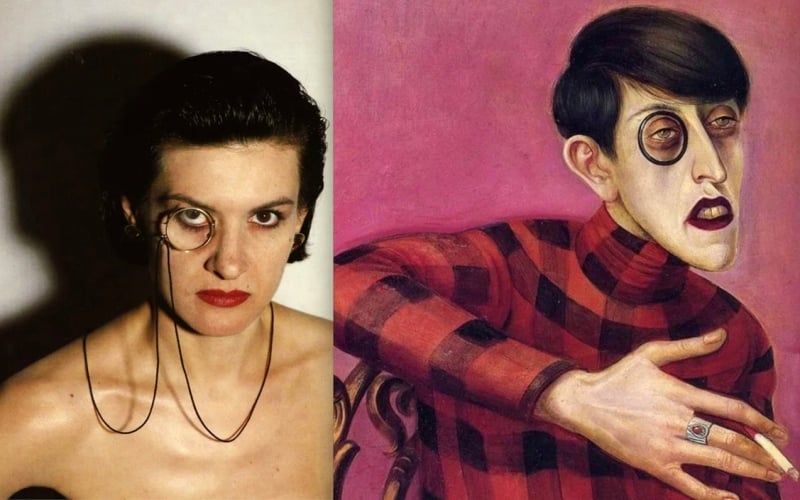
Fig 3 Paloma Picasso by Newton, Sylvia von Harden by Otto Dix
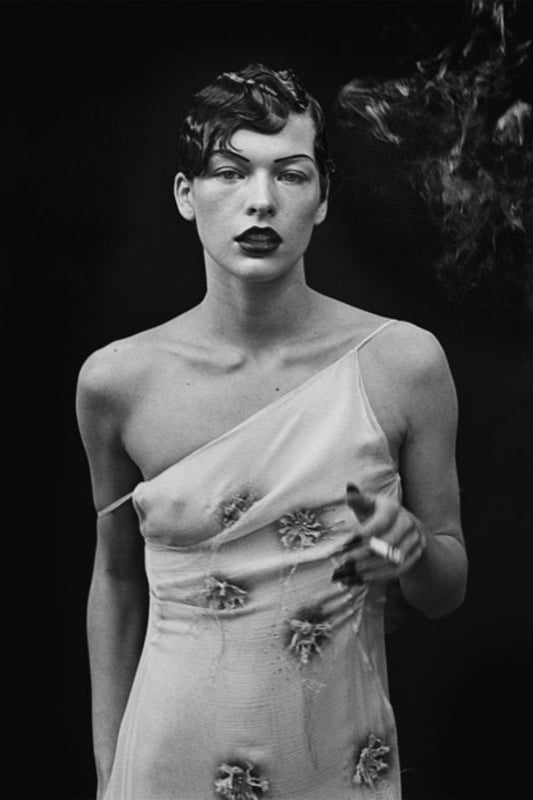
Fig 4 Photography by Peter Lindbergh
But it is not coincidence or a random twist in the road that Germany ended up producing two of the most important fashion photographers who in turn shaped our current media-driven environment or our contemporary view of the female beauty in fashion or in art. It’s a complex story but here is an overview.
German Expressionism and Female Beauty
The story begins in the 1920’s. World war one has just ended and painters, many who have barely survived the war are turning back to art as the central force in their lives, and faced with memories of war and the hard realities of post-war life they are turning to ideas of beauty and in particular beauty in nature.
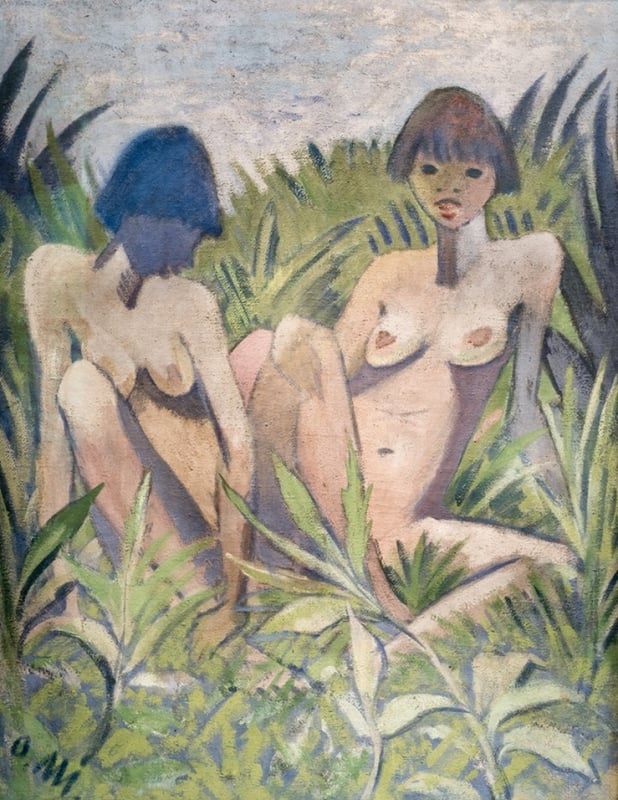
Fig 5 Otto Mueller, Zwei Mädchen im Schilf (Two girls in the reeds)
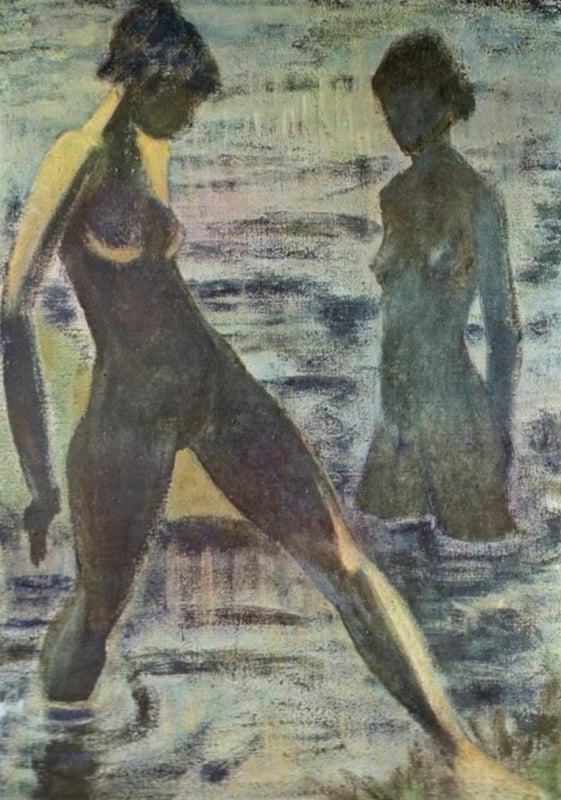
Fig 6 Otto Mueller, Bathers
At this time the notion of female beauty, especially in nature, was a large part if not a central motif in art, not only in Germany but in the art of Europe in general at that time. Whether it first emerged in Germany or in Austria under Gustav Klimt and Egon Shiele (The Vienna Secesssion) or whether it first emerged in the hands of Edouard Manet, or later impressionists, is impossible to say – Europe was small and art cross pollinated - but there is no doubt that the theme of feminine beauty in nature was a subject that took great flight in 1920’s Germany. Add to the mix that women’s fashion in the twenties had freed them from the restraints of corsets and heavy covering and women as the subject of art became more enticing for male artists. In Germany the idea was in the hands of the talented painters that formed what we know as German Expressionism, a movement largely associated with the Weimar republic years between 1920 and 1938.
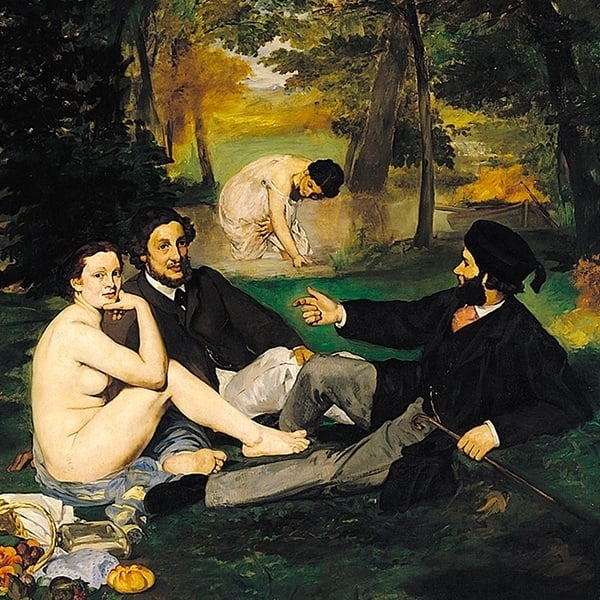
Fig 7 Edouard Manet, Déjeuner sur l’herbe
Beauty in Nature
But back to beauty in nature - Nature as an erotic backdrop was not new even then– and one does not need to go back to Adam and Eve and the notion of a natural paradise. In Europe the idea gained popularity in a more secular way with the writings of French Writer Jean Jacques Rousseau as far back as the 18th century.
“nothing is so gentle as man in his primitive state, when placed by nature at an equal distance from the stupidity of brutes and the fatal enlightenment of civil man.”
It certainly to have been a recurring theme in French erotic art from Poussin through Fragonard as much as Rousseau. On shouldn’t be surprised to find young artists at the beginning of the 20th century exercising their skills using this eternal theme.
But of all the German expressionists from Berlin, from the Die Brucke (The Bridge) movement to the Blaue Rieter (Blue Rider) group, it is the painting of Otto Mueller in particular that resonates with fashion photographs of late 20th century in composition that seem so forward looking in how the eye of the artist idealizes the idea of beauty in nature and in portraiture as well. The idea of the nude in nature is picked up by both Helmut Newton (b- 1922) and Peter Lindberg (b-1944) even if in Newton’s case nature morphs with the stately gardens of southern France.
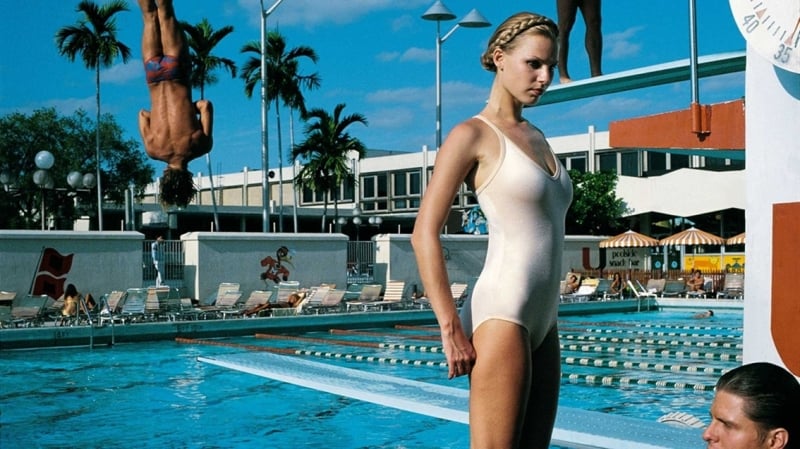
Fig 8 Photography by Helmut Newton
In the comprehensive Premium edition of the article you can explore, among other things, bohemianism and erotic beauty, daring images from Berlin during WW2, the printed image after WW2, post WW2 art with a big A, the erotic sensibilities in the work of Helmut Newton, the ideals of female beauty Peter Lindbergh's photography, the demand for beauty and eroticism, and MUCH more...!
Click HERE for an article about the controversy of Helmut Newton’s nude photography
Let us know your thoughts on the above article in the comment box below...!!