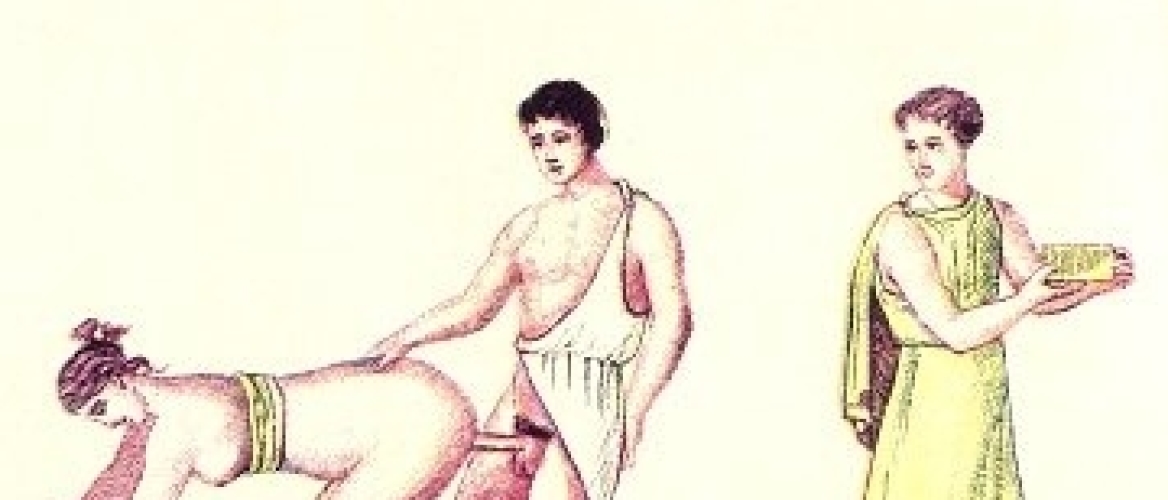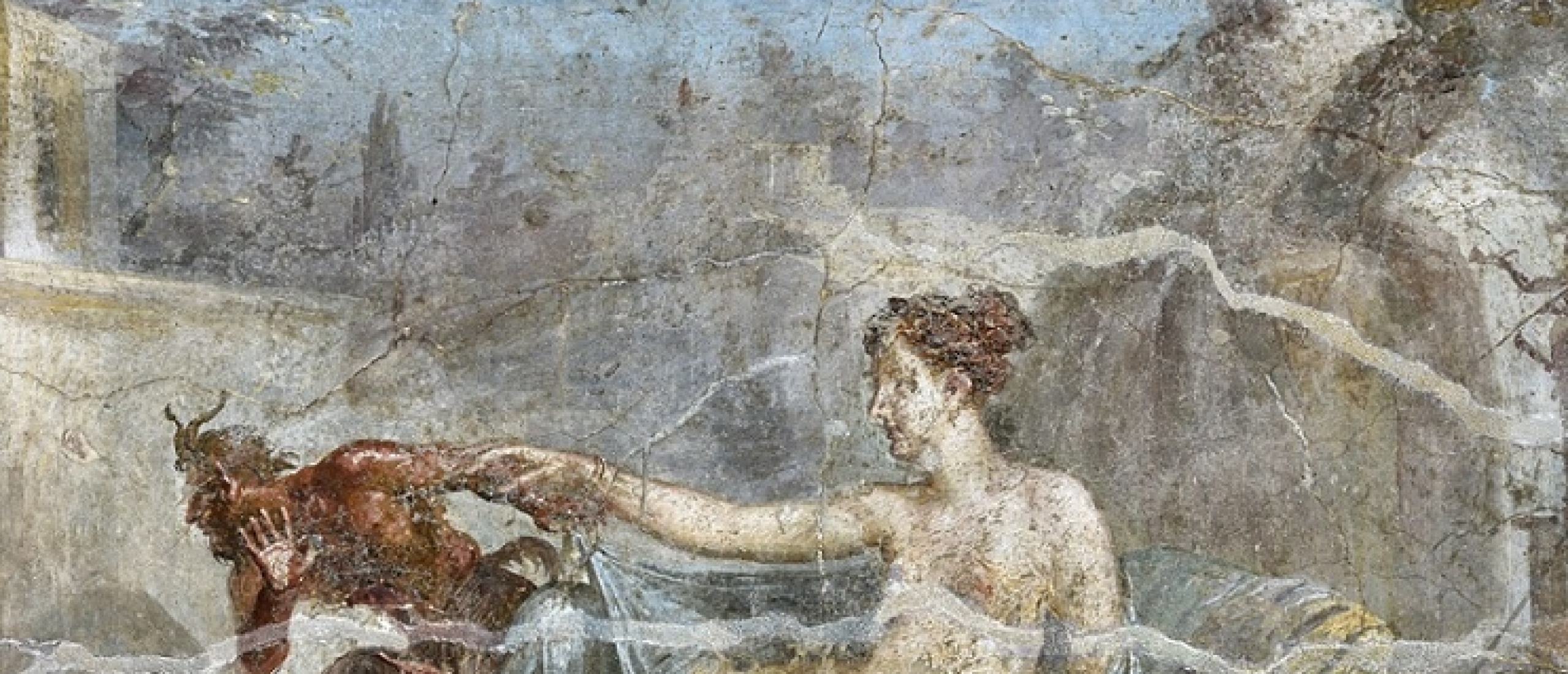
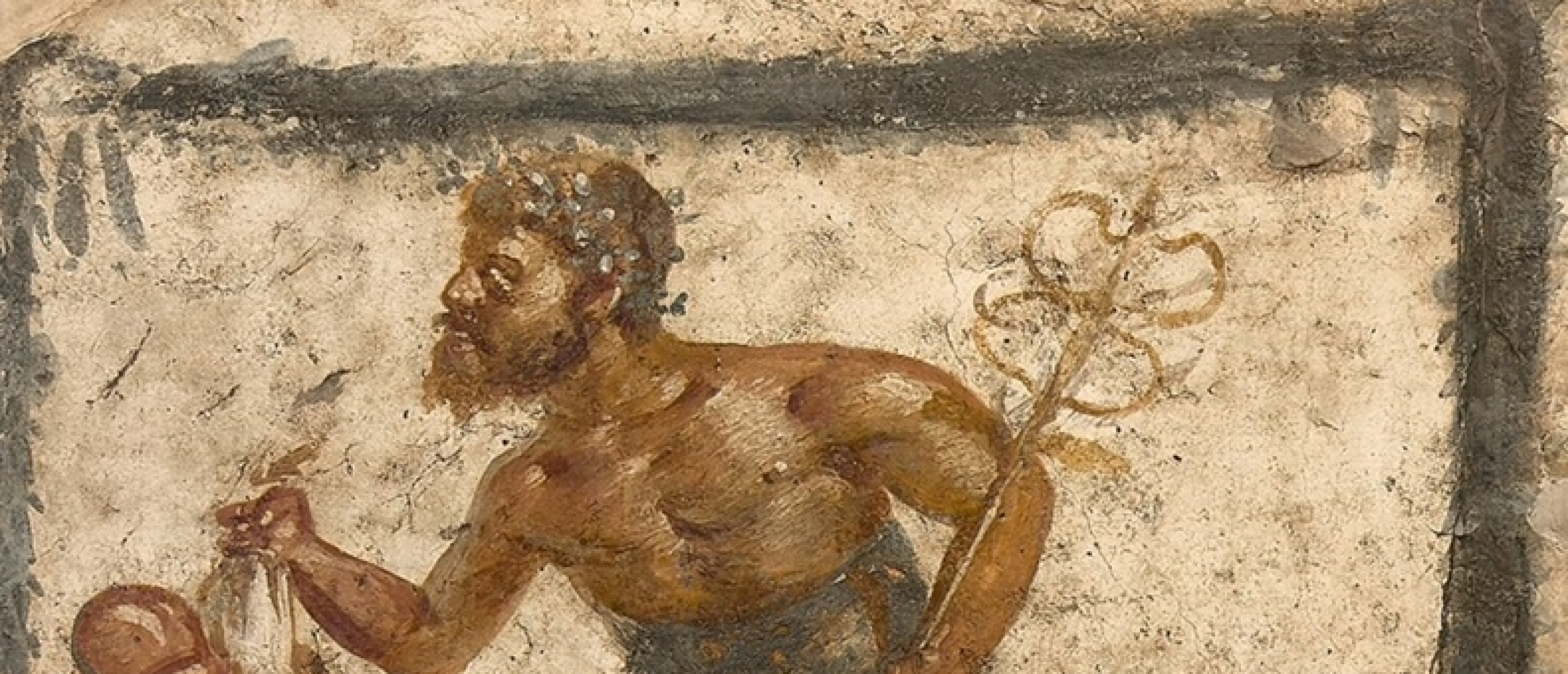

Among the polyvalent deities of Greco-Roman religion very few are as visually unmistakable or as conceptually layered as Priapus, the ithyphallic god of gardens, fertility, livestock, and warding off the evil eye. At first glance, he appears as a figure of comic erotic exaggeration: a rustic god with an impossibly oversized phallus. When I first saw the fresco in Fig.1. I knew it was something that I will not forget soon. As banal as it may be, it is, nonetheless, a powerful visual image. Some may feel shy to look at it, but everyone is equally curious, without a doubt. Yet, across Roman painting, sculpture, mosaics, and even household objects, Priapus emerges as a complex icon of sexuality, abundance, apotropaic magic, and power, existing in the liminal border-world between sacred and ridiculous. His afterlife, unexpectedly, extends into the visual culture of the present, surviving in memes, hentai, internet humour, and the general logic of hypersexualised exaggeration as a visual language.
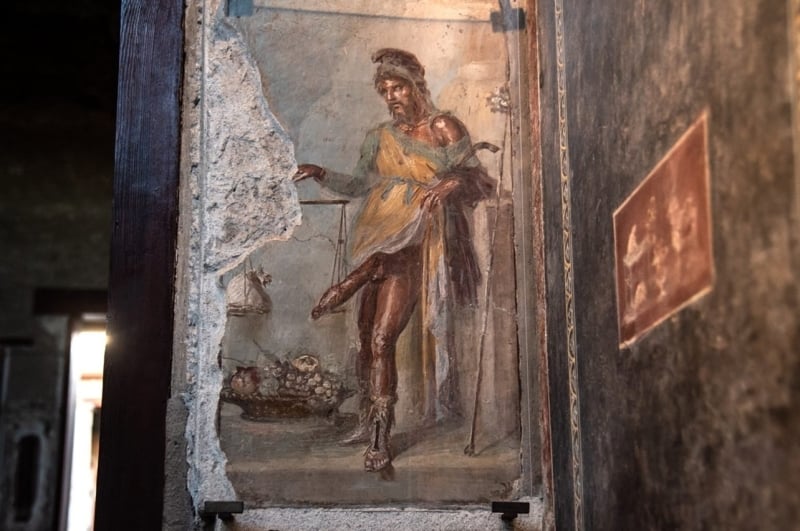
Fig.1 A fresco depicting God Priapus in the House of the Vettii in the Archaeological Park of Pompeii
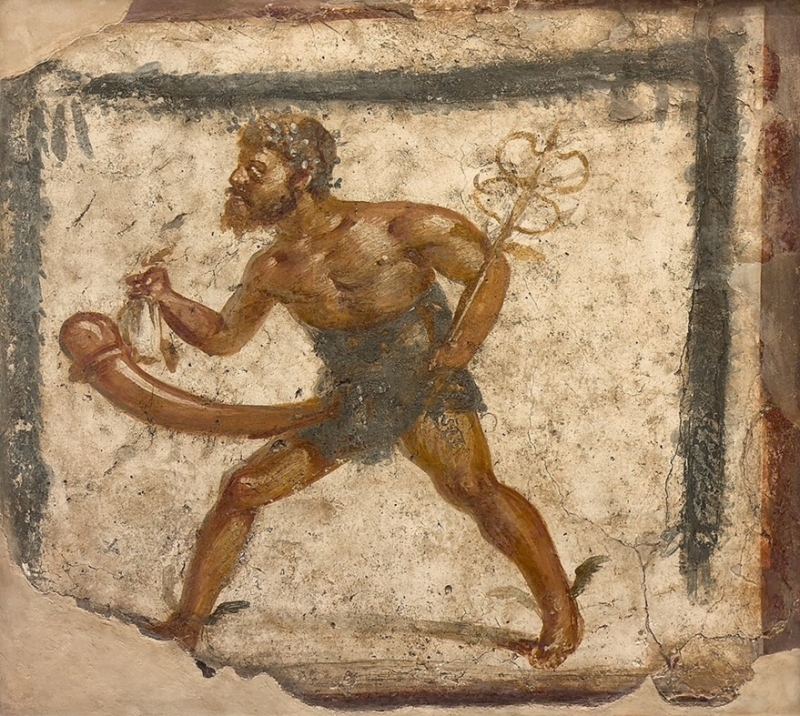
Fig.2 Fresco of Hermes as Priapus (Gabinetto Segreto)
Sensual Refinement of Dionysus
If we look at his origins, we learn that Priapus was likely a minor Anatolian or Hellenistic god absorbed into Roman religion through syncretic expansion. While mentioned in Greek sources, it is really within Roman domestic cult that Priapus attains his most culturally significant role. He is not a lofty Olympian god; rather, he is god of threshold spaces: gardens (horti), vineyards, animal enclosures, liminal borders between domestic and wild, fertility of women, land, and livestock. Unlike the idealised nudity of Apollo or the sensual refinement of Dionysus, Priapus is agricultural, earthy, tactile, rooted in the material cycles of nature. His gaze is not toward the heavens, but toward soil, flesh, seed, rot, and harvest. Romans placed painted or carved effigies of Priapus at garden entrances precisely because his phallic power was considered apotropaic, protective. The obscene wards off the evil eye. Laughter is a weapon. The phallus is not merely erotic but magical, a bulwark against envy, misfortune, sterility.
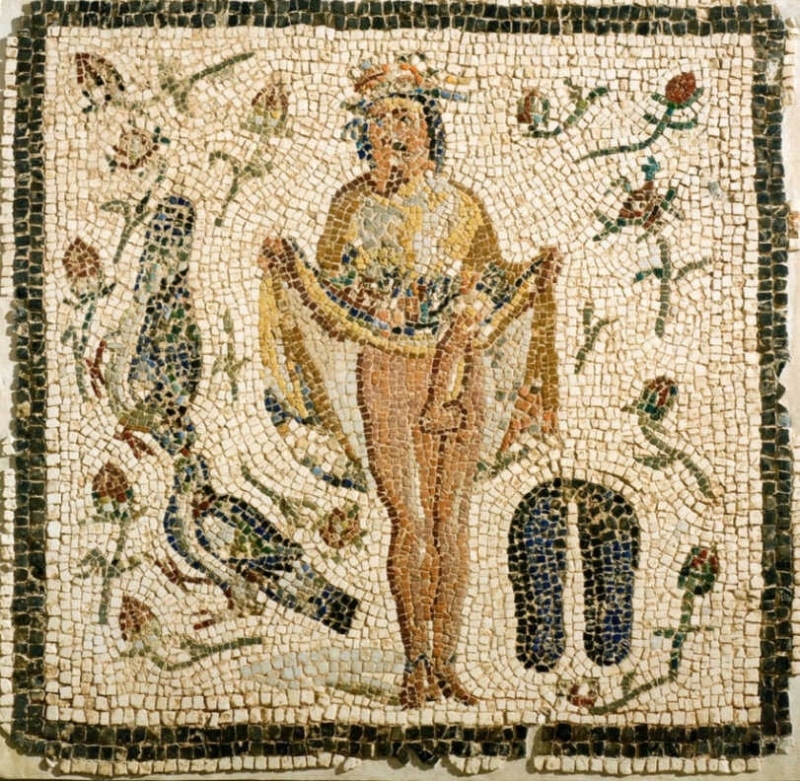
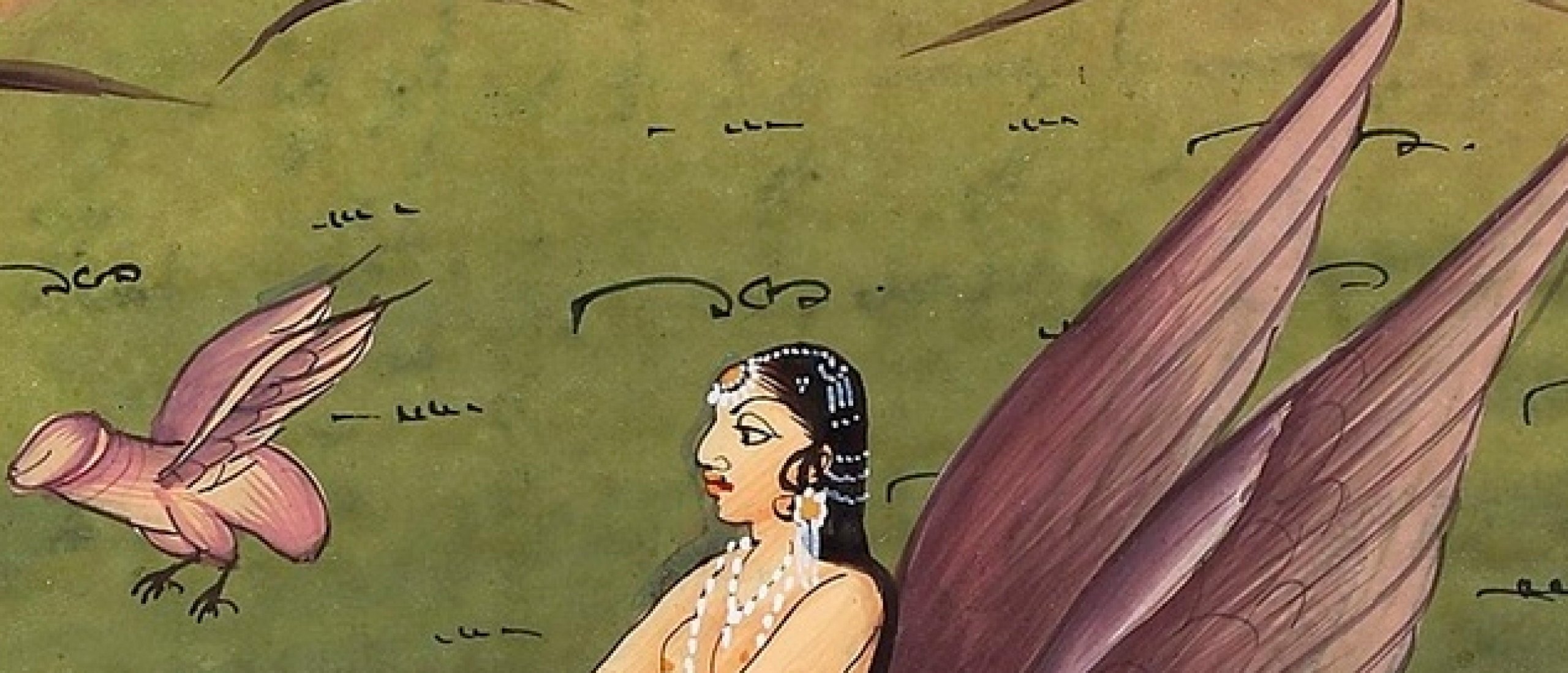
Fig.3 Detail of Priapus Mosaic in the Roman villa of Bobadilla
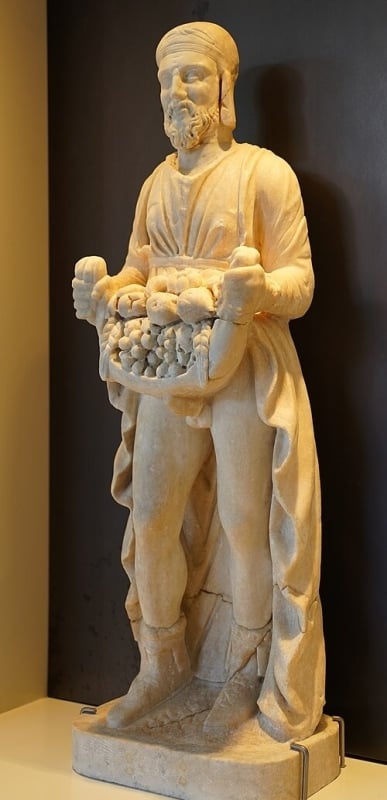
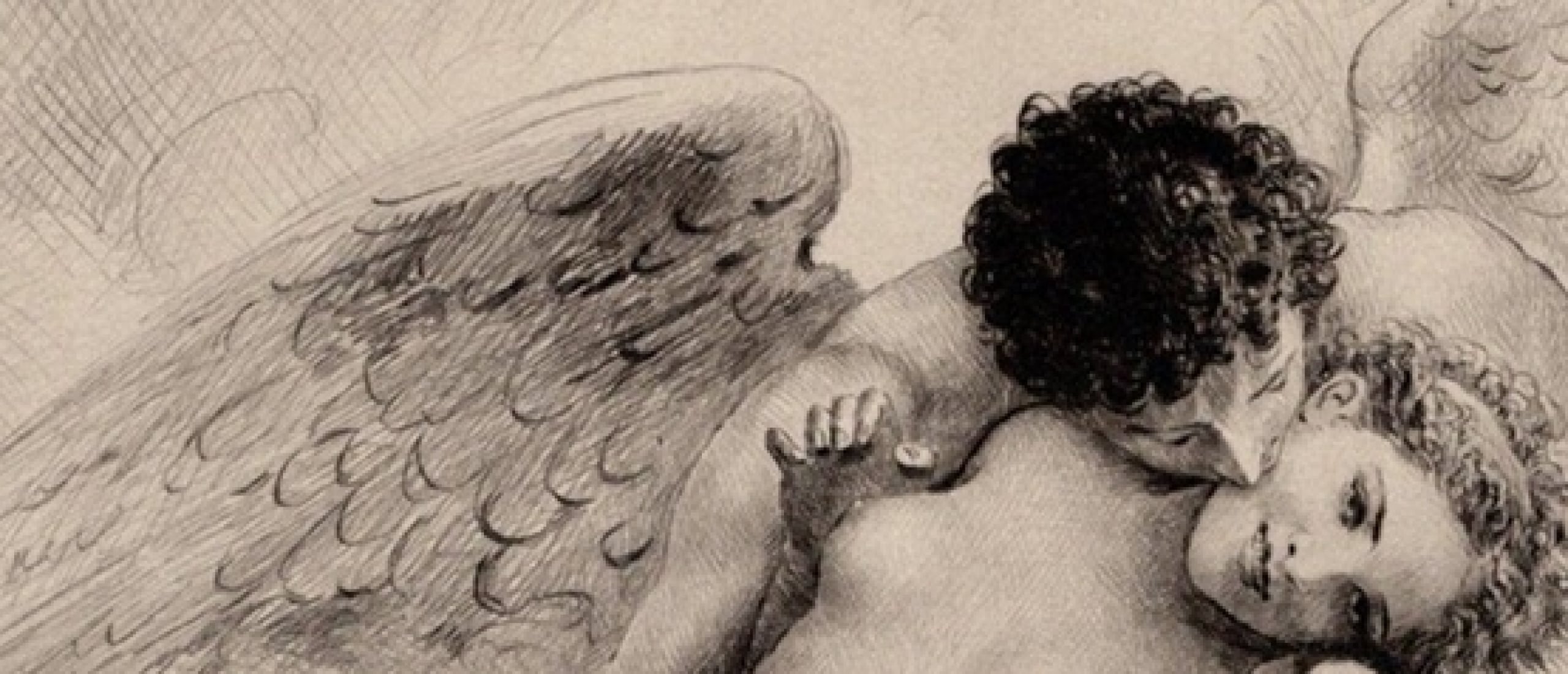
Fig.4 Statue of Priapus, 1 or 2 c AD
Weighing His Own Phallus
The most famous depiction is Priapus at the House of the Vettii in Pompeii (1st c. AD), seen in Fig.1., where he standing and weighing his own phallus against a bag of coin, the symbolism here is quite clear: sexual power equals economic power. His erect organ is both a fertility generator and a wealth guarantor. The fresco is not pornographic but ritual-aesthetic, a blessing for prosperity. In this sense, we can connect it anthropologically to other cultures as well, for example the Buddhist monastery Chimi Lhakhang in Bhutan, seen in Fig.8. and Fig.9.
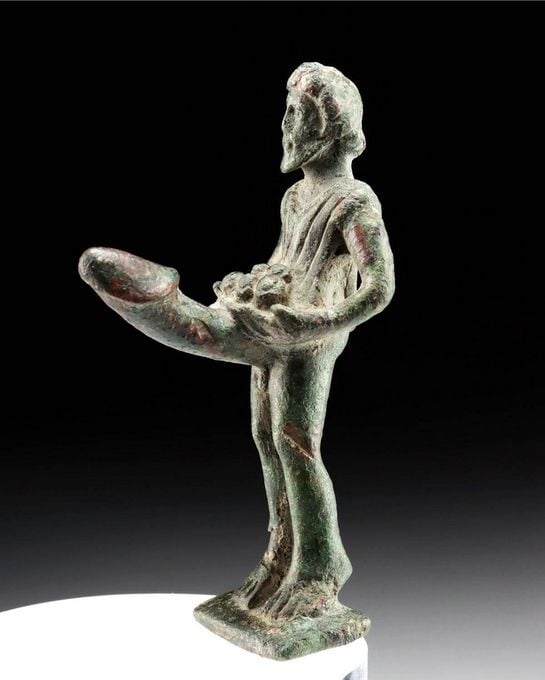
Fig.5 Roman Bronze Nude Figure of Priapus
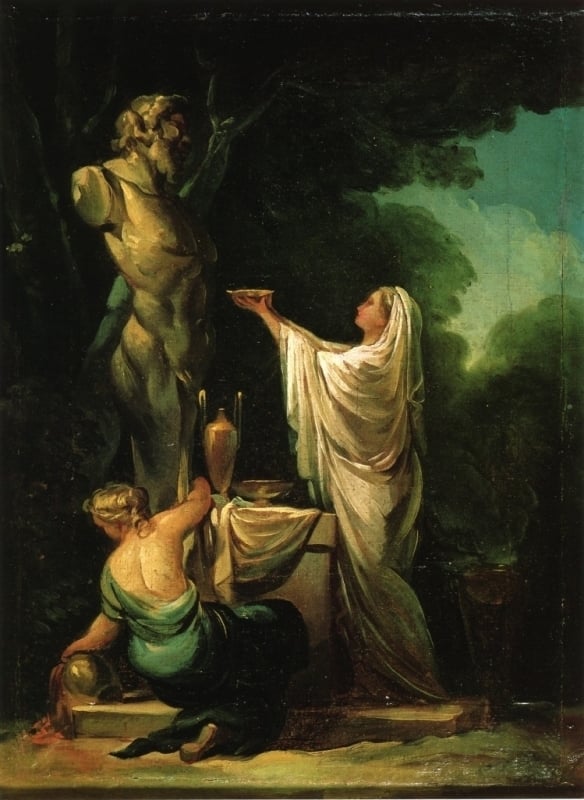
Fig.6 Francisco Goya, The Sacrifice to Priapus, 1771
Shameful
Priapus appears elsewhere in Pompeii, in garden tricliniums and domestic courtyards, sometimes as sculptural figural fountains, where water would spout from the phallus, an ingenious fusion of humour and fertility symbolism. Unlike later Christian moral frameworks, the Roman domestic viewer did not see these works as shameful. Priapus was protective, generative, and even joy-bringing, but also borderline ridiculous, because laughter is part of his ritual power.
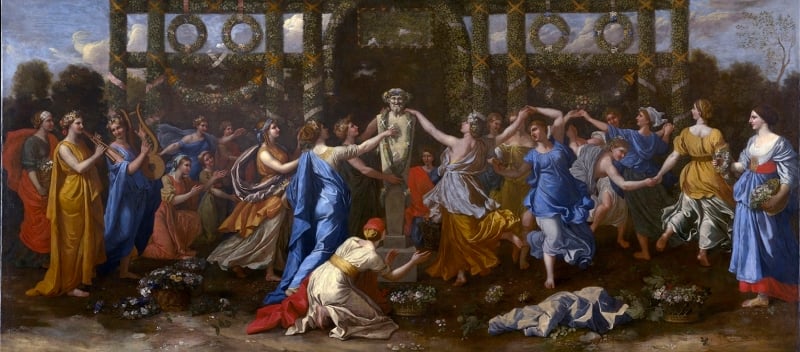
Fig.7 Hymenaeus Disguised as a Woman During an Offering to Priapus, 1634-38
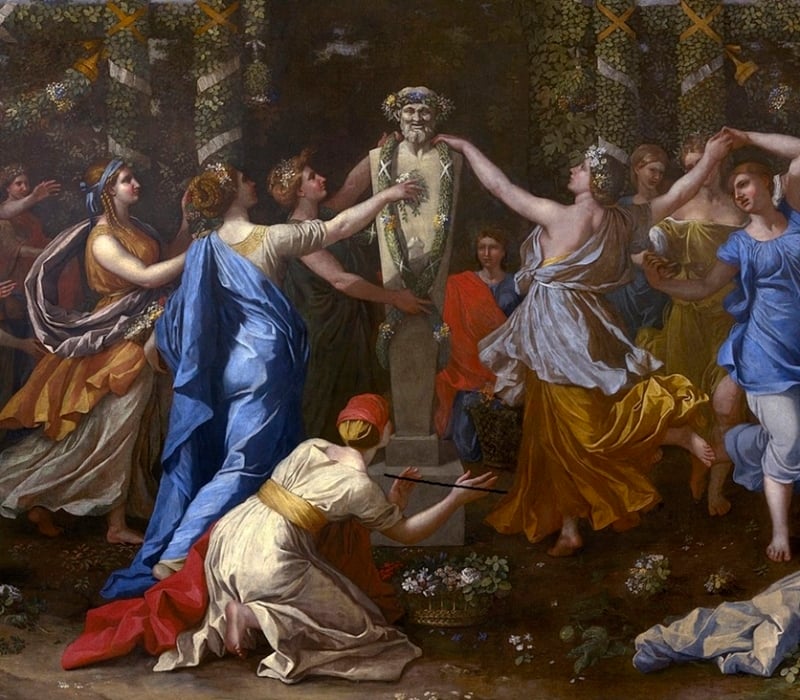
Fig.7a

Fig.8 Bhutan Penis Monastery
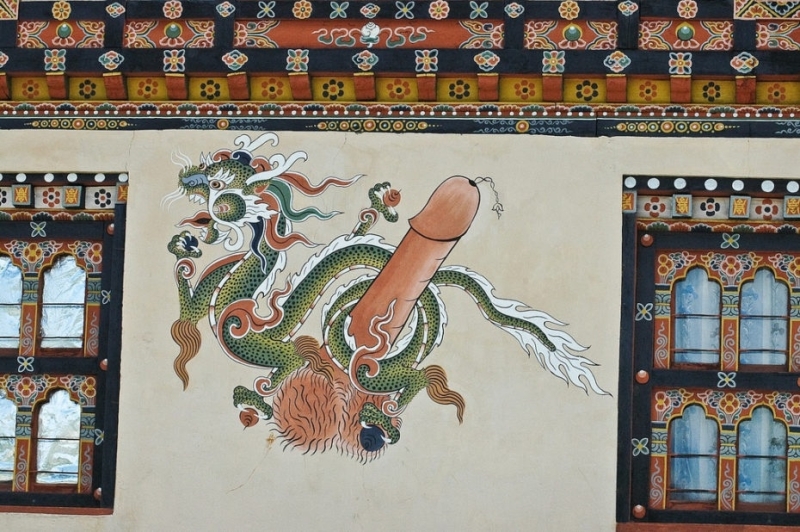
Fig.9 Bhutan Penis Monastery
Become a Premium member and discover more about the artistic treatment of Priapus, its portrayal throughout art history, the meaning of its grotesque libido, and MUCH more...!!
Click HERE for the erotic artifacts of Pompeii and Herculane
Let us know your thoughts about the article in the comment box below...!!