
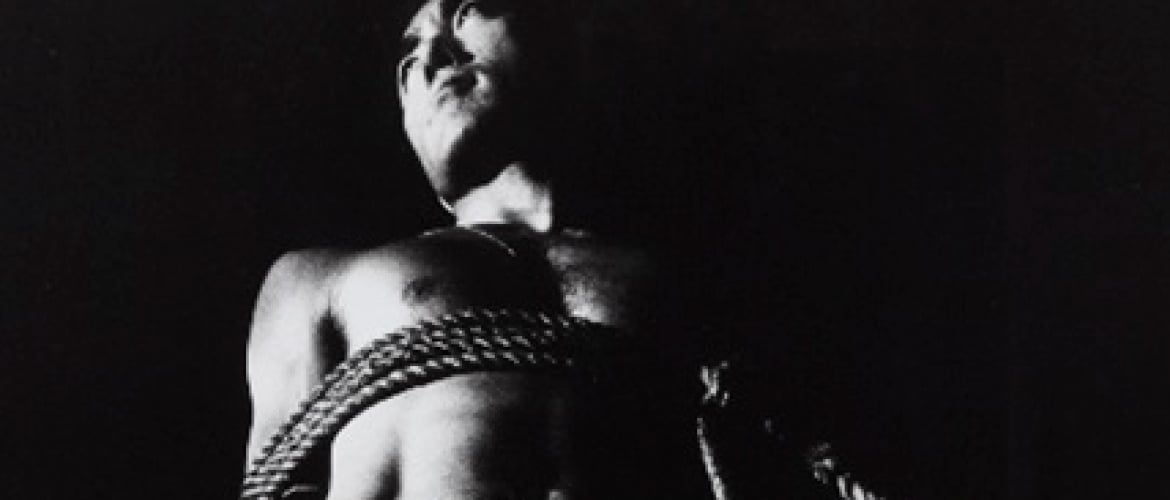

Eikoh Hosoe (born 1933) is a Japanese photographer and filmmaker who collaborated with Araki Nobuyoshi, the hero of our previous article, in the 1970s. His masterful black and white depictions of eroticism are the hymn to the human body and the triumph of the human imagination.
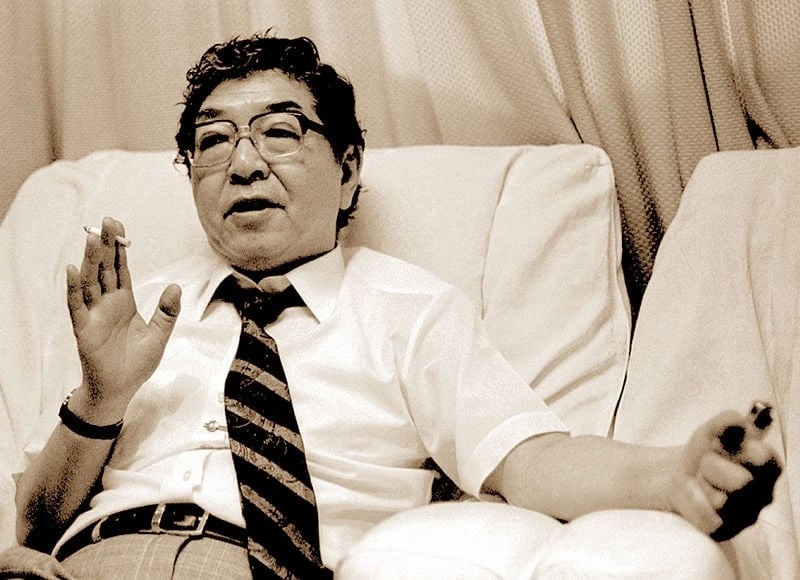
Hosoe in his studio, 1989 (Wikipedia.org)
“What’s In a Name?”
The real name of Eikoh Hosoe is Toshihiro Hosoe. The photographer took a new name as a symbol of Japan after World War II. We’ve mentioned this transformation of human consciousness in the article on the Dutch artist Karel Appel. Western and Eastern modern artists, in equal measure, feel that the world has changed dramatically. French philosopher Cioran wrote that he admired the Asian tradition of changing a name after surviving a cruel disease. Toshihiro/Eikoh Hosoe tells us by his symbolic gesture that he is a survived one, like all his contemporaries. A survived one and a different one.
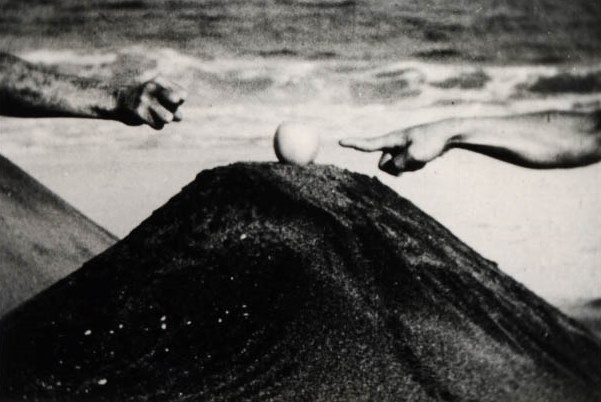
Frame from “Navel and A-bomb” film (yokohamatriennale.jp)
Awards and A-Bomb
The childhood and schooling of Hosoe happened during wartime. At the age of 19, he was first awarded for his photographs of Fuji and two years later enrolled at the Tokyo School of Photography. Already in 1954, he finished his studies and became a freelance photographer. Then, in 1956, his first exhibition, “An American Girl In Tokyo,” happened. Four years after, Hosoe founded “The Jazz Film Laboratory” (Jazzu Eiga Jikken-shitsu) with writers Shuji Terayama and Shintaro Ishihara. Within this multidisciplinary artistic project, Hosoe created the short black and white film “Navel and A-Bomb” (Heso to genbaku).
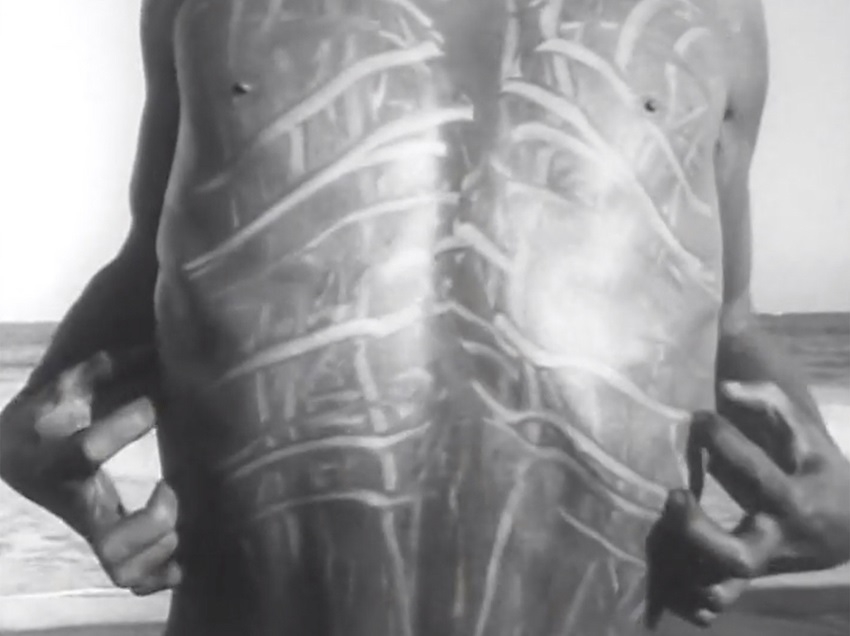
“Navel and A-bomb” (contemporaryartreview.la)
Man and Woman
In 1959, Hosoe created one of his famous series, “Man and Woman.” The masterful usage of contrast and composition allows Hosoe literally to embody his vision of male and female essence with a sense of humor and harmony.
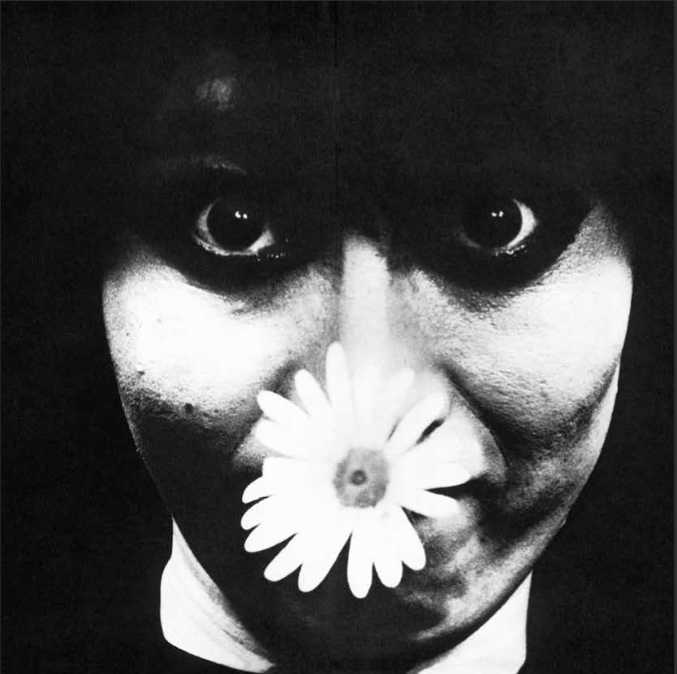
“Man and Woman” (Sesc Consolação exhibition program, 2014)
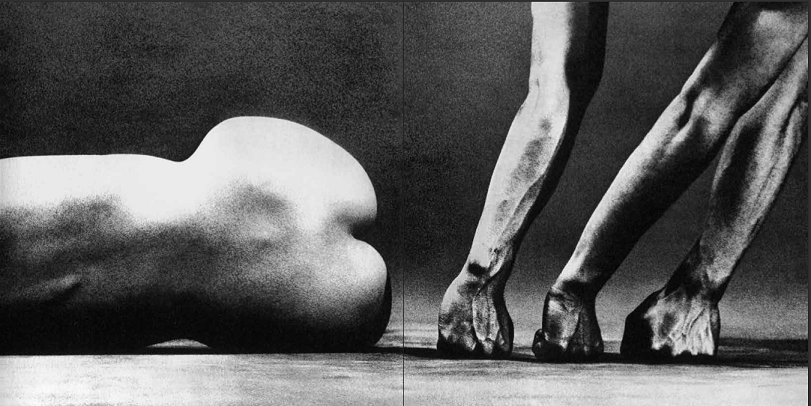
“Man and Woman” (Sesc Consolação exhibition program, 2014)
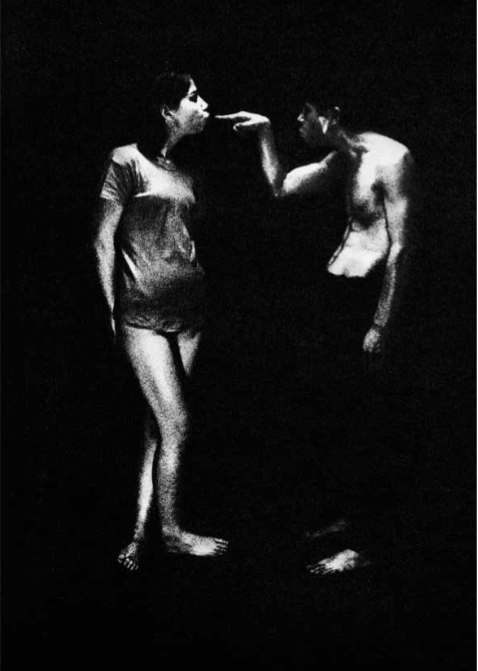
“Man and Woman” (Sesc Consolação exhibition program, 2014)
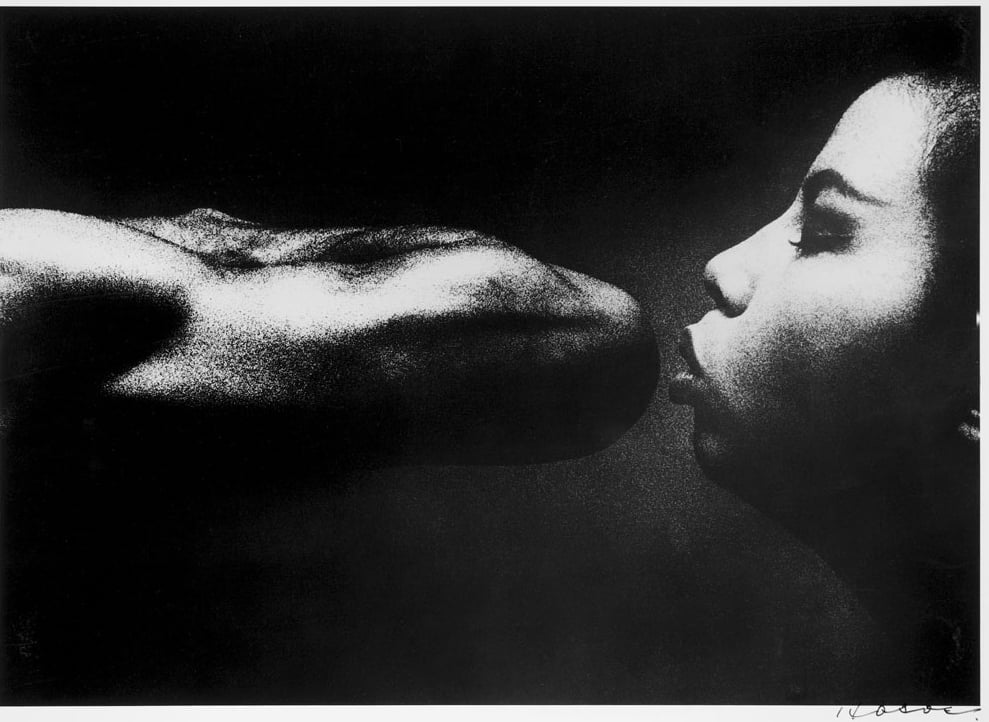
“Man and Woman” (Sesc Consolação exhibition program, 2014)
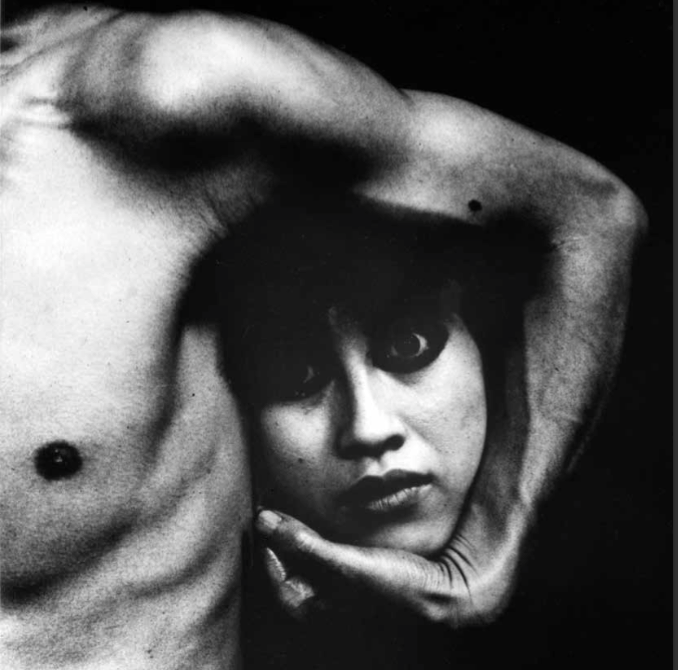
“Man and Woman” (Sesc Consolação exhibition program, 2014)
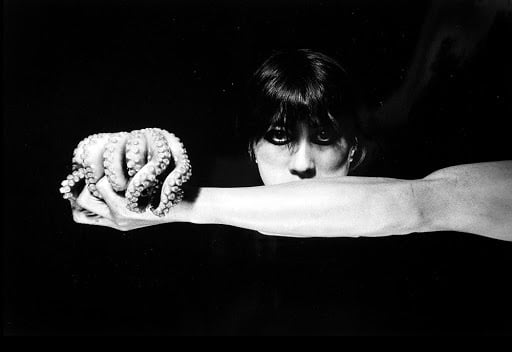
“Man and Woman” (Sesc Consolação exhibition program, 2014)
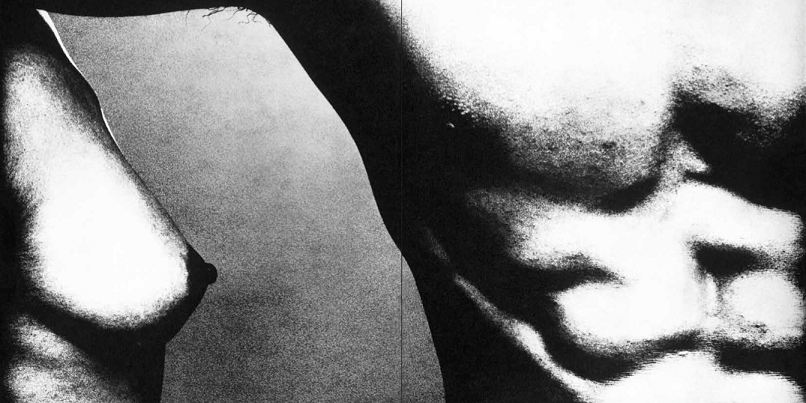
“Man and Woman” (Sesc Consolação exhibition program, 2014)
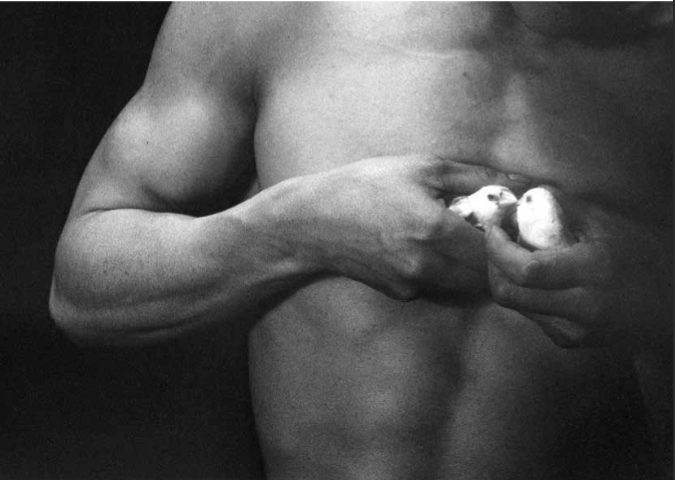
“Man and Woman” (Sesc Consolação exhibition program, 2014)
Ordeal By Roses
At the beginning of the 1960s, Hosoe was given The Most Promising Photographer Award by the Association of Japanese Photo Critics. From 1961 to 1963, Hosoe made portraits of the writer and actor Yukio Mishima. The series of sado-erotic images, “Ordeal by Roses” (Bara-Kei), is focused on the male body surrounded by Renaissance oeuvres. As Allen Edwards mentions, Hosoe abstracts away from the real objects, their purpose, and meaning, and uses them only as material for his combinations, just like writers or composers use words and sounds.
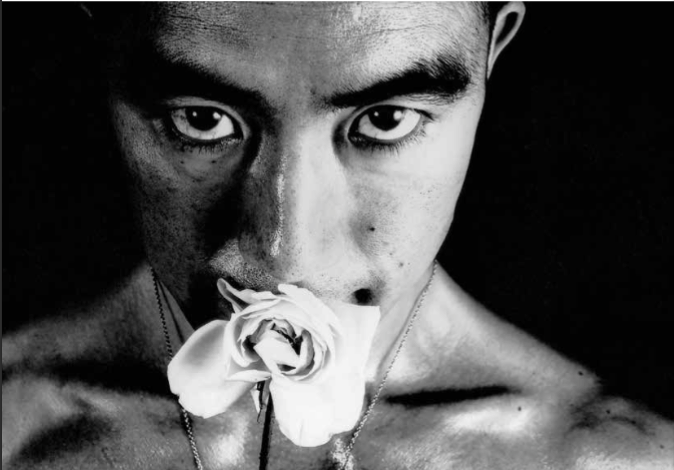
“Ordeal by roses” (Sesc Consolação exhibition program, 2014)
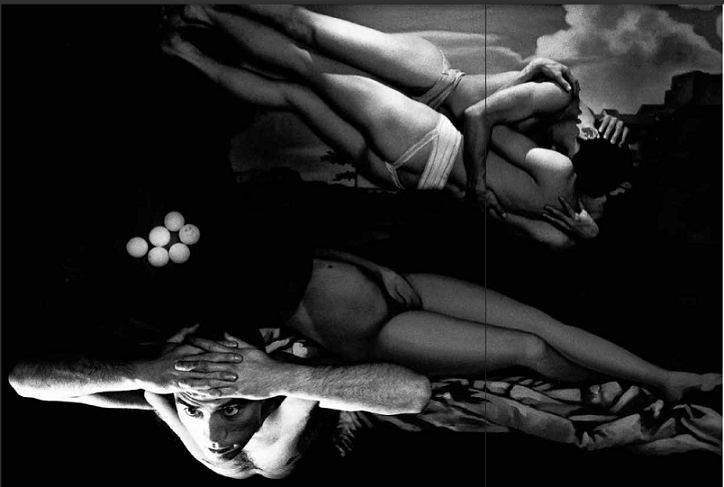
“Ordeal by roses” (Sesc Consolação exhibition program, 2014)
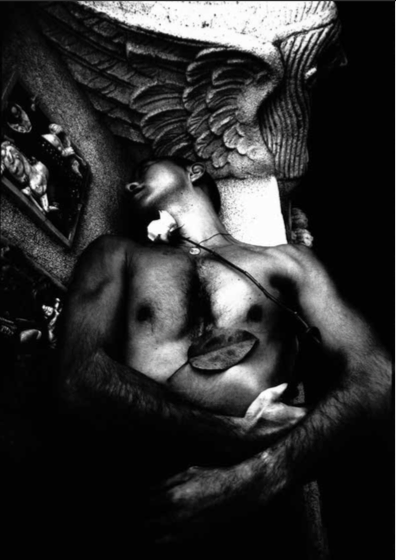
“Ordeal by roses” (Sesc Consolação exhibition program, 2014)
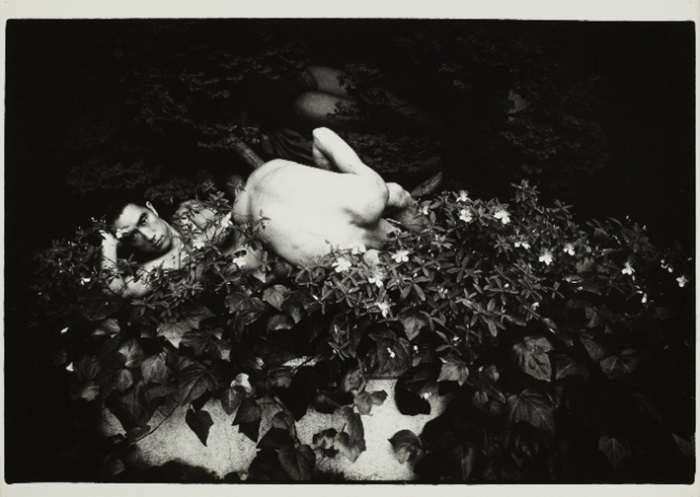
“Ordeal by Roses” (gbenard.files.wordpress.com)
“That Which We Call a Rose…”
Hosoe changes the specificity of the photograph, which is meant to be the most objective medium. His pictures are subjective, grotesque, and ghost-like. They demonstrate not the outer but the inner imaginative world. The rose is still a rose, but it can also be a palace, an elephant, a phallic or vaginal symbol in Hosoe’s objective lens. “Bara-Kei” was praised by Japanese photo critics. In 1970, Hosoe collaborated with Mishima for a new edition of this series. The same year, Mishima, unsatisfied with the political state of Japan, committed suicide.
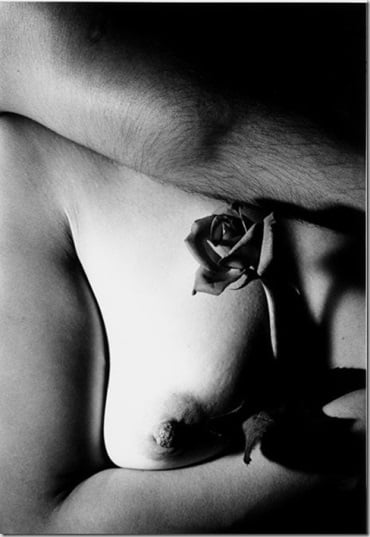
“Ordeal by Roses” (gbenard.files.wordpress.com)
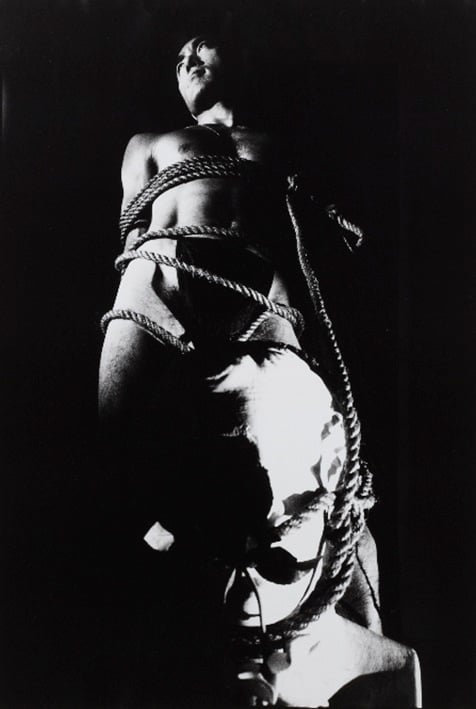
“Ordeal by Roses” (gbenard.files.wordpress.com)
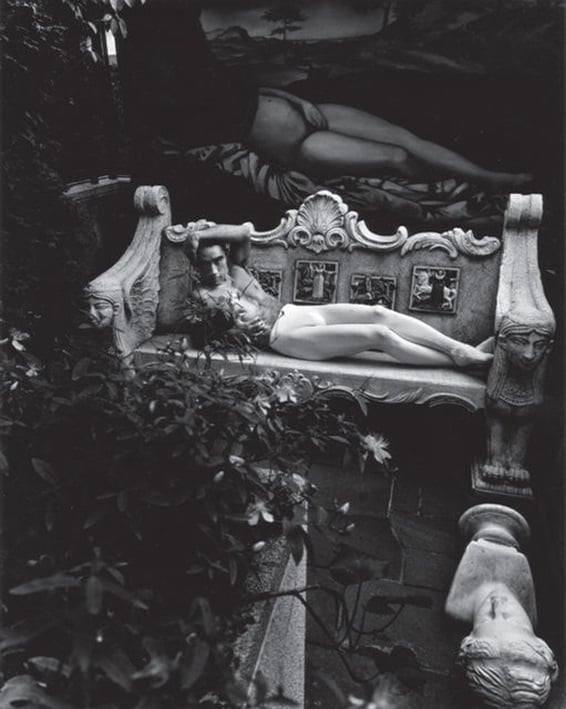
“Ordeal by Roses” (gbenard.files.wordpress.com)
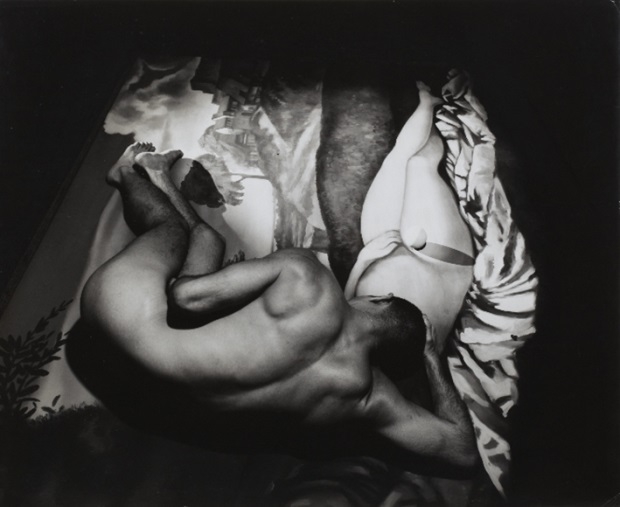
“Ordeal by Roses” (gbenard.files.wordpress.com)
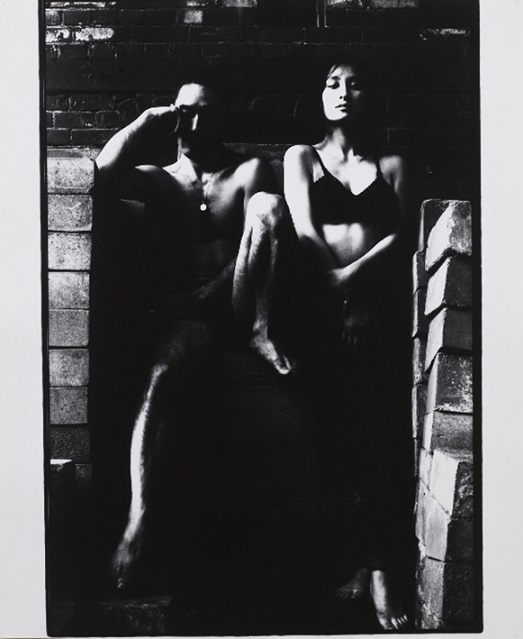
“Ordeal by Roses” (gbenard.files.wordpress.com)
Embrace
In 1971, Hosoe published the “Embrace” series he created at the end of the 1960s as a book. Hosoe’s adherence to composition and contrast reaches here its’ highest point. Watching the series, Yukio Mishima said the following: “The viscosity which is associated with sex – those earthly odors and temperatures of soft and indeterminately formed internal organs – has been painstakingly removed from these photographs. To me, this is a series filled with a hard, athletic beauty. First and foremost, it is about form.” (“Eikoh Hosoe. Theatre of Memory” (the prospect of the exhibition at NSW Art Gallery))
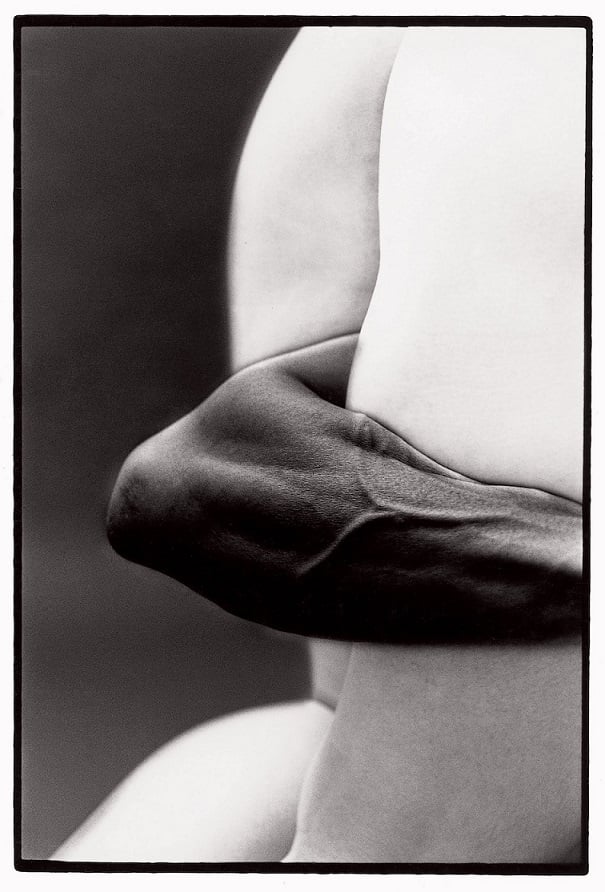
“Embrace” (clairbykahn.com)
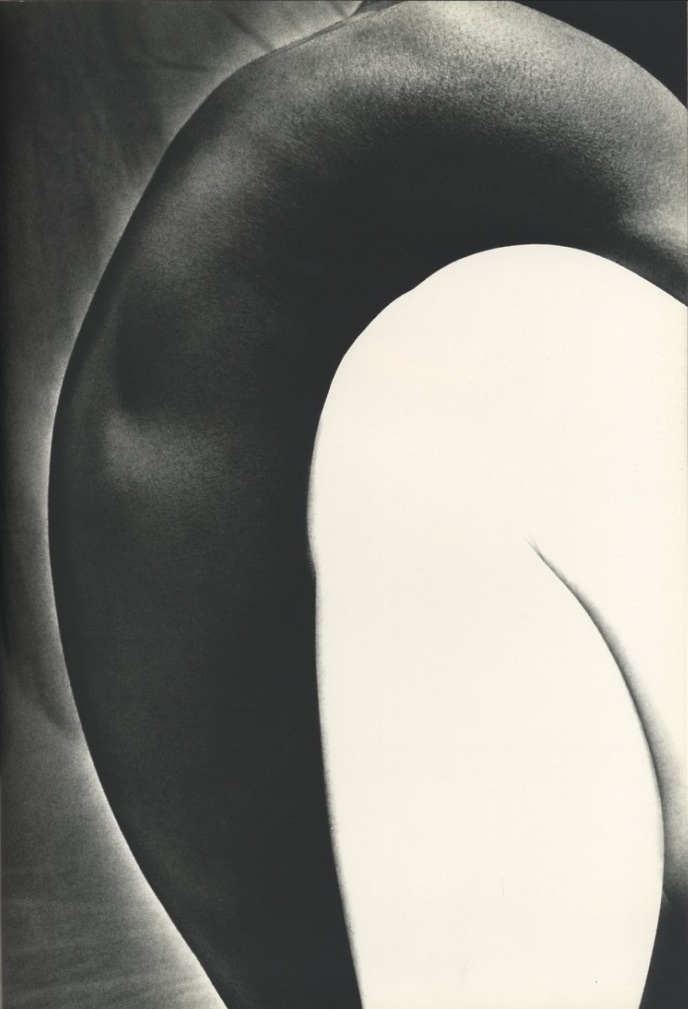
“Embrace” (cahanbooks.com)
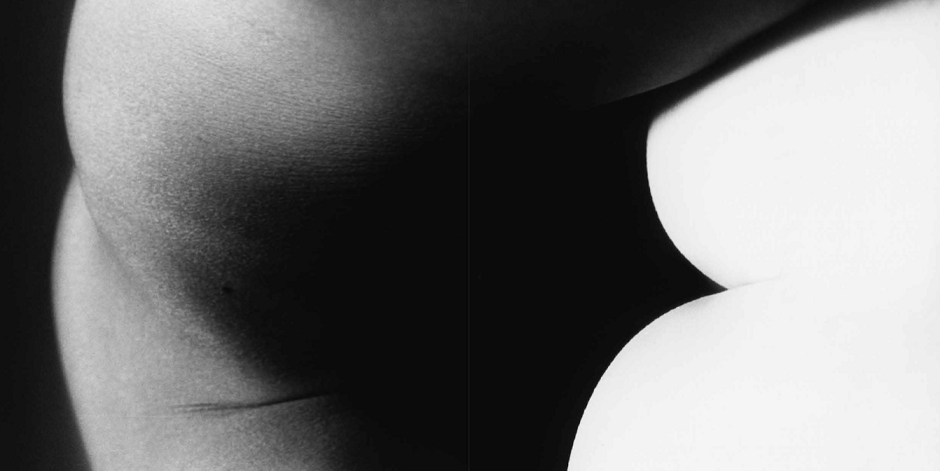
“Embrace” (cahanbooks.com)
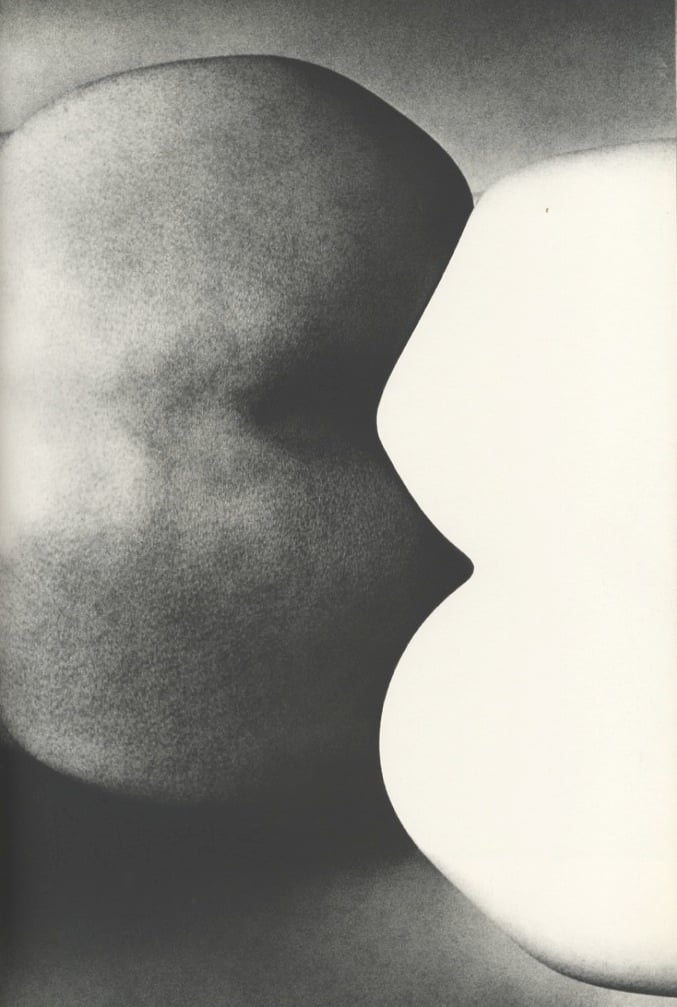
“Embrace” (Sesc Consolação exhibition program, 2014)
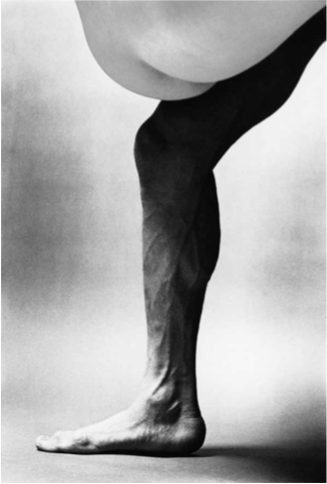
“Embrace” (Sesc Consolação exhibition program, 2014)
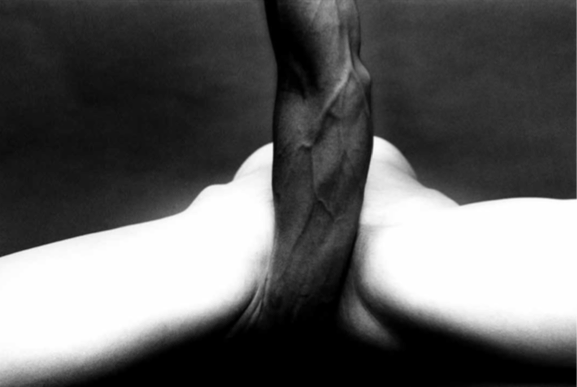
“Embrace” (Sesc Consolação exhibition program, 2014)
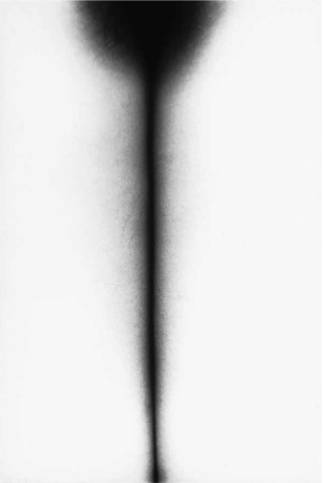
“Embrace” (Sesc Consolação exhibition program, 2014)
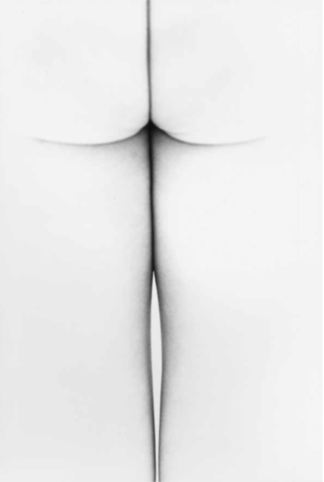
“Embrace” (Sesc Consolação exhibition program, 2014)
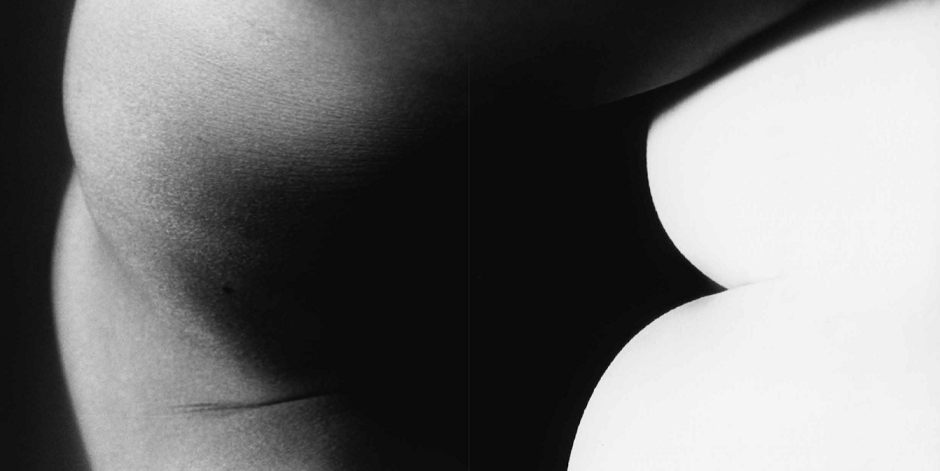
“Embrace” (Sesc Consolação exhibition program, 2014)
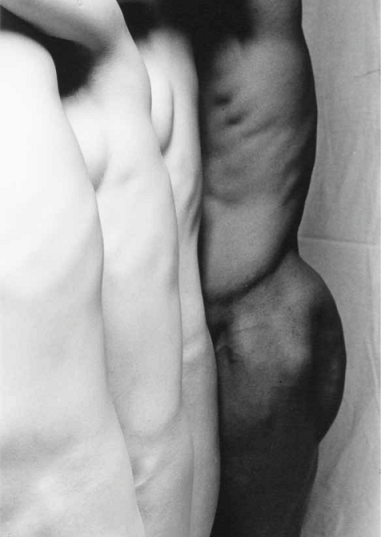
“Embrace” (Sesc Consolação exhibition program, 2014)
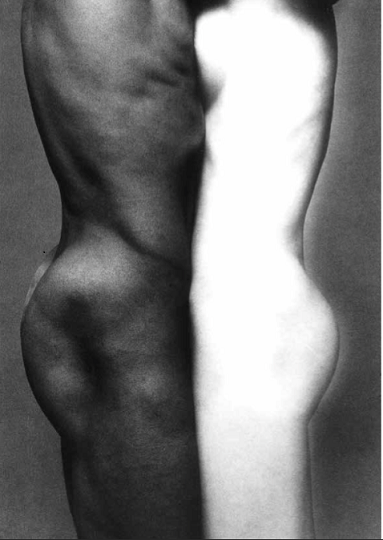
“Embrace” (Sesc Consolação exhibition program, 2014)
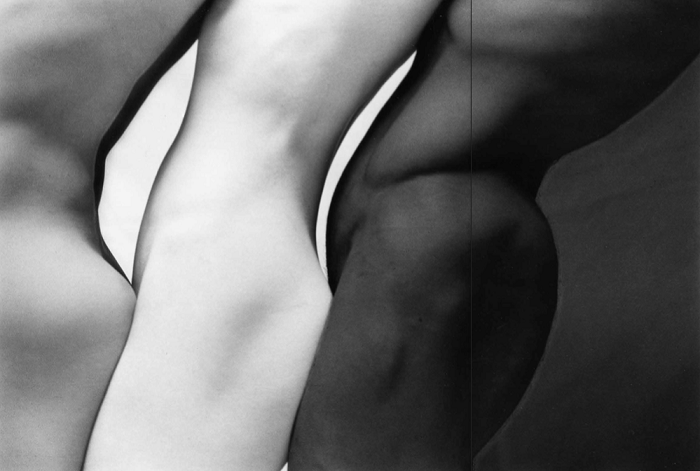
“Embrace” (tokinowasuremono.com)
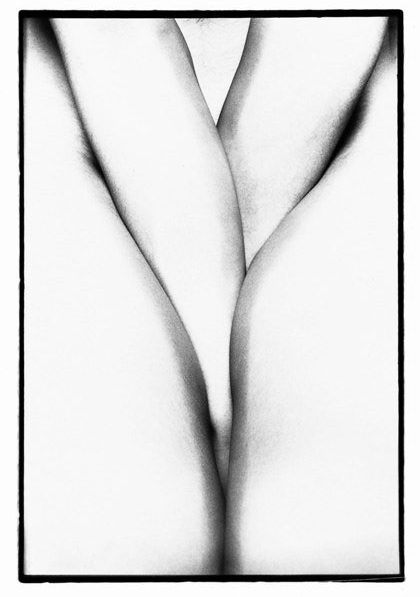
“Embrace” (tokinowasuremono.com)
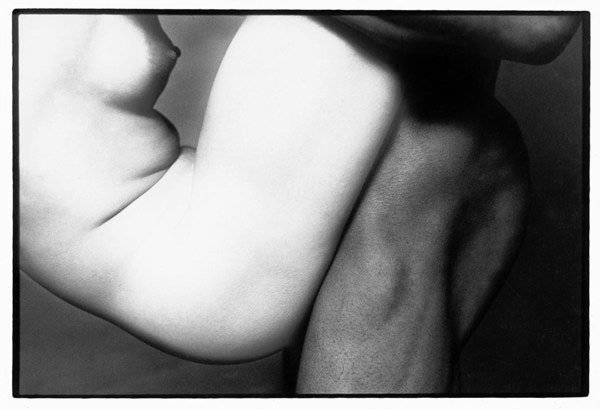
“Embrace” (tokinowasuremono.com)
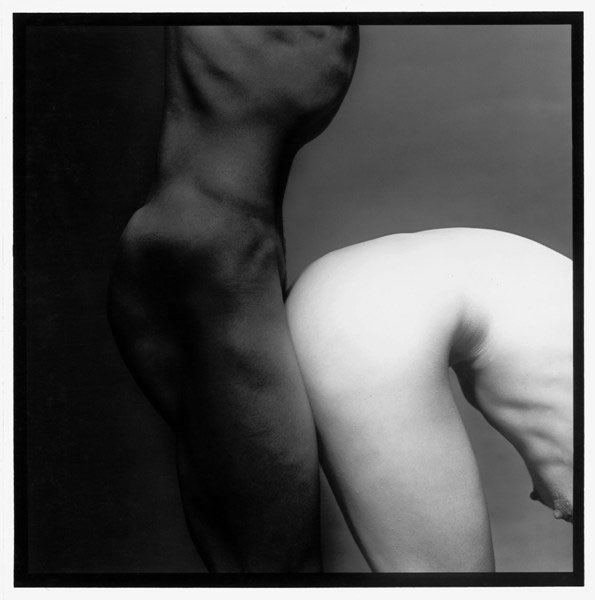
“Embrace” (tokinowasuremono.com)
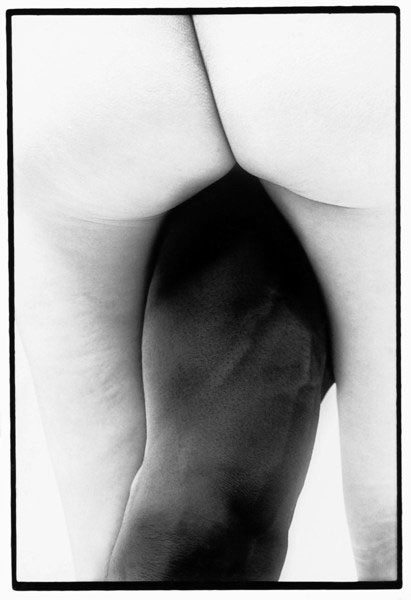
“Embrace” (tokinowasuremono.com)
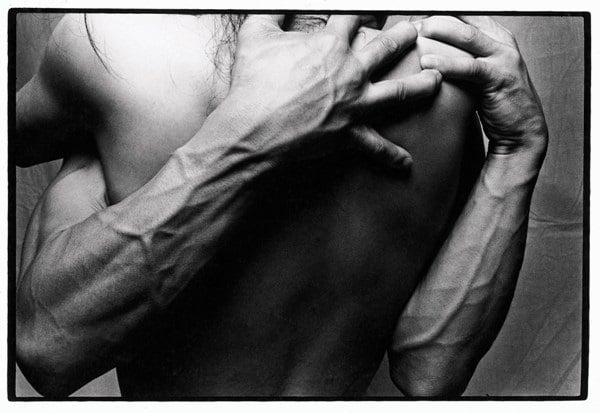
“Embrace” (tokinowasuremono.com)
Workshops and Gaudi
In the 1970s, Hosoe began teaching at the universities of Phoenix, Columbia, and Yosemite. In 1974, he co-founded the Tōkyō School of Photography together with Nobuyoshi Araki and Daido Moriyama. From 1976 to 1984, the artist worked on a set of photographs of Gaudi’s architecture (published in the book “The Cosmos of Gaudi“).
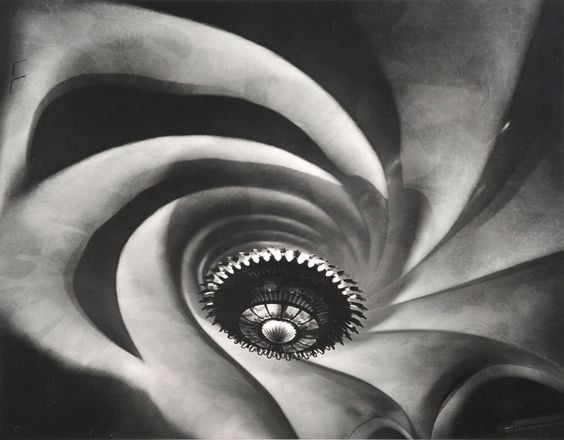
“Casa Battlo 123” (tokinowasuremono.com)
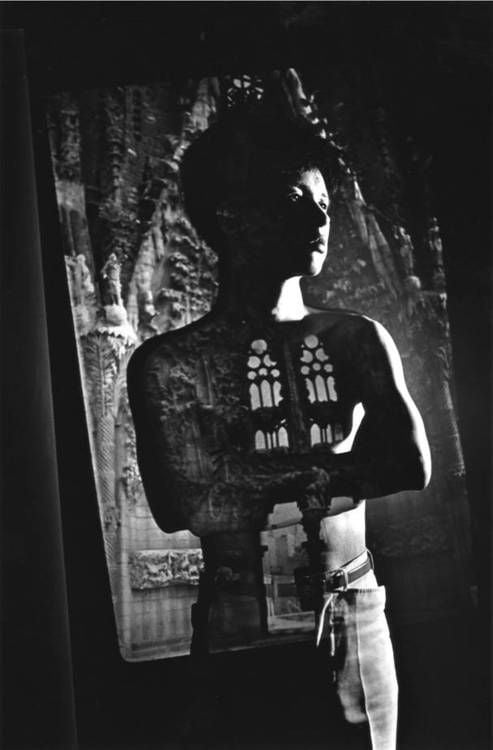
“Tatsuhiko Shibusawa (from a portrait of an acquaintance)” 1965 (la-dolce-vita-mika.blog.ss-blog.jp)
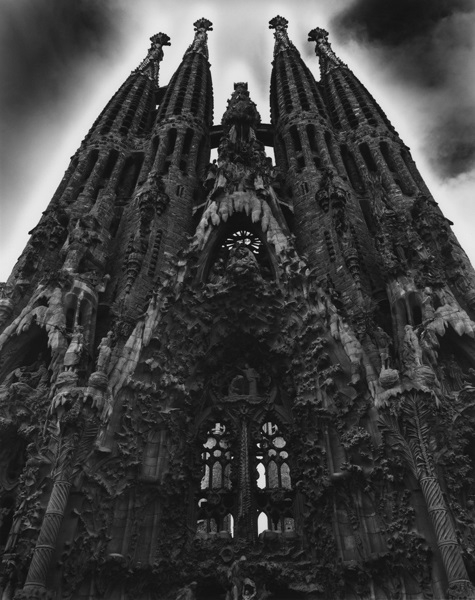
“Sagrada Familia 179” (tokinowasuremono.com)
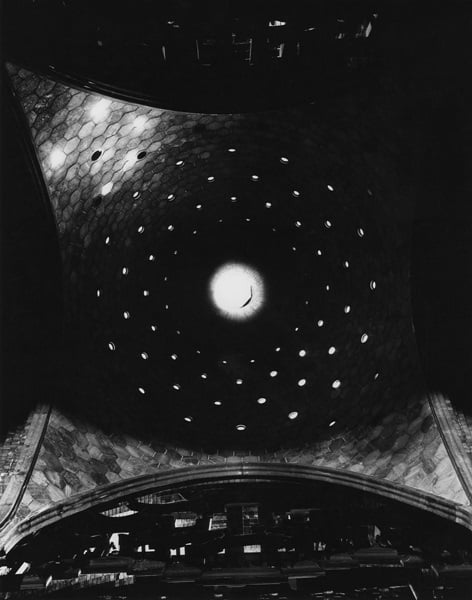
“Palacio Guell 160” (tokinowasuremono.com)
Ukiyo-e Projections
This artistic experiment involving shunga pictures was a result of Hosoe’s collaboration with the Asbestos Dance Studio founded by Tatsumi Hijikata and his wife Akiko Motofuji. In 2003, the studio was to close after 40 years of activity, so Hosoe felt he needed to pay tribute to this project. In the series of performances, the studio dancers were asked to coordinate their movements with the projections of ukiyo-e engravings (mainly Utamaro and Kunisada) and Hosoe’s works on their naked white-painted bodies. Performances conjugated 2- and 3-dimensional objects balancing between engraving and sculpture.
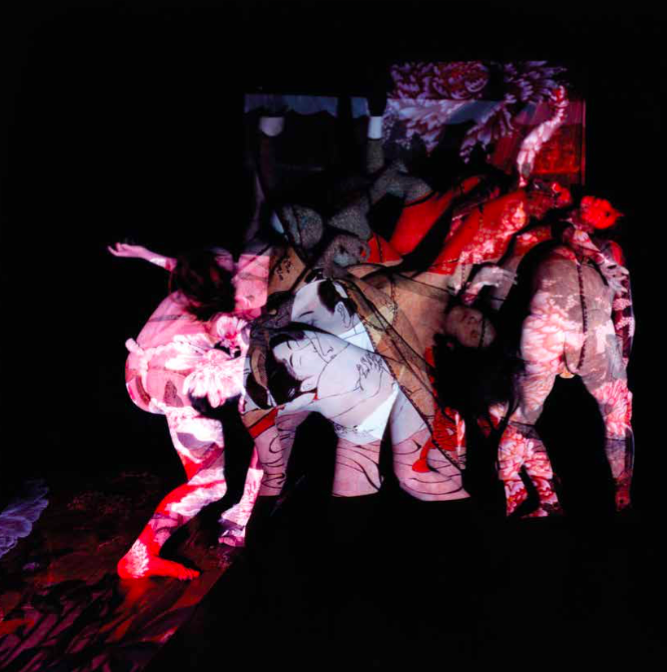
Shunga projection (Sesc Consolação exhibition program, 2014)
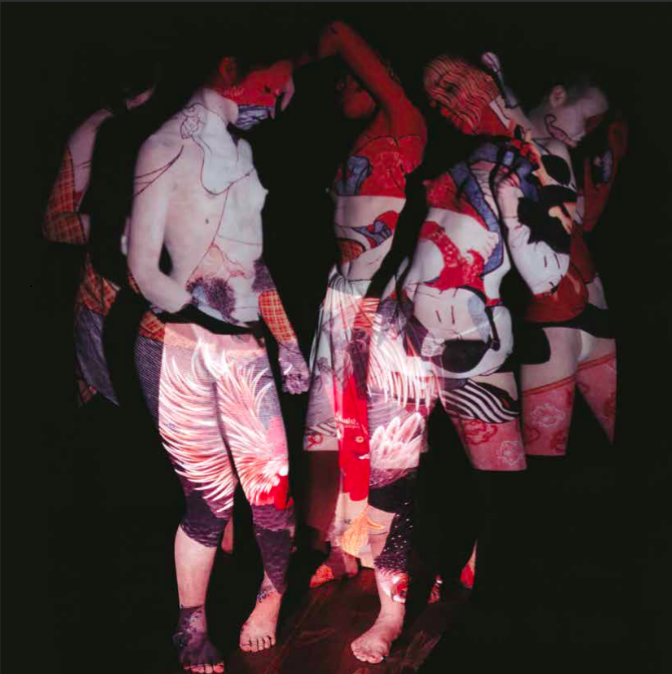
Shunga projection (Sesc Consolação exhibition program, 2014)
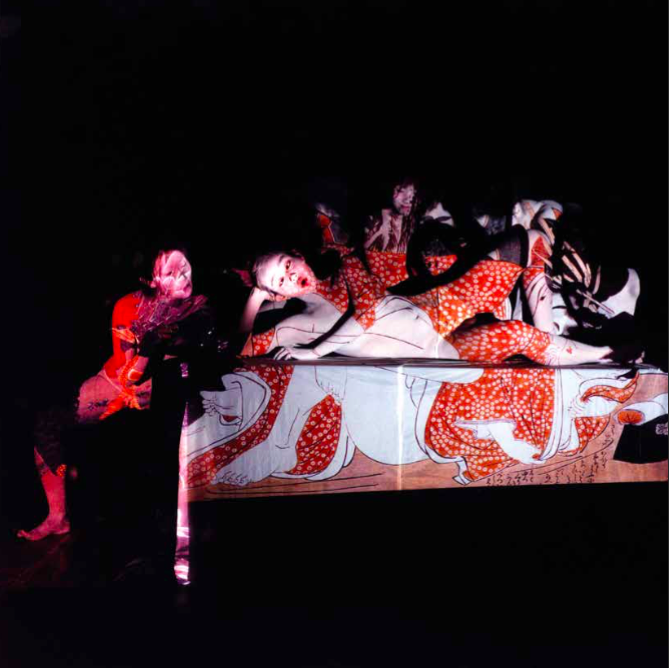
Shunga projection (Sesc Consolação exhibition program, 2014)
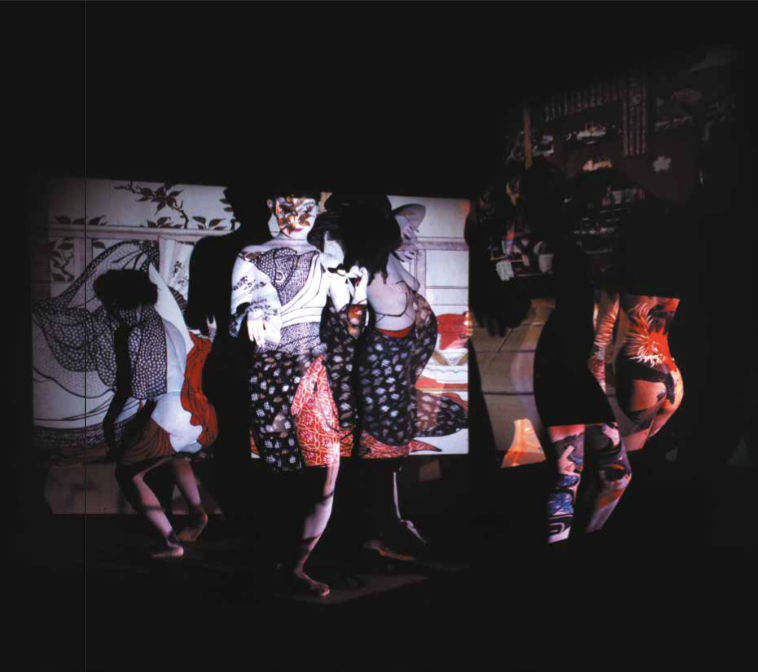
Shunga projection (Sesc Consolação exhibition program, 2014)
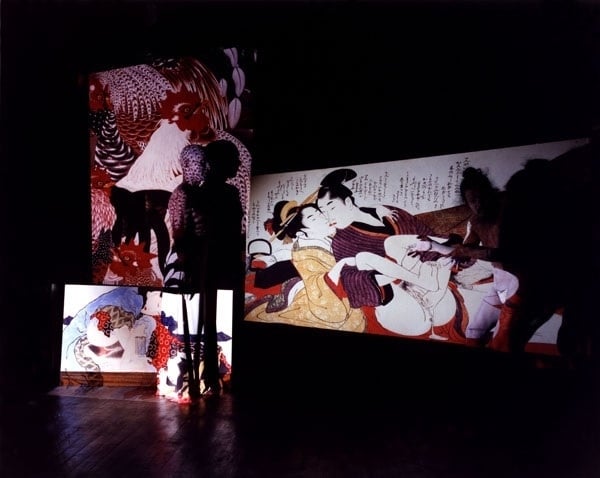
Shunga projection (Sesc Consolação exhibition program, 2014)
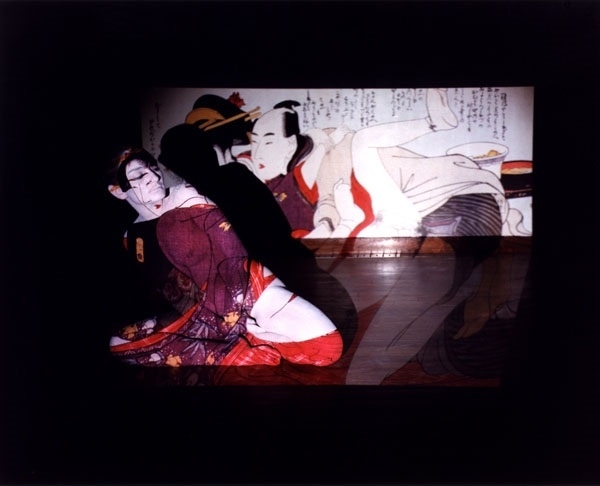
Shunga projection (tokinowasuremono.com)
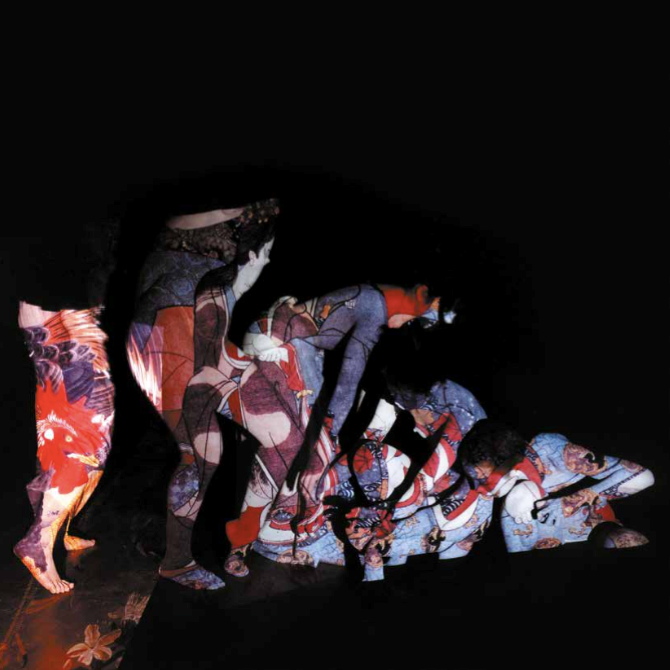
Shunga projection (tokinowasuremono.com)
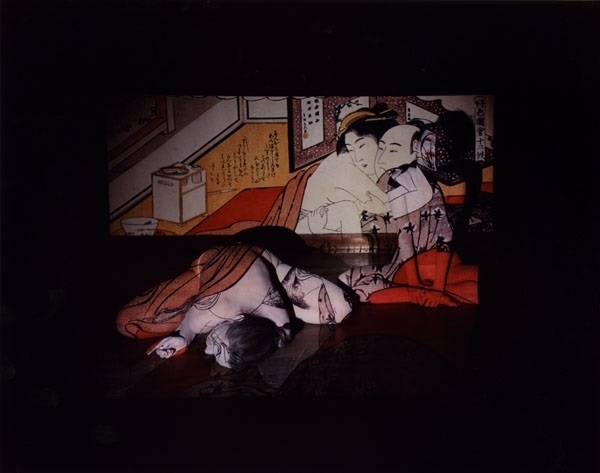
Shunga projection (tokinowasuremono.com)
The Career
From the 1970s until now, Hosoe has been holding a number of significant posts. He is director emeritus of Kamaitachi Museum of Art, vice-president of the Japanese Photographers’ Association, lecturer, and professor. He is still being awarded both Eastern and Western orders for his immense contribution to art.
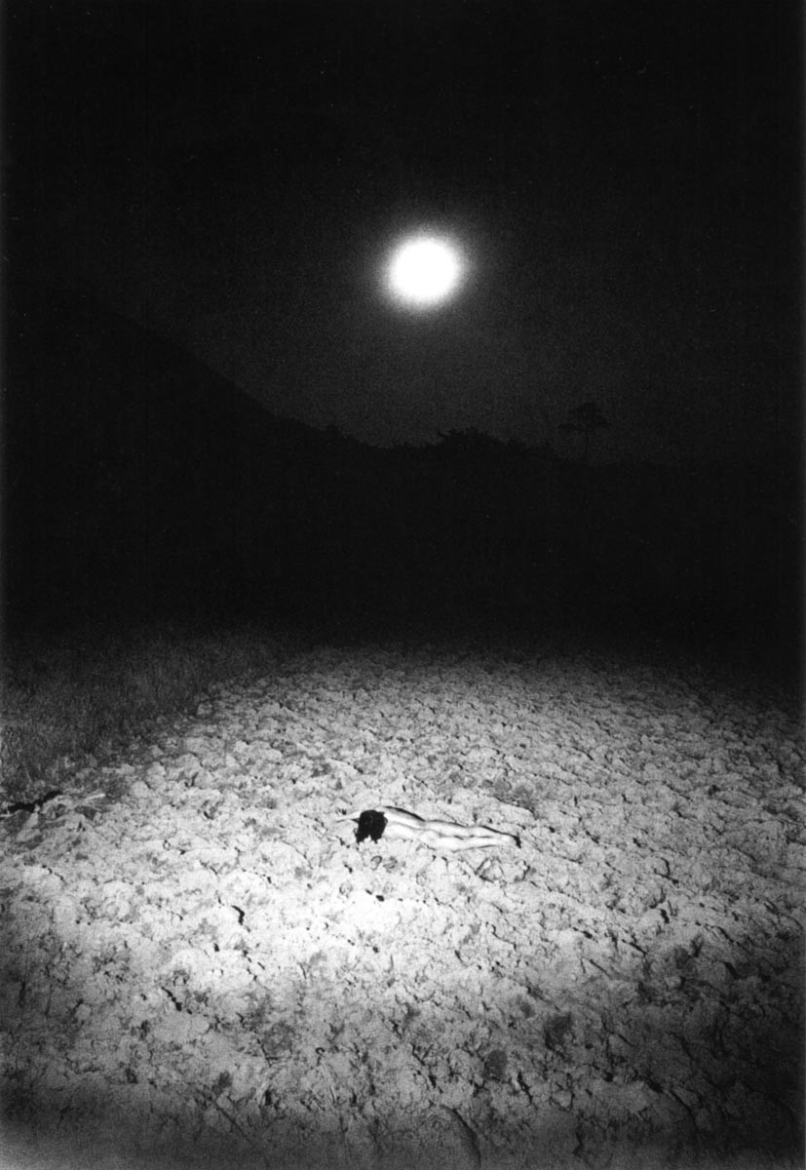
Kamaitachi, 1965 (tokinowasuremono.com)
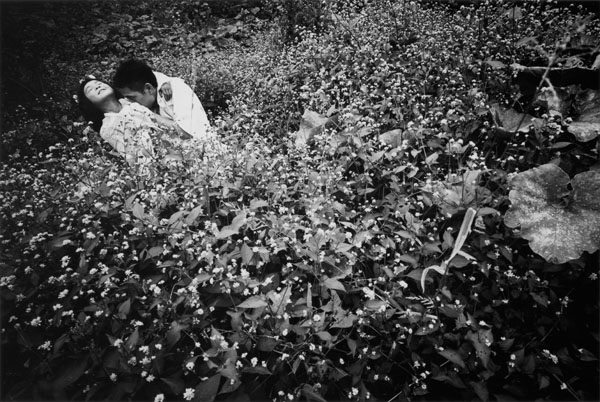
Kamaitachi, 1965 (tokinowasuremono.com)
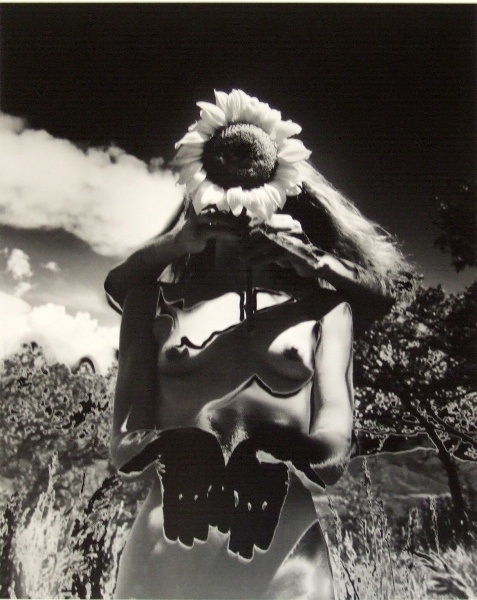
“Sunflower Song, Snowmass, Colorado” from “Luna Rossa” (tokinowasuremono.com)
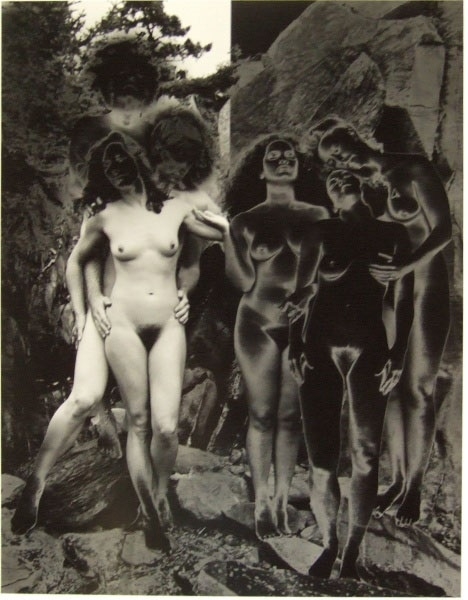
“Witnesses of the End of the 20th Century, Anchorage, Alaska” from “Luna Rossa” (tokinowasuremono.com)
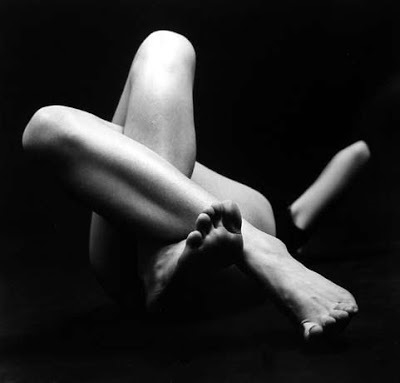
“Man and Woman” (fotoinfos.blogspot.com)
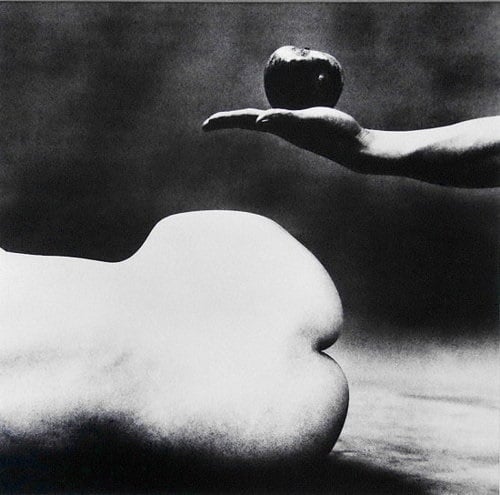
“Man and Woman” (blogspot.com)
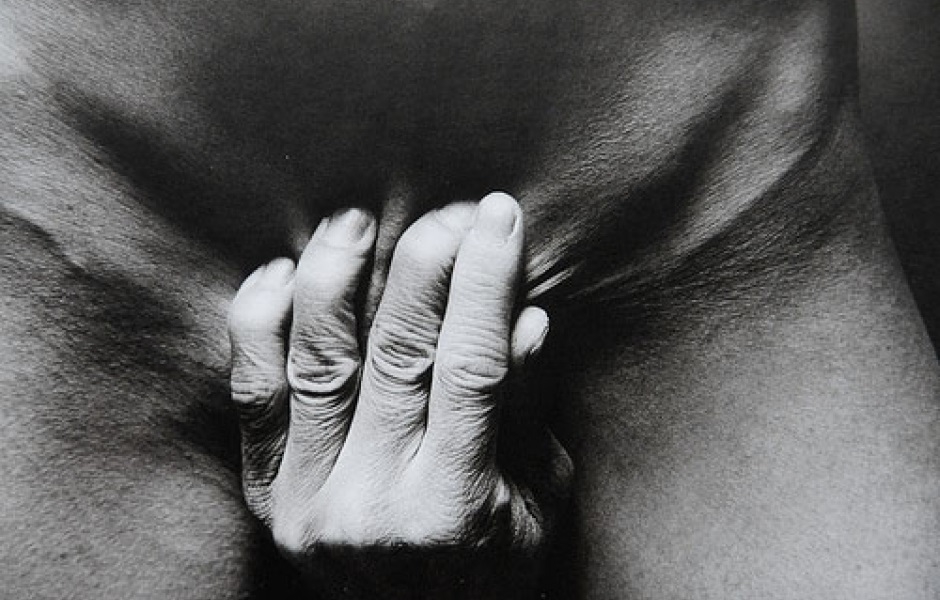
“Embrace” (laspalabrastienenalas.files.wordpress.com)
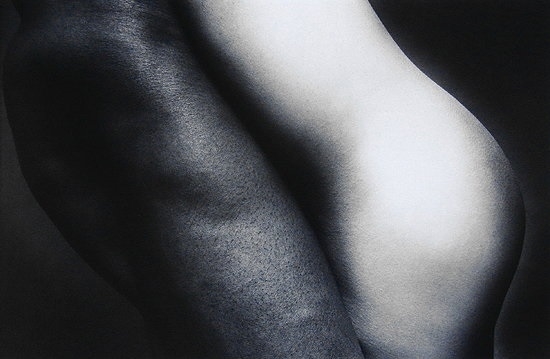
“Embrace” (billybonzo.blogspot.com)
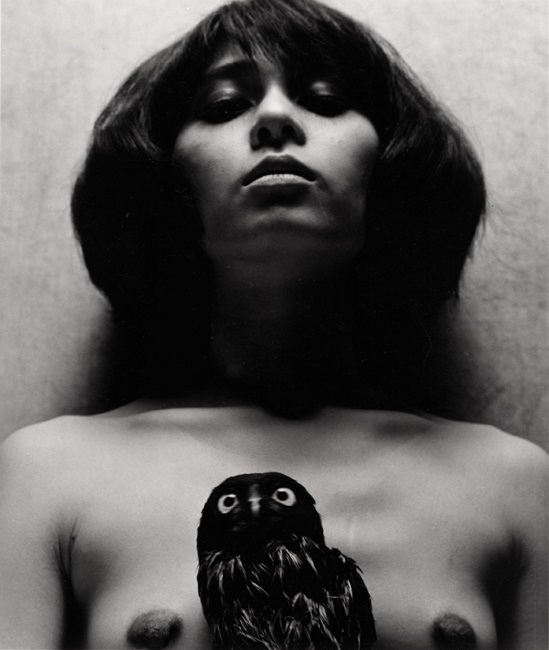
Female nude portrait with owl, ca. 1970 (verocskadotde.wordpress.com)
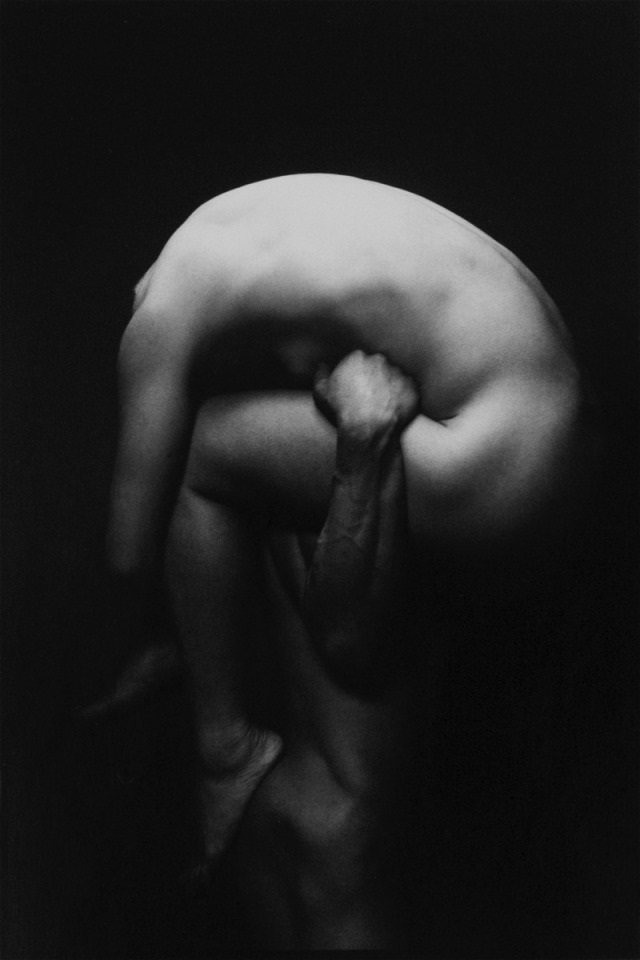
“Embrace” (poetasnuevos.files.wordpress.com)
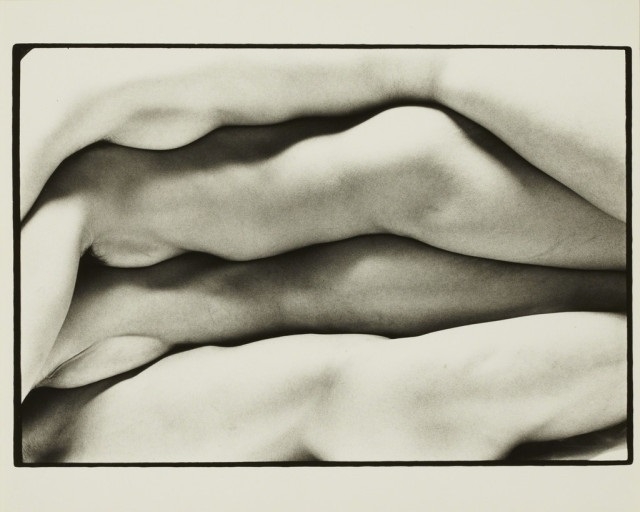
“Embrace” (poetasnuevos.files.wordpress.com)
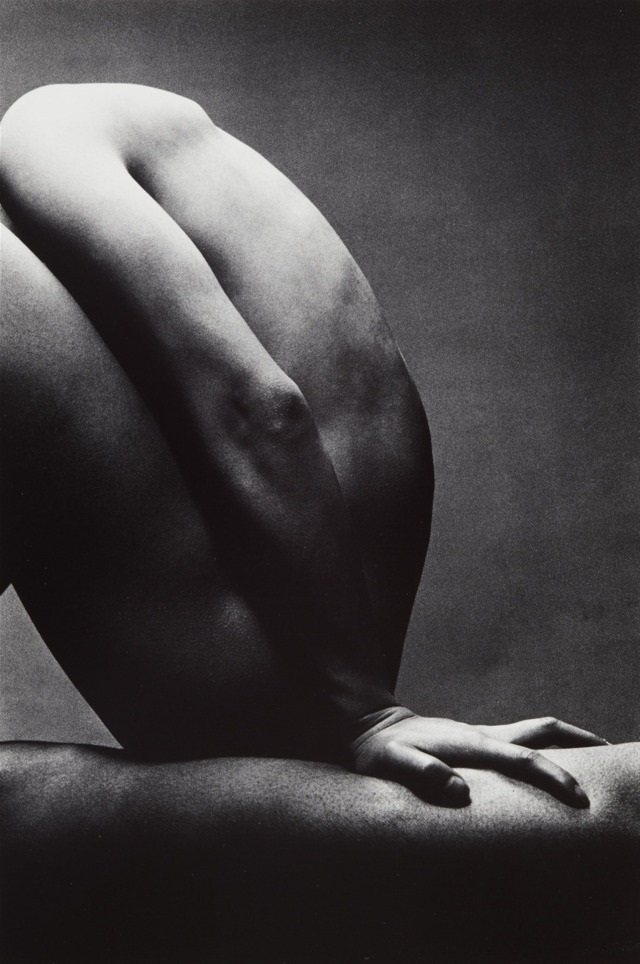
“Embrace” (poetasnuevos.files.wordpress.com)
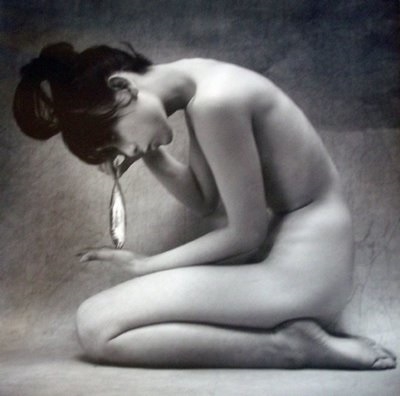
“Fish’, 1964 (blogspot.com)
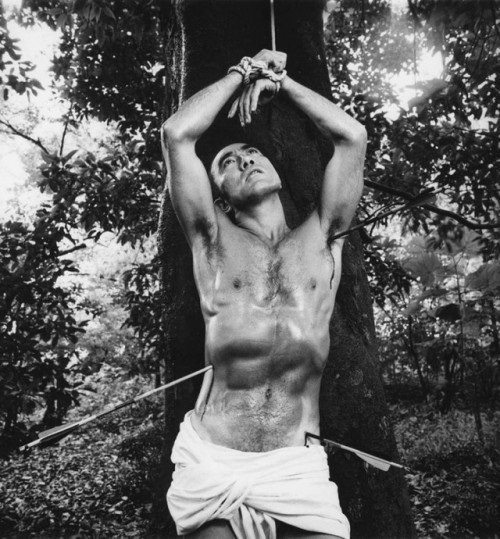
“Ordeal by roses”. Mishima as Saint Sebastian (tumblr.com)
Sources: Wikipedia.org, NSW Art Gallery “Eikoh Hosoe. Theatre of Memory” (exhibition booklet, 2011), Corpos de Imagens. Eikoh Hosoe (Sesc Consolação exhibition program, 2014), tokinowasuremono.com.
Click HERE for the flirtatious nudes of Helmut Newton…!!
Let us know what you think about this article Eikoh Hosoe in the comment box below…..!!