
THE TRAJECTORY OF SHOJI OKI
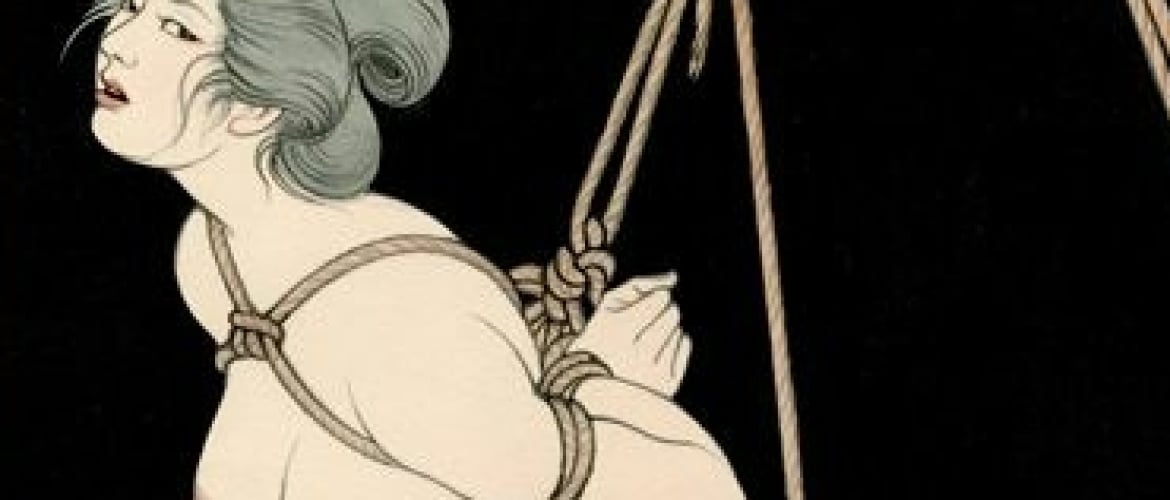
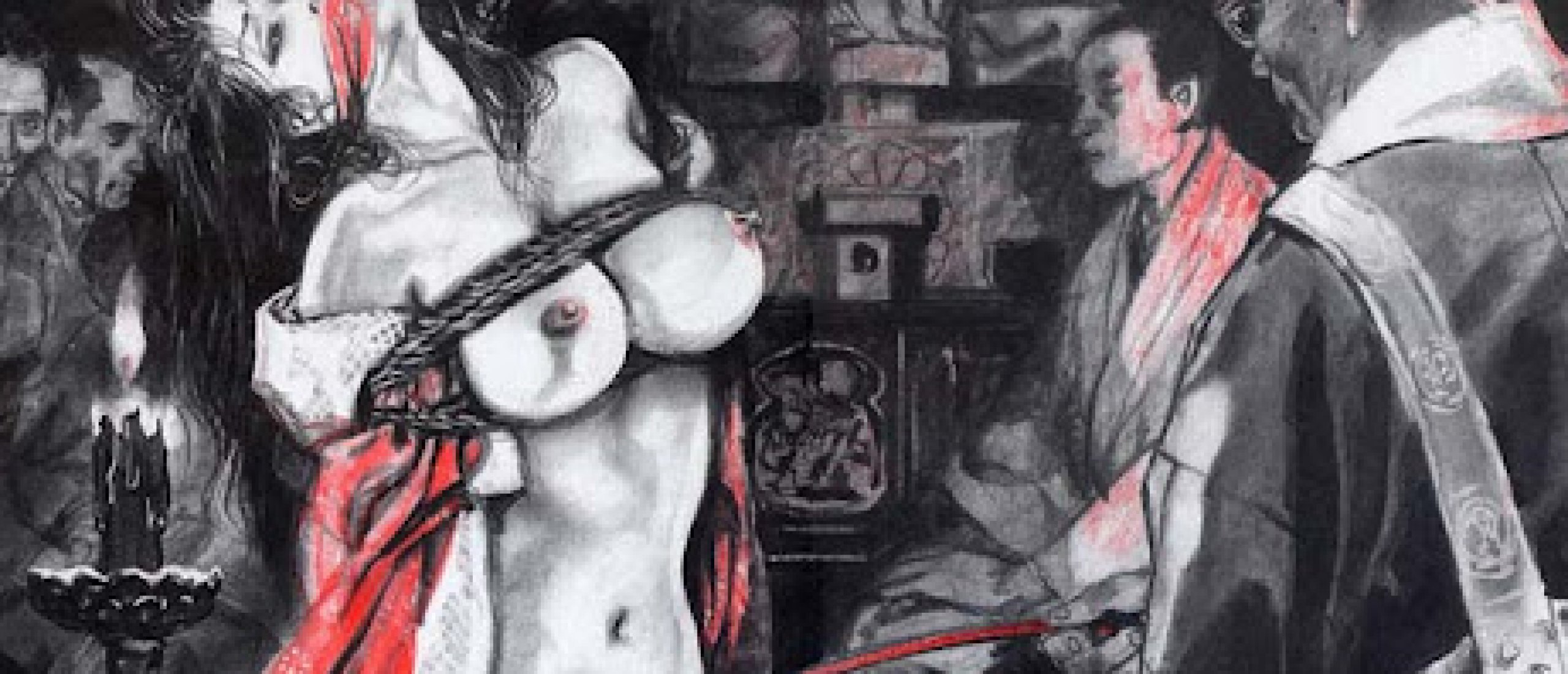
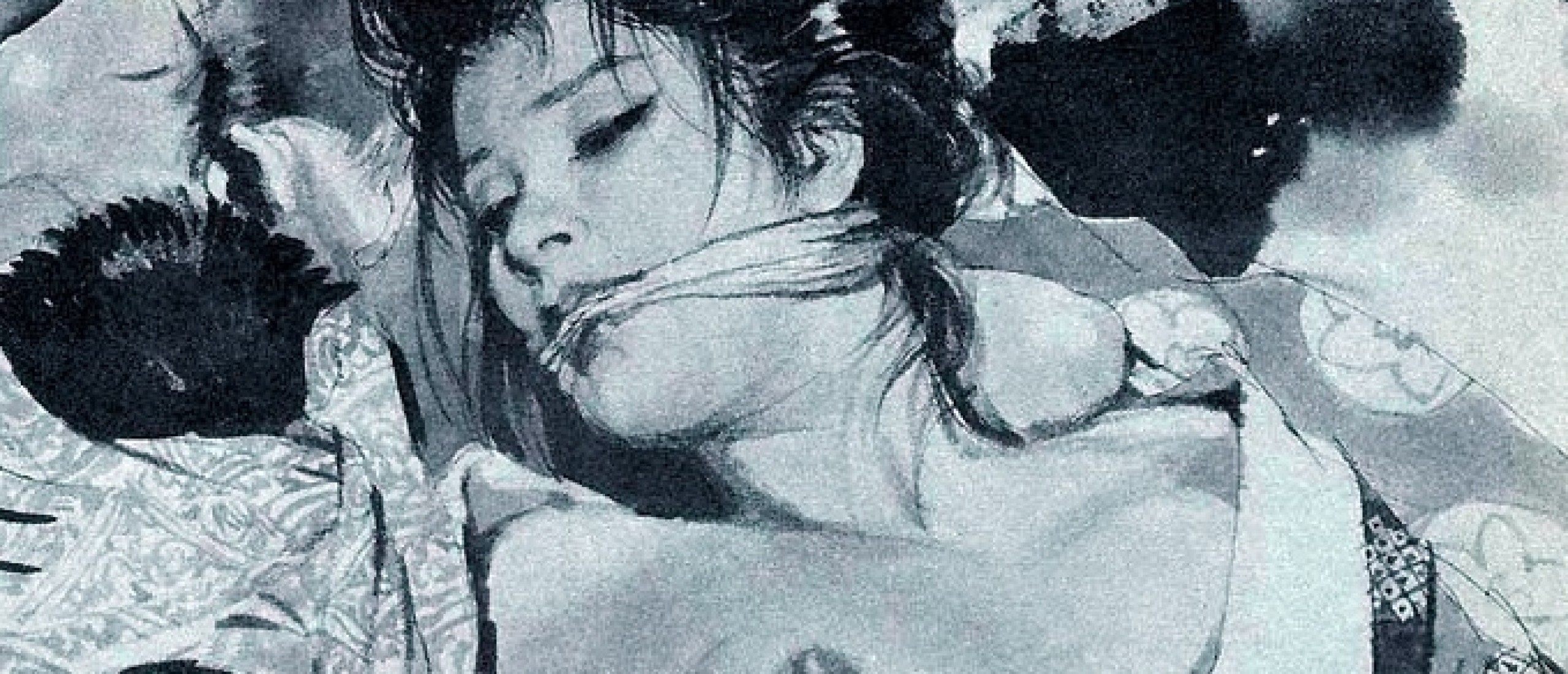
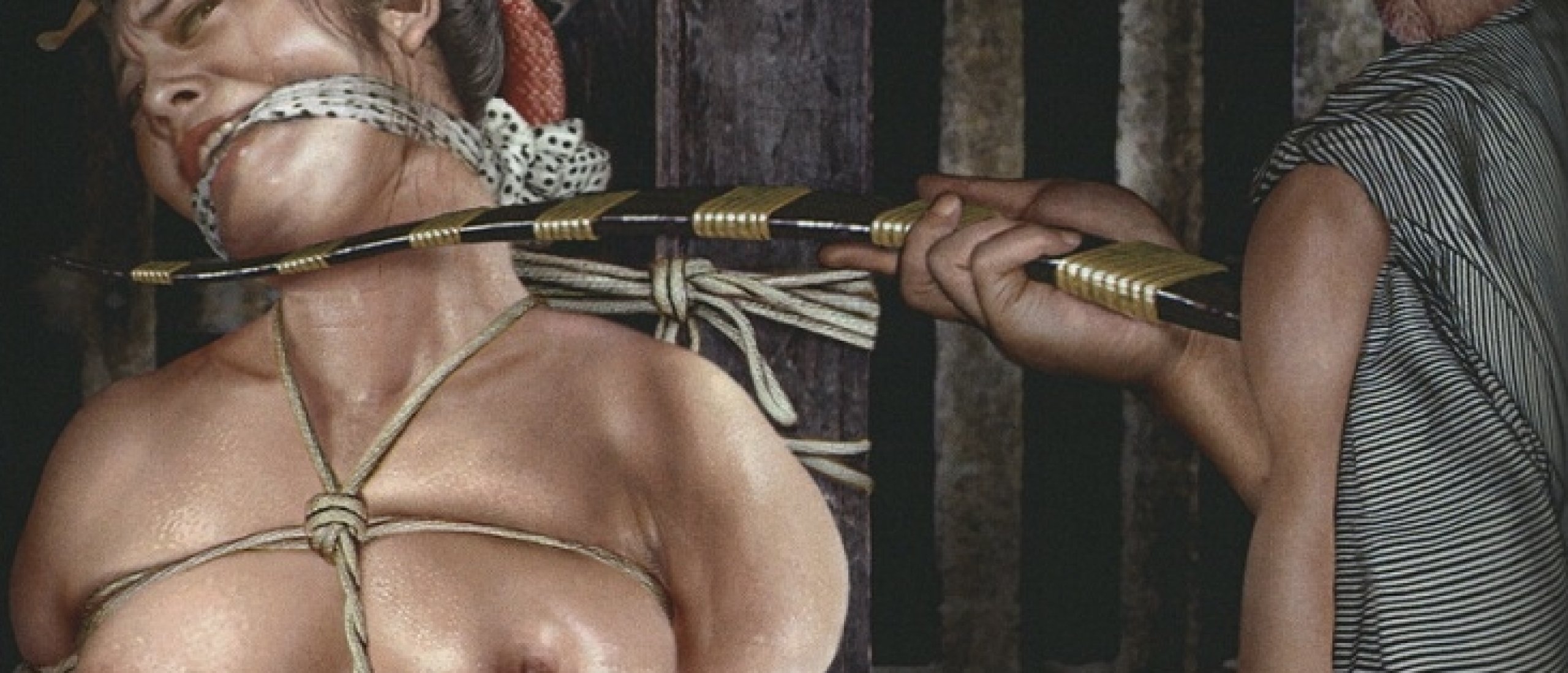
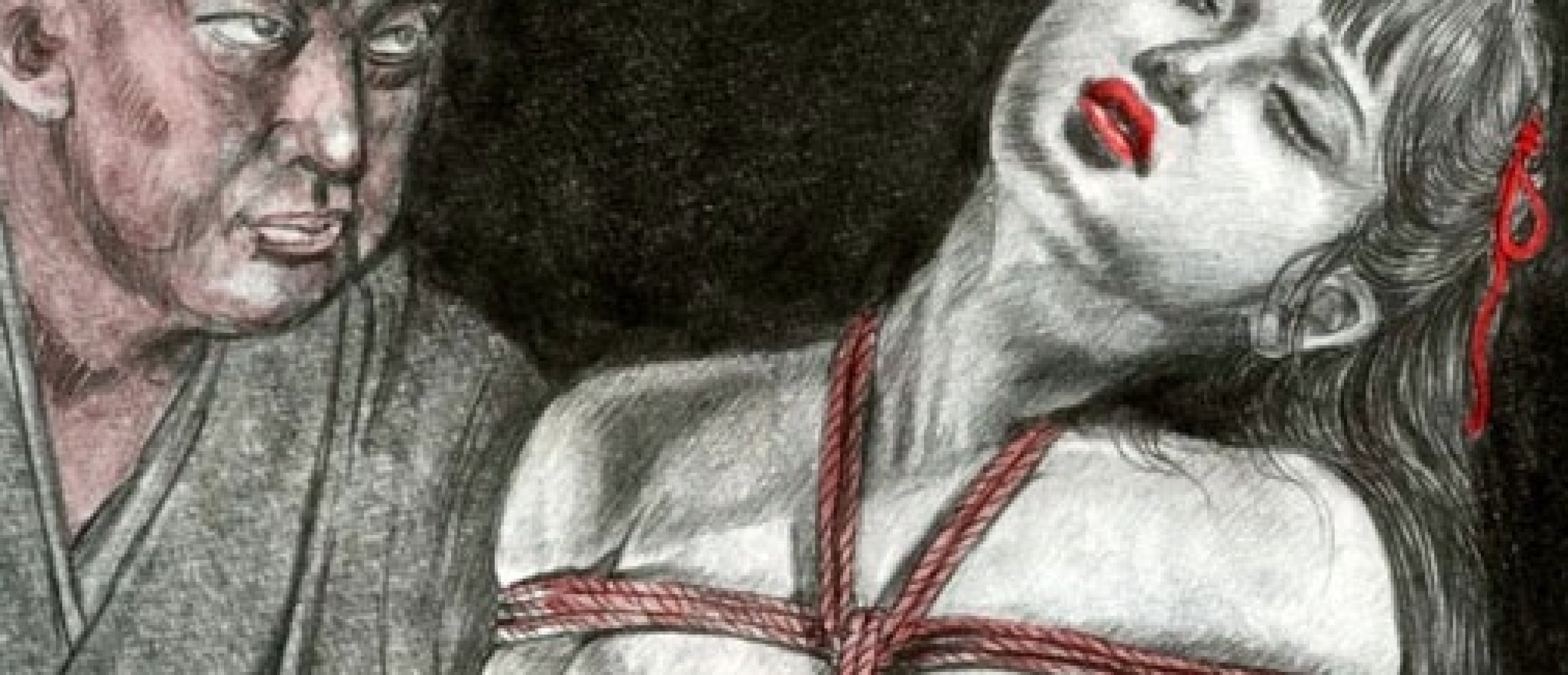
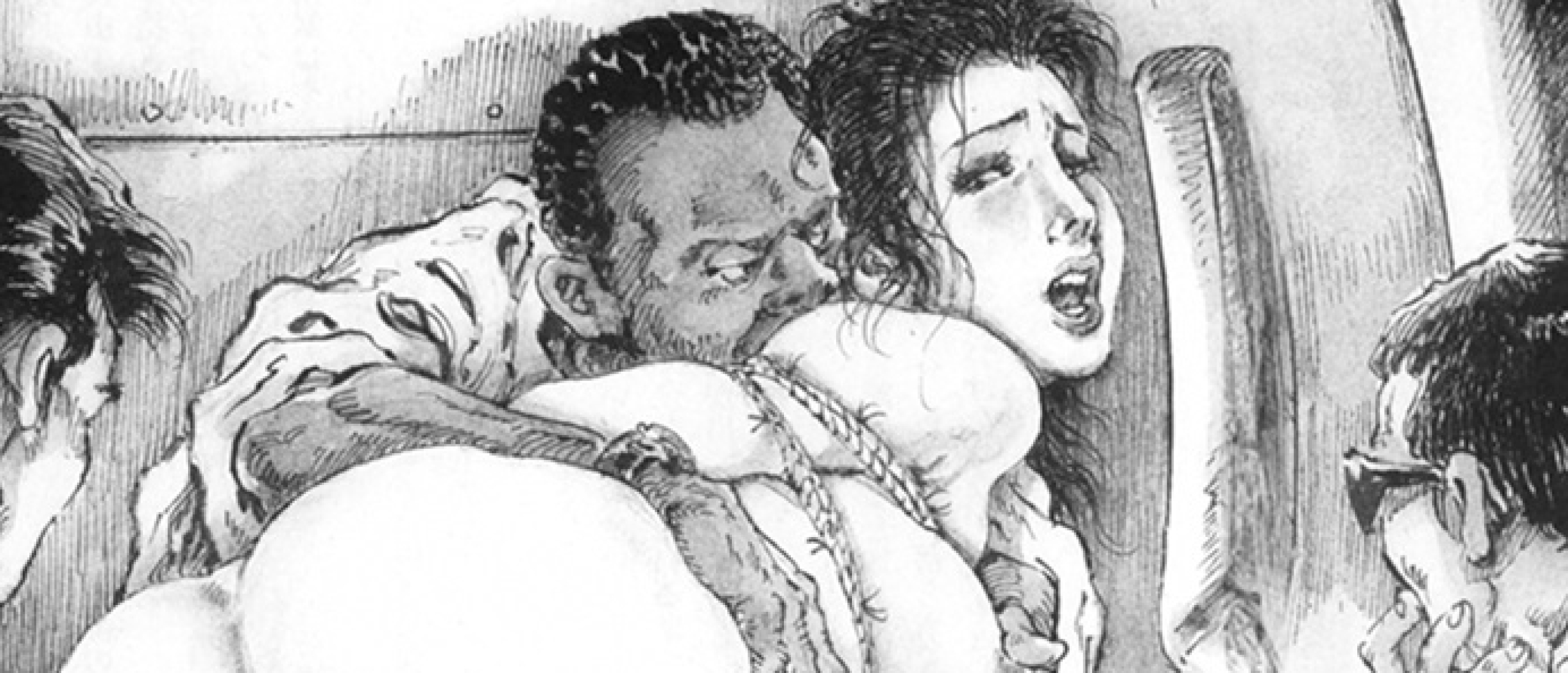
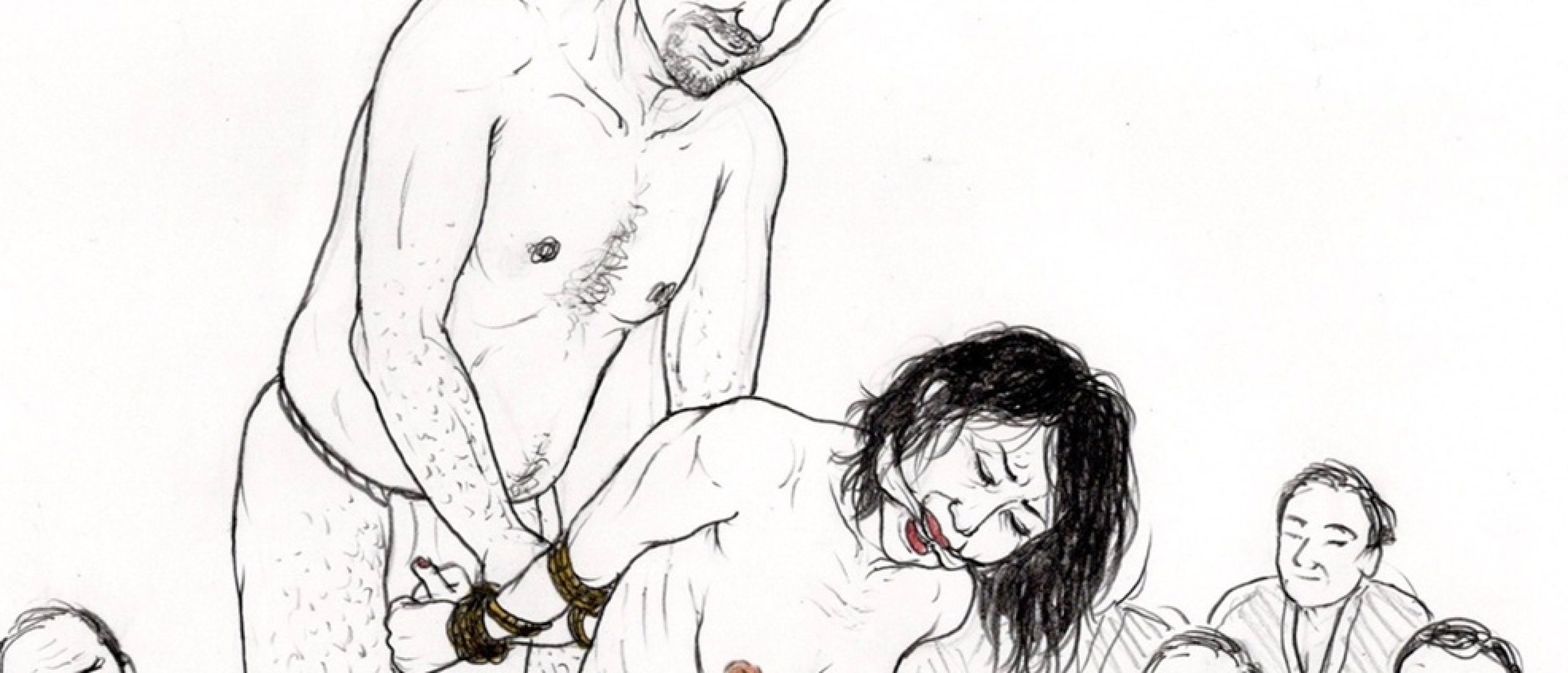
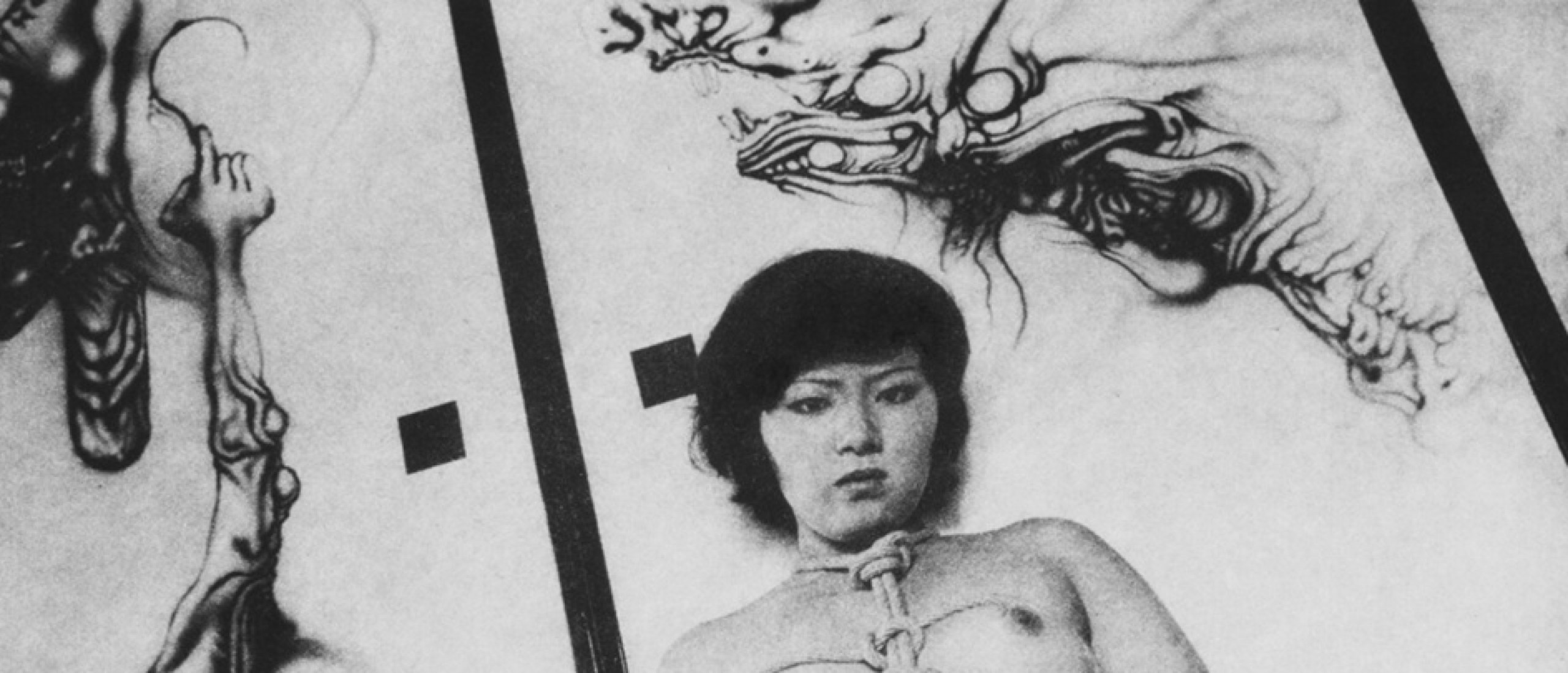
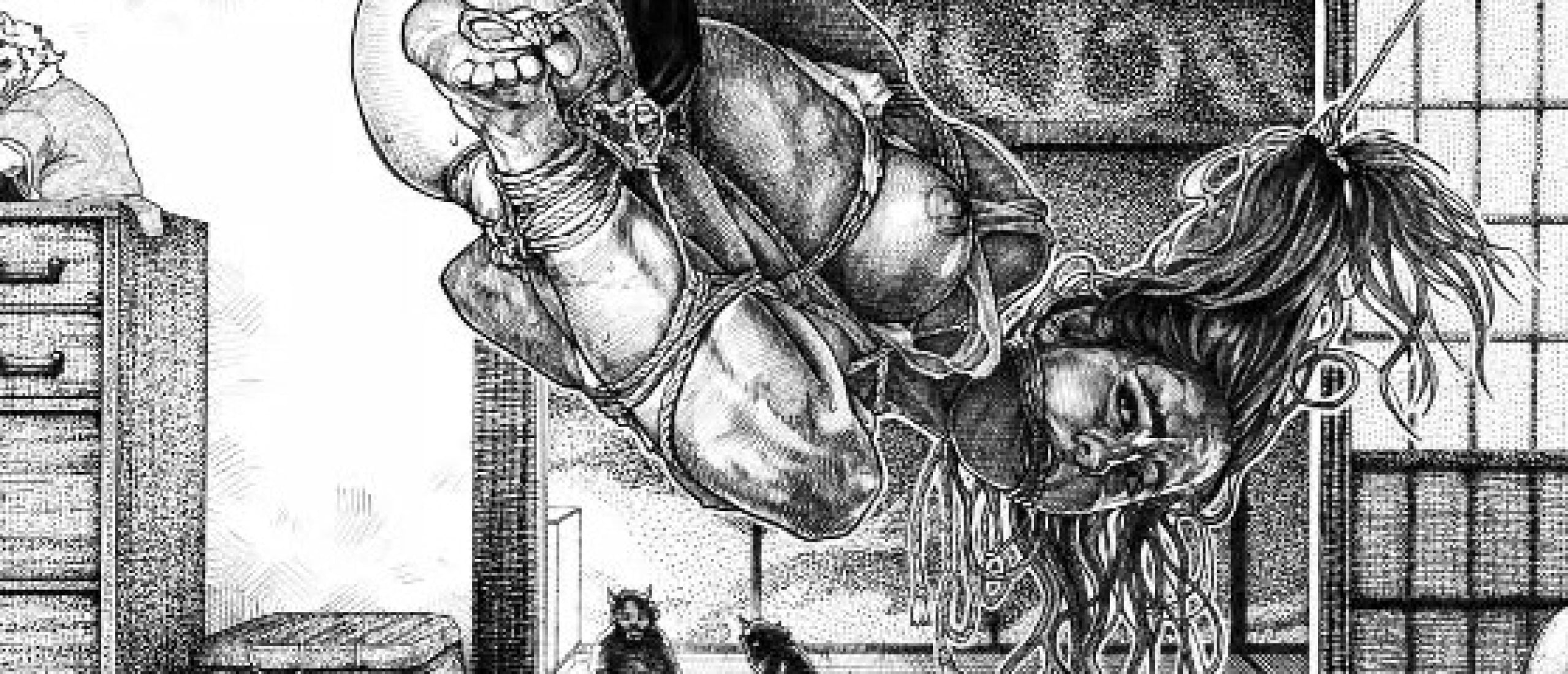
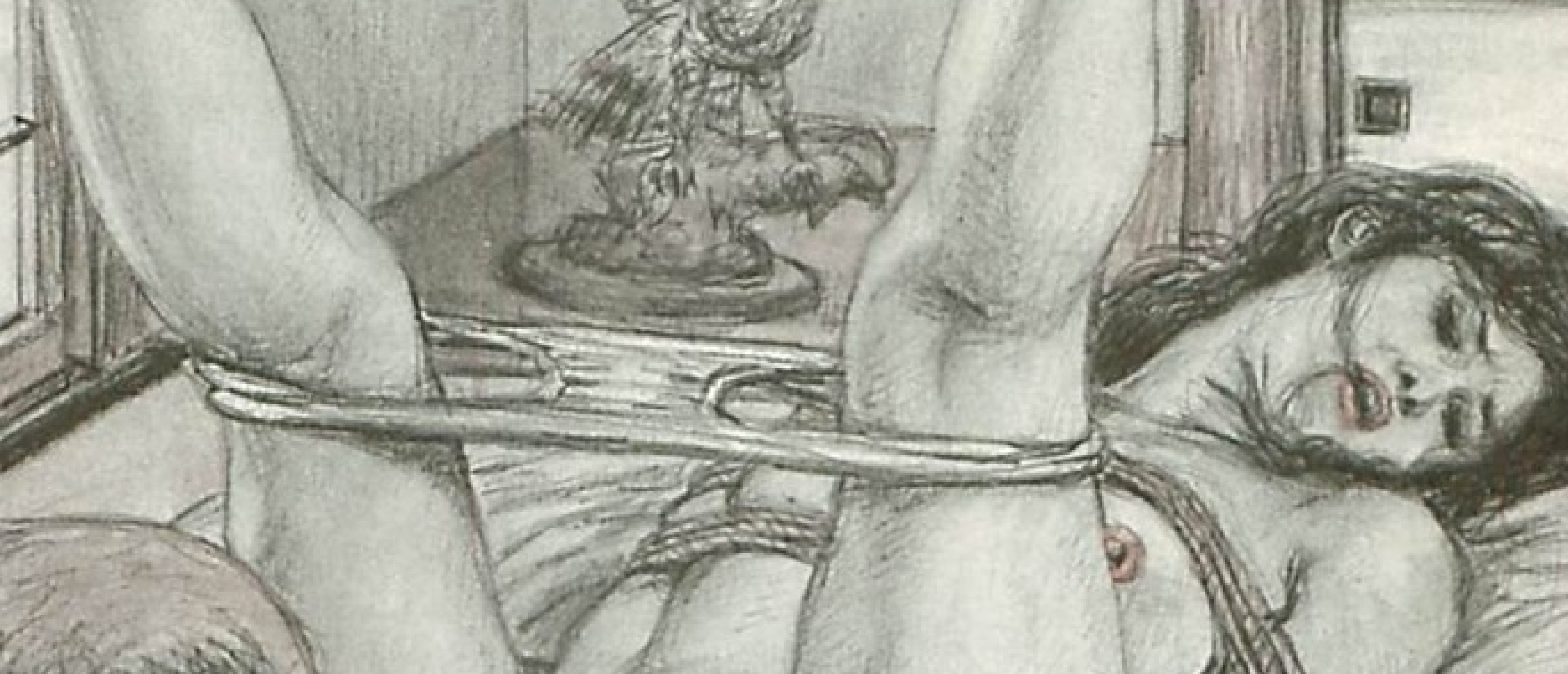
The trajectory of Shoji Oki (沖渉二, 1922–2018) makes it possible to understand, through an individual career, decisive transformations in postwar Japanese illustration, especially in the field of adult production linked to eroticism and the SM universe. His career crossed different historical moments, editorial production regimes, and image circulation circuits, articulating academic training in painting, wartime experience, work for foreign occupation authorities, and, finally, sustained activity in newspapers, popular magazines, and specialized publications. Examining his work requires attention not only to the themes represented, but also to the material and cultural conditions that shaped this type of graphic production throughout the Shōwa era.
Shoji Oki was born in 1922 in Hyōgo Prefecture and grew up in Osaka. From childhood, he showed interest in drawing, which began around the age of three. This recurring biographical detail should not be read only as an early sign of artistic vocation, but as part of a cultural environment in which drawing and visual observation occupied a relevant place in everyday childhood life. During his youth, he frequented and showed interest in popular spectacles such as circuses and misemono-goya, spaces in which the body, exhibition, and the extraordinary functioned as central forms of attraction. These experiences, even if they did not translate directly into specific iconographic themes, help to explain the artist’s later familiarity with representations of the body in situations of tension, display, and control
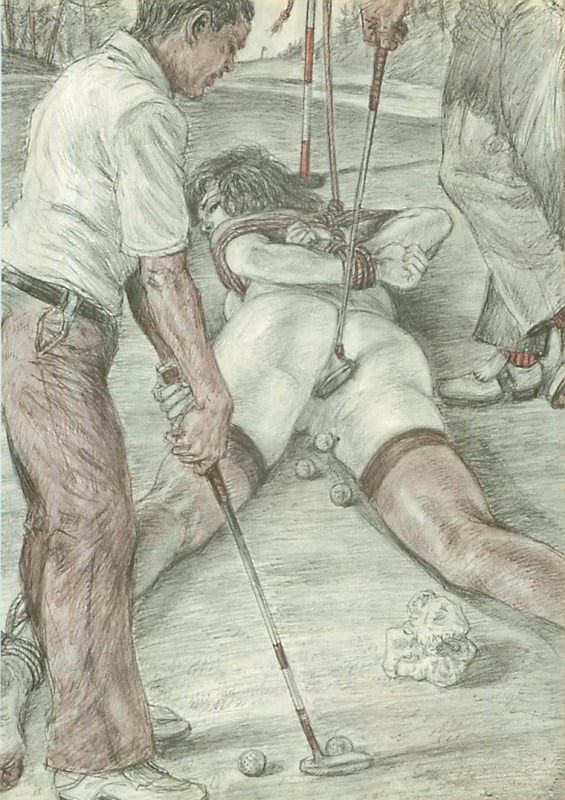
Fig.1
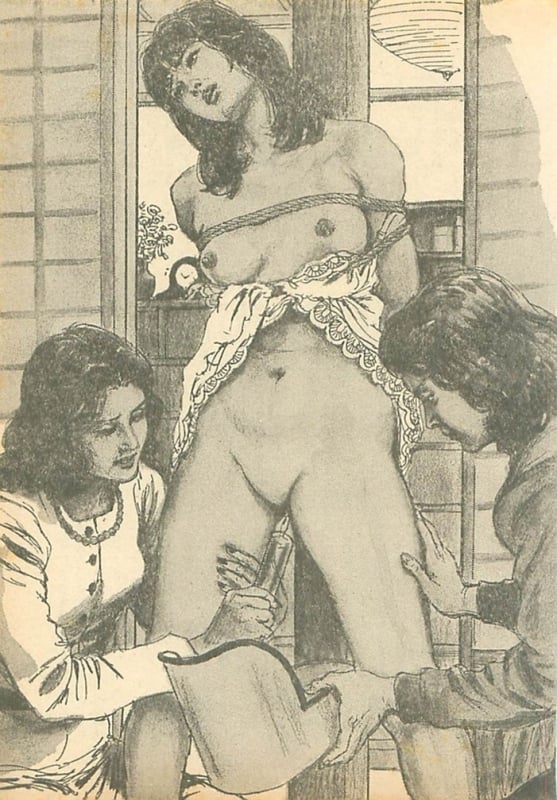
Fig.2
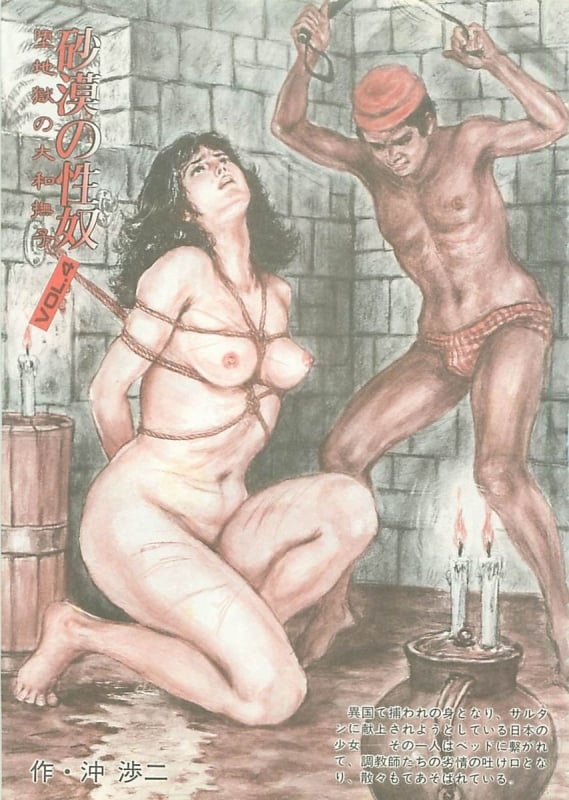
Fig.3
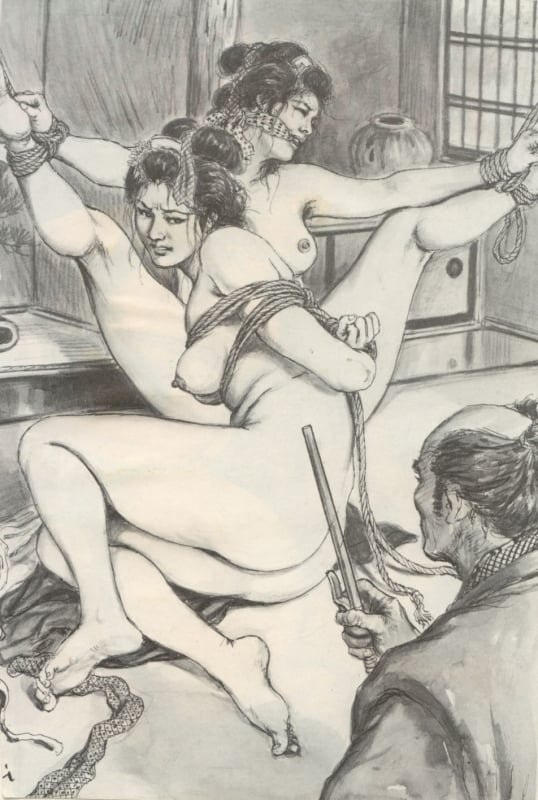
Fig.4
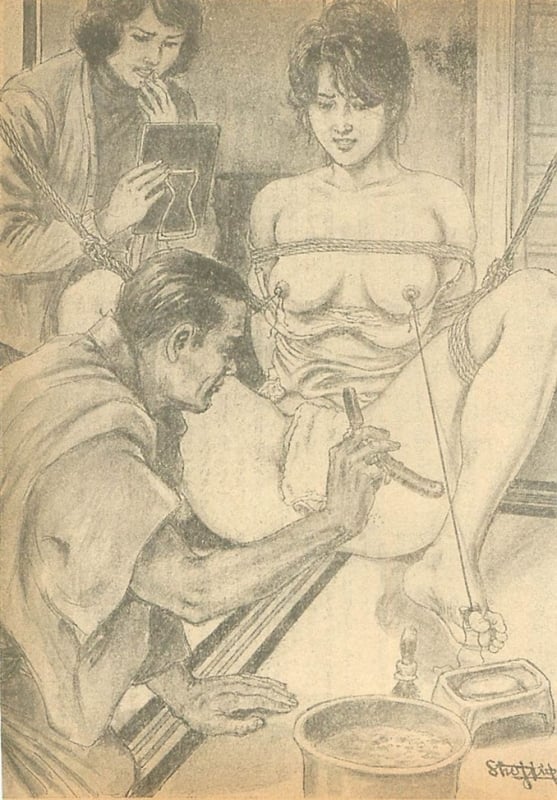
Fig.5
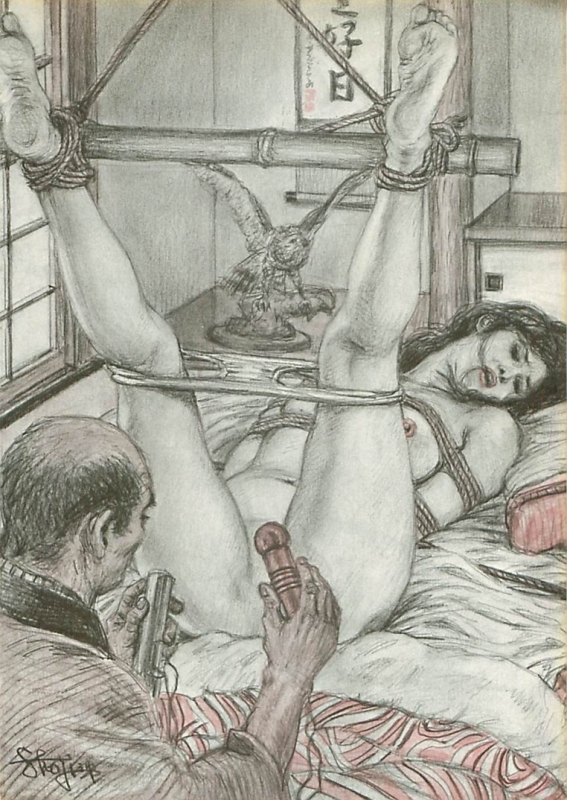
Fig.6
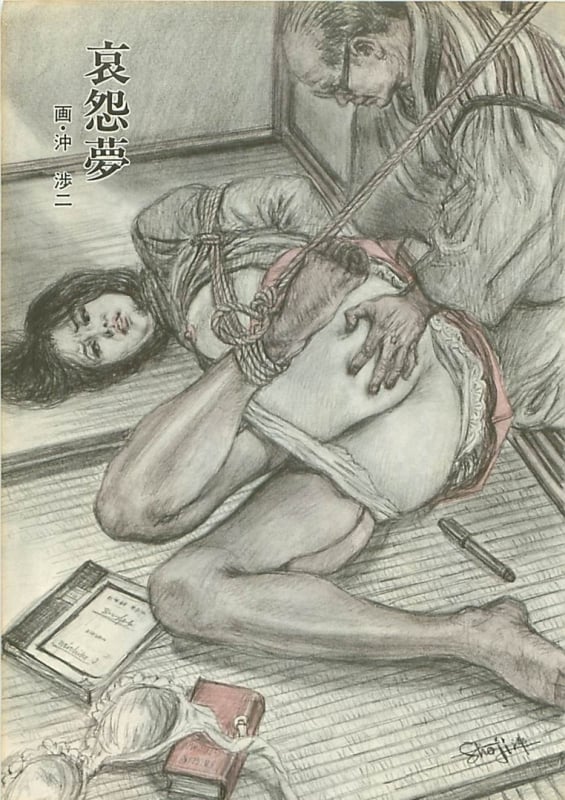
Fig.7
After leaving secondary school before formal completion, Shoji Oki decided to pursue painting and moved to Tokyo. He enrolled at the Tokyo School of Fine Arts, now the Tokyo University of the Arts, in the oil painting department. The academic training he received there provided a solid foundation in drawing, composition, and pictorial treatment of the human body, elements that would remain central to his production even when displaced into popular editorial contexts. His time at the institution coincided with a period marked by the intensification of the military conflict in the Pacific, which directly affected his trajectory.
During his third year at university, Shoji Oki was mobilized as a student-soldier, joining the Japanese war effort. This experience interrupted his regular training, but at the end of the conflict his attendance was recognized as equivalent to graduation. He was sent to different regions of the country, concluding his military participation on the coast of Miyazaki, where he awaited a possible invasion of Japanese territory. The end of the war in 1945 not only redefined the country’s future, but also opened new professional possibilities for artists trained in Western techniques, as was the case with Oki.
After demobilization, he returned to Osaka and began working in activities related to applied painting. He served as an art decorator for the occupation forces linked to the GHQ, producing portraits and carrying out various graphic tasks. This period included the creation of signs and panels for movie theaters, especially posters for foreign films, a common practice in postwar Japan. Painting billboards and façades required speed, compositional clarity, and visual synthesis, skills that would also be reflected in his later editorial production.
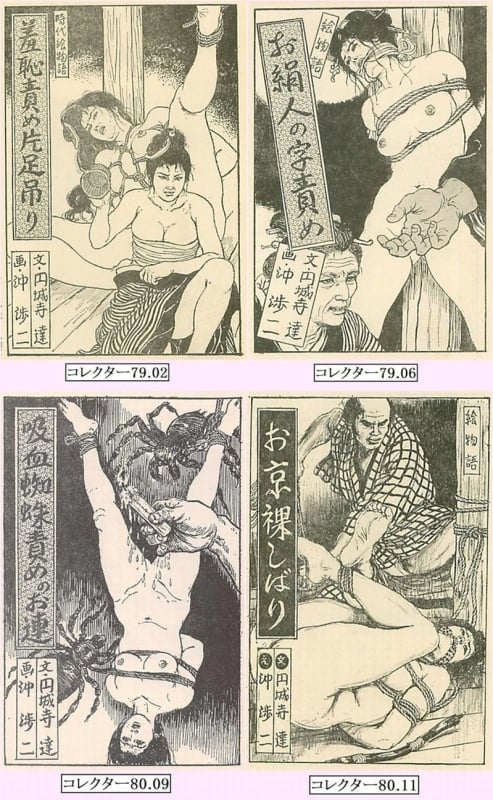
Fig.8
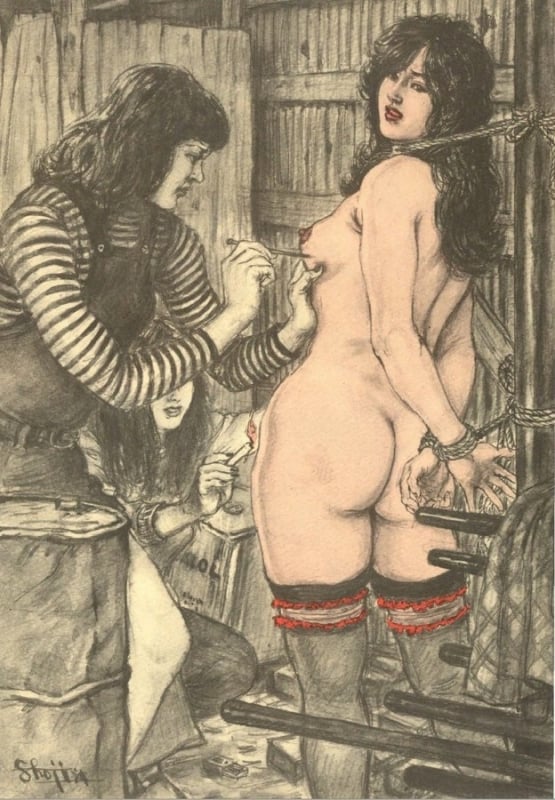
Fig.9
Become a Premium member now and check out the complete article and learn more about Shoji Oki's collaboration with the so-called kasutori magazines, an extensive analysis of the aesthetics of his SM work, the construction of his image as a “phantom author", the importance of Shoji Oki, 77 pics of arousing bondage works + an additional BONUS gallery including 48 SM works by Shoji Oki
Click HERE for two examples of Shoji Oki's gruesomely beautiful kinbaku art
What are your thoughts about Shoji Oki's rope erotica? Leave your reaction in the comment box below...!!