


Chastity belt: a locking item of clothing designed to prevent sexual intercourse or masturbation. Such belts were historically designed to be worn by women for the purpose of chastity, as an anti-rape device, or to dissuade women and their potential sexual partners from temptation.
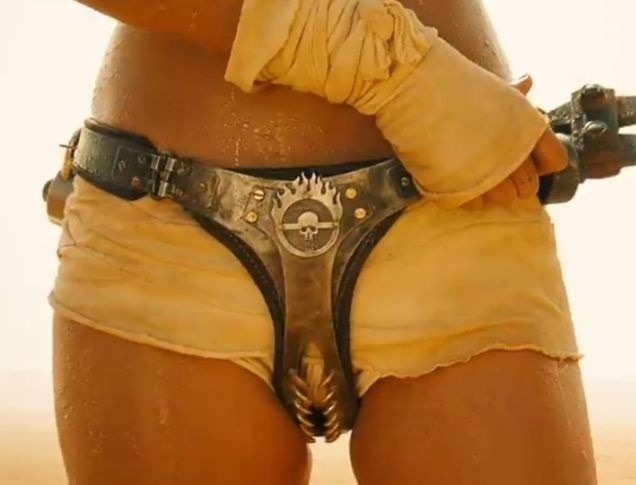
Fig. 1 Adaptation from Fury Road, Chastity Belt
From Medieval Myths to Dystopian Fantasies : Lock up your women
In Mad Max : Fury Road, the 4th installment of George Miller’s Mad Max series, Immortan Joe rules a Citadel where he locks up his multiple wives. The central idea of this post-apocalyptic tale is a battle for scarce resources. The idea of possession. ownership and control, is central to European social evolution and includes the control and possession of women. Nothing has changed really in this dystopian vision as opposed to perhaps Waterworld for instance where the idea of biological evolution is a the central part of the story and self-reliance for survival pushes the idea of retro-values all the way to a more the Neolithic world-view.
Waterworld, directed by Kevin Reynolds and which stars Kevin Costner, is also set in the distant future. The polar ice caps have completely melted, and the sea level has risen over 7,600 m (25,000 ft), covering nearly all of the land. The plot of the film centers on a nameless antihero, or everyman "The Mariner" (Costner), a drifter who sails the Earth in his triamaran. In this dystopia the woman seeks to exchange here sexual charms for protection by the hero. That’s an entirely different power struggle. But she is not a possession to be exchanged.
Mad Max places the chastity belt in particular as an almost symbolic object, one that emerges from societies focused on power, ownership, and retention of those possessions. The scale is large one in which the tools range from military might on the landscape and ultimately on tools of bondage in the bedroom. In Fury Road the plot revolves around the character Furiosa, a warrior woman who plots the escape of Immortan Joe’s harem of wives. At one point in the escape route, the wives are seen cutting the chains to the chastity belts they were forced to wear. It is a symbolic scene of emancipation and the scene of the chastity belt hitting the ground is a powerful one. From Medieval Times, to modern times, to our dystopian imaginations, the chastity belt has remained a strong symbol of control between men and women. What is the real truth about it’s true purpose versus its use to feed our lustful imaginations is an on-going discussion.

Fig.2 From Mad Max: Fury Road
Medieval Myths : Chastity
A German print from the late 1500s, (below fig. 3) now at the British Museum depicts a young, mostly naked woman bidding her husband farewell. As she does so, she hands him a key, to a locked belt around her waist, her only bit of clothing. In the shadows lurks another man with a second key, the man leaving has the donkey-ears of a cuckold and is visually compared to a fool in the corner attempting to keep fleas in a basket, a doomed attempt for sure.
It is still difficult to ascertain truth from fiction when it comes to the chastity belt. According to modern lore, the chastity belt was initially used as an anti-temptation device during the Crusades. Ostensibly, when the knights left for the Holy Lands on the Crusades, the lady back home in the castle would wear a chastity belt to preserve her faithfulness to him. There is, however, no credible evidence that chastity belts existed, even in the imagination, much before the 15th century. Their main period of apparent use falls within the Renaissance rather than the Middle Ages. Nor does traditional Islamic history mention physical locking devices or chastity belts as a means of enforcing modesty or fidelity.
What little Research into the history of the chastity belt suggests is that they were not used until the 16th century, and then only rather rarely; they first became widely available in the 19th-century as anti-masturbation devices. And if one takes into consideration the other implements of torture, devised by religious zealots in that same period it soon becomes more plausible that these were mostly devised as penitential tools as much as fidelity inducers.
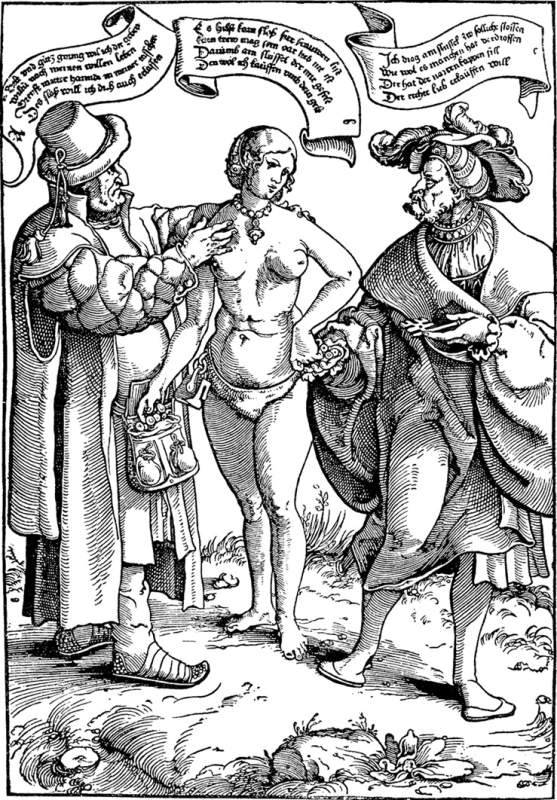
Fig. 3 16th century print, British Museum depicting a cuckhold husband
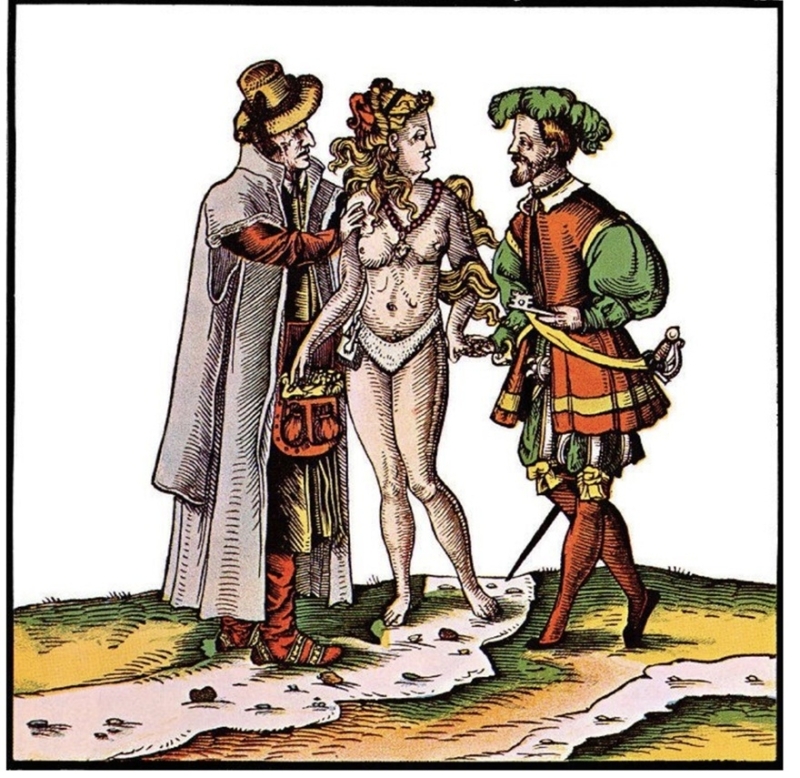
Fig. 4 16th century print, same image, German print variation.
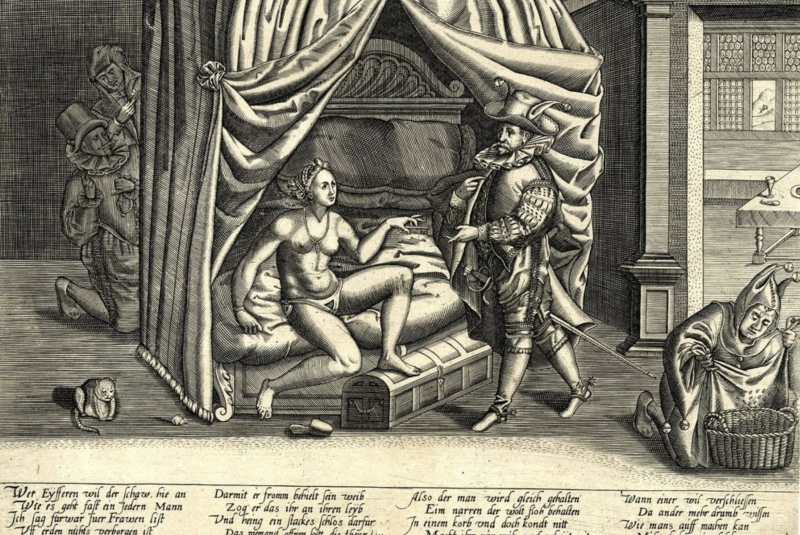
Fig 5. Smithsonian Magazine, 16th century print depicting use of chastity belt.
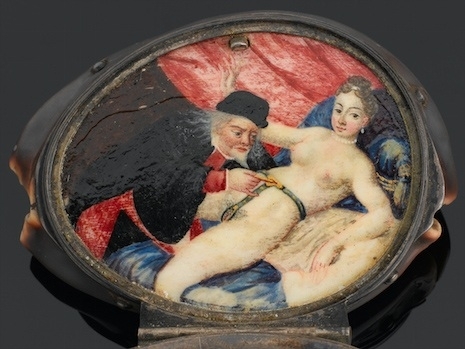
Fig.6 Early watch with illustration of couple using chastity belt
Contemporary Research
On Atlas Obscura, writer Sarah Laskow suggests that men likely did not really gird their women with metal contraptions designed to keep them faithful. So how did the myth come to be? Laskow explains: What could account for the persistence of that story? "Male fear," She quotes Albrecht Classen, a German Studies professor of at the University of Arizona and author of The Medieval Chastity Belt: A Myth-Making Process.
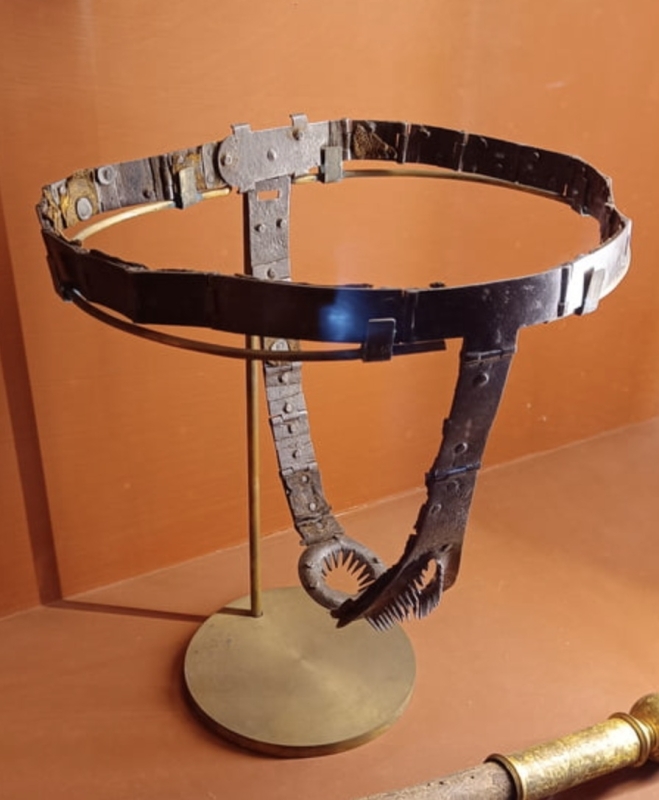
Fig. 7 Chastity Belt, Venice Museum
Become a Premium member now and check out the much longer version of this article including further debunking of the "Chastity Belt" stories from medieval to current times, it's use of masturbation prevention sand other medical arguments, how the chastity belts are portrayed in art and fantasy + striking examples and MUCH more..!!
Click HERE for a brief history of erotic furniture: Sex Machines
What are your thoughts about this topic? Leave your reaction in the comment box below...!!