
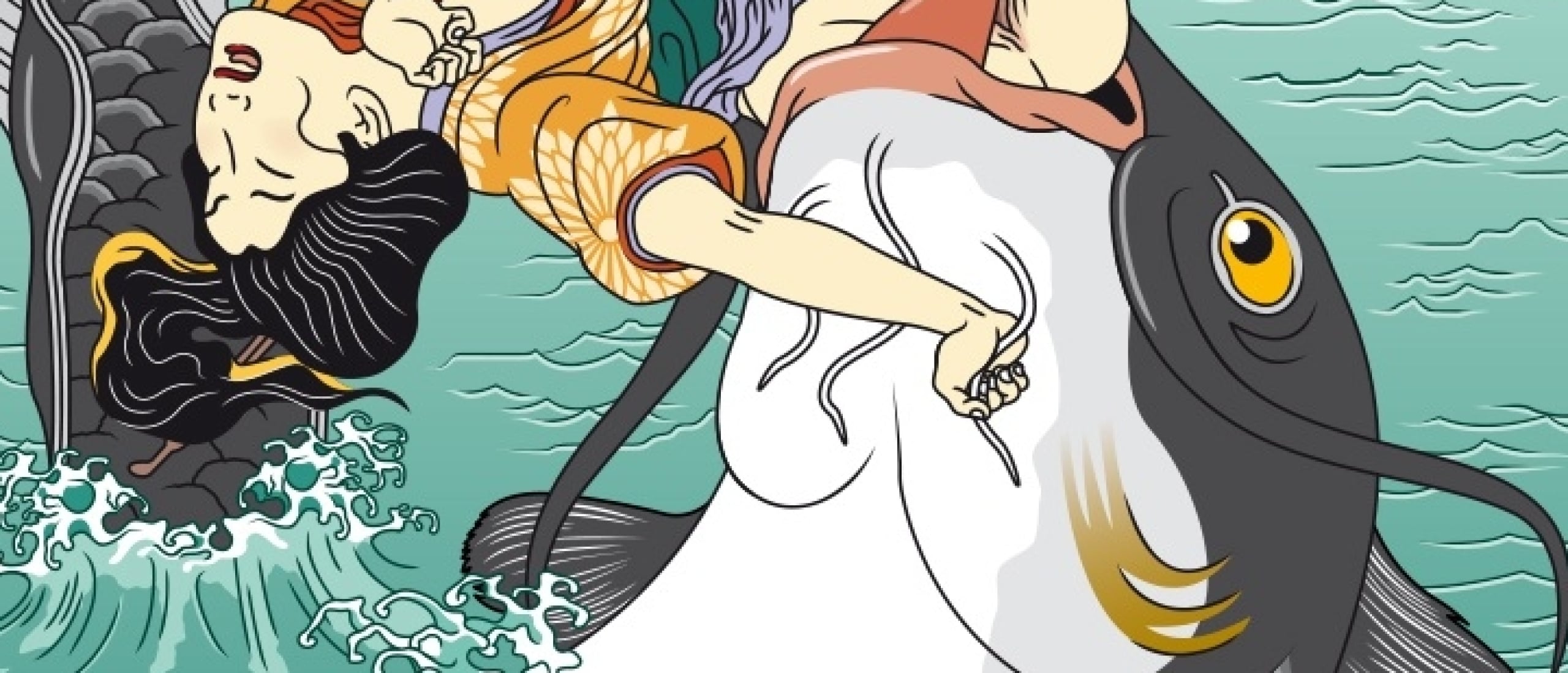

As the roots of our magazine are in shunga art we're always looking for contemporary artists who have embraced this unique genre and apply its aesthetics in their work. One of them is the French illustrator Mitia C. who I came across on X.com. His drawing style and use of humor are reminiscent of Toshio Saeki (who was also no stranger to shunga), although the approach is slightly less macabre. Earlier this week, I interviewed the artist which you can read below.
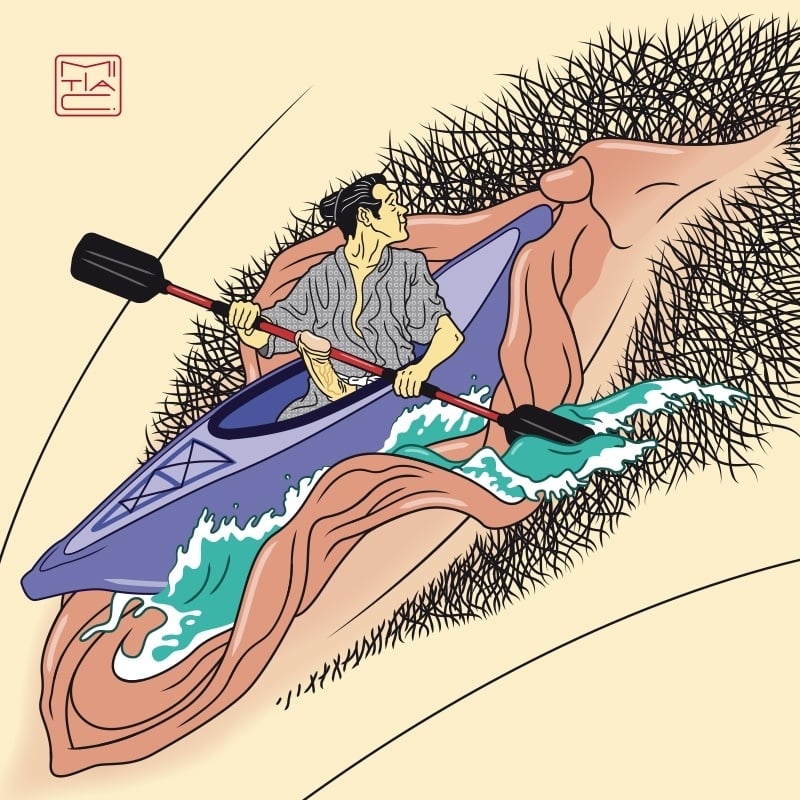
Fig.1 Manko (sea of love).
1) What can you tell about your background, education, introduction to (erotic) art...etc.?
I'm French, I studied philosophy, and briefly taught philosophy at the high school level. Quickly realizing I wouldn't find fulfillment in that professional life, I went back to school, this time to study graphic design and illustration. It was during that time that I met my future wife, who is Japanese. Since then, I've led two lives. I split my time between Paris and Suita, a suburb of Osaka, and I work as an illustrator under two different names—one for my paid work (which involves commissions from publishing houses and the press, particularly in the field of economics) and the other for my personal work (the one we're discussing here).
If I try to recall my first artistic emotions as a child, I think I owe them to comic books. And I don't think I'm wrong in saying that, unsurprisingly, my first encounters with erotic art were also due to comics. I particularly remember that my father read the magazine Métal Hurlant, a genuine institution in France, which served as a laboratory for artists, like Mœbius, who shattered the conventions of comics as they existed before the 1970s. The era in general, and my parents in particular, were permissive. So I was able to immerse myself, without even having to do so in secret, in pages steeped in eroticism (at least that's how I remember them), notably by Richard Corben, Denis Sire, and, I believe, Georges Pichard—whom I still consider one of the greatest illustrators in the field of eroticism and pornography.
As I grew up, my tastes led me to the lands of masochism. A marking reading was, of course, Leopold von Sacher-Masoch's Venus in Furs, the seminal work that depicts masochism in its quintessential form. Many of the situations I draw are masochistic. I say masochism, not sadomasochism or sadism. Rather than characters who express their will to power in an obvious, direct way, through violence and domination, I find it much more interesting, arousing (and potentially much more comical) to depict characters whose will to power, or libido to put it differently, is expressed in a twisted, paradoxical way: characters who find their satisfaction in the painful, the repugnant, the degrading, the humiliating. In short, with perhaps a few exceptions, I draw women and men who experience pleasure. My characters are women whose impulses are so irresistible that they are ready to try any experience, however bizarre or disgusting, to achieve ecstasy, and men whose desire for women is so overwhelming that it takes the form of a thirst for submission, however risky.
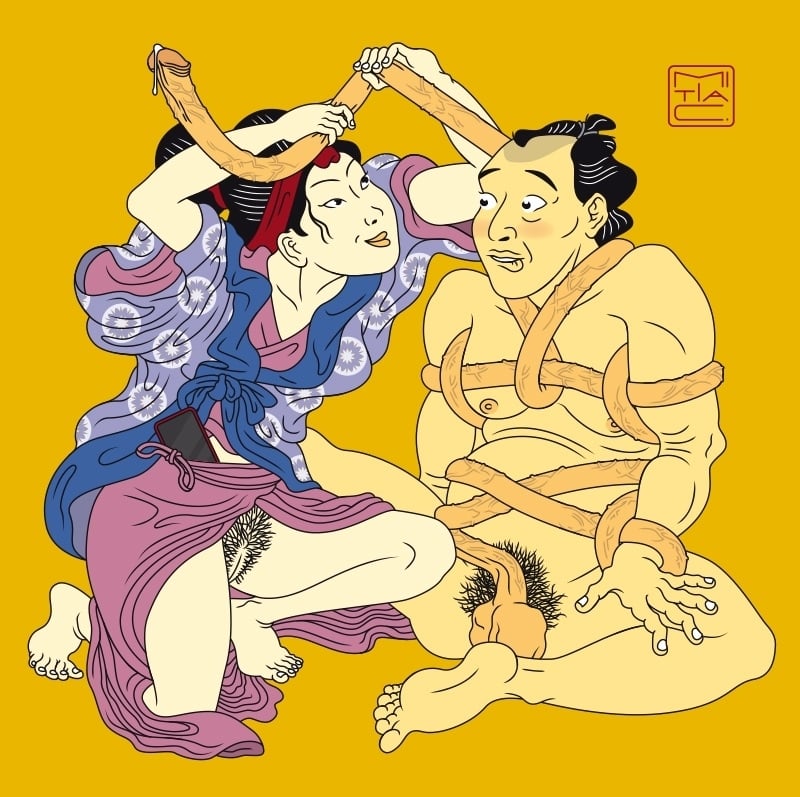
Fig.2 Mitia C., Kinbaku (bound by desire)
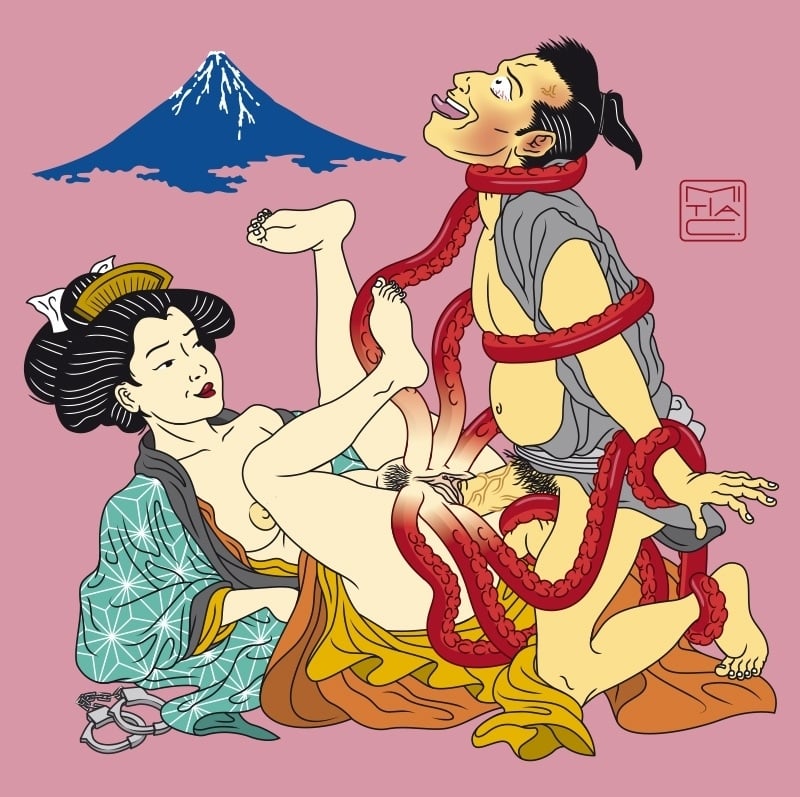
Fig.3 Mitia C., Shokushu (in your arms tonight)
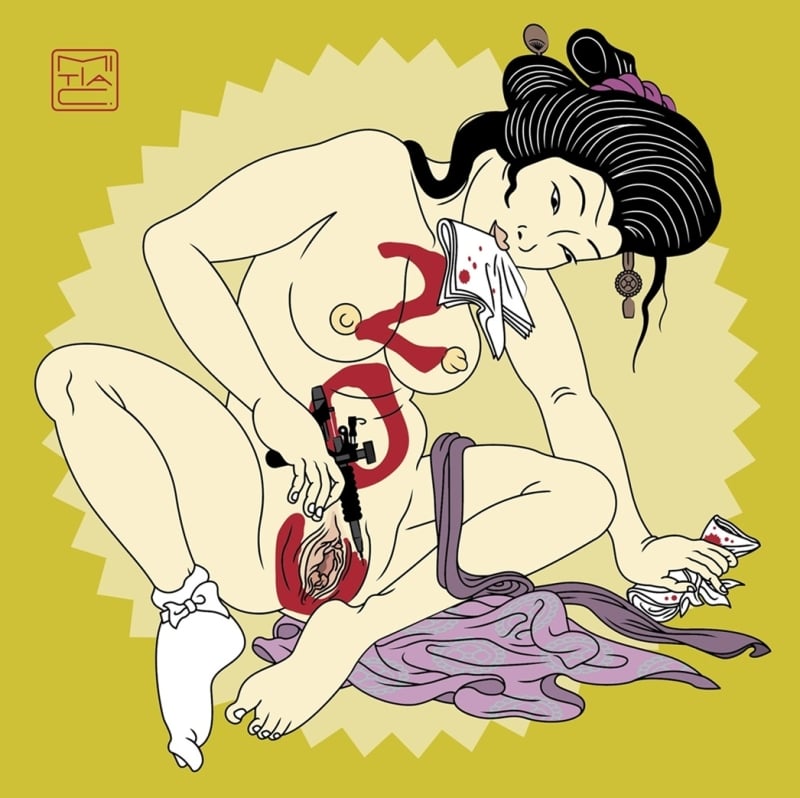
Fig.4 Mitia C., Nihyaku (I've got you under my skin)
2) You're clearly inspired by classic shunga art. What specifically appeals to you about this art form?
My two major influences are undoubtedly (and I think it's quite obvious!) Toshio Saeki and Pigo Lin. Beyond their formal graphic influence on my work, I particularly love how the former delves into the darkest corners of sexual impulses and the extravagant forms they can take, and how the latter uses metaphor and symbolism (maybe to circumvent censorship ?) But you're right, one of the differences between these two illustrious artists and myself is that I draw under an even more direct influence of shunga.
I would find it difficult to trace the path that led me to this close connection with shunga. What I can say is that it is undoubtedly due to my love of Japan, itself a result of my life story. But I believe that even if I hadn't married a Japanese woman, even if my in-laws weren't Japanese, even if my children weren't half-Japanese, I would still have encountered Japan. When you are into graphic arts, it is difficult not to be interested in Japan, but when you are into eroticism and pornography, it becomes simply impossible not to be interested in Japan!
If I were to analyze nonetheless what I like about shunga, I would say that my taste for this graphic form stems from the heightened sensuality of the poses, which goes far beyond “anatomical correctness”, but also from the blend of a distinctly Japanese refinement (the sophisticated draping, the intricate textile patterns, the occasional backgrounds) and a very explicit pornography. The comic dimension that is often present, at least for a contemporary viewer, if only because of the disproportionate size of the genitals, blends well with my drawing style, I believe—even when I have no intention of introducing humor into my drawings, even when I want them to be arousing, or witty, or profound, people who look at them find them primarily funny, I'm afraid.
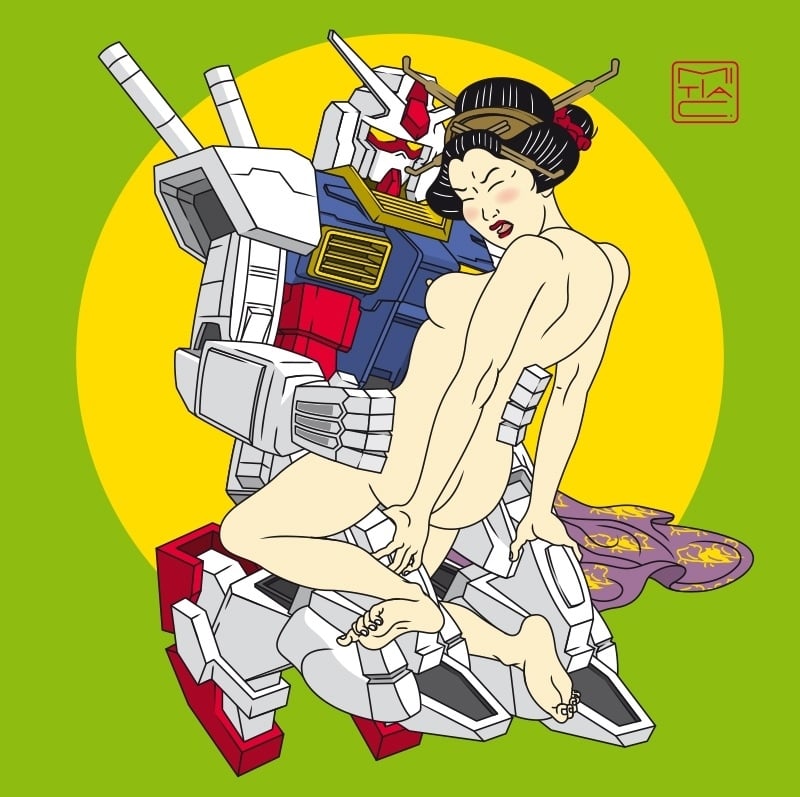
Fig.5 Mitia C., Gundasm (sophisticated dildo)
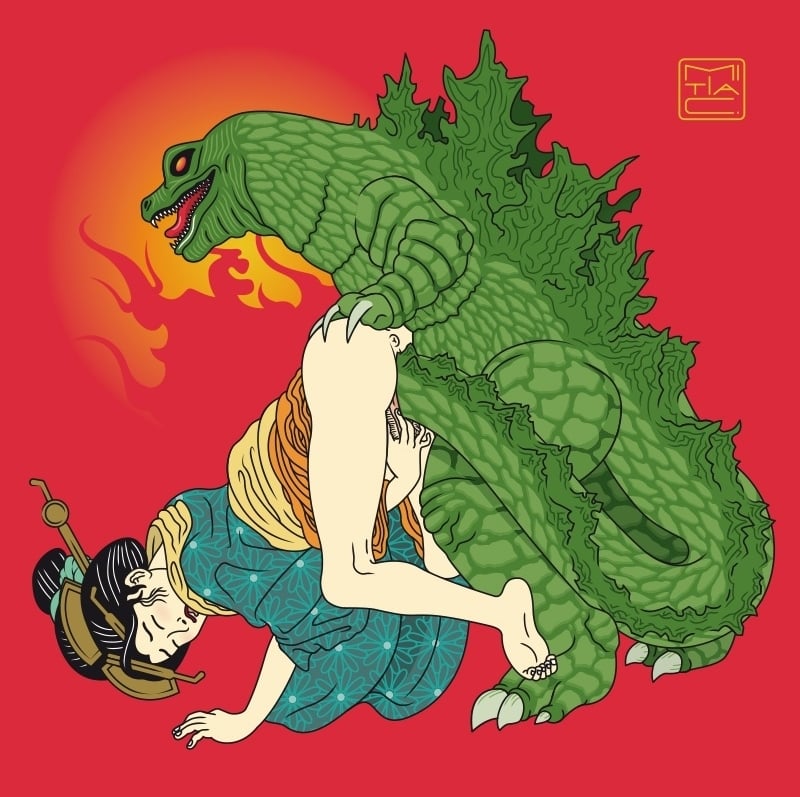
Fig.6 Mitia C., Gojirabu (nuclear power)
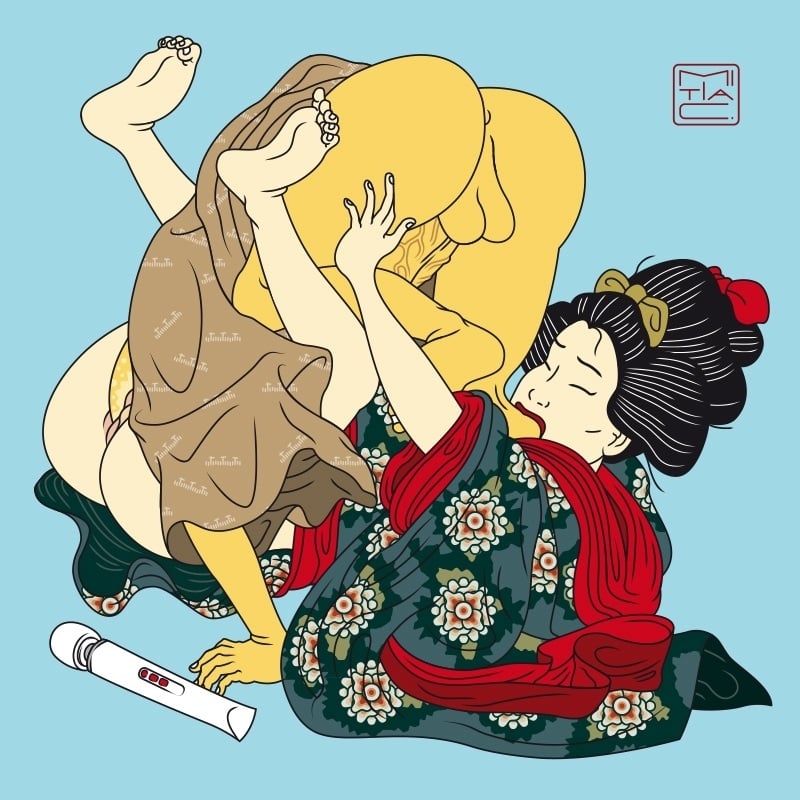
Fig.7 Mitia C., Maru (all-consuming passion)
3) Do you have a favorite sub-theme in shunga (like gay, bestiality, including Westerners, voyeurs...etc),? Is there a shunga artist who stands out for you?
I love it when shunga transcends the boundaries of realism and credibility, which, as I mentioned regarding Toshio Saeki's drawings, is a way of expressing the boundless nature of desire. In this sense, I'm particularly fond of scenes that combine women and animals. The touchstone of this subgenre of shunga is undoubtedly Hokusai's The Dream of the Fisherman's Wife, whose iconic status makes it somewhat equivalent, for Japanese art, to Gustave Courbet's L'Origine du monde for Western art. But I also greatly like those of Eitaku Kobayashi's works which follow this vein—works that, beyond their animal inspiration, are superbly drawn. I understand the inspiration behind these pictures all the better because we must not forget that a drawer, while certainly striving for the best possible final result, also seeks to enjoy the act of drawing itself. And if there is anything almost as enjoyable to draw as sex scenes, it is animals – and monsters.
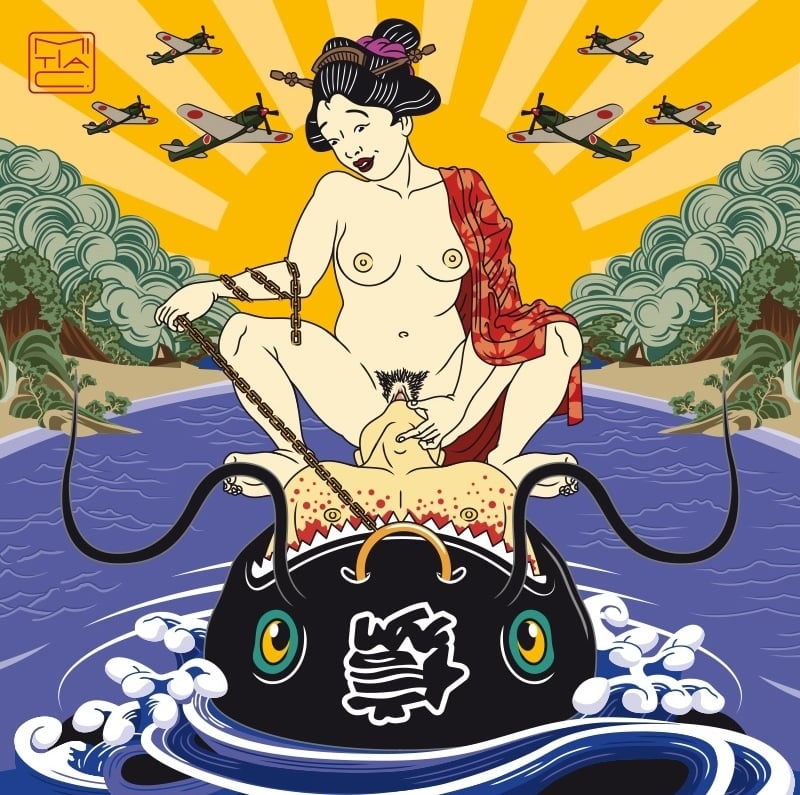
Fig.8 Mitia C., Namazu #2 (all's fair in love and war - again)
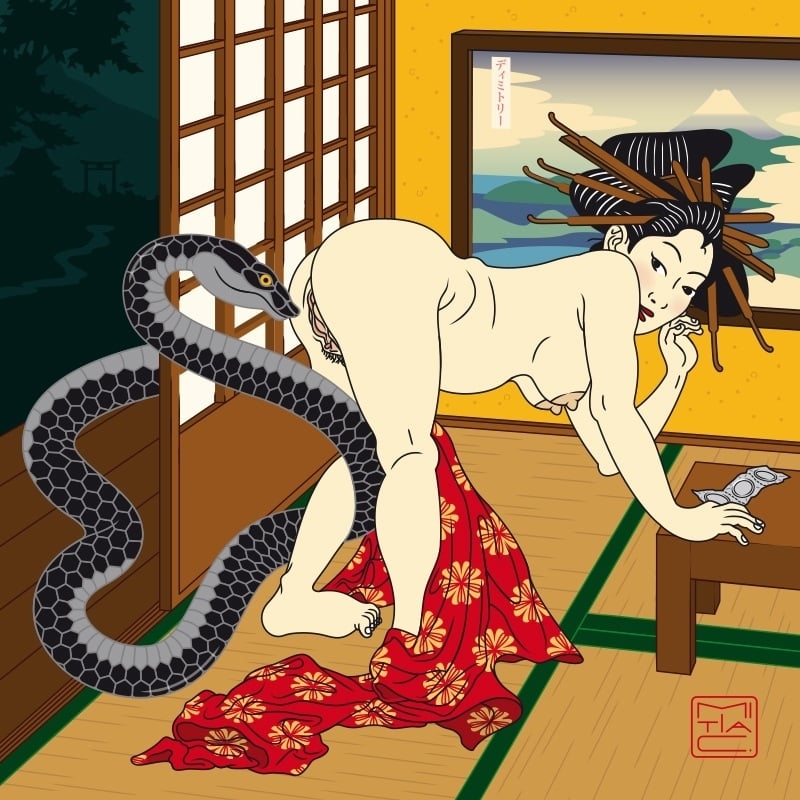
Fig.9 Mitia C., Hebi #4 (kimono my house)
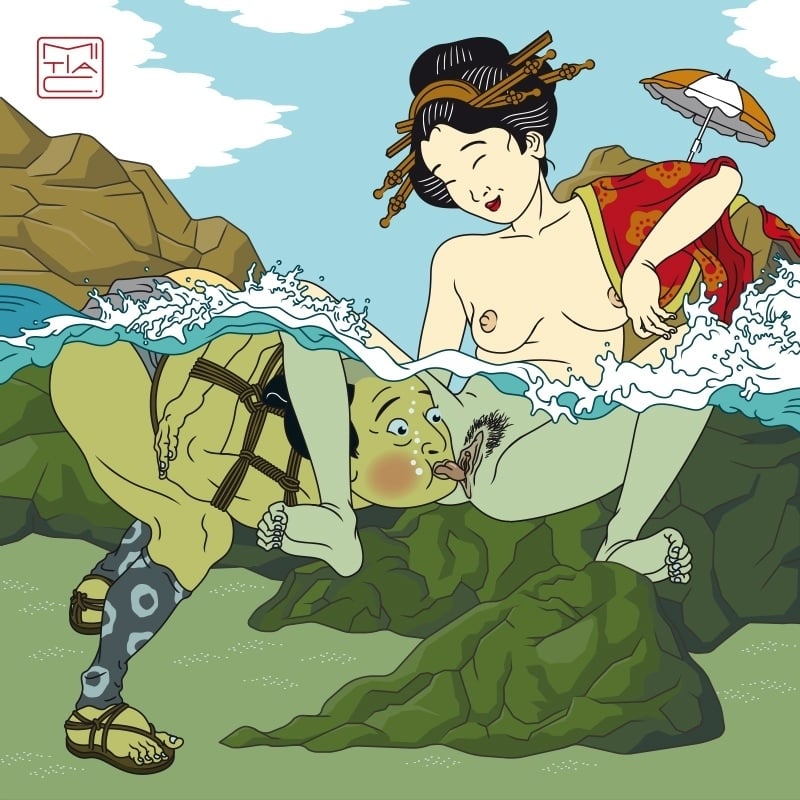
Fig.10 Mitia C., Kaigan (water play)
4) Aside from shunga, are there other Japanese artists who stand out for you? If so, who and why?
I hope I'm not indulging in overly superficial ethnology, but it seems to me that Japan's relationship to sexuality is far less burdened by taboos than ours in the West, maybe because Japan remained largely untouched by the influence of Christianity. This allows Japanese art in all its forms to explore, apparently without the aim of simply being transgressive, the excesses, violence, grotesqueness, and bizarre that all are forms sexual impulses can take. I would have difficulty listing all the Japanese artists I admire who have explored these territories. In photography, Nobuyoshi Araki; in literature, Jun'ichirō Tanizaki (whose The Key is a kind of Japanese counterpart to Venus in Furs); in cinema, Takashi Miike and Sono Sion; and in graphic arts, in addition to the artists I've already mentioned, Namio Harukawa and Shintaro Kago.
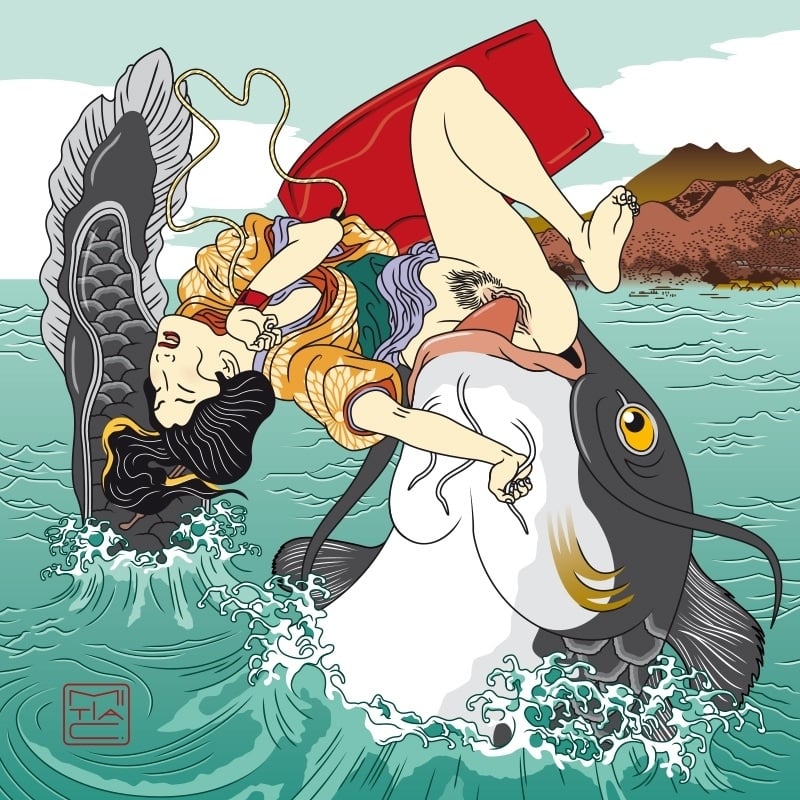
Fig.11 Mitia C., Namazu (biting off more than it can chew)
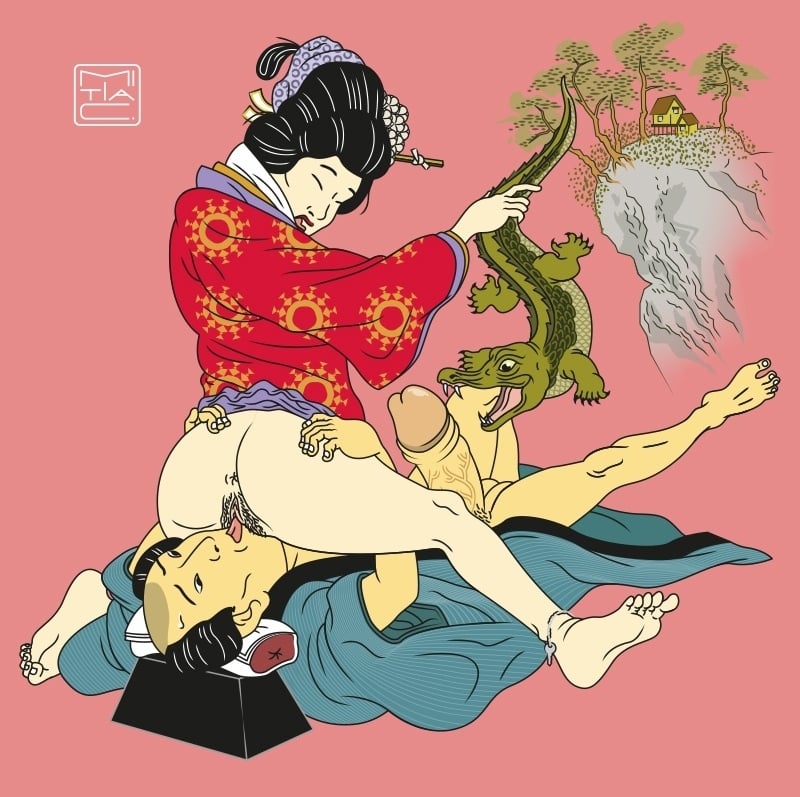
Fig.12 Mitia C., Wani #2 (keep your nose to the grindstone).
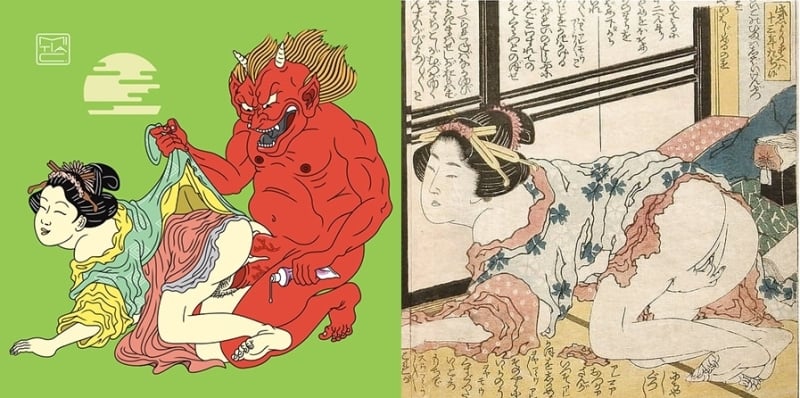
Fig.13 Mitia C., 鬼 3 - Oni #3 (left), detail from Hokusai's Manpuku wagojin (Gods of Intercourse), c.1821 (right)
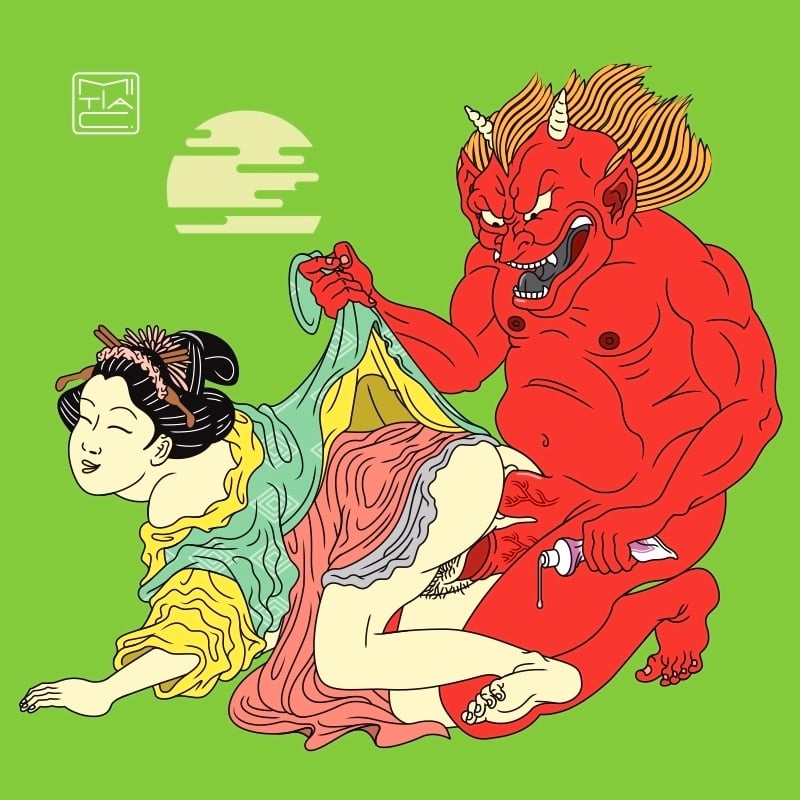
Fig.13a Mitia C., 鬼 3 - Oni #3
5) Do you also collect shunga art?
I'm neither a respectful art historian nor a learned collector. But yes, you could say I collect shunga art, in the sense that I have a large collection of digitized shunga reproductions on my computer, images I've gleaned from the internet (especially from Shunga Gallery!) I have a predatory approach, like many people who draw, I think: I shamelessly plunder these resources for my own drawings. My process is pretty much always the same. I have an idea of what I want to represent; this idea implies certain body positions; I search through the images I've collected to find models for these positions, sometimes using three or four different shunga images as models for the same female figure: one for the hairstyle, one for the bust, one for the legs, one for the feet... I sometimes think I could just as easily do collage as drawing.
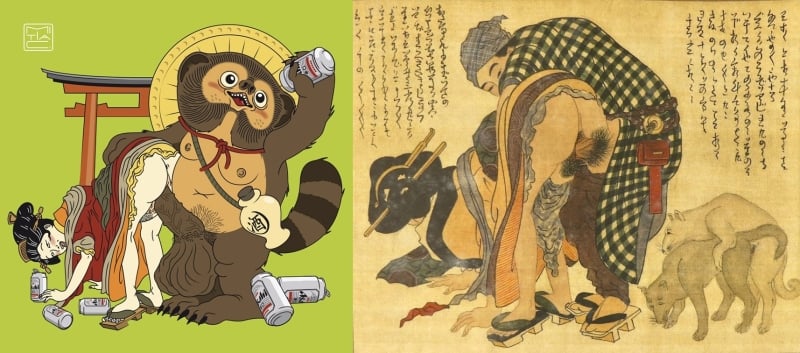
Fig.14 Mitia C., 狸 - Tanuki (left), design from Hokusai's series ‘The Horny God of Izumo (En-musubi Izumo no sugi), c.1822
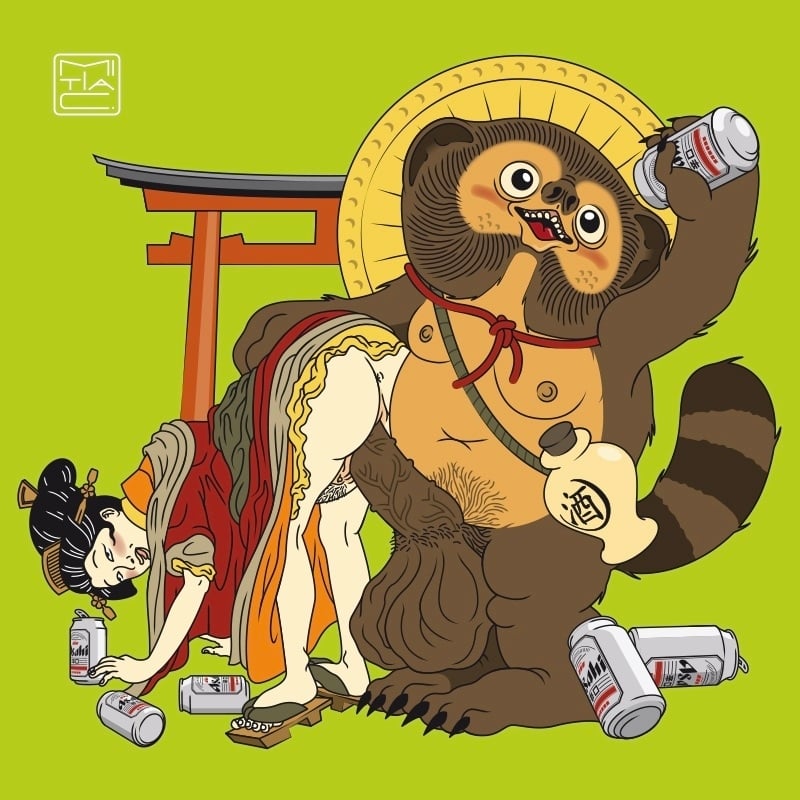
Fig.14a Mitia C., 狸 - Tanuki
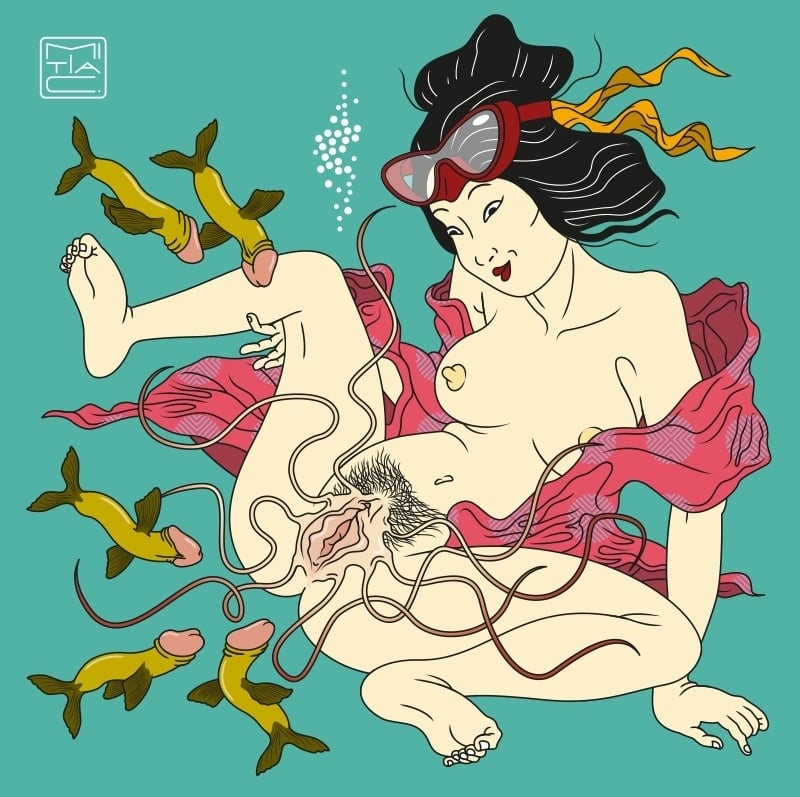
Fig.15 Mitia C., Kurage #2 (fatal attraction)
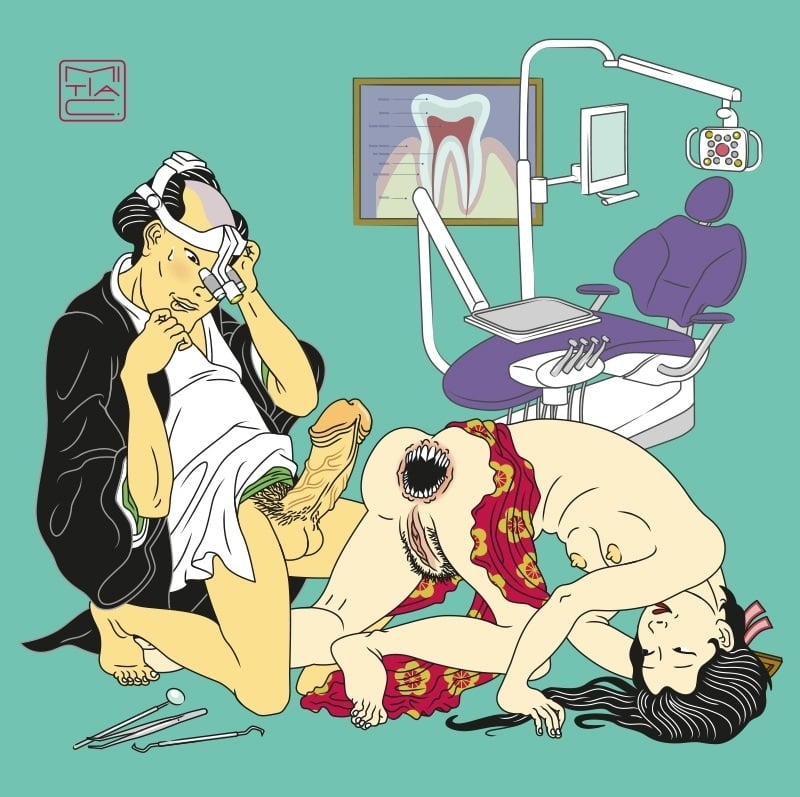
Fig.16 Mitia C., Ha (dilemma)
6) Are you familiar with other modern shunga artists? If so, do you have any favorites?
I'm thinking in particular of the very beautiful works of Jeff Faerber or Aiko Robinson. And beyond erotica, some artists are similarly revitalizing the tradition of ukiyo-e and Japanese drawing by incorporating contemporary elements or techniques, such as Yuko Shimizu or Akira Yamaguchi. This postmodern approach seems to me typical of our time: we are maybe too overwhelmed and exhausted by globalization and the accompanying flood of images, so easily available via the internet, to create new forms. We take refuge in reinterpretations of past forms—which can nevertheless yield magnificent or humorous results, as in the case of the artists I mentioned.
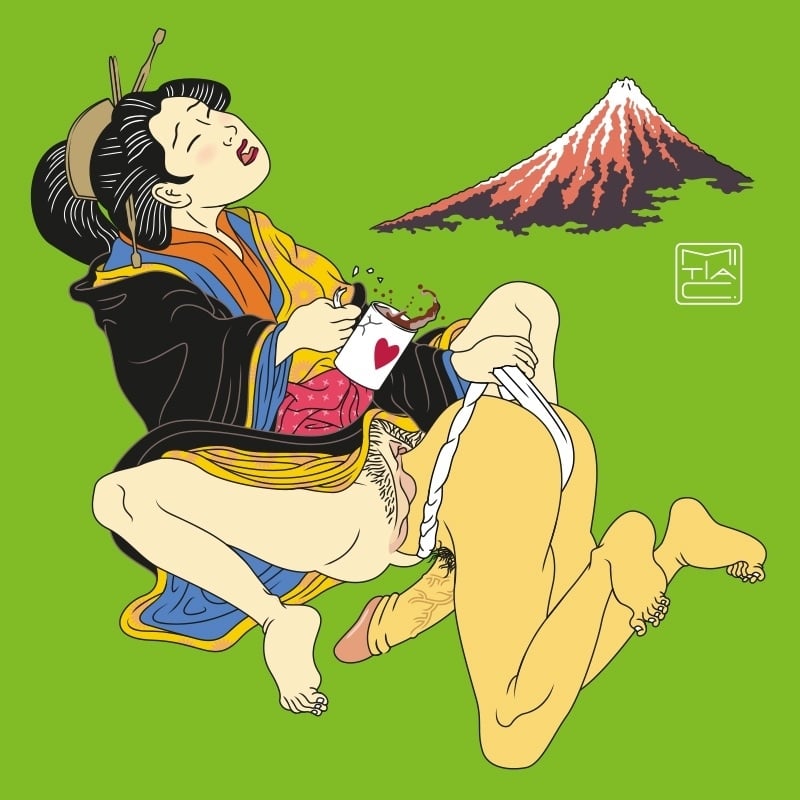
Fig.17 Mitia C., Kappu (faster, deeper, stronger)
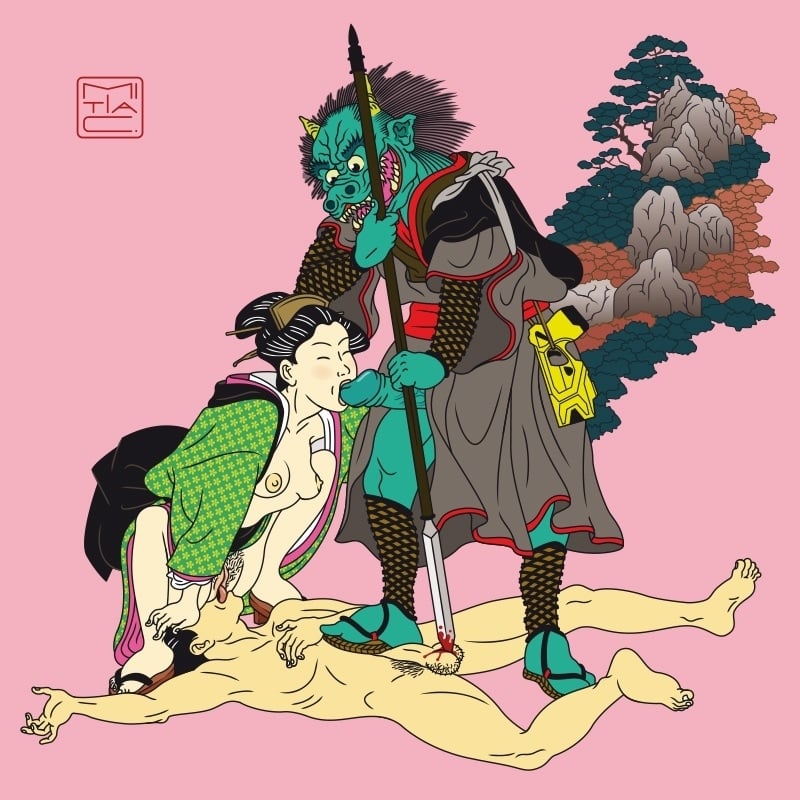
Fig.18 Mitia C., Oni #7 (all's fair in love and war).
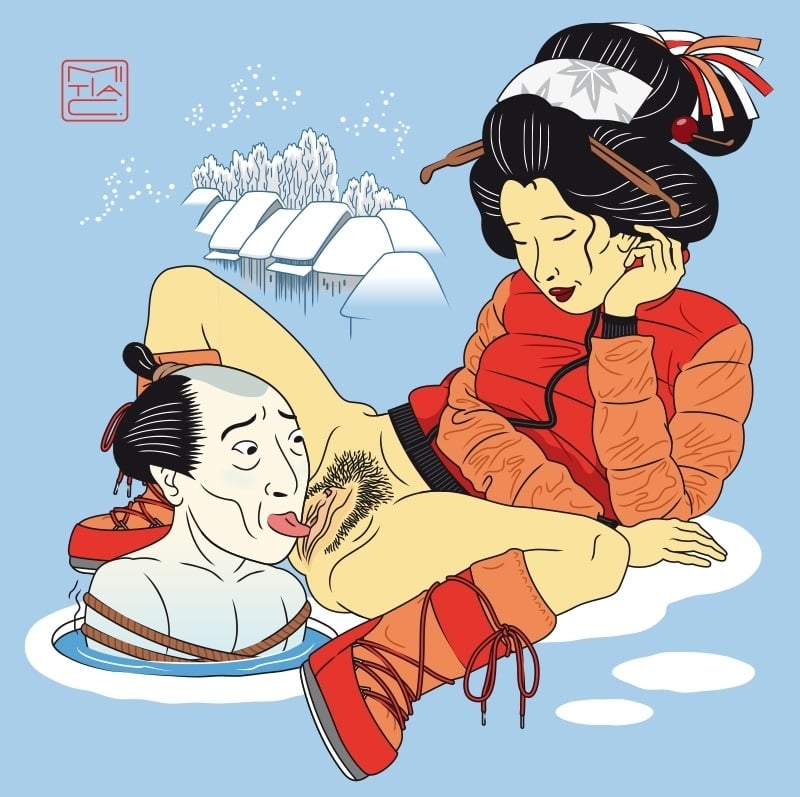
Fig.19 Mitia C., Kori (happy christmas!)
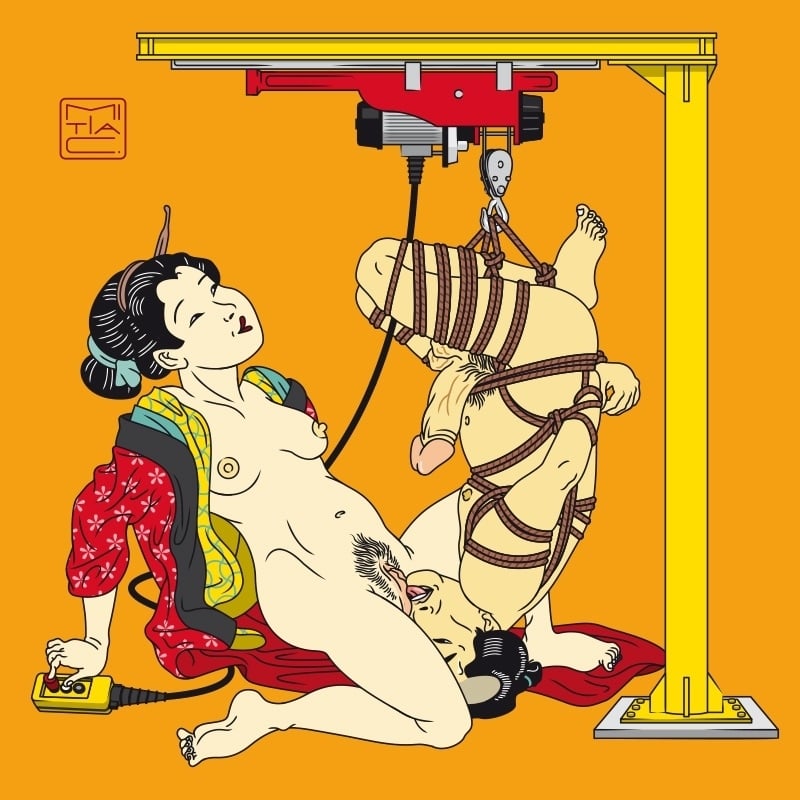
Fig.20 Mitia C., Uinchi (unpacking new toys)
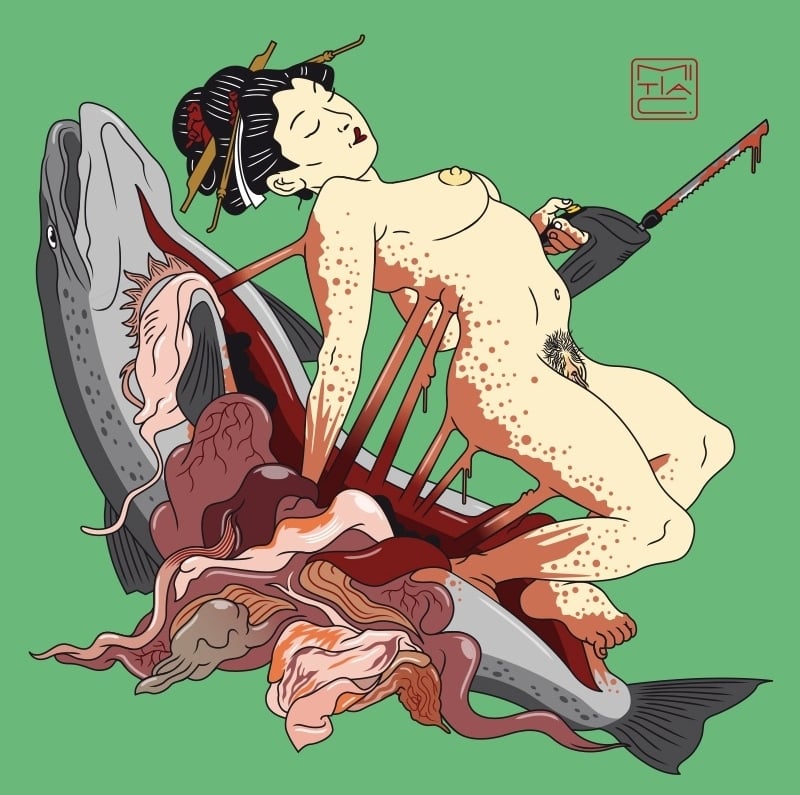
Fig.21 Mitia C., Sake (the birth of Venus)
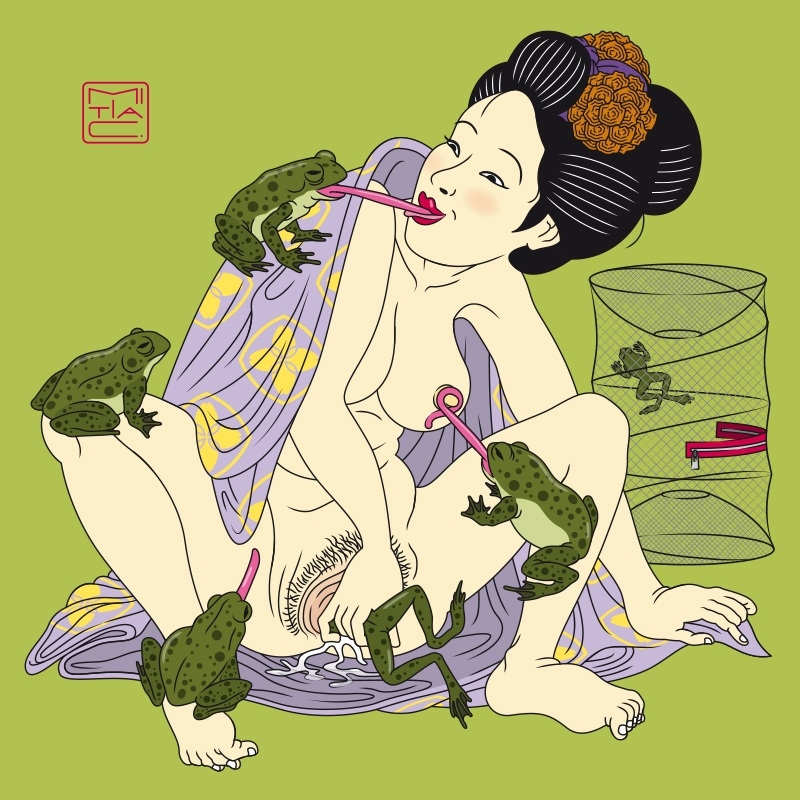
Fig.22 Mitia C.,. Kaeru (Who needs a prince?)
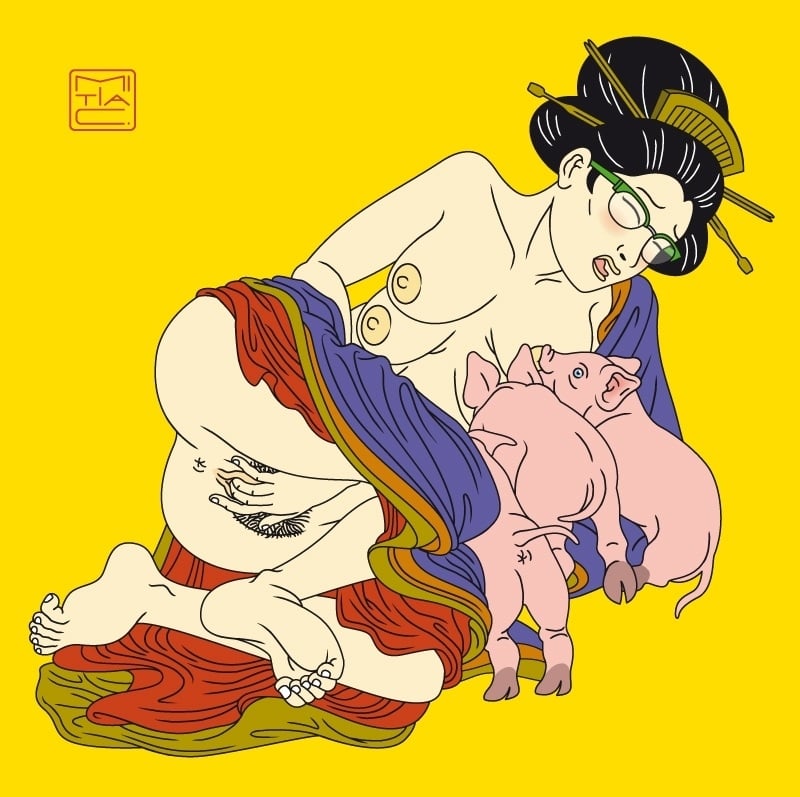
Fig.23 Mitia C., Buta (a win-win situation)
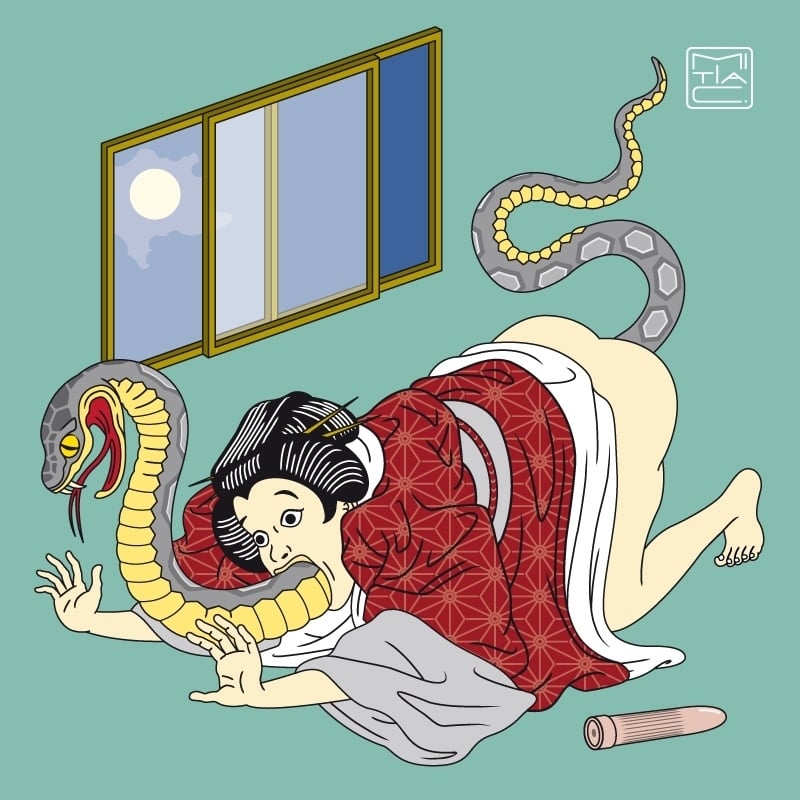
Fig.24 Mitia C., Hebi #2 (be careful what you dream about))
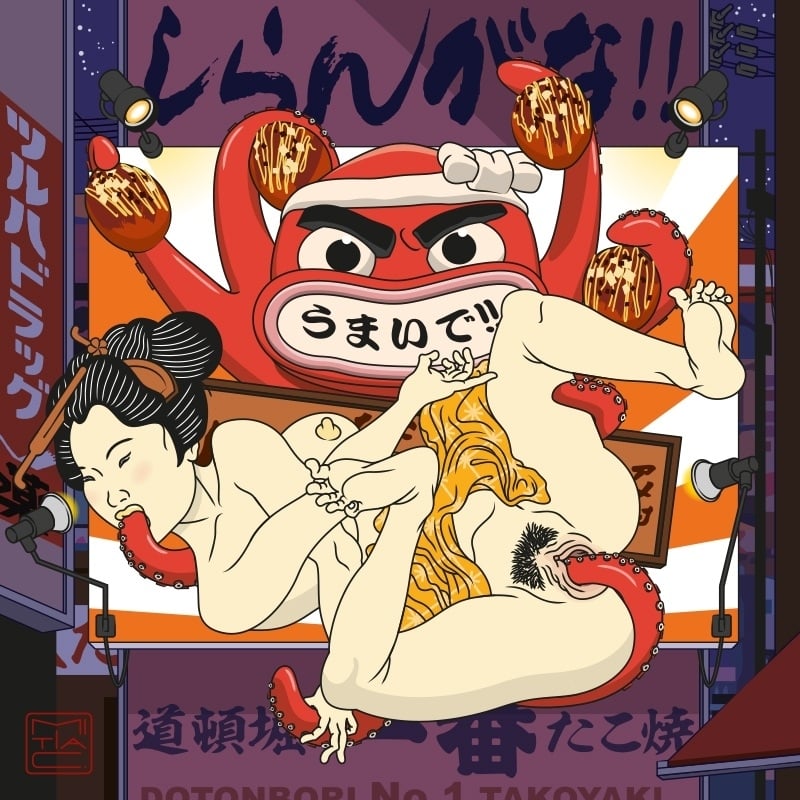
Fig.25 Mitia C., たこ焼 - Takoyaki
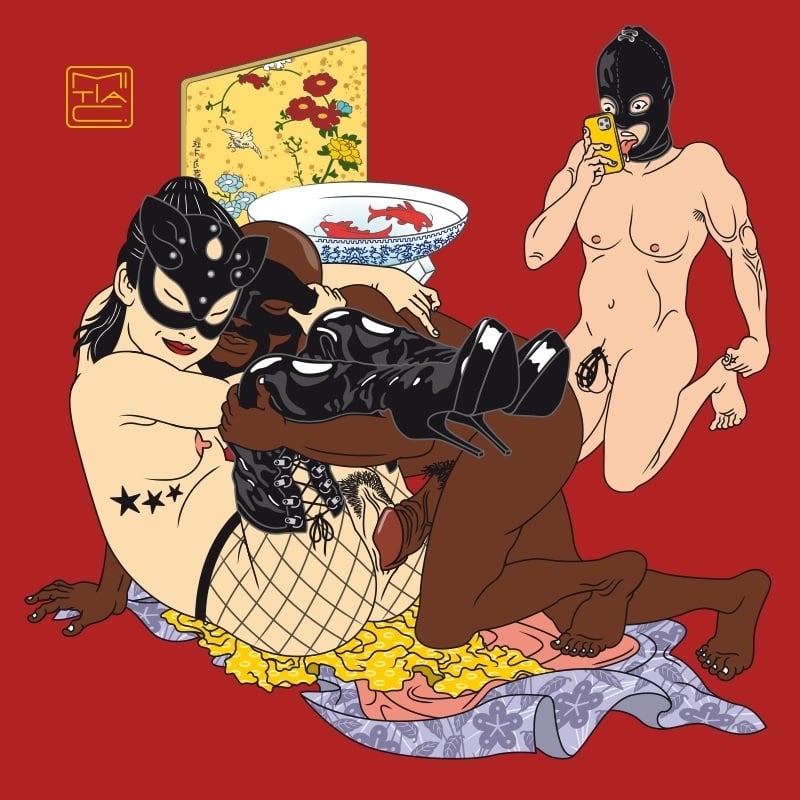
Fig.26 Mitia C., 紺 - Kon.
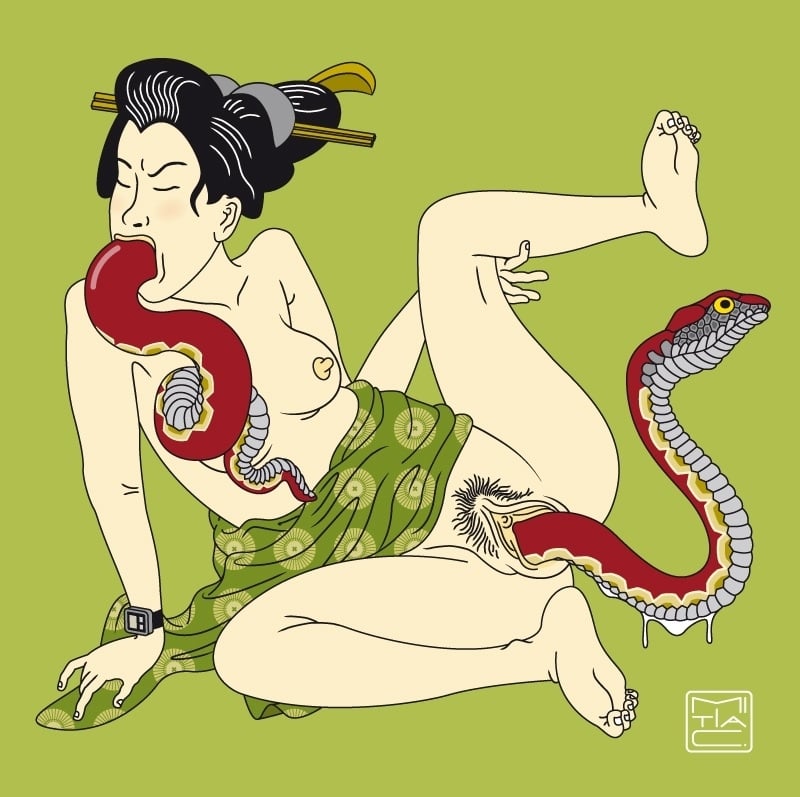
Fig.27 Mitia C., 蛇 - Hebi.
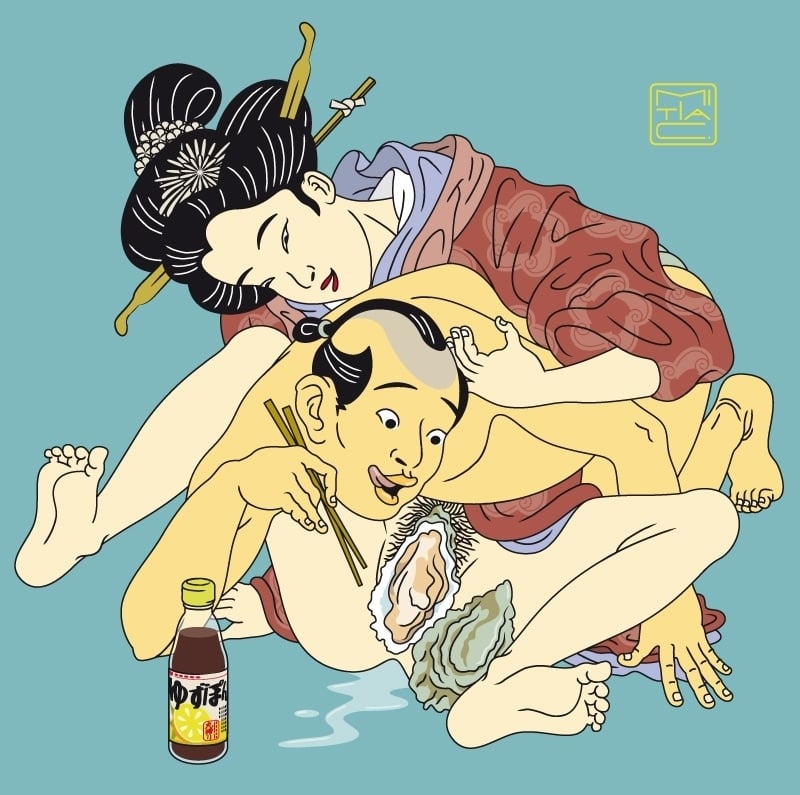
Fig.28 Mitia C., 牡蛎 - Kaki
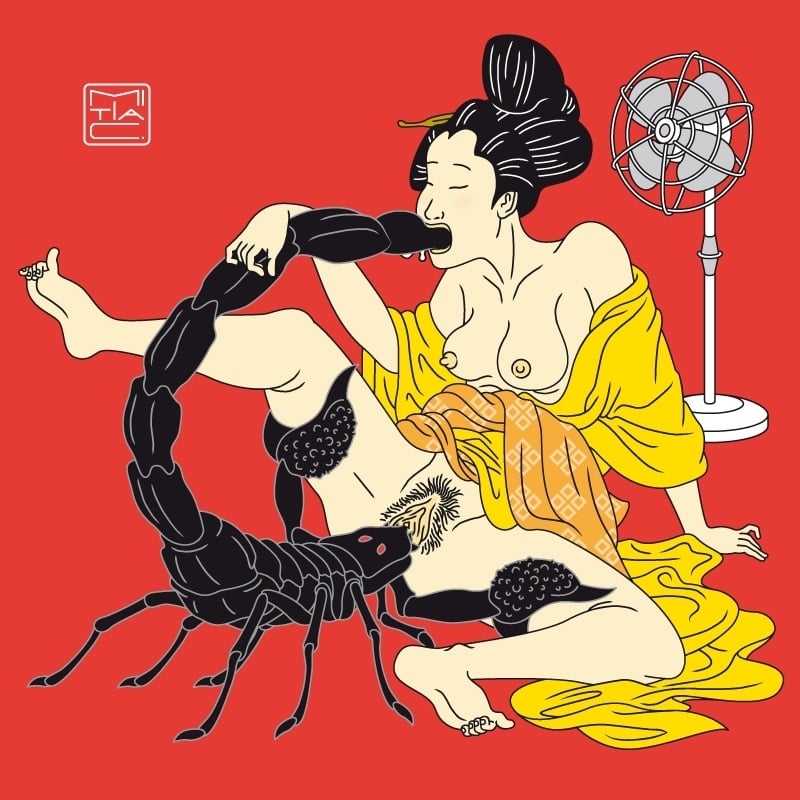
Fig.29 Mitia C., 蠍 - Sasori.
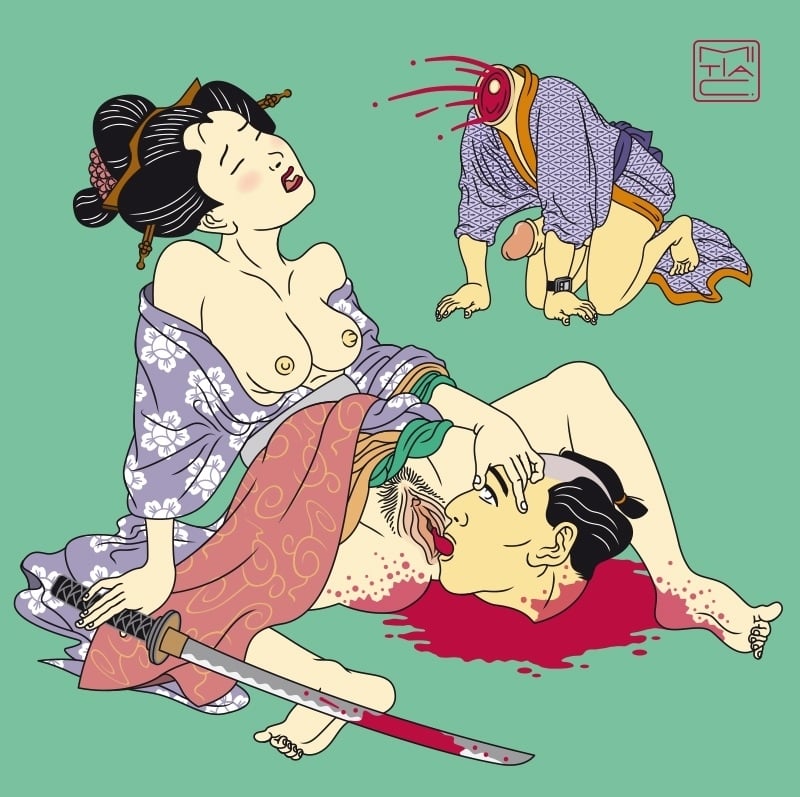
Fig.30 Mitia C., 血 - Chi
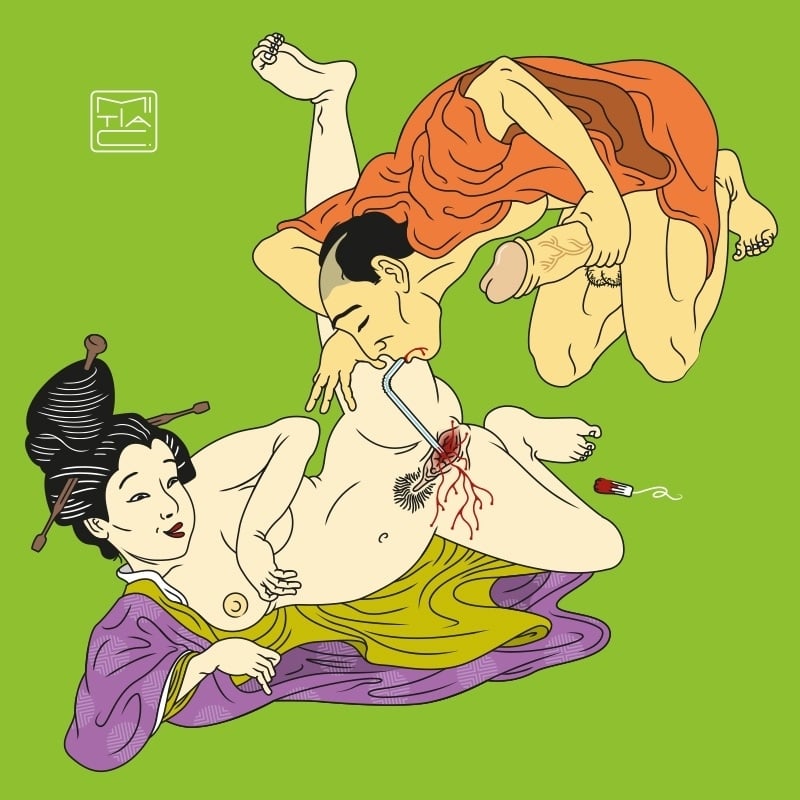
Fig.31 Mitia C.., 血液 - Ketsueki
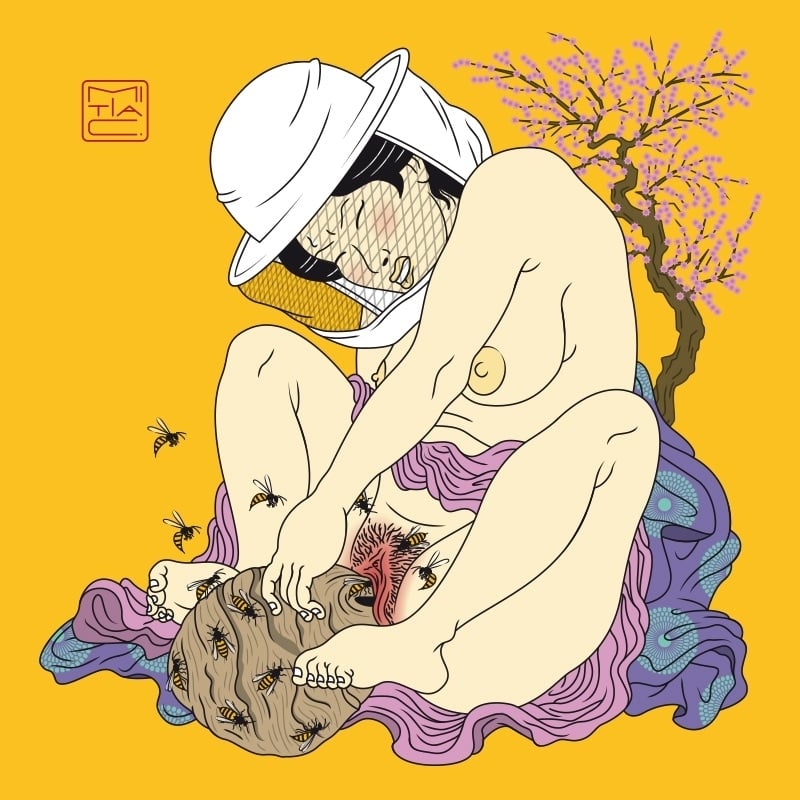
Fig.32 Mitia C., 雀蜂 - Suzumebachi
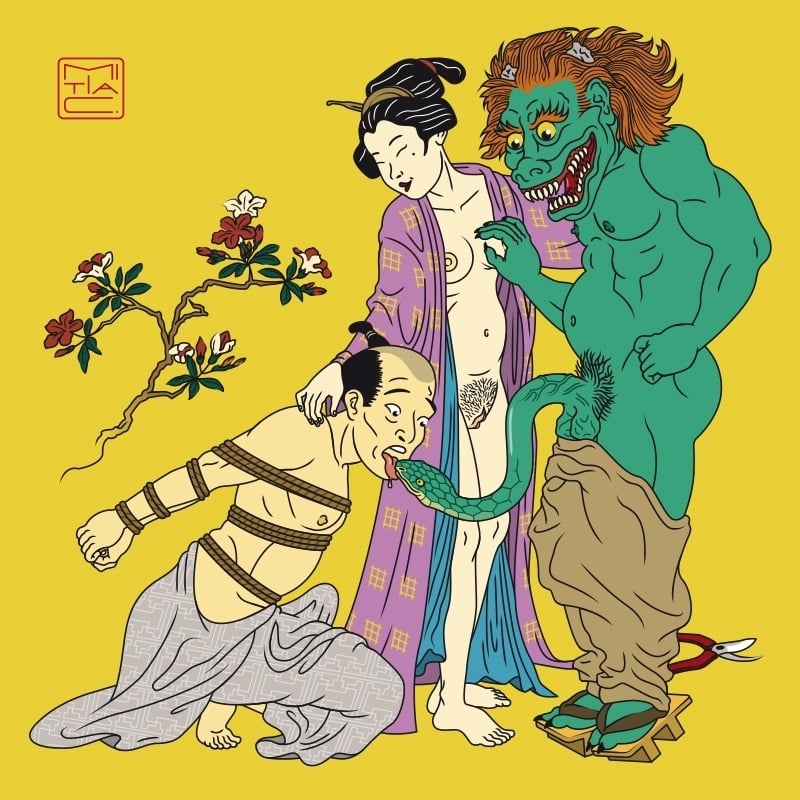
Fig.33 Mitia C., 鬼 6 - Oni #6.
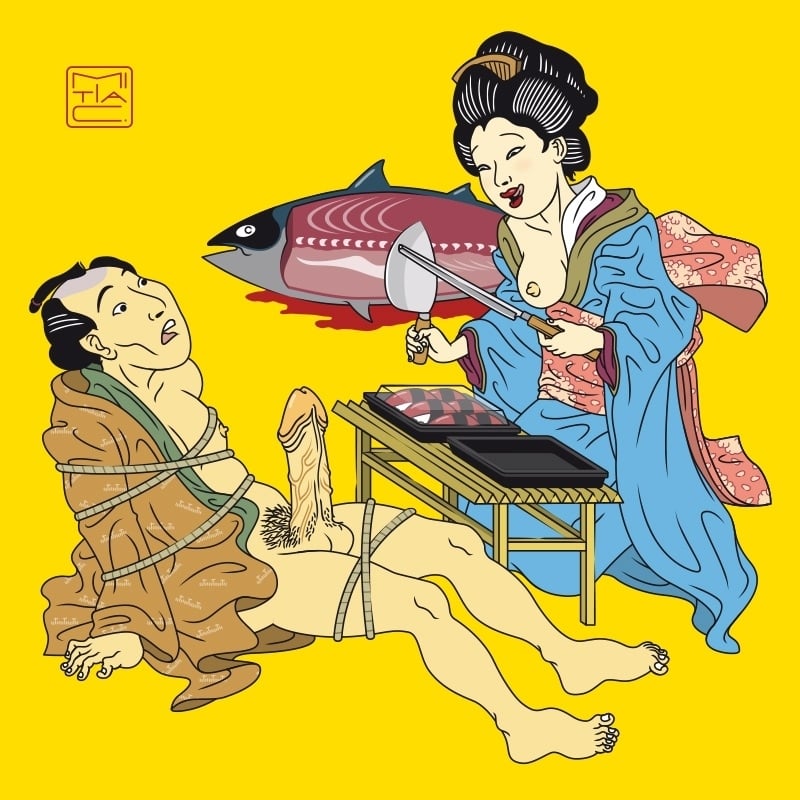
Fig.34 Mitia C., 鮪 - Maguro
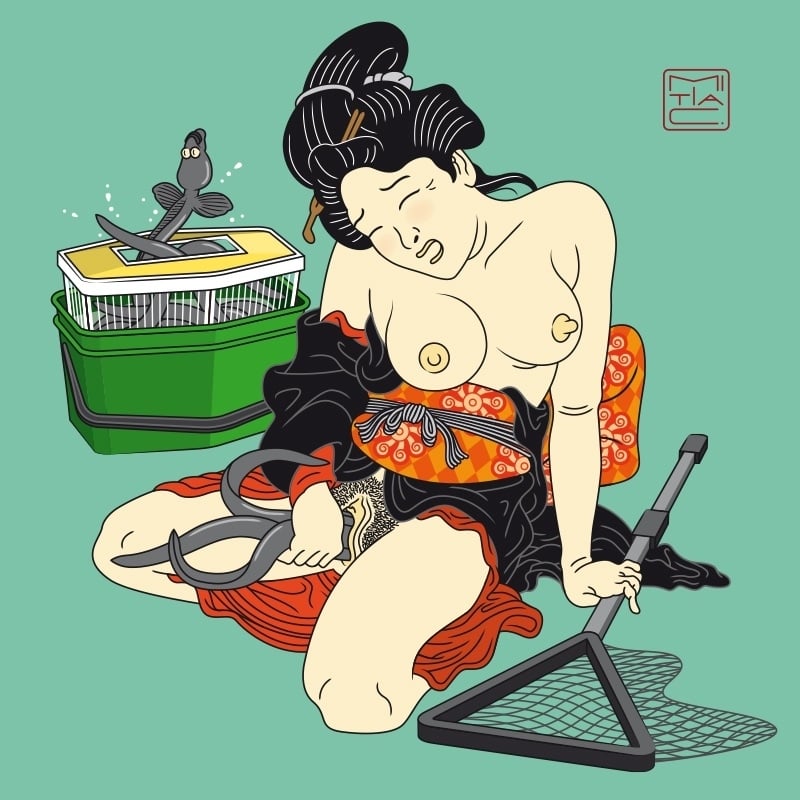
Fig.35 Mitia C., 鰻 - Unagi.
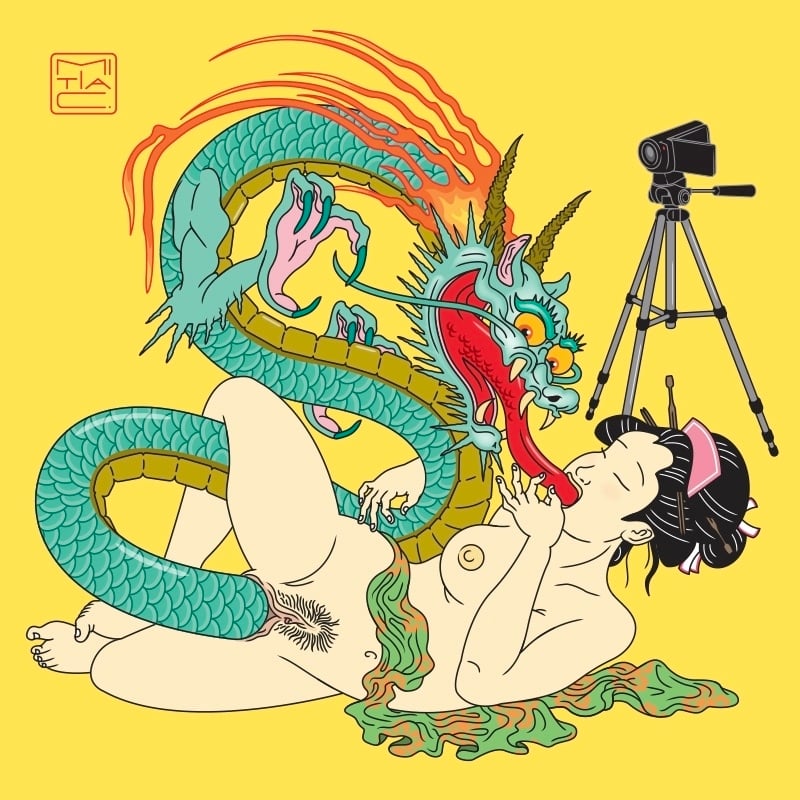
Fig.36 Mitia C., 龍 - Tatsu
Mitia C. can be found on X.com, Deviant Art, and his website
Click HERE for our interview with the shunga artist Aiko Robinson or HERE for Reynolds and Rose re-interpreting traditional Japanese Ukiyo-e shunga
Let us know thoughts on Mitia C's work in the comment box below...!!